
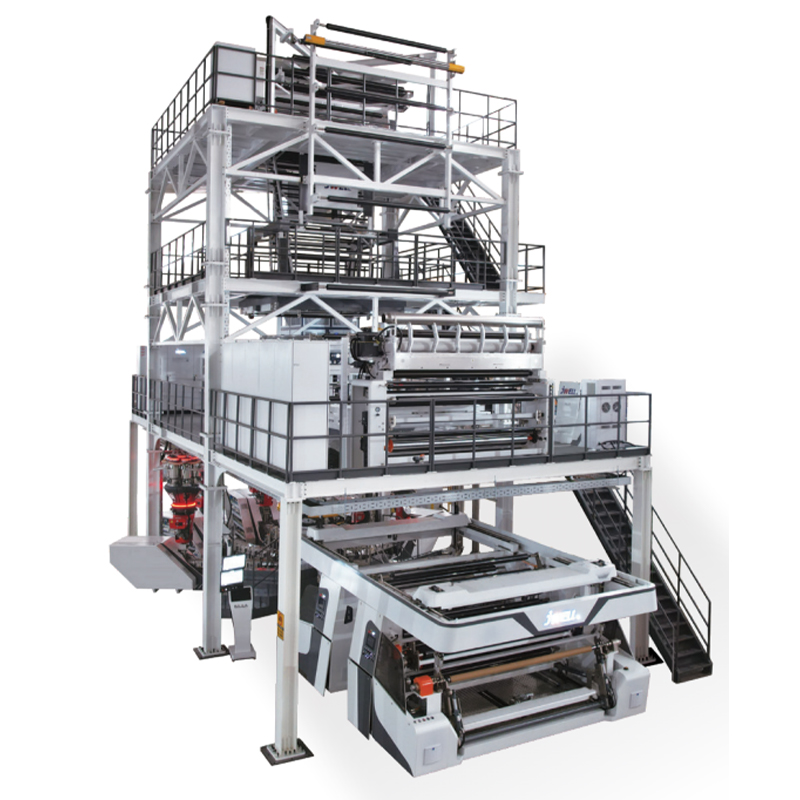


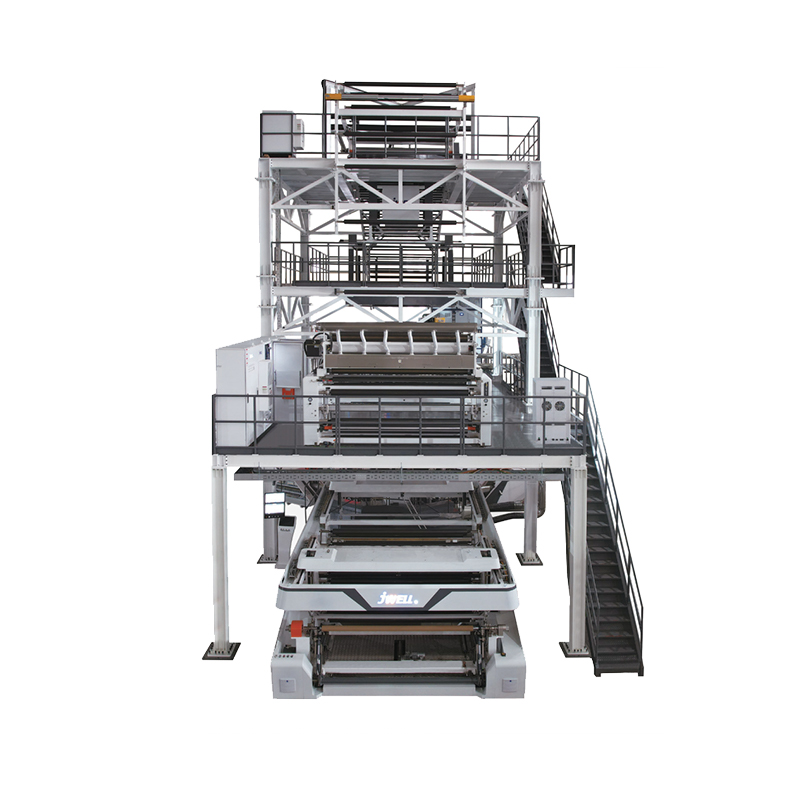
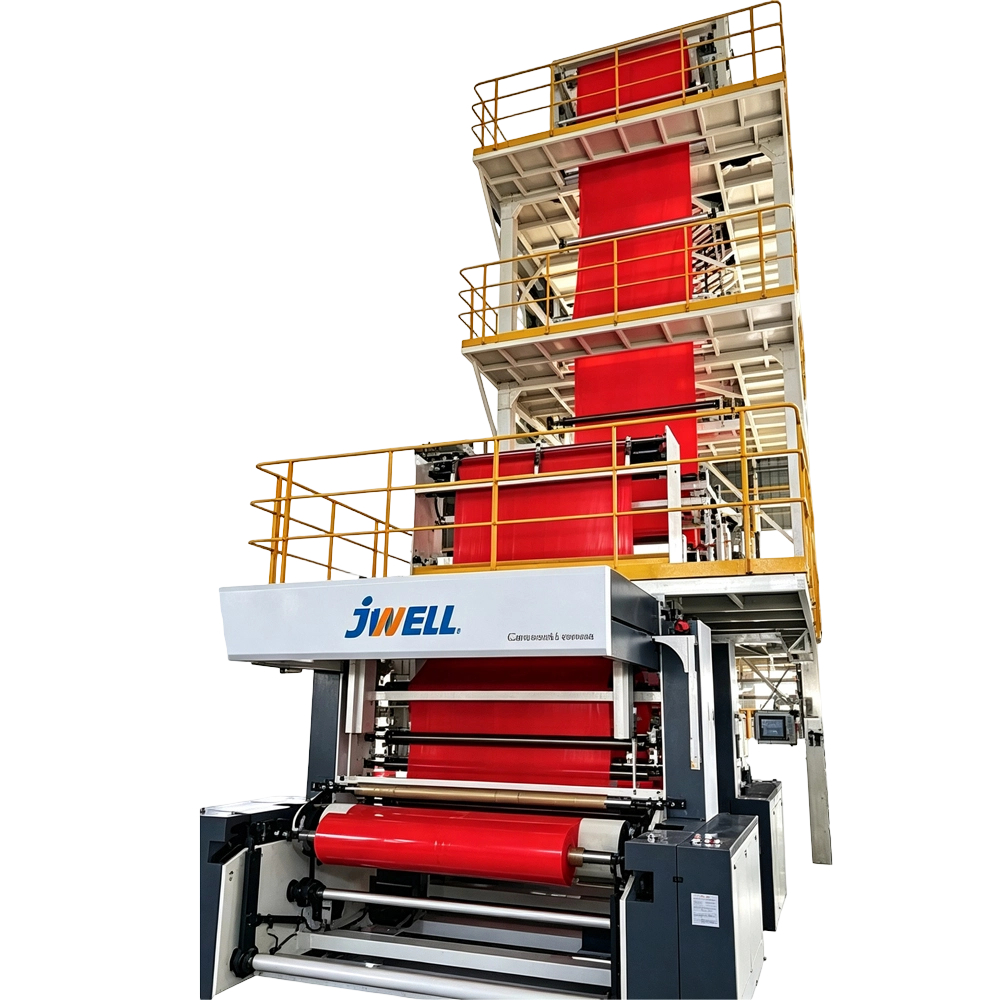
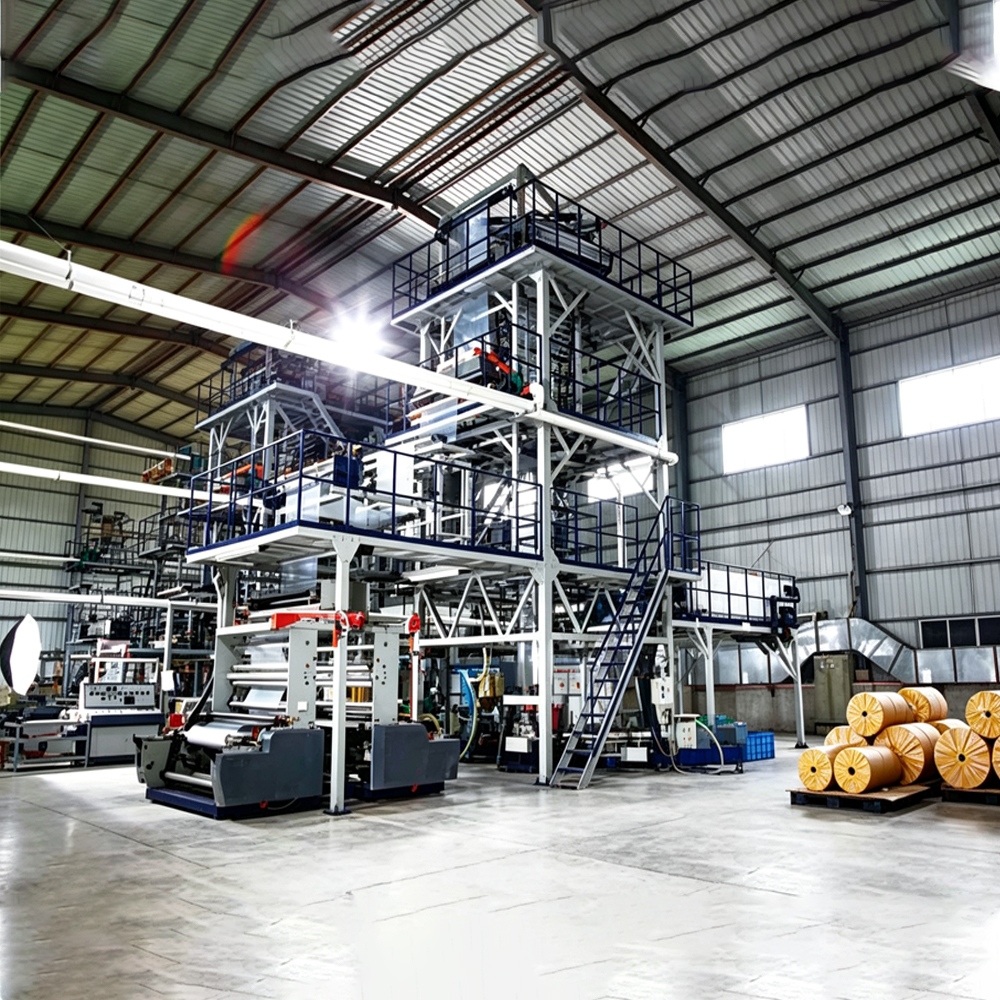
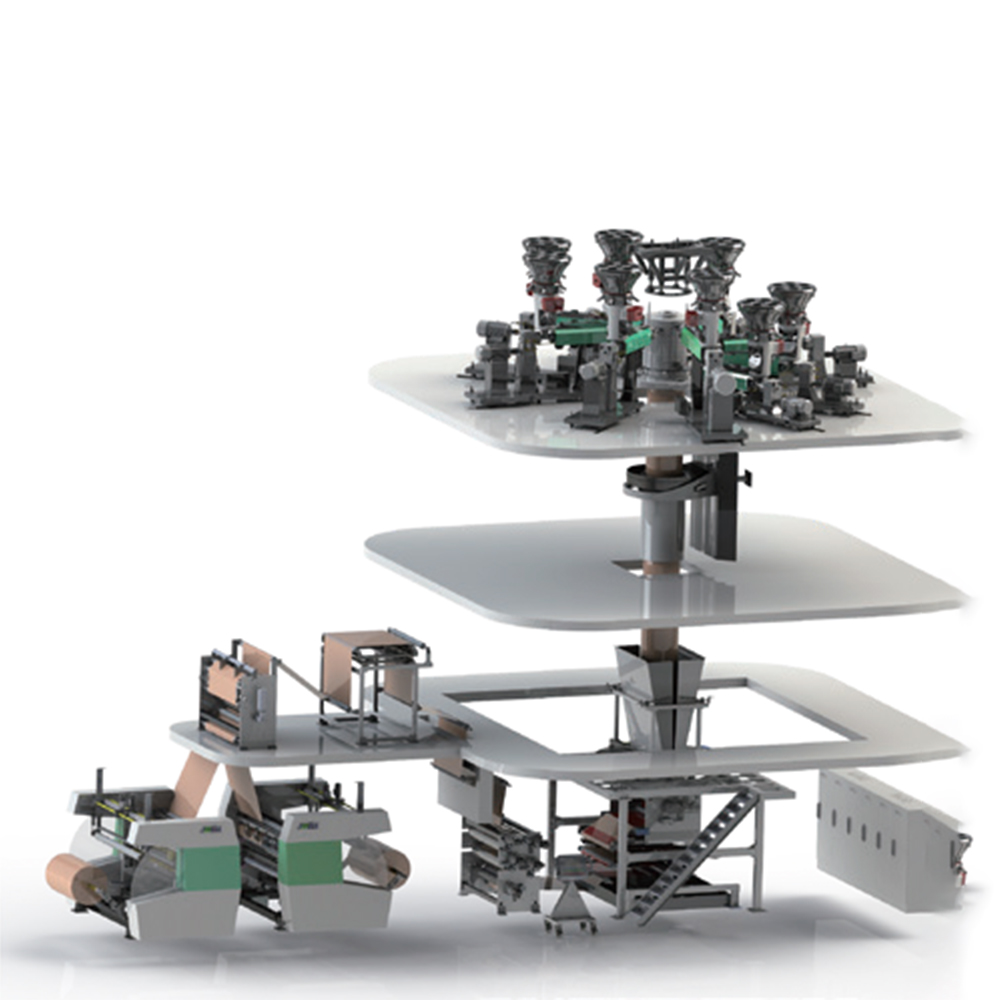
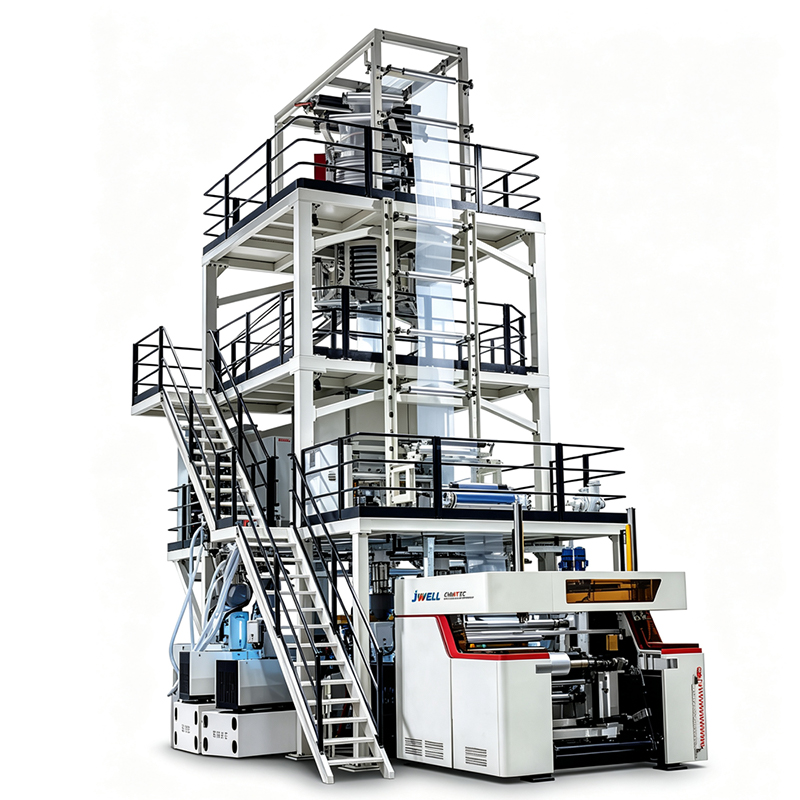
Jwell’s Blown Film Extrusion Line is designed for high-efficiency production of high-quality films for packaging, agriculture, and industrial applications. Known for its robust construction, advanced automation, and multi-layer co-extrusion capabilities, Jwell ensures consistent product performance while reducing material waste. The line supports a wide range of materials, including PE, PA, EVOH, and biodegradable options, catering to diverse industry needs.
Our company prides itself on delivering end-to-end solutions. From customized line design and installation to on-site training and remote technical support, Jwell guarantees smooth operation and rapid return on investment. High-speed production, precise thickness control, and energy-efficient operation make our lines suitable for both small-scale and large-scale manufacturing.
Customers often ask about production flexibility and maintenance. For instance, operators inquire about adjusting film width and thickness for different applications. Jwell’s lines feature user-friendly control systems that allow easy adjustments and real-time monitoring. Another common question is about producing food-grade or biodegradable films—our technical team ensures the line meets strict safety and environmental standards.
By combining advanced engineering, reliable service, and tailored solutions, Jwell helps businesses achieve consistent quality, higher productivity, and sustainable growth in the competitive film market.
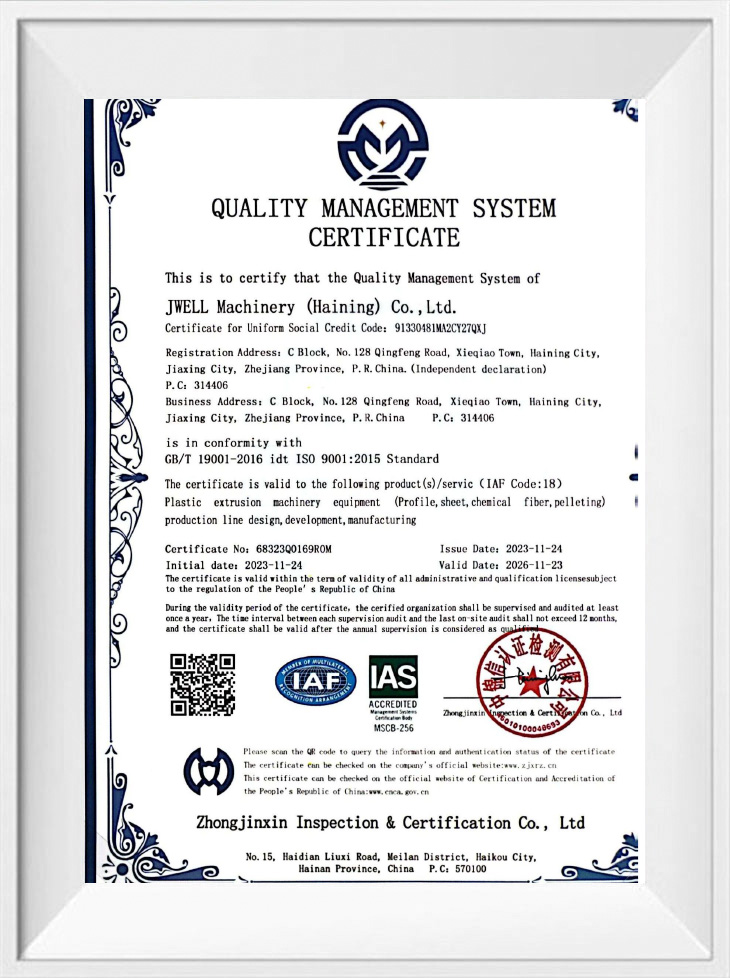
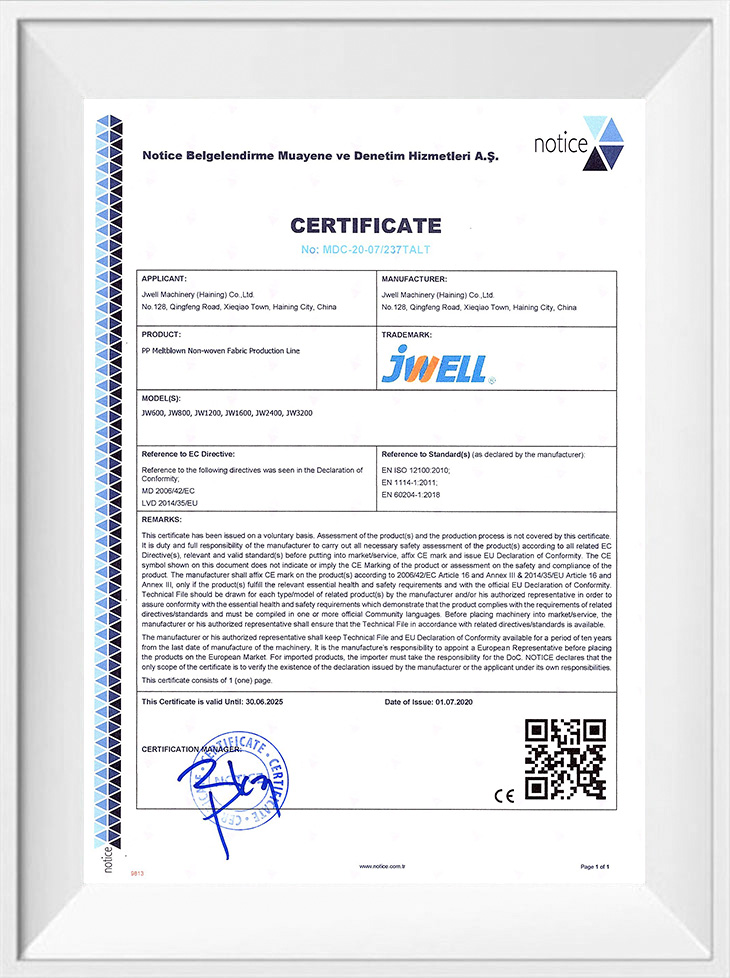
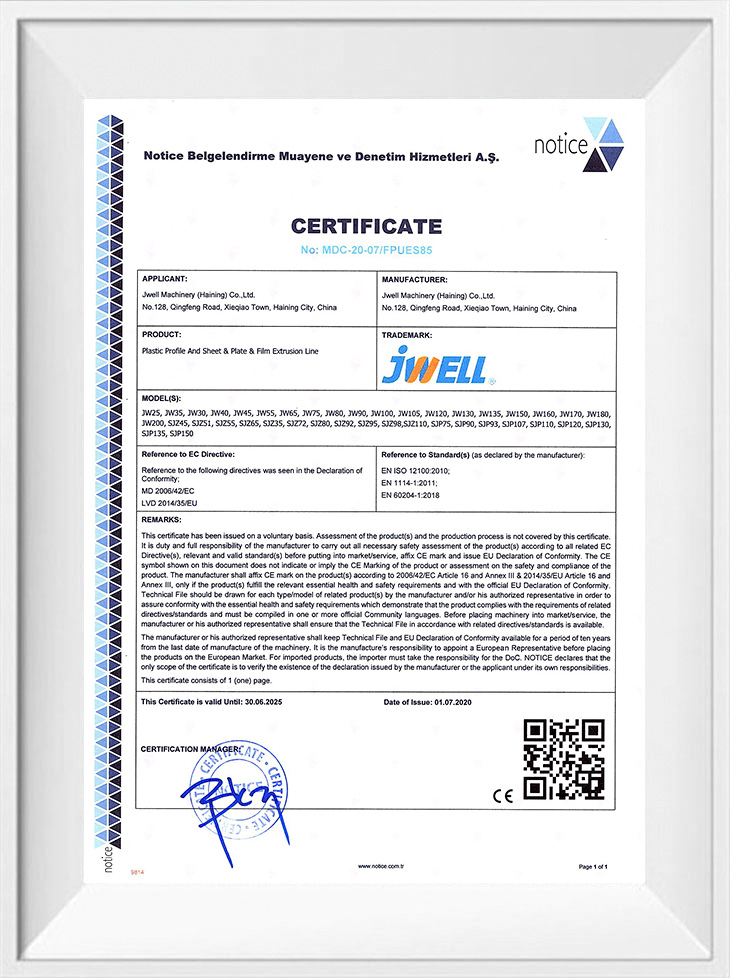
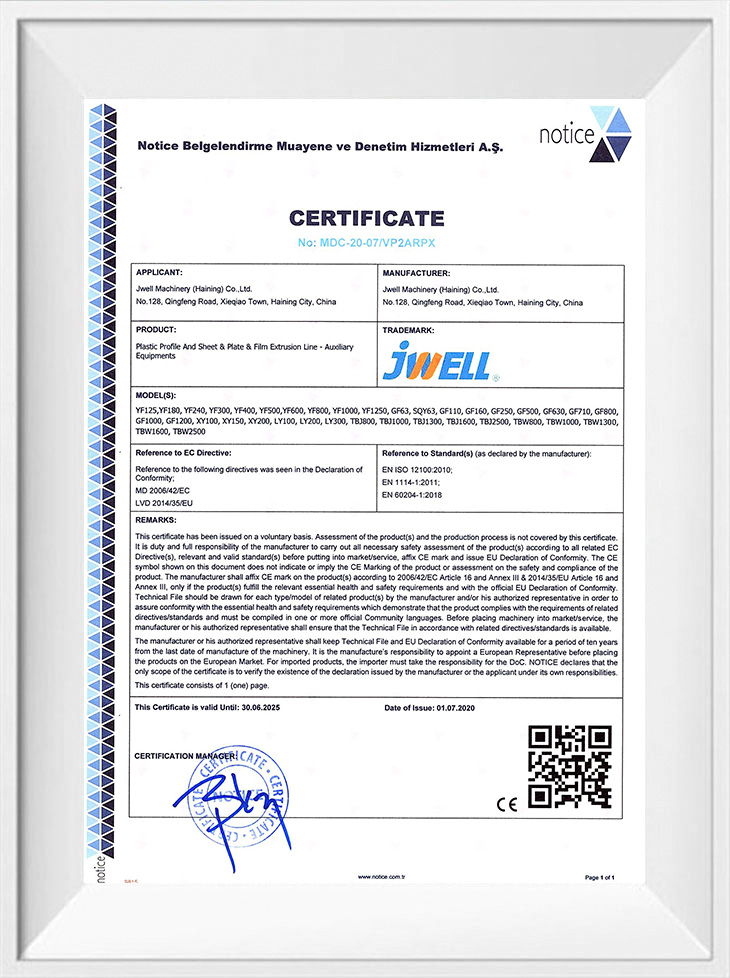
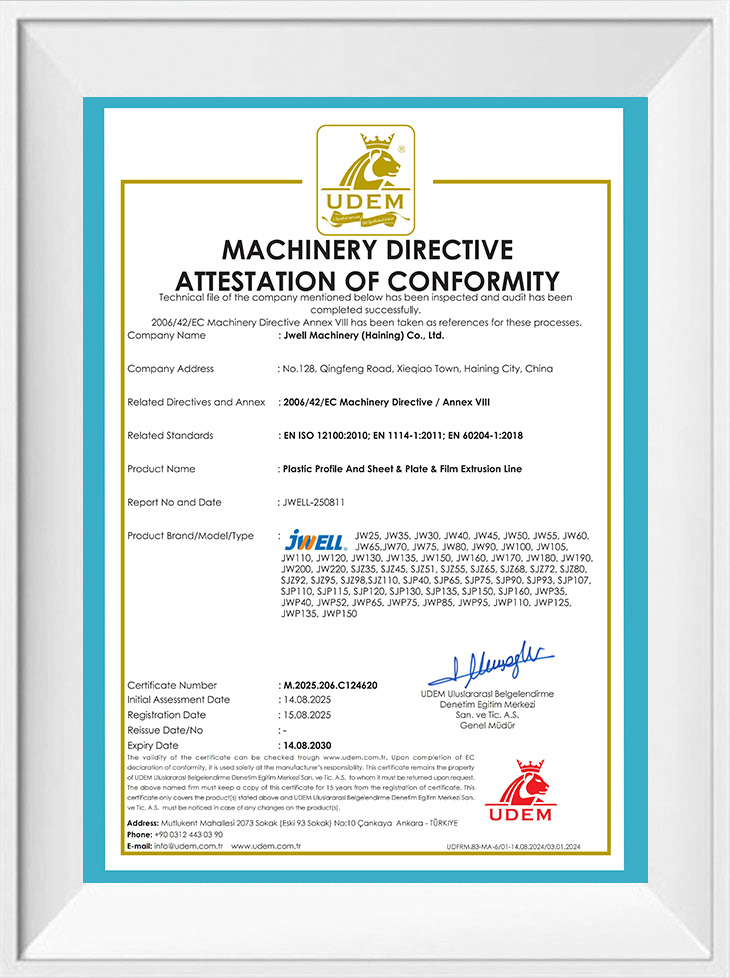
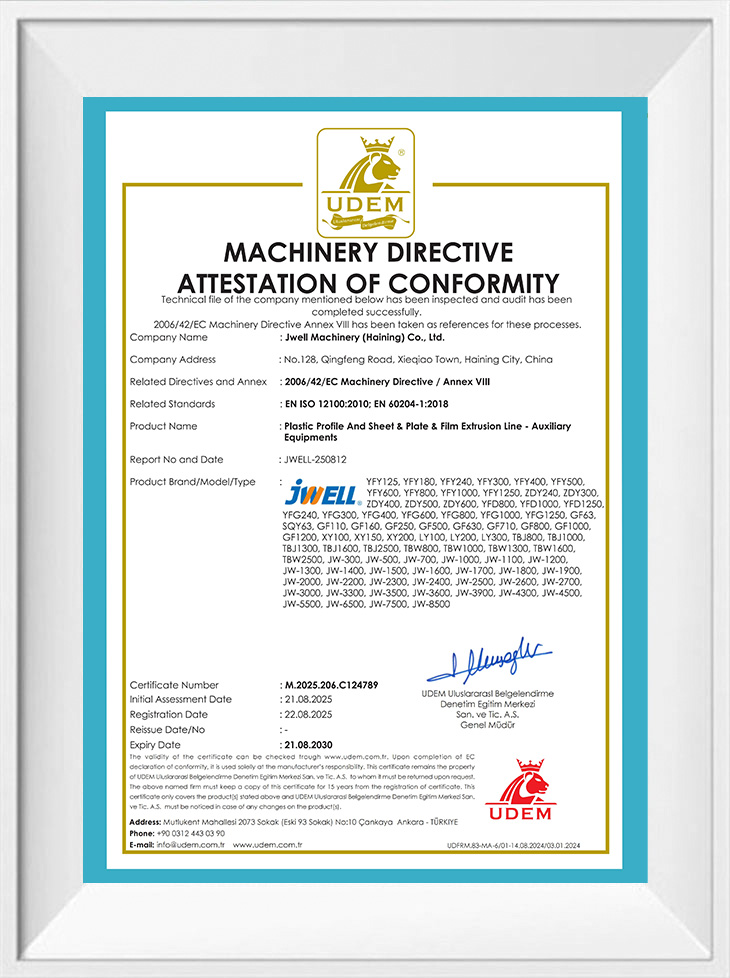
JWELL Machinery was founded in Shanghai in 1997. It is a national high-tech enterprise specializing in complete plastic extrusion and chemical fiber spinning equipment. The company has 14 modern production bases in China and overseas, covering a total area of over 1,000 acres, with more than 3,000 employees, including 480+ technical and management personnel. The annual output is over 3,000 sets of high-end extrusion lines, with annual sales exceeding 5 billion RMB. Products are exported to more than 130 countries and regions worldwide, serving over 10,000 customers. It is a national high-tech enterprise, holding over 1,000 national patents (including 100+ invention patents), and has passed CE and ISO9001 certifications. It has won honors such as "National Top 50 Light Industry Equipment Manufacturers" and "Specialized and Sophisticated 'Little Giant' Enterprise". Products are sold to more than 120 countries and regions. It is the Vice President Unit of the China Plastics Machinery Industry Association (CPMIA), a globally leading professional manufacturer of complete plastic extrusion and chemical fiber spinning equipment, and has ranked first in China's plastic extrusion industry for many consecutive years.
For industrial production customers, purchasing an extruder is not simply a matter of comparing equipment prices and par...
A plastic bottle looks like one material. It is not. The wall is a sandwich, an outer layer, an inner layer, and a barri...
New materials, new energy, green and low-carbon initiatives, and intelligent manufacturing are continuously driving the...
Defining what has changed in the past decade
Walk into any blown film plant built in the 1990s, and you will see familiar equipment: a single-screw extruder, a die pointing upward, an air ring, a collapsing frame, and a winder. Walk into a plant built in the last five years, and the differences jump out immediately. Structural innovations in blown film extrusion lines have transformed what was once a straightforward process into a precision manufacturing system capable of producing film with thickness variation below 2 percent and output rates that seemed impossible a generation ago.
The die: from simple spiral to advanced stack designs
The die is where the melt transforms from a round stream into a tubular film. Traditional spiral mandrel dies create a melt stream that spirals around the mandrel before exiting through the die gap. Modern stack dies take a different approach. They layer multiple melt streams vertically, each controlled independently. The result is more uniform flow distribution and better layer thickness control in co-extrusion. Stack dies also reduce residence time, which less polymer degradation—critical for heat-sensitive materials like EVOH or PA.
The air ring: dual-lip and internal bubble cooling
The air ring cools the extruded bubble and stabilizes its diameter. The single-lip air ring has been largely replaced by dual-lip designs that provide two separate air streams. The lower lip stabilizes the bubble at the die exit. The upper lip controls cooling rate. Internal bubble cooling (IBC) adds another layer of control by introducing cool air into the bubble interior. IBC can increase output by 30-50 percent while improving thickness uniformity. The challenge is controlling internal pressure—too much, and the bubble bursts; too little, and the film neck grows excessively.
The collapsing frame and winding station
High-speed lines running at 150 meters per minute or more need collapsing frames that maintain stable bubble geometry. Modern frames use servo-driven nip rolls that adjust automatically to film tension changes. At the winder, turret designs with automatic roll transfer and contact winding ensure consistent roll hardness and less telescoping.
Comparison: traditional versus modern blown film line components
| Component | Traditional Design | Modern Innovation | Performance Impact |
| Die | Spiral mandrel (single channel) | Stack die (multi-layer capability) | Better layer distribution; more material options |
| Air ring | Single-lip | Dual-lip with IBC | 30-50% output increase; better gauge control |
| Thickness control | Manual die adjustment | Automatic oscillating gauge with feedback | ±2-3% variation vs ±8-10% |
| Collapsing frame | Fixed geometry | Servo-adjustable | Stable bubble at higher speeds |
| Winder | Single turret, manual roll change | Dual-turret, automatic transfer | Zero downtime for roll changes at high speed |
Understanding what is driving the growth
Ask a packaging buyer what film process they prefer, and the answer used to be cast film—it was clearer, faster, and more consistent. That answer has changed. The rise of blown film extrusion machines in the industry is a significant trend in plastic processing over the past two decades. Blown film now accounts for over 70 percent of all polyethylene film production globally.
The cost advantage that changed the math
Blown film lines cost significantly less than cast film lines of equivalent capacity. A cast film line with a 2,500-millimeter die and high-speed winder might cost $3-5 million. A blown film line producing the same output costs roughly half that. The die is simpler, the downstream equipment is less complex, and the footprint is smaller. This cost advantage has driven adoption in developing markets where capital availability is limited.
Versatility: the blown film edge
Blown film can produce a wider range of film structures than cast film. The tubular nature of the process allows for balanced orientation (equal strength in machine and transverse directions) without the need for additional orientation equipment. Co-extrusion blown film lines can produce five, seven, or even nine layers in a single bubble. The flexibility to switch between monolayer commodity films and multi-layer specialty films on the same line makes blown film equipment attractive to contract manufacturers.
Sustainability driving modernization
The sustainability push has accelerated investment in blown film lines for two reasons. First, the ability to run high levels of post-consumer recycled content. Blown film's thicker bubble and slower cooling allow for better mixing of inconsistent recycled feedstocks. Second, the trend toward downgauging—using thinner films to reduce material consumption. Blown film lines with automatic gauge control can run film at 15-20 microns with acceptable uniformity, down from the 30-micron baseline of a decade ago.
Defining what five layers can do that three layers cannot
A standard three-layer blown film line produces an A/B/A structure—often a seal layer, a core layer, and a seal layer. Achieving high-performance films via 5-layer co-extrusion design adds two additional layers, typically positioned between the seal layers and the core. These extra layers enable properties that are impossible in three-layer structures: true barrier performance, precise moisture control, and mechanical properties that can be tuned independently.
How the five layers are distributed
A typical five-layer film structure for industrial packaging follows this pattern: L1 (outer seal layer) — L2 (tie layer) — L3 (barrier/core layer) — L4 (tie layer) — L5 (inner seal layer). The seal layers provide heat sealability and surface properties. The tie layers bond incompatible materials—for example, connecting a polar EVOH barrier to non-polar PE seal layers. The core layer provides mechanical strength, moisture barrier, or additional functionality.
The material selection challenge
Five-layer lines allow each layer to serve a specific function, but the material selection becomes more complex. Common material assignments include: LLDPE for the seal layers (good hot-tack and seal strength), EVOH or PA for the barrier layer (oxygen or aroma barrier), HDPE for the core (stiffness and moisture barrier), and tie-layer resins (maleic anhydride-grafted polyolefins) between incompatible materials. The extrusion line must handle up to five different materials with potentially different melt temperatures and viscosities.
The hardware that makes five layers work
Five-layer dies are substantially more complex than three-layer dies. Each layer feeds through a separate channel, and the channels must converge within the die without creating weld lines. Stack dies have become the preferred design for five-layer applications because they allow each layer to be individually temperature-controlled. The extruders themselves are typically sized to match the layer proportions—the core layer extruder might be 90mm for high output, while the tie-layer extruders might be 45mm or 50mm.
Comparison: three-layer versus five-layer co-extrusion
Three-layer lines dominate the commodity film market—grocery bags, construction film, agricultural cover. They produce acceptable performance at low cost. Five-layer lines serve the specialty film market: meat packaging, cheese film, medical pouches, industrial bags requiring puncture resistance. A five-layer line costs 40-60 percent more than a three-layer line of comparable size. The output is typically 10-20 percent lower because the die complexity restricts throughput. The value proposition is not in higher output, but in higher-value product. A 50-micron three-layer film might sell for $1.50/kg. A similar 50-micron five-layer film with EVOH barrier sells for $3.50–4.50/kg. The premium justifies the additional capital and operating complexity.


Pipe Extrusion Production Line
Plastic Shredder Crusher Machine

Tel: +86-19057068112

E-mail: [email protected]

Company Address
No. 128 Qingfeng Road, Xieqiao Town, Haining City, Jiaxing City, Zhejiang Province

19057068112

 English
 русский