
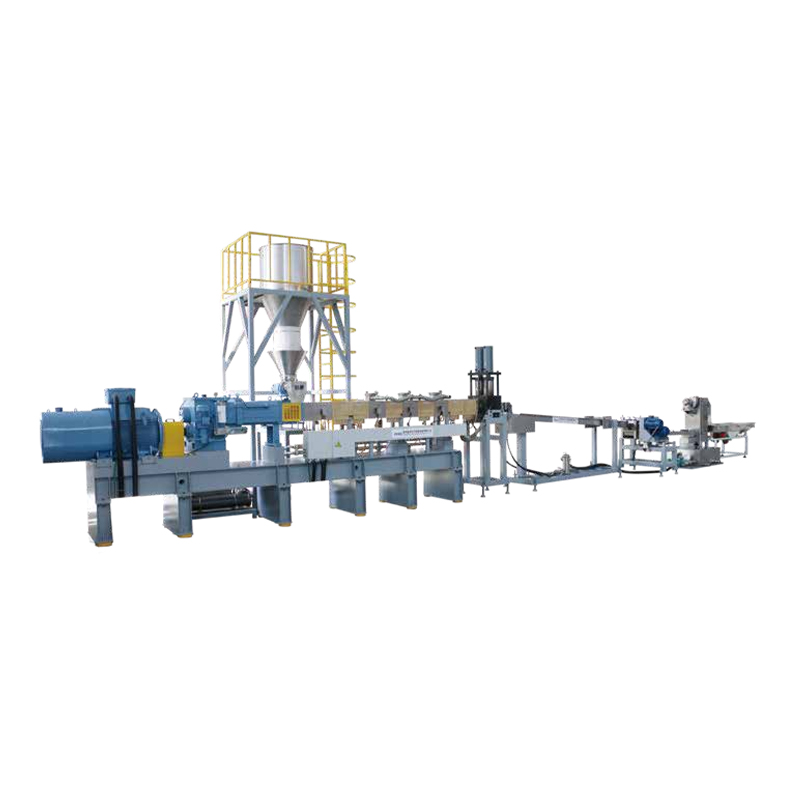


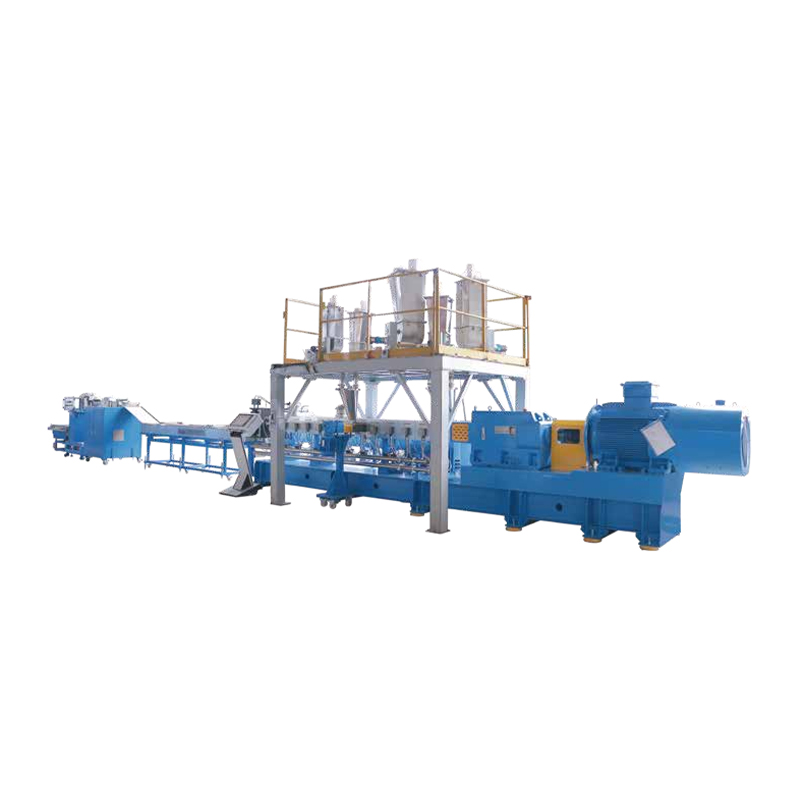
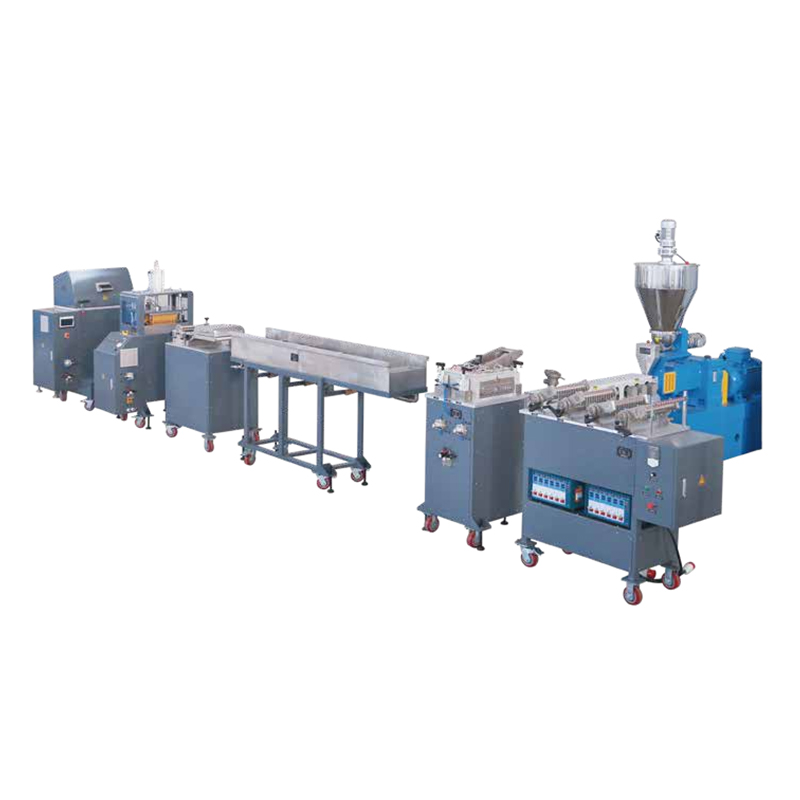
Jwell’s Compounding Machine is designed for customers who need stable, efficient, and flexible material processing. It is widely used for mixing, modifying, and pelletizing polymers with fillers, additives, color masterbatch, and recycled materials. With advanced screw design, precise temperature control, and reliable automation, the machine helps ensure uniform mixing quality and consistent output.
What makes Jwell stand out is not only the equipment itself, but also the full service behind it. Jwell provides customized solutions based on different raw materials, production goals, and factory layouts. From process design and machine configuration to installation, commissioning, and technical training, Jwell supports customers at every step. Spare parts supply and after-sales service are also available to help keep production running smoothly.
Customers often ask whether the machine can handle different formulas, whether it is easy to clean, and how stable the production will be. The answer is yes—Jwell can tailor the compounding line to meet specific processing needs, making it suitable for both standard and high-performance applications. If you are looking for a dependable compounding solution with strong technical support, Jwell is a trusted partner for your production line.
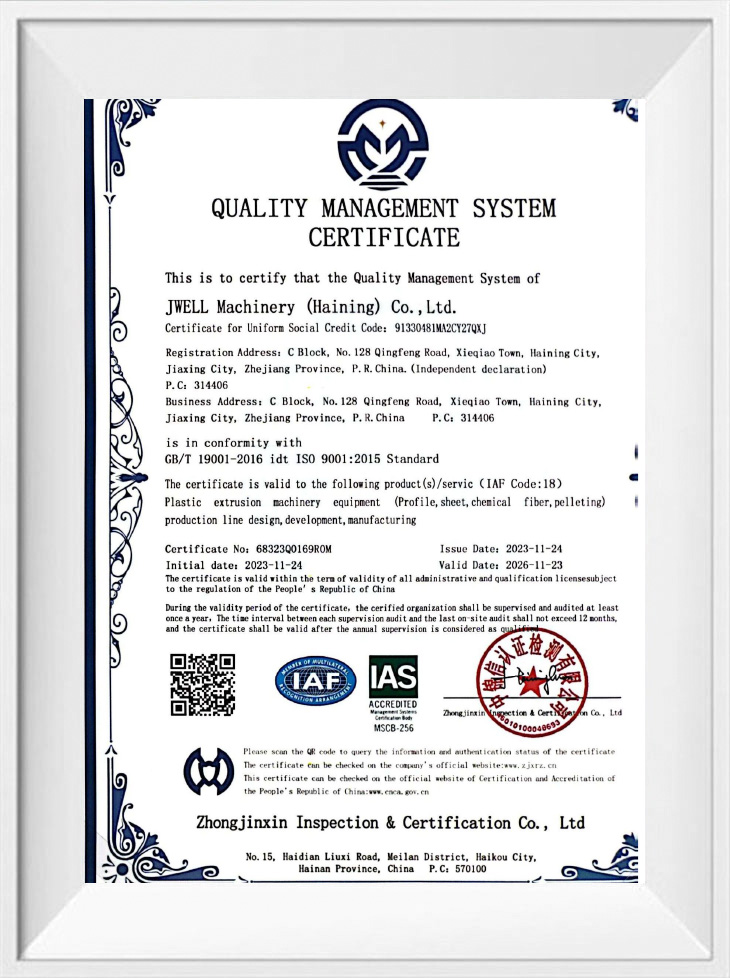
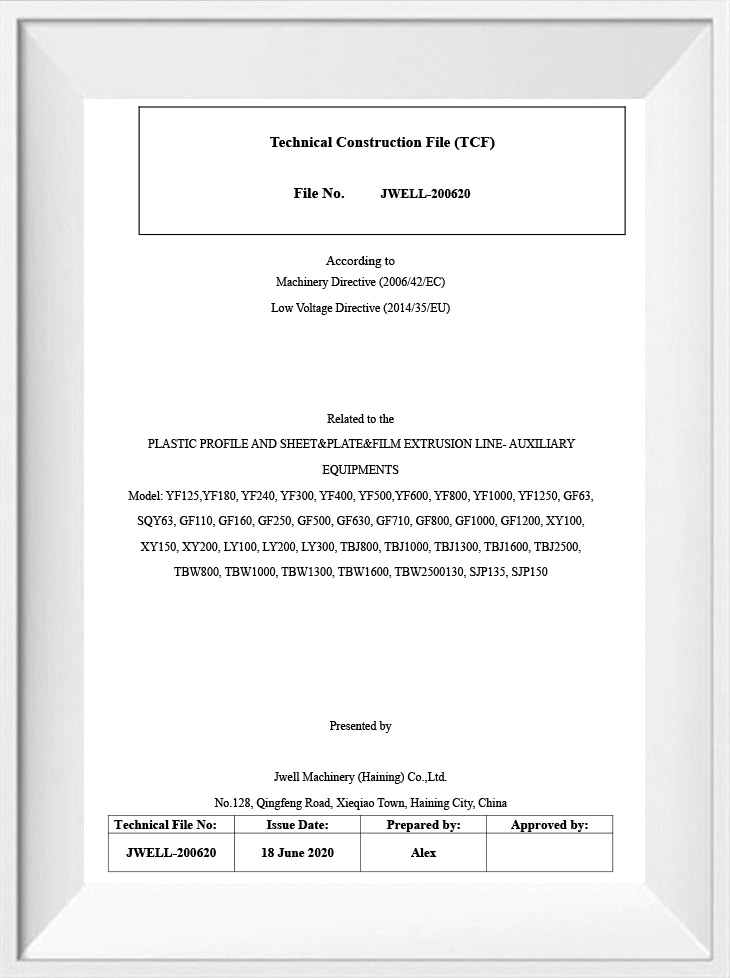
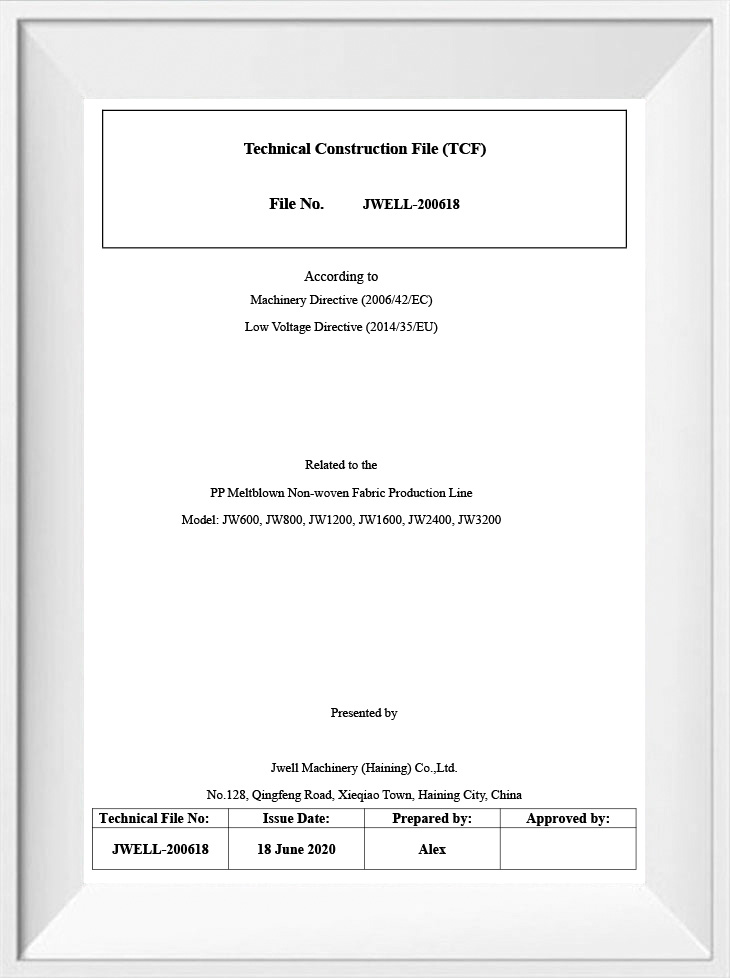
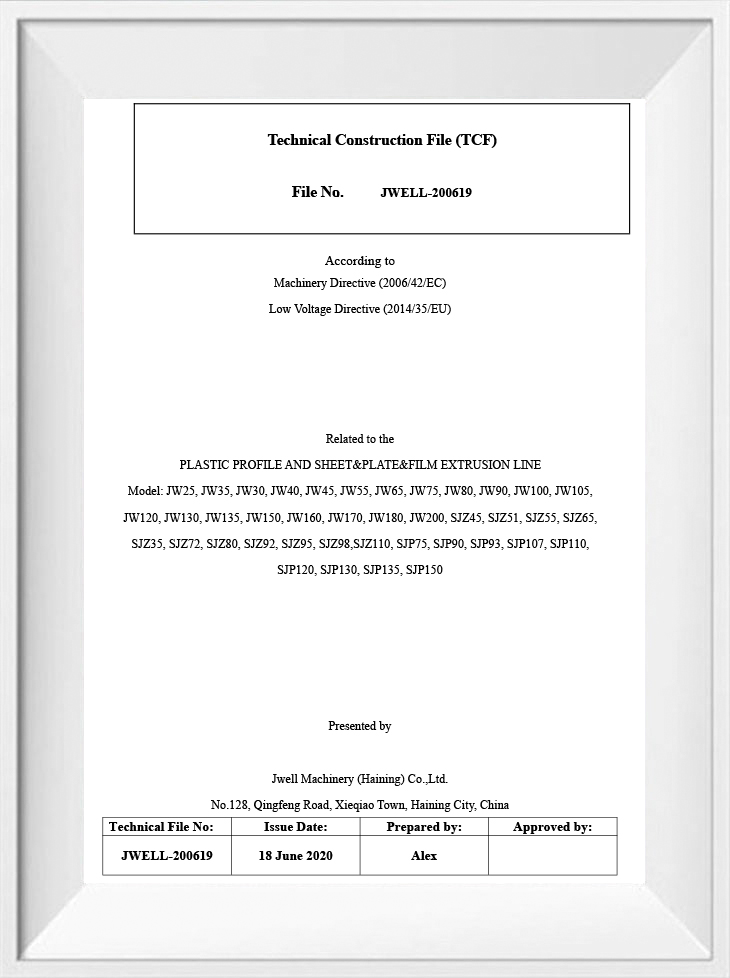
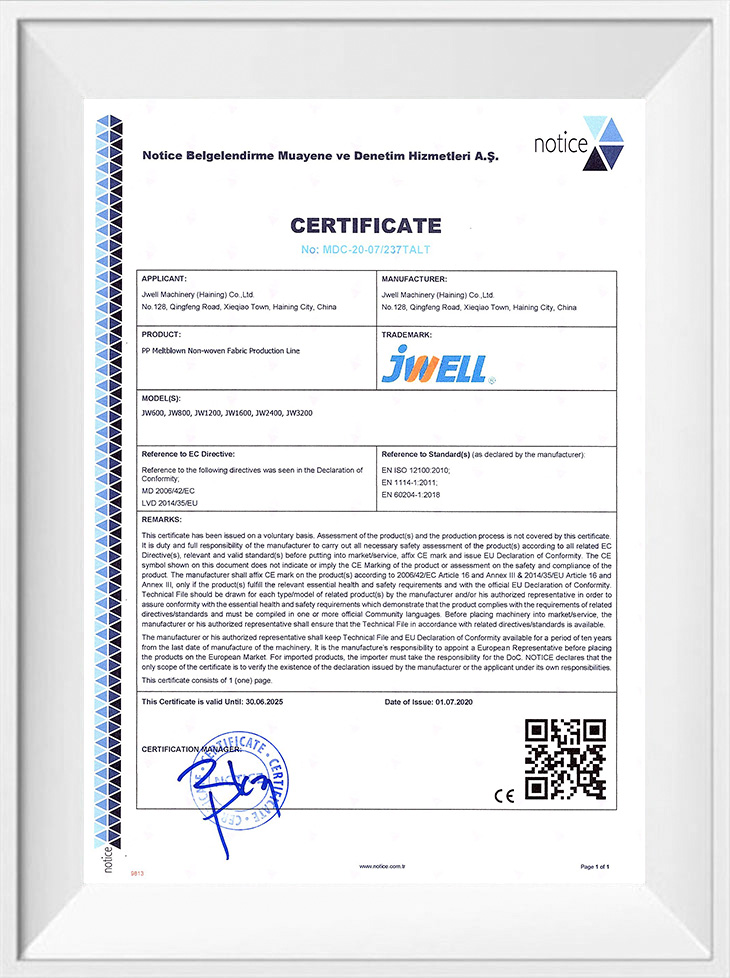
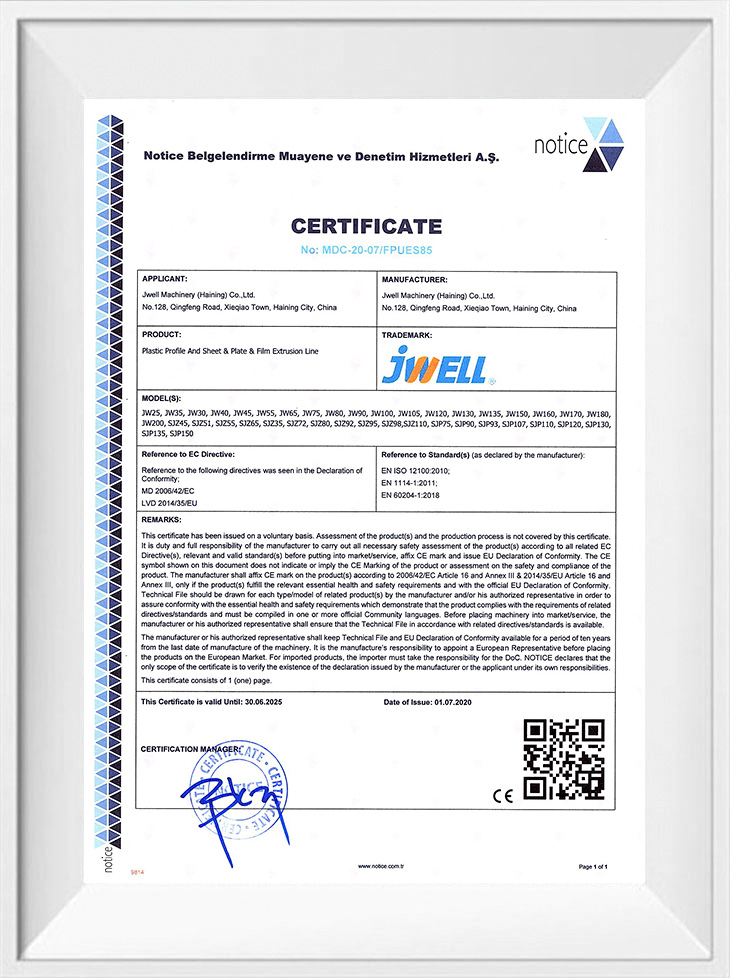
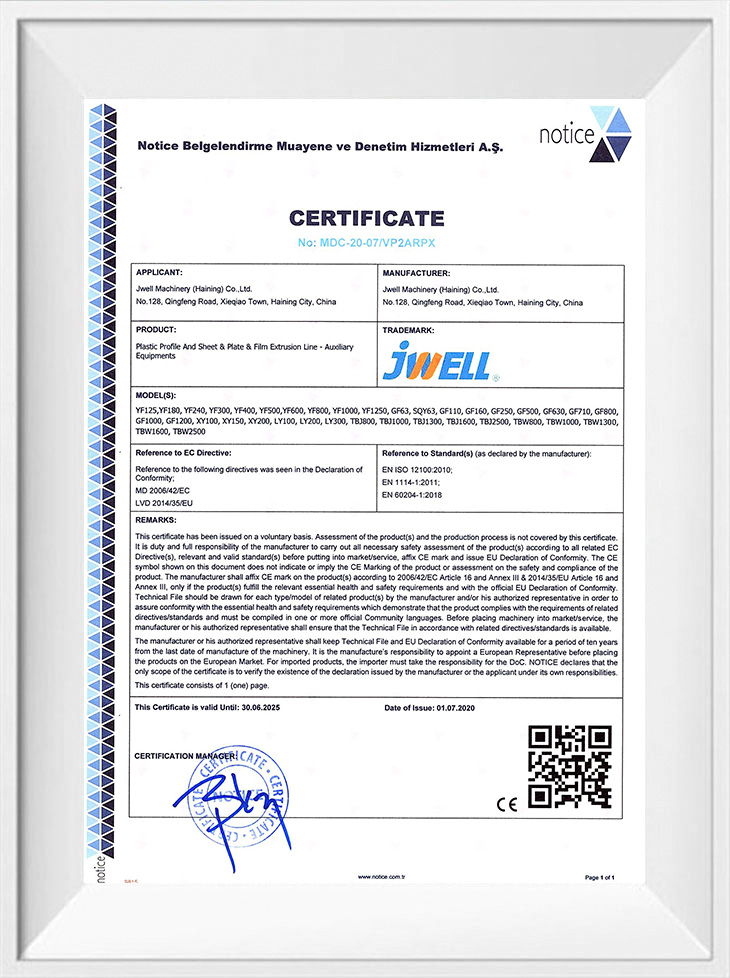
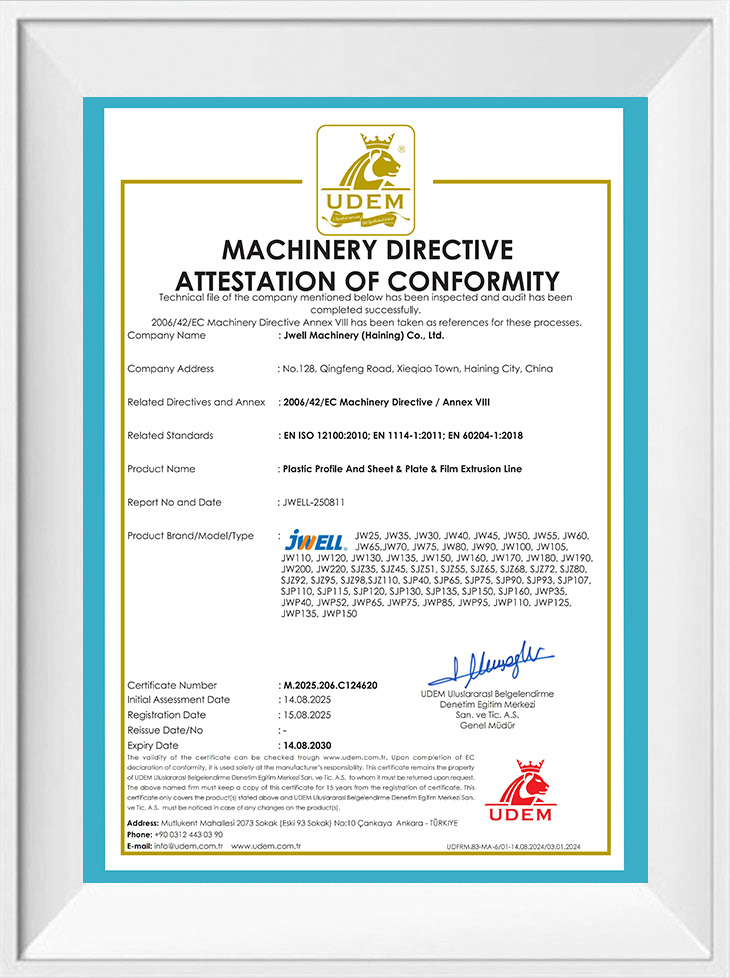
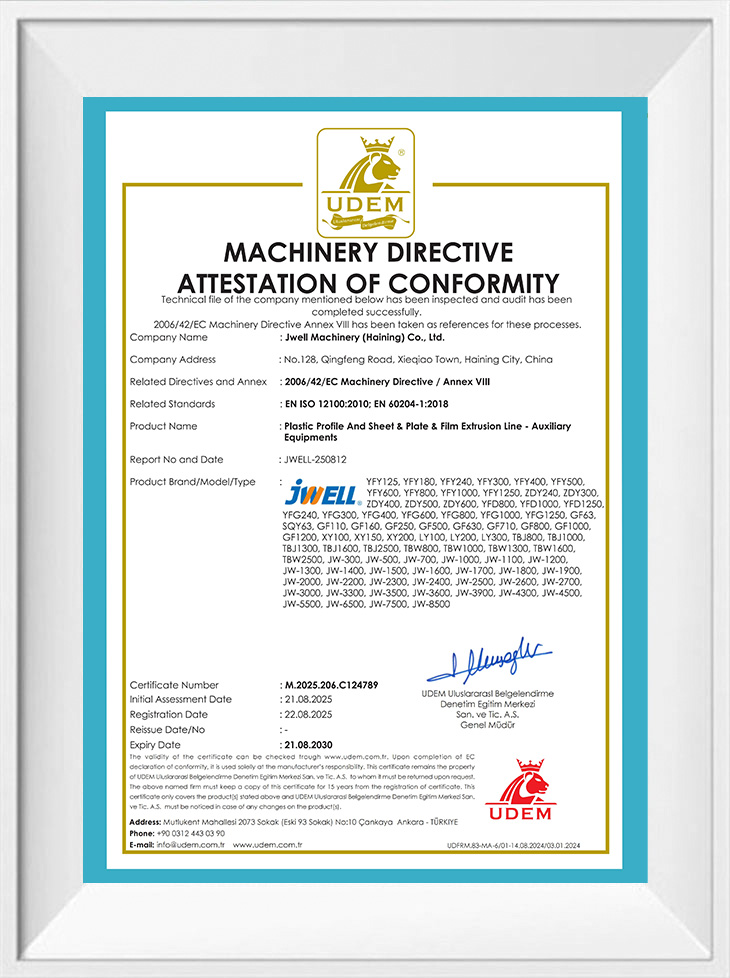
JWELL Machinery was founded in Shanghai in 1997. It is a national high-tech enterprise specializing in complete plastic extrusion and chemical fiber spinning equipment. The company has 14 modern production bases in China and overseas, covering a total area of over 1,000 acres, with more than 3,000 employees, including 480+ technical and management personnel. The annual output is over 3,000 sets of high-end extrusion lines, with annual sales exceeding 5 billion RMB. Products are exported to more than 130 countries and regions worldwide, serving over 10,000 customers. It is a national high-tech enterprise, holding over 1,000 national patents (including 100+ invention patents), and has passed CE and ISO9001 certifications. It has won honors such as "National Top 50 Light Industry Equipment Manufacturers" and "Specialized and Sophisticated 'Little Giant' Enterprise". Products are sold to more than 120 countries and regions. It is the Vice President Unit of the China Plastics Machinery Industry Association (CPMIA), a globally leading professional manufacturer of complete plastic extrusion and chemical fiber spinning equipment, and has ranked first in China's plastic extrusion industry for many consecutive years.
For industrial production customers, purchasing an extruder is not simply a matter of comparing equipment prices and par...
A plastic bottle looks like one material. It is not. The wall is a sandwich, an outer layer, an inner layer, and a barri...
New materials, new energy, green and low-carbon initiatives, and intelligent manufacturing are continuously driving the...
Defining what makes compounding different from straight extrusion
Walk into any compounding plant, and you will see equipment that looks similar to a standard extrusion line. But look closer. The screws are different. The barrel has more ports. The downstream equipment includes melt filters and strand dies. Key technical challenges of compounding machines stem from one fundamental fact: compounding is not just melting polymer. It is mixing polymer with additives, fillers, reinforcements, or other polymers to create a new material with specific properties. The process combines extrusion with intensive mixing, and that combination introduces challenges that straight extrusion lines never face.
Dispersion versus distribution: two different mixing problems
The first challenge is achieving both dispersion and distribution. Dispersion means breaking down agglomerates of additives—carbon black, titanium dioxide, calcium carbonate—to their primary particle size. Distribution means spreading those particles evenly throughout the polymer matrix. A screw that excels at distribution (gentle mixing over long length) may fail at dispersion (needs high shear). A screw designed for high shear may degrade heat-sensitive polymers. The solution is often a combination of mixing elements: kneading blocks for shear, followed by combing mixers for distribution. Getting this balance wrong produces compounds with streaks, specks, or inconsistent mechanical properties.
Temperature control and degradation
Compounding runs at higher temperatures than straight extrusion because the additives require more energy to incorporate. But higher temperatures risk degradation—especially for sensitive polymers like PVC, PLA, or some engineering resins. The challenge is managing heat input without overheating. Barrel heating zones must be carefully profiled. Water or oil cooling must respond quickly to temperature spikes. A common failure mode is localized overheating at the kneading blocks, where the high shear occurs. Some compounders use barrel segments with independent cooling circuits at these high-shear zones.
Feed rate stability and formulation accuracy
Compounding lines often run multiple feeders: a main feeder for polymer pellets, plus loss-in-weight feeders for additives, fillers, and liquids. Fluctuations in any feed stream create variations in final compound properties. A 2 percent variation in carbon black feed rate changes the compound's color and UV resistance. Maintaining feed rate accuracy within ±0.5 percent across all feeders is the industry standard, but achieving it requires high-quality feeders and careful calibration. The interaction between feeders also matters. A sudden change in main feed rate affects the proportion of additives downstream, even if the additive feeders remain stable.
Comparison: single-screw versus twin-screw compounding machines
Single-screw compounders cost significantly less and work well for simple blends—polypropylene with calcium carbonate, for example. Their mixing capability is moderate, and residence time distribution is broad, meaning some material exits quickly while other material lingers. Twin-screw compounders cost two to three times more but offer outstanding mixing, narrow residence time distribution, and highly adjustable shear control via screw design. For engineering compounds with glass fiber, reactive extrusion, or tight property requirements, twin-screw machines dominate the market.
Defining the forces reshaping compounding
Industry transformation in compounding extrusion lines is not a single trend. It is a convergence of market demands, technological advances, and regulatory pressures. The compounding line that served customers well a decade ago is now under pressure to deliver new capabilities: faster changeover, better energy efficiency, and the ability to process recycled feedstocks without sacrificing quality.
Shift toward higher value compounds
Commodity compounding—simple PP with calcium carbonate—has shifted to lower-cost regions. What remains in developed markets is high-value compounding: engineering resins with glass or carbon fiber, biocompatible compounds for medical devices, flame-retardant materials for EV battery components. These products require precise mixing and tight process control. The compounding lines serving this market are increasingly twin-screw machines with advanced control systems. The shift has also changed operator skill requirements. A compounder running commodity materials needs basic extrusion knowledge. A compounder running glass-filled nylon with flame retardants needs deep understanding of screw design, residence time, and thermal history.
Recycling integration: the biggest change agent
The single largest transformation driver is the circular economy push. Compounders are being asked to incorporate post-consumer recycled content—often 30 percent or more—into materials that previously used only virgin resin. Recycled feedstocks are inconsistent: variable melt flow, contaminants, mixed polymer types. Compounding lines now include melt filters, degassing sections, and additive feeders specifically designed to upgrade recycled material.
Digitalization and process intelligence
The transformation is also digital. Modern compounding lines collect data at every stage: feed rates, melt temperatures, screw speed, torque, pressures, and strand quality. This data feeds into analytics platforms that predict compound properties before lab testing. One compounder reduced product development time by 40 percent by using machine learning to optimize screw configurations for new formulations. Operators now monitor lines from control rooms, with alerts for parameter deviations sent directly to handheld devices.
Comparison: conventional versus modern compounding lines
Conventional lines typically run 100 percent virgin polymer with basic automation. Changeover between formulations takes two to four hours, requiring manual cleaning of the barrel and die. Modern transformation lines handle up to 50 percent recycled content with automated recipe changes. Changeover time drops to 30–60 minutes using quick-change screens and automatic purging sequences. The modern lines also include energy monitoring, with operators tracking energy per tonne as a key performance indicator.
Defining what balancing means in practice
The phrase balancing sustainability and high performance in compounding & pelletizing plastic extrusion lines sounds like marketing language. But on the shop floor, it is a daily operational challenge. Sustainability means using recycled content, reducing energy consumption, and small scrap. High performance means meeting tensile strength, impact resistance, and color specification. These objectives pull in opposite directions. A compounder cannot simply add recycled material and expect the same properties. The balancing act requires formulation changes, process adjustments, and often additional equipment.
The recycled content versus property trade-off
Recycled polymer has lower molecular weight than virgin resin. It flows differently, crystallizes differently, and contains contaminants. Adding 30 percent recycled PP to a virgin formulation typically reduces impact strength by 10–15 percent. To restore performance, compounders add impact modifiers or increase the amount of glass fiber. These additives increase cost and complexity. The solution is not always more additives. Sometimes it is adjusting the screw configuration to optimize mixing of recycled material with virgin resin.
Energy consumption: the hidden sustainability metric
Compounding lines are energy-intensive. A typical twin-screw line running engineering resin consumes 200–300 kW at full output. Energy efficiency improvements—high-efficiency motors, barrel insulation, optimized screw designs—directly reduce carbon footprint. A European compounder reduced line energy consumption by 18 percent through motor upgrades and screw redesign. The investment paid back in three years. Barrel insulation alone, at a cost of under $5,000 per line, typically reduces heating energy by 15–20 percent with payback under one year.
Scrap minimization and pellet quality
Sustainable compounding also means small scrap. Off-spec pellets become waste. Good pelletizing—consistent pellet size, low fines, no tails—reduces downstream handling losses. The challenge is that high-output lines require fast strand cooling and precise cutting. Strand breakage at the pelletizer creates downtime and scrap. Modern pelletizers include automatic strand alignment and tension control to reduce breakage.
Table: common strategies for balancing sustainability and performance
| Strategy | How It Works | Typical Performance Impact | The Balancing Approach |
| Recycled content addition | Replace virgin resin with post-consumer or post-industrial recycled | Impact strength down 10–15%, melt flow changes | Add impact modifiers or increase filler content |
| Lower melt temperature | Reduce barrel heating zones by | Mixing efficiency | Redesign screw with |
| 5–10°C to save energy | reduces, torque increases | barrier elements for melt homogeneity | |
| Faster throughput | Increase screw speed to produce more tonnes per hour | Residence time shortens, potential unmixed additives | Optimize screw configuration for high-speed mixing |
| Vacuum degassing | Remove volatiles from recycled polymer to improve quality | Slight vacuum loss, potential porosity | Install downstream vacuum port with screw fill adjustment |
Final takeaway from the compounding floor
Balancing sustainability and performance is not a one-time adjustment. It is an ongoing process of formulation tuning, process optimization, and equipment upgrades. The compounding lines that succeed are those that treat sustainability as a design parameter, not an afterthought. They build in the flexibility to handle variable feedstocks, the instrumentation to monitor energy use, and the willingness to adjust formulations continually. In a market where regulators and customers increasingly demand both high performance and low environmental impact, balancing is no longer optional—it is the cost of doing business.


Pipe Extrusion Production Line
Plastic Shredder Crusher Machine

Tel: +86-19057068112

E-mail: [email protected]

Company Address
No. 128 Qingfeng Road, Xieqiao Town, Haining City, Jiaxing City, Zhejiang Province

19057068112

 English
 русский