
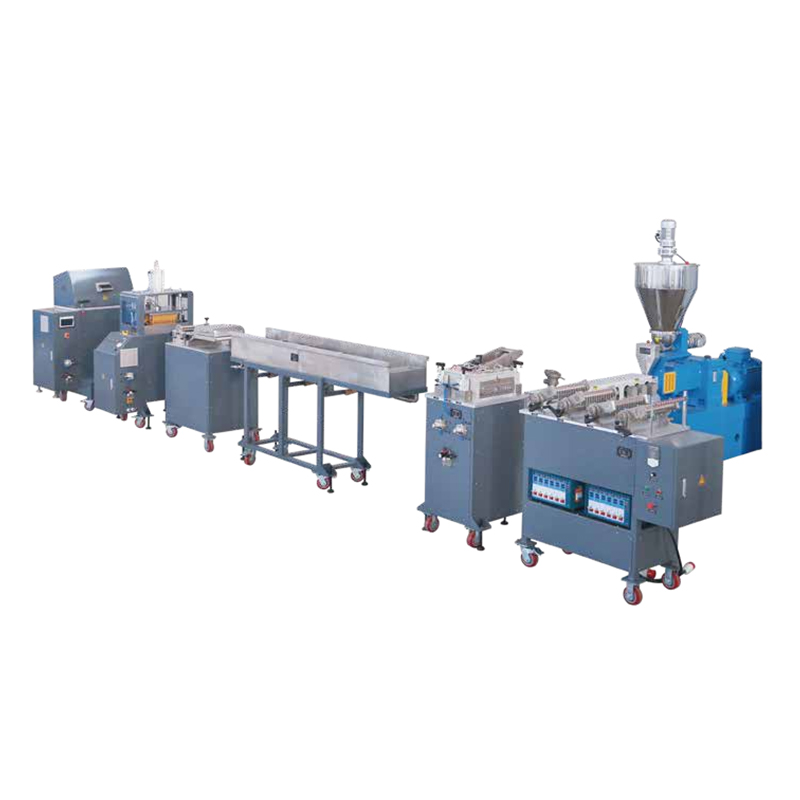
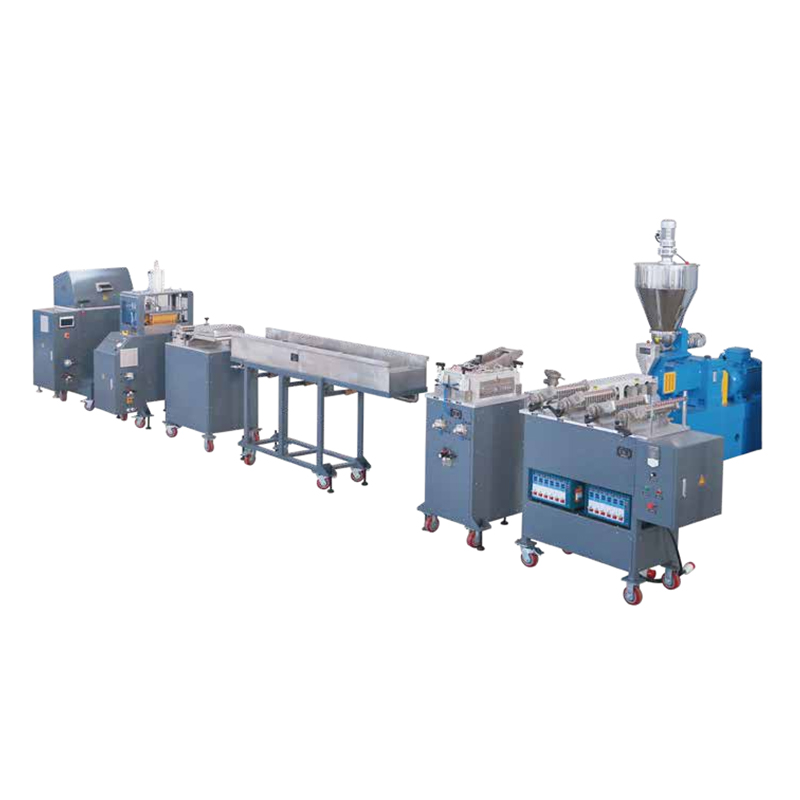
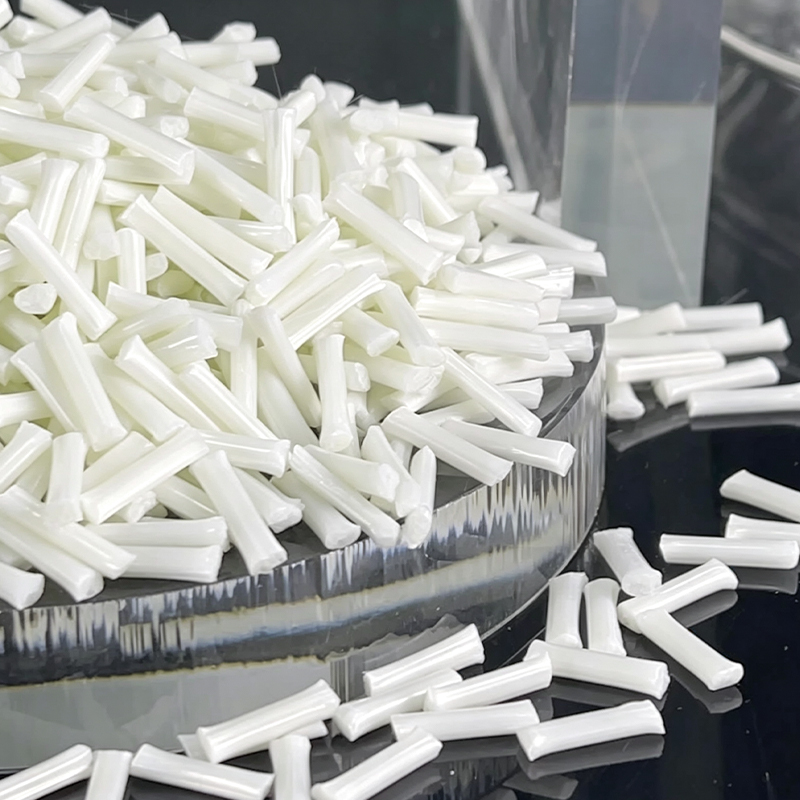
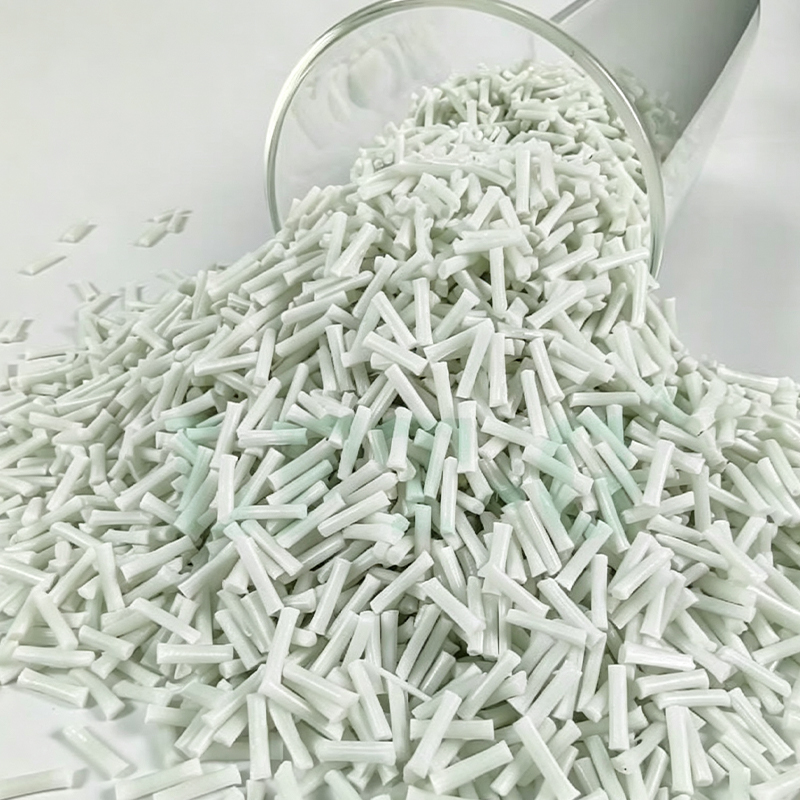
Our LFT (Long-Fiber Reinforced Thermoplastic) production line is specifically designed for high-efficiency compounding of polypropylene (PP) with long glass fiber (GF).
These compact yet powerful lines are ideal for manufacturers looking to produce high-performance, lightweight composites for the automotive, industrial, and consumer goods sectors.
1. Automotive Industry – Lightweight Structural Components
Case: A Tier-1 German automotive supplier uses the HC65 line to produce PP+50%GF pellets for engine-mounted fan shrouds. The 50% glass fiber content delivers a tensile strength >120 MPa and a heat deflection temperature (HDT) >155°C, replacing heavier metal parts.
Result: 35% weight reduction with no loss of stiffness, meeting OEM crash safety standards.
2. Industrial Products – Pump Housings & Fan Blades
Case: A Turkish machinery manufacturer uses the HC50 line (peak 400 kg/h) to produce chemically resistant pump housings (PP+50%GF). The long fiber orientation improves creep resistance under continuous operation at 80°C.
Result: 40% longer product life compared to short-glass-fiber reinforced alternatives.
3. Furniture & Infrastructure – High-Strength Clips and Brackets
Case: A Chinese logistics company uses the HC50 line to produce pallet edge protectors. With 50% GF content, a thin-walled design of 2.5 mm withstands a static load of 500 kg.
· Fiber Length Retention
Unlike conventional twin-screw extruders that break fibers down to <1 mm, our LFT impregnation die maintains fiber lengths of 10–25 mm in the final pellets. For PP+50%GF this means:
Flexural modulus >12 GPa
Notched Izod impact strength >30 kJ/m² (at 23°C)
· High Throughput & Low Degradation
HC50: Stable 300–400 kg/h – ideal for R&D pilot runs or medium-small batch production.
HC65: 400–700 kg/h – designed for 24/7 industrial shifts. The screw geometry minimizes shear heat, preserving fiber integrity even at maximum output.
· Energy Efficiency
Both models feature servo-driven feed systems and segmented barrel cooling. Plant data shows energy consumption ≤0.28 kWh per kg when producing PP+50%GF – approximately 15% less than conventional designs.
· Fast Material Changeover
The side-feeder and die design allow tool-free cleaning. Switching from PP+50%GF to a different matrix (e.g. PA66+GF) on the HC65 takes less than 45 minutes.
We implement a four-stage QC protocol before each production line is delivered, and recommend that our customers adopt the same process.
Stage 1: Incoming Material Verification
Glass fiber roving: Tensile strength of each roving ≥2000 MPa.
PP resin: Measure melt flow index (MFI) – target 5–15 g/10min (230°C/2.16kg) for optimal impregnation.
Stage 2: In-line Process Monitoring
Melt temperature sensors in each barrel zone – deviation within ±3°C.
Melt pressure sensor before the die – alarm when pressure >150 bar (prevents die swell).
Fiber breakage monitoring using laser diffraction – ensure >85% of fibers have length >8 mm.
Stage 3: Pellet Quality Testing (every 2 hours)
|
Test |
Method |
Acceptance Criteria for PP+50%GF |
|
Fiber length distribution |
Burn-off method (600°C, 2h) |
≥70% of fibers between 8–15 mm |
|
Bulk density |
ASTM D1895 |
0.65–0.75 g/cm³ |
|
Pellet uniformity |
Vernier caliper (50 pellets) |
Length: 10–12 mm; Diameter: 2.5–3 mm |
Stage 4: End-Product Validation
Injection-molded test specimens (ISO 294): tensile bars, flexural bars, notched Izod bars.
Mechanical test data (actual data from HC50 line):
Tensile strength: 115 MPa (ASTM D638)
Flexural modulus: 11.8 GPa (ASTM D790)
HDT (1.82 MPa): 158°C
Long-term creep test: 1000 hours at 60°C under 20 MPa load – strain <1.2%.
| Model | Capacity for reference kg/hr |
Typical application |
| HC50 | 300-400 | PP+50%GF |
| HC65 | 400-700 | PP+50%GF |
Q1: Can the HC50/HC65 process materials other than PP+50%GF?
A: Yes. By adjusting the screw configuration, both lines can process:
PP + 30–60% GF (long glass fiber or carbon fiber)
PA6 / PA66 + 30–50% GF
Recycled PP + 40% GF (throughput reduced by approx. 15–20%)
However, the throughput range of 300–700 kg/h is optimized for PP+50%GF. For other matrices, please request a free process simulation.
Q2: How can fiber breakage be prevented at higher throughputs (e.g. 650 kg/h on HC65)?
A: Three proven measures from a Thai customer:
Use low-shear screw elements (avoid reverse-pitch elements before the die).
Keep melt temperature between 220–240°C – below 250°C to avoid thermal degradation.
Maintain glass fiber roving tension below 5 N – excessive tension pulls fibers into the screw gap.
Q3: What is the typical fiber length distribution when running at 500 kg/h on the HC65?
A: Based on 14 production audits:
45% : 10–15 mm
30% : 6–10 mm
20% : 3–6 mm
5% : <3 mm
Average fiber length = 8.5 mm – suitable for most structural applications.
Q4: How often should the impregnation die’s rolling pins be replaced?
A: For PP+50%GF with 15% talc (common in automotive applications), rolling pin life is:
HC50: 800–1000 operating hours
HC65: 600–800 hours (higher line speed increases wear)
Use DLC-coated rolling pins for 2x longer life.
Q5: Does your production line include a drying system for hygroscopic resins (PA/PC)?
A: The basic line does not include a dryer, but we offer an optional dehumidifying dryer (hopper capacity: 150 kg for HC50, 250 kg for HC65). For PA6+50%GF, we recommend moisture <0.15% before feeding.
Q6: Can I watch an unedited video of the HC65 running PP+50%GF at 650 kg/h?
A: Yes. We have a 4-minute unedited video from our Shanghai demonstration center. Please contact us for a private viewing link. The video shows:
Start-up process (only 12 minutes from cold start to stable operation)
Pellet sampling revealing fibers >8 mm
Real-time melt pressure and temperature readings




Pipe Extrusion Production Line
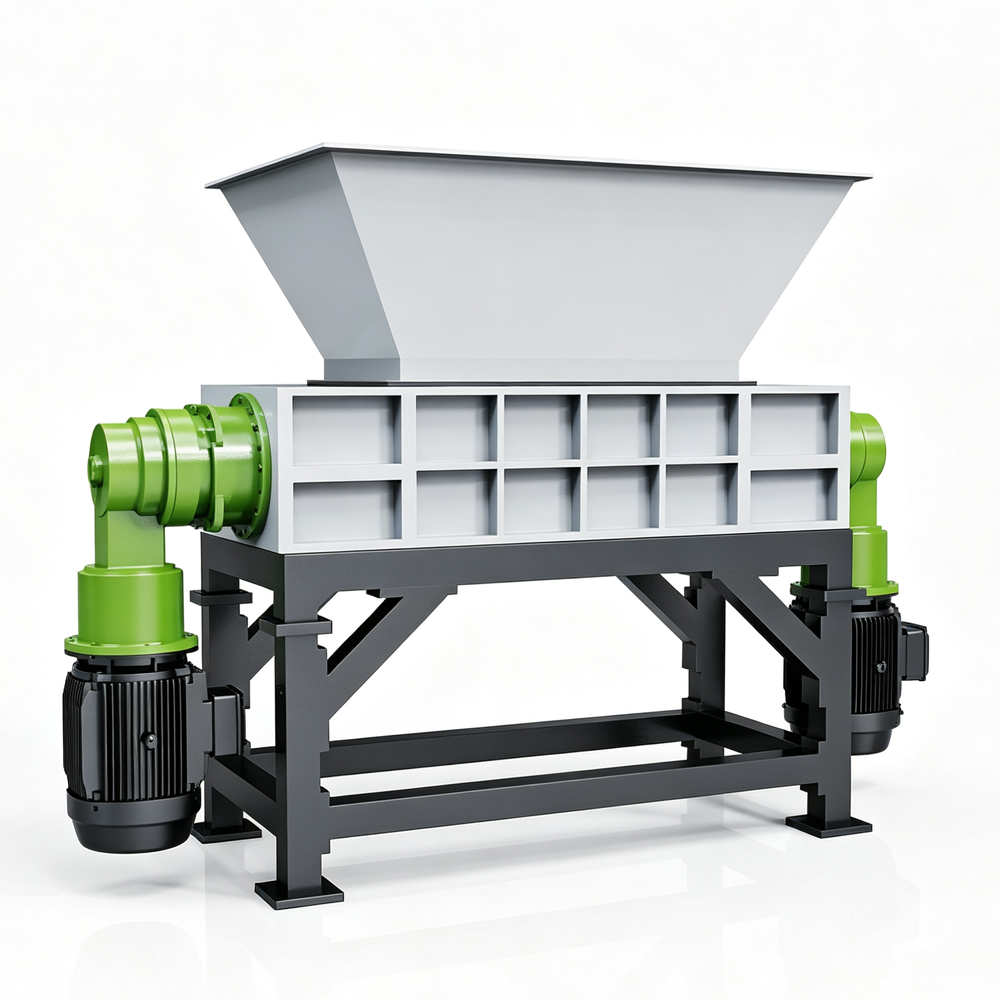
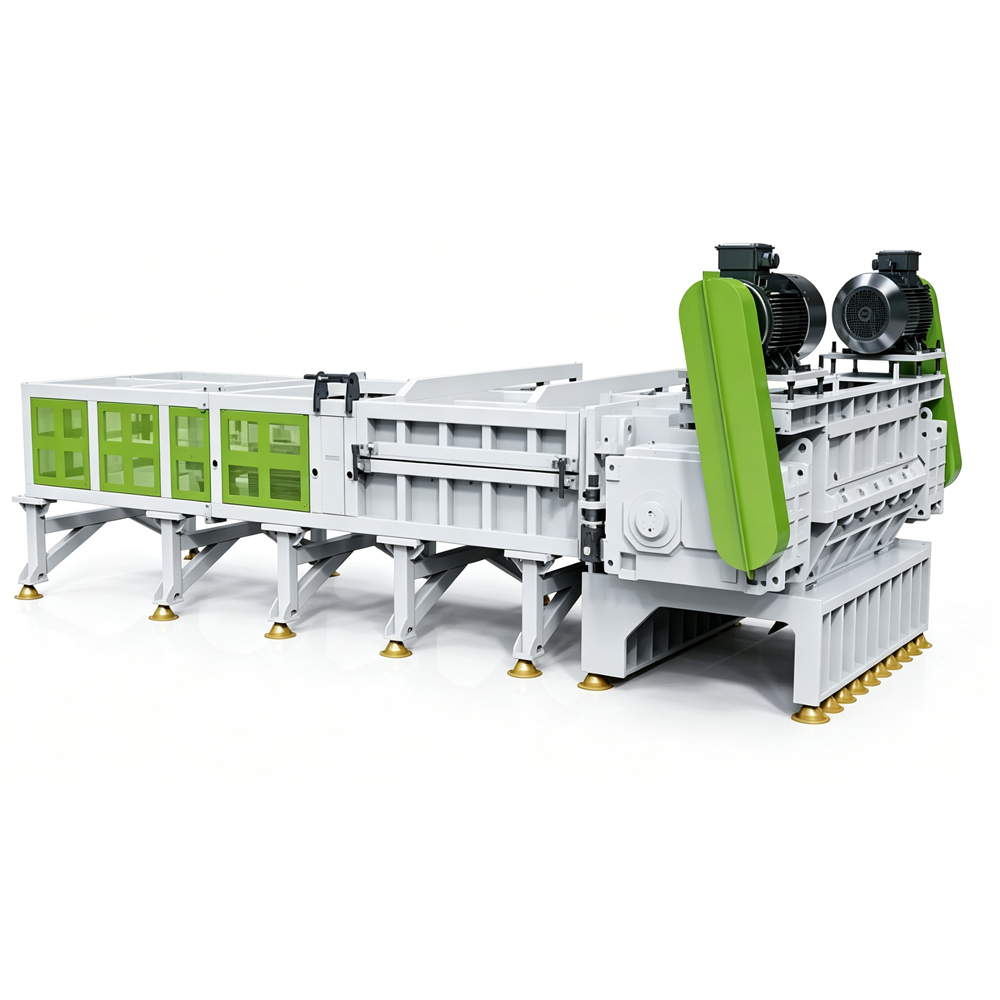
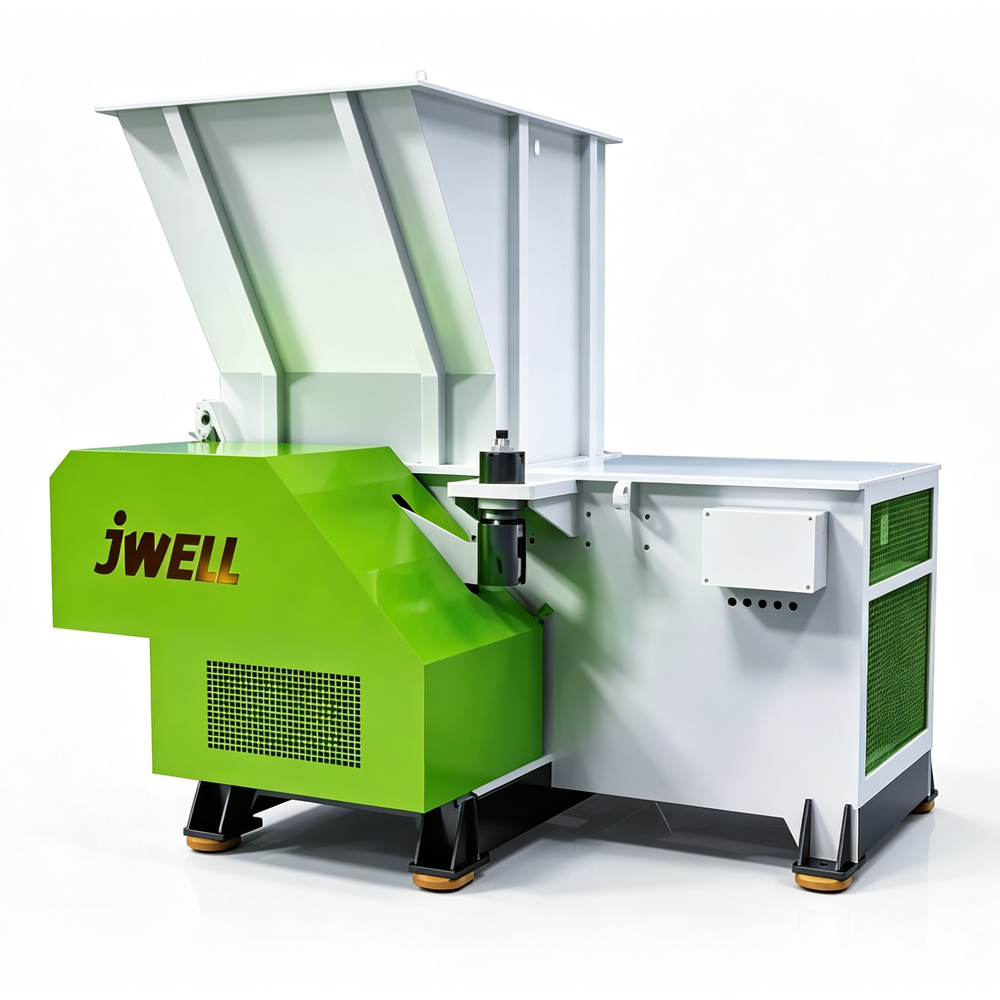
Plastic Shredder Crusher Machine

Tel: +86-19057068112

E-mail: [email protected]

Company Address
No. 128 Qingfeng Road, Xieqiao Town, Haining City, Jiaxing City, Zhejiang Province

19057068112

 English
 русский