
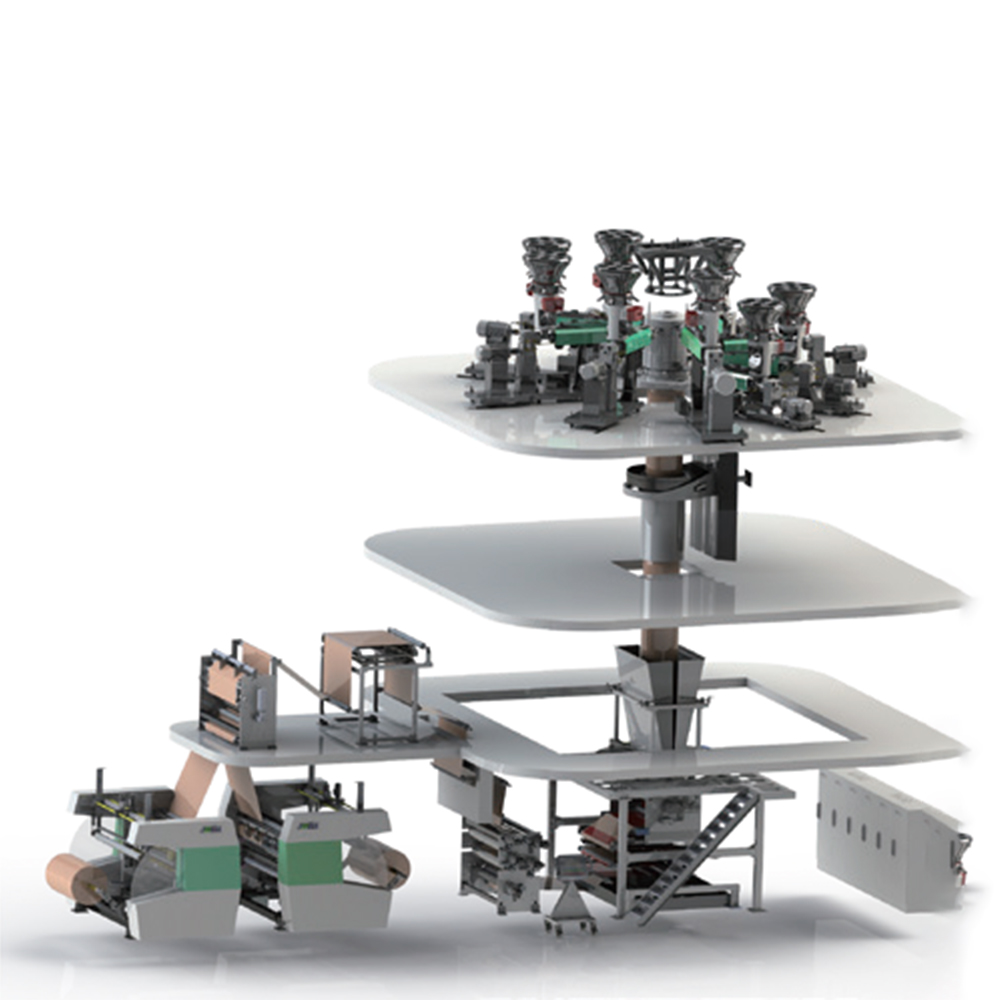
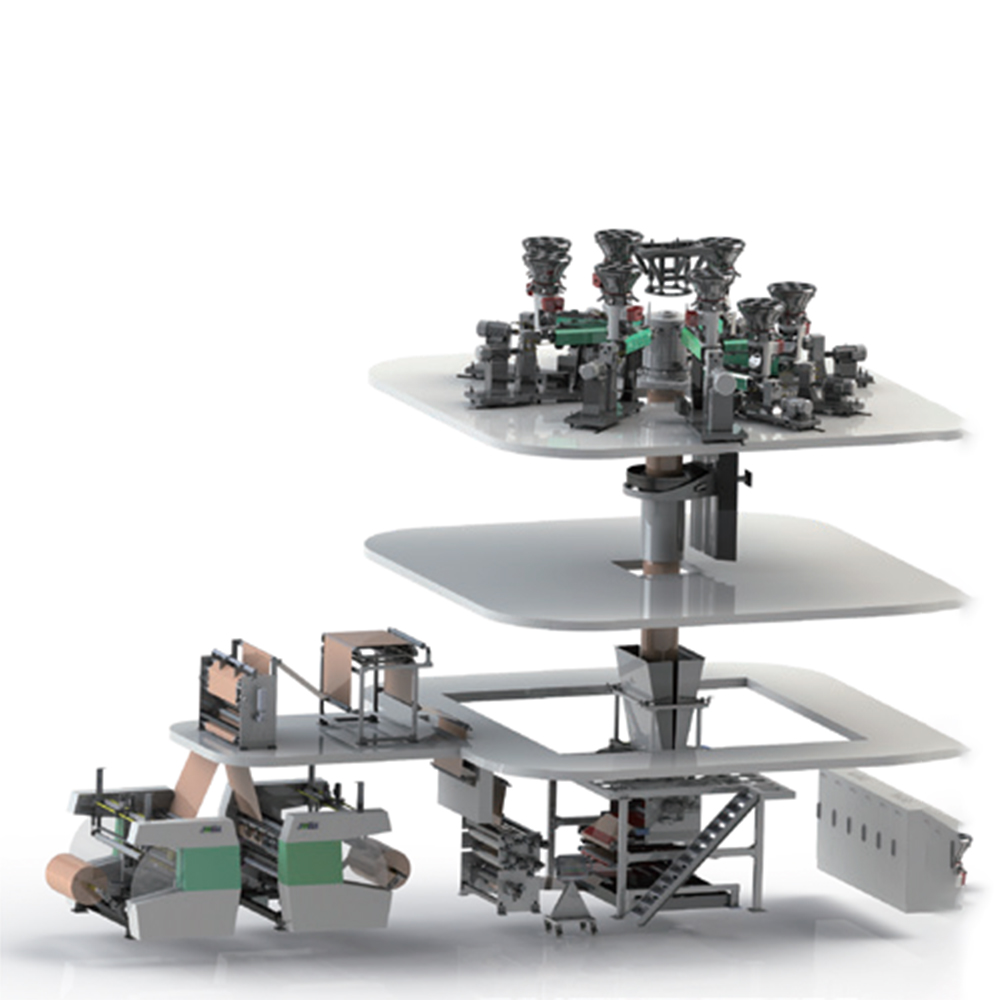
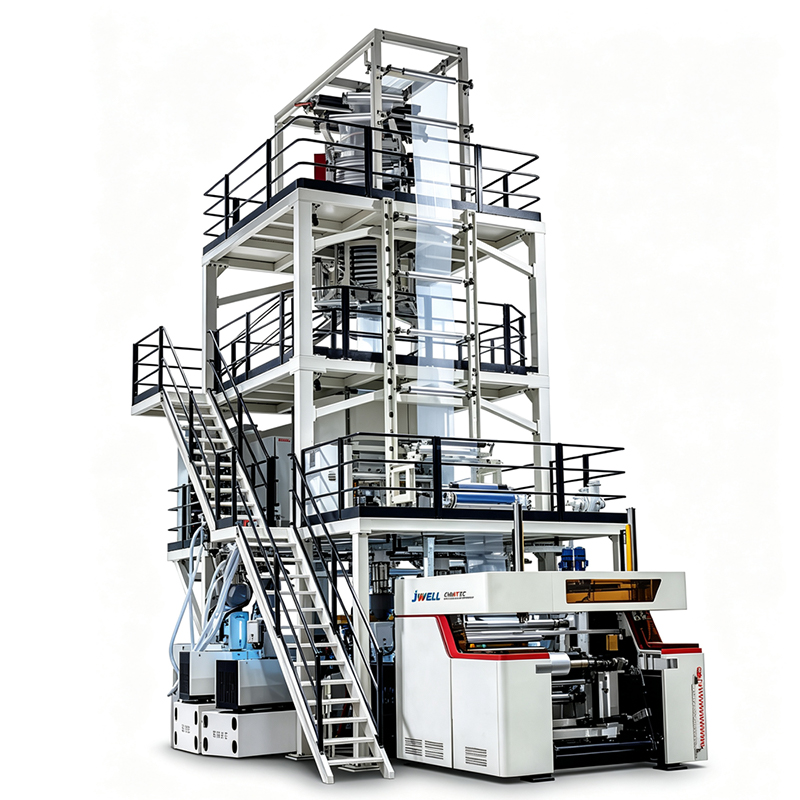
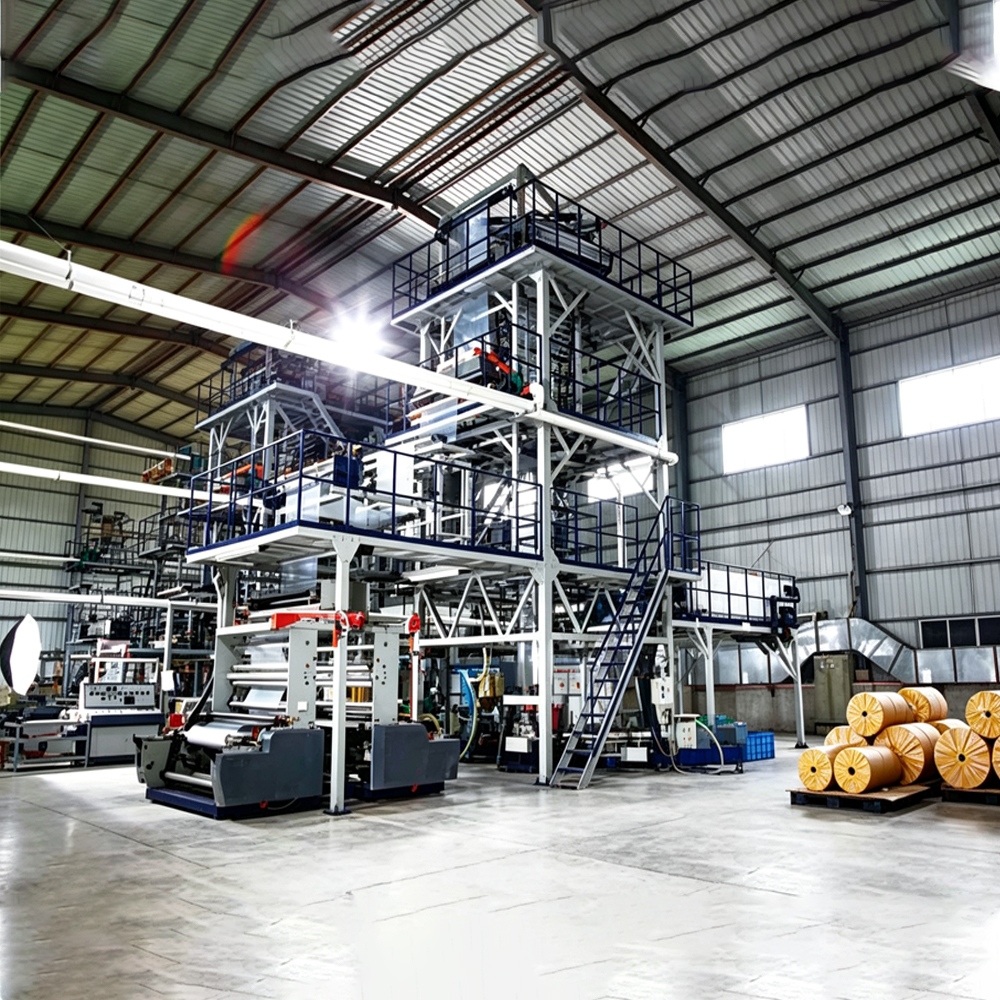
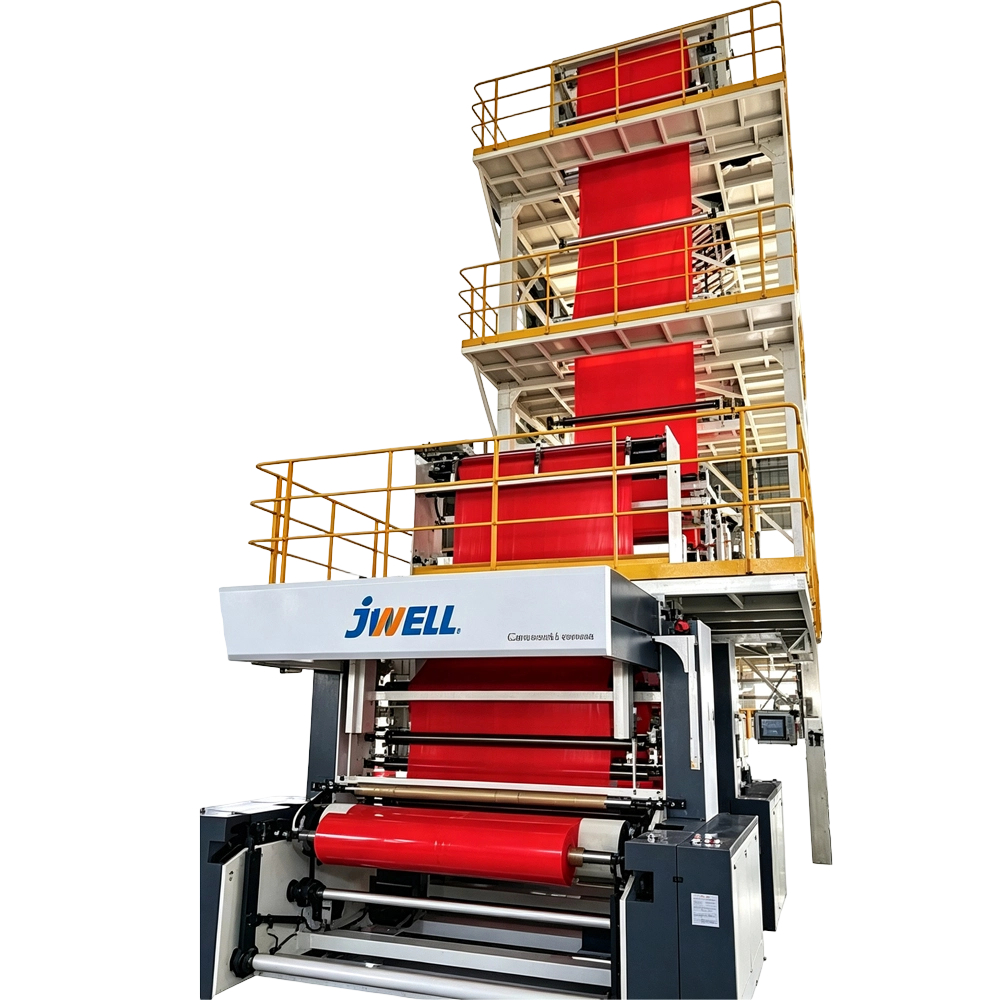
In the field of multi-layer co-extruded film production, the Classic Down Blown Film Line has become the preferred equipment for high-end applications such as high-barrier shrink films, casing films, and food packaging films, thanks to its excellent cooling efficiency, film transparency, and structural stability.
The Classic Down Blown Film Line is mainly used for scenarios with strict requirements for film optical properties, heat shrinkage rates, and interlayer adhesion:
Food packaging: e.g., high-barrier shrink bags for fresh meat, cheese, and ready-to-eat meals.
Medical and hygiene: Sterilization bags, dialysis packaging materials.
Industrial protective films: Vacuum packaging for precision machinery and electronic components.
Agriculture and chemicals: Heavy-duty shrink films, agricultural film substrates.
Classic Down Blown Film Line is particularly suitable for producing PA/EVOH/PE multi-layer co-extruded structures, commonly found in high-end products requiring extremely low oxygen transmission rates (OTR < 1 cm³/(m²·24h)).
Compared to upward blown film or cast film processes, the Classic Down Blown Film Line excels in the following aspects:
1. Rapid Cooling, High Transparency
As the molten bubble is blown downward and immediately enters a water ring cooling system, the film solidifies rapidly without contact, achieving haze as low as below 5% while maintaining extremely high gloss.
2. Excellent Thickness Consistency
The downward layout reduces adverse gravity effects. Combined with an automatic air ring and IBC (Internal Bubble Cooling) system, thickness tolerances can be controlled within ±2.5%, suitable for high-precision slitting and printing.
3. High Shrinkage Rate and Thermal Stability
Typical cold water quenching results in more uniform molecular orientation, giving the film a shrinkage rate of 30%–60% in 80–100℃ water without warping or deformation.
4. Compact Design and Low Energy Consumption
The vertical layout occupies only 60% of the floor space required for an upward line of the same output, while the water cooling system saves approximately 20–30% energy compared to air cooling.
To ensure each batch of film meets food contact and industrial standards, we have established a complete testing system covering raw materials to finished products.
1. Online Monitoring Systems
Thickness scanner (β-ray or infrared): Collects 1024 points every second, automatically adjusts die gap.
Defect detector: Identifies black spots, gels, scratches, with precision down to 0.1 mm².
Shrink force sensor: Monitors transverse shrinkage stress inside the bubble in real time to prevent bubble collapse.
2. Regular Laboratory Sampling
|
Test Item |
Standard |
Acceptable Range |
|
Tensile strength (MD/TD) |
ASTM D882 |
≥ 35 MPa / ≥ 30 MPa |
|
Haze (%) |
ASTM D1003 |
≤ 6% (transparent grade) |
|
Oxygen transmission rate |
ASTM D3985 |
≤ 5 cm³/(m²·24h·atm) (with EVOH) |
|
Heat shrinkage rate (90℃ water) |
ASTM D2732 |
MD 50±5%, TD 30±5% |
|
Seal strength |
ASTM F88 |
≥ 30 N/15mm |
3. Final Product Verification
Each roll of film undergoes 100% online visual inspection (darkroom + backlight) and random samples are subjected to a 48-hour aging test (40℃/75% RH) to simulate shelf-life performance.
Q1: Can the down blown line process pure LLDPE?
A: Yes, but cooling water temperature and blow-up ratio need adjustment. Pure LLDPE has a lower melting point; it is recommended to keep water temperature at 15–18℃ and blow-up ratio at 2.0–2.5 to avoid blocking. However, the down blown line is more adept at processing polar materials like PA/EVOH.
Q2: The bubble is unstable and shakes frequently. What should I do?
A: First, check whether the cooling water flow is uniform. Second, ensure the IBC vent is not blocked. Finally, adjust the matching between take-up speed and blow-up ratio. Typically, controlling the take-up ratio between 4:1 and 6:1 significantly improves stability.
Q3: When producing thicker films (>150μm), why do milky white streaks appear?
A: That is due to insufficient quenching caused by inadequate water ring cooling. It is recommended to reduce extrusion speed, activate the circulating water constant temperature system (target 20±2℃), and check whether the downward guide plates are symmetrical.
Q4: How to quickly switch material formulations?
A: Our classic line is equipped with modular extruders and a quick cleaning valve. Using a three-way screen changer + high-pressure purging, a complete switch from PA to PE can be completed within 45 minutes, with residual content below 0.3%.
Q5: What film thickness range can the down blown line produce?
A: The classic down blown line typically produces films from 30μm to 200μm. It can stably produce as thin as 20μm (with a high-precision die) and as thick as 250μm (production speed will be reduced accordingly). For thicknesses exceeding 250μm (sheet-like products), a cast or upward blown line is recommended.
Q6: Is daily maintenance complicated?
A: Not complicated. Three main tasks:
Clean the water ring filter screen daily to prevent impurities from blocking the cooling channels.
Inspect the wear of the take-up rubber rollers weekly.
Calibrate the thickness scanner monthly.
The entire maintenance routine takes about 1–2 hours, and a detailed maintenance checklist is provided with the equipment.


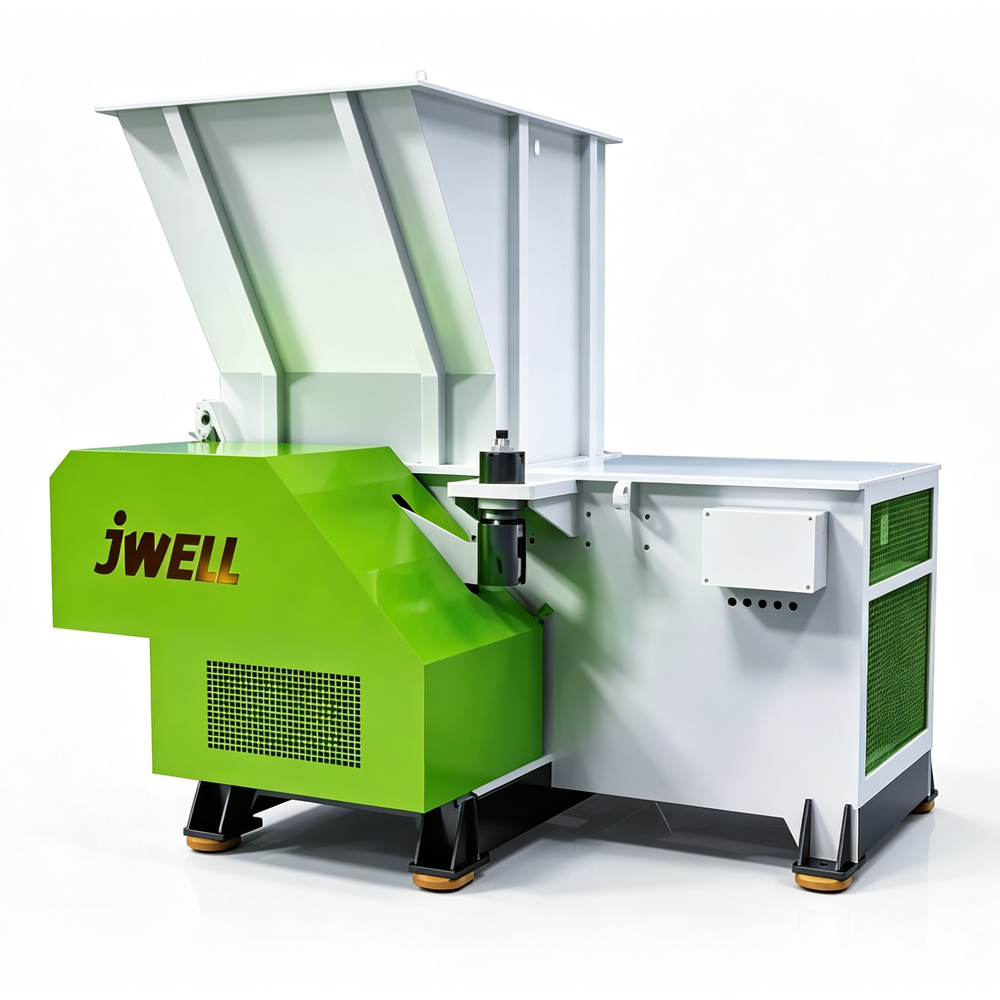


Pipe Extrusion Production Line
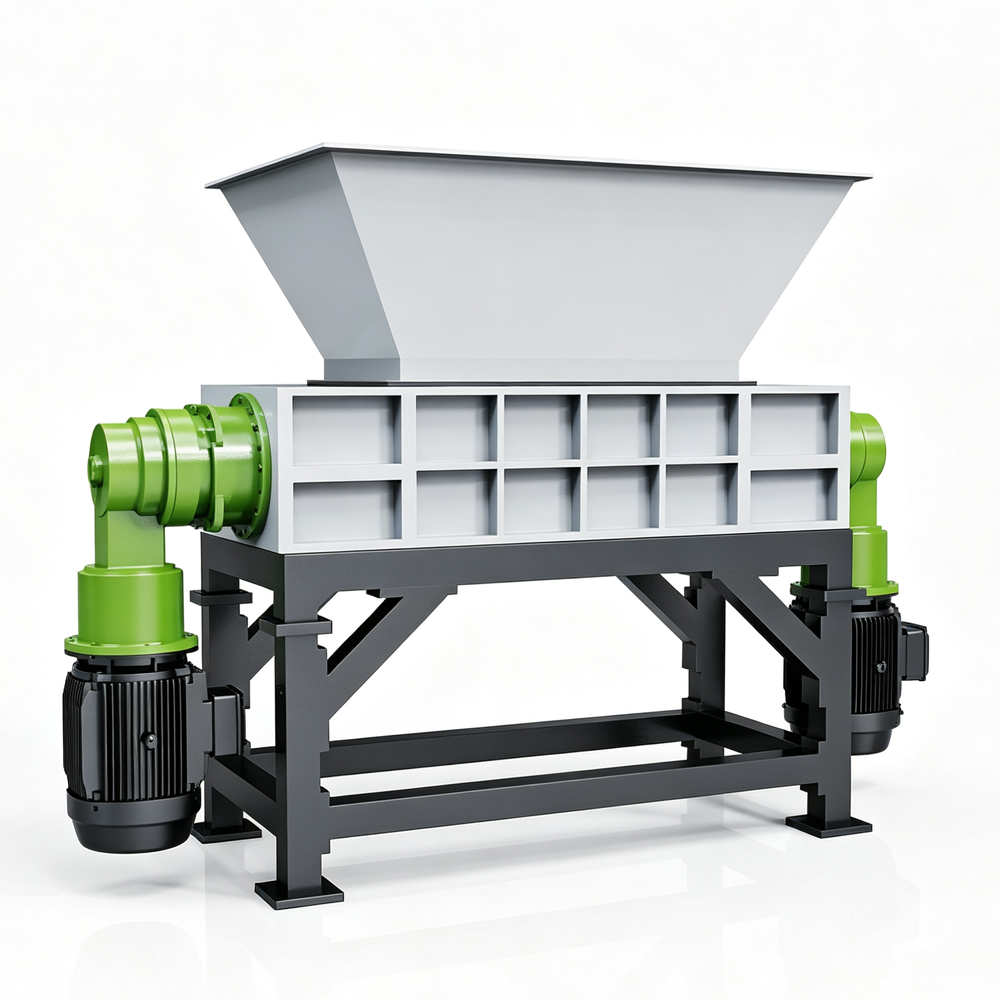
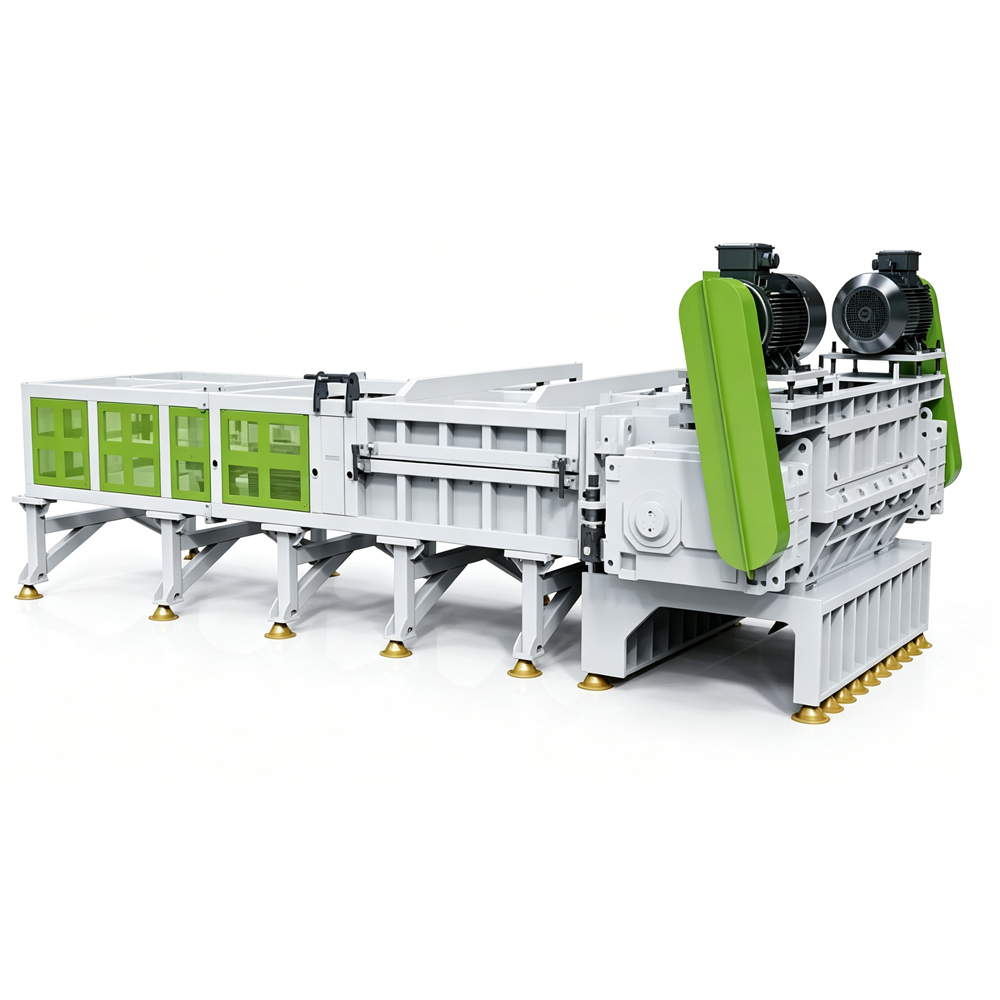
Plastic Shredder Crusher Machine

Tel: +86-19057068112

E-mail: [email protected]

Company Address
No. 128 Qingfeng Road, Xieqiao Town, Haining City, Jiaxing City, Zhejiang Province

19057068112

 English
 русский