
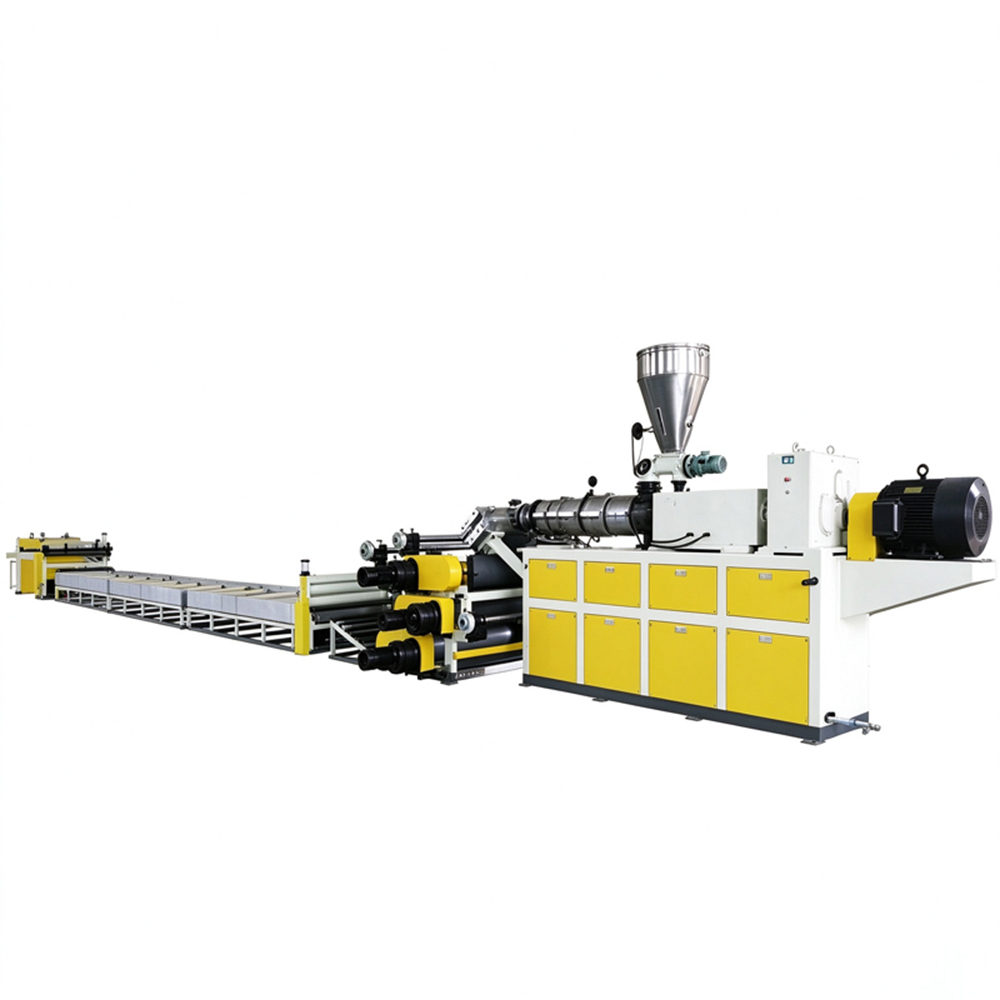


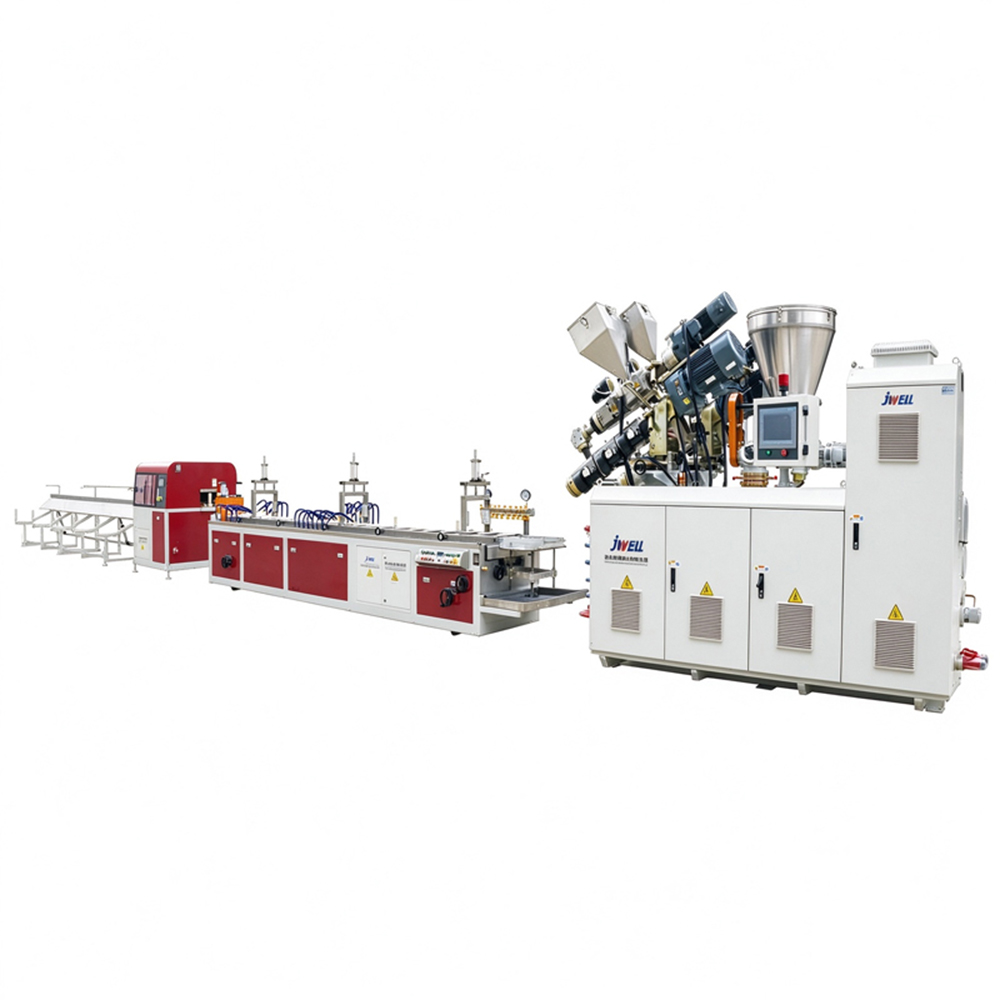
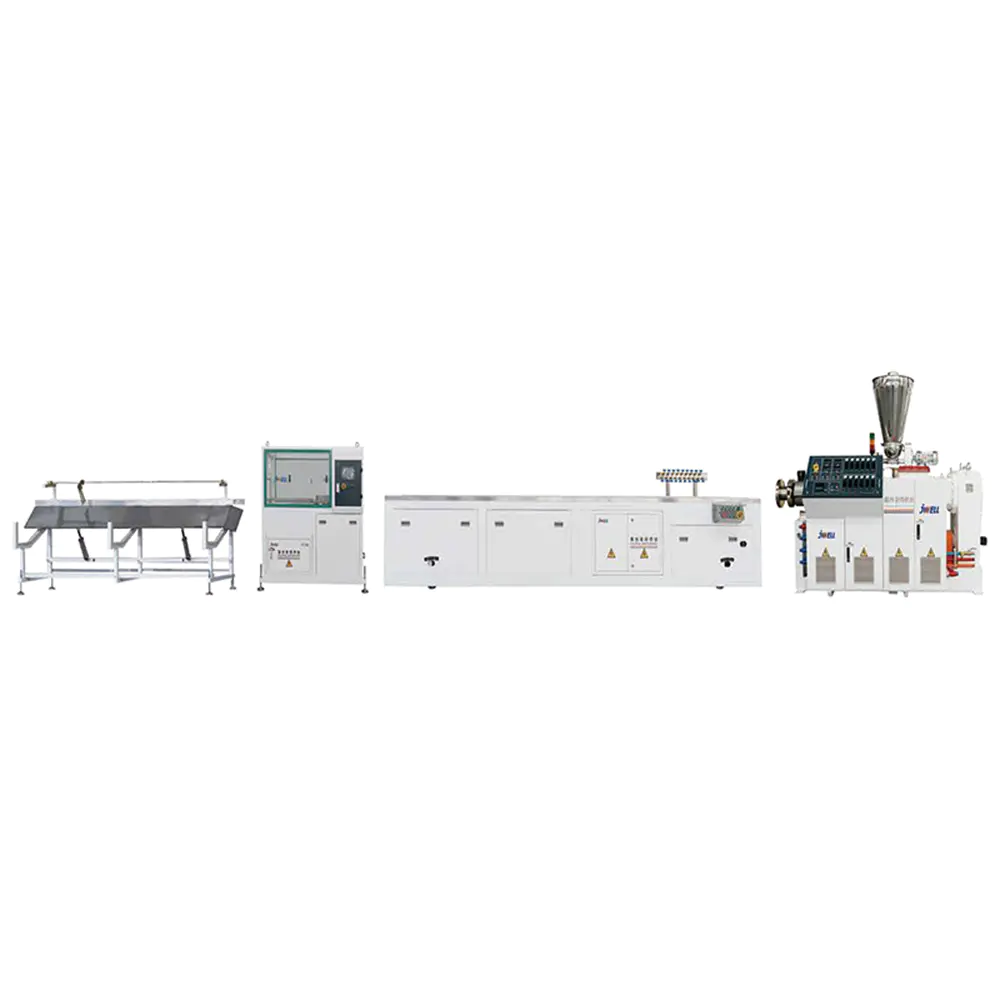
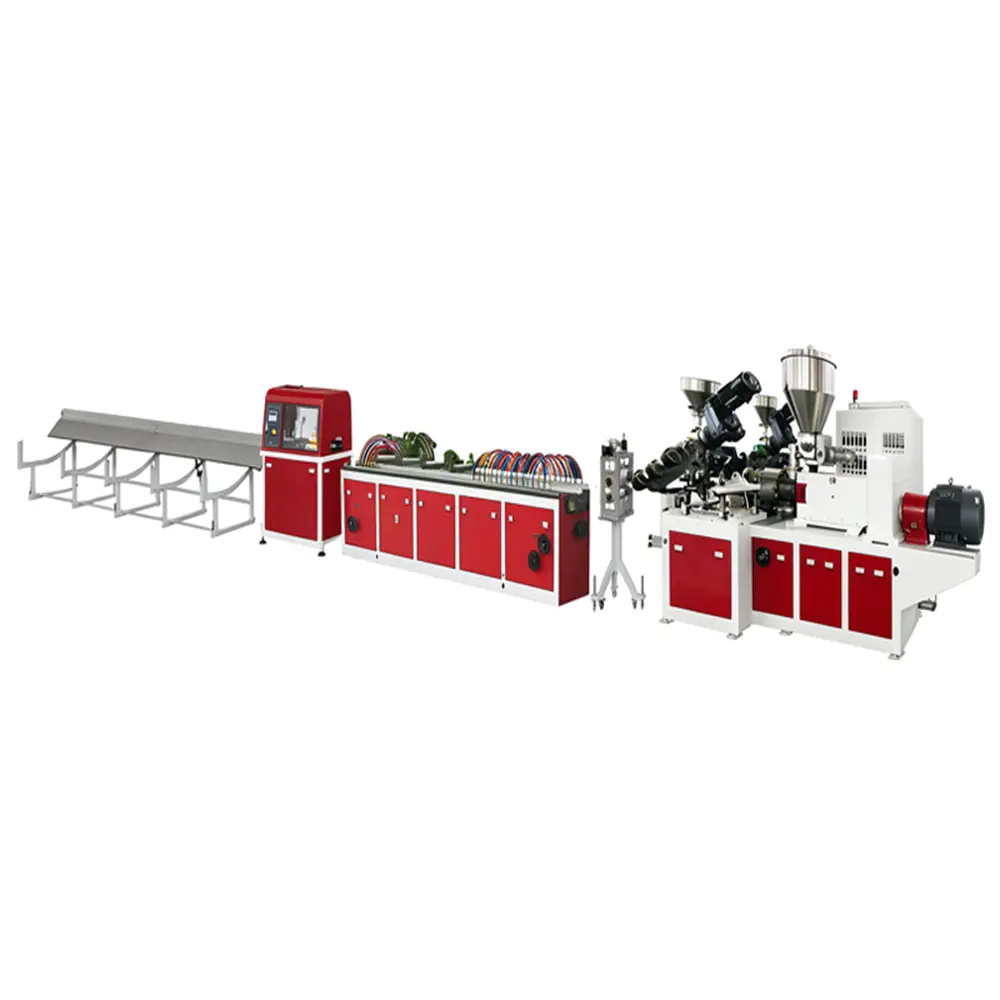
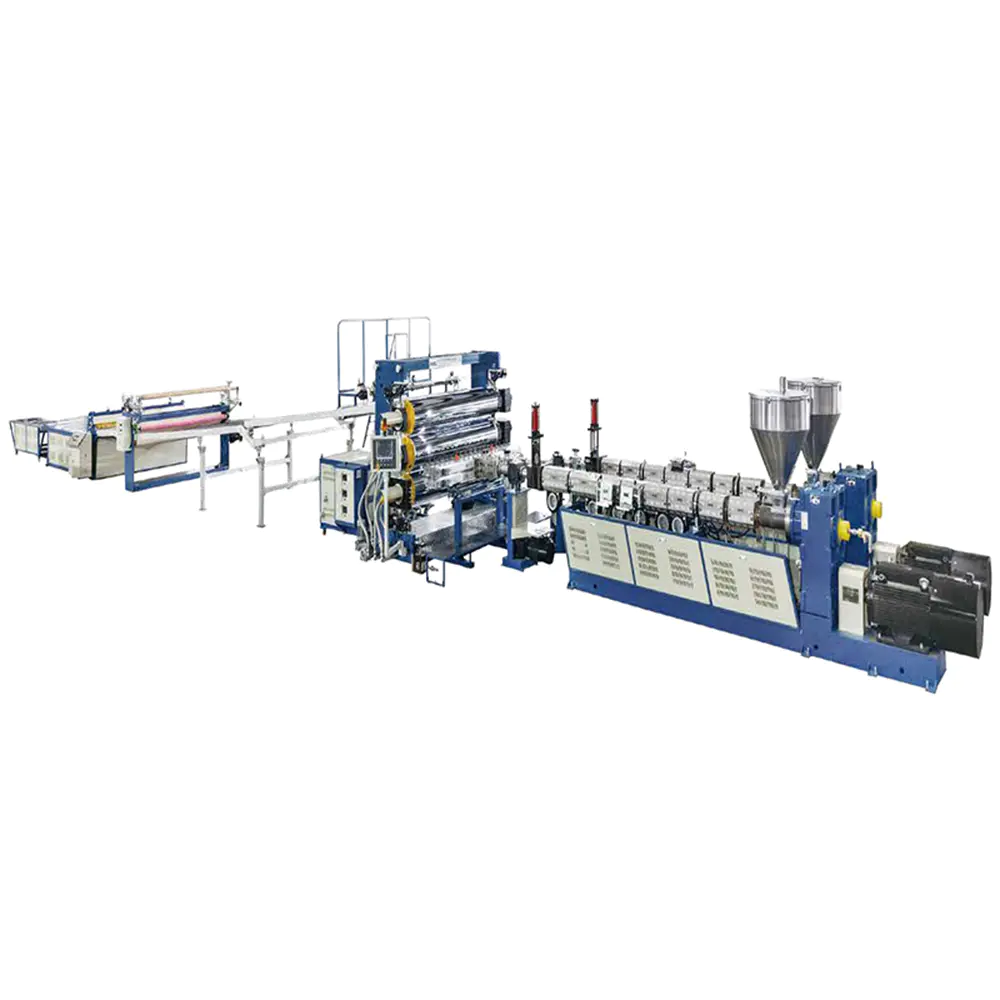
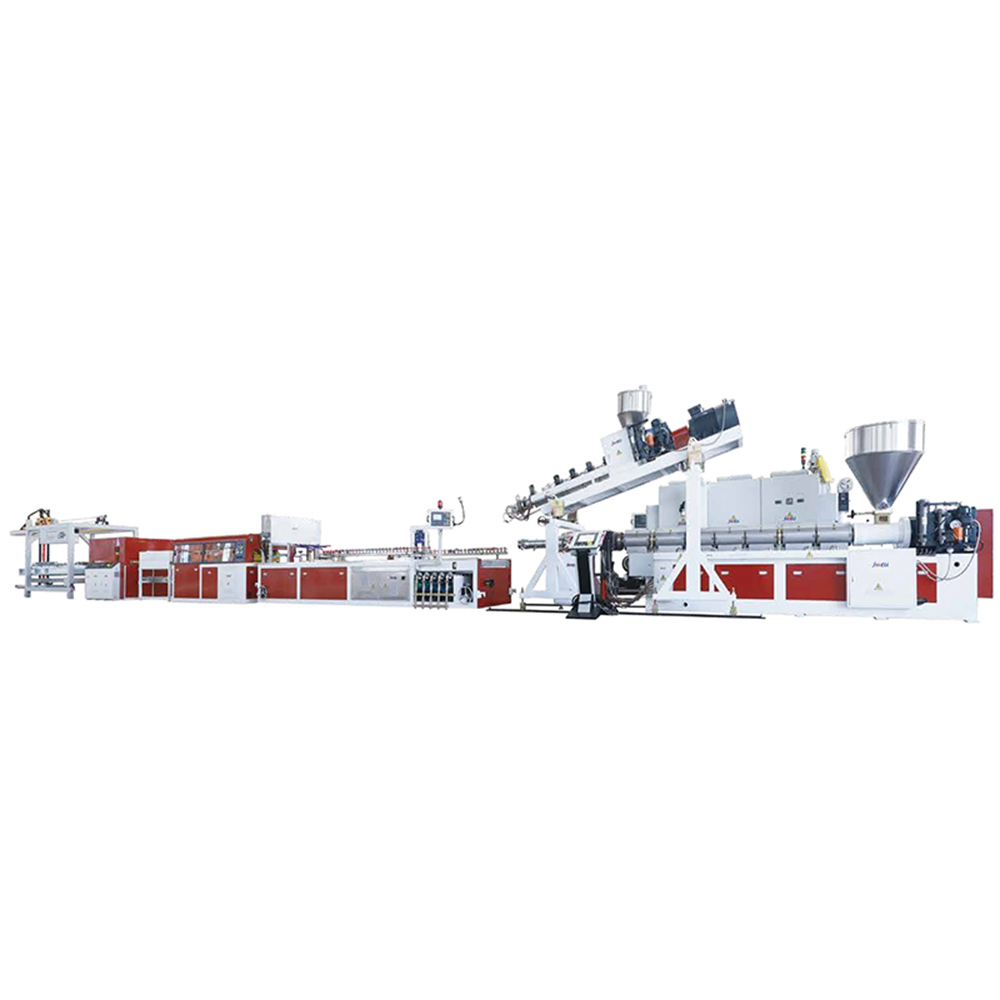
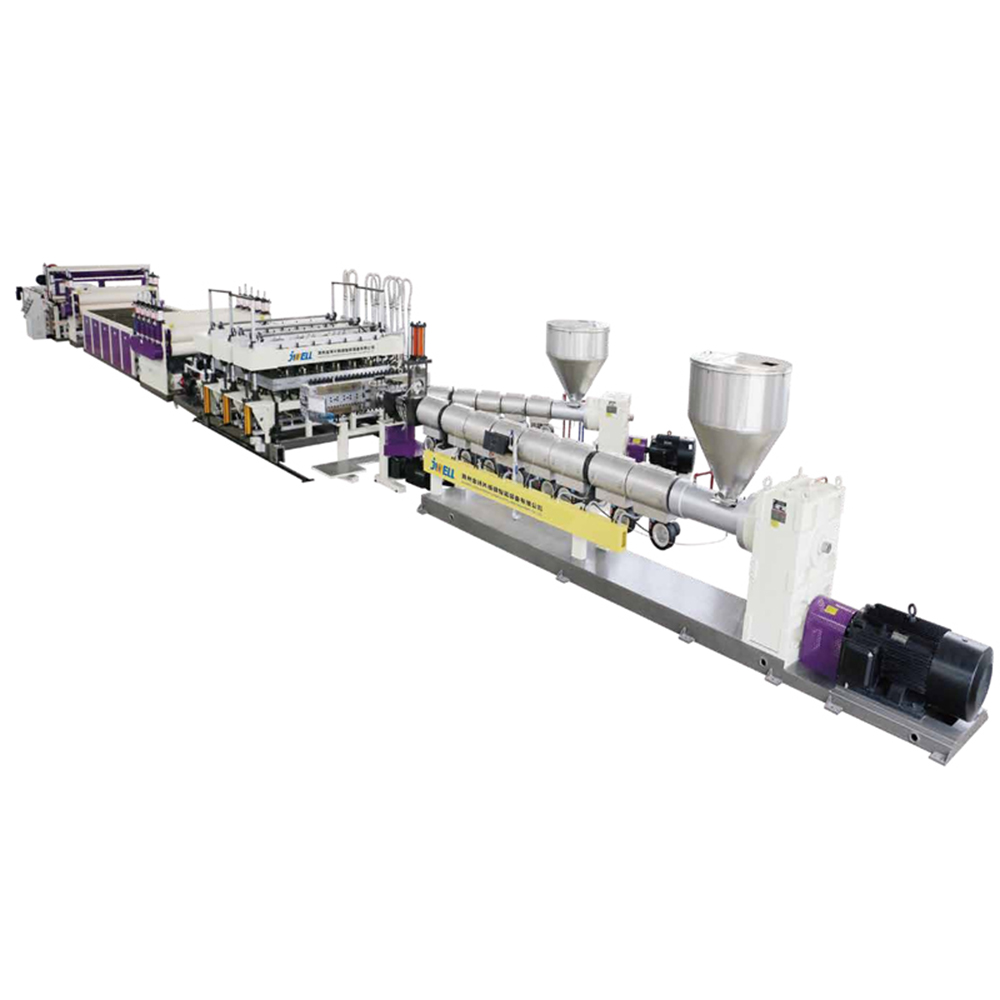
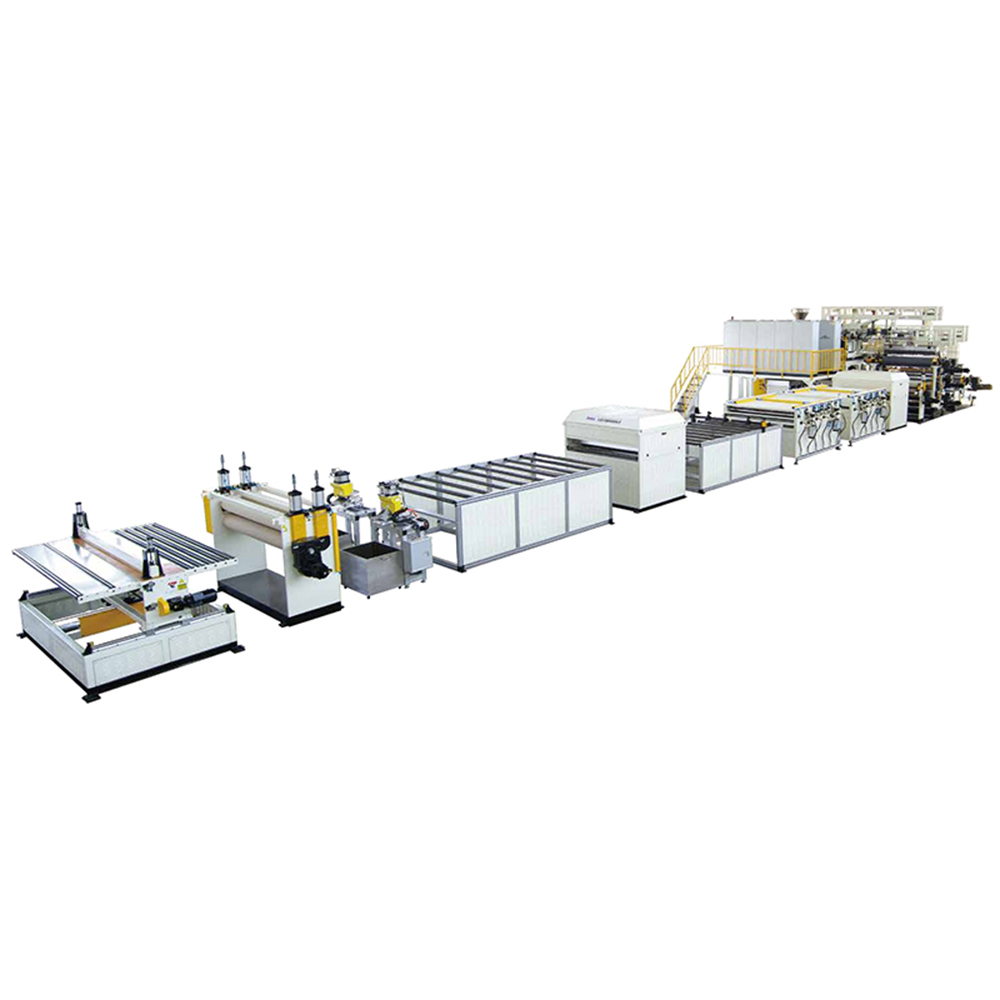
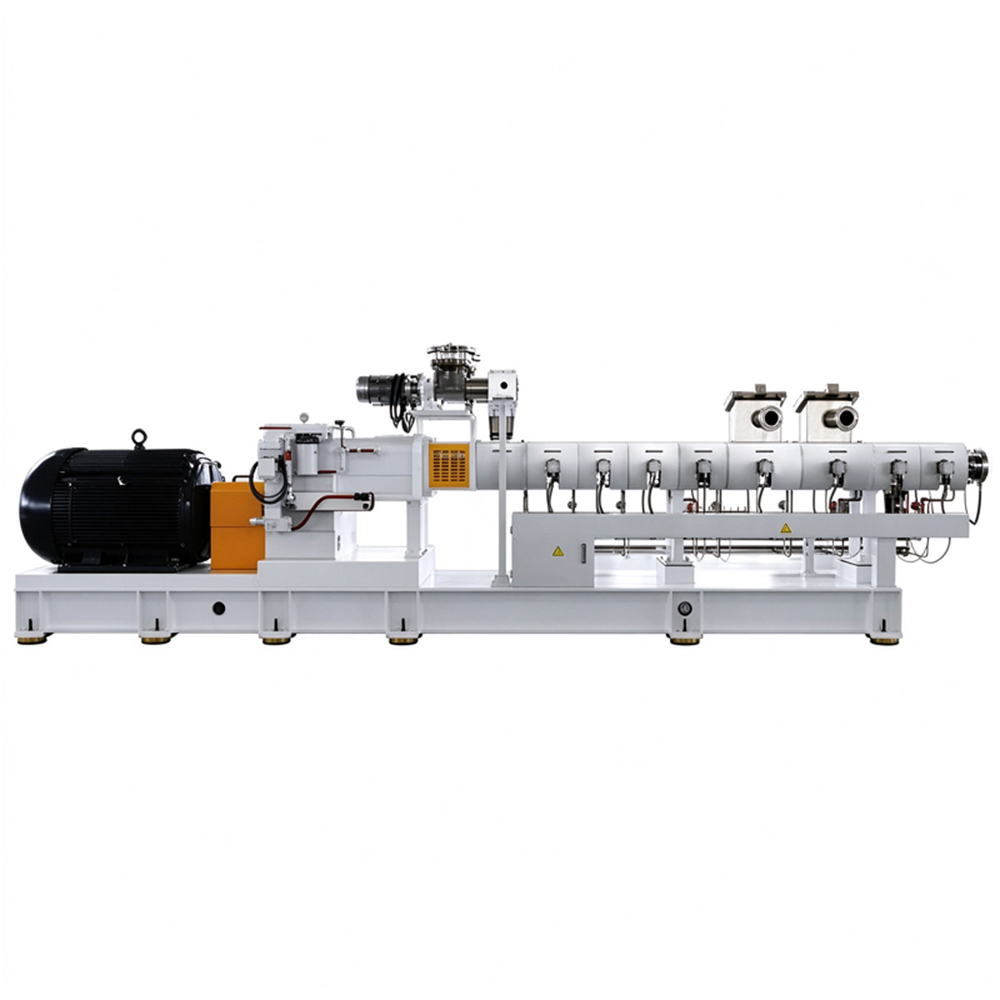
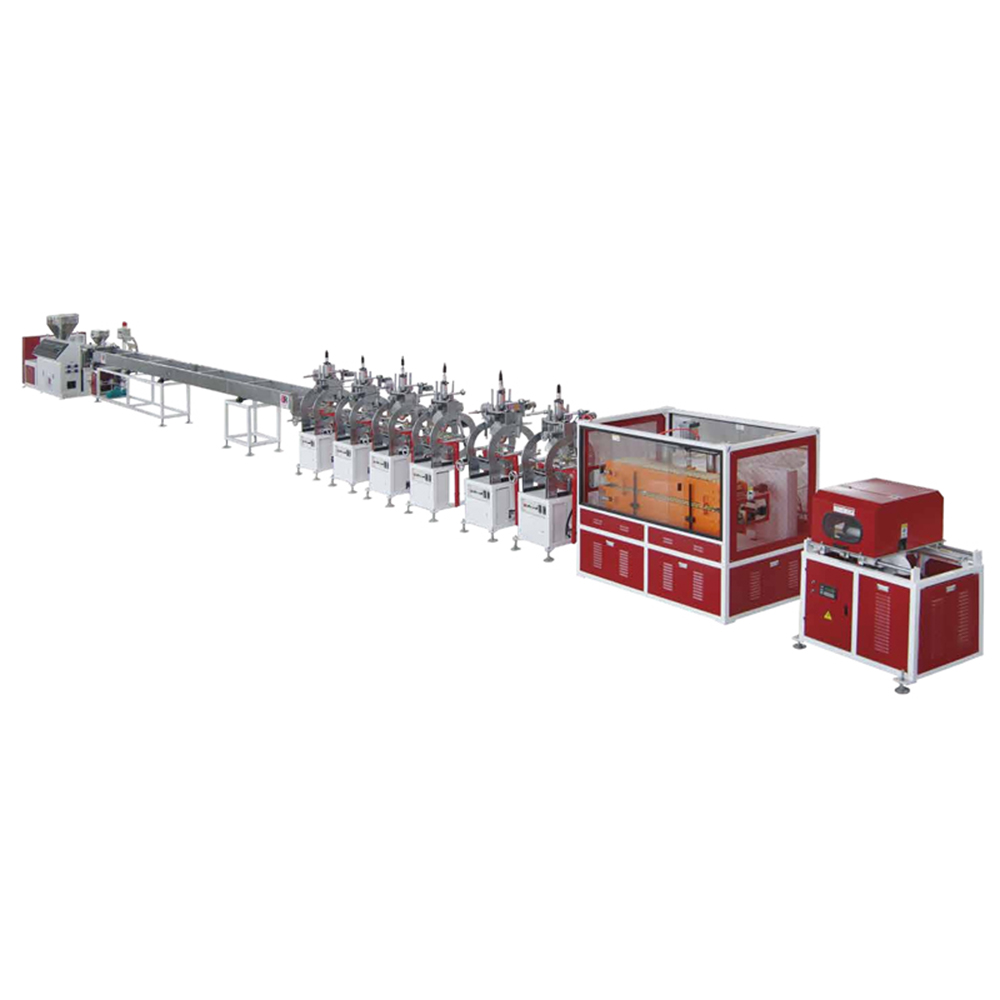
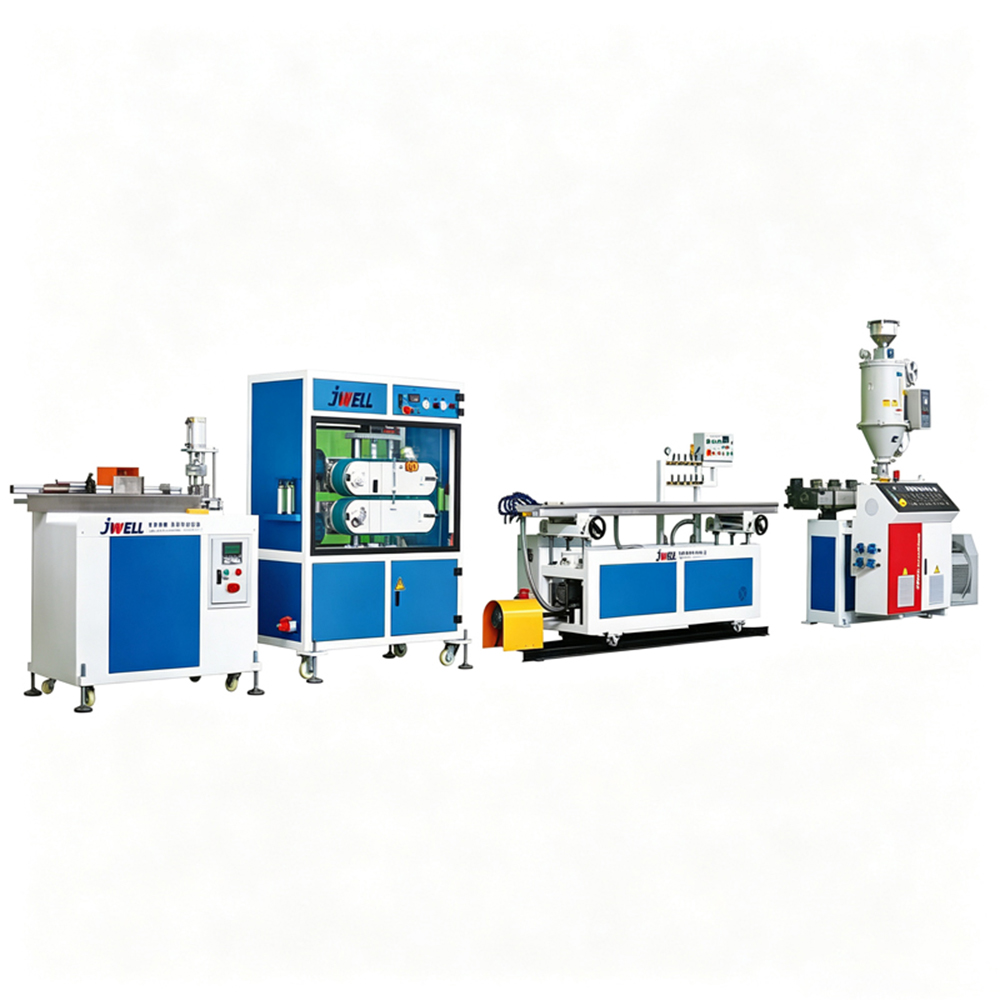
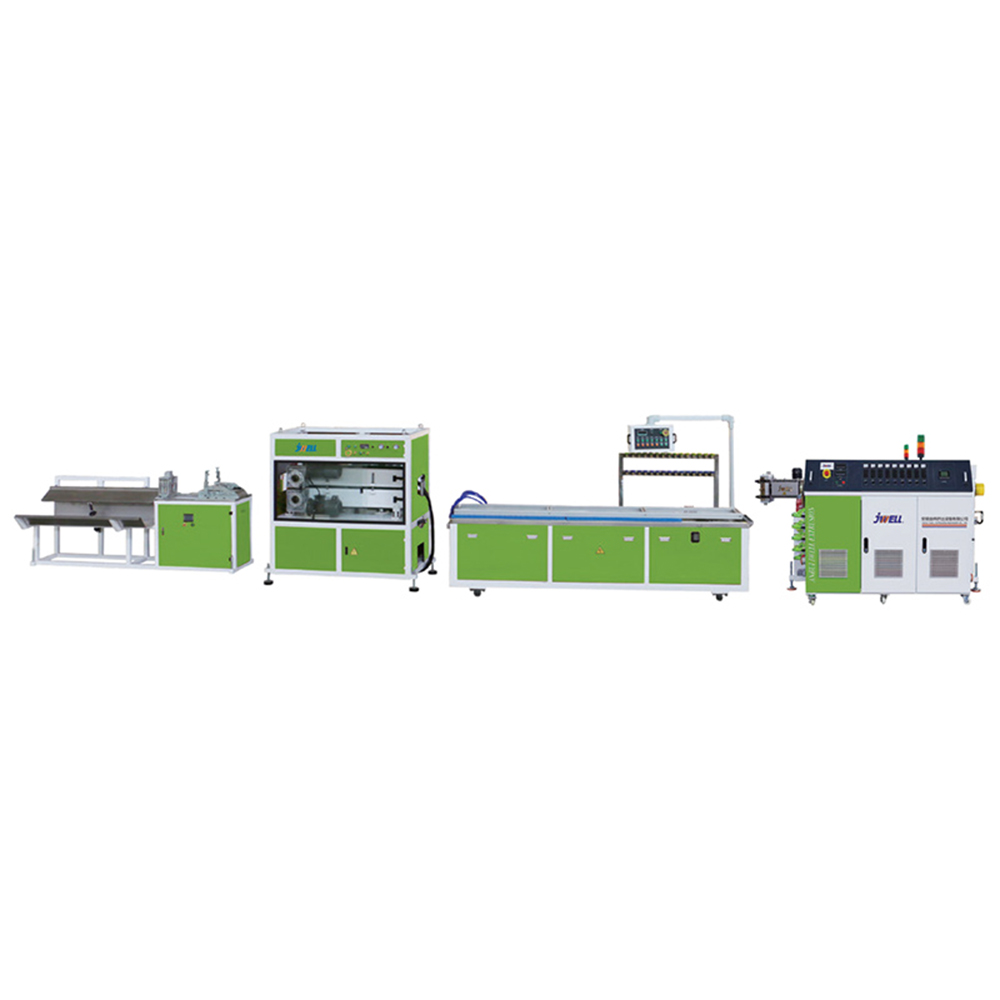
Jwell’s Sheet & Plate Extrusion Line is designed for efficient production of high-quality plastic sheets, suitable for a wide range of materials including PP, PE, PVC, and PS. With advanced extrusion technology, our machines ensure excellent thickness uniformity, surface finish, and optical clarity, meeting the demands of modern packaging, construction, and industrial applications.
Customers often ask about material compatibility, production capacity, and sheet dimensions. Our team provides detailed guidance on selecting the right machine based on your product requirements. Common issues like surface defects or thickness variations are addressed through our automated control systems and precise calibration techniques, ensuring consistent output.
Jwell stands out for its commitment to innovation, reliability, and energy efficiency. We offer full support from machine installation, operator training, to ongoing maintenance, ensuring your production line runs smoothly. Quick mold changes, customizable configurations, and optional multi-layer capabilities make our sheet extrusion lines adaptable to diverse production needs.
Whether you require small-scale customized sheets or large-volume production, Jwell delivers a solution that combines high performance, durability, and excellent after-sales service. With our global network, technical support is always within reach, helping you maximize productivity while minimizing downtime.
As Vietnam’s infrastructure development accelerates, its real estate market grows steadily, and the home decoration...
A PP EVA EVOH EVA PP multi-layer sheet co-extrusion line produces the barrier sheet used for the food packaging, the med...
The smooth operation of a production line stems from careful, ongoing maintenance. With the arrival of the 2026 winter s...
Defining what "high-end" means in sheet extrusion
Walk into any trade show for medical packaging or automotive interiors, and you will see samples of extruded sheet that look closer to glass than plastic. These are not ordinary runs. They come from Sheet & Plate Extrusion Lines that have been tuned to meet optical clarity, dimensional stability, and surface finish requirements that commodity extruders never touch. High-end applications demand sheet with zero gels, consistent thickness across the full width, and perfectly isotropic mechanical properties.
The technology stack that makes it possible
Meeting high-end demands starts with the screw design. Barrier screws with mixing sections produce melt that is uniform in temperature and viscosity. A melt pump downstream of the extruder eliminates pressure fluctuations from the screw. A static mixer or a gear pump distributes temperature evenly across the melt stream. The die—usually a coat-hanger or manifold design—spreads the melt to the target width with flow distribution within ±2 percent. Polished chrome rolls with servo-driven nip gaps set the final thickness to tolerances as tight as ±0.02 millimeters.
The critical role of downstream equipment
High-end sheet lines invest heavily in downstream components. Thickness gauges—either beta or gamma sensors—measure cross-web thickness continuously. A feedback loop adjusts die lip bolts to correct deviations in real time. Edge trim systems remove the thickened edges that form in any sheet die. Winders with tension control prevent telescoping or wrinkles in the finished roll. For optically clear sheet, a dust-removal station with ionized air bars keeps contaminants off the melt before it enters the polishing stack.
Defining the material mix for two fast-growing sectors
If you visit a factory making battery separator sheets for EV modules or light-diffusing panels for LED lighting, you will find extrusion lines running a specific set of resins. Why PC/PMMA/GPPS/ABS Sheet & Plate Extrusion Lines Are Favored in New Energy and Construction comes down to a simple observation: each resin offers a specific combination of optical, thermal, and mechanical properties that fits a growing application.
PC for impact resistance and transparency
Polycarbonate sheet dominates EV battery covers and module insulation panels. PC stands up to thermal cycling from -40 to 120 degrees Celsius without cracking. It self-extinguishes and meets UL94 V-0 for flame retardancy. For construction, PC multiwall sheet provides glazing that is 200 times stronger than glass at half the weight. New energy applications often specify PC sheet with UV stabilizers to prevent yellowing over 10-plus-year service life.
PMMA for clarity and weather resistance
Acrylic sheet offers the high light transmission of any thermoplastic—up to 92 percent. It excels in lighting applications where optical clarity matters more than impact strength. EV lighting covers, solar concentrator sheets, and LED diffusers all use PMMA. The extrusion challenge with PMMA is moisture sensitivity. It must be dried to below 0.04 percent moisture content before extrusion, or the sheet will show splay and bubbles.
GPPS for cost-effective rigidity
General-purpose polystyrene sheet provides stiffness at low cost. It sees heavy use in construction as protective glazing, signage, and lighting diffusers. GPPS extrusion is forgiving—it flows easily and processes at moderate temperatures. The trade-off is brittleness. GPPS sheets crack under impact, so they are rarely used in safety-critical applications.
ABS for toughness and dimensional stability
ABS sheet bridges the gap between brittle PS and expensive PC. It offers good impact resistance, outstanding dimensional stability, and a high-quality surface finish. New energy applications use ABS for battery trays and mounting brackets. Construction uses it for interior wall panels and bath fittings. ABS extrudes well but tends to absorb moisture, requiring drying similar to PMMA.
Comparison: key properties across the four materials
| Property | PC | PMMA | GPPS | ABS |
| Light transmission | 88–90% | 92% | 85–88% | Opaque |
| Impact strength (notched Izod) | 80–100 J/m | 15–20 J/m | 10–15 J/m | 25–40 J/m |
| Max continuous use temperature | 120°C | 80°C | 70°C | 85°C |
| Drying requirement | 120°C for 4h | 80°C for 3h | Not required | 80°C for 3h |
| Typical new energy application | EV battery covers | Lighting lenses | Signage | Battery trays |
| Typical construction application | Glazing | Lighting diffusers | Protective screens | Interior panels |
Defining what counts as thin-wall in polypropylene
A thin-wall PP sheet is typically 0.2 to 1.5 millimeters thick. Compare that to standard construction sheet at 3 to 6 millimeters. The market for thin sheet has exploded with the shift to thermoformed packaging—clamshells, trays, cups, and lids. Meeting this demand requires Thin-Wall Production and High-Speed Extrusion with PP Sheet Extruders that run at line speeds above 50 meters per minute while maintaining thickness uniformity.
The speed bottlenecks and how to overcome them
Three factors limit speed in thin-wall PP extrusion. First, screw design. High-speed lines need a screw that plasticates fast without degrading the resin. A grooved feed throat and a barrier screw with high compression ratio are standard. Second, cooling capacity. Thin sheet cools quickly, but the cooling rolls must match the line speed. The typical setup uses a three-roll vertical stack with individually temperature-controlled rolls. Third, winding. At 60 meters per minute, a full roll fills in 20 minutes. Automatic turret winders are non-negotiable.
Thickness control at high speed
The challenge with thin sheet is holding thickness when line speed fluctuates. A 0.02-millimeter variation in a 2-millimeter sheet is 1 percent variation. In a 0.5-millimeter sheet, that same variation is 4 percent. High-speed lines use continuous thickness measurement with closed-loop feedback to the die lip adjustment system.
Comparison: standard-speed versus high-speed thin-wall extrusion
Standard-speed lines (20–30 m/min) use simpler extruders with standard screws and manual thickness control. They work for low-volume or high-thickness products. High-speed lines (45+ m/min) require precision components at every stage. The screw design must balance output with melt quality. The cooling rolls must have servo-driven nip gaps that adjust within milliseconds. The winder must handle roll changes without slowing the line. A high-speed line costs 40 to 70 percent more than a standard line but produces 80 to 120 percent more output—a strong return on investment for packaging applications running 24/7.


Pipe Extrusion Production Line
Plastic Shredder Crusher Machine

Tel: +86-19057068112

E-mail: [email protected]

Company Address
No. 128 Qingfeng Road, Xieqiao Town, Haining City, Jiaxing City, Zhejiang Province

19057068112

 English
 русский