
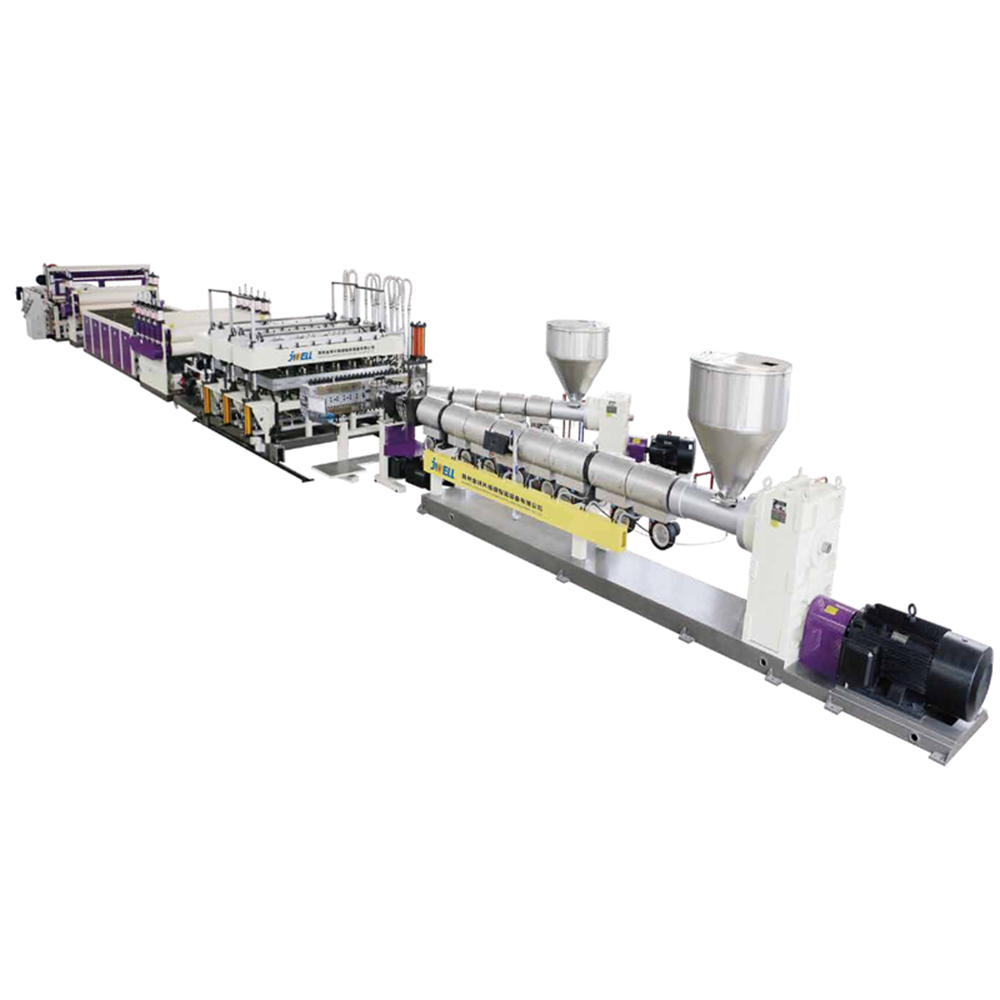
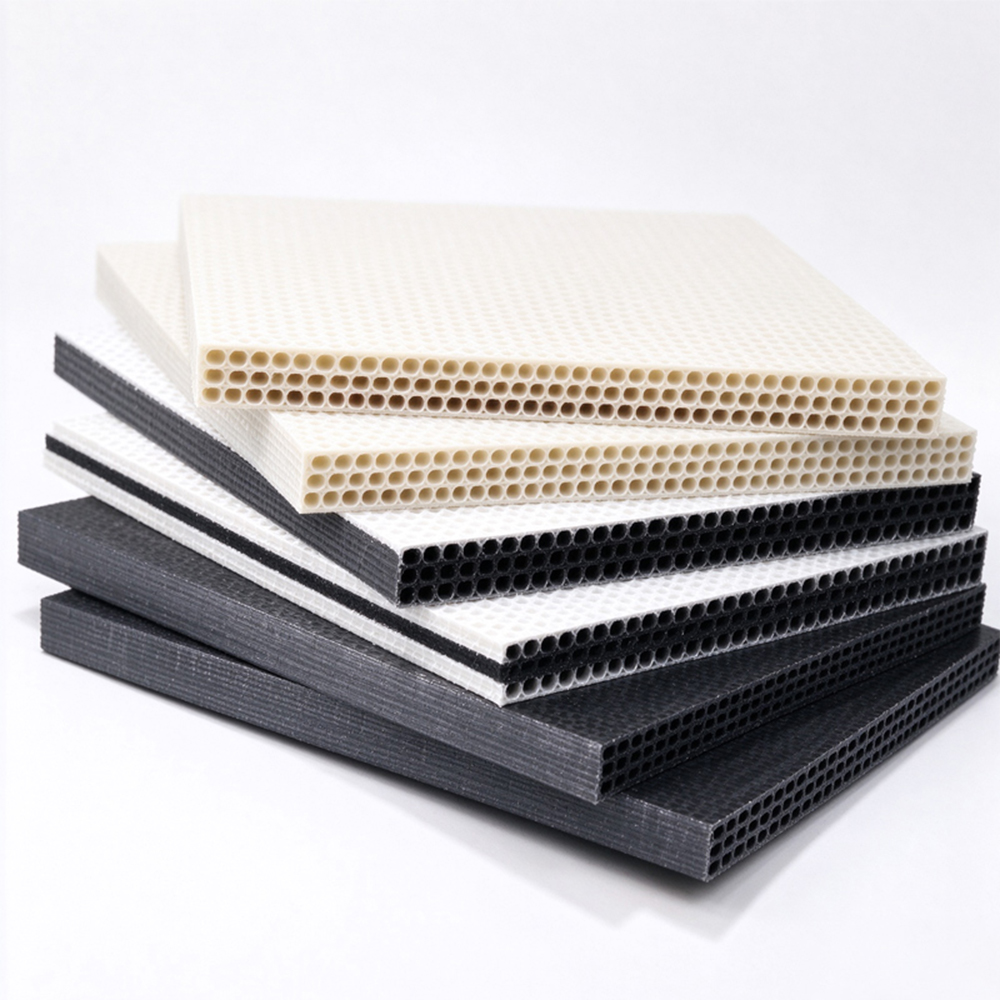
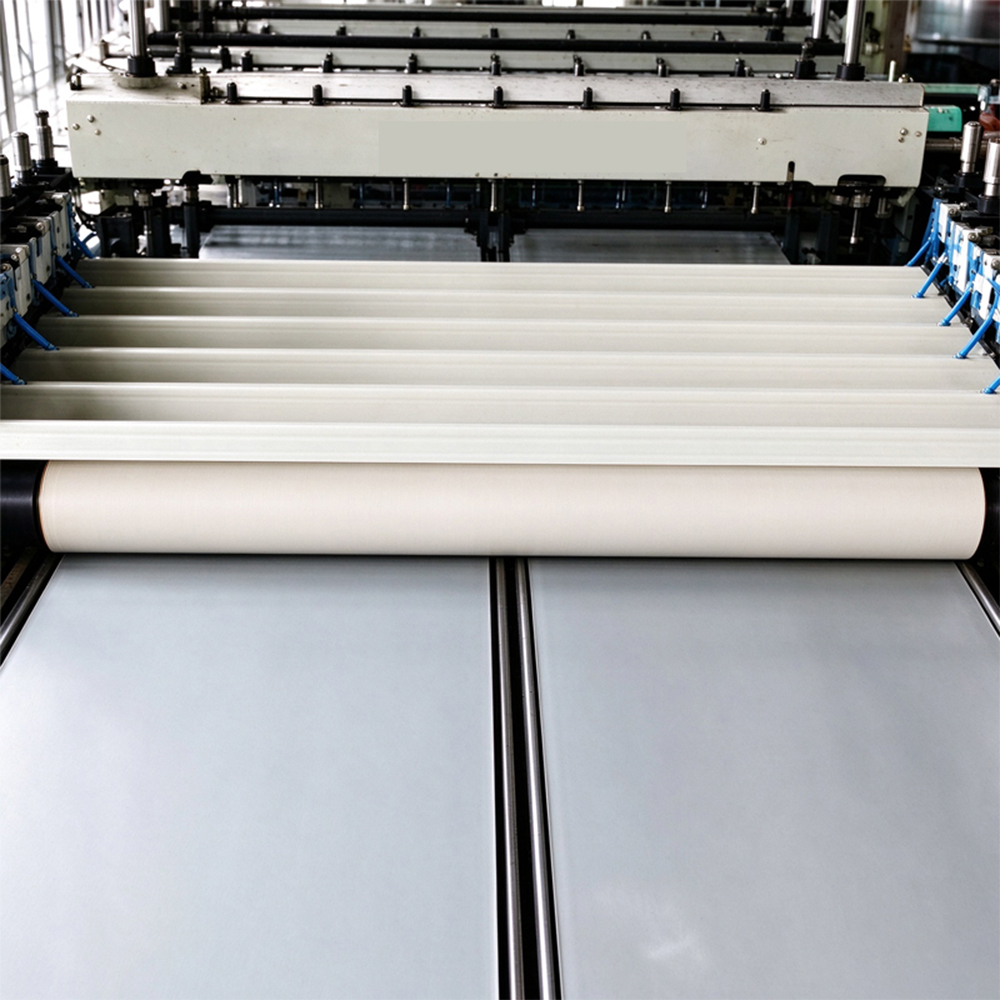
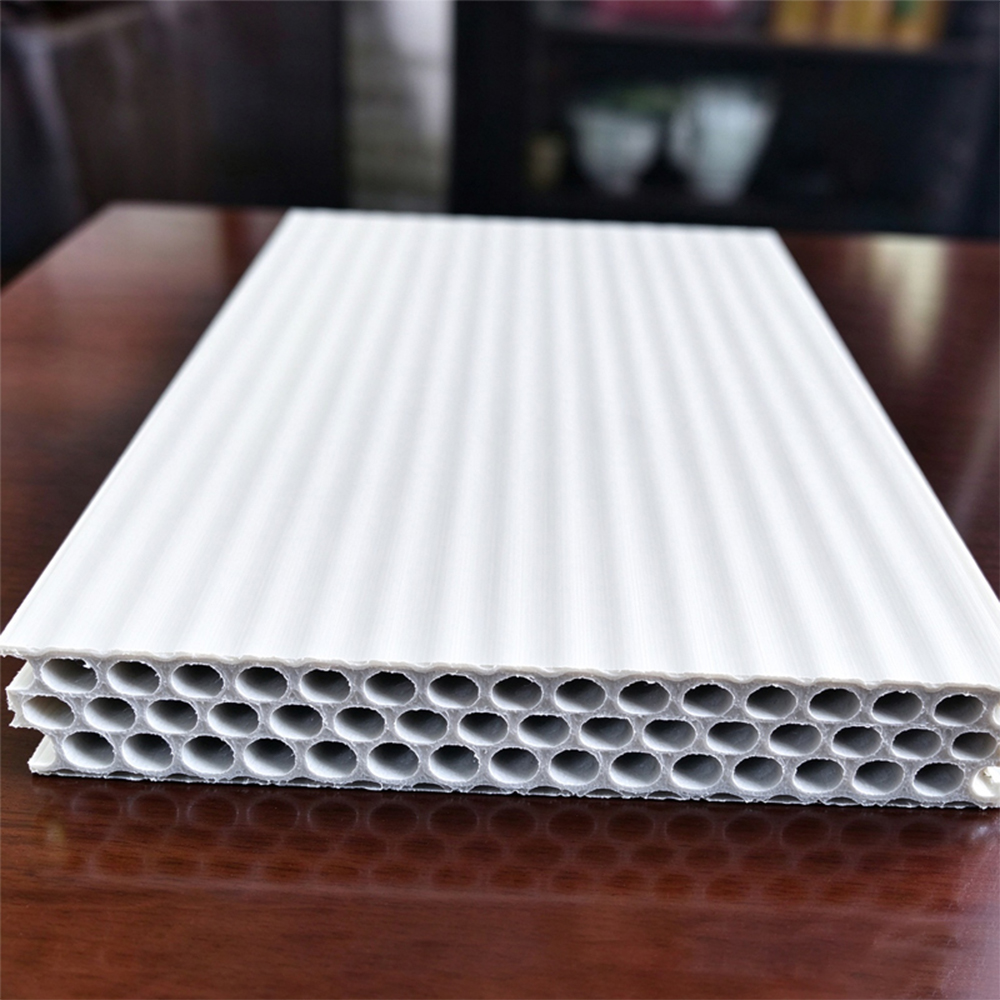
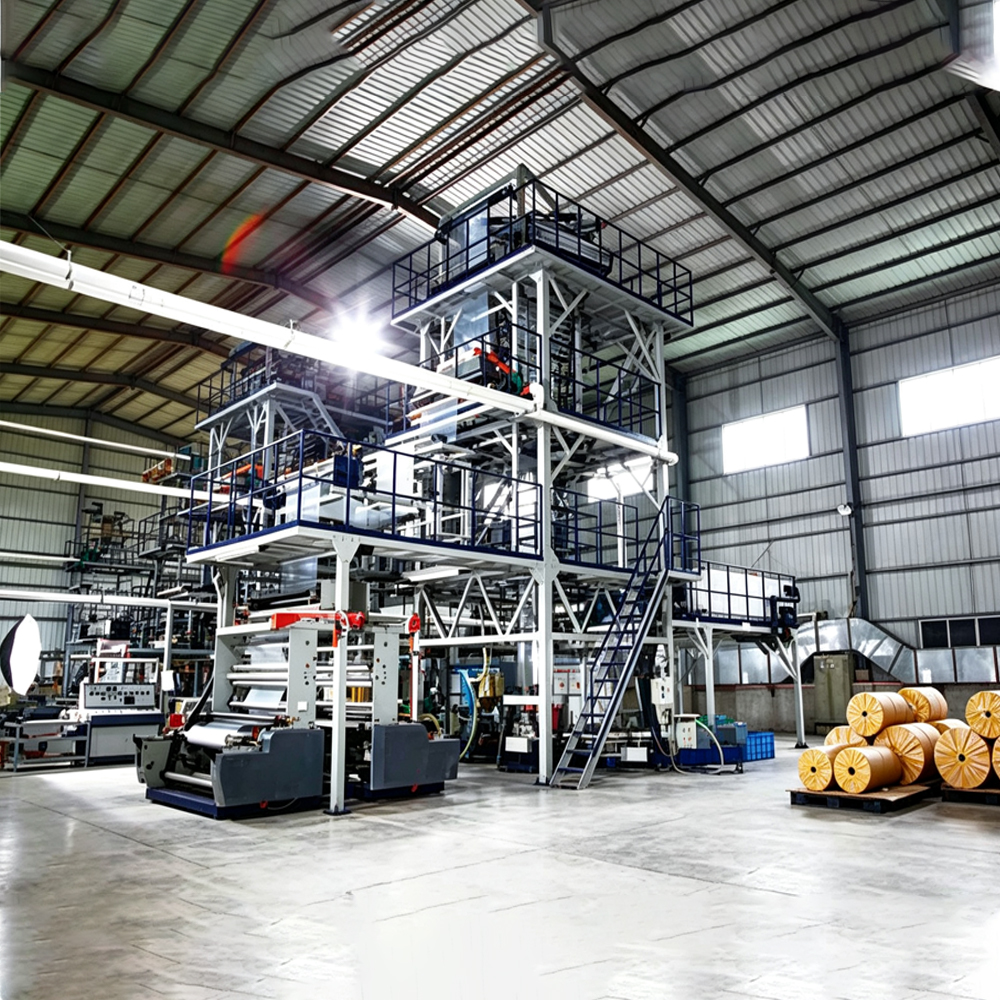
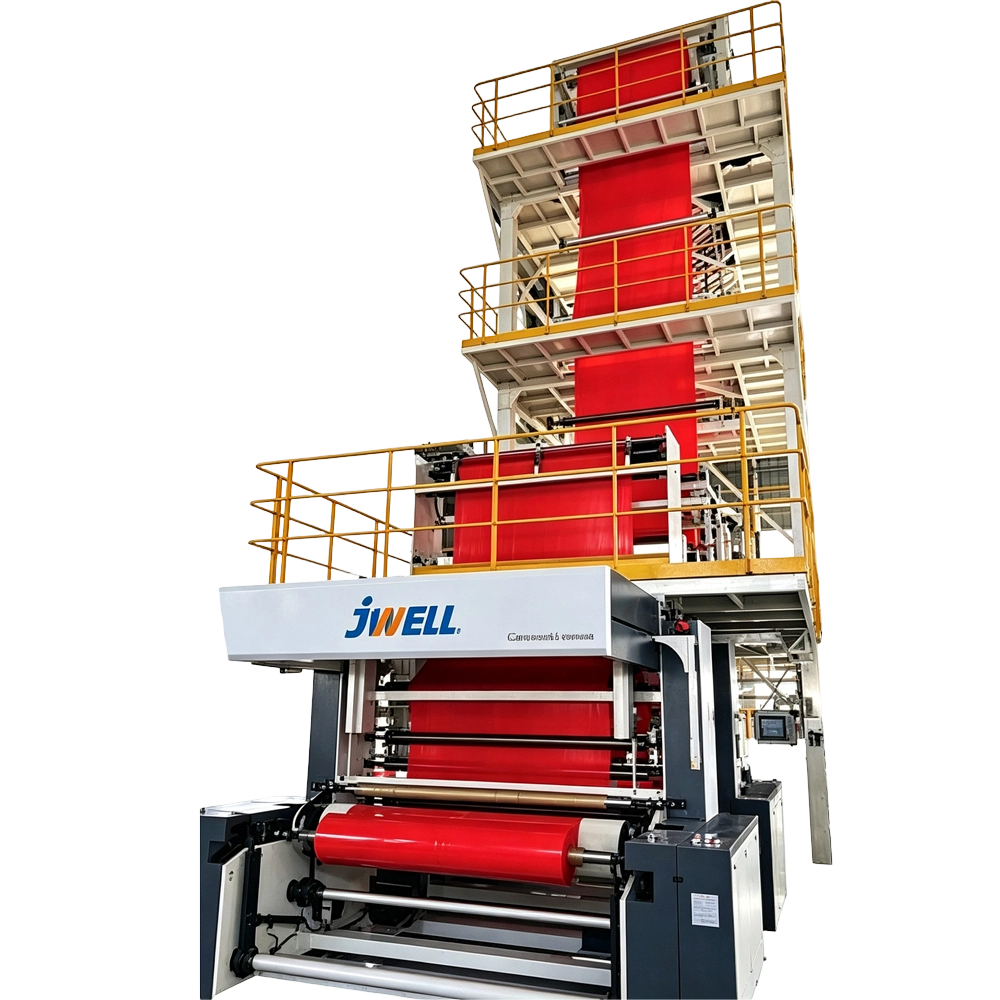
As the construction industry shifts from traditional wood and steel formwork, polypropylene (PP) hollow construction formwork has emerged as a lightweight, durable, and environmentally friendly alternative. Our twin extrusion lines – models JWS130(80)-1320, JWS150(80)-2000, and CJWH85(80/52)-2000 – are specifically designed to produce high-quality PP modified hollow formwork with exceptional efficiency.
PP hollow construction formwork is widely used as concrete formwork for walls, columns, beams, slabs, and tunnel linings. Based on the parameters of our three models:
Product width: 915 mm (single strip), 1220 mm (single strip), or 915 mm × 2 (dual-channel output)
Product thickness: 15–17 mm – optimal range balancing rigidity and weight
Material: PP modified compound (enhanced impact resistance, UV stability, and flexural modulus)
Real-world case – Large residential complex in Southeast Asia
A Malaysian contractor switched from plywood to PP hollow formwork produced by the JWS150(80)-2000 line (two parallel 915 mm channels). The construction team reduced formwork assembly time by 40% and reused the same set of formwork for over 65 cycles without significant delamination or warping. Total material cost per square meter dropped by 32% compared to plywood.
Real-world case – Bridge pier formwork in South America
A Colombian manufacturer used the CJWH85(80/52)-2000 line (maximum output 700 kg/h) to supply 1220 mm wide formwork for a major viaduct project. The high output allowed delivery of 8,000 m² of formwork in just 10 days, meeting a tight construction schedule.
Our twin extrusion lines are designed for maximum production efficiency and product consistency.
|
Feature |
Advantage |
|
High output – JWS130(80)-1320: 450–500 kg/h; JWS150(80)-2000: 550–600 kg/h; CJWH85(80/52)-2000: 600–700 kg/h |
One line can produce enough formwork per shift to cover a medium-sized building floor. The CJWH85 model delivers output equivalent to two traditional single-screw extrusion lines. |
|
Dual-channel design – Simultaneous production of two 915 mm channels (JWS150 and CJWH85 models) |
Doubles output without increasing footprint. Ideal for mass production of standard 915 mm formwork panels. |
|
Wide-width flexibility – Supports 915 mm, 1220 mm, or dual 915 mm |
A single line can adapt to different project requirements. Switching between single wide sheet or dual narrow sheets takes less than 2 hours. |
|
Co-extrusion capability – JWS130/35 + JWS80/35 or JWS150/35 + JWS80/35 |
Main extruder (JWS130 or JWS150) produces the hollow structure; auxiliary JWS80 co-extrudes a smooth, UV-resistant cap layer – eliminates secondary coating steps. |
|
PP modified material compatibility |
Our screws and barrels are hardened for reinforced PP (talc or calcium carbonate filled). Customers report thickness loss below 2% after 50+ reuse cycles. |
Real-world case – Cost savings in China
A formwork manufacturer in Zhejiang replaced three old single-screw lines with one JWS150(80)-2000 twin-screw extrusion line. Energy consumption per ton dropped by 28%, labor costs fell by 60% (only one operator instead of three). Product uniformity (thickness tolerance ≤ ±0.3 mm) significantly reduced customer complaints.
We implement a four-stage quality system covering raw materials, in-line production, final mechanical testing, and long-term reliability.
Stage 1 – Raw Material Verification
PP modified compound melt flow index (MFI): controlled at 2.5–4.0 g/10min (230°C/2.16kg) to ensure stable hollow profile forming.
Talc or calcium carbonate content: verified by ash residue test (typically 15–25%) for optimal rigidity.
Stage 2 – In-line Monitoring
Ultrasonic thickness gauge installed after vacuum calibration tank – scans every 500 mm of sheet length. Automatically rejects if deviation exceeds ±0.2 mm from the 15–17 mm target.
Infrared camera checks surface temperature uniformity across 915 mm or 1220 mm width, preventing residual stress that causes warping.
Real-time width control via laser edge sensor – ensures final width within ±1.0 mm.
Stage 3 – Mechanical & Physical Testing (per batch)
Impact strength (Izod notched): minimum 6 kJ/m² at 23°C – essential for withstanding repeated concrete pouring and hammering.
Flexural modulus: ≥ 950 MPa (ASTM D790) – guarantees no sagging under wet concrete pressure (typically 50–60 kN/m²).
Warpage test: 1000×500 mm sample heated at 80°C for 2 hours – warpage ≤ 2 mm/m.
Water absorption: ≤ 0.1% after 24-hour immersion – ensures easy cleaning and no weight gain.
Stage 4 – Long-term Reliability (validated by real-world cases)
Cycle test simulation: A third-party lab conducted 80 concrete pour-strike cycles on formwork produced by JWS150(80)-2000. Average thickness decreased only 0.5 mm (from 16 mm to 15.5 mm), far better than industry standard (1.5 mm loss).
UV aging (QUV test 500 hours): retained 90% of flexural strength – suitable for outdoor storage on construction sites.
Real-world case – ISO compliance
A Thai factory using the CJWH85(80/52)-2000 line achieved ISO 9001:2025 certification after our joint audit. After implementing our recommended online ultrasonic monitoring system, their defect rate dropped from 4.2% to 0.7% within 3 months.
| Model | JWS130(80)-1320 | JWS150(80)-2000 | CJWH85(80/52)-2000 |
| Material | modified material | modified material | modified material |
| Products width | 915/1220mm | 915mm*2 | 915mm*2 |
| Products thickness | 15–17mm | 15–17mm | 15–17mm |
| Extruder specification | JWS130/35 JWS80/35 | JWS150/35 JWS80/35 | CJWH85 CJWH52 JWS80 |
| Capacity (Max.) | 450 ~ 500kg/h | 550 ~ 600kg/h | 600 ~ 700kg/h |
Q1: What is the actual continuous output, not just the maximum value?
For JWS130(80)-1320: 420–470 kg/h at 16 mm thickness and 915 mm width.
For JWS150(80)-2000: 520–580 kg/h (dual 915 mm channels running simultaneously).
For CJWH85(80/52)-2000: 630–680 kg/h with 20% recycled material.
Real case: A Vietnamese customer recorded 645 kg/h continuously for 12 hours using 100% virgin PP modified compound.
Q2: Can I produce both 15 mm and 17 mm thicknesses on the same line?
Yes. Simply change the die lip gap and calibrator set – takes 45–60 minutes. The extruder screw design (L/D 35:1) ensures excellent melt uniformity at both thicknesses.
Q3: How much floor space does a twin extrusion line require?
The complete line (extruder + die + vacuum tank + cooling bath + puller + cutter) requires approximately 28 m (length) × 4 m (width). Dual-channel models (JWS150 and CJWH85) occupy the same footprint as single-channel models – double output comes from a wider die (1800 mm) that splits after calibration.
Q4: What is typical energy consumption?
JWS130(80)-1320: Installed power ~210 kW, actual consumption ~165 kWh/ton.
JWS150(80)-2000: Installed power ~270 kW, ~155 kWh/ton (more efficient due to higher output).
CJWH85(80/52)-2000: Installed power ~310 kW, ~140 kWh/ton.
Q5: How often do the screw and barrel need replacement when processing PP modified with 20% talc?
With bimetallic barrels and nitrided hardened screws (HRC 55–60), typical service life is 12,000–15,000 operating hours. An Indonesian customer processed 8,500 tons of PP with 25% talc over 4 years before replacing the screw. We recommend inspecting the barrel liner every 4,000 hours.
Q6: Can recycled PP (post-industrial or post-consumer) be used?
Yes, but blend with virgin PP modified compound at 30–40% to maintain impact strength. JWS series extruders feature a special venting section to remove volatiles from recycled materials. A Brazilian recycler uses 50% PCR (post-consumer recycled PP) on a JWS150(80)-2000 line – they achieve 530 kg/h and sell the formwork for low-cost housing formwork applications.


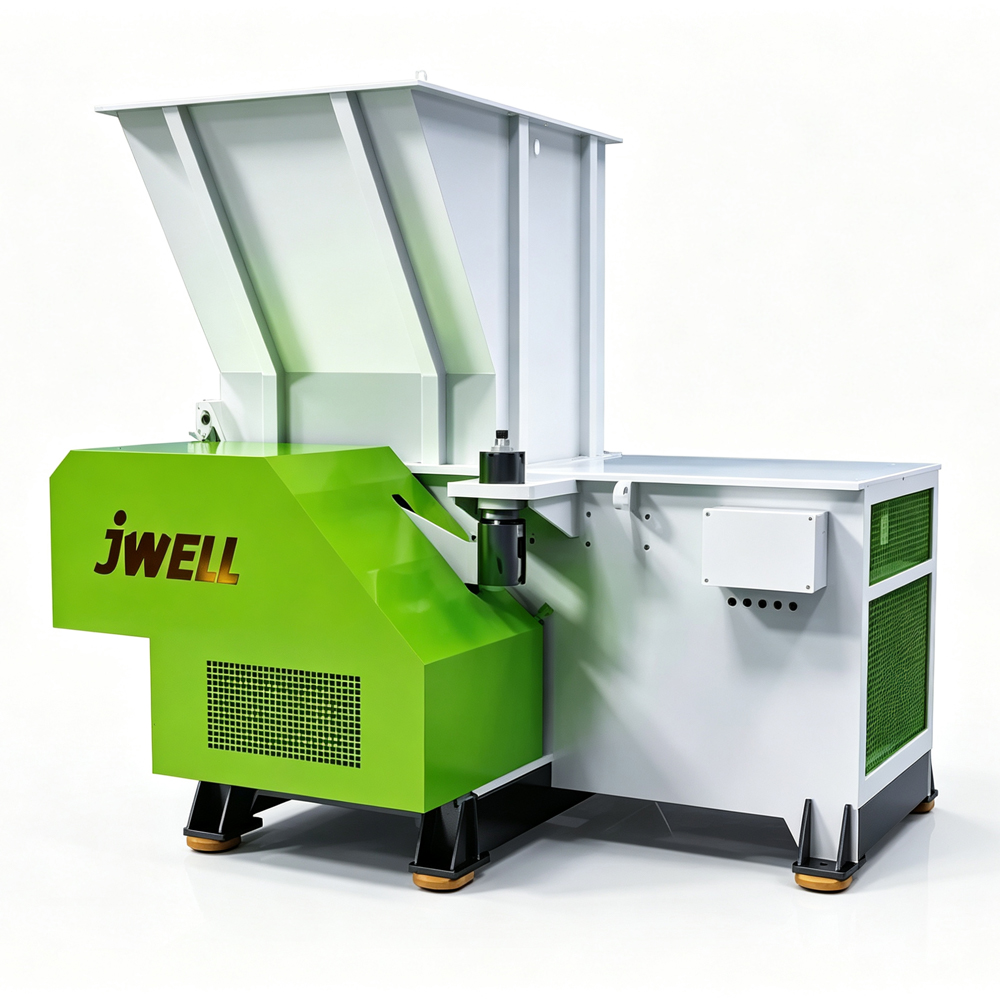


Pipe Extrusion Production Line
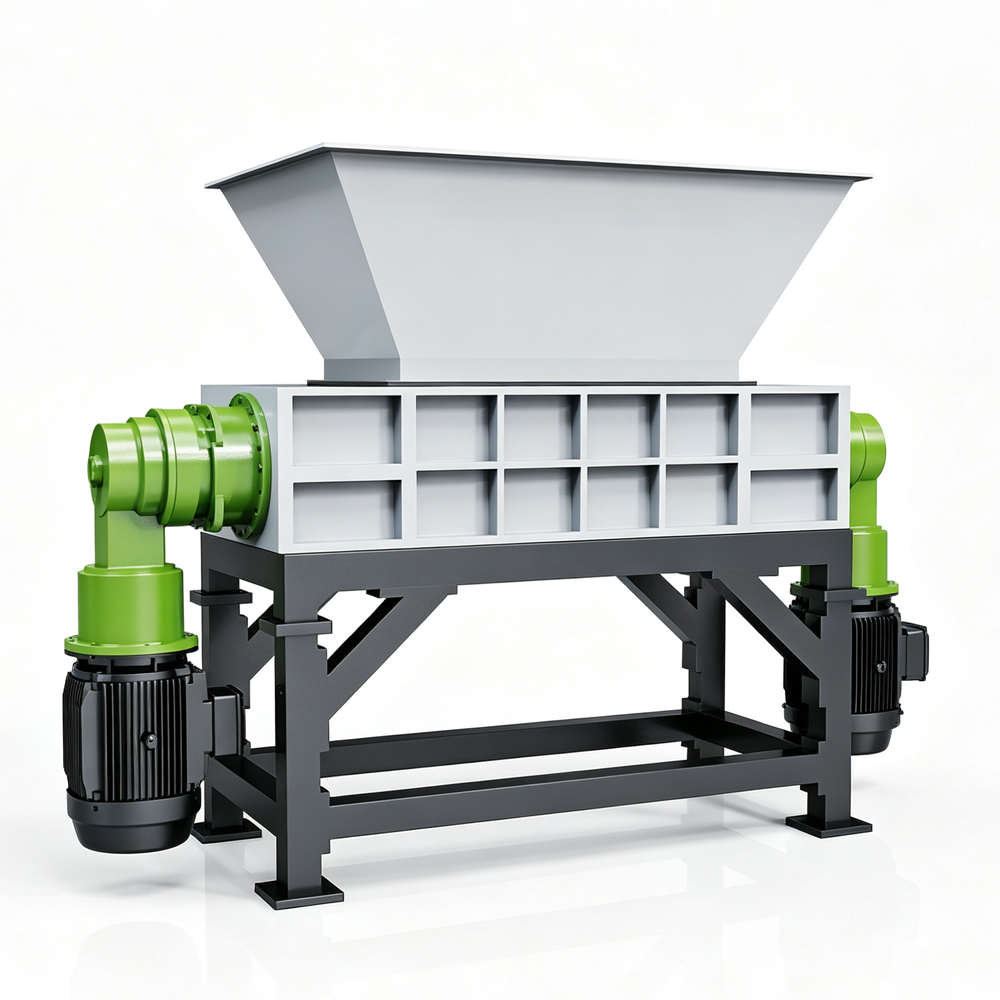
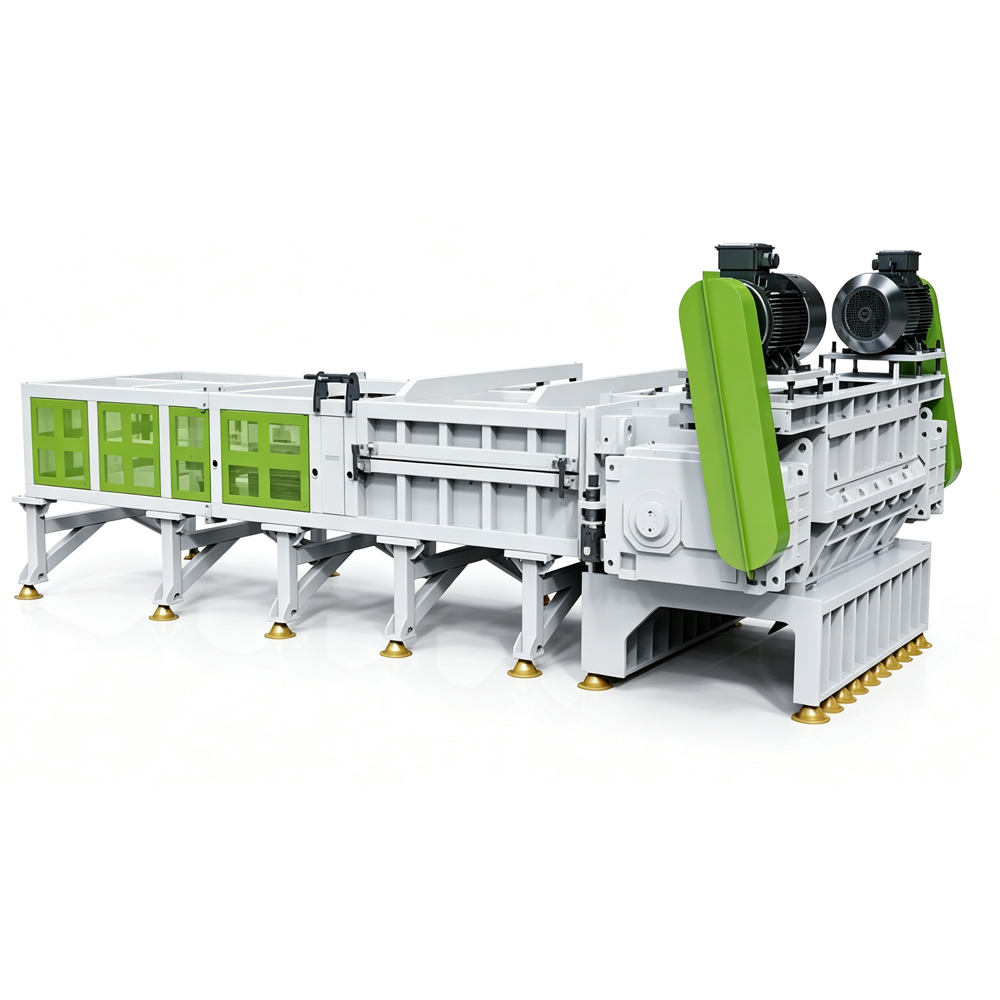
Plastic Shredder Crusher Machine

Tel: +86-19057068112

E-mail: [email protected]

Company Address
No. 128 Qingfeng Road, Xieqiao Town, Haining City, Jiaxing City, Zhejiang Province

19057068112

 English
 русский