
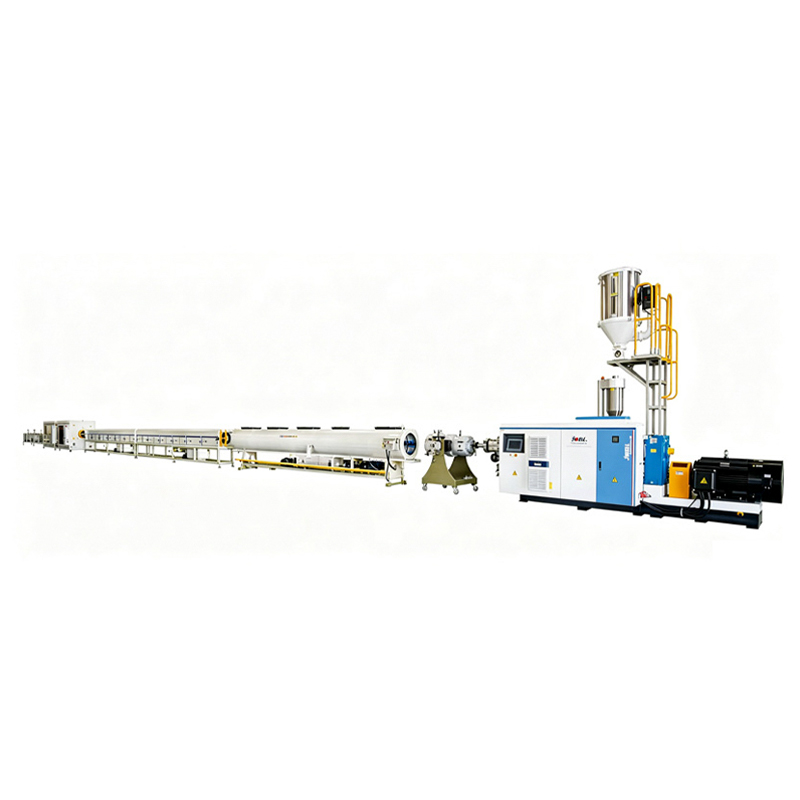


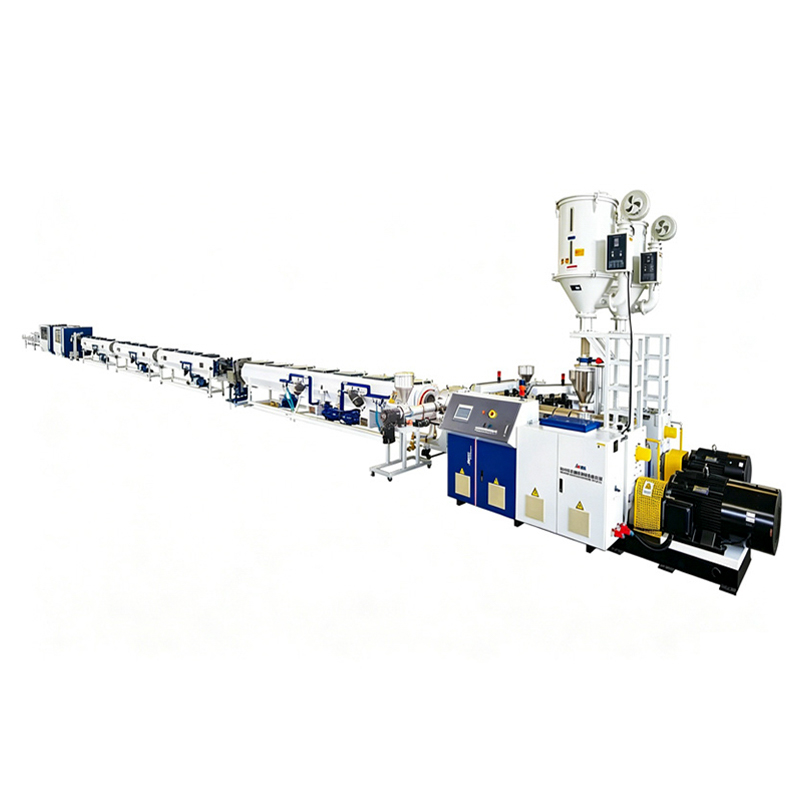
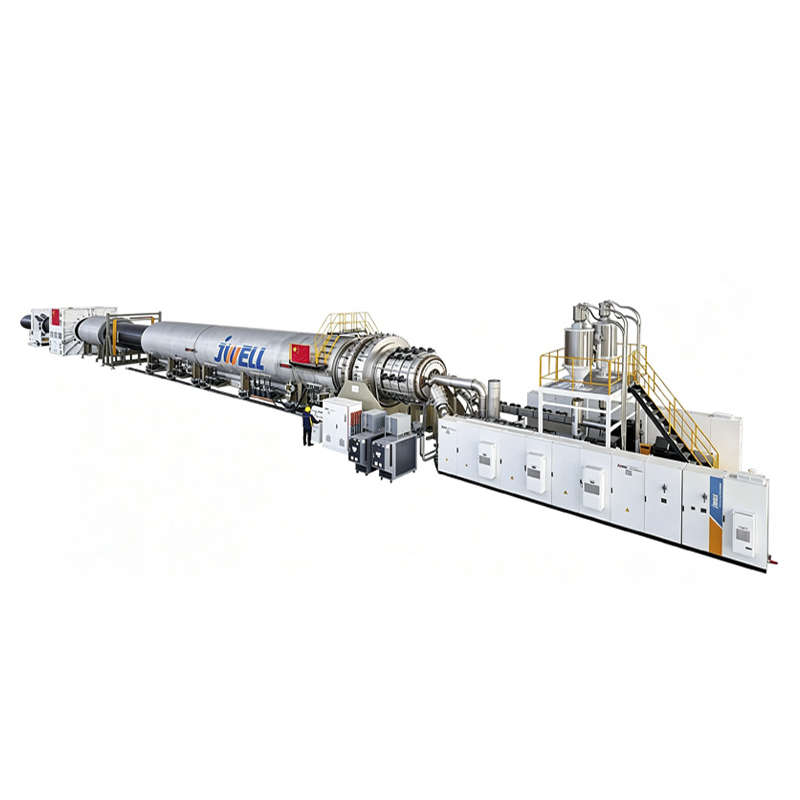
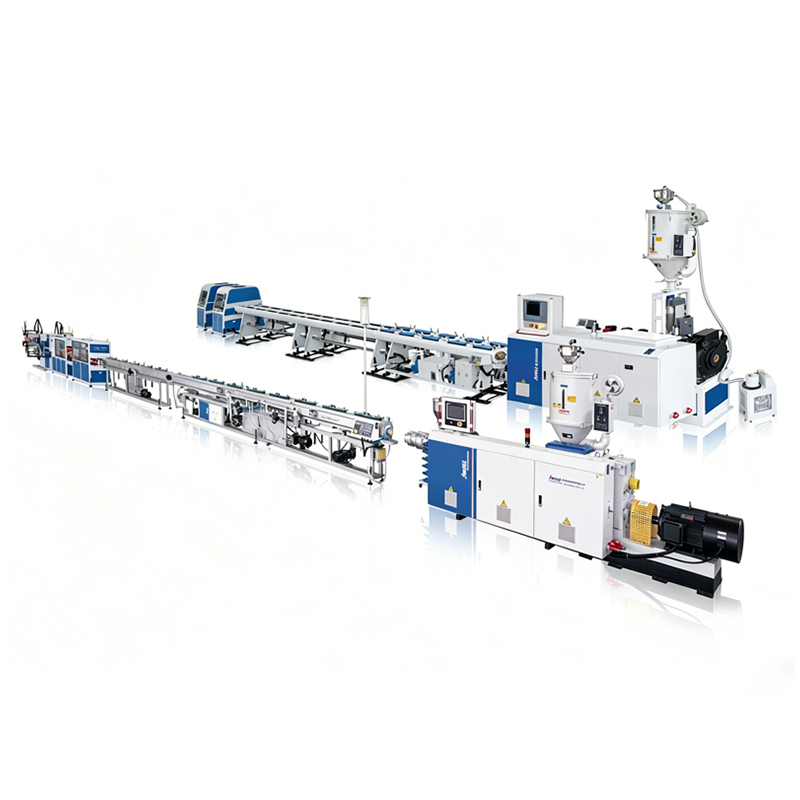
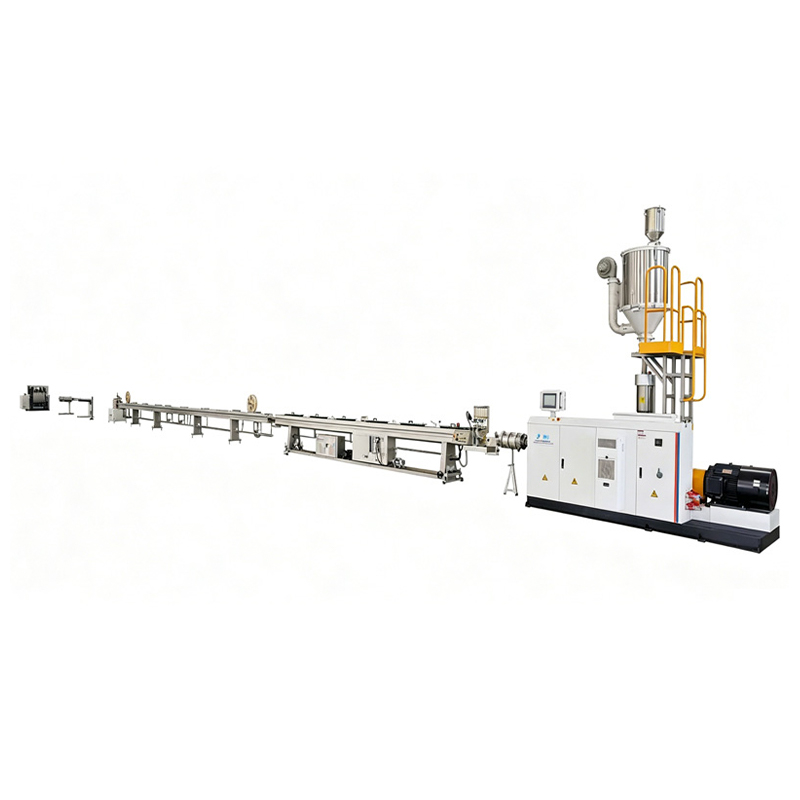
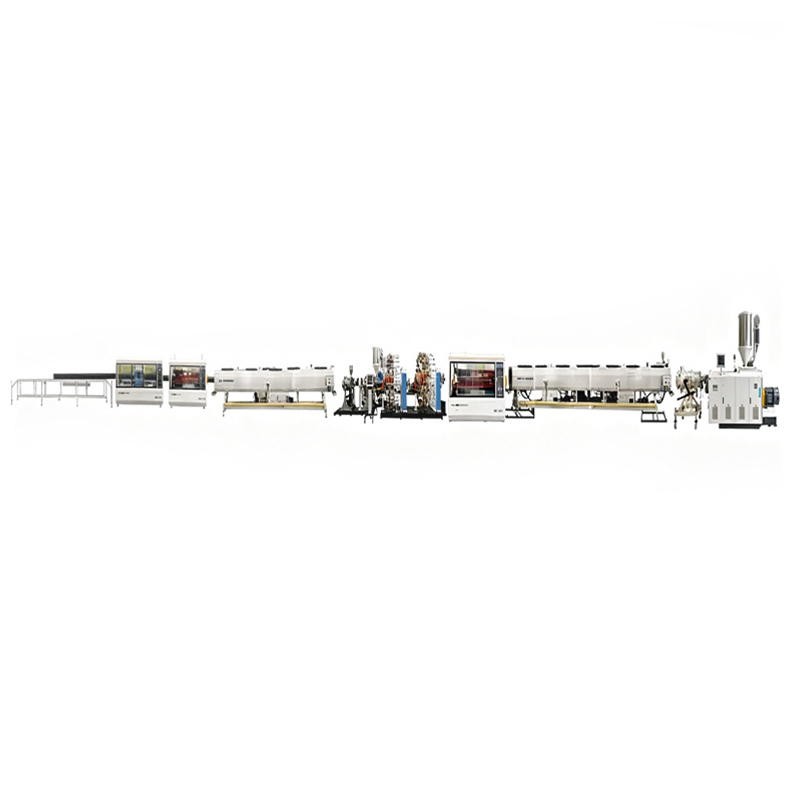
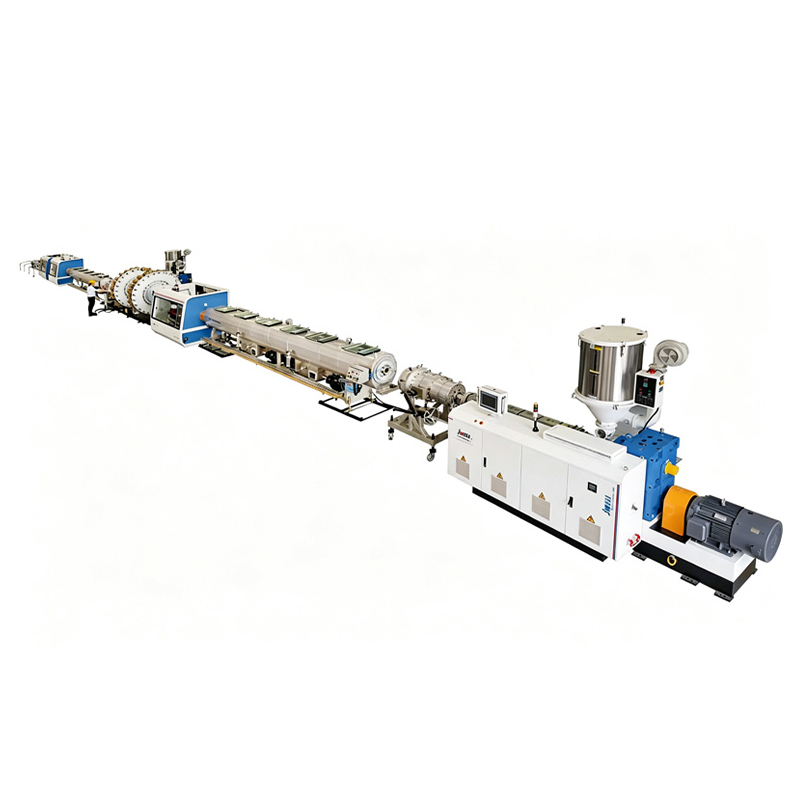
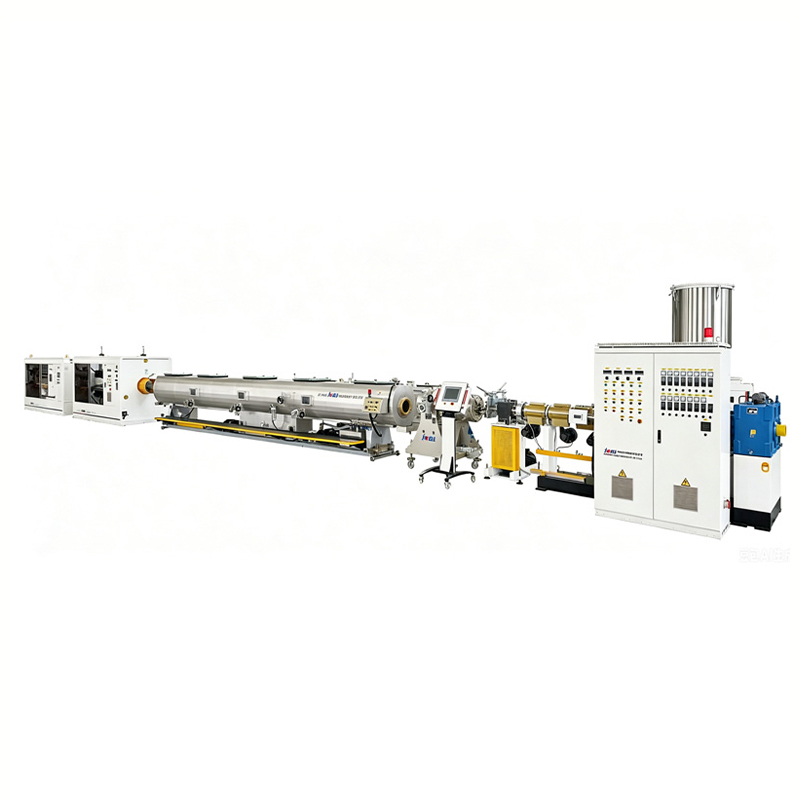
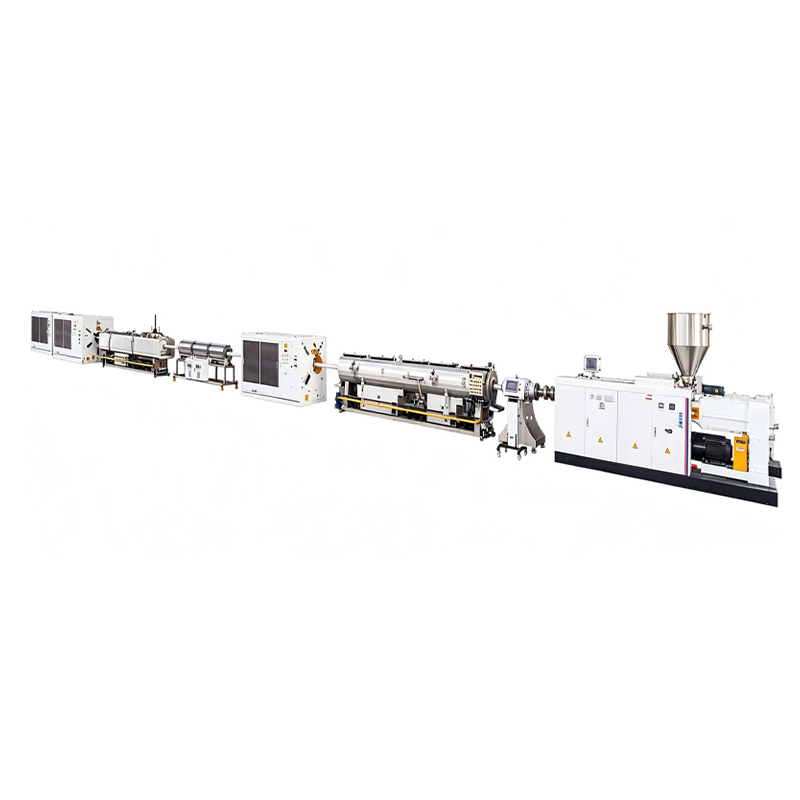
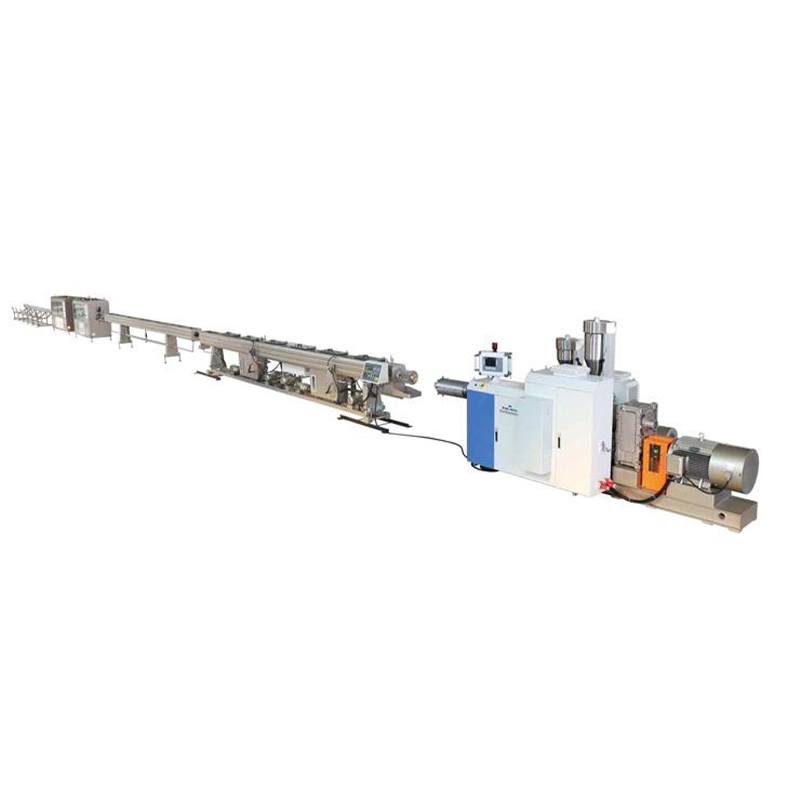
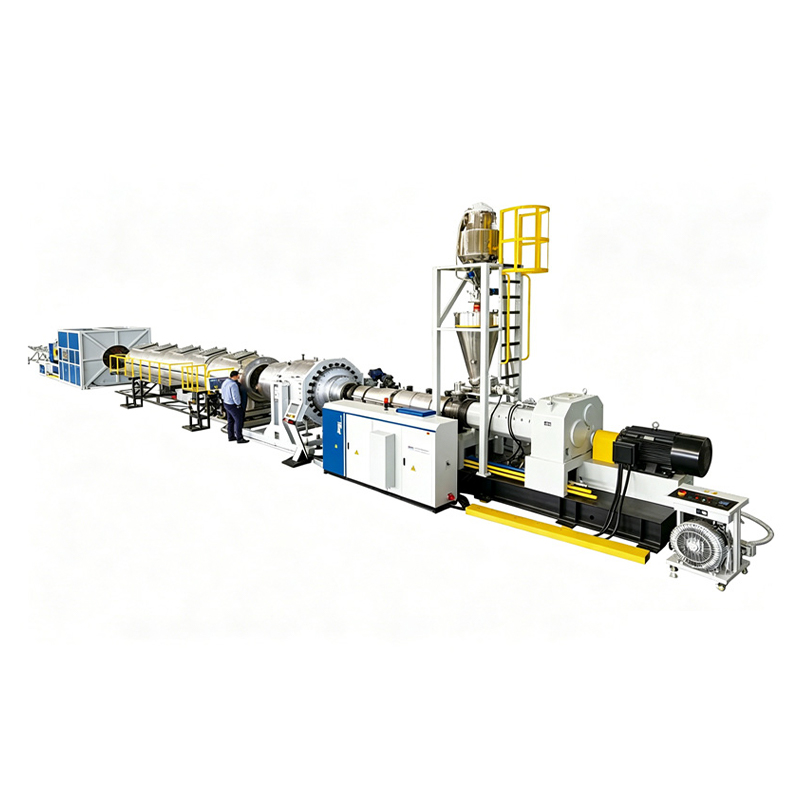
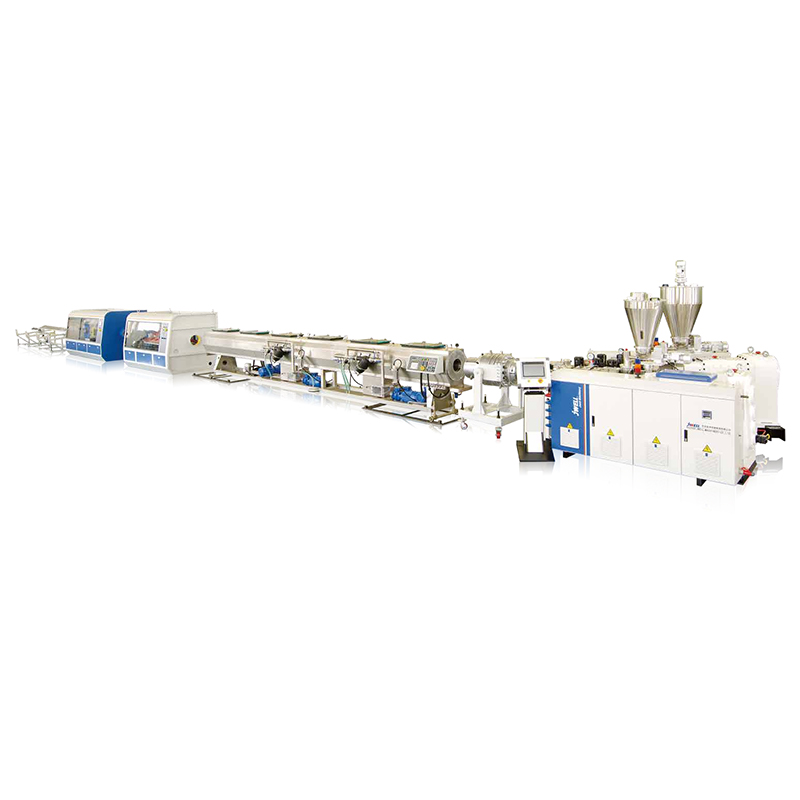
Jwell’s pipe extrusion machine line is built to deliver reliable performance, consistent output, and long-term operational stability. It is suitable for manufacturing a wide range of plastic pipes, including PE, HDPE, PPR, and PVC, widely used in water supply, drainage systems, gas transmission, and infrastructure projects.
What sets Jwell apart is its focus on precision engineering and customization. Each line is equipped with an optimized screw design, stable temperature control system, and high-quality components to ensure uniform wall thickness and smooth extrusion. Whether you need small-diameter pipes or large-scale production capacity, Jwell can tailor the solution to fit your exact requirements.
Customers often ask about efficiency, maintenance, and ease of operation. Jwell addresses these concerns with user-friendly control systems, energy-efficient configurations, and durable machine structures that reduce downtime and maintenance costs.
Beyond the equipment itself, Jwell provides full-service support, including installation, commissioning, technical training, and ongoing after-sales service. This ensures a smooth start-up and reliable long-term production.
Choosing Jwell means investing in a dependable partner committed to quality, performance, and your business growth.
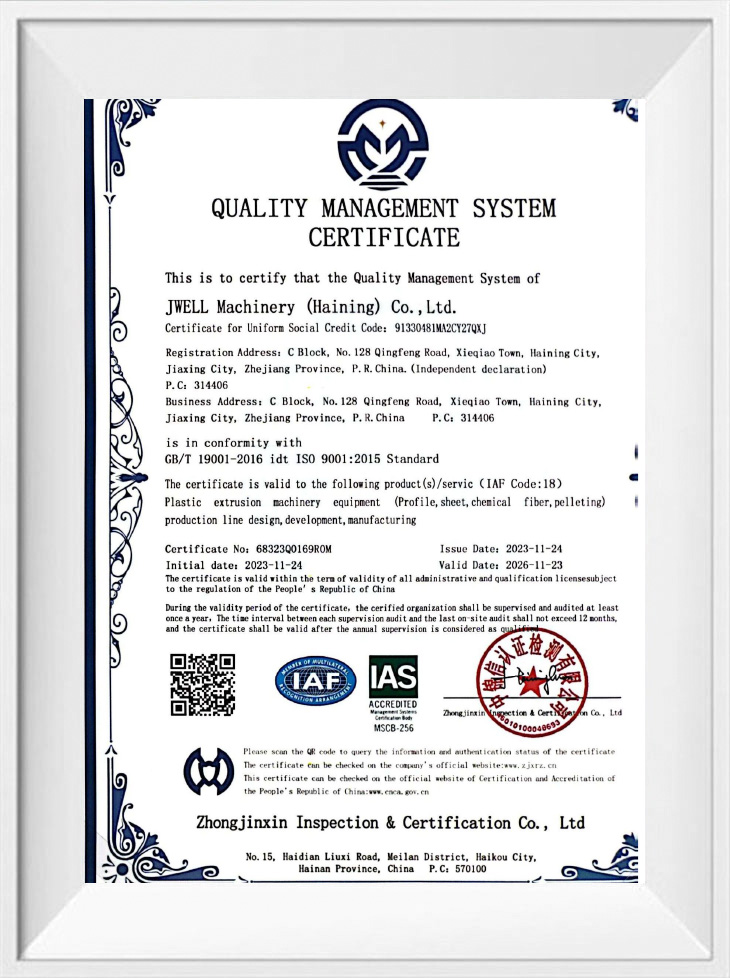
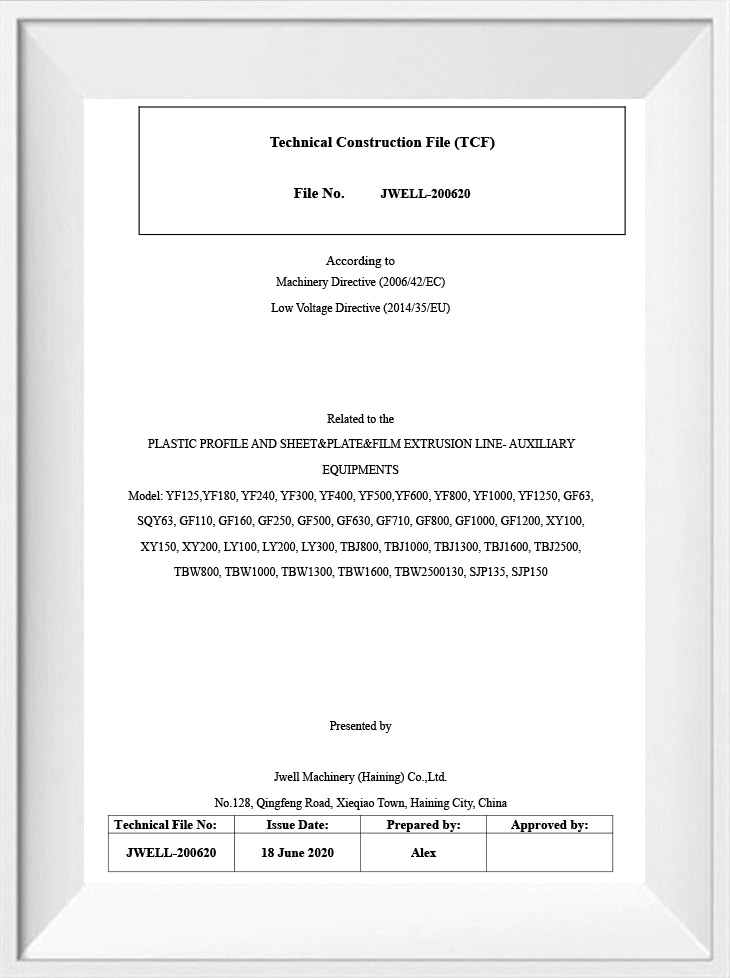
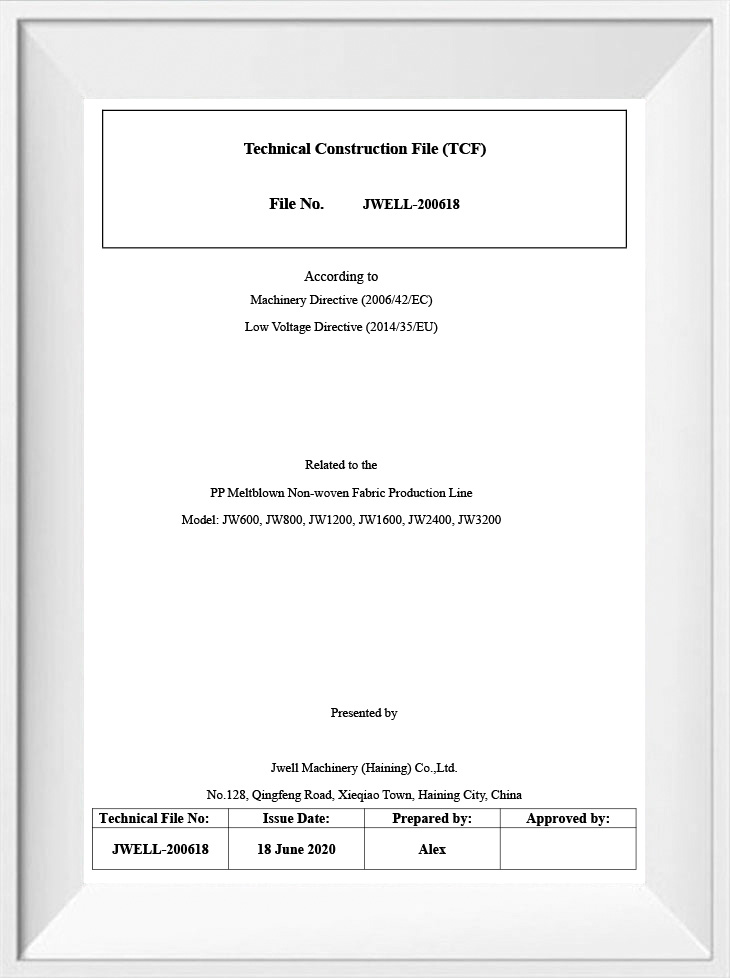
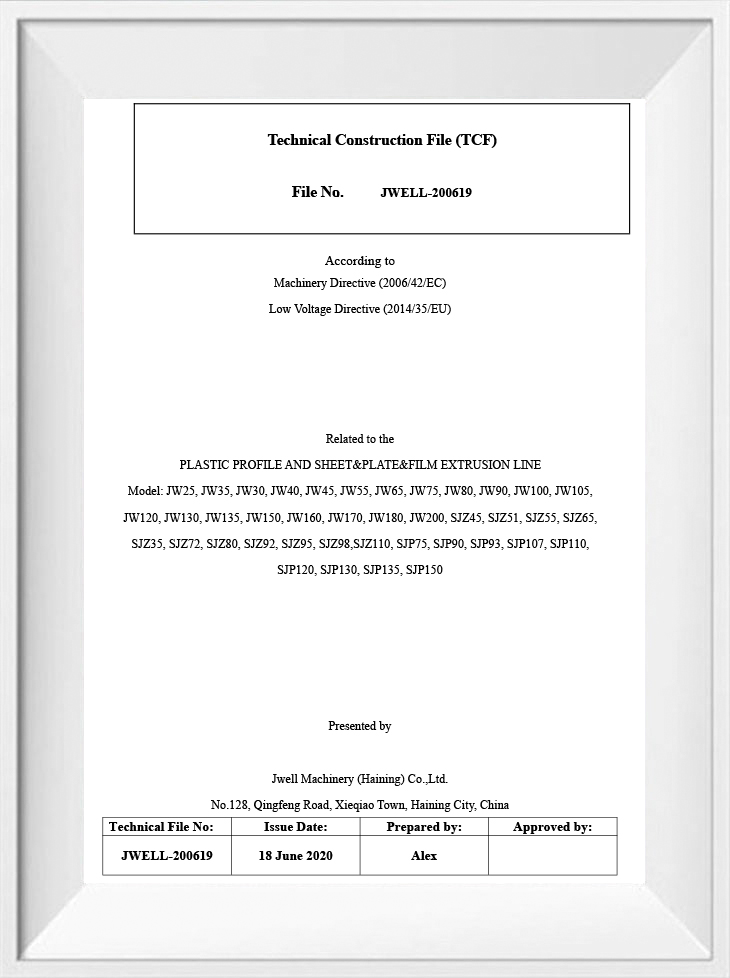
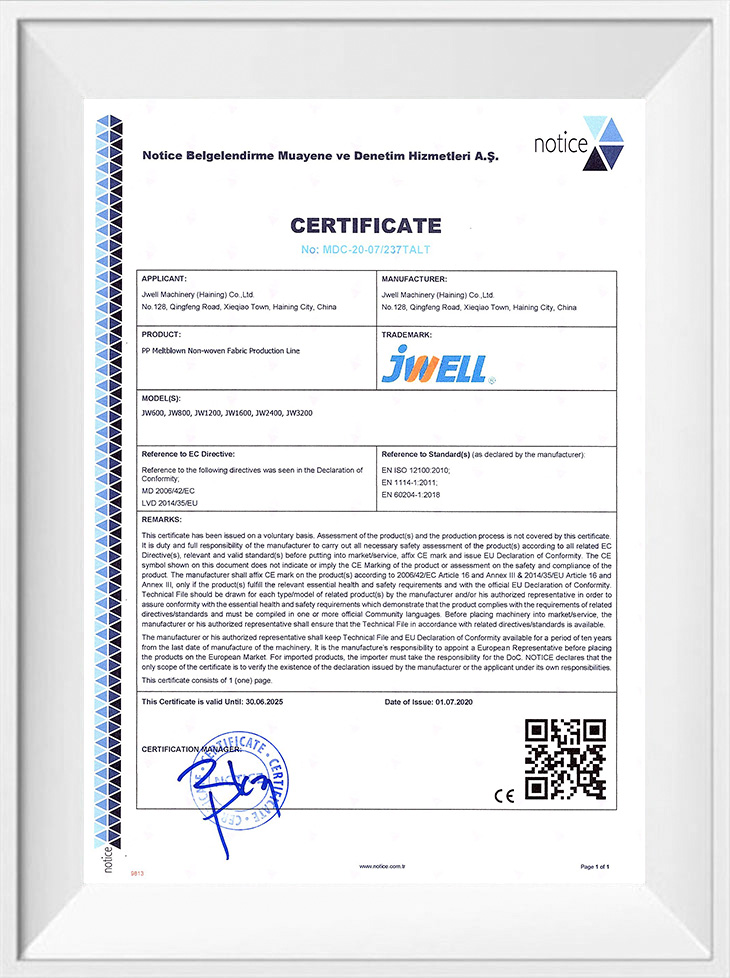
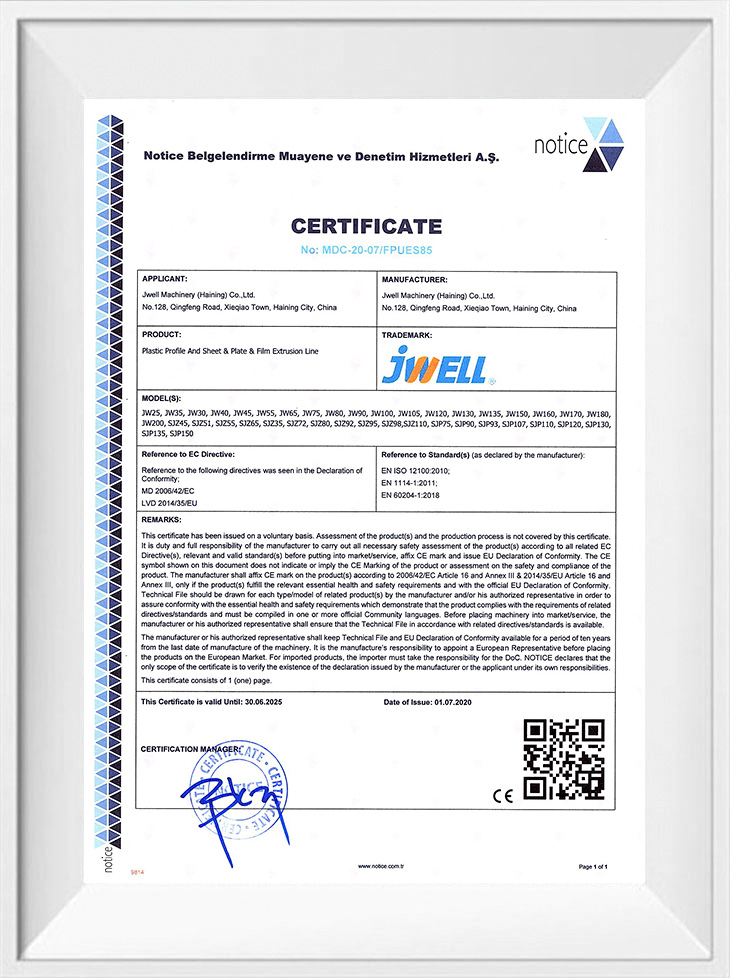
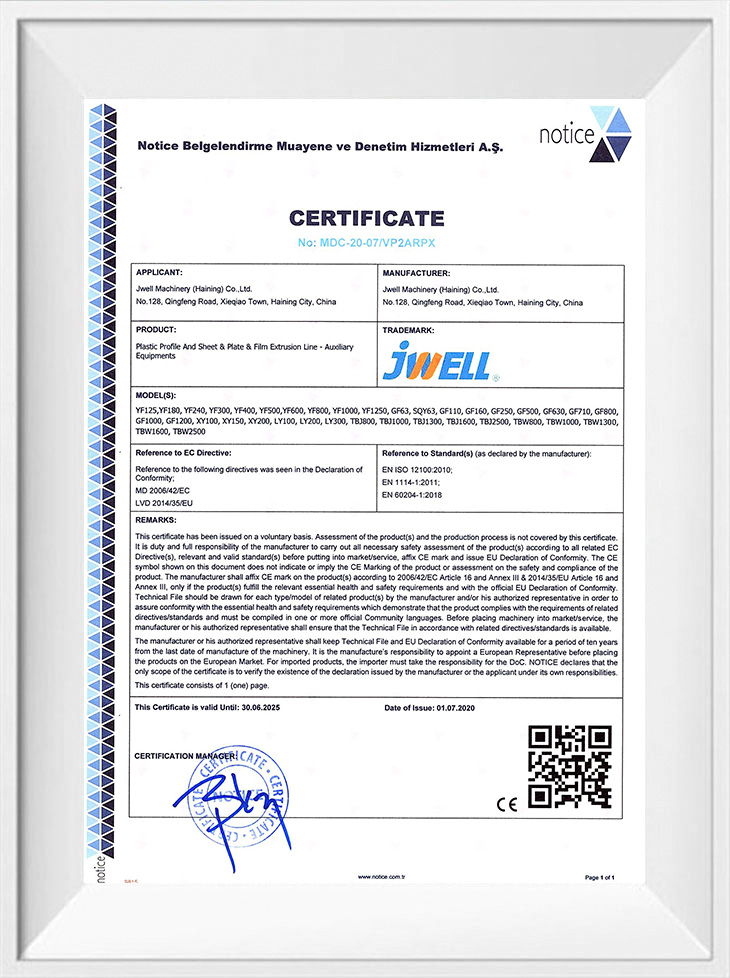
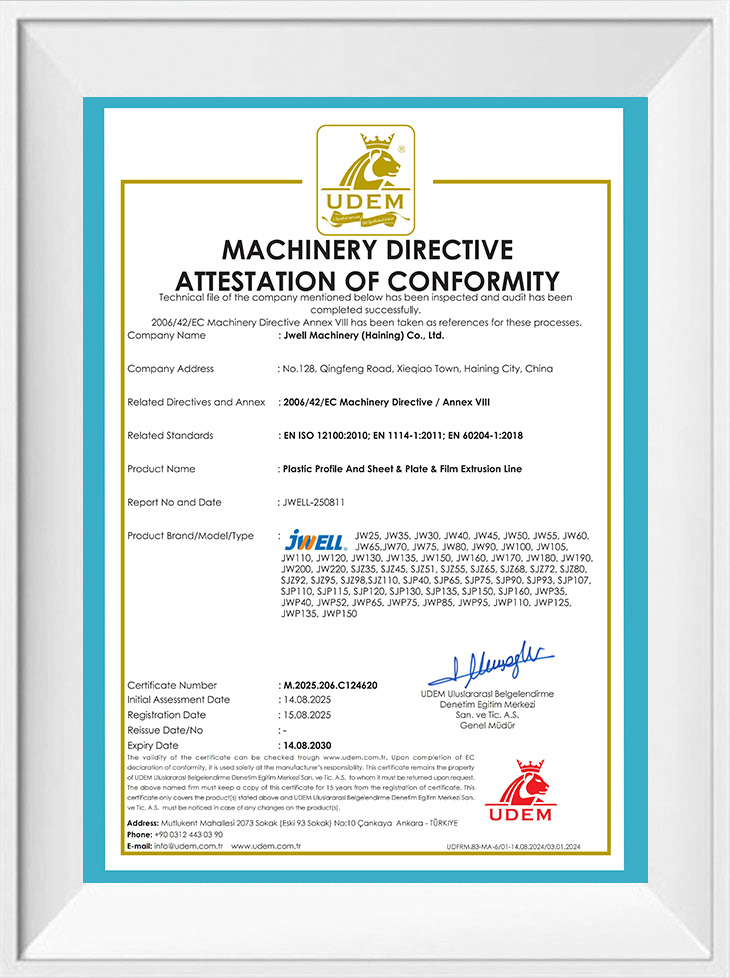
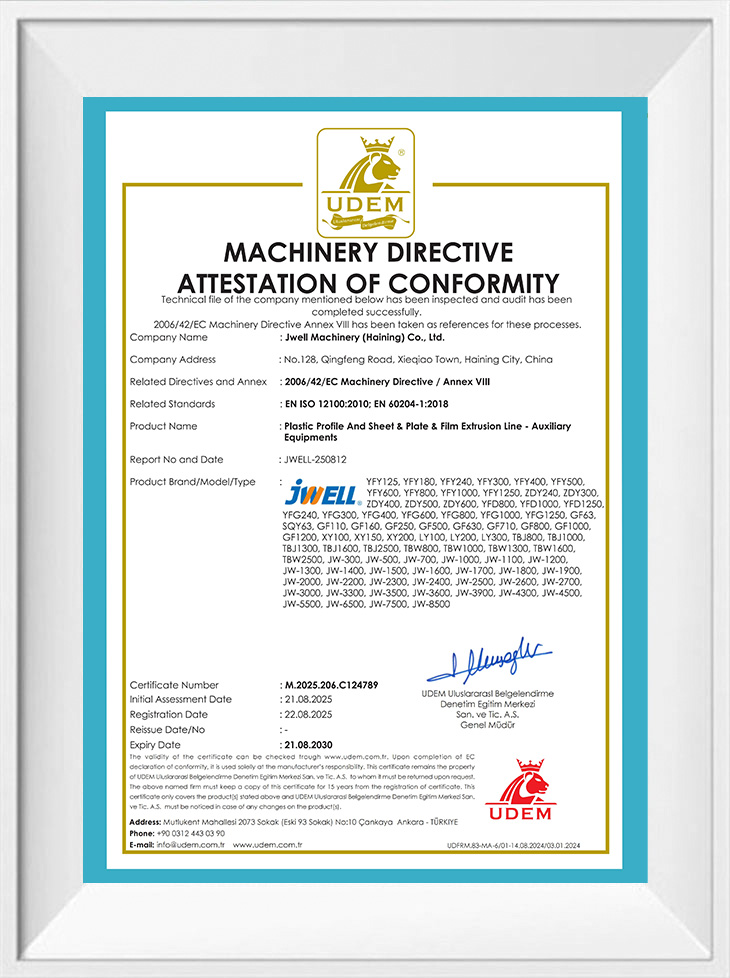
JWELL Machinery was founded in Shanghai in 1997. It is a national high-tech enterprise specializing in complete plastic extrusion and chemical fiber spinning equipment. The company has 14 modern production bases in China and overseas, covering a total area of over 1,000 acres, with more than 3,000 employees, including 480+ technical and management personnel. The annual output is over 3,000 sets of high-end extrusion lines, with annual sales exceeding 5 billion RMB. Products are exported to more than 130 countries and regions worldwide, serving over 10,000 customers. It is a national high-tech enterprise, holding over 1,000 national patents (including 100+ invention patents), and has passed CE and ISO9001 certifications. It has won honors such as "National Top 50 Light Industry Equipment Manufacturers" and "Specialized and Sophisticated 'Little Giant' Enterprise". Products are sold to more than 120 countries and regions. It is the Vice President Unit of the China Plastics Machinery Industry Association (CPMIA), a globally leading professional manufacturer of complete plastic extrusion and chemical fiber spinning equipment, and has ranked first in China's plastic extrusion industry for many consecutive years.
For industrial production customers, purchasing an extruder is not simply a matter of comparing equipment prices and par...
A plastic bottle looks like one material. It is not. The wall is a sandwich, an outer layer, an inner layer, and a barri...
New materials, new energy, green and low-carbon initiatives, and intelligent manufacturing are continuously driving the...
Defining what "smart" means in pipe extrusion
Walk into a pipe extrusion plant built in 2005, and you will see operators walking the line with clipboards, manually measuring wall thickness and adjusting screw speed based on experience. Walk into a plant built in the last two years, and you will see something completely different. The evolution of smart technology in pipe extrusion production lines has turned what was once an art into a data-driven science. Smart today means continuous monitoring, automated correction, and predictive maintenance.
How Industry 4.0 reached pipe extrusion
The first wave of smart technology was simple: programmable logic controllers replaced manual relays. The second wave brought sensors—pressure transducers at the die, thermocouples along the barrel, ultrasonic wall thickness gauges downstream. The current wave integrates all these data streams into a central control system that adjusts multiple parameters simultaneously. Melt temperature drifts by one degree? The system adjusts barrel cooling and screw speed to compensate. Wall thickness approaches the lower control limit? The system nudges the haul-off speed before the pipe goes out of spec.
The human factor in smart lines
Smart technology does not eliminate operators. It changes their role. Instead of constantly adjusting parameters, operators now supervise the system, override it when conditions change, and interpret the data. A modern control room looks more like a flight deck than a factory floor—multiple screens showing process parameters, production rates, and predictive alerts.
Extruder size and drive system
The single largest cost component is the extruder. Screw diameter and L/D ratio determine plasticating capacity. A 90mm extruder might cost $80,000. A 150mm extruder of the same quality might cost $250,000. The drive system adds another layer. AC variable-frequency drives are standard. DC drives are cheaper but less efficient. Direct-drive motors (eliminating the gearbox) cost more but improve energy efficiency by 5-8 percent.
Die and downstream tooling
The die determines pipe diameter range and wall thickness uniformity. A single-layer die for a 110mm pipe might cost $20,000. A multi-layer die for a 630mm pipe with wall thickness control could cost $150,000. Downstream equipment includes vacuum calibration tanks, cooling baths, haul-offs, and cutters. Each component scales with pipe size and line speed.
Control system and automation
A basic line uses a simple PLC with manual thickness control. A premium line includes ultrasonic wall thickness measurement with automated feedback to the die and haul-off. The difference in control system cost is $30,000 to $80,000.
Material of construction and wear protection
Lines that run abrasive materials—pipe with recycled content, for example—need wear-protected barrels and screws. Bimetallic barrels, tungsten carbide-coated screws, and hardened feed sections add 20-30 percent to the extruder cost.
Comparison: price drivers by line category
| Line Category | Price Range | Major Price Drivers |
| Entry-level (up to 160mm pipe) | $180,000 – $350,000 | Extruder size, basic PLC, standard steel |
| Mid-range (up to 400mm pipe) | $400,000 – $800,000 |
Automation level, die complexity, wear protection |
| High-end (up to 1,200mm pipe) | $900,000 – $2.5M+ | Multi-layer capability, full automation, premium materials |
| Specialty (multi-layer, high-speed) | $1.5M – $4.0M |
Co-extrusion die, advanced cooling, high-speed haul-off |
Defining the gap between design and operation
A polyethylene pipe extrusion line looks straightforward on a process flow diagram. Resin goes in one end. Pipe comes out the other. In practice, process challenges facing polyethylene pipe production lines range from material inconsistencies to thermal management issues. Each challenge requires a specific response, and the responses often interact.
Melt temperature control
PE pipe grades have narrow processing windows. HDPE typically runs at 190–220°C at the die. Too hot, and the pipe sags before cooling, creating ovality. Too cool, and the melt pressure rises, risking screw overload. The challenge is maintaining temperature uniformity across the melt stream. Variations of ±3°C at the die can produce measurable dimensional changes.
Wall thickness variation
The die must distribute melt uniformly around the circumference. Any non-uniformity shows up as wall thickness variation. The cause might be die geometry, melt temperature imbalance, or haul-off speed fluctuation. Ultrasonic wall thickness gauges detect variations, but correcting them requires adjusting die lip bolts—a slow, iterative process. On large-diameter pipes, thickness variation of ±0.5 millimeters over a 20-millimeter wall creates significant material waste.
Sagging and ovality on large-diameter pipes
Large-diameter PE pipes (over 500mm) tend to sag under their own weight before cooling. The fix is a combination of internal air pressure (holding the pipe round) and external support rolls that maintain shape until the pipe stiffens. Managing the balance between internal pressure and sag prevention is a constant tuning exercise.
Comparison: challenges by pipe diameter range
Small-diameter pipes (up to 110mm) face challenges of speed and thickness control. The lines run fast—10+ meters per minute—so any variation creates long runs of scrap before correction. Large-diameter pipes (over 500mm) face challenges of sagging and cooling. The lines run slowly—0.5 to 2 meters per minute—so any failure creates expensive scrap quickly. Medium-diameter pipes (110–500mm) face a mix of both challenges, with the added complexity of balancing quality with output. Each range requires different process engineering focus and operator training.


Pipe Extrusion Production Line
Plastic Shredder Crusher Machine

Tel: +86-19057068112

E-mail: [email protected]

Company Address
No. 128 Qingfeng Road, Xieqiao Town, Haining City, Jiaxing City, Zhejiang Province

19057068112

 English
 русский