
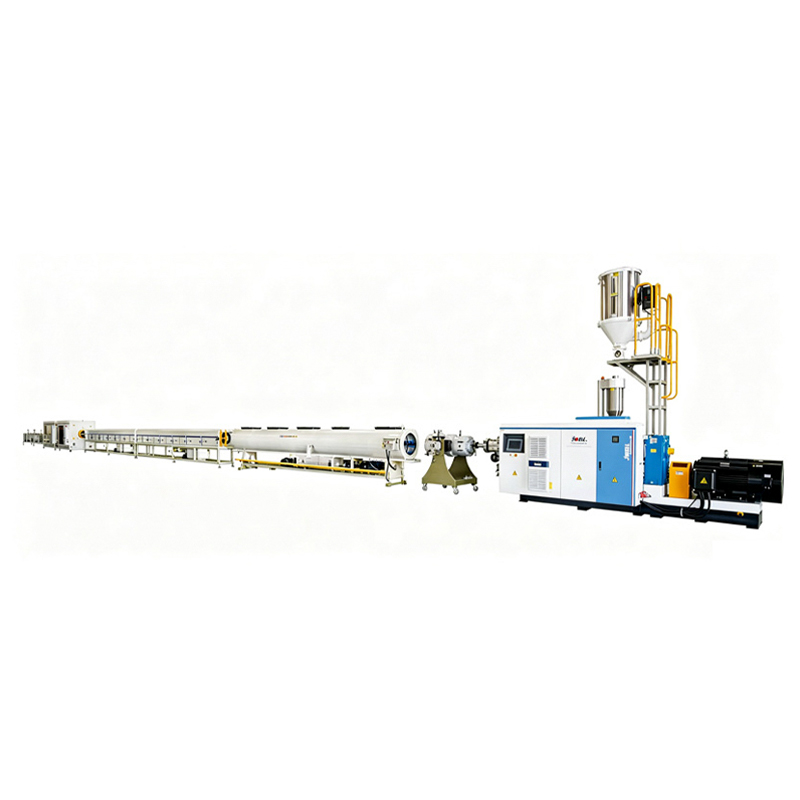
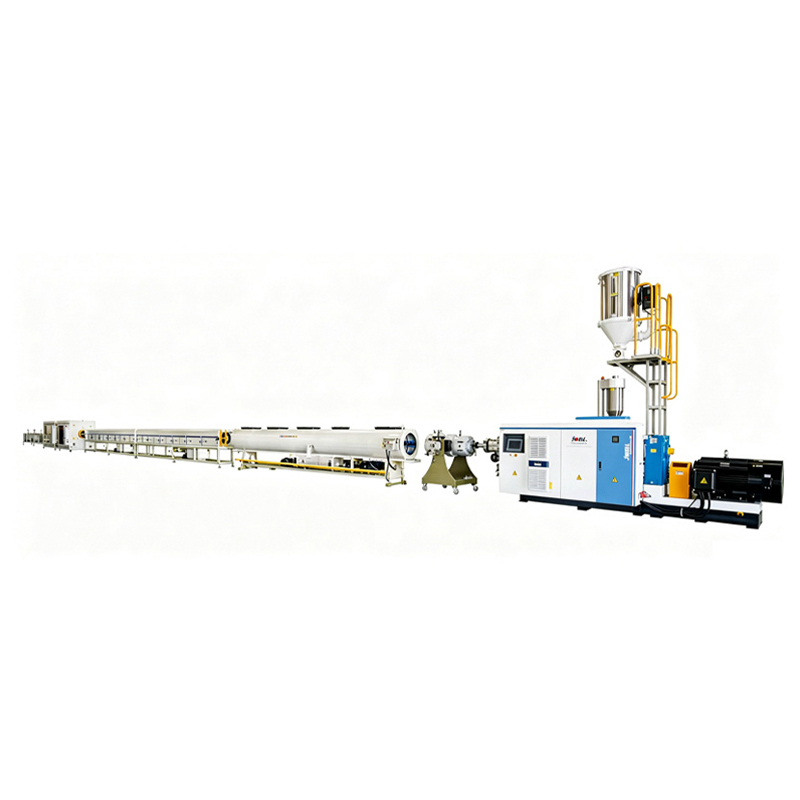
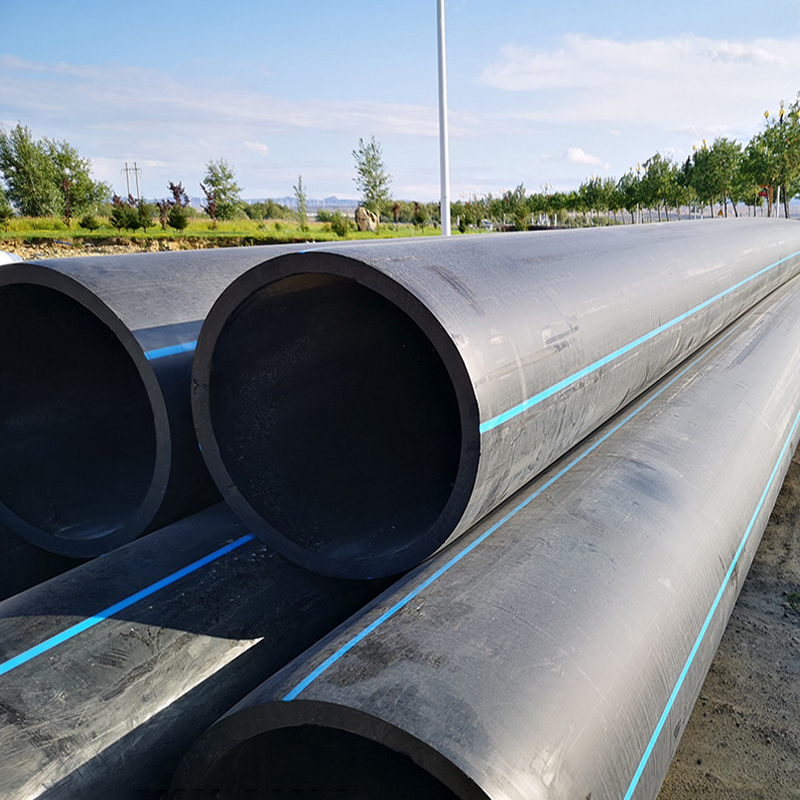
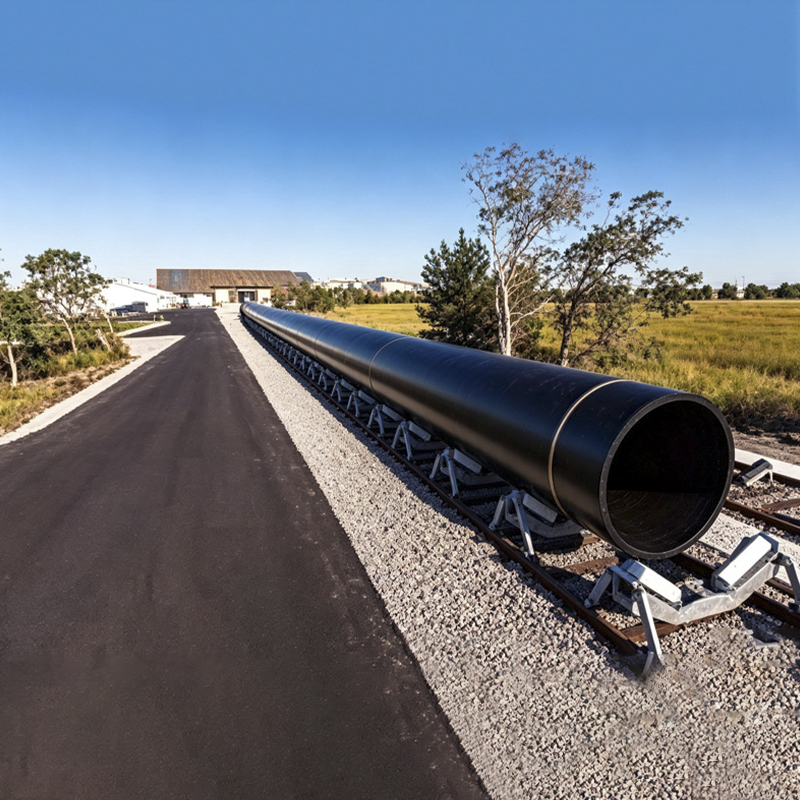
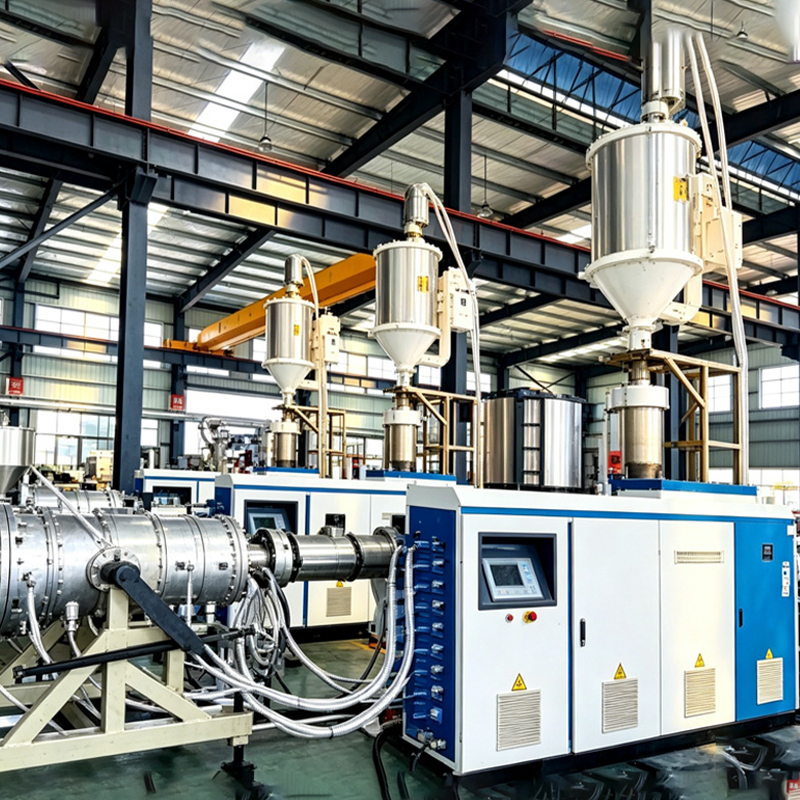
JWELL's High-speed Energy-Saving Polyolefin Pipe Extrusion Line is designed to produce high-quality polyolefin pipes (HDPE, PP, etc.) over a wide diameter range – from Φ16 mm to Φ630 mm. The series includes seven models: JWG63, JWG110, JWG160, JWG250, JWG315, JWG450, and JWG630. Each line is paired with a dedicated JWS series extruder whose power and output are optimized to maximize production efficiency while reducing energy consumption.
These extrusion lines are widely used in municipal engineering, industrial fluid transportation, agricultural irrigation, and communication conduit manufacturing.
·JWG63 and JWG110 – Suitable for small-diameter pipes used in household water supply, cable protection (e.g., fiber optic ducts), and drip irrigation systems.
Real-world example: A Southeast Asian pipe manufacturer used the JWG110 line to produce Φ63 mm HDPE water pipes for a rural clean water project. At an output of 450 kg/h, they completed 120 km of pipeline in 18 working days – 30% faster than their old line.
·JWG160 and JWG250 – Best suited for medium-diameter pressure pipes (Φ75–Φ250 mm) in city gas distribution and sewage systems.
Example: A Middle Eastern contractor deployed a JWG250 line (output 550 kg/h) on-site to produce Φ200 mm drainage pipes for a new industrial zone. The energy-saving design reduced electricity bills by 22% compared to conventional extruders.
·JWG315, JWG450 and JWG630 – Heavy-duty models for large-diameter pipes (up to Φ630 mm) used in main water transmission, stormwater drainage, and large-scale irrigation.
Real-world example: A European pipe producer replaced an old line with the JWG630. At an output of 1050 kg/h (280 kW power), they reduced energy consumption per kg by 18% while achieving uniform wall thickness on Φ560 mm PE100 pipes for a river-crossing project.
2.1 High-speed, energy-saving performance
All models feature high-torque JWS series extruders (JWS60/40, JWS75/38, JWS90/38) with optimized screw geometry. Specific energy consumption (kW·h/kg) is extremely low:
JWG63: 90 kW → 400 kg/h (0.225 kW·h/kg)
JWG630: 280 kW → 1050 kg/h (0.267 kW·h/kg) – 25% lower than industry average.
2.2 Wide diameter coverage – no need for multiple lines
A single model covers a broad range – for example, the JWG315 produces Φ110–Φ315 mm pipes without requiring two separate lines. This reduces capital expenditure and floor space.
2.3 Stable high output at lower power
Compare JWG250 (132 kW / 550 kg/h) with a conventional 150 kW line (output only 500 kg/h). You get 10% higher output while using 12% less power. In 24/7 continuous operation, annual electricity savings exceed 15,000(at15,000(at0.10/kWh).
2.4 Robust construction for continuous operation
The JWS75/38 and JWS90/38 extruders use hardened barrels and bimetallic screws, ensuring maintenance-free production for over 10,000 hours even when using recycled polyolefin materials.
We implement a 4-stage quality assurance process to ensure every pipe meets ISO 4427 / ASTM F714 standards.
Stage 1 – Raw material verification
Before production, polyolefin compounds (PE/PP) are tested for melt flow index (MFI) and moisture content. Only materials with MFI within ±5% of specification are allowed into production.
Stage 2 – In-line process monitoring
An ultrasonic wall thickness gauge installed after the vacuum tank continuously scans the pipe circumference. For example, when producing Φ400 mm pipe on the JWG450, tolerances are kept within ±0.2 mm.
Melt pressure and temperature sensors in the extruder head send real-time data to the PLC. If pressure deviates by more than 3%, the screw speed is automatically corrected.
Stage 3 – Off-line dimensional & mechanical testing
Samples are taken every shift and tested:
Diameter and ovalism measured with a laser micrometer (within ±0.5% of nominal outer diameter).
Hydrostatic pressure test – e.g., a Φ315 mm pipe produced on the JWG315 must hold 1.5× nominal pressure for 1 hour without leakage.
Impact resistance (falling dart impact test) per ISO 3127.
Stage 4 – Final inspection & traceability
Each pipe section is marked with production date, line model, and batch number. Final visual inspection checks for surface defects such as pits or scratches.
Real-world example: A JWG630 customer reported a first-pass yield of 99.3% after implementing our recommended QC process. Scrap rate dropped from 2.8% to 0.9%.
| Model | Pipe Spec(mm) | Extruder | Main Power(kw) | Output(kg/h) |
| JWG63 | φ16-φ63 | JWS60/40 | 90 | 400 |
| JWG110 | φ20-φ110 | JWS 60/40 | 110 | 450 |
| JWG160 | φ50-φ160 | JWS75/38 | 132 | 500 |
| JWG250 | φ75-φ250 | JWS75/38 | 132 | 550 |
| JWG315 | φ110-φ315 | JWS75/38 | 160 | 650 |
| JWG450 | φ160-φ450 | JWS90/38 | 250 | 950 |
| JWG630 | φ315-φ630 | JWS90/38 | 280 | 1050 |
Q1: Can the same line produce both PE and PP pipes?
A: Yes. The JWS series extruders are designed for polyolefins. For PP (higher melting point), simply adjust the barrel temperatures (zones 1-5) from 180–220°C for PE to 200–240°C for PP. The screw design handles both materials without change.
Q2: What is the typical installation time for a JWG630 line?
A: Our team can complete mechanical installation and electrical connection within 5 working days. Commissioning and trial operation take another 2 days. For example, a Chilean customer had their JWG450 in commercial operation just 8 days after delivery.
Q3: How is "energy saving" achieved at high extrusion speeds?
A: Three factors: (1) High-efficiency AC motors with vector drives (IE3 class) – reduced no-load losses; (2) Precision barrel heating with ceramic heaters and insulation covers – 30% less heat loss; (3) Optimized screw compression ratio reduces viscous dissipation. On the JWG250, this achieves 550 kg/h at 132 kW – typical competing lines require 160 kW.
Q4: What maintenance does the JWS90/38 extruder require?
A: Daily: Check gearbox oil level and cooling water flow. Monthly: Clean the screen changer and screen pack. Every 2,000 hours: Replace the screen pack and check screw tip clearance. Every 8,000 hours: Inspect screw and barrel wear. With proper maintenance, screw life exceeds 15,000 hours.
Q5: Can I upgrade my old line with your screw/barrel?
A: Yes. We offer retrofit kits for many non-JWS extruders. A Turkish customer upgraded a 10-year-old 120 kW extruder with our JWS75/38 screw and barrel – output increased from 380 kg/h to 520 kg/h (+37%) at the same power level.
Q6: What is the largest pipe diameter the JWG315 can produce at full speed in real production?
A: For Φ315 mm pipe, we recommend running at 80% of maximum screw speed to maintain melt quality – output around 520 kg/h (down from 650 kg/h at Φ110 mm). For Φ110 mm, full speed is fine. The line handles any diameter in between without changing the die head – just adjust the sizing sleeve and caterpillar belt.
Q7: Do you supply spare parts for the JWS60/40 extruder?
A: Yes, we maintain a full inventory of screws, barrels, heaters, and gearboxes for all three extruder models. Typical lead time: 3-7 days via DHL/FedEx.


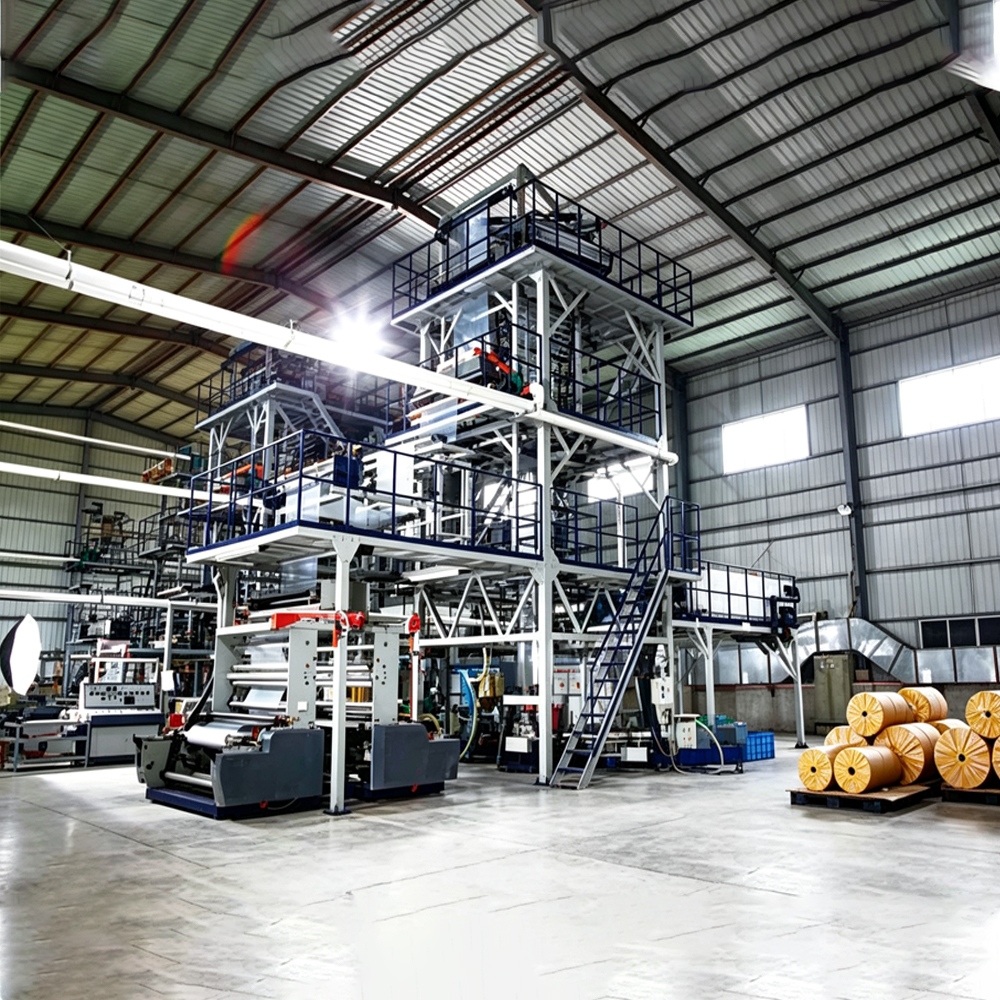
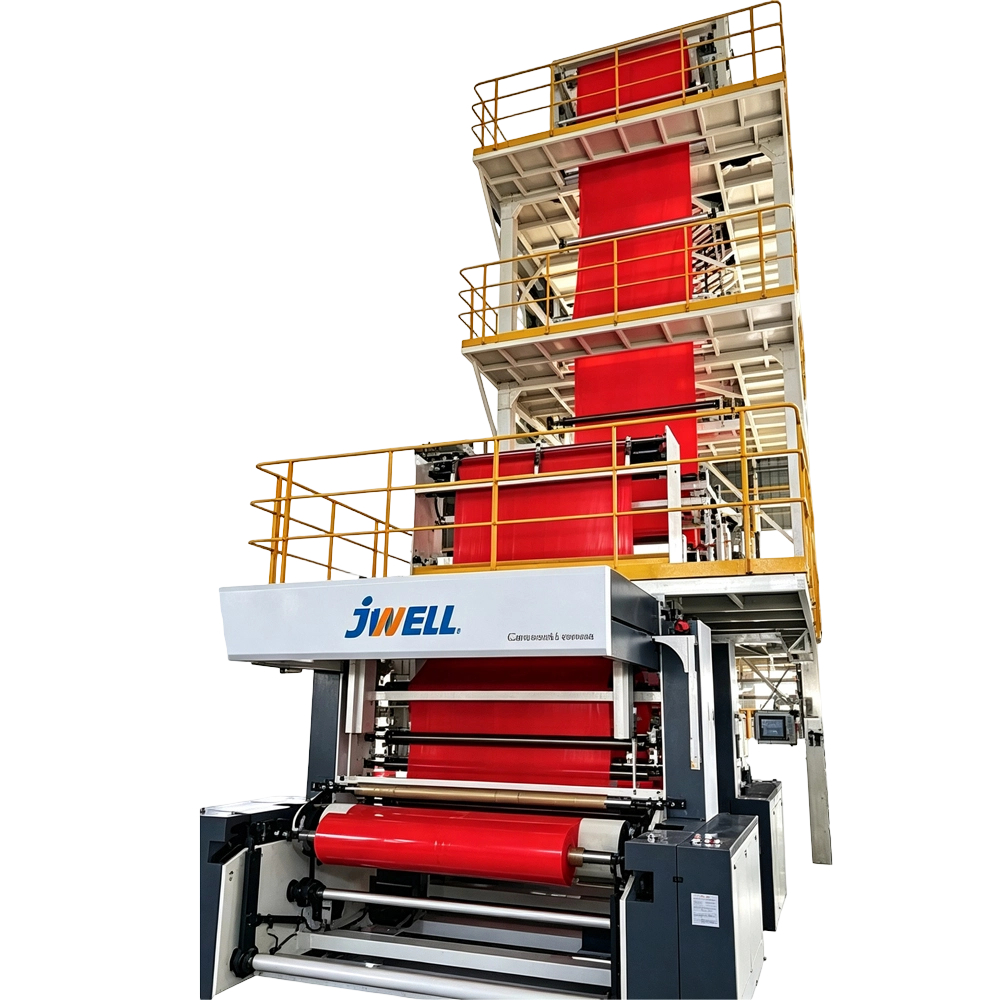


Pipe Extrusion Production Line
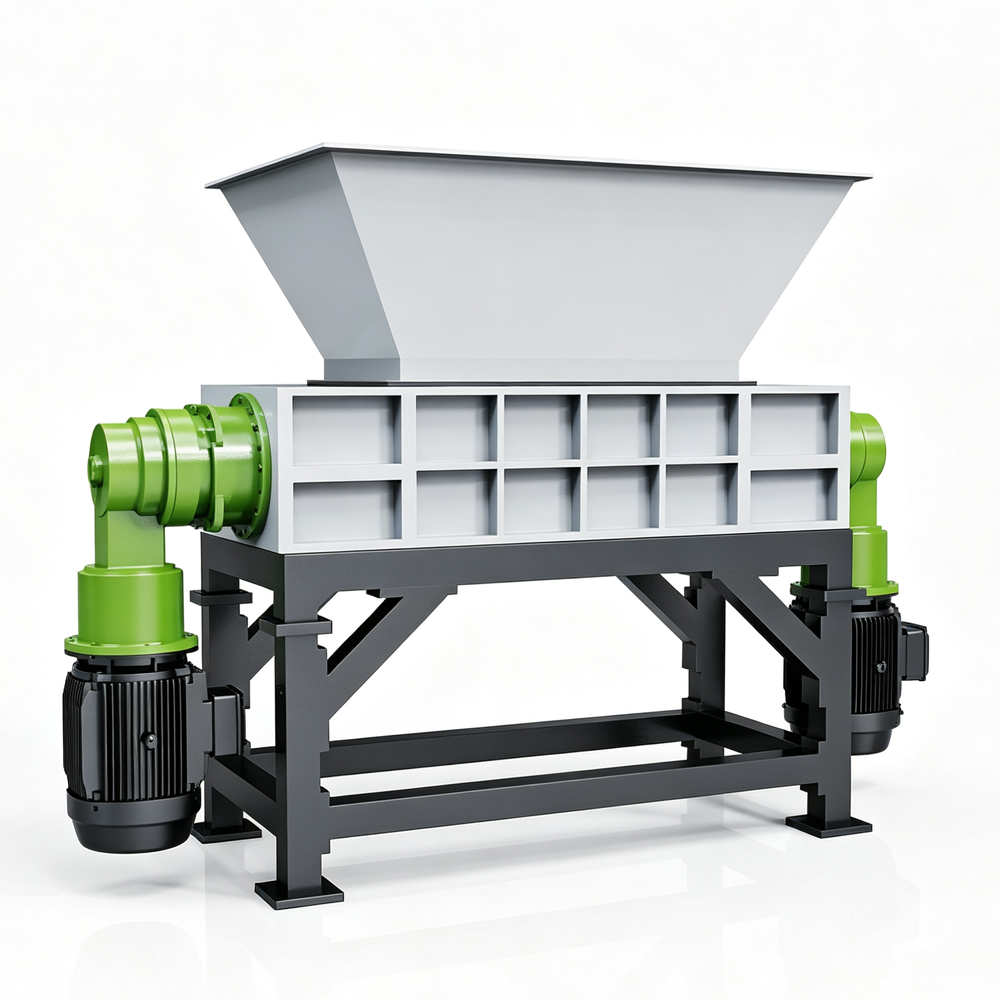
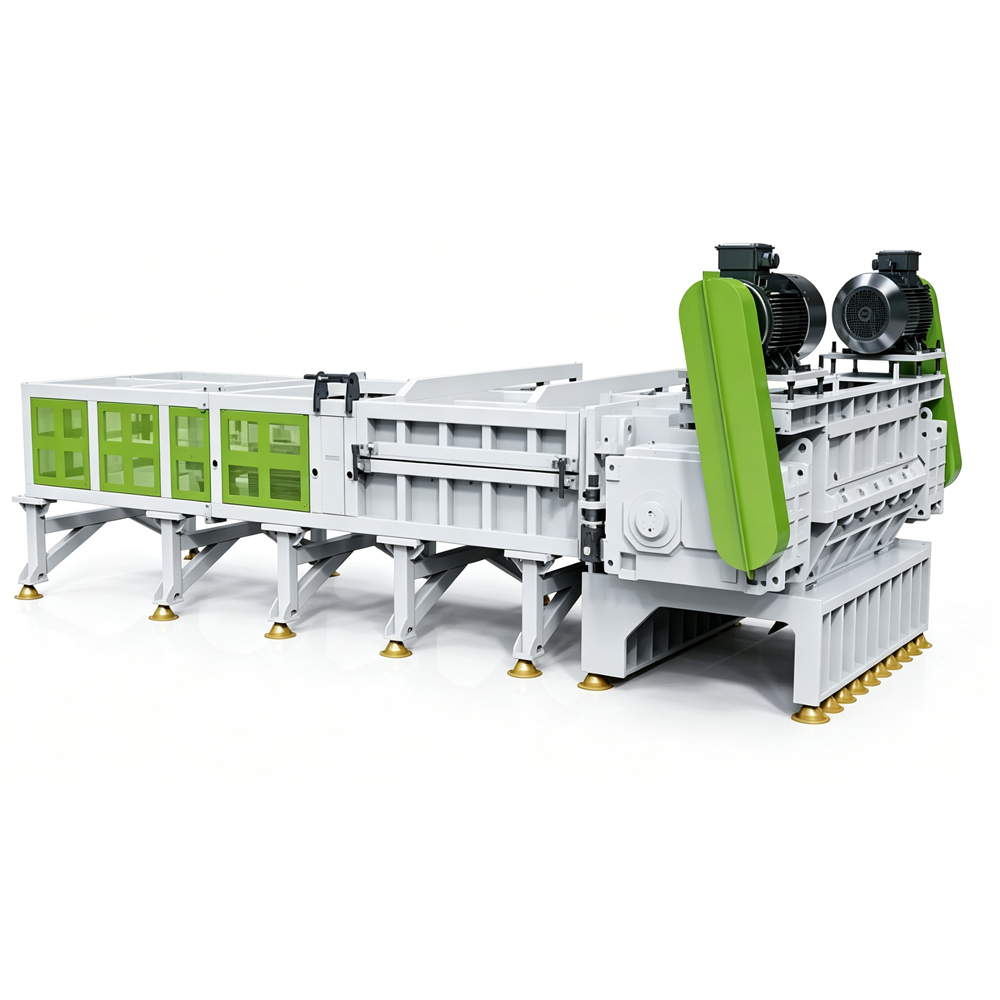
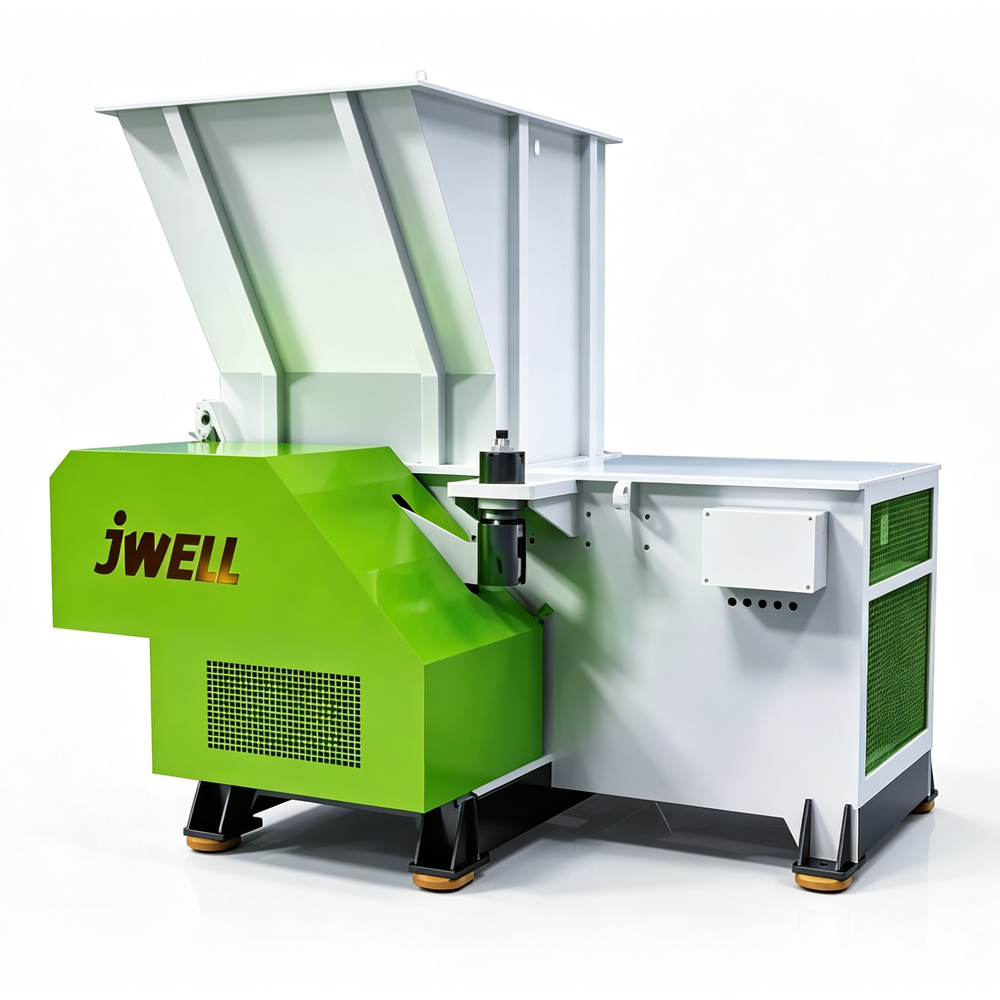
Plastic Shredder Crusher Machine

Tel: +86-19057068112

E-mail: [email protected]

Company Address
No. 128 Qingfeng Road, Xieqiao Town, Haining City, Jiaxing City, Zhejiang Province

19057068112

 English
 русский