
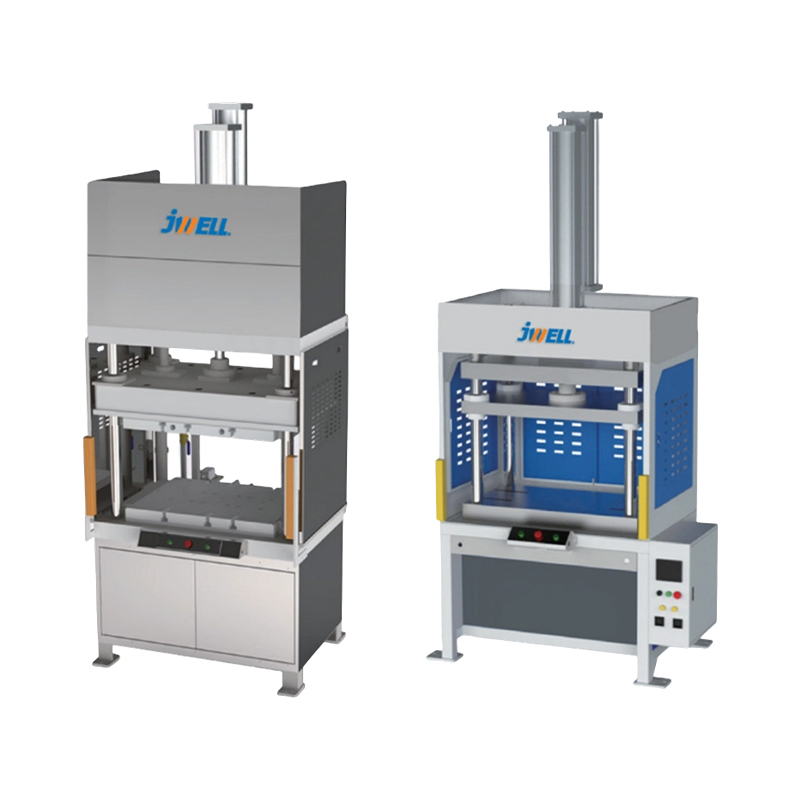
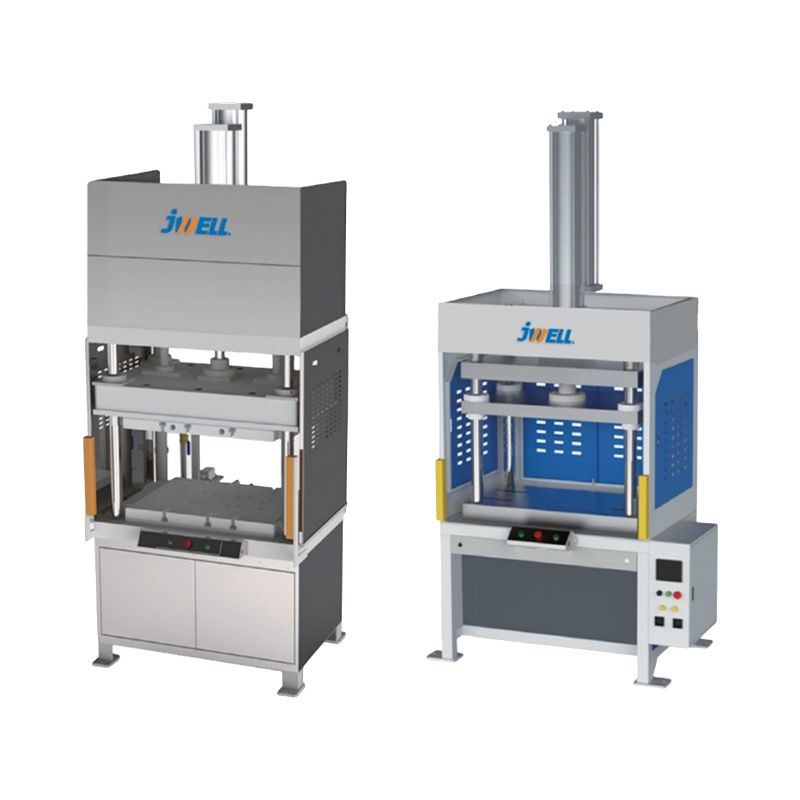
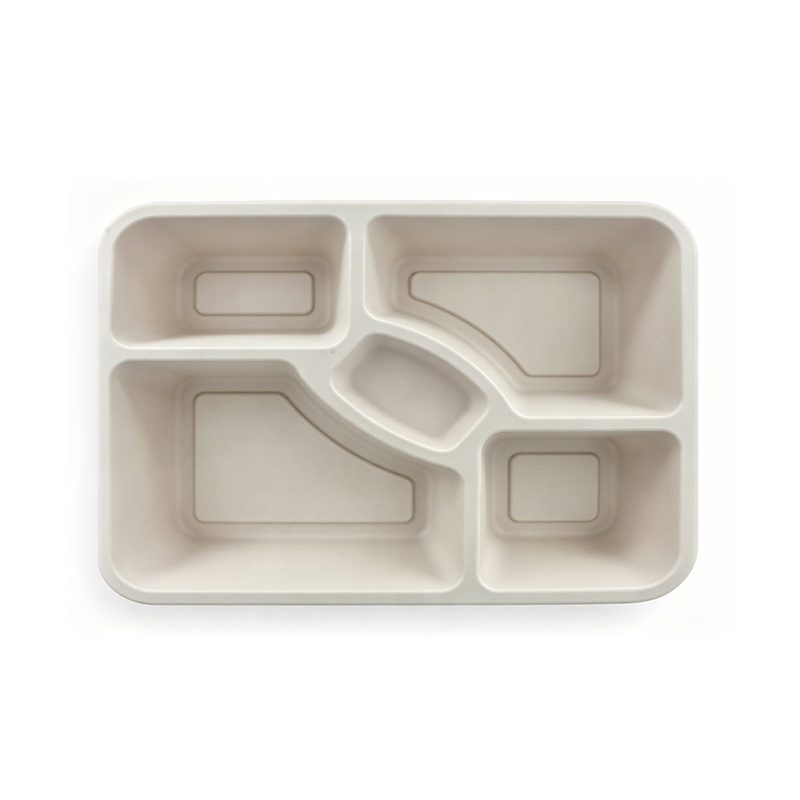
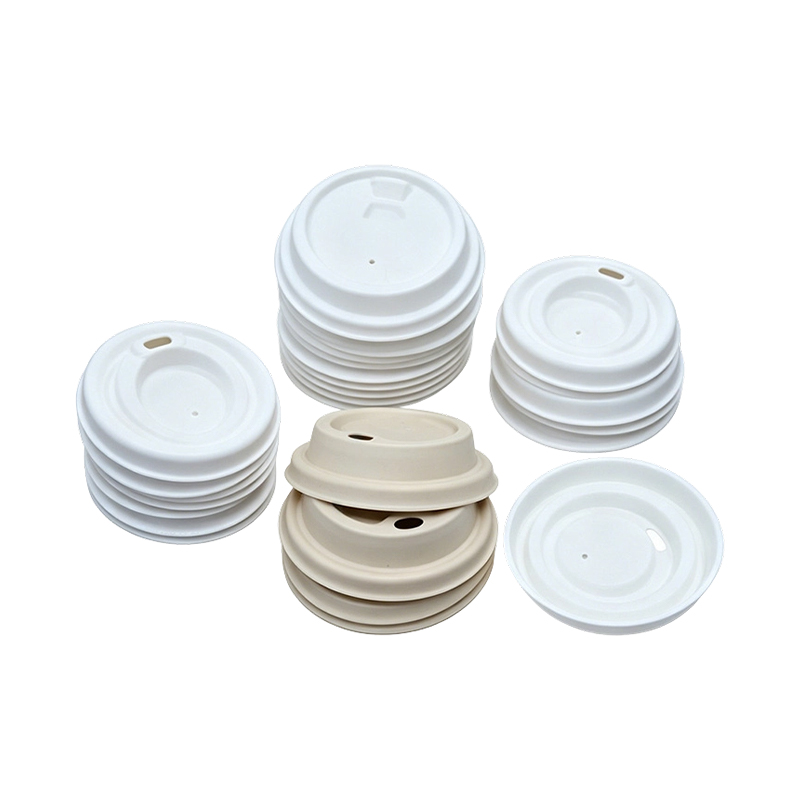
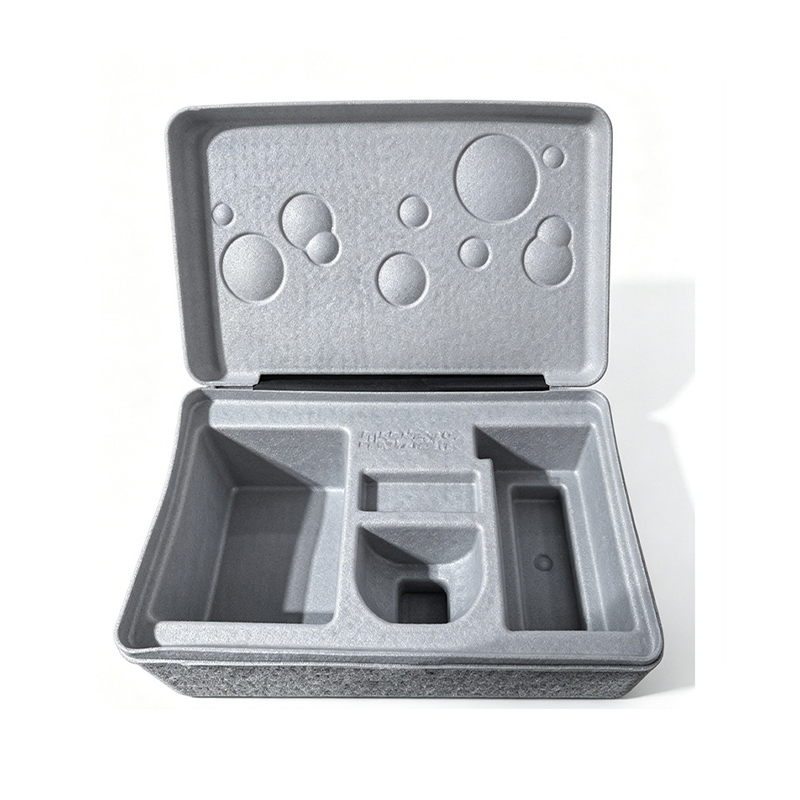
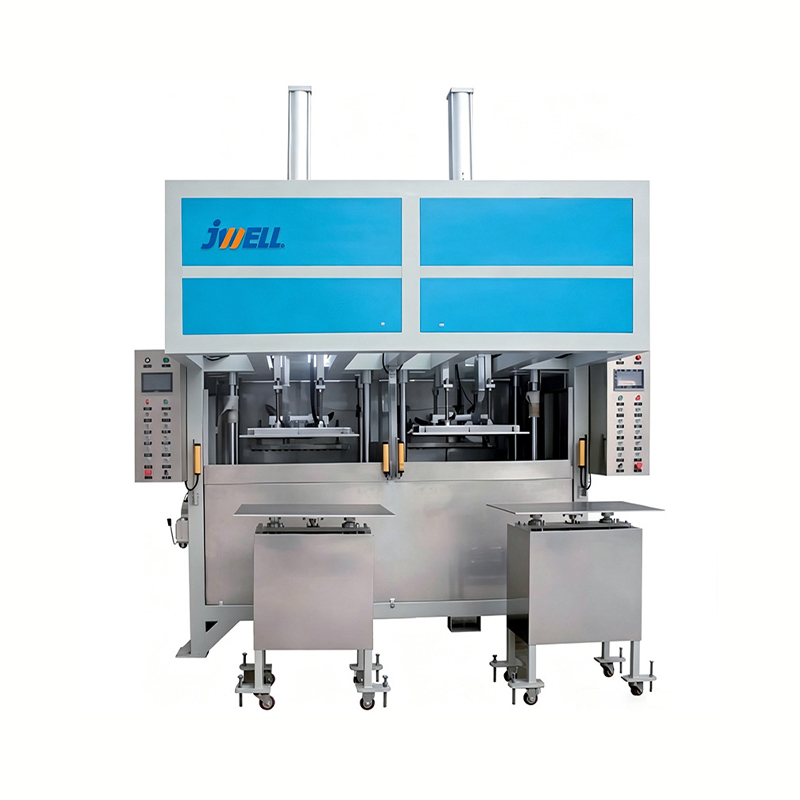
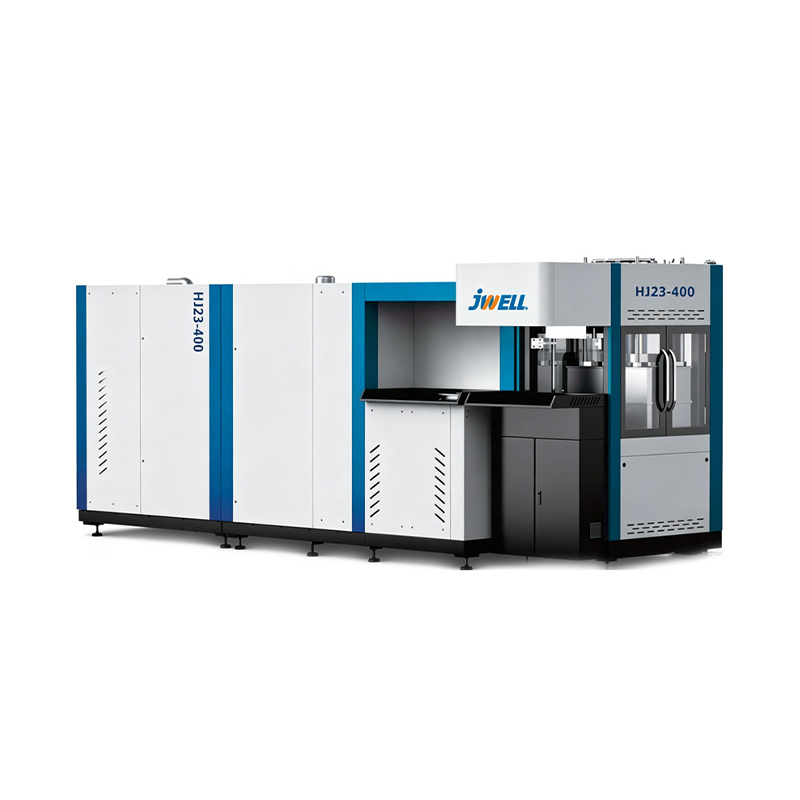
The semi-automatic pulp molding product forming equipment integrates hot-pressing shaping and stamping trimming functions. The platen size is customizable (900×700 or 800×600 mm). It adopts an air-oil booster cylinder to provide 30–60 T adjustable forming pressure. The upper and lower molds are independently electrically heated (9 kW each), with uniform temperature control. The complete machine weighs approximately 2 T, has a compact structure, and is suitable for high-precision pulp products such as industrial packaging liners and tableware, combining efficient forming and precision trimming.
The semi-automatic pulp molding system is specially designed for producing high-precision, heat-set fiber products. Typical products include:
Industrial packaging liners (electronic components, automotive parts, medical devices)
Disposable tableware (plates, bowls, clamshell boxes) – with smooth edges
Custom protective trays for fragile items (glassware, ceramics, LED bulbs)
Real-world examples: A European electronics supplier adopted our 900×700 mm platen configuration and produces 12,000 anti-static trays per shift. The 60-ton pressing force ensures consistent surface density of the trays, completely eliminating warping during drying. Another Southeast Asian customer uses the 800×600 mm platen to produce takeaway bowl lids, achieving burr-free trimming with a single-piece cycle time of only 18 seconds.
|
Feature |
Advantage |
|
Platen size 900×700 or 800×600 mm (customizable) |
Suits both large-format industrial parts and high-speed consumer goods production; mold change time <15 min. |
|
Forming pressure 30–60 T (adjustable) |
30 T low pressure suits low-bulk fruit trays, 60 T high pressure suits high-density structural parts – one machine replaces two fixed-pressure presses. |
|
Air-oil booster cylinder |
Combines pneumatic fast clamping with hydraulic pressure-holding, achieving zero-impact forming; energy consumption 40% lower than full-hydraulic systems. |
|
Dual-zone electric heating (standard 9 kW + 9 kW) |
Upper and lower platens independently controlled, enabling ±2 °C differential temperature gradient control – especially critical for materials like bamboo pulp that require different curing curves for upper and lower surfaces. |
|
Integrated trimming and shaping station |
Eliminates secondary die-cutting operations; finished parts have clean, burr-free edges directly. In customer tableware production, reject rate dropped from 8% to <1.5%. |
We implement a four-stage in-process control system for semi-automatic operation:
① Raw pulp consistency check (per batch)
Measure beating degree (°SR) and fiber length – target values: recycled paper pulp 22–26 °SR, virgin bamboo pulp 30–35 °SR.
Adjust pulp consistency to 1.2–1.8% to match the 30–60 T pressure range.
② Mold preheating stabilization (before each shift)
Upper and lower platen temperatures are monitored by independent thermocouples; heating power (9+9 kW) can reach 180 °C within 8 minutes. Maintain for 5 minutes to achieve thermal balance – infrared thermal imaging verifies maximum deviation ≤3 °C.
③ In-cycle parameter recording (every 50 cycles)
Pressure curve (build-up – hold – release) recorded by digital pressure gauge; hold time set at 3–6 seconds depending on product thickness.
Trimming force monitored in real time – if trimming cylinder pressure falls below 28 T, the system alerts theoperator to check edge wear.
④ End-of-line destructive and non-destructive testing (random sampling per ASTM D638 / ISO 12000)
Burst strength – minimum 350 kPa for 2 mm wall thickness.
Edge integrity – 100× magnified visual inspection, no delamination.
Water absorption (2-hour immersion) – coated products ≤8%, uncoated ≤18%.
Dimensional stability – measured after 24 hours at ambient temperature; length/width shrinkage <0.3% for parts pressed at 60 T.
Example: A medical packaging client performs full testing every 200 pieces; with this program, the defect rate dropped from 4.2% to 0.9% within one month.
| Hot press shaping machine parameter | |
| Platen size | 900*700 or 800*600mm, Customizable |
| Equipment weight | About 2T |
| Forming pressure | 30-60T |
| Machine drive mode | Pneumatic-hydraulic booster cylinder |
| Heating power | Upper and lower mold Standard coniguration:9KW+9KW |
| Stamping and trimming machine parameters | |
| Platen size | 900*700 or 800*600mm, Customizable |
| Equipment weight | About 2T |
| Forming pressure | About 2T |
| Machine drive mode | Pneumatic-hydraulic booster cylinder |
Q1: Can the same machine produce both thick products (e.g., 5 mm) and thin products (1.2 mm)?
A: Yes. The air-oil booster system supports stepless pressure adjustment. For thin parts, set 30 T and reduce heating power to 7+7 kW via an external regulator; for thick parts, use 60 T and full power 9+9 kW. Mold height is adjustable (±50 mm) to accommodate different cavity depths.
Q2: How to handle frequent mold changes?
A: The platen is equipped with quick-change T-slots and locating pins. With our optional quick mold-changing system, a skilled operator can complete upper and lower mold changes within 12–15 minutes – this has been verified in three-shift production at a Malaysian tableware factory.
Q3: What maintenance is required for the trimming knives?
A: Trimming knives (D2 steel) should be inspected every 5,000 cycles. Under 60 T load, lubricate guide pillars daily. Typically, re-sharpening is needed every 20,000 cycles – our Indian customer achieved 22,000 cycles before first re-sharpening by using anti-corrosion coated pulp.
Q4: How does the equipment perform in high-humidity environments?
A: The electric heating system (9+9 kW) has margin to compensate for heat losses. In tropical climates (85% RH, 35 °C), we recommend adding a compressed air dryer in the air line to prevent internal condensation in the booster cylinder – this solution has been verified at installation sites in the Philippines.
Q5: What is the typical production capacity?
A: Taking an 800×600 mm platen with a 4-cavity tray mold as an example, cycle time is 14–22 seconds (depending on material). At 18-second cycle, gross output per cavity ≈200 pieces/hour, i.e., 800 pieces/hour for 4 cavities. Our Brazilian user achieved 1,080 pieces/hour with a custom 6-cavity mold, with a first-pass yield of 96.5%.
Q6: Can heating power be reduced to save energy?
A: Yes. The standard 9+9 kW can be adjusted down to 5+5 kW via PID controller for thin-wall, fast-curing products. However, for thick products at 60 T, full power is required to ensure the core reaches 170 °C within the hold time; otherwise, residual internal moisture can cause blistering defects.




Pipe Extrusion Production Line
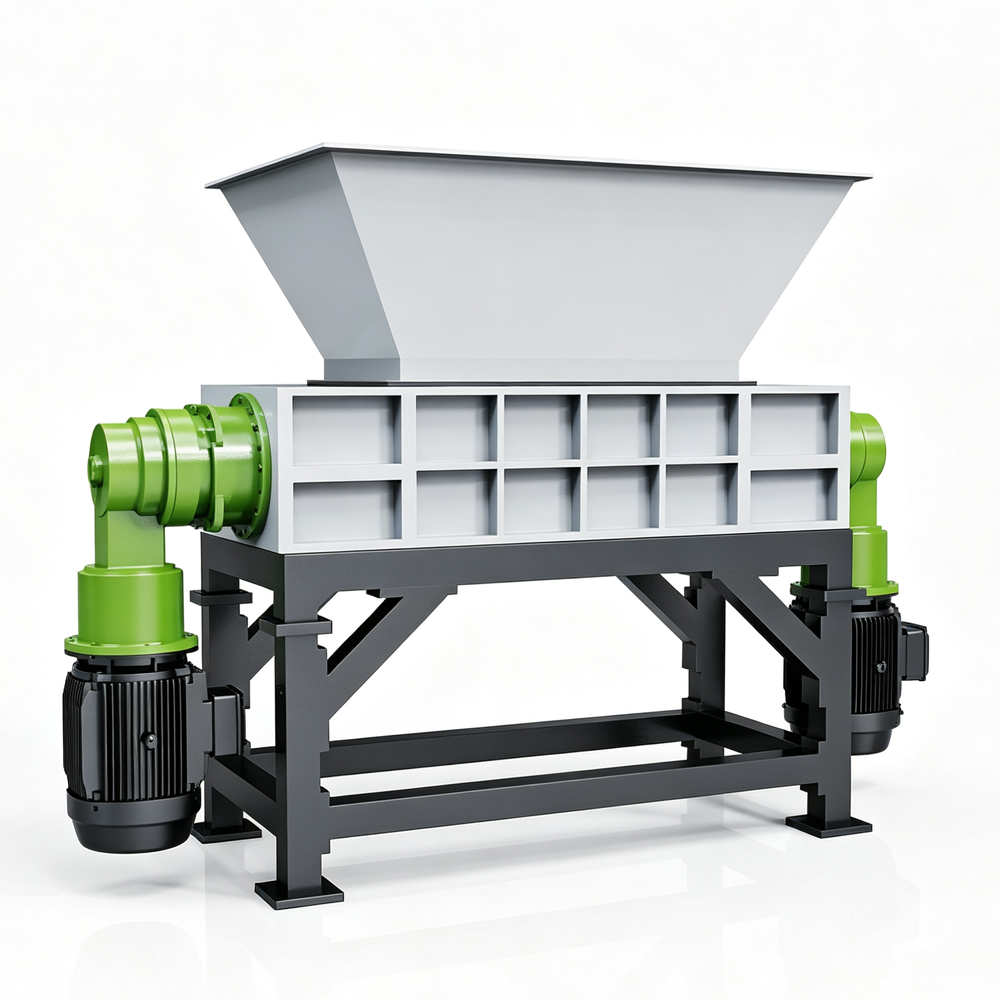
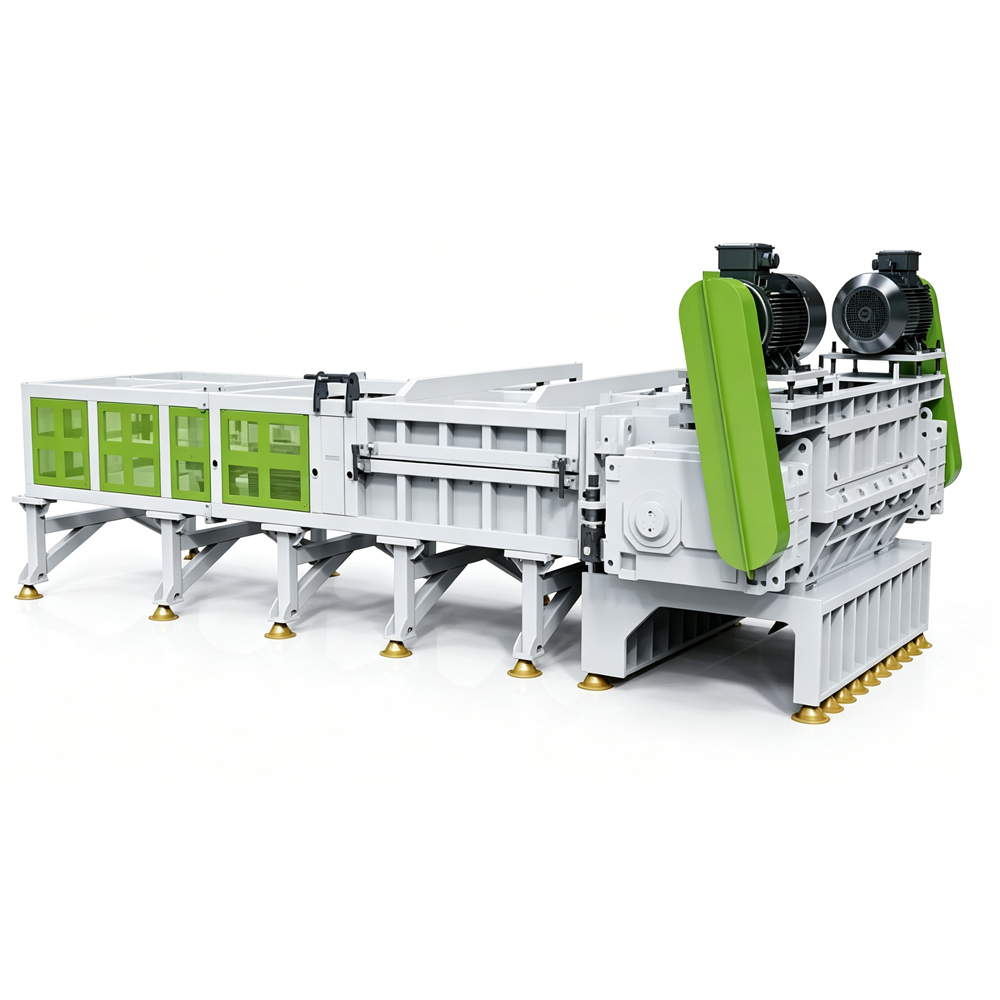
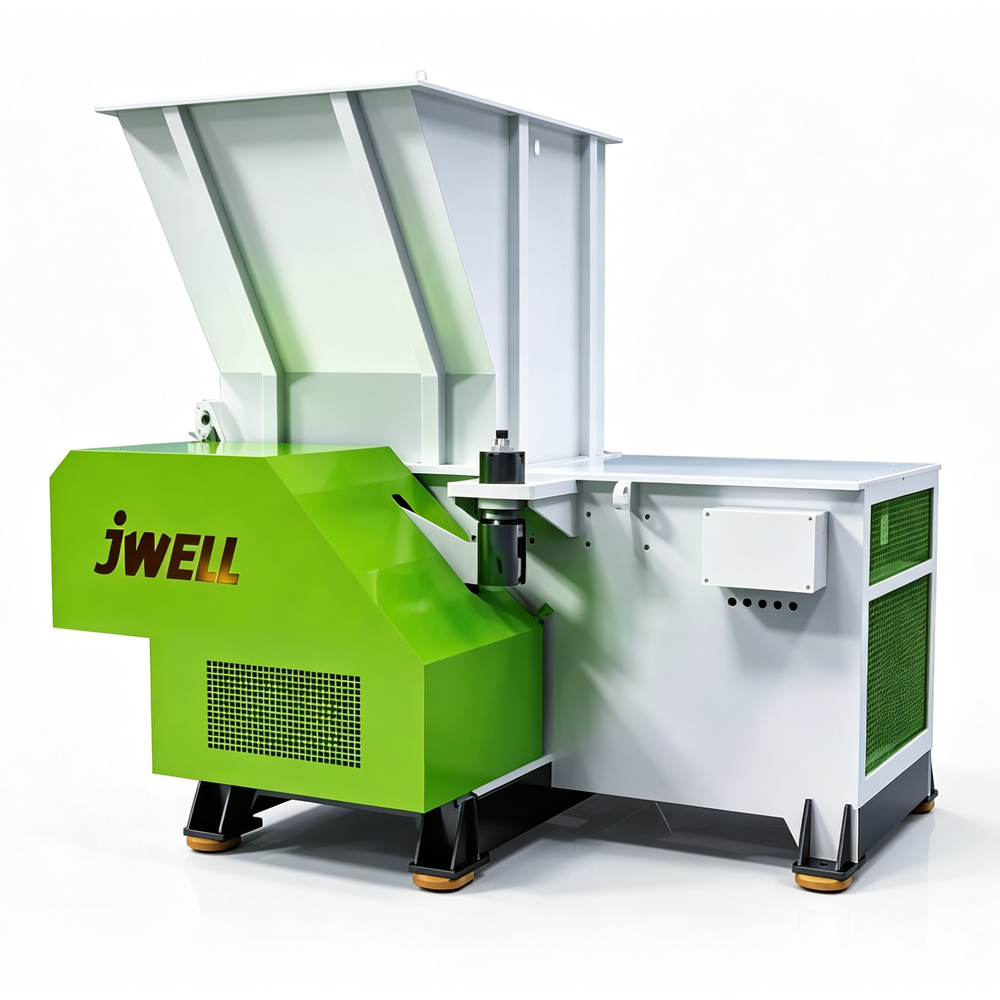
Plastic Shredder Crusher Machine

Tel: +86-19057068112

E-mail: [email protected]

Company Address
No. 128 Qingfeng Road, Xieqiao Town, Haining City, Jiaxing City, Zhejiang Province

19057068112

 English
 русский