
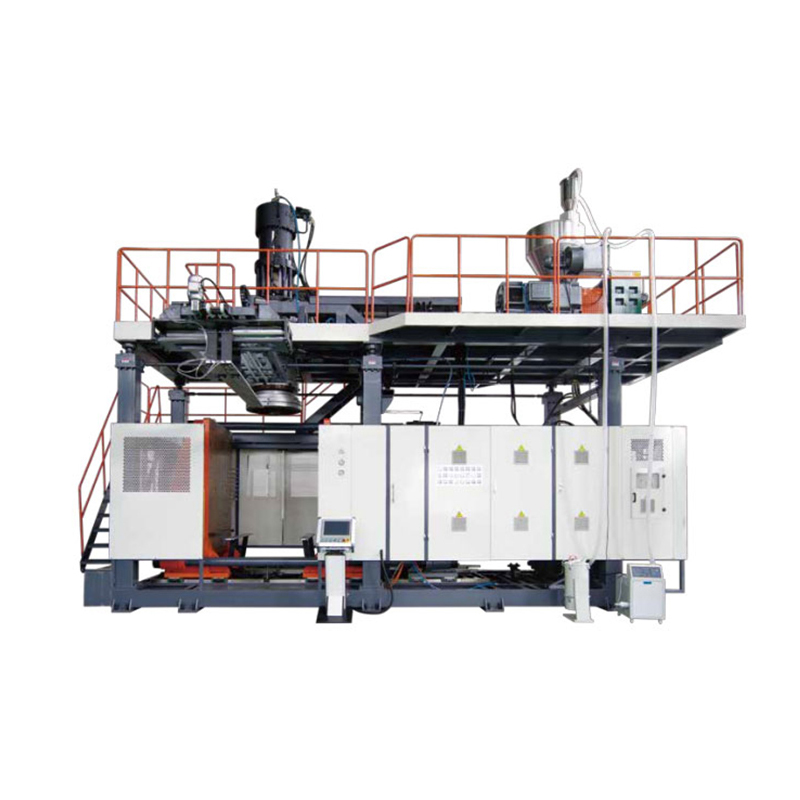


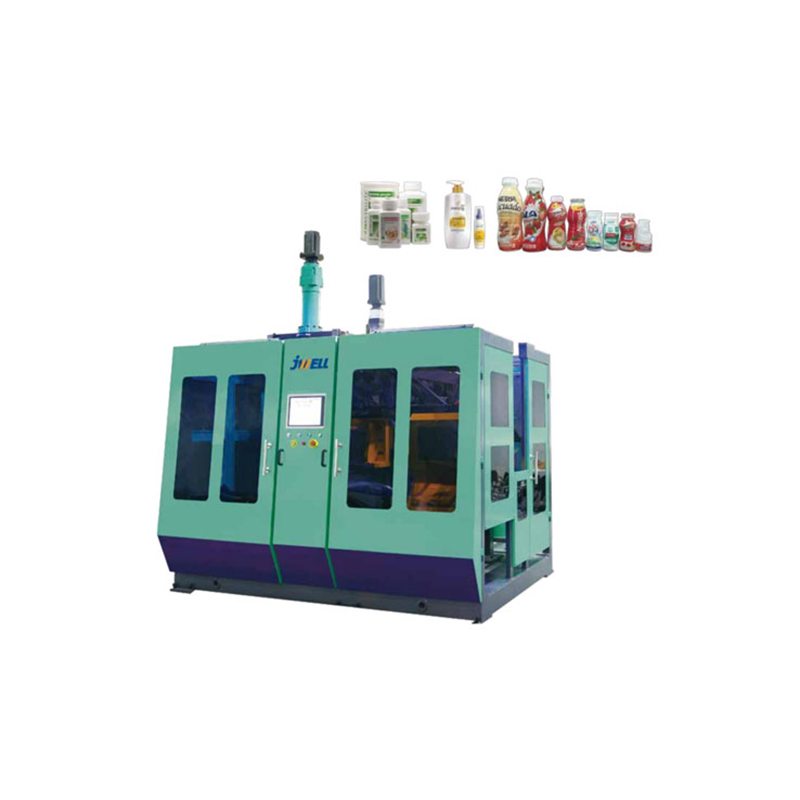
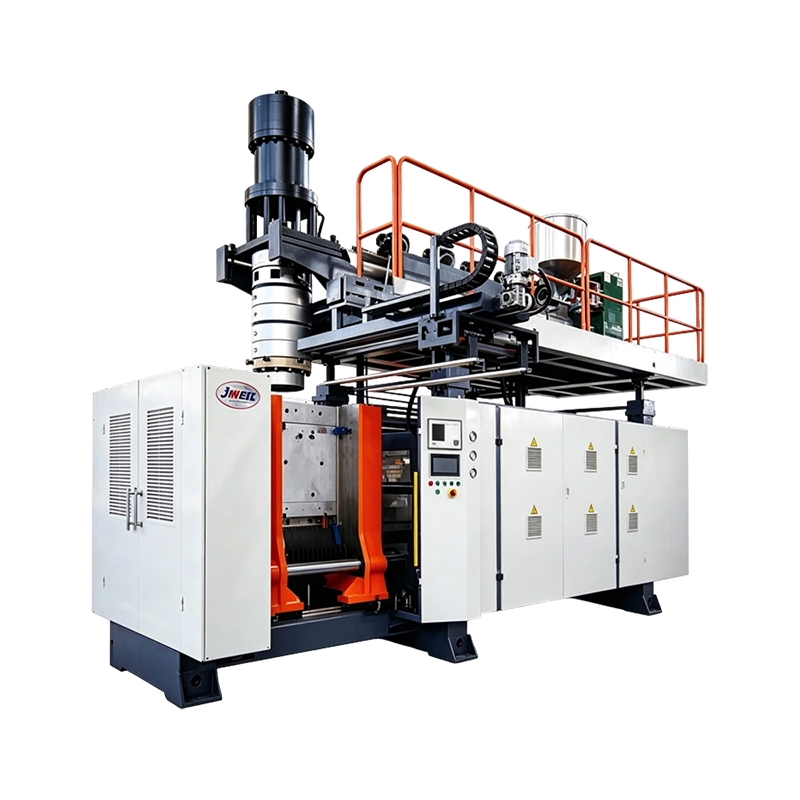
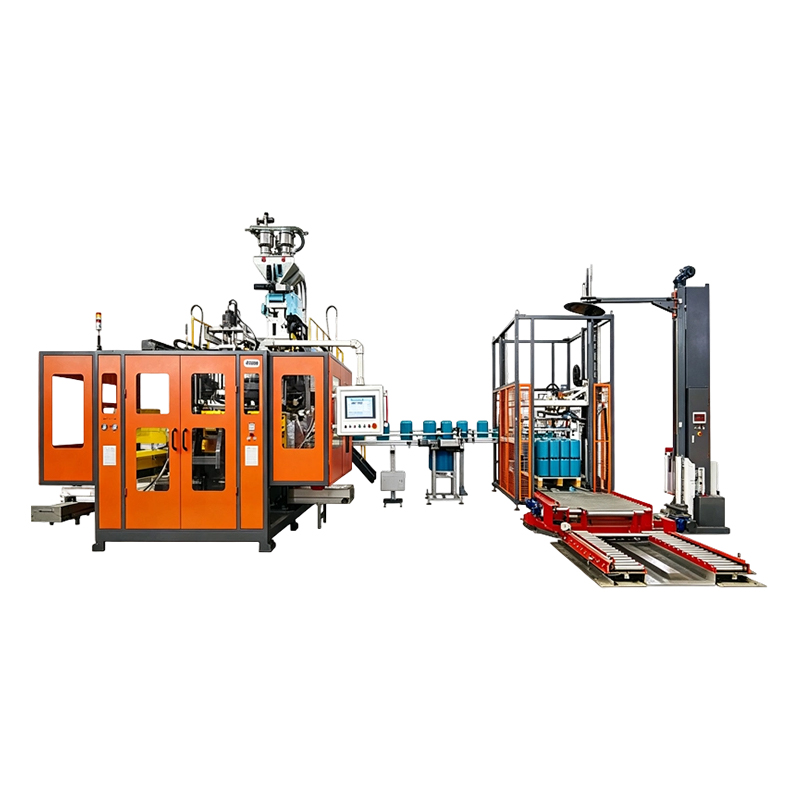
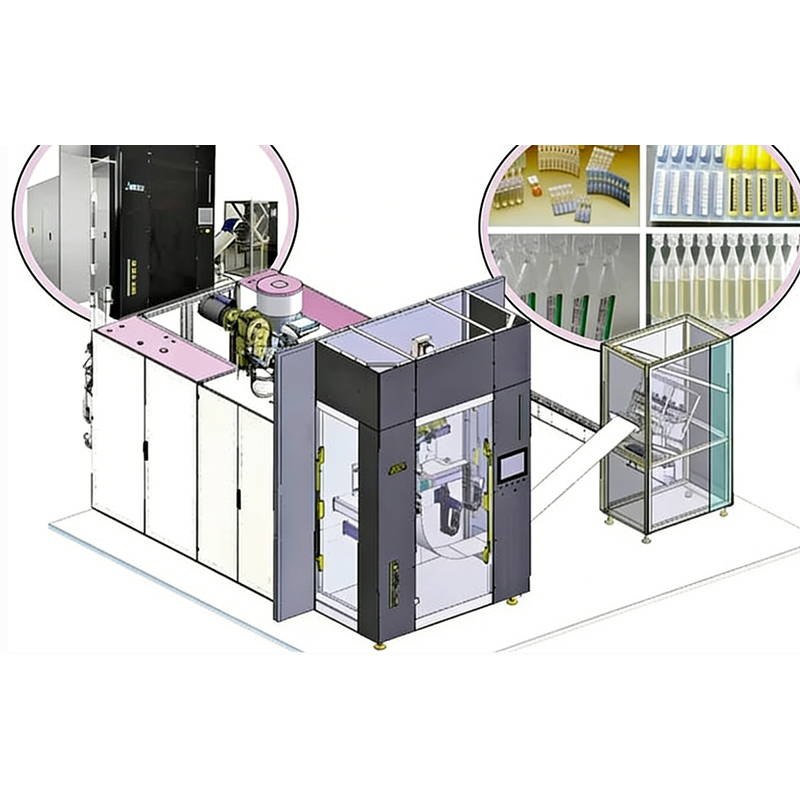
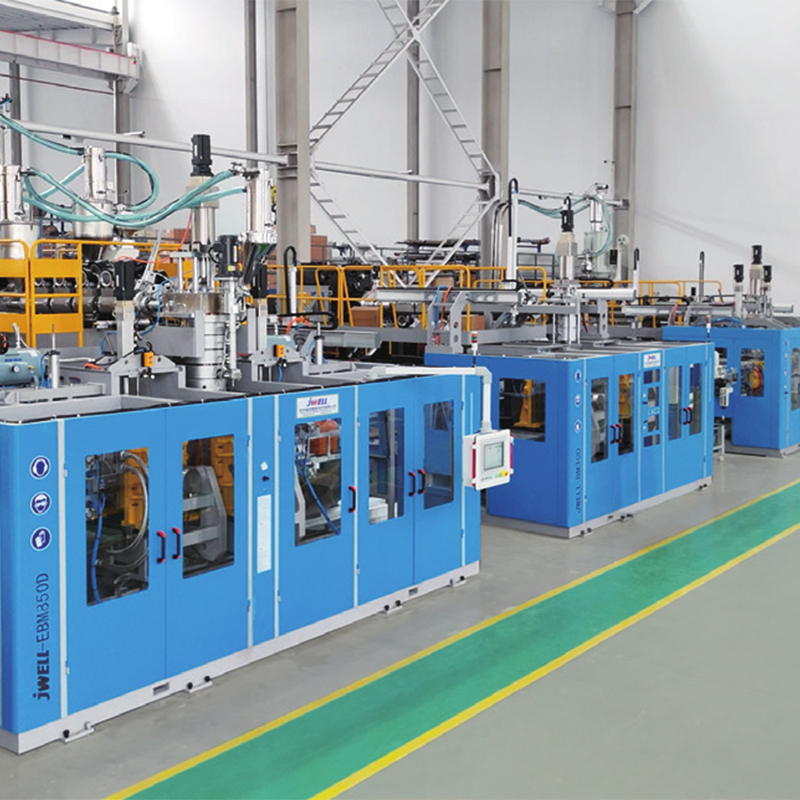
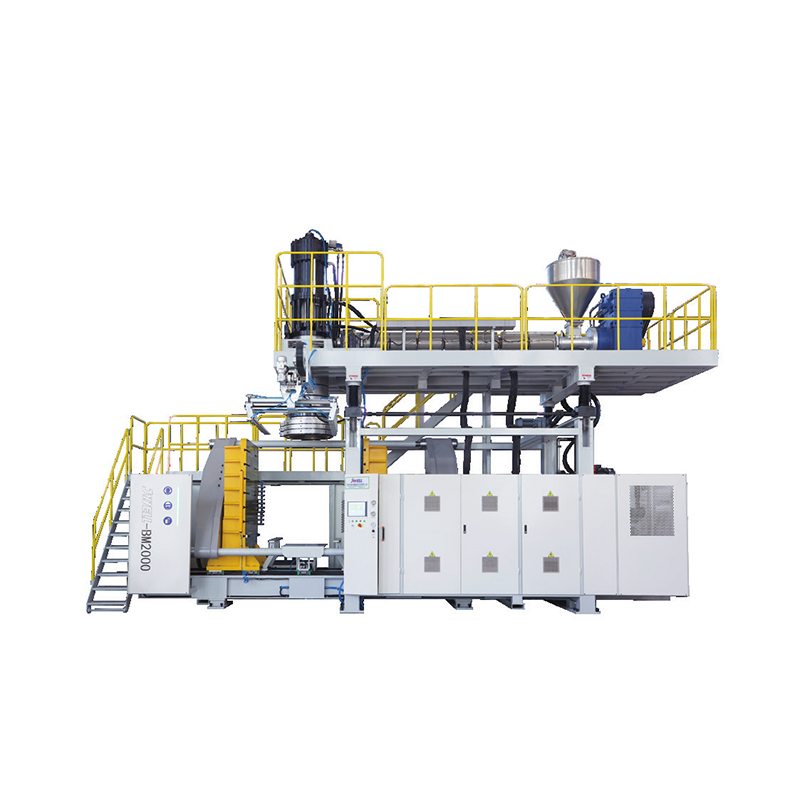
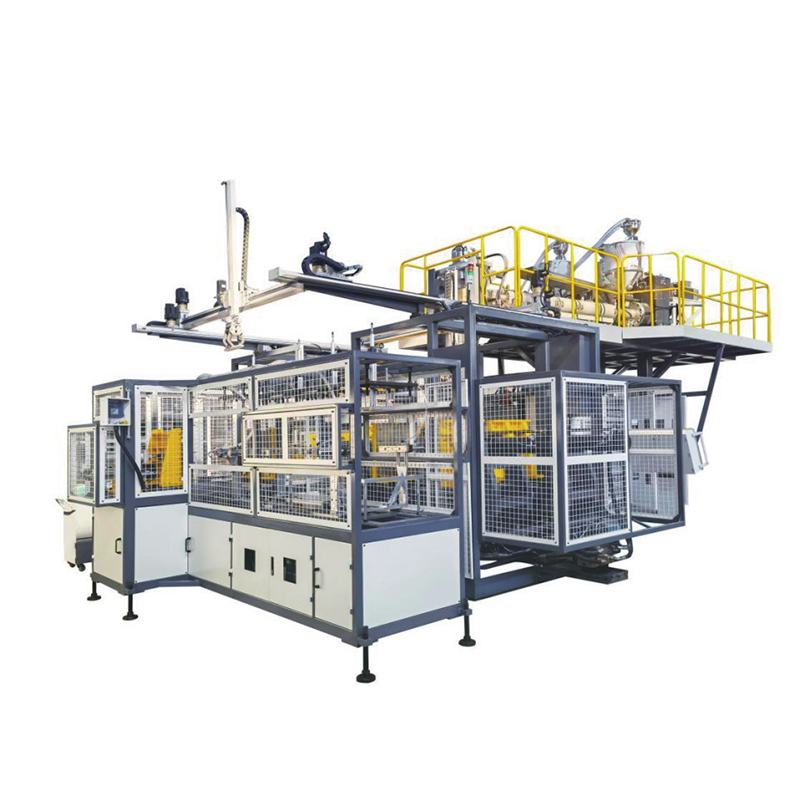
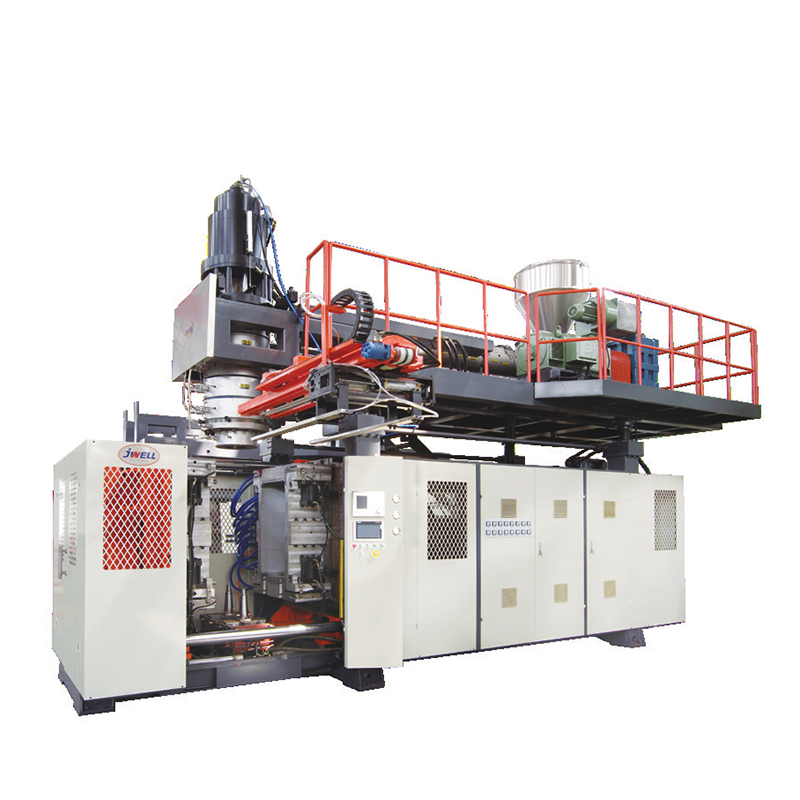
The Jwell Hollow Blow Molding Production Line is engineered to deliver consistent performance, high efficiency, and flexible manufacturing capabilities. It is widely used for producing a variety of hollow plastic products, including industrial containers, chemical drums, and daily-use bottles.
One of the key advantages of Jwell is its strong customization capability. Whether you need single-layer or multi-layer solutions, different mold structures, or specific output requirements, the system can be tailored to match your exact production needs. The equipment is designed with stable extrusion performance and precise thickness control, helping ensure uniform product quality across long production cycles.
In addition to reliable machinery, Jwell provides full-service support throughout the entire project. This includes pre-sales technical consultation, turnkey solution design, on-site installation, and operator training. For common concerns such as machine operation, maintenance, and spare parts supply, Jwell offers fast-response after-sales service to minimize downtime.
Customers often ask about automation and ease of use. The line is built with user-friendly controls and can be integrated with auxiliary systems for higher efficiency. With its combination of performance, flexibility, and professional support, Jwell is a dependable partner for modern blow molding production.
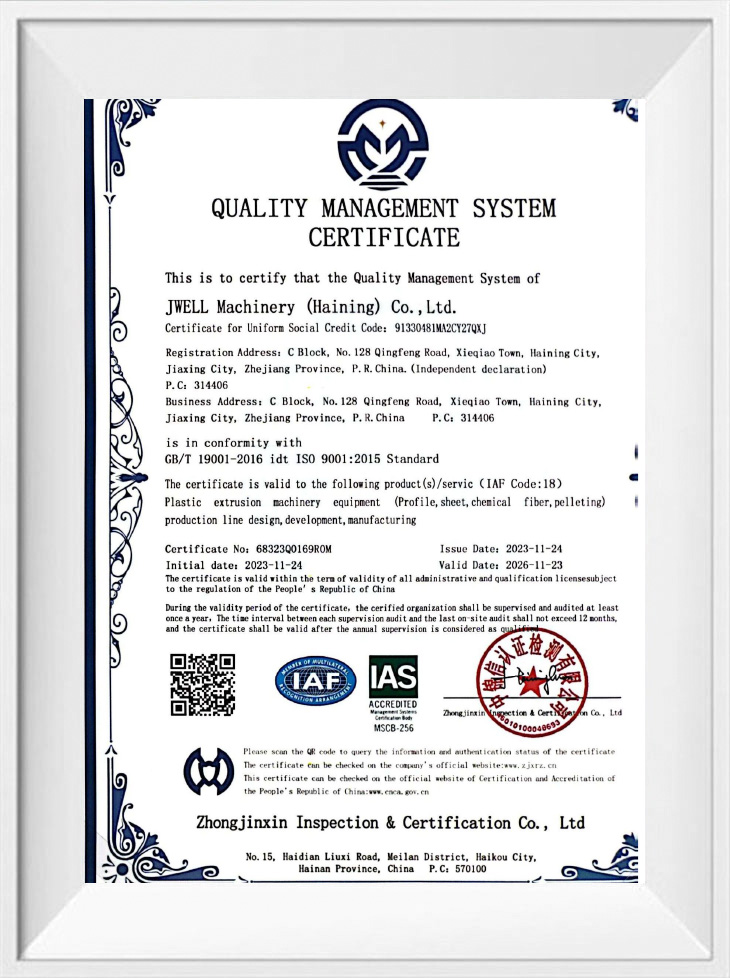
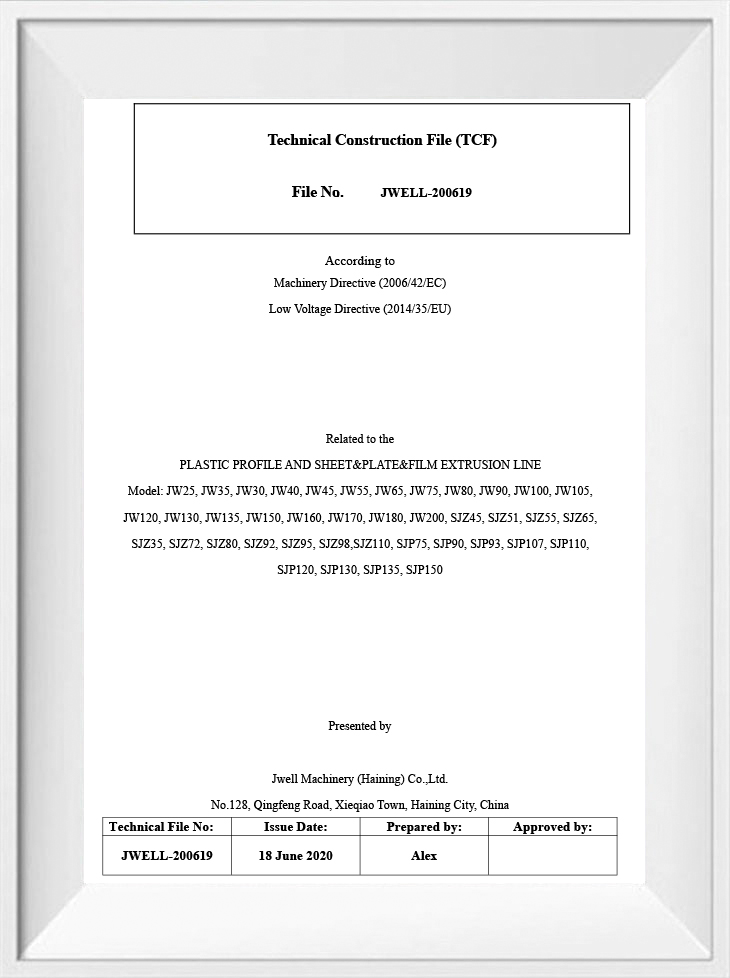
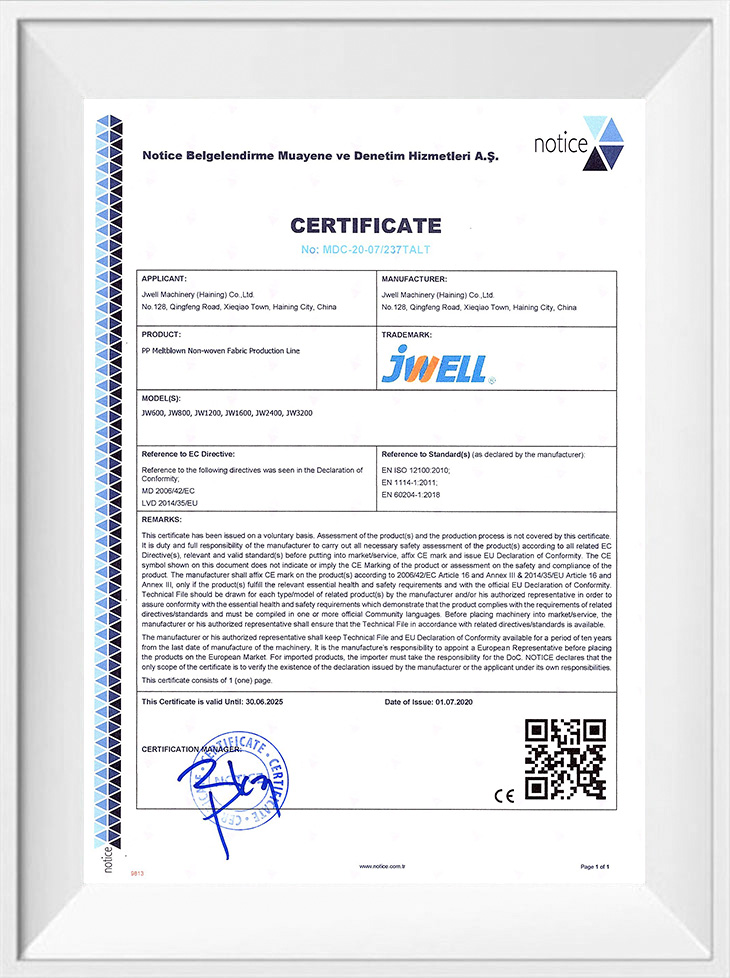
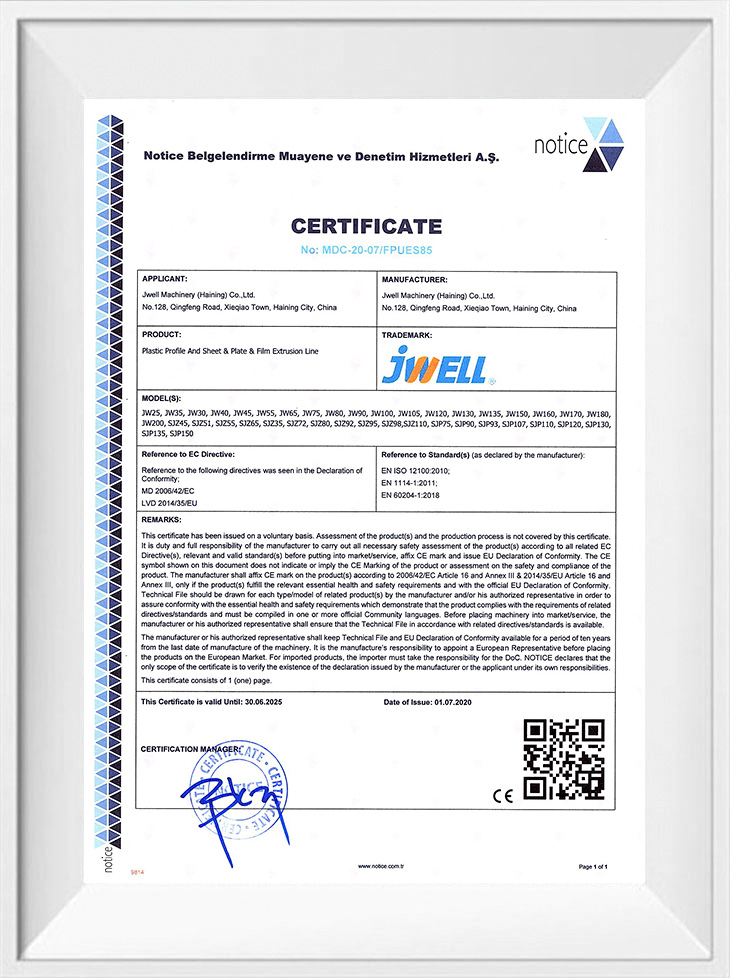
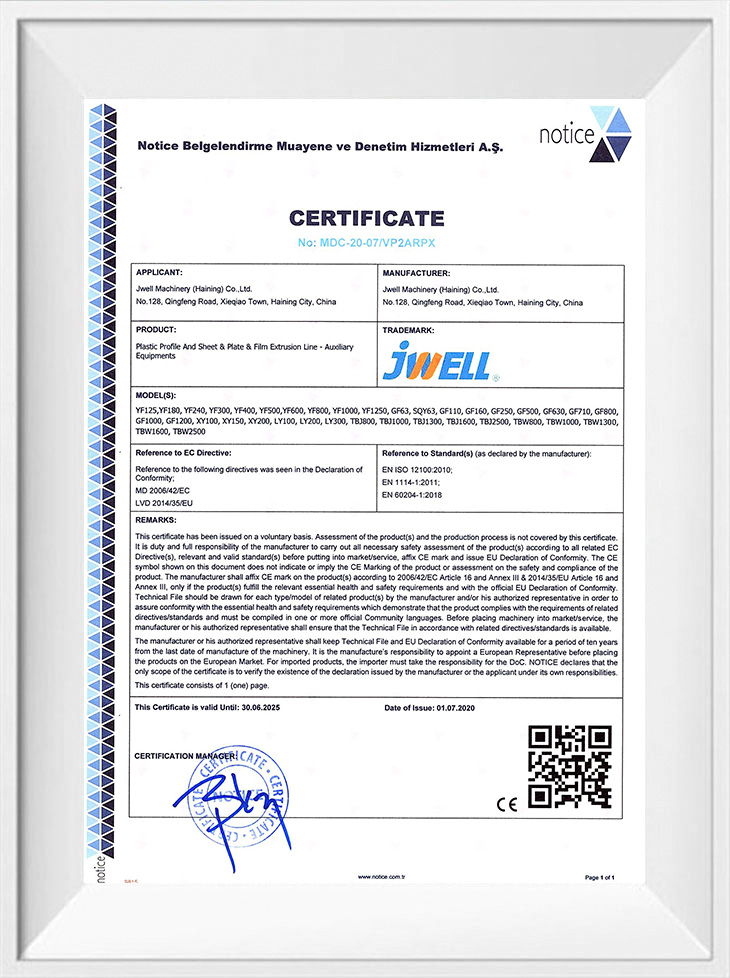
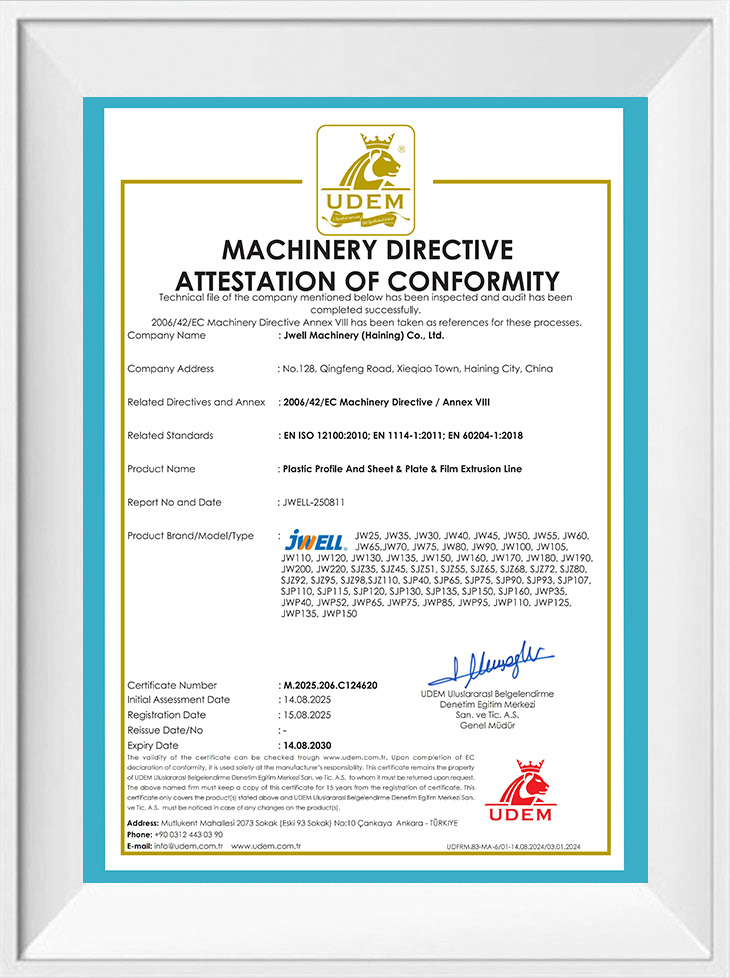
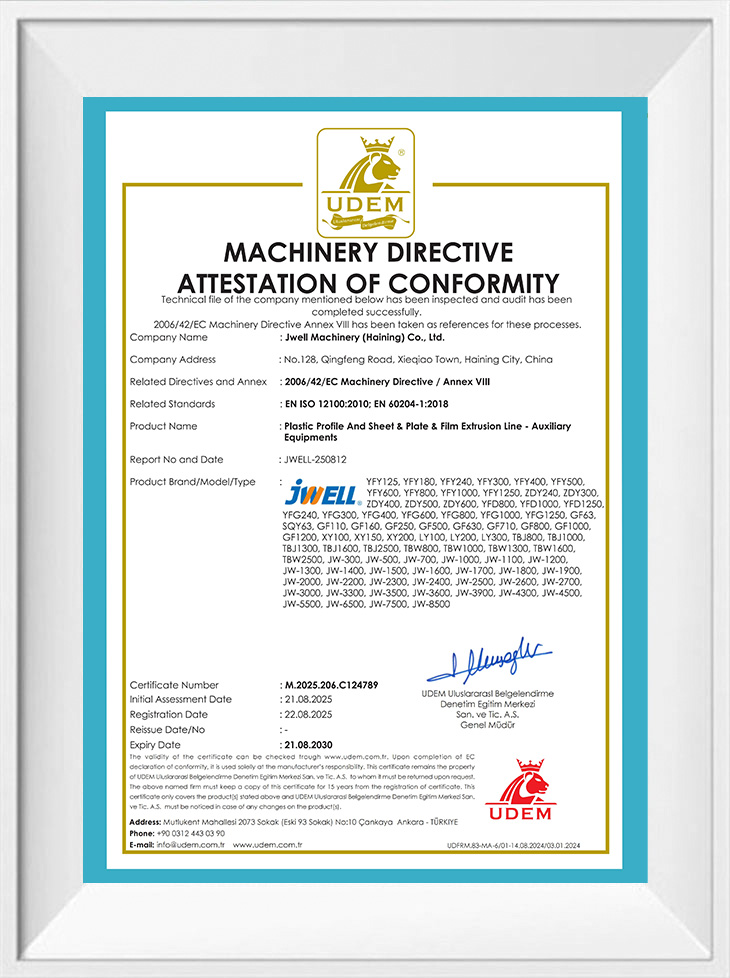
JWELL Machinery was founded in Shanghai in 1997. It is a national high-tech enterprise specializing in complete plastic extrusion and chemical fiber spinning equipment. The company has 14 modern production bases in China and overseas, covering a total area of over 1,000 acres, with more than 3,000 employees, including 480+ technical and management personnel. The annual output is over 3,000 sets of high-end extrusion lines, with annual sales exceeding 5 billion RMB. Products are exported to more than 130 countries and regions worldwide, serving over 10,000 customers. It is a national high-tech enterprise, holding over 1,000 national patents (including 100+ invention patents), and has passed CE and ISO9001 certifications. It has won honors such as "National Top 50 Light Industry Equipment Manufacturers" and "Specialized and Sophisticated 'Little Giant' Enterprise". Products are sold to more than 120 countries and regions. It is the Vice President Unit of the China Plastics Machinery Industry Association (CPMIA), a globally leading professional manufacturer of complete plastic extrusion and chemical fiber spinning equipment, and has ranked first in China's plastic extrusion industry for many consecutive years.
For industrial production customers, purchasing an extruder is not simply a matter of comparing equipment prices and par...
A plastic bottle looks like one material. It is not. The wall is a sandwich, an outer layer, an inner layer, and a barri...
New materials, new energy, green and low-carbon initiatives, and intelligent manufacturing are continuously driving the...
Defining what blow molding actually does
how the production process of a hollow blow molding line works involves a carefully choreographed sequence of material handling, extrusion, clamping, blowing, cooling, and trimming—each step requiring precise timing and temperature control.
The process step by step
The line starts with a single-screw extruder that melts and homogenizes the resin—typically HDPE, PP, or PET. The melted polymer exits through a die head that forms a hollow tube called a parison. The parison hangs downward between two open mold halves. When the parison reaches the correct length, the mold closes around it. Compressed air blows into the parison through a blow pin, expanding the hot plastic against the mold walls. The plastic cools against the chilled mold surfaces—typically water-cooled to 10–20°C. After a cooling period of a few seconds to over a minute depending on wall thickness, the mold opens, and the finished part is ejected. The cycle then repeats.
The critical parameters that make or break production
The extrusion blow molding process depends on three control parameters. Melt temperature must stay within a ±3°C window—too hot and the parison sags; too cool and it blows unevenly. Parison programming adjusts the die gap during extrusion to create variable wall thickness, which allows thicker material in high-stress areas and thinner material elsewhere. Blowing pressure and timing must match the part geometry. A simple bottle needs moderate pressure and short blow time. A complex fuel tank with internal baffles needs higher pressure and staged blowing.
Comparison: extrusion blow molding versus injection blow molding
| Aspect | Extrusion Blow Molding | Injection Blow Molding |
| Preform creation | Continuous parison (tube) | Injection-molded preform with finished neck |
| Part complexity | High (can include handles, complex contours) | Moderate (simple shapes like bottles) |
| Neck finish accuracy | Moderate (trimmed after molding) | Very high (molded in) |
| Material waste | Some (flash, pinch-off scrap) | small (no flash) |
| Typical applications | Fuel tanks, large containers, automotive ducts | Medical syringes, small precision bottles |
Defining the shift from manual to automated
Ask a blow molding plant manager what changed in the last 15 years, and the answer is likely not the machine technology. It is the labor. How automatic hollow blow molding machines impact human labor tells a story of operators becoming technicians, repetitive tasks disappearing, and skill requirements moving from physical dexterity to data interpretation.
The disappearing manual tasks
Older blow molding lines required operators to manually trim flash, inspect parts visually, and often carry finished parts to downstream stations. A typical line might have needed three operators per shift: one monitoring the extruder and clamp, one trimming and inspecting parts, one packaging. Automatic blow molding machines integrate these functions. Robotic arms or conveyor systems remove parts from the mold. Automatic trimming stations cut flash and pinch-off tails. Vision inspection systems check wall thickness, dimensions, and surface defects. The same line now runs with one operator per shift, and that operator's primary role is monitoring the control panel rather than handling parts.
How the operator role has transformed
The remaining operator on an automatic line does very different work. They interpret data from the machine's PLC—melt temperature trends, clamp pressure, cycle time consistency. They adjust parison programming when the machine signals a wall thickness deviation. They troubleshoot when the vision system flags defects. The job requires understanding of fluid dynamics, thermal management, and basic programming rather than the physical strength or manual dexterity previously needed.
Comparison: manual versus automatic line labor requirements
Manual blow molding lines rely on operators for part removal, trimming, inspection, and basic machine adjustments. The work is repetitive and physically demanding. Training time is short—a new operator can be productive in days. Automatic lines rely on technicians for system monitoring, data interpretation, and troubleshooting. Training time is measured in weeks or months. The pay for automatic line technicians is 30–50 percent higher than manual operators. For plant owners, the labor cost per produced part drops significantly. For workers, the job quality improves dramatically. The challenge is finding workers with the right aptitude for technical roles in regions where manufacturing labor historically required only basic skills.
Defining what electric means in the blow molding context
A conventional blow molding machine uses hydraulic cylinders to clamp the mold, move the carriage, and operate the blow pin. An electric extrusion blow molding machine replaces these hydraulic systems with servo motors and ball screws. The shift from hydraulic to electric has been one of the significant developments in blow molding technology over the past decade.
Precision and repeatability
The first advantage of electric machines is precision. Servo motors position with accuracy measured in hundredths of a millimeter. Clamp force, carriage movement, and blow pin timing are repeatable within 0.1 percent of setpoint. A hydraulic machine might show clamp force drift of 2–3 percent over an eight-hour shift as the hydraulic oil warms up. The electric machine stays consistent all day. This precision translates directly to part consistency—wall thickness, weight, and dimensions that do not vary from shot to shot.
Energy efficiency
Electric blow molding machines consume 30–50 percent less energy than equivalent hydraulic machines. The reason: hydraulic systems run continuously, maintaining pressure even when no movement is occurring. Electric motors only draw power when they are moving. The energy saving is especially significant for cycles with long cooling times—the motors are idle while the part cools, drawing small power.
Speed and acceleration
Electric machines offer faster acceleration and deceleration than hydraulic equivalents. The cycle time reduction varies by application but typically ranges from 5 to 15 percent. For high-volume bottle production, where cycle times are already under 10 seconds, a 0.5-second reduction adds up over millions of cycles.
Comparison: electric machines across different applications
For simple, high-volume applications like beverage bottles or small containers, electric machines offer clear advantages in speed, energy, and precision. The payback is typically 18–24 months. For large parts like fuel tanks or industrial containers where clamp forces exceed 100 tonnes, electric machines are available but represent a larger investment premium. The payback for large electric machines is often 3–4 years. For applications with abrasive materials (glass-filled resins) or high-temperature materials, the hydraulic machine's simpler design and lower replacement cost may still be attractive. The trend, however, is clear: electric machines are capturing an increasing share of the market, with new machine orders in developed regions specifying electric drives.


Pipe Extrusion Production Line
Plastic Shredder Crusher Machine

Tel: +86-19057068112

E-mail: [email protected]

Company Address
No. 128 Qingfeng Road, Xieqiao Town, Haining City, Jiaxing City, Zhejiang Province

19057068112

 English
 русский