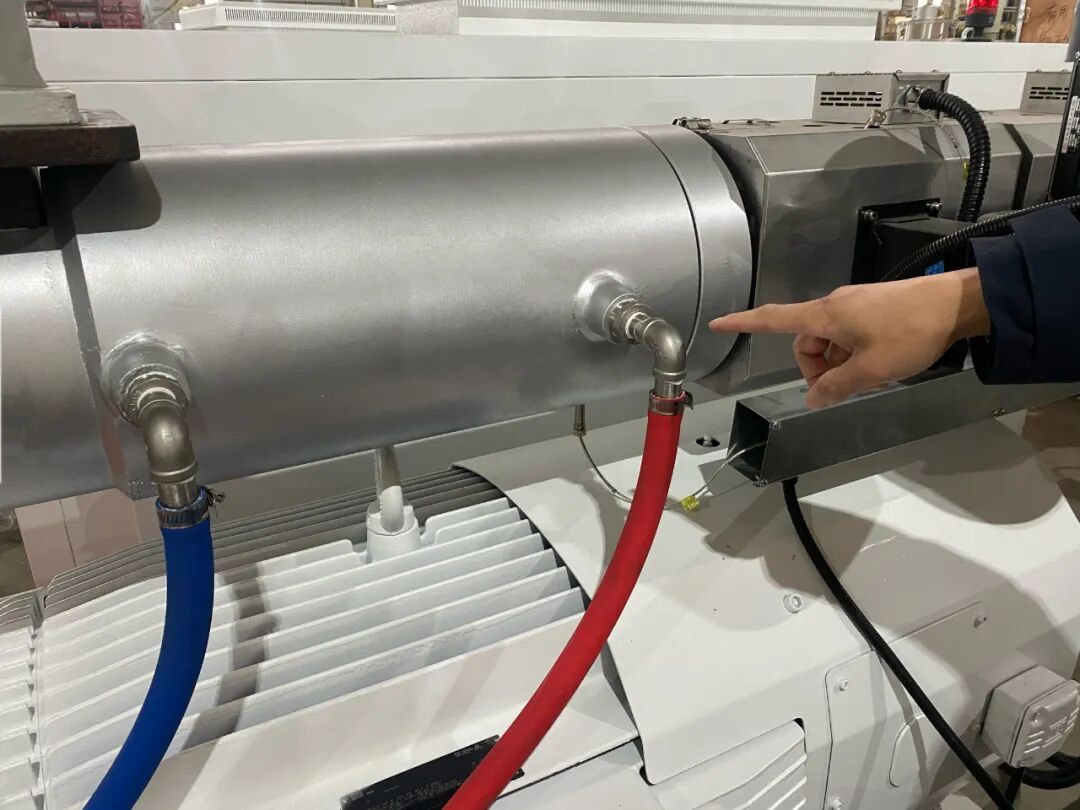
With the arrival of the 2026 winter season, many customers in northern regions will be shutting down their extrusion equipment for an extended period. JWELL kindly reminds all users to complete the necessary shutdown preparations and perform maintenance on their extrusion equipment before the break, ensuring the machinery remains in good operating condition for the coming year.

Maintenance of Extrusion Equipment
1. Thoroughly clean dust from all electrical components inside the electrical control cabinet, paying special attention to the frequency converter, speed controller, and PLC. Compressed air (ensuring it is moisture-free) may be used for cleaning. Tighten any loose cable or wire connections; inspect cable insulation, and promptly replace any components that show signs of aging or poor contact.
2. Record all rated parameters displayed on the computer screen. Verify these settings before the next startup; if any discrepancies are found, re-enter the data according to your records.
3. Inspect the grease nipples on the front and rear of the main motor and replenish the grease. Check the coupling’s spider insert (cushion) for damage. Listen for any abnormal noise from the gearbox, and top up or replace the gear oil as needed. Open the gearbox to carefully clean the moving parts, the housing, and the bearings, then replace the lubricating oil.
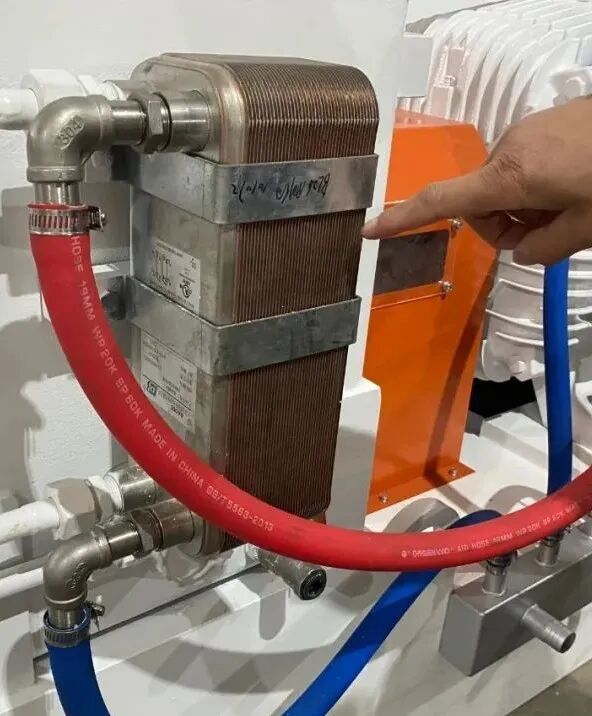
4. Clean the main unit’s water circuits and drain all water from the inlet and outlet systems to prevent pipes from bursting due to freezing in cold winter weather.
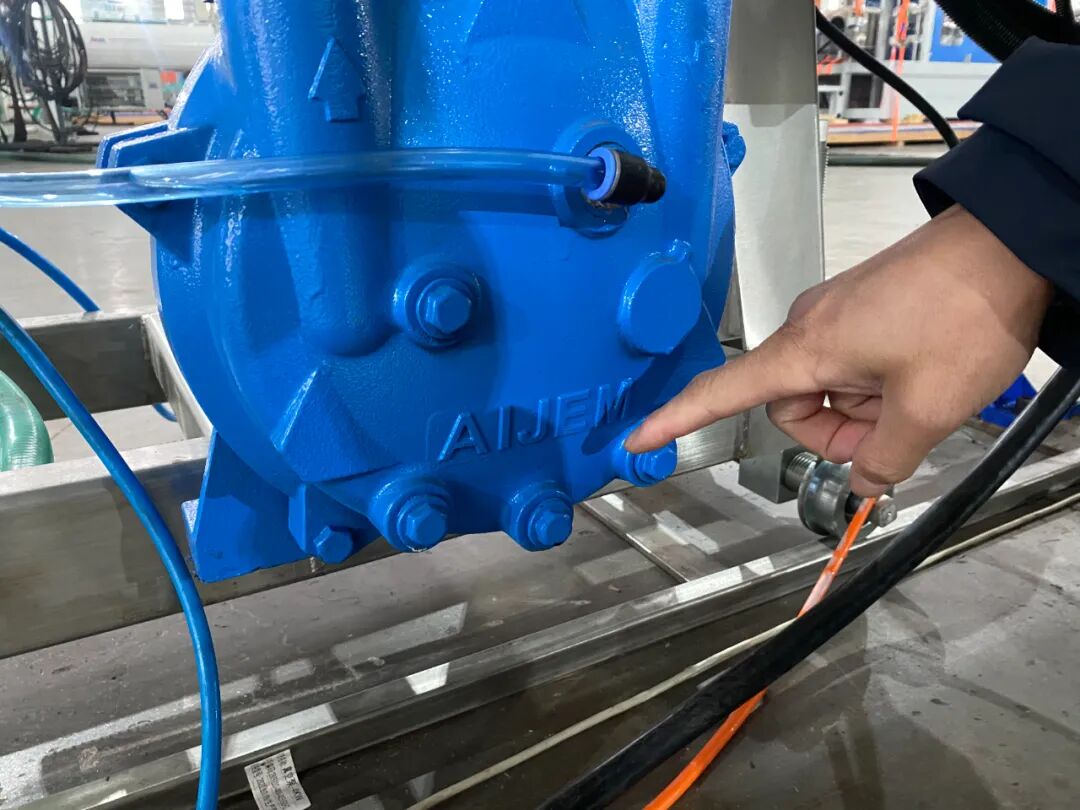
5. Clean the cooling water circuits within the mold core. Drain all water from water pumps, vacuum pumps, and all filters to prevent the pump impellers from rusting or cracking due to freezing. After shutdown, remove any residual material from between the die core and the mandrel; apply anti-rust oil to the feed inlet and seal it with stretch wrap.
6. Check the moving parts of all equipment to ensure adequate lubrication. Pay particular attention to frequently operated components—such as lead screws, rollers, bearings, and guide pillars—to prevent them from seizing due to low temperatures, which could disrupt future production. Regularly apply grease to bearings, universal shafts, and similar components.
7. Inspect and calibrate instruments that display pressure, current, voltage, and length (metering). Check the status of all heating elements and replace any damaged heating or sensing components.
8. Before shutdown, purge all material from the screw to prevent backflow during the next startup. Remove the screw and apply oil to both the screw and the barrel to protect against rust and corrosion. Depending on the situation, disassemble and clean the screw, barrel, and die head. Measure the outer diameter of the screw, and inspect the inner wall of the barrel as well as the die for any signs of wear or damage. Grind and touch up any localized scratches or burrs on the working surfaces until they are smooth and free of material buildup.
9. Before the next startup, use a multimeter to check for short circuits between the three-phase lines and between the three-phase lines and the ground; this helps prevent short circuits caused by wires being chewed by rodents.
10. Apply lubricating oil to all sprockets and chains, and apply anti-rust treatment to any exposed parts susceptible to corrosion.
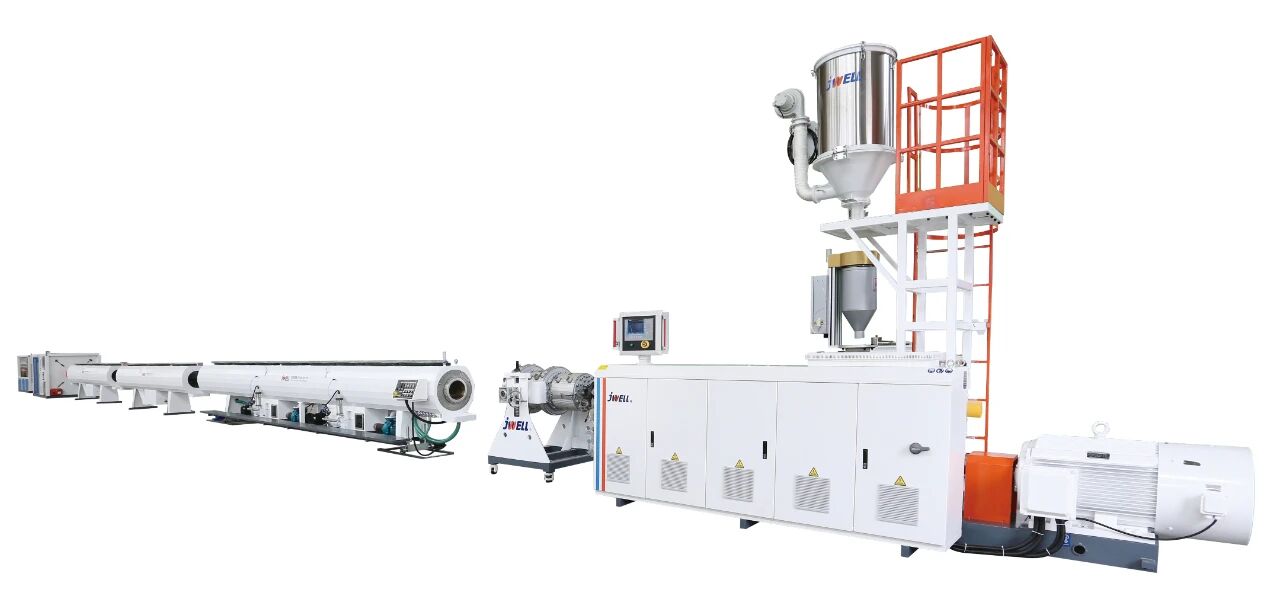
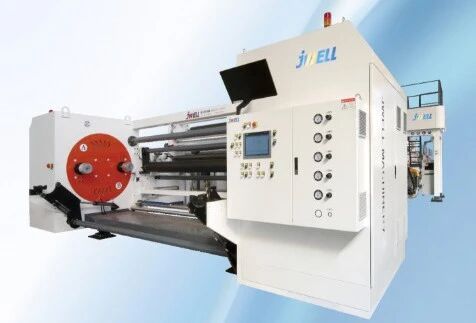
Maintenance intervals are as follows:
1. Gearbox oil should be changed every 4,000–5,000 operating hours, or at least once a year.
2. Components such as bearings and universal shafts require regular application of grease.
3. The rubber cushions in couplings should be inspected every three months for coaxial alignment and signs of wear.
4. Hydraulic system oil filter elements should be replaced every six months; the pressure in accumulators must be checked periodically.
5. For water-roller temperature control systems, the condenser should be cleaned and limescale removed—ideally every six months.
6. If rollers or cooling rollers are to remain idle for an extended period, they should be coated with anti-rust oil and wrapped in cotton cloth.
7. Traction rubber rollers should be cleaned regularly using a non-oily cleaning agent; if left unused for a long time, take measures to prevent the rubber from aging.
8. Electrical cabinets and their components should be inspected periodically; any parts showing signs of aging or poor contact must be replaced promptly.
9. Before extended shutdowns—such as during the year-end holiday—all water-cooled equipment must be completely drained to prevent damage (cracking) caused by freezing.
Before the holiday break, ensure that the following components
are properly drained and protected against freezing:
 |
 |
|
|
After the extruder equipment has been in operation for an extended period, it is advisable to prepare spare parts for wear-prone components, formulate a spare parts plan, and arrange for procurement in advance.
1. Heating bands for the barrel and die.
2. Thermocouples.
3. Spider inserts (plum-shaped cushions) for shaft couplings.
4. Sealing rings (oil seals) for the gearbox.
5. Brushes for the main drive motor.
6. Bearings for the main drive motor.
7. Thrust bearings and all ball bearings within the gearbox.
8. Gears or gear shafts for the gearbox.
9. Pulleys or couplings mounted on the motor shaft.
10. Temperature controllers.
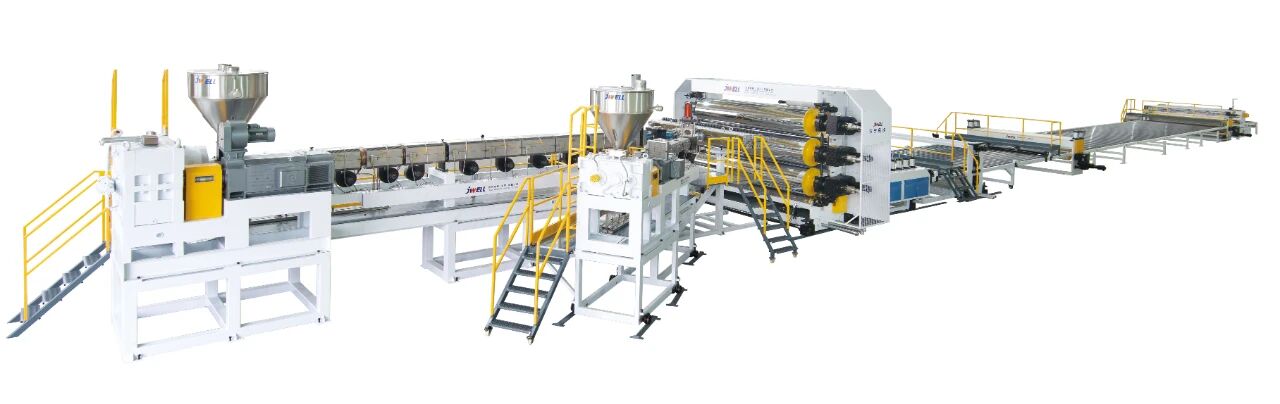
We thank you for your trust in and support of Jinwei Company. Should you have any questions, please feel free to contact the relevant product manager; we are committed to providing comprehensive assistance and support to ensure the smooth progress of your operations.



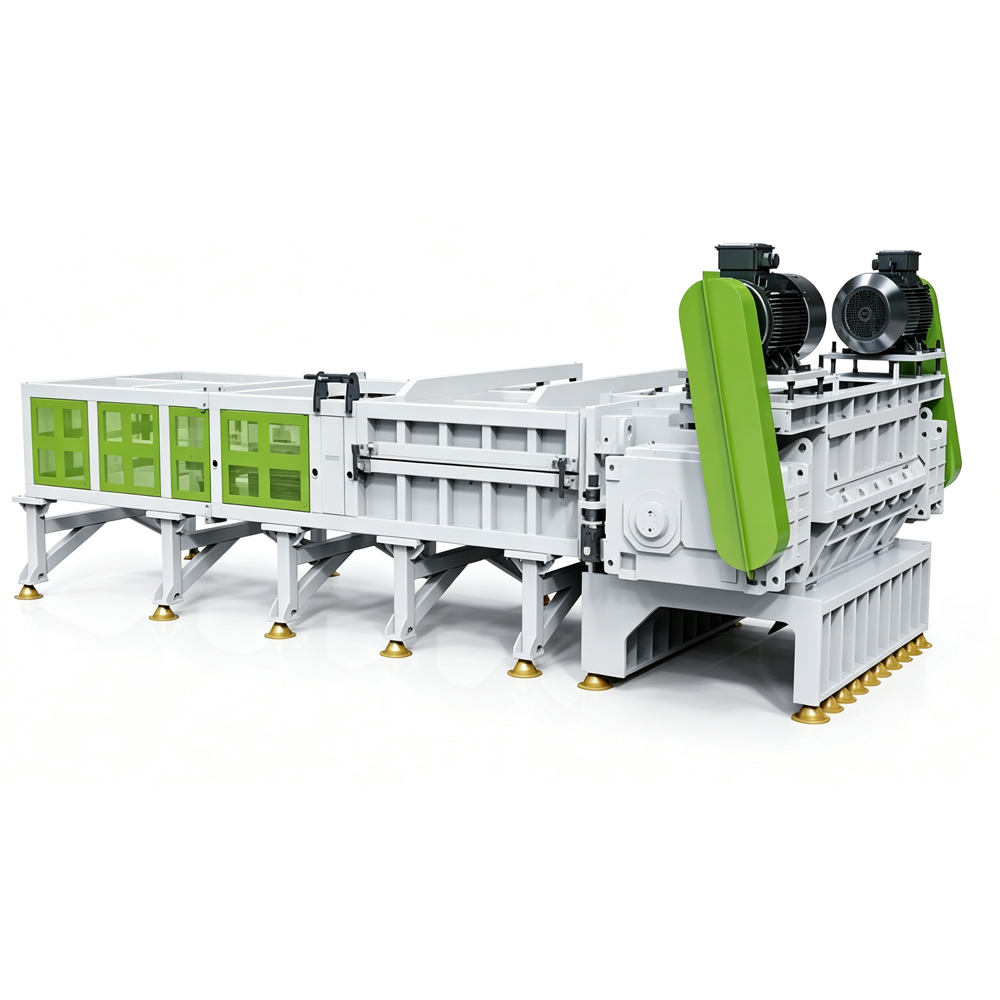
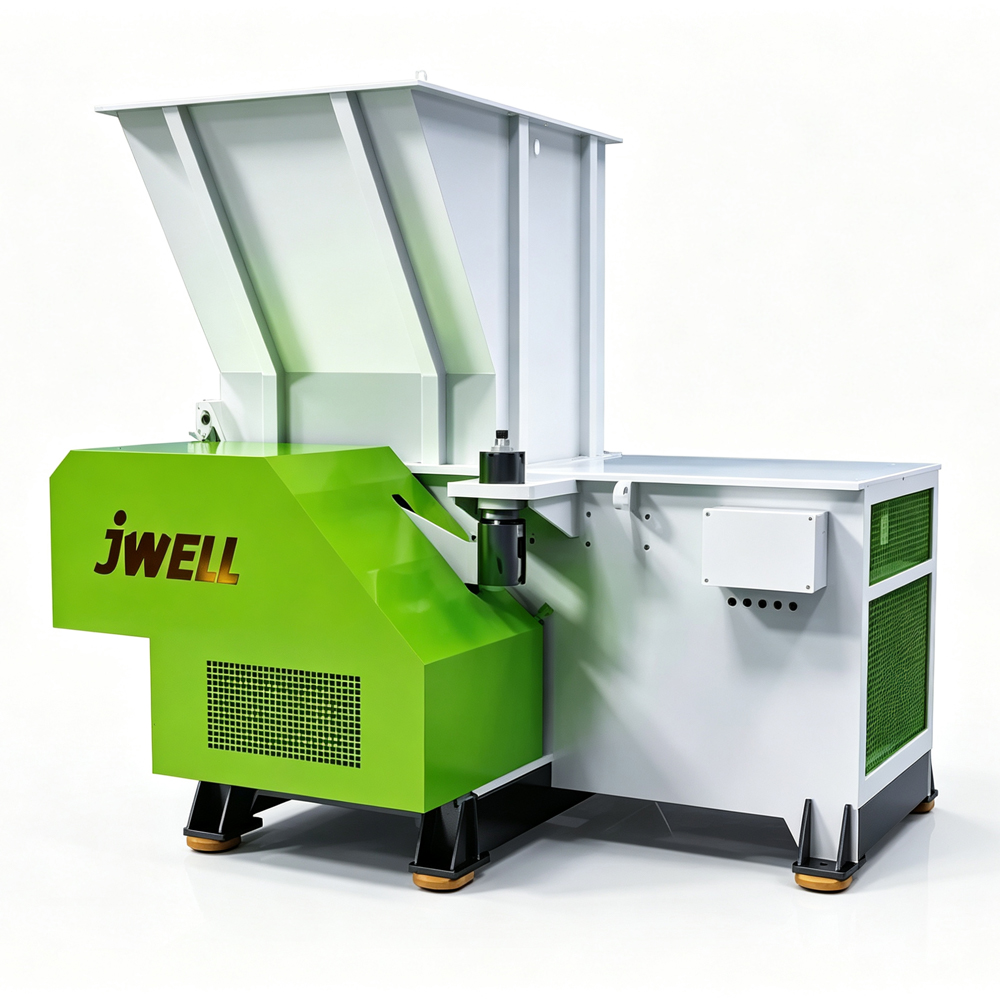


Pipe Extrusion Production Line
Plastic Shredder Crusher Machine

Tel: +86-19057068112

E-mail: [email protected]

Company Address
No. 128 Qingfeng Road, Xieqiao Town, Haining City, Jiaxing City, Zhejiang Province

19057068112

 English
 русский