
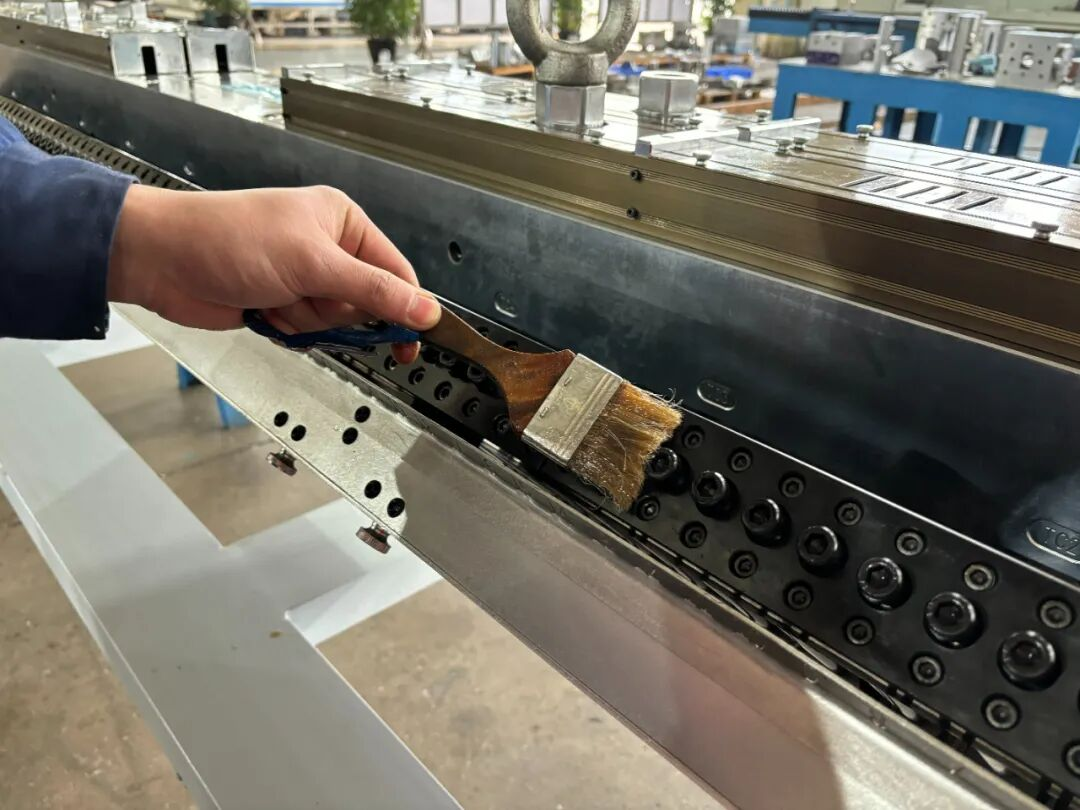
Mold maintenance is a process of regular inspection, maintenance and cleaning of the mold in order to ensure the normal service life and production efficiency of the mold.
Mold maintenance strategy mainly includes the following aspects:
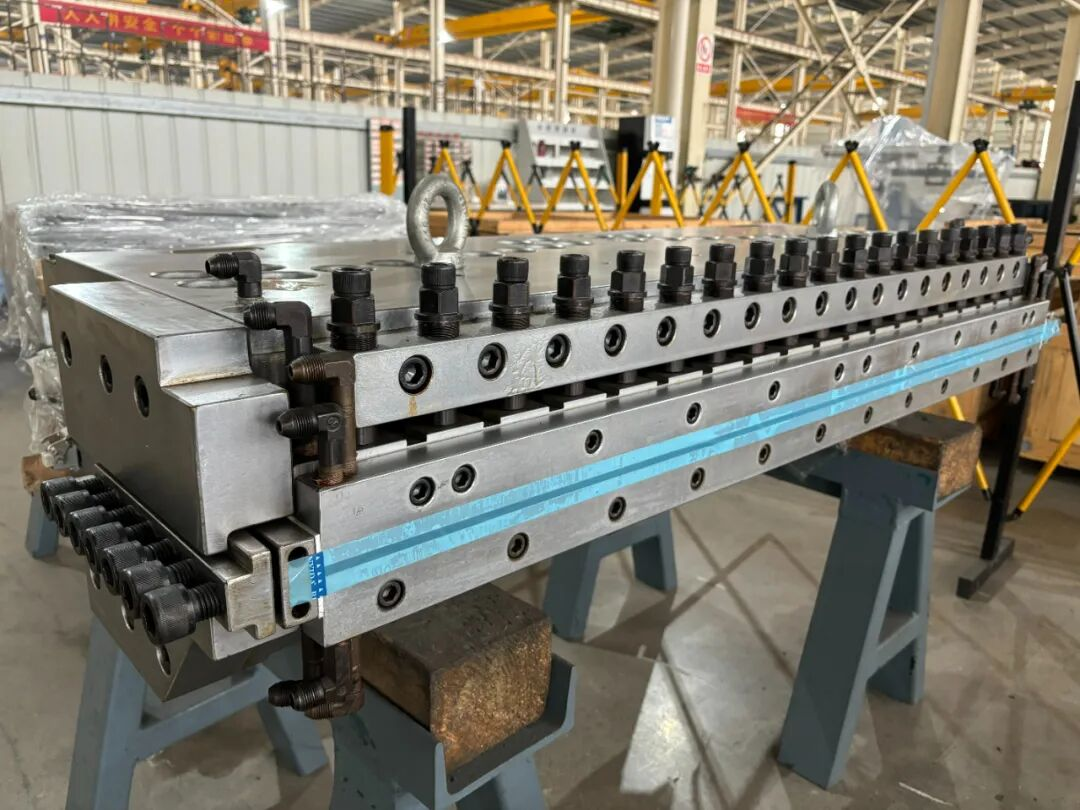
Cleaning: After each use, the residue in the mold should be thoroughly removed, including plastic residue, oil and other debris. This can prevent these impurities from causing damage to the mold and ensure the smooth progress of subsequent production.
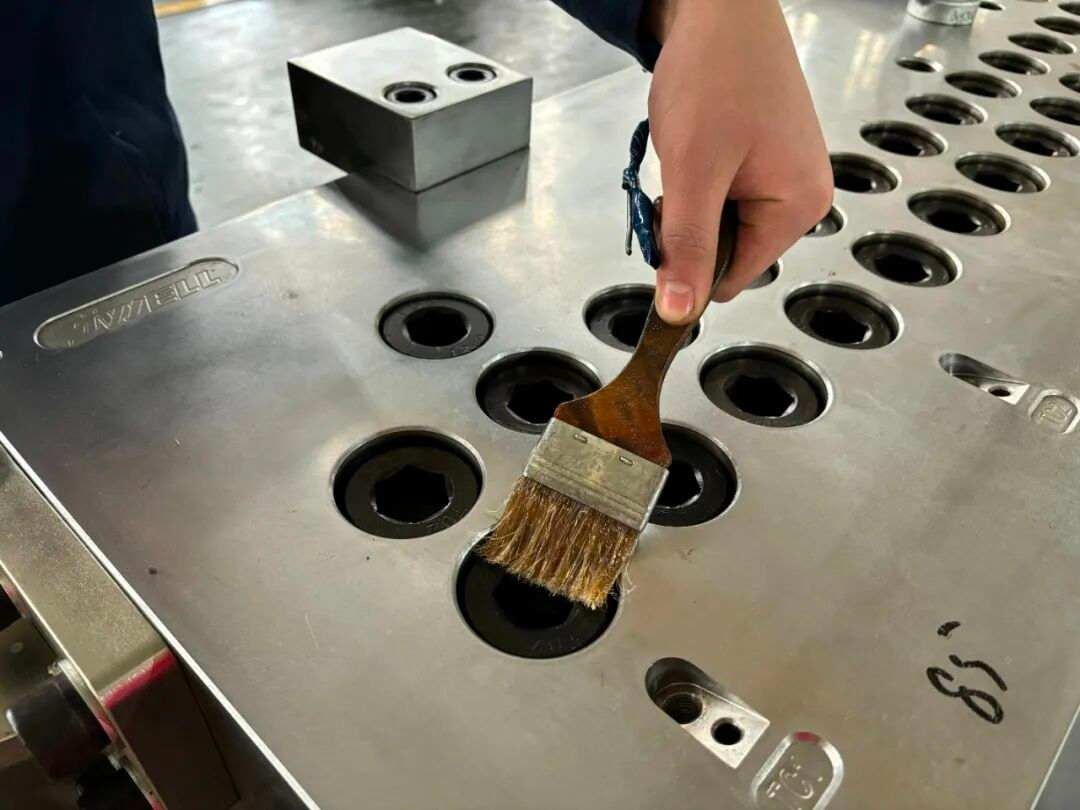
Lubrication: Lubricate the sliding parts of the mold regularly, especially in moving parts and areas prone to wear. The use of appropriate lubricants can reduce friction and extend the service life of the mold.
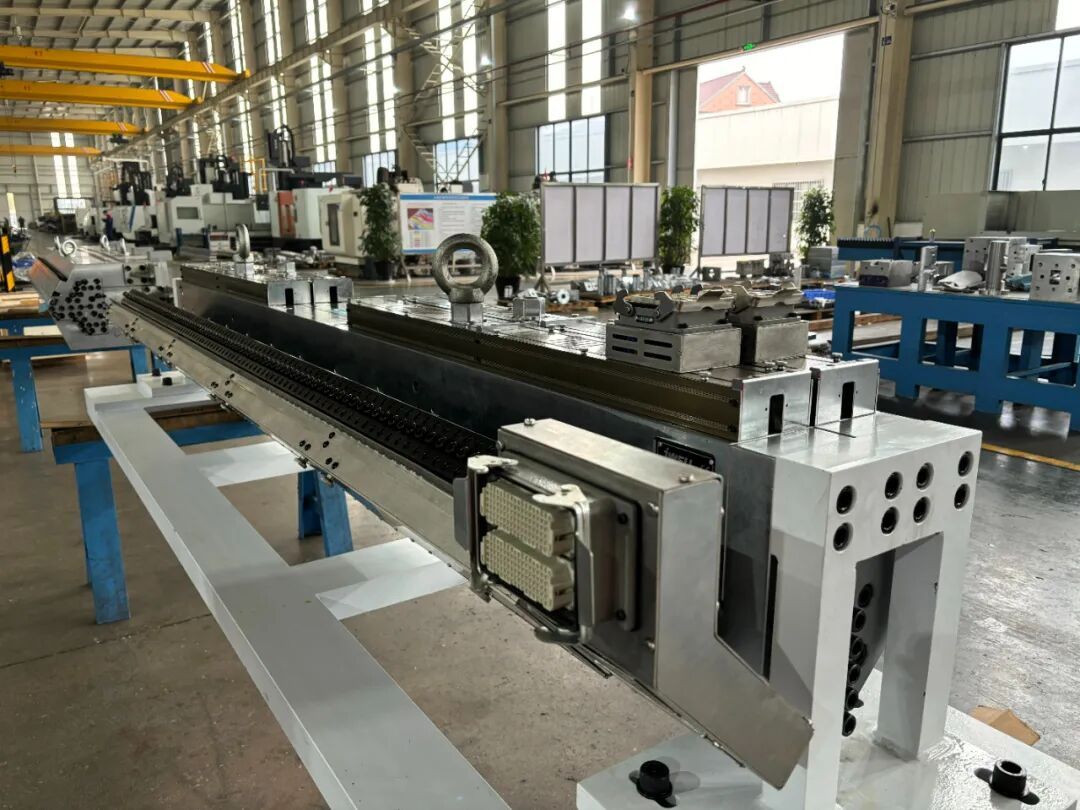
Check: Periodically check the integrity of the mold, including any minor cracks or damage. If any problems are found, they should be fixed immediately.
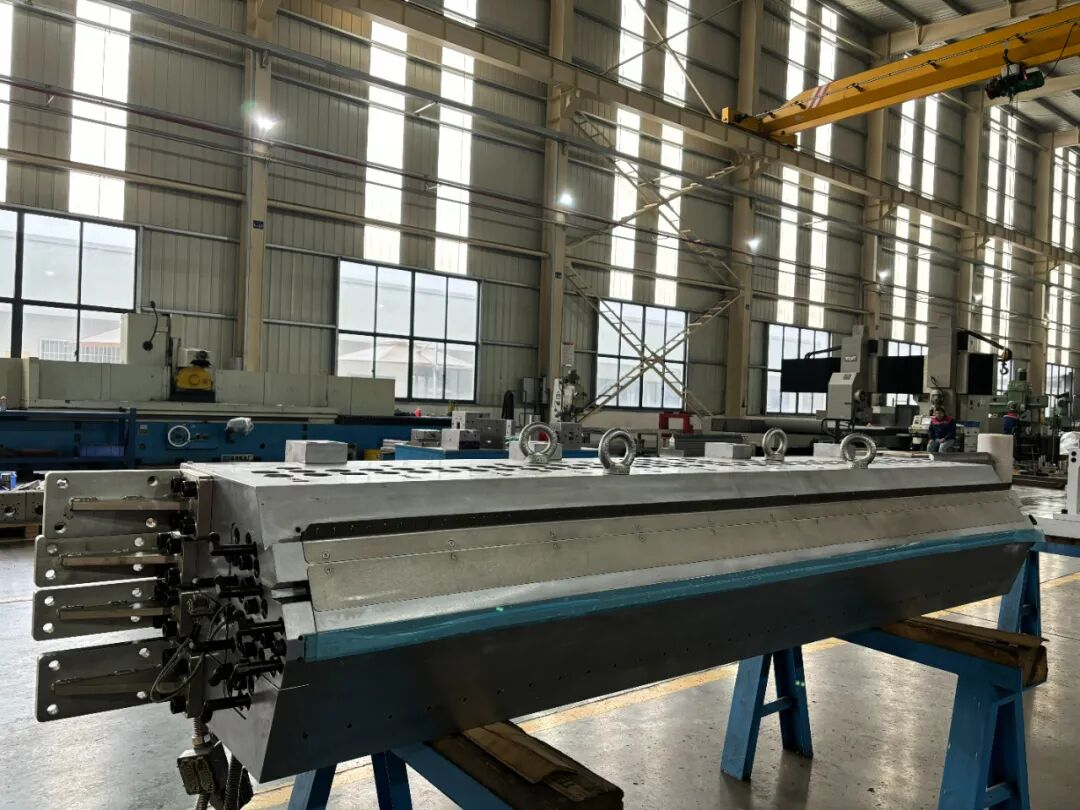
Storage: When not in use, the mold should be stored in a dry, dust-free environment. Avoid exposure to extreme temperature or humidity conditions, which can prevent mold rust or deformation.
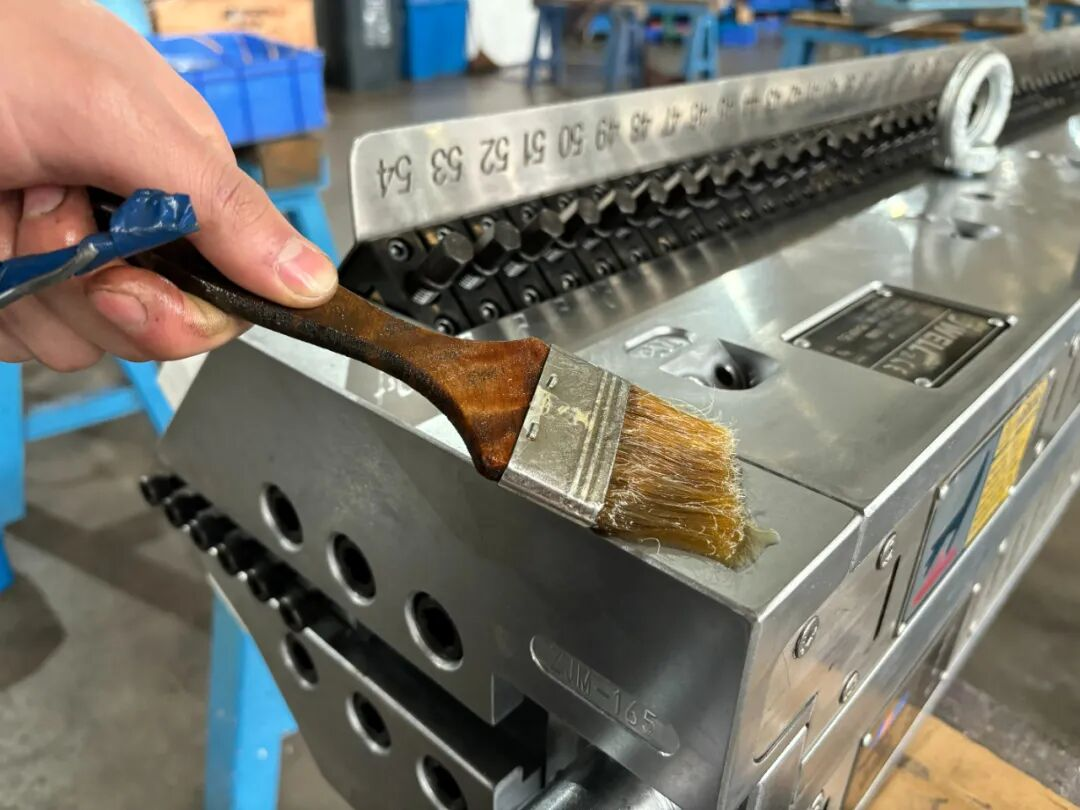
Rust prevention: If the mold is not used for a long time, it needs to be treated with rust prevention. Anti-rust agent or lubricating oil can be applied to the surface of the mold to prevent rust and corrosion.
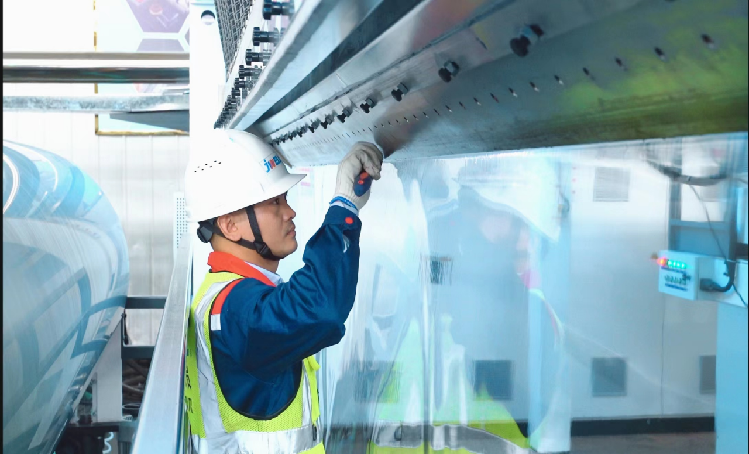
Tool selection: When disassembling and trimming the mold, the copper device should be used to avoid damaging the mold body.
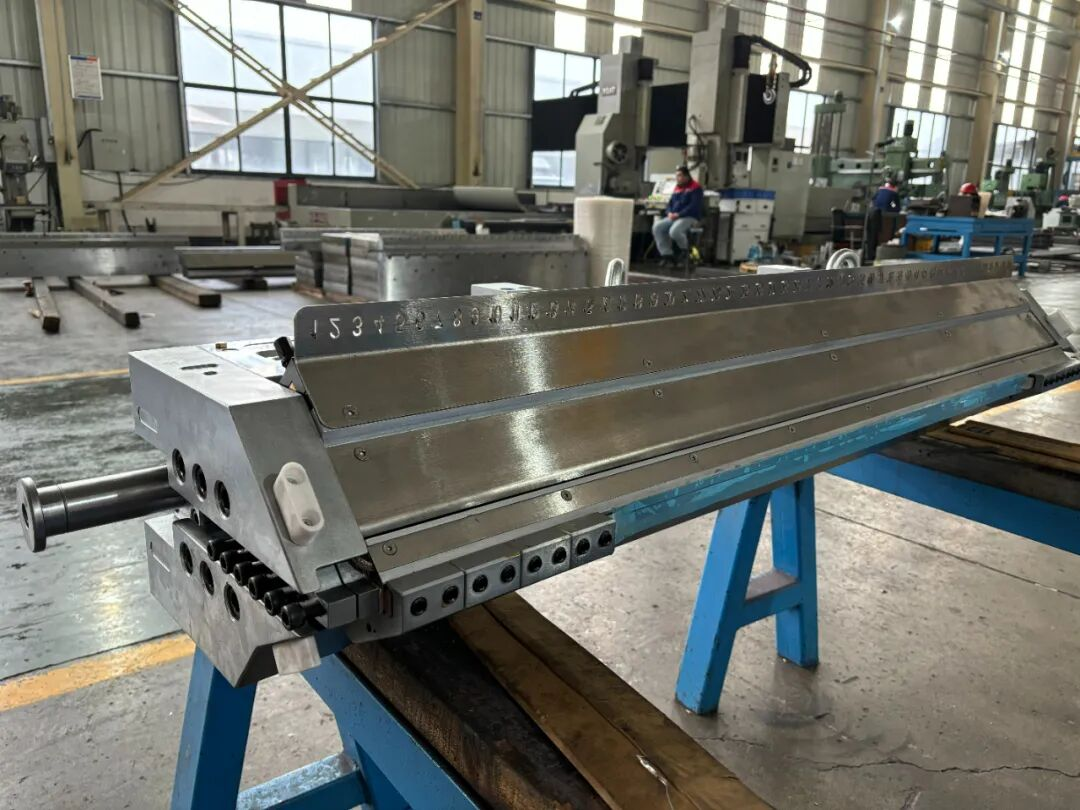
Maintenance records: It is recommended to record each service and maintenance work, including the type of lubricant used, inspection and repair work performed. This provides a detailed maintenance history when needed, helping to diagnose and resolve problems faster.
Precautions before and after use: Before and after the use of the mold, it is necessary to check whether all parts are loose and damaged, and if found, it should be handled in time. At the same time, it is necessary to keep the working environment of the mold clean and avoid the mixing of debris and foreign bodies.




Pipe Extrusion Production Line
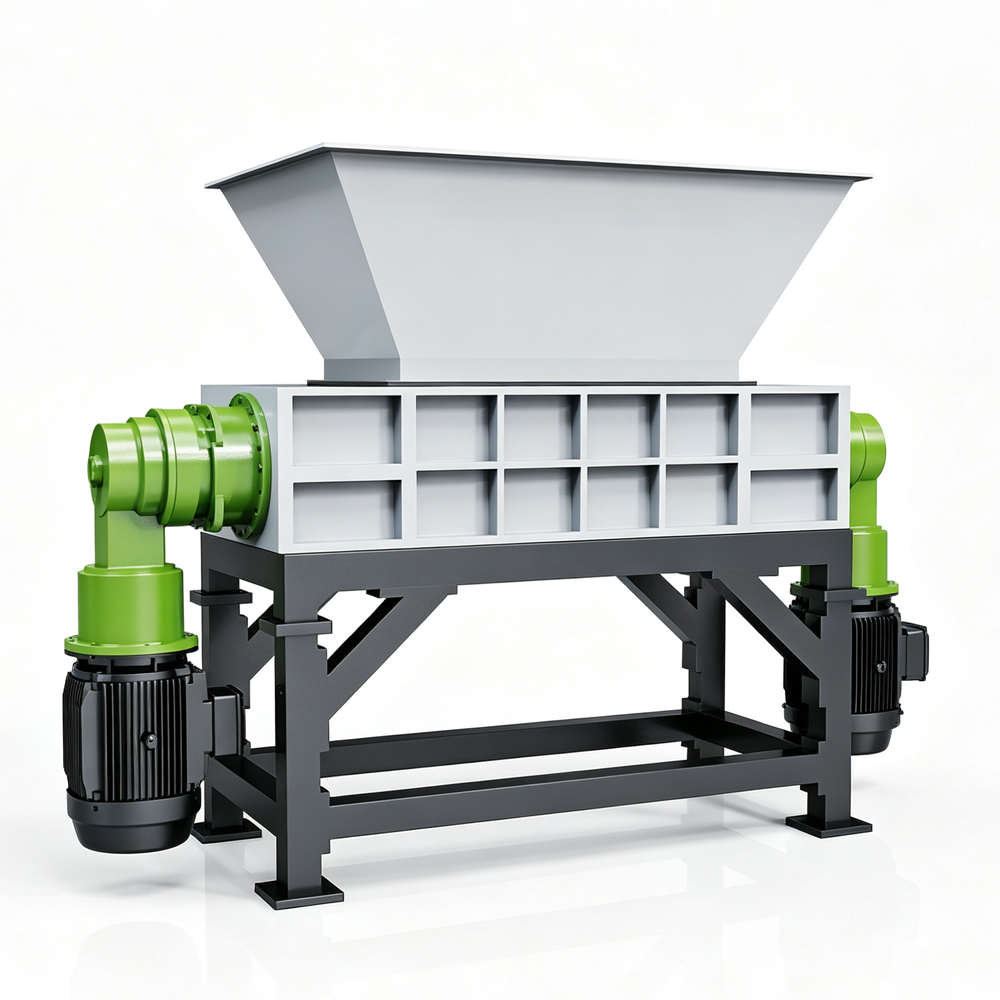
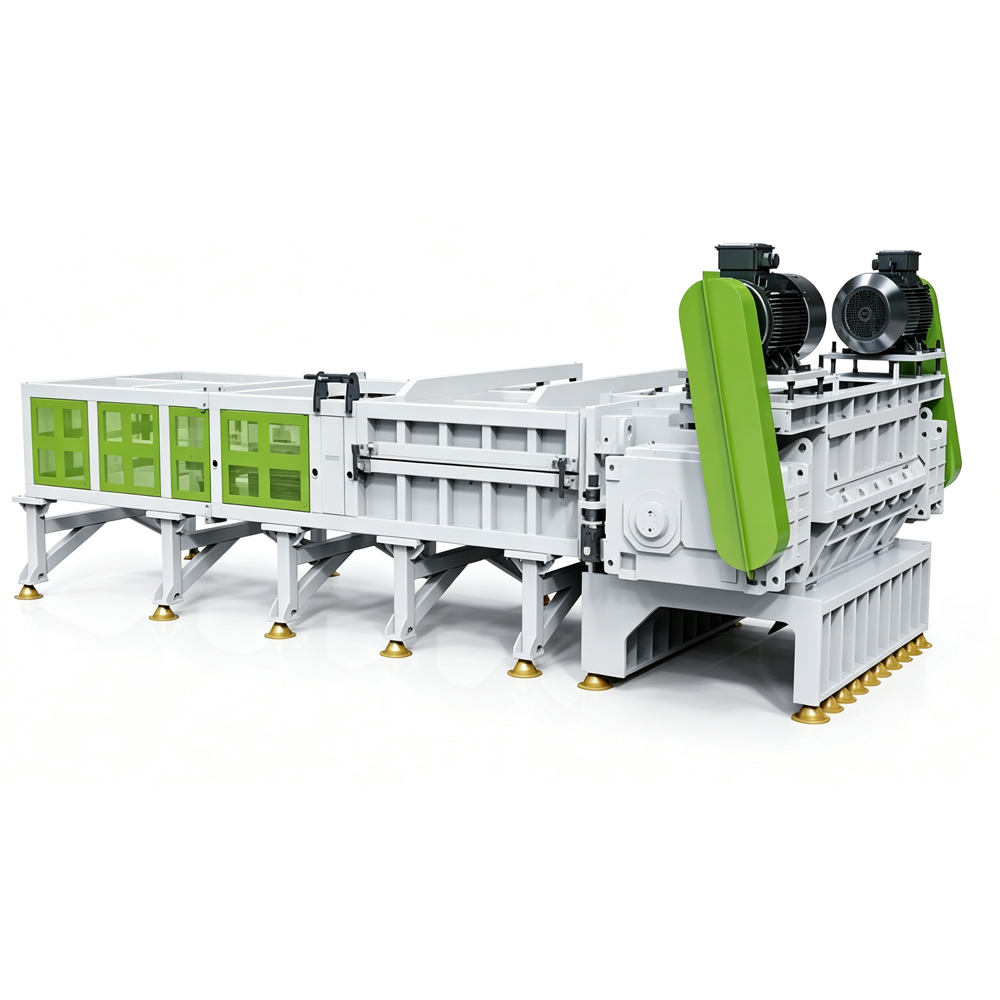
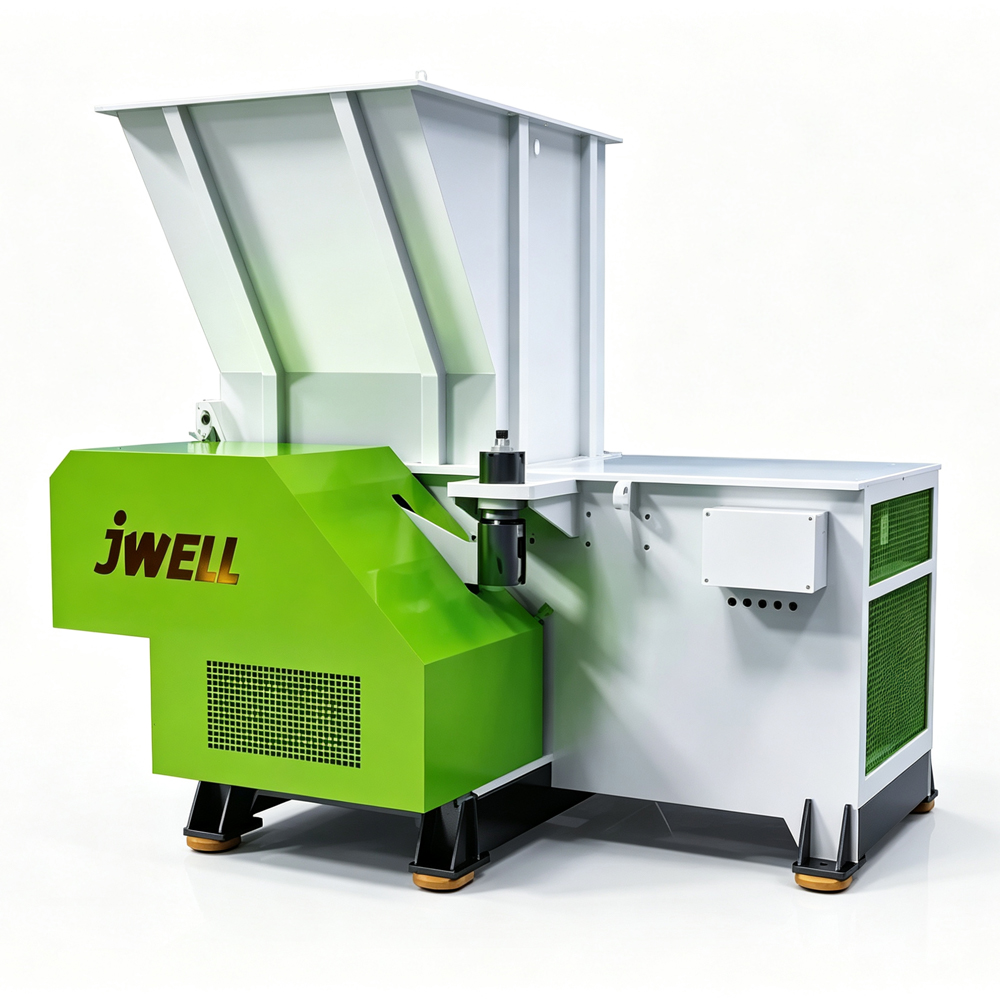
Plastic Shredder Crusher Machine

Tel: +86-19057068112

E-mail: [email protected]

Company Address
No. 128 Qingfeng Road, Xieqiao Town, Haining City, Jiaxing City, Zhejiang Province

19057068112

 English
 русский