
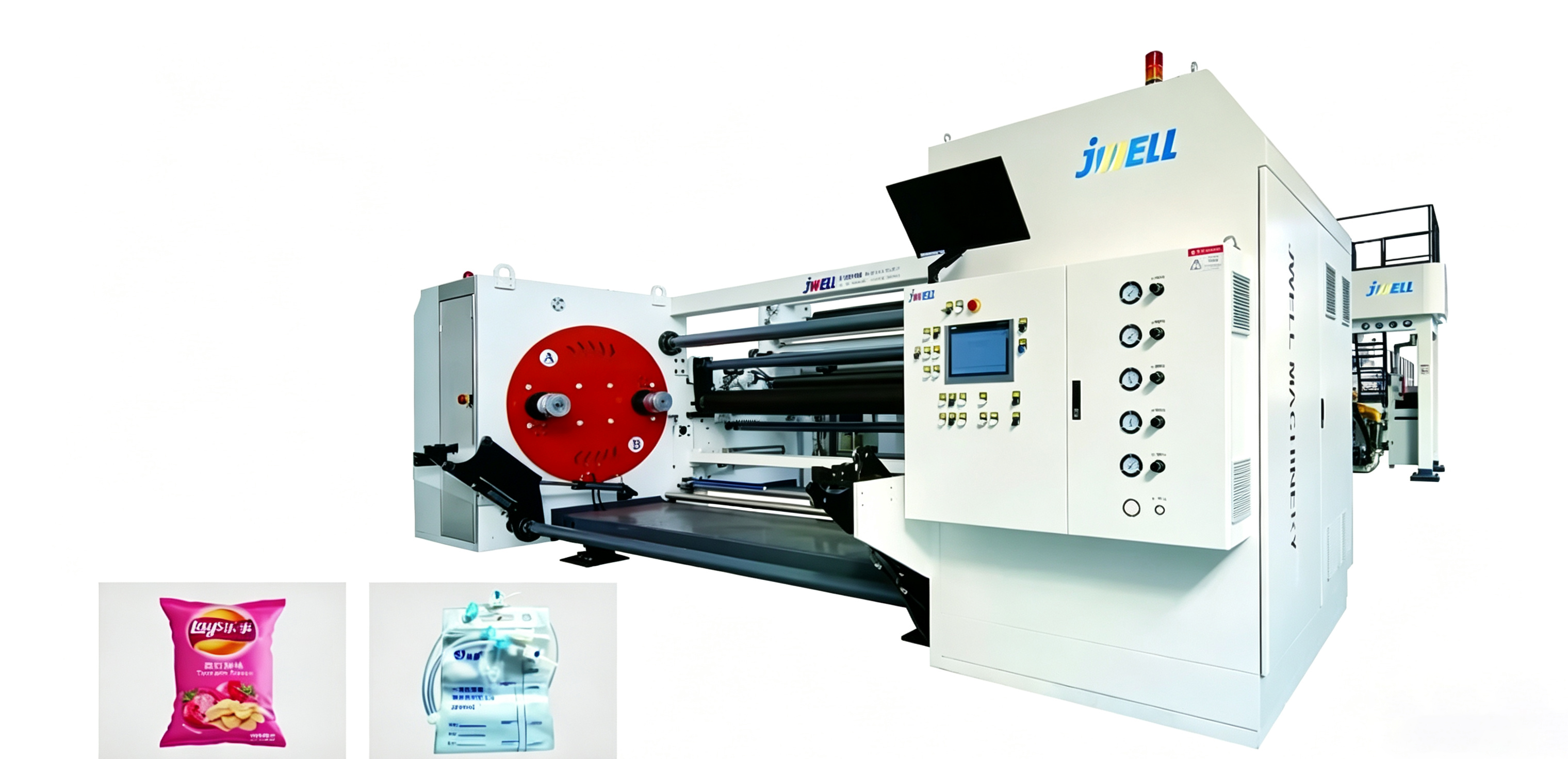
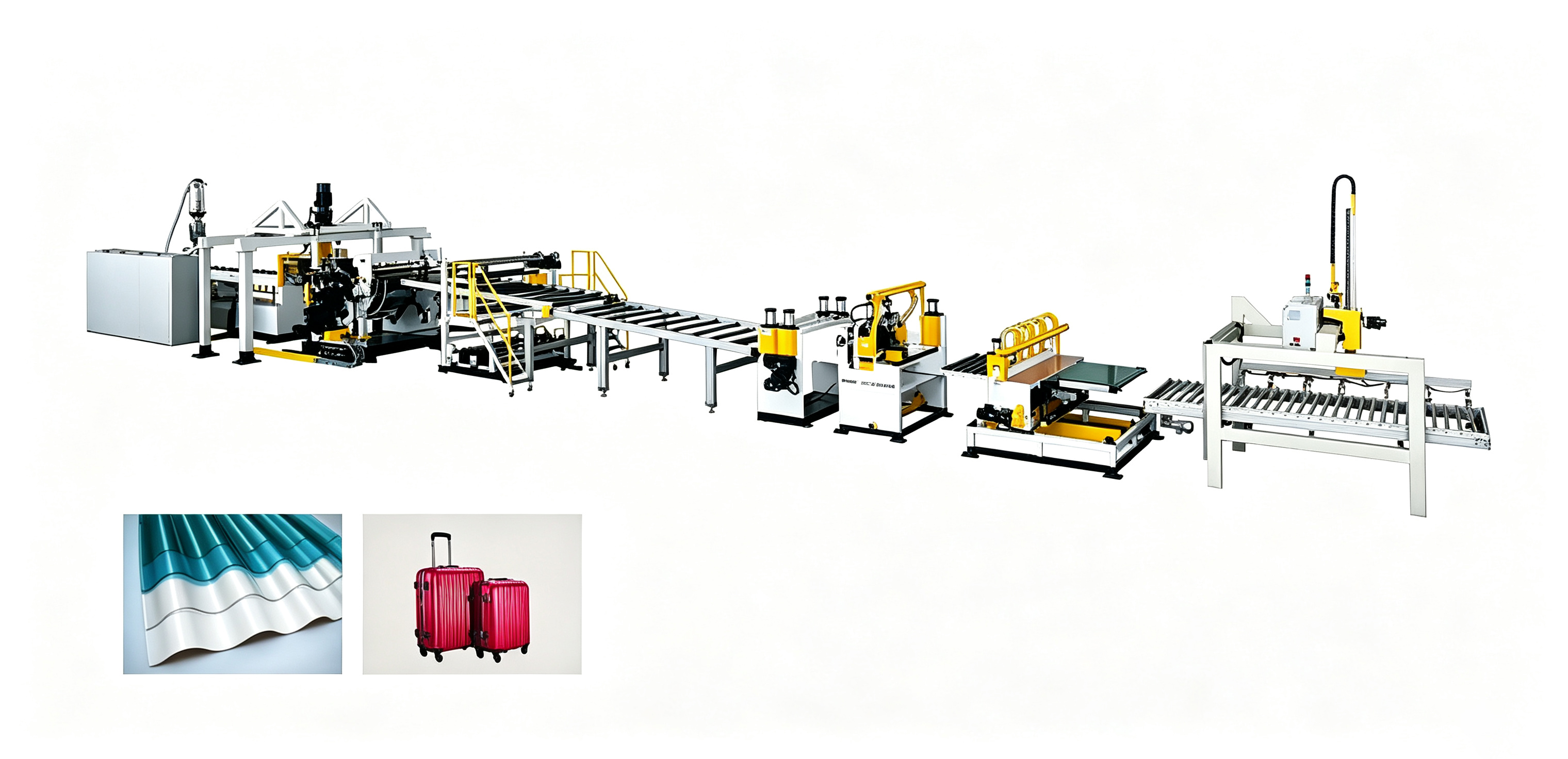
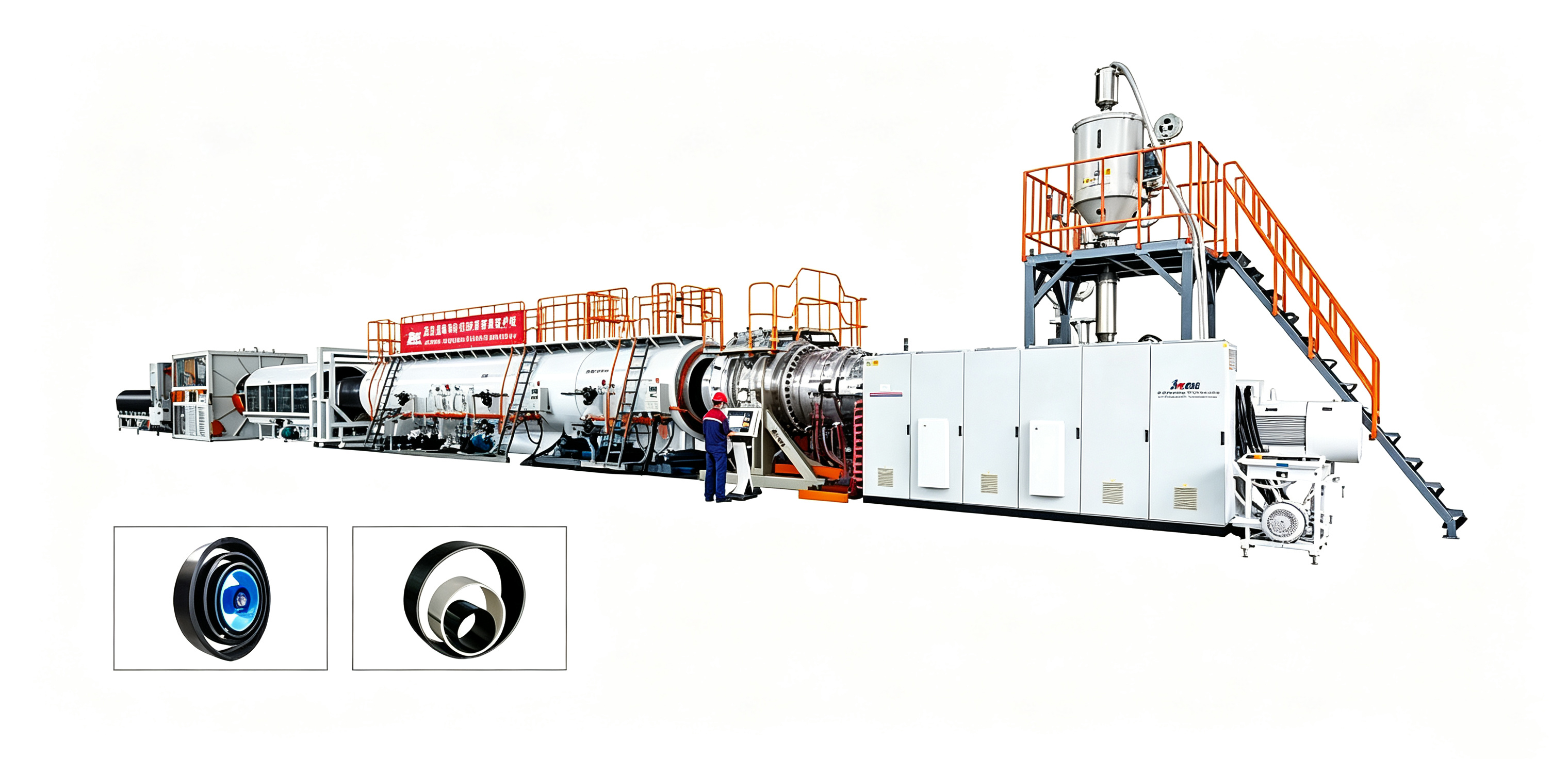
The arrival of the rainy season—bringing persistent precipitation, high humidity, and condensation—poses a severe challenge to the stable operation of extrusion equipment. If core electrical components—such as electrical cabinets, power distribution panels, variable frequency drives (VFDs), and motors—are exposed to rainwater backflow, moisture ingress, or dampness, the consequences range from reduced insulation and alarm-triggered shutdowns to short-circuiting, equipment burnout, and even fire or electric shock accidents. For continuously operating equipment—such as CPP/CPE cast film lines and large-diameter HDPE pipe extrusion lines—proactive waterproofing and moisture protection, combined with knowledge of the correct response procedures should water ingress occur, are crucial for ensuring production safety and minimizing losses caused by downtime.
1.Implement measures to prevent rainwater backflow, ensure proper drainage for cable trenches, and apply fire-resistant sealing. Also, consider whether the electrical cabinet needs to be temporarily elevated to improve waterproofing.
2.Raise the threshold at the entrance of the power distribution room. Minor seepage in cable trenches is generally not a major issue, as the outer sheathing of cables is waterproof. Ensure cable trenches are properly covered to prevent large-scale water ingress that could submerge the cables.
3.To prevent short circuits or explosions, immediately cut off the main power supply and station personnel to guard the area. Note: If there is already water around the distribution cabinet, do not touch it with your bare hands when cutting the power. Instead, use an insulating rod or a dry piece of wood, wear insulating gloves and protective eyewear, and stand on an insulating mat to prevent electric shock caused by a massive arc flash.
1.First, inspect the exterior of the electrical control cabinet. If there are obvious signs of moisture or water immersion, do not restore power immediately; a professional electrician must perform the following checks:
a.Use a voltage tester to check if the cabinet housing is live;
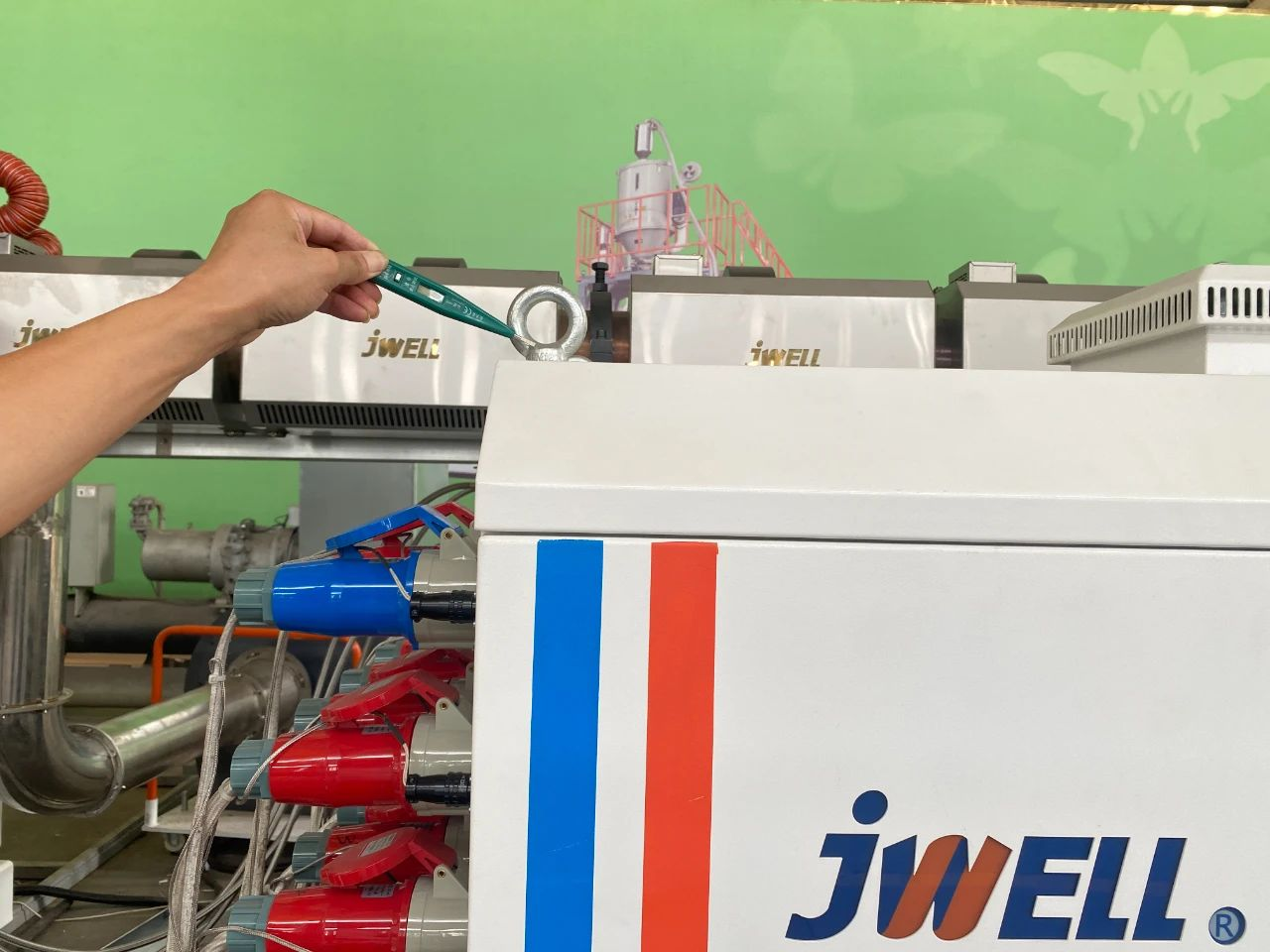
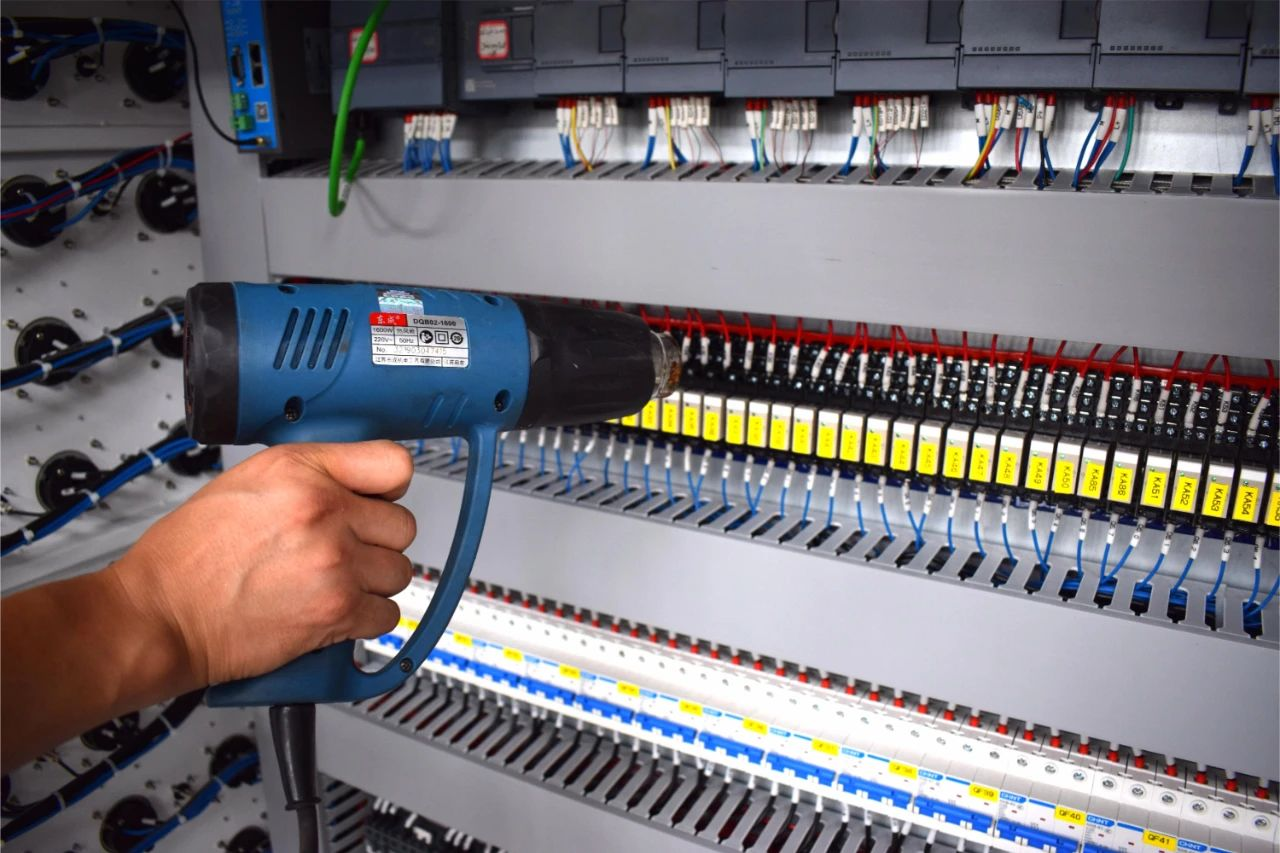
b.Inspect low-voltage components inside the electrical control cabinet—such as control circuits, control circuit breakers, intermediate relays, and terminal blocks—for signs of moisture. If moisture is present, promptly dry the components using drying equipment; replace any components showing significant rust.
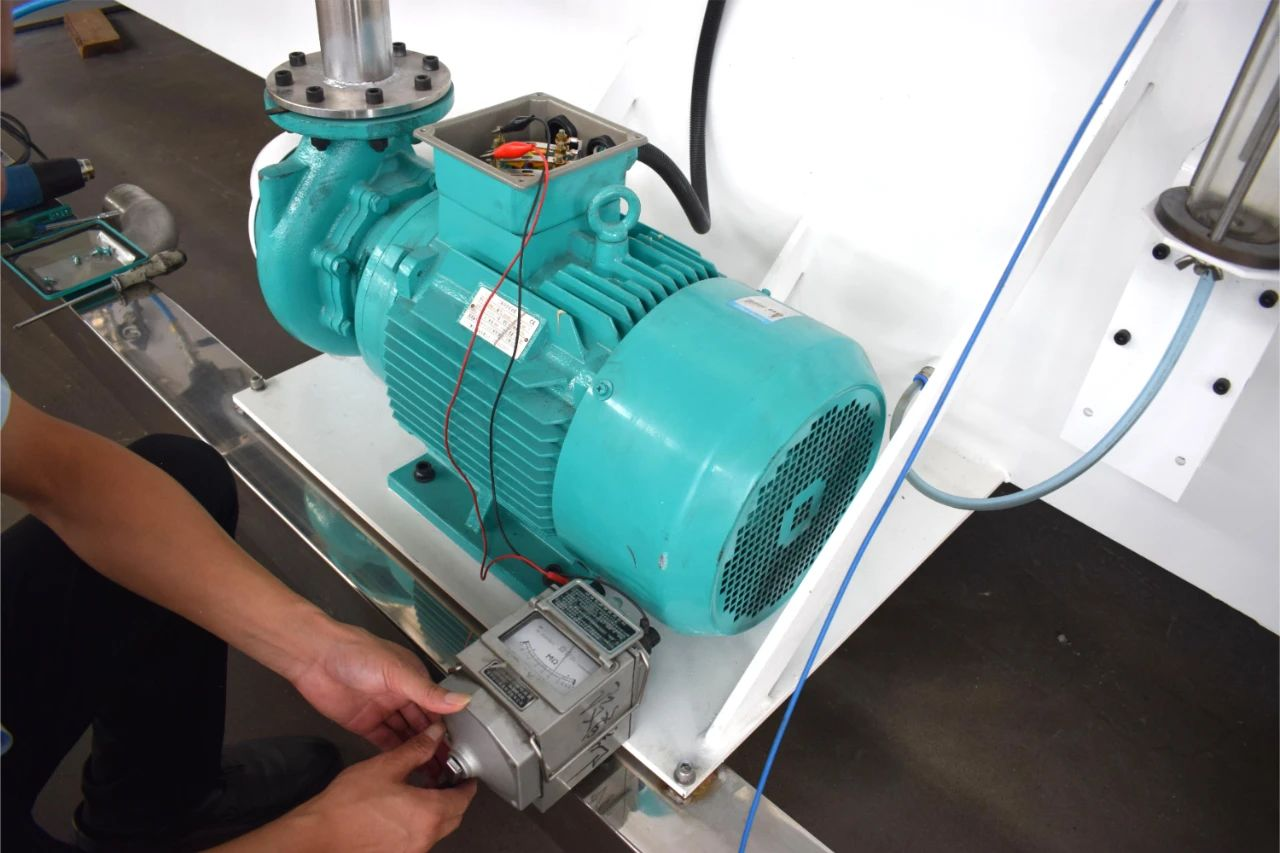
2.Before energizing the electrical cabinet, the insulation of the cables for each load must be tested to ensure compliance regarding phase-to-phase and phase-to-ground insulation. For stators with a rated voltage below 500V, a 500V insulation tester (megohmmeter) should be used, and the insulation resistance must be no less than 0.5 MΩ; additionally, every component within the cabinet must undergo drying and air-drying treatment.
First, let me state clearly: water ingress into a VFD is not necessarily a disaster. The real danger lies in powering up the unit after water has entered; that is almost certainly fatal for the device—and avoiding an explosion would be a stroke of luck.
Secondly, if water enters while the VFD is unpowered, the situation is entirely manageable. If water enters while the unit is running, damage is inevitable, but you must cut the power immediately to prevent internal circuitry from burning out and causing a fire; naturally, proper fire safety measures must be observed. Below, we will discuss the specific steps for handling water ingress when the VFD is unpowered:
If a customer is unable to disassemble the unit, they should simply wait a few days for it to air-dry naturally. Once completely dry, filtered compressed air should be blown through the gaps onto the VFD circuit board to remove any dirt or residue left by the rainwater; failure to do so could impede heat dissipation during operation, leading to alarm-triggered shutdowns.
In summary, as long as the VFD is not powered on while wet, it generally will not sustain damage. The same method can be applied to other electronic components containing circuit boards, such as PLCs, switching power supplies, and air conditioning systems.
1. Disconnect the motor and properly insulate the power leads. Remove the coupling, fan cowl, fan blades, and both end shields; extract the rotor. Pry open the bearing caps and clean the bearings using gasoline or kerosene (replace the bearings if severe wear is detected), then lubricate them. General lubrication guidelines: fill the bearing housing halfway for 2-pole motors and two-thirds full for 4-pole or 6-pole motors; do not overfill. Use high-speed calcium-sodium base grease.
2. Inspect the stator windings using a 500V megohmmeter to check the insulation resistance between phases and between phases and the ground. If the insulation resistance is below 0.5 MΩ, the stator windings must be dried. Clean off any oil or grease with gasoline. If the winding insulation has aged (indicated by a color change to brown), preheat the windings, apply insulating varnish, and then bake them dry. Motor drying methods include:
Dampness is a critical factor leading to motor failure; moisture from splashing rain or condensation can penetrate the motor. This is particularly relevant for motors that operate intermittently or have been idle for months; always check the coil insulation before putting the motor back into service to prevent burnout. If the motor has become damp, the following methods can be used:
1. Circulating hot air drying method: Construct a drying chamber using heat-insulating materials (e.g., firebricks) with an air outlet at the top and an air inlet on the side; maintain the hot air temperature inside the chamber at approximately 100°C.
2. Light bulb drying method: Place one or more high-wattage incandescent bulbs (e.g., 100W) inside the motor housing to dry it out. Note: Do not place the bulbs too close to the windings to avoid burning them. A canvas sheet or similar material can be draped over the motor housing to retain heat.
3. Desiccants:
(1) Quicklime (calcium oxide) desiccant: Its primary component is calcium oxide; it absorbs moisture through a chemical reaction, making the process irreversible. Regardless of ambient humidity, it maintains a moisture absorption capacity exceeding 35% of its own weight. It is particularly suitable for low-temperature storage, offers excellent drying performance, and is cost-effective.
(2) Silica gel desiccant: This consists of various types of silica gel packaged in moisture-permeable sachets. The primary material, silica gel, is a hydrated silicon dioxide with a highly microporous structure; it is non-toxic, odorless, chemically stable, and possesses strong moisture-absorbing capabilities. It is relatively more expensive.
4. Self-heating air-drying method: Suitable for personnel lacking specialized tools or motor maintenance experience, though it requires a longer duration. It is essential to test the motor's insulation performance before powering it up.
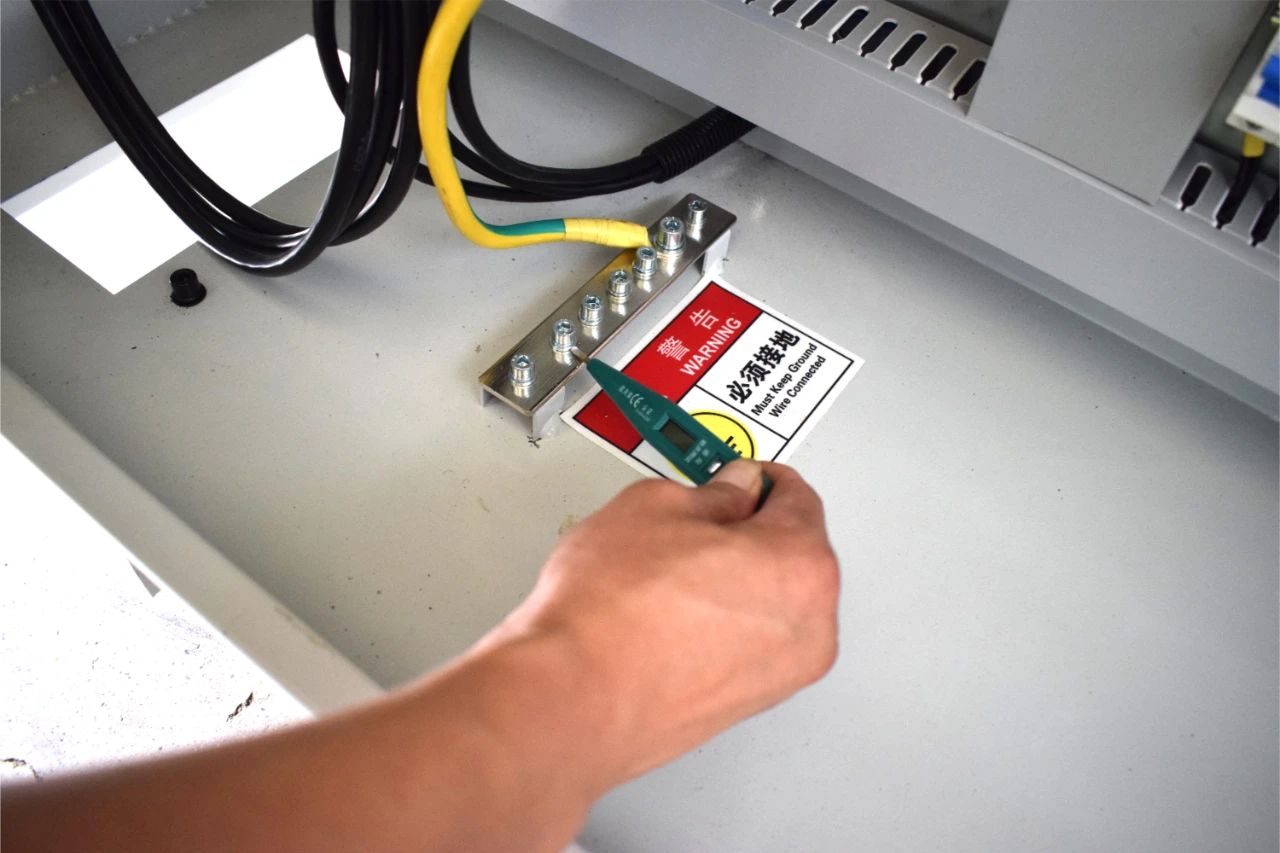
Additionally, to prevent the risk of electric shock caused by residual water inside the machine, we advise placing the equipment in a well-ventilated, dry area for about a week after it has been thoroughly dried before putting it back into service. Also, inspect the grounding wire to prevent short circuits caused by water exposure.



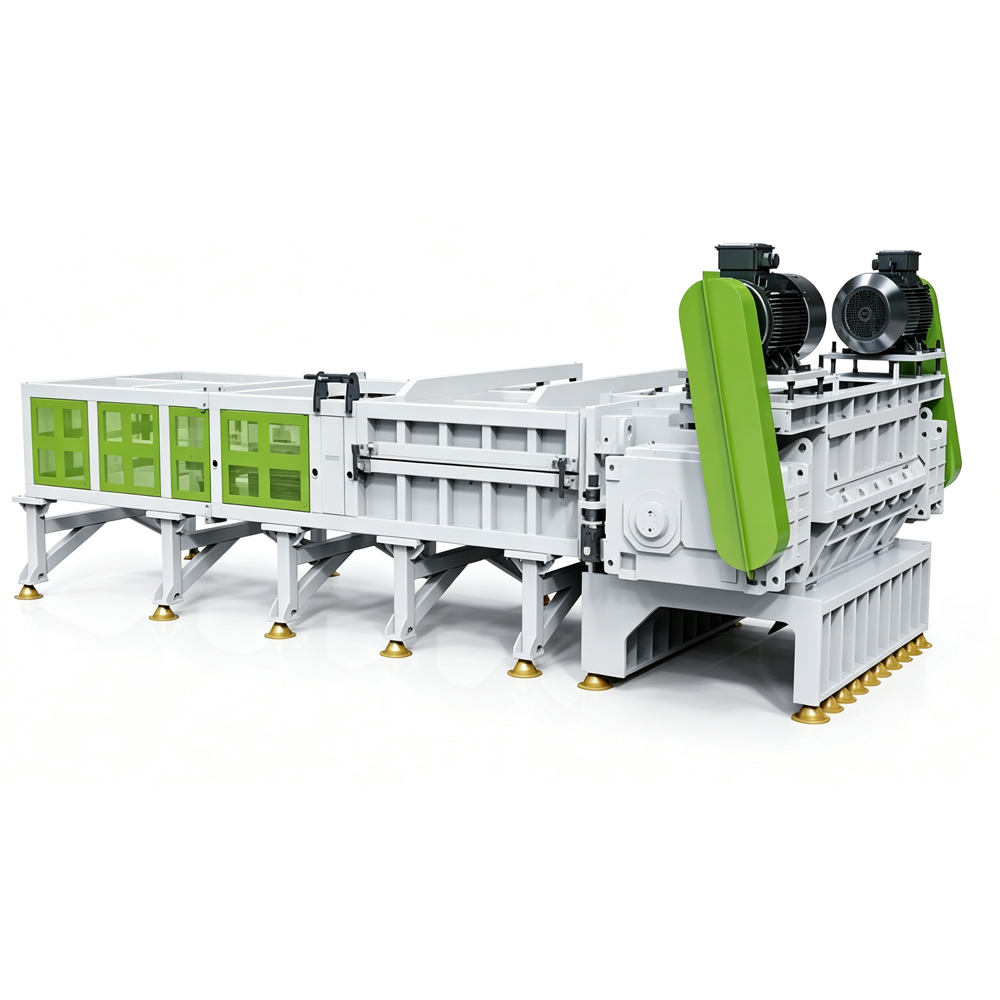


Pipe Extrusion Production Line
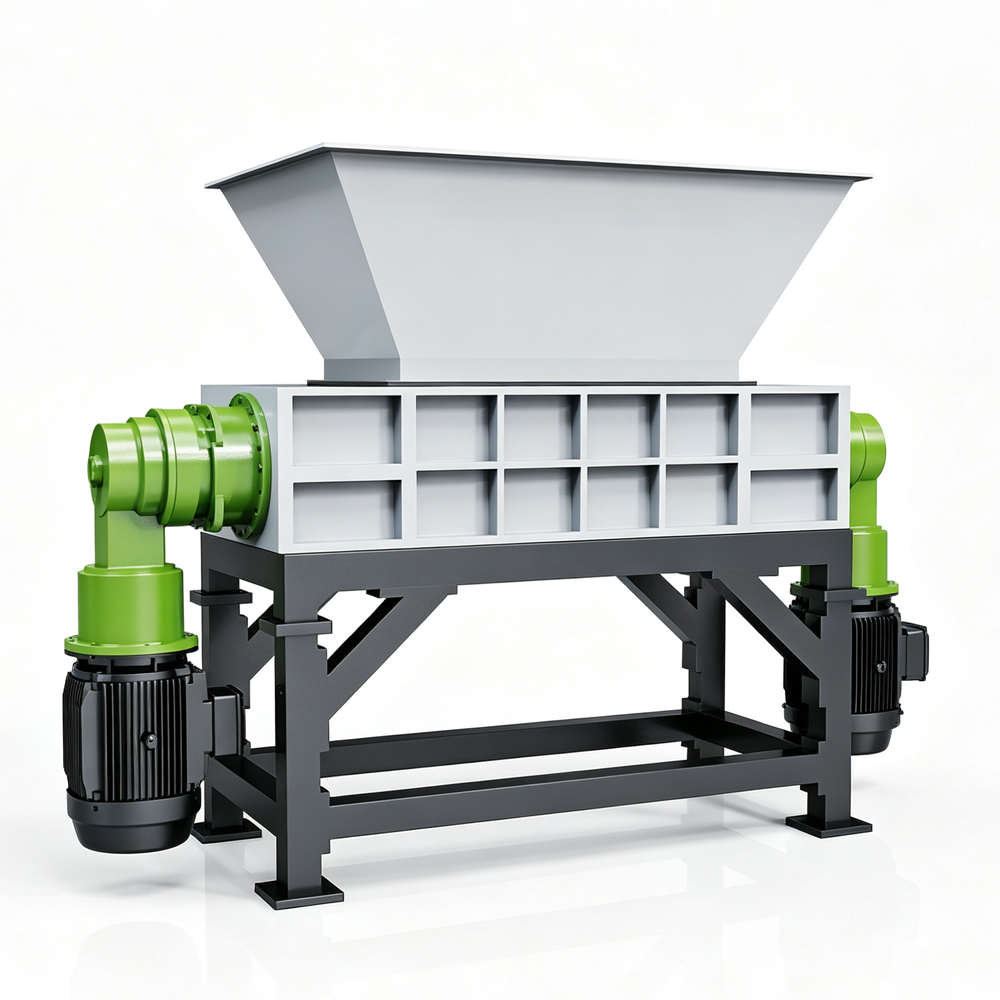
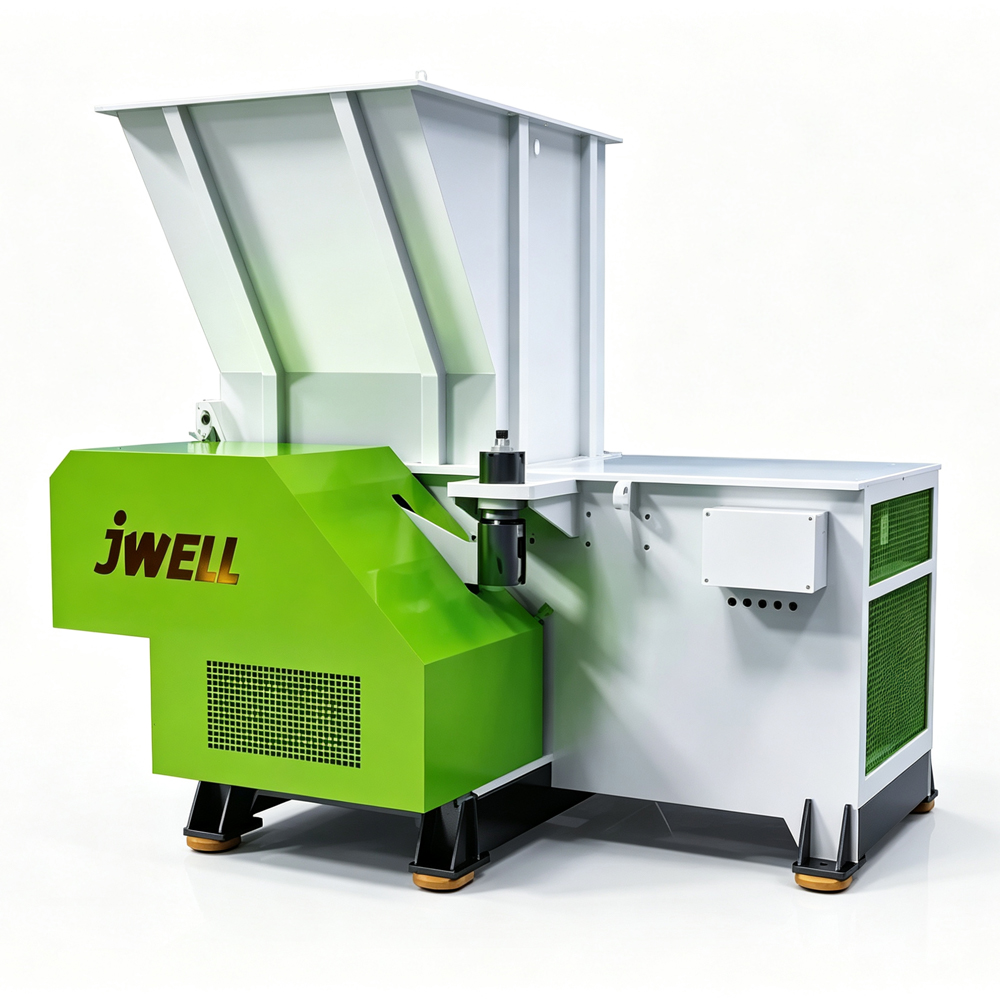
Plastic Shredder Crusher Machine

Tel: +86-19057068112

E-mail: [email protected]

Company Address
No. 128 Qingfeng Road, Xieqiao Town, Haining City, Jiaxing City, Zhejiang Province

19057068112

 English
 русский