
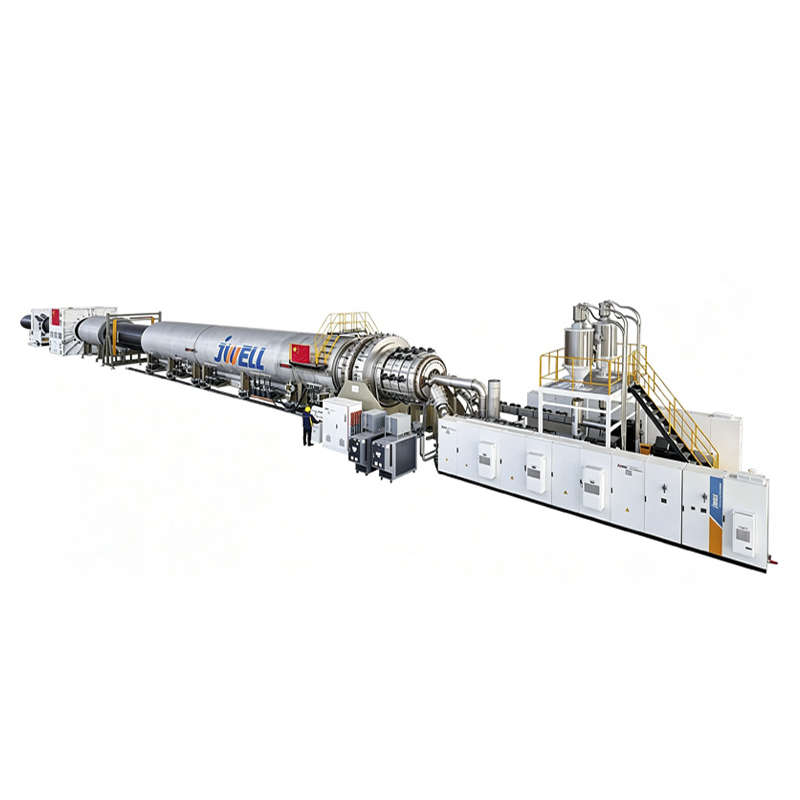
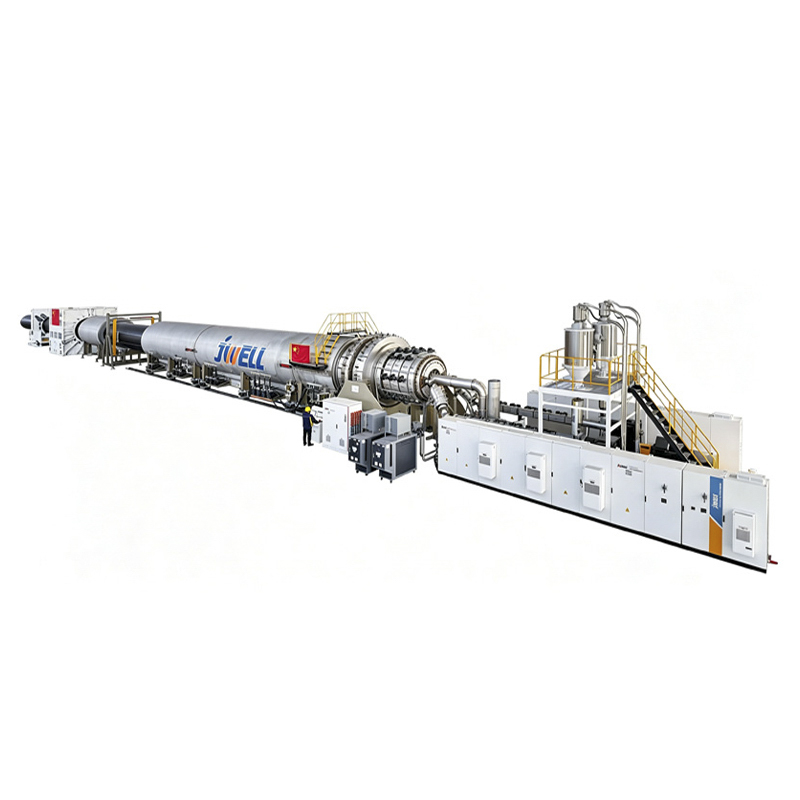
Jwell Large-Diameter HDPE Solid Wall Pipe Extrusion Line (Pipe Diameter 400-3000mm, Max Output 2800kg/h, Single/Twin Co-extrusion) – Engineered for large-scale water supply, sewage, mining, and hydraulic engineering projects.
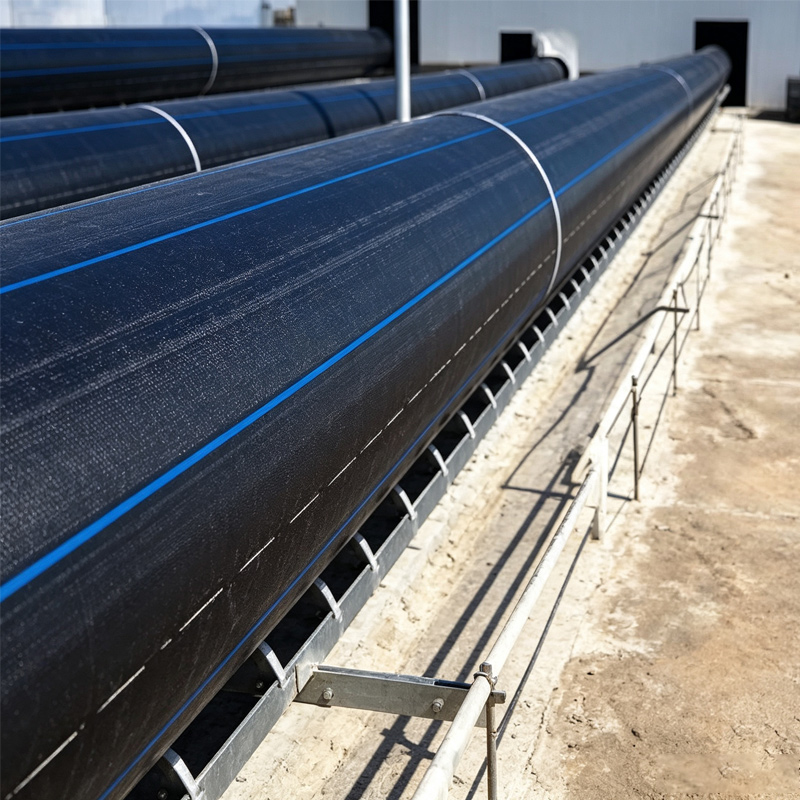
The JWG series produces HDPE solid wall pipes – the backbone of modern infrastructure projects. Their excellent ring stiffness, chemical resistance, and long service life make them ideal for:
Municipal water supply trunk mains – pressure rating up to PN16
Rainwater and sewage disposal – suitable for gravity flow and low-pressure systems
Industrial wastewater conveyance – wear-resistant and corrosion-resistant
Slurry transport pipelines – high abrasion resistance
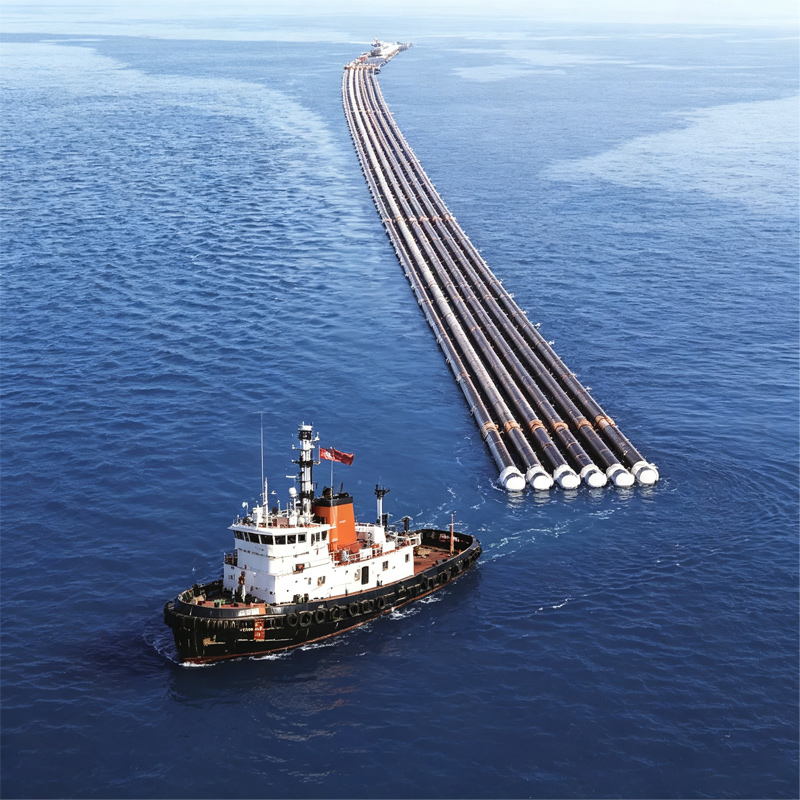
Submarine outfall and intake pipes – excellent flexibility and joint integrity
· Case 1: City water diversion project (JWG-1600)
A municipal government in Southeast Asia needed to lay a 12 km long, 1200mm diameter raw water trunk main across complex terrain. The contractor adopted the JWG-1600 line (twin JWS 90/42 extruders, 2×315 kW), achieving 2100 kg/h pipe output – 30% faster than conventional single extruder lines. The twin extruder design ensured uniform wall thickness even at 1600mm diameter, saving the customer over USD 200,000 in material waste.
· Case 2: Mine tailings pipeline (JWG-3000)
A copper mine in South America required a 2800mm diameter HDPE pipe for highly abrasive tailings transport. The JWG-3000 line (twin JWS 120/38 extruders, 2×400 kW) consistently produced 2700 kg/h, manufacturing 6-meter pipes with wall thickness deviation < 2.5%. After two years of operation, no signs of wear were seen inside the pipe – outperforming lined steel pipes.
|
Advantage |
How the JWG series achieves it |
|
Wide diameter coverage |
From 400 mm (JWG-800) to 3000 mm (JWG-3000) – one platform covers small/medium and large projects |
|
High output, low energy consumption |
JWG-1200 produces 1500-1600 kg/h with only 400 kW – specific energy as low as 0.25 kWh/kg |
|
Twin extruder option |
JWG-1600 and JWG-3000 models use two extruders (co-extrusion or parallel melt channels) ensuring melt uniformity, reducing pressure fluctuations, achieving 2200-2800 kg/h output |
|
Superior plasticizing capacity |
JWS extruders feature L/D ratios of 38:1 or 42:1 – better mixing, less gel formation, superior pipe surface quality |
|
Low maintenance design |
Hardened bimetallic barrels and screws suitable for high-output HDPE and recycled material blends |
Real-world advantage example
A Middle Eastern pipe manufacturer upgraded from an old 800mm line to the JWG-1000 (JWS 120/38, 355 kW). Output increased from 900 kg/h to 1300 kg/h while reducing electricity consumption per ton by 18%. One machine now produces pipes from 450-1000mm, eliminating the need for an extra line and saving plant space and labor costs.
We implement a multi-stage quality control process from incoming raw material to finished pipe cutting. Below is the standard procedure for the JWG series.
3.1 Online monitoring (real-time)
|
Parameter |
Measurement method |
Tolerance |
|
Melt temperature and pressure |
Sensors at adapter and die head |
±2°C / ±1.5 bar |
|
Wall thickness |
Ultrasonic scanning (8 points around circumference) |
±3% of nominal wall thickness |
|
Outer diameter |
Laser micrometer |
±0.5 mm |
|
Eccentricity |
Online ultrasonic array |
≤5% |
3.2 Offline testing (per batch)
·Melt Flow Index (MFI) – tested every 4 hours to verify HDPE consistency (typical range for pipe grade 0.2-0.4 g/10min)
·Hydrostatic pressure test – pipe ends sealed, pressurised to 1.5× working pressure for 1 hour (ISO 4427 / ASTM F714)
·Oxidation Induction Time (OIT) – ≥20 minutes at 200°C (ensures long-term thermal stability)
·Ring stiffness (SN) – measured according to ISO 9969, typical values SN4 to SN16 depending on application
3.3 Example: JWG-1200 production audit
A third-party laboratory sampled pipes produced on a JWG-1200 line (630-1200 mm, 400 kW). Among 500 pipe samples, wall thickness deviation was only 2.1% – far below the industry limit of 4%. OIT averaged 28 minutes, indicating a service life exceeding 50 years at 20°C.
| Model | Pipe Spec(mm) | Extruder | Main Power(kw) | Output(kg/h) |
| JWG-800 | 400-800 | JWS90/42 | 315 | 1100-1200 |
| JWG-1000 | 450-1000 | JWS120/38 | 355 | 1200-1400 |
| JWG-1200 | 630-1200 | JWS120/38 | 400 | 1500-1600 |
| JWG-1600 | 800-1600 | JWS 90/42+JWS90/42 | 315*2 | 2000-2200 |
| JWG-3000 | 2000-3000 | jWS120/38+JWS120/38 | 400*2 | 2600-2800 |
Q1: What is the minimum wall thickness achievable on the JWG-3000?
A1: For 3000 mm pipe, the minimum wall thickness is 45 mm (SDR 33). Our twin extruder configuration maintains uniform melt distribution even at thin walls, preventing sagging. Thinner walls (e.g. SDR 41) require a special die head – available as an option.
Q2: Can these lines use recycled HDPE or blends?
A2: Yes. The JWS extruders, with their 38:1 or 42:1 L/D ratio and barrier-type screws, can process up to 30% post-industrial recycled material (clean, dry). For higher proportions, we recommend adding a screen changer and gravimetric feeding system. One Indian customer uses 40% recycled material on his JWG-1000 to produce 800 mm drainage pipes without output loss.
Q3: How long does it take to switch from an 800 mm die to a 1200 mm die on the JWG-1200?
A3: The die head is modular. Using the hydraulic clamping system, die change takes 2-3 hours. Adjustments to the sizing sleeve, vacuum tank seals, and haul-off belts are also required. We provide a quick-change cart for die storage.
Q4: What is the typical specific energy consumption (kWh/ton) for the JWG-1600?
A4: At full output (average 2100 kg/h), total installed power is 630 kW (315×2), giving 300 kWh/ton. In actual operation, through optimised screw speed and barrel heating, 260-280 kWh/ton can be achieved – about 15% lower than comparable single-screw lines.
Q5: How do you prevent ovality deformation in large-diameter pipes (e.g., 2000 mm)?
A5: The JWG line is equipped with an 8-roller external sizing tank (with vacuum control) and an optional air-cooled internal mandrel for diameters >1600 mm. On the JWG-3000, ovality is controlled within 1.5% – verified by laser scanning.
Q6: Do you provide remote troubleshooting services?
A6: Yes. All JWG models are equipped with PLC + HMI (Siemens or Beckhoff). We provide remote access modules for real-time diagnostics, parameter adjustments, and alarm analysis. 80% of technical issues can be resolved within 2 hours without an on-site visit.
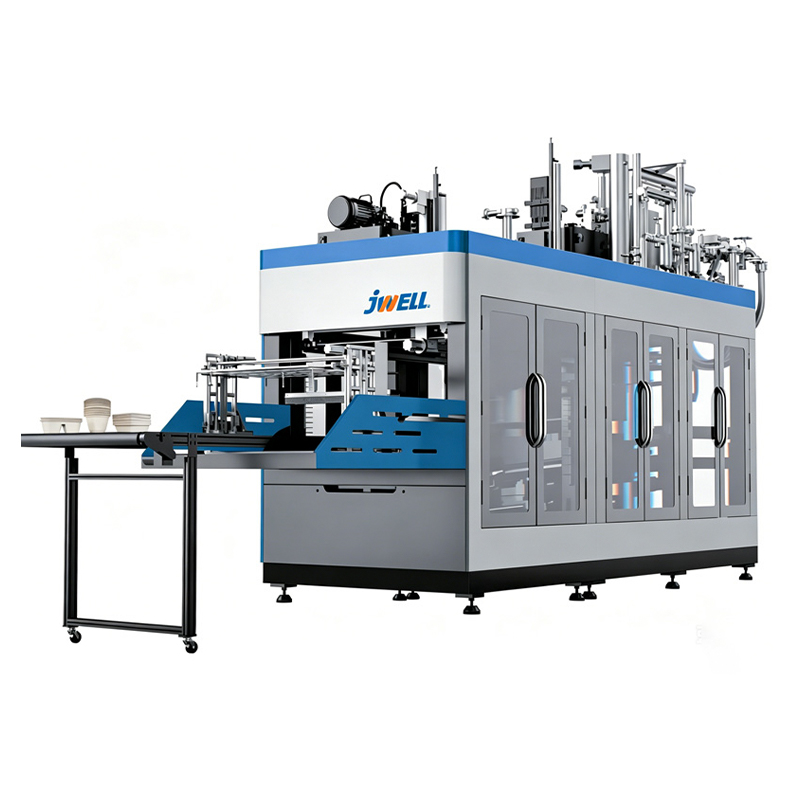


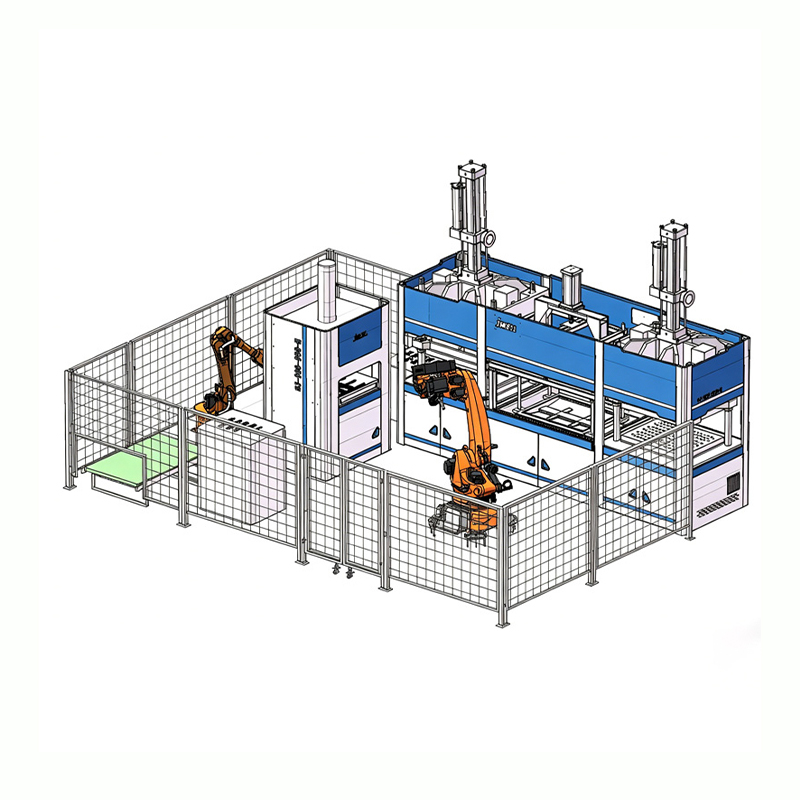
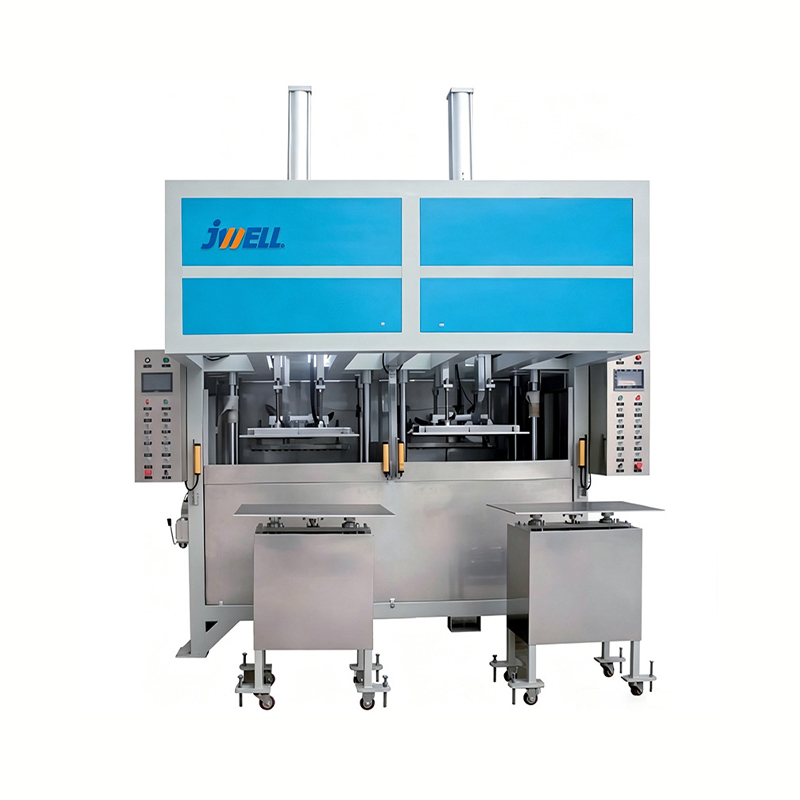
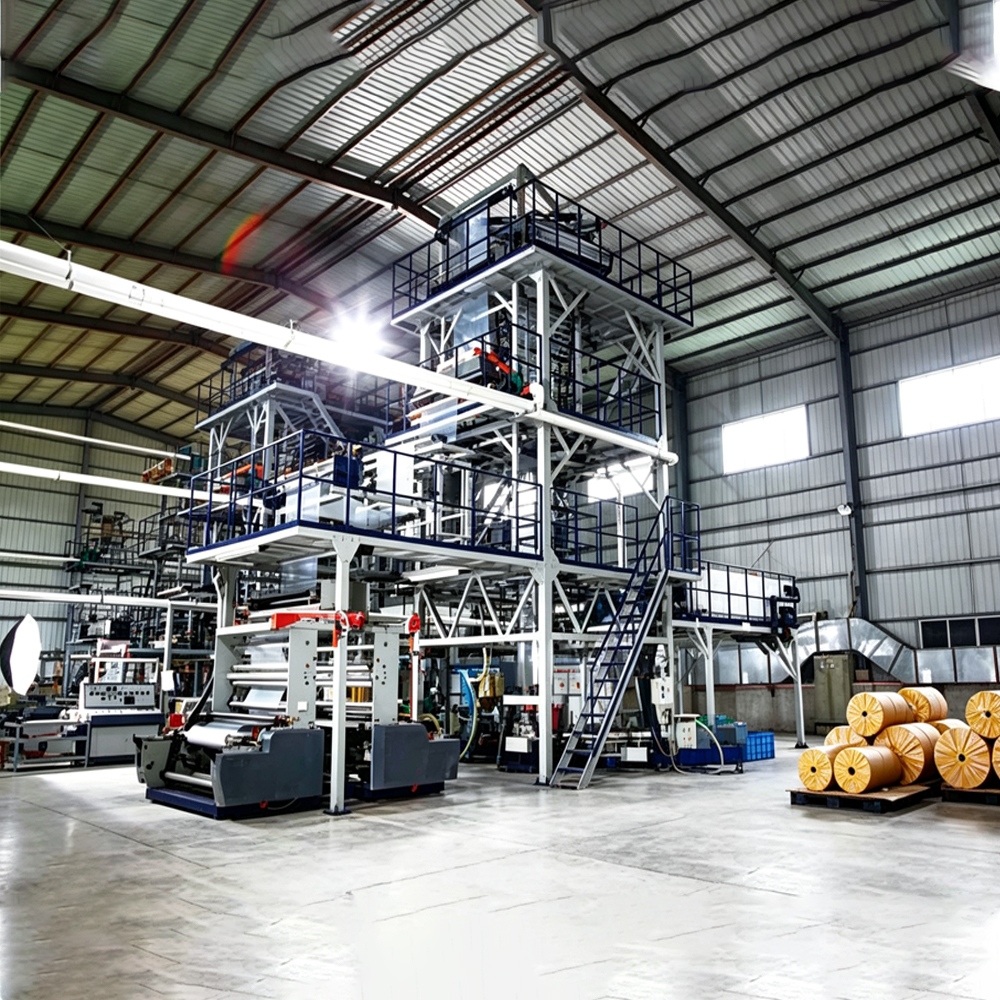
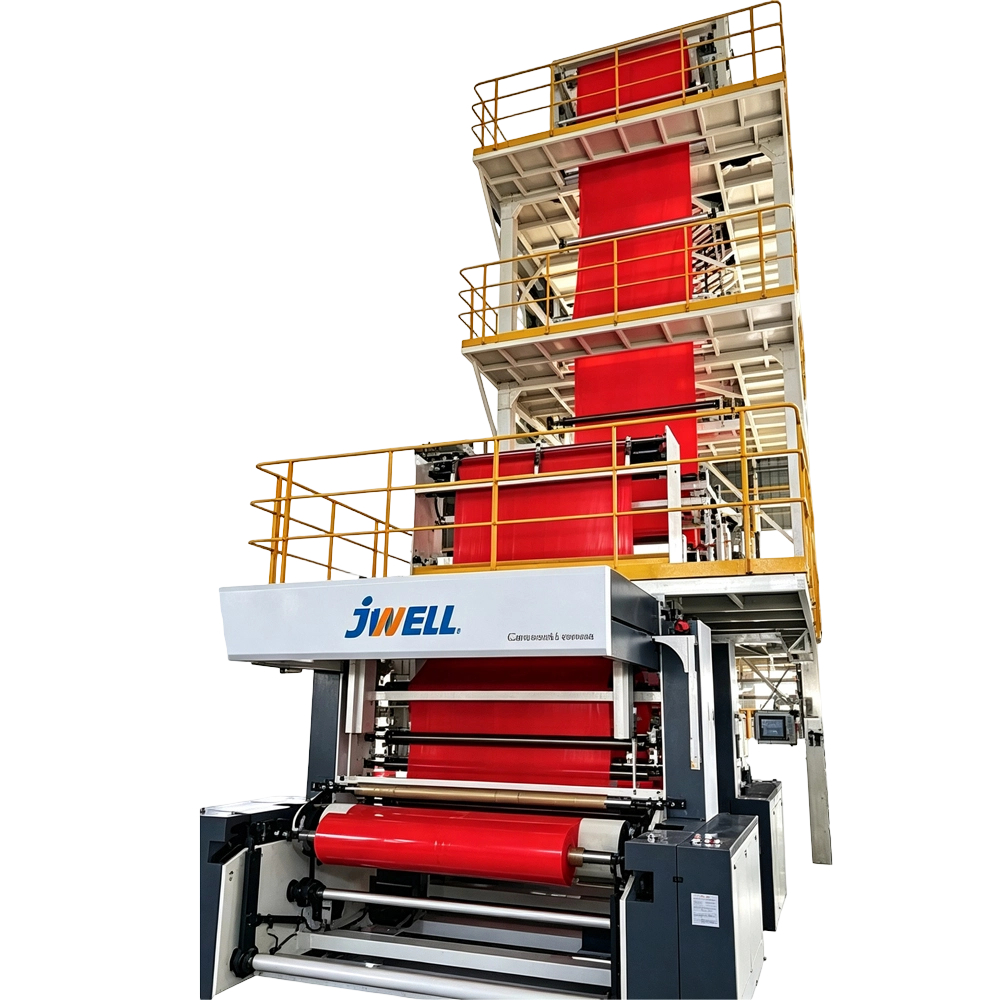
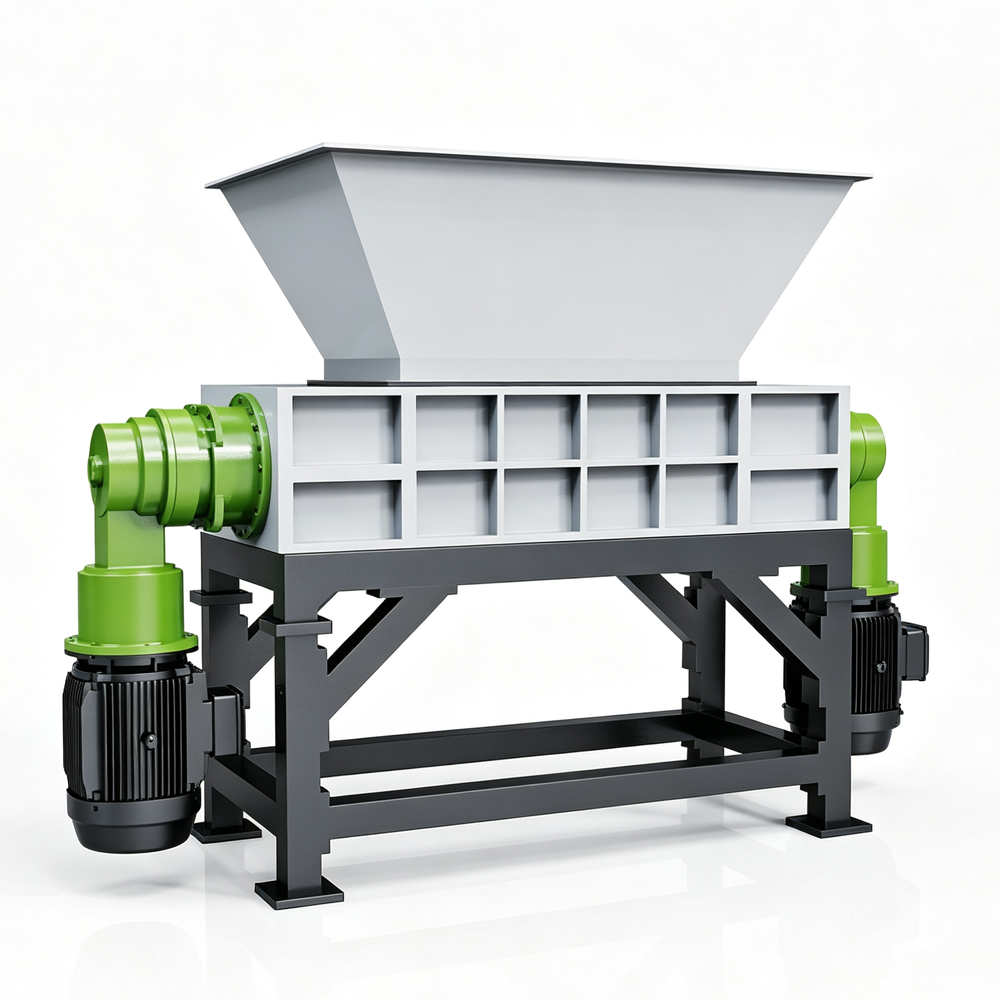
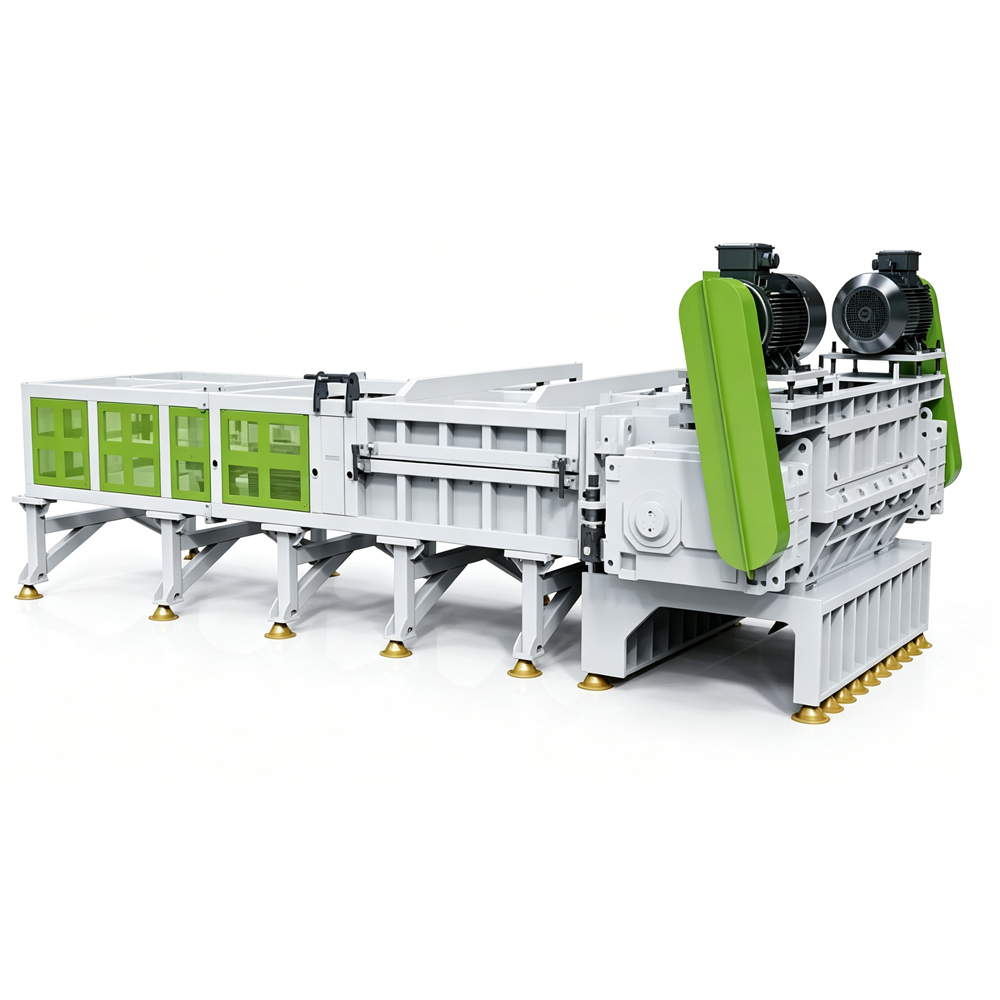
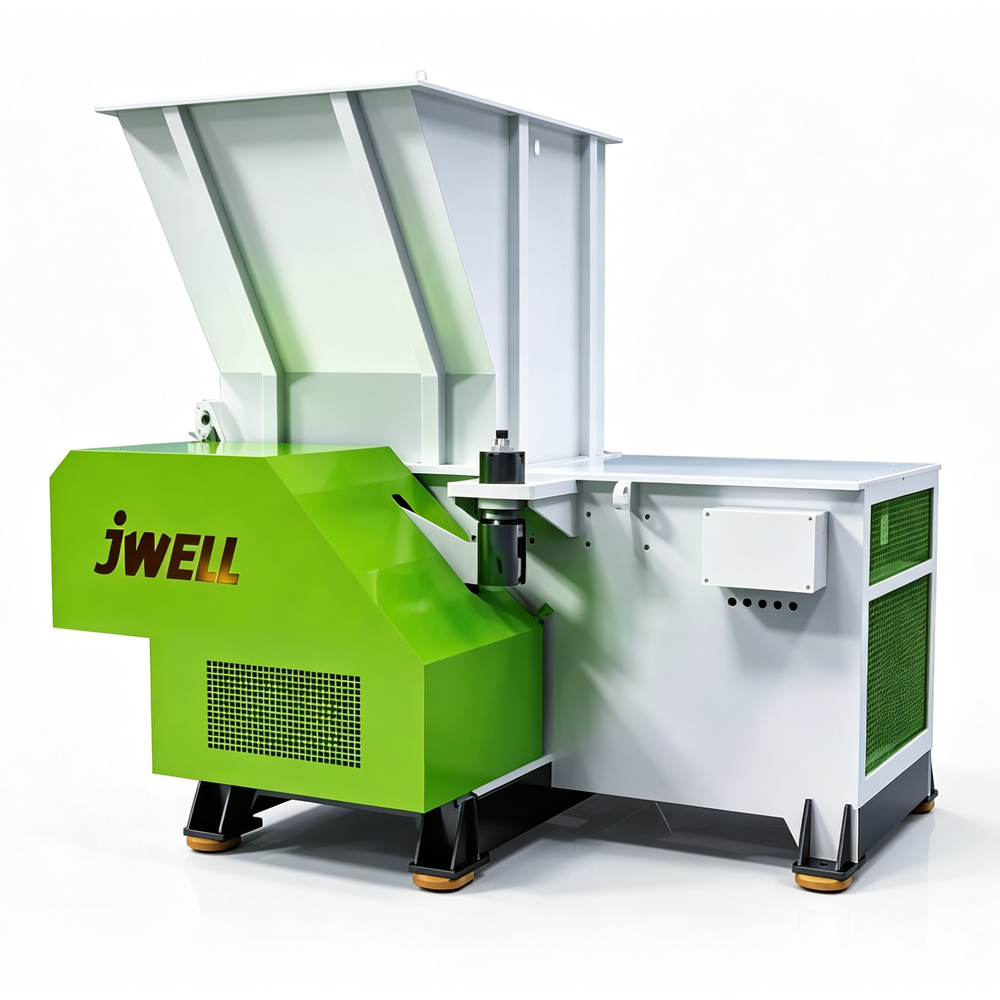


Pipe Extrusion Production Line
Plastic Shredder Crusher Machine

Tel: +86-19057068112

E-mail: [email protected]

Company Address
No. 128 Qingfeng Road, Xieqiao Town, Haining City, Jiaxing City, Zhejiang Province

19057068112

 English
 русский