
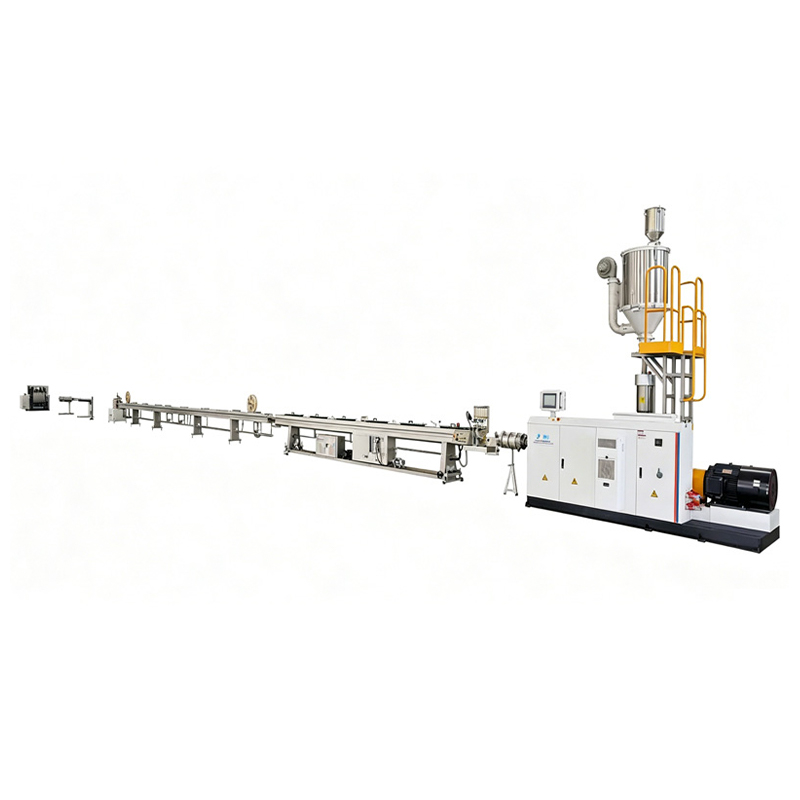
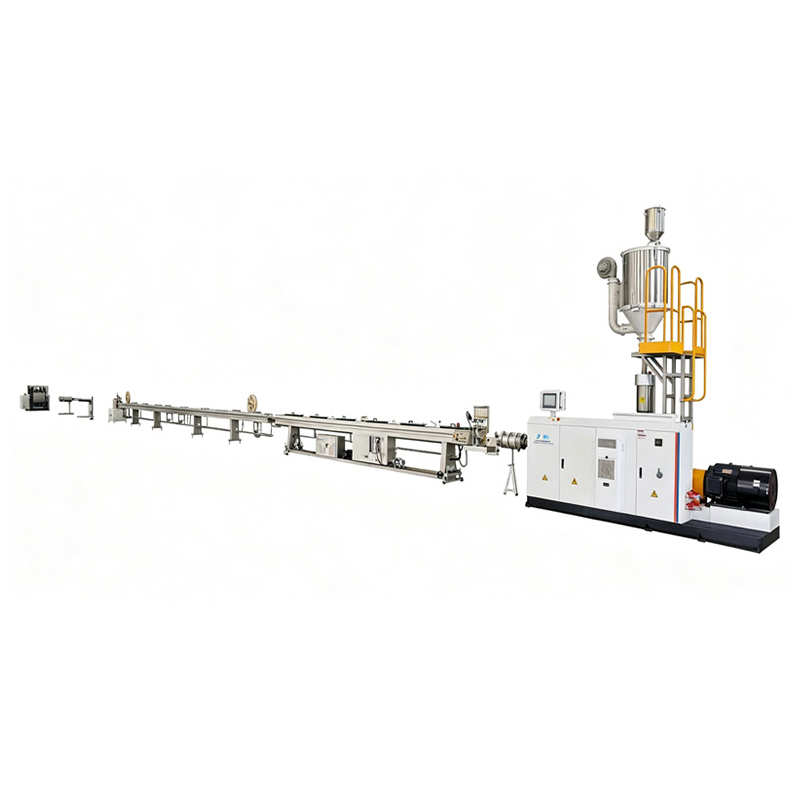
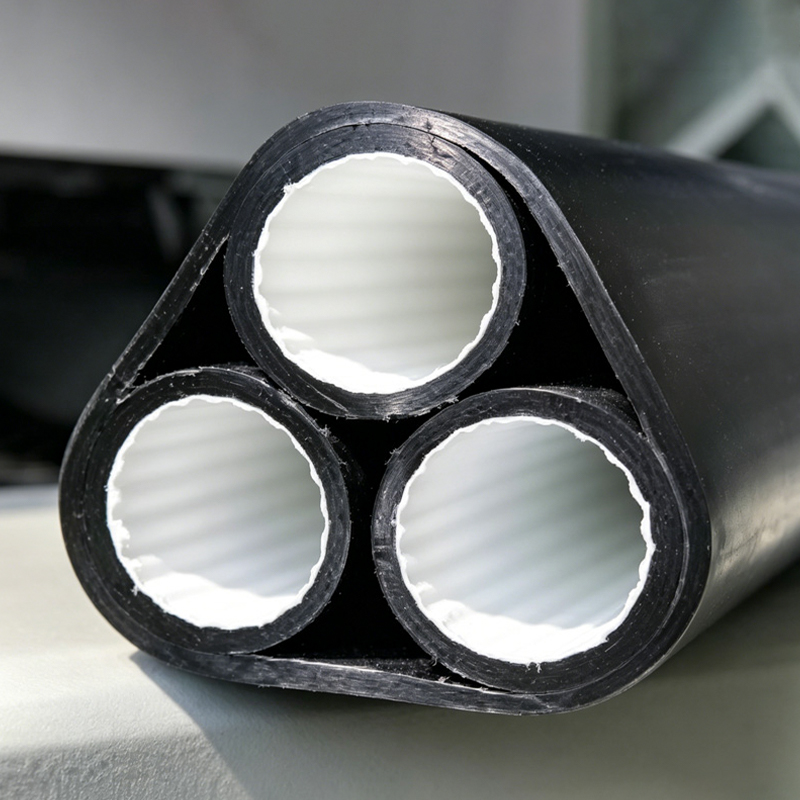
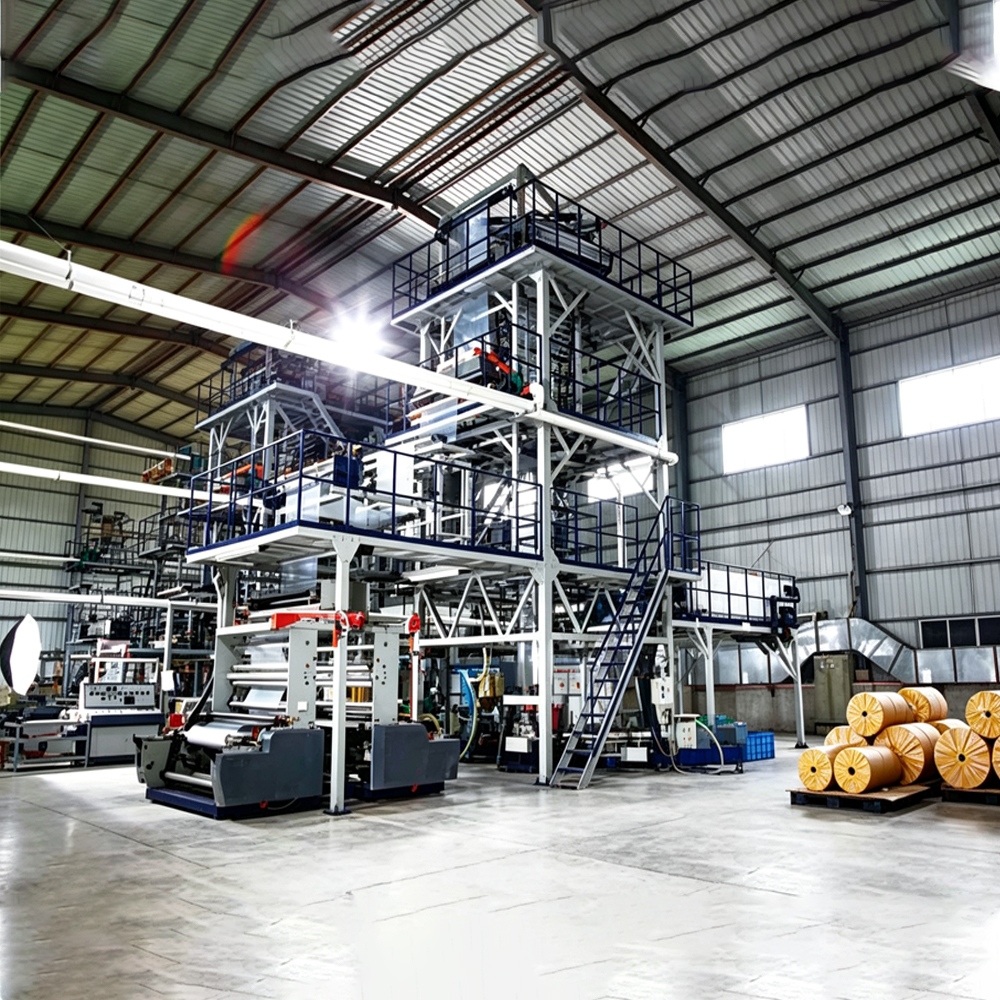
Jwell’s twin extrusion line is specifically designed for producing HDPE (High-Density Polyethylene) silicon duct pipes and micro ducts, widely used in optical cable networks, FTTH projects, and telecommunications infrastructure.
Our twin extrusion line is engineered for manufacturing HDPE silicon duct pipes and micro ducts, extensively applied in optical cable networks, FTTH projects, and telecom infrastructure.
Model JW65/33 + JW54/33 (Pipe diameter range: 7–20 mm, max speed: 120 m/min)
Suitable for last-mile micro ducts (e.g., 10/8mm, 12/10mm, 14/12mm) for residential broadband, curb-to-home fiber installation, and indoor/outdoor micro optical cables.
Real case: A Thai telecom contractor used this line to produce 12/10mm silicon ducts at 115 m/min, reducing production time by 30% in a 200 km FTTH project.
Model JW75/38 + JW65/33 (Pipe diameter range: 110–250 mm, max speed: 6 m/min)
Designed for large-diameter HDPE conduits (e.g., 160/140mm, 200/180mm, 250/230mm) for backbone optical cable tunnels, railway crossings, and heavy-duty underground protection.
Real case: A Middle Eastern utility company adopted this model to produce 200mm silicon ducts for a 50 km desert fiber backbone, ensuring zero collapse under high sand load.
|
Feature |
Advantage |
|
Two-stage extrusion (JW65/33 + JW54/33) |
Superior plasticization – ensures uniform silicon layer adhesion even at 120 m/min. |
|
High-speed capability (7–20mm line) |
Output up to 7,200 m/hour, ideal for high-volume micro duct orders. |
|
Heavy-duty screw design (JW75/38 + JW65/33) |
Handles up to 250mm OD at low speed (6 m/min) → precise wall thickness control for large, thick-walled pipes. |
|
Silicon coating uniformity |
Patented spiral die guarantees ±0.05mm silicon layer consistency, reducing frictional resistance for fiber blowing. |
|
Energy-saving cooling |
Multi-section vacuum sizing tank reduces energy consumption by 18% compared to conventional lines. |
Competitive advantages: The 120 m/min micro duct line reduces labor and overhead costs by 25% per meter; the large-diameter line’s low speed enables extreme wall thickness (up to 25mm) for direct burial in rocky terrain.
We implement real-time monitoring and end-of-line testing to meet ISO 4427, ASTM D3035, and customer-specific standards.
In-line process quality control (automated)
Ultrasonic wall thickness scanner – Measures ID, OD, and eccentricity every 0.5 seconds. Triggers alarm when deviation exceeds ±0.1mm.
Melt pressure & temperature logging – For each extruder (33 L/D ratio ensures stable melt flow).
Silicon layer thickness detector – Non-contact laser sensor continuously checks coating; automatically rejects if <0.3mm or >0.7mm.
Offline testing (every 500 meters)
|
Test Item |
Standard |
Equipment |
|
Tensile strength |
≥20 MPa (HDPE) |
Universal testing machine |
|
Silicon layer peel strength |
>50 N/25mm |
Peel tester |
|
Flattening test (40% deformation) |
No cracks |
Hydraulic press |
|
Environmental stress crack resistance (ESCR) |
1000 hrs @ 80°C, 4 MPa |
ESC test chamber |
|
Coefficient of friction (silicon layer) |
≤0.15 |
COF tester |
Real case: For a 180 km Indonesian order, we produced 14/12mm micro ducts at 118 m/min. Samples were taken every 2 km for fiber blowing test (1.3mm fiber, 8 bar air pressure) – blowing distance exceeded 1,100 meters, surpassing the customer’s 800 m requirement.
| Model | Duct pipe(mm) | Maxim production speed(m/min) |
| JWS65/33+JWS45/33 | 7-20 | 120 |
| JWS75/38+JWS65/33 | 110-250 | 6 |
Q1: Why can the large-diameter model (110–250mm) only run at 6 m/min?
A: Larger OD requires thicker wall thickness (up to 25mm) and longer cooling time. Low speed ensures dimensional stability and prevents ovality. At 6 m/min, the line outputs ~360 m/hour – sufficient for heavy-duty pipes (typical demand is 500-1000 m/day).
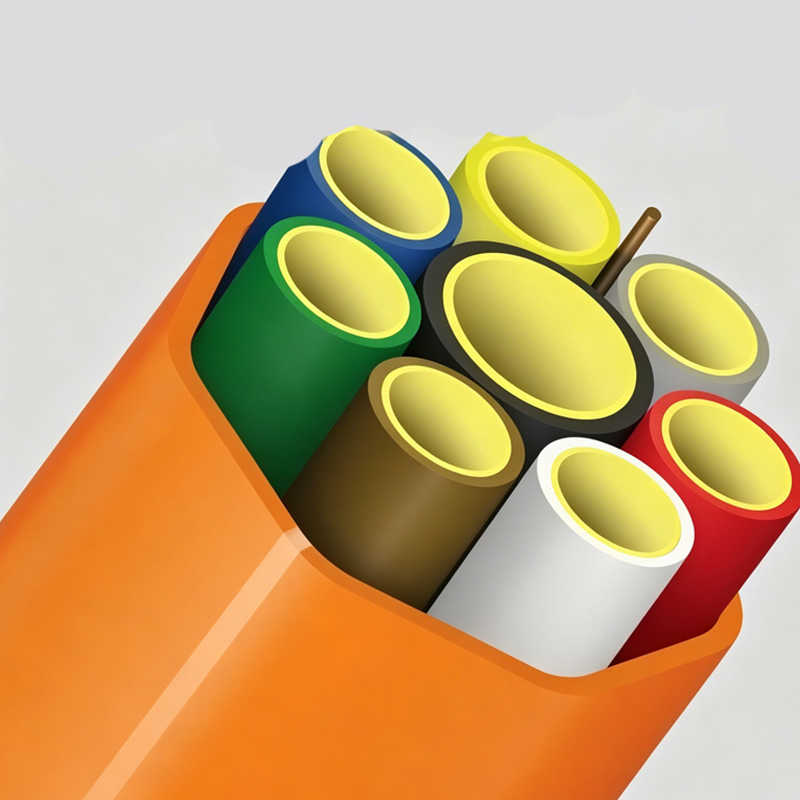
Q2: Can the JW65/33 + JW54/33 line produce multi-duct (combination) pipes?
A: Yes. With an optional co-extrusion die, it can produce 2, 4, or 7-hole micro ducts within 7–20mm OD. Maximum speed reduces to 80-90 m/min depending on the number of holes.
Q3: How long is the silicon layer adhesion life?
A: Accelerated aging tests (70°C, 672 hours) show no adhesion loss. In actual projects installed since 2018, silicon layer peel strength remains >45 N/25mm.
Q4: How do you handle raw material variations (recycled HDPE)?
A: The 33:1 L/D screw with mixing sections can process up to 30% post-industrial recycled material without speed reduction. We recommend using a screen changer to remove impurities.
Q5: What power supply is required?
A: Standard 380V/50Hz (customizable to 460V/60Hz). Total installed power: JW65/33+JW54/33 = 185 kW; JW75/38+JW65/33 = 310 kW.
Q6: Do you provide installation training?
A: Yes – we dispatch two engineers for 15 days of on-site training, including calibration of the vacuum sizing tank for 6 m/min operation to avoid pipe sagging.


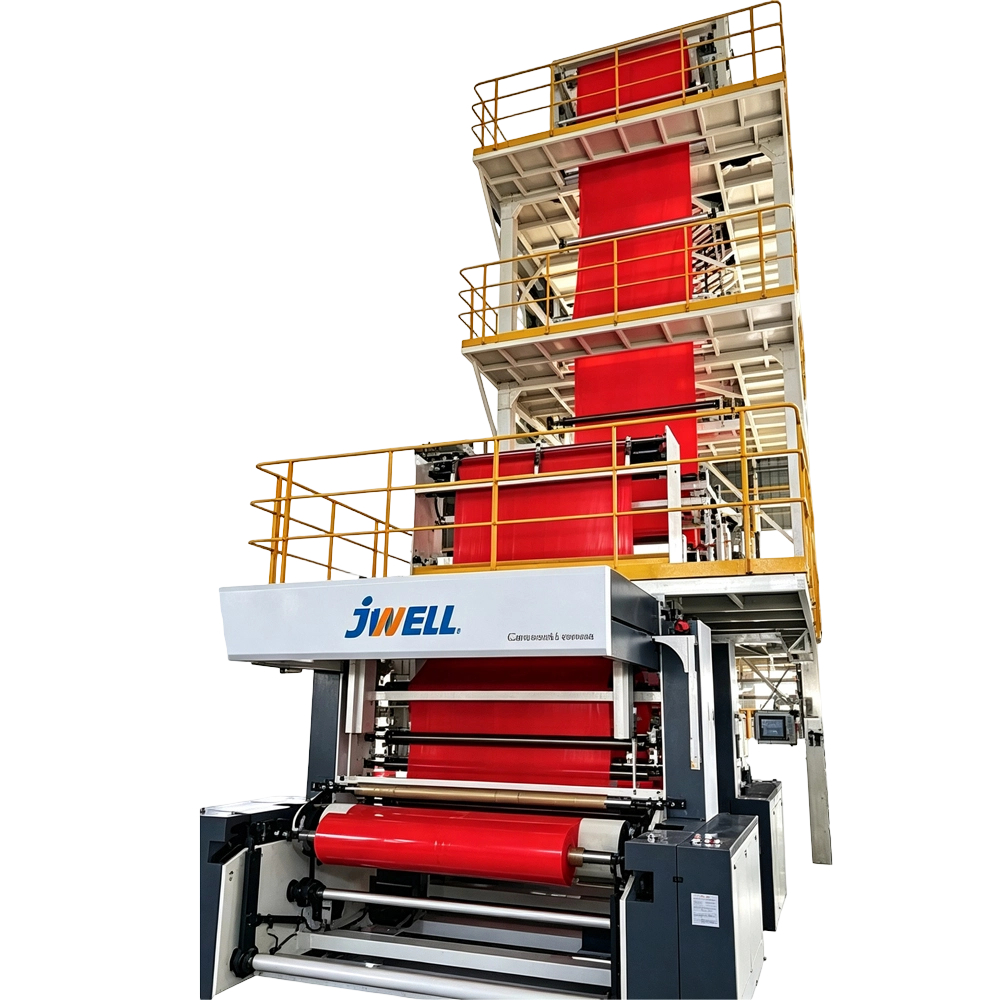
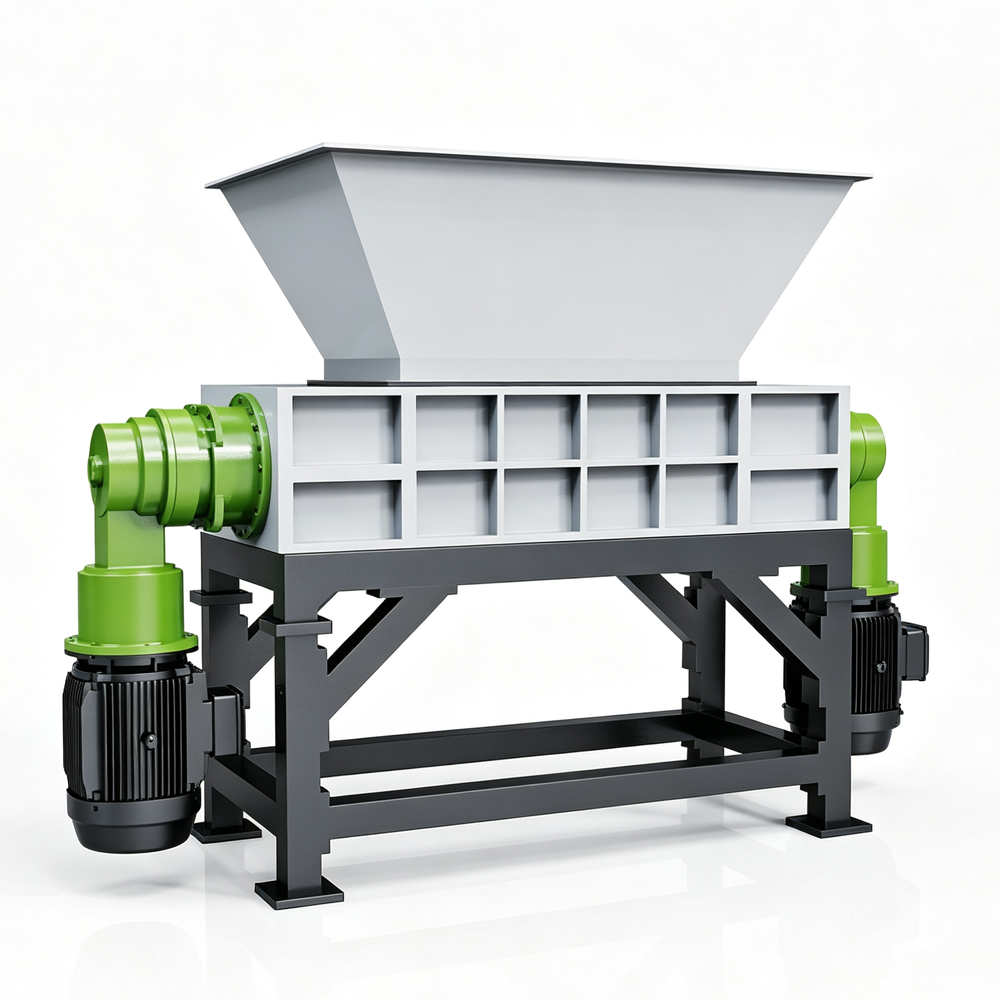
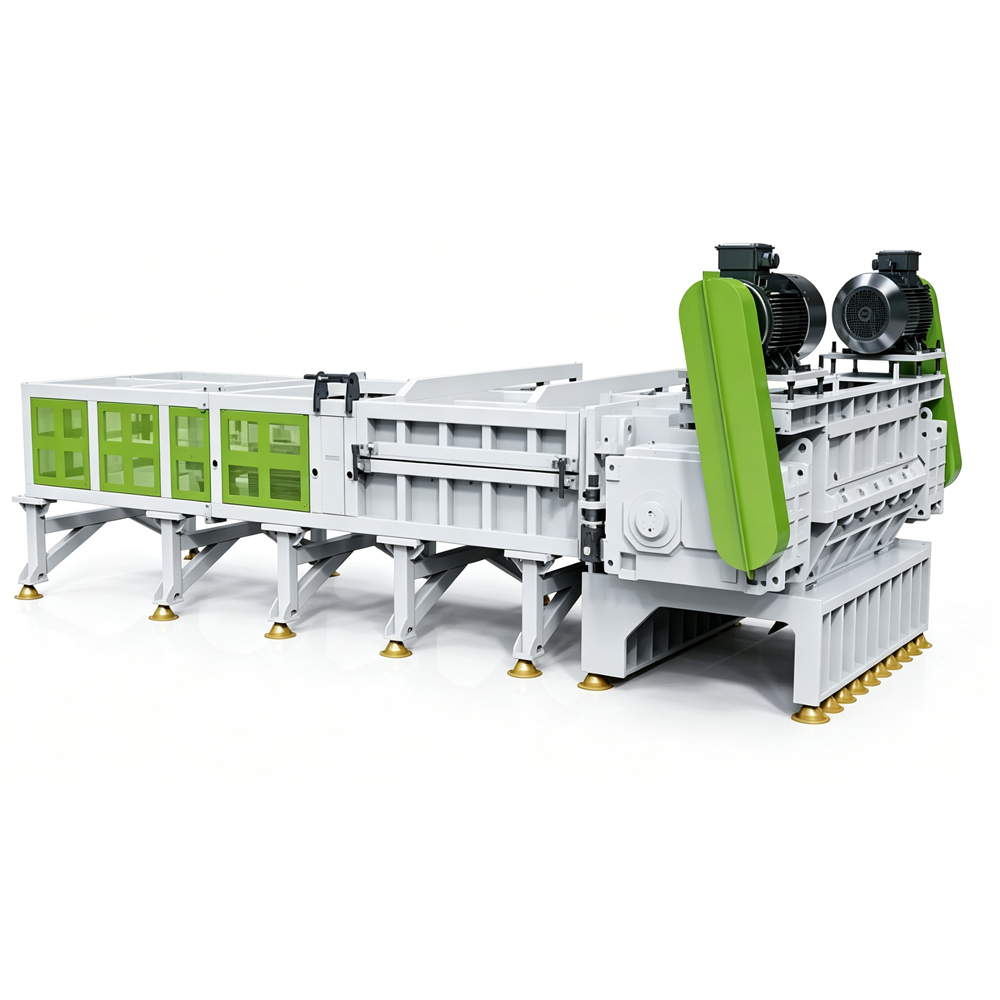


Pipe Extrusion Production Line
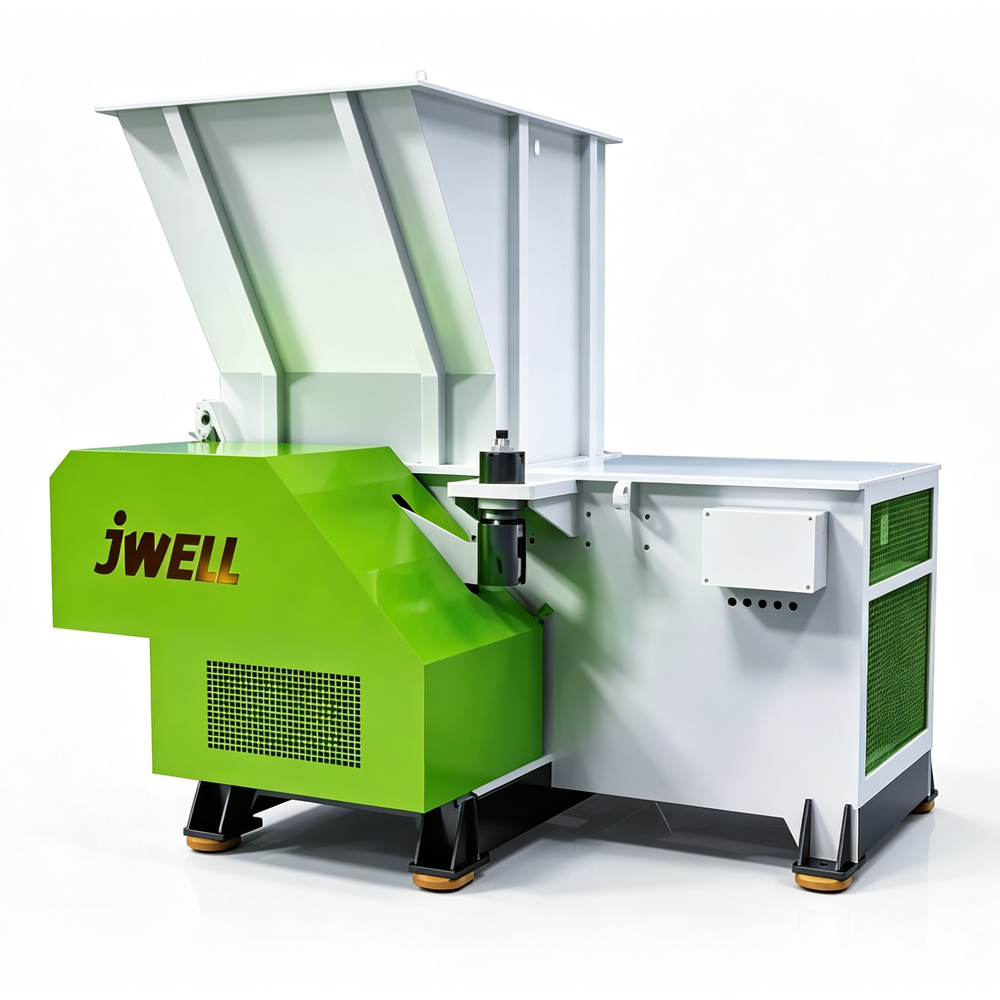
Plastic Shredder Crusher Machine

Tel: +86-19057068112

E-mail: [email protected]

Company Address
No. 128 Qingfeng Road, Xieqiao Town, Haining City, Jiaxing City, Zhejiang Province

19057068112

 English
 русский