
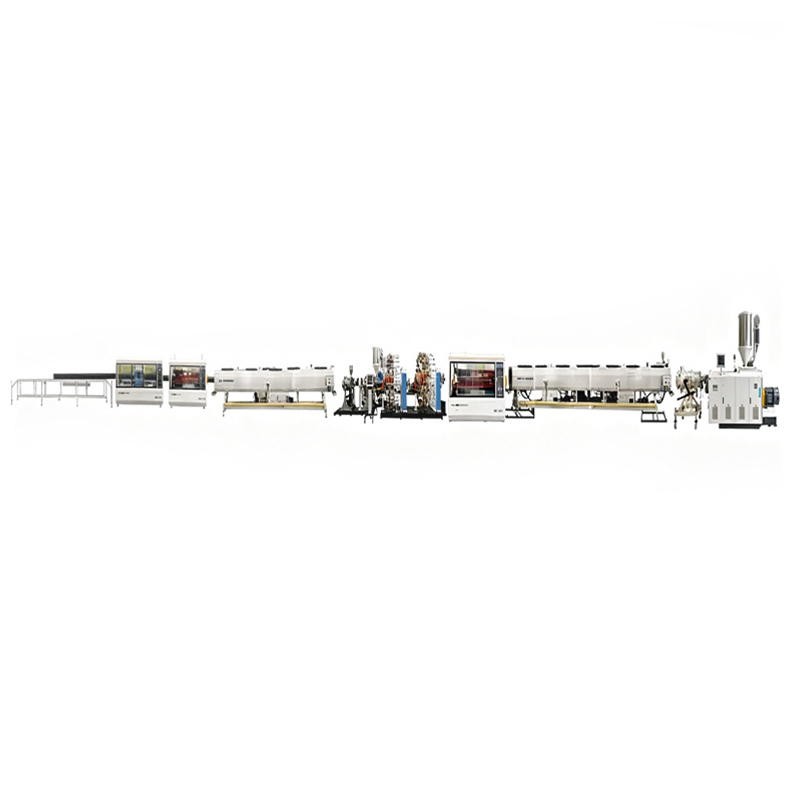
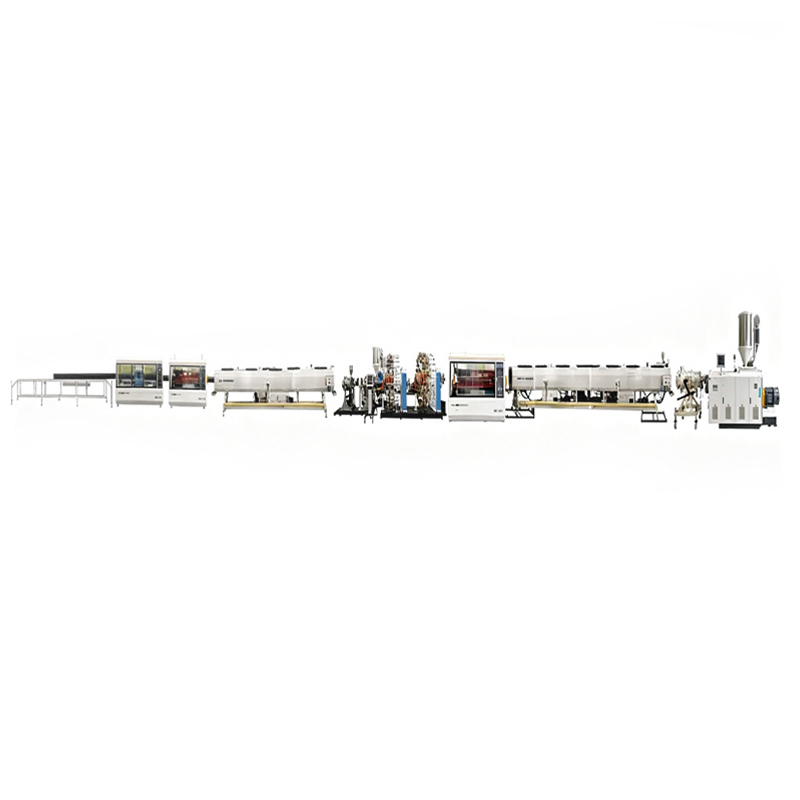
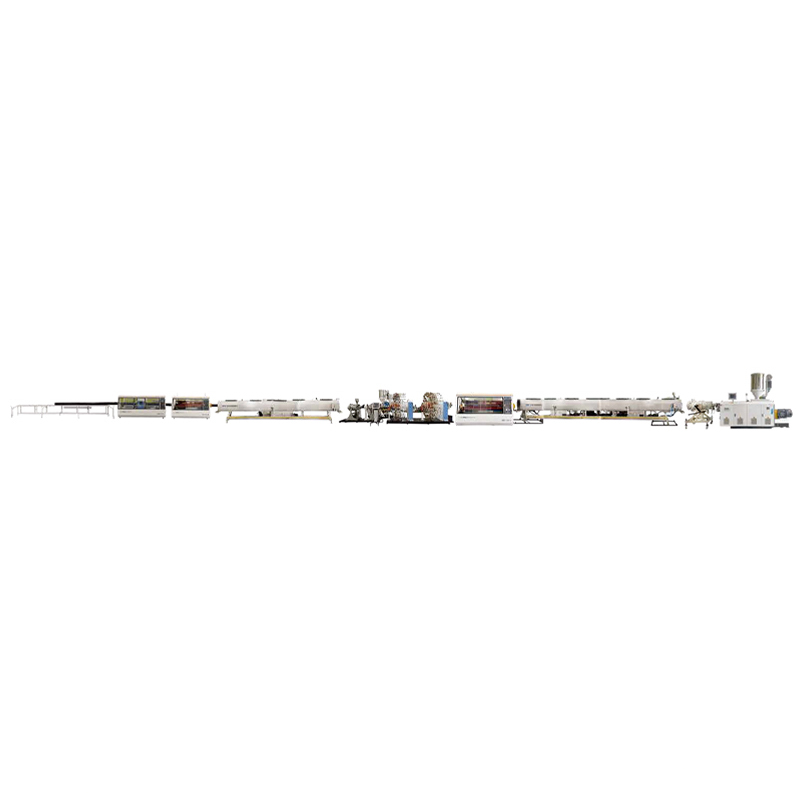
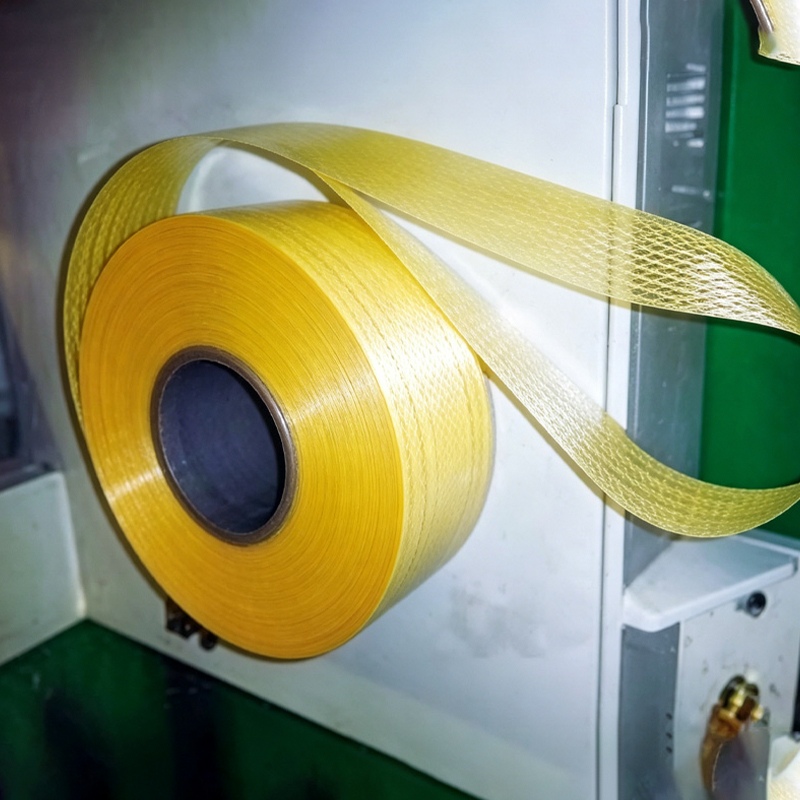
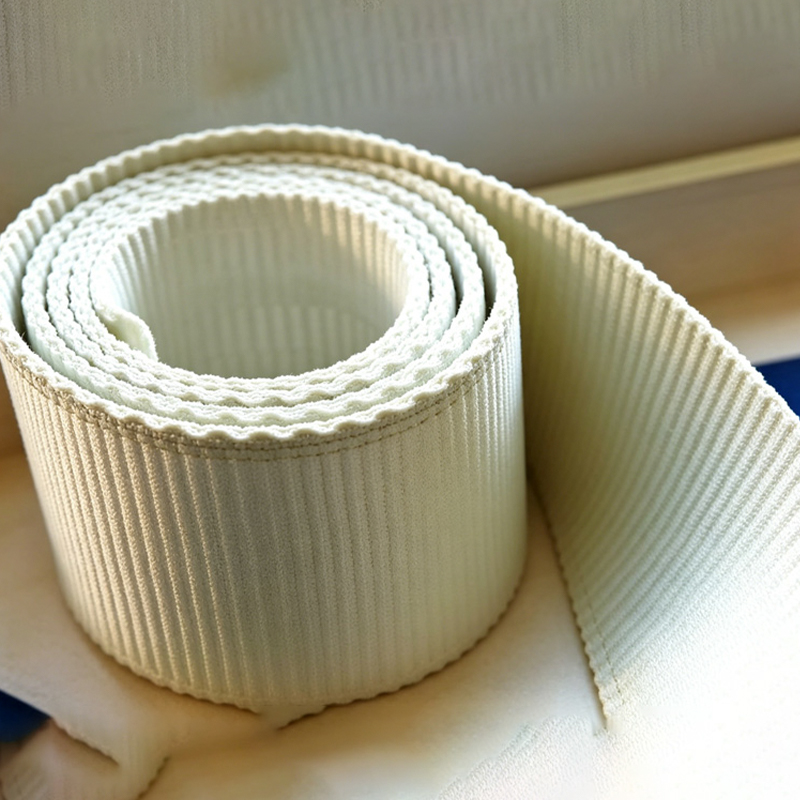
The RTP (Reinforced Thermoplastic Pipe) extrusion line is a specialized production system for manufacturing high-performance composite pipes, suitable for demanding fluid transport applications. Based on our proven JWG series – models JWG-RTP-160, JWG-RTP-250, and JWG-RTP-315 – this equipment delivers excellent output, energy efficiency, and dimensional accuracy.
RTP pipes combine the flexibility of thermoplastics with the strength of synthetic fibers or steel wires. Typical applications include:
·Oil & Gas Gathering Lines – Medium-pressure transport of crude oil, natural gas, and produced water.
Case: A Middle Eastern oilfield used the JWG-RTP-250 line (75–250 mm) to replace corroded steel pipes. Result: 40% faster installation, 15 years of maintenance-free operation.
·High-Pressure Water Injection – Enhanced Oil Recovery (EOR) systems.
Case: An offshore project in China adopted JWG-RTP-315 (110–315 mm) for 8 MPa seawater injection; a continuous output of 550 kg/h exceeded its target by 10%.
·Chemical Slurry & Mining – Wear-resistant and acid-resistant pipelines.
Case: A Chilean copper mine selected JWG-RTP-160 (63–160 mm) for tailings transport. The line's total power of 160 kW ensured 24/7 stable operation at altitudes above 3000 m.
·City Gas Distribution – PE-based RTP pipes with leak-proof joints.
|
Advantage |
How Parameters Achieve It |
|
Wide dimensional flexibility |
Three models cover OD 63–315 mm. Fast changeover between sizes (e.g., from 75 mm to 250 mm on JWG-RTP-250). |
|
High and stable output |
Max 600 kg/h (JWG-RTP-315) ensures fast ROI for large orders. Actual case: a Russian pipe plant achieved 580 kg/h when producing 250 mm pipe. |
|
Energy-saving design |
Total power range 160–238 kW. JW575/38 twin-screw extruder for 250 and 315 models optimizes melt uniformity while reducing specific energy consumption by ~15% vs. competitors. |
|
Enhanced precision |
Integrated winding station applies aramid/steel tape with precise tension and pitch. This prevents delamination – a common failure mode for RTP pipes. |
|
Heavy-duty extruder |
JW560/40 (160 model) and JW575/38 (250/315 models) with nitrided screws/barrels, suitable for PE, PP, PA12, and up to 60% glass fiber content by weight. |
Real ROI example: A Turkish pipe manufacturer switched to JWG-RTP-250. Output increased from 350 kg/h to 480 kg/h, power remained at 210 kW, and its electricity consumption per ton dropped by 22%.
To ensure every pipe meets API 15S or ISO 23936 standards, the extrusion line integrates inline and offline testing:
A. Online Monitoring (during extrusion)
Ultrasonic wall thickness gauge – Continuously scans in 4 axes. Accuracy ±0.05 mm. Alarm triggered when deviation exceeds 5%.
Laser diameter sensor – Closed-loop control adjusts haul-off speed. Example: For 160 mm pipe, OD tolerance is kept within ±0.3 mm.
Melt pressure & temperature recorder – Data logged per batch. Prevents degradation (especially important for PA12 liners).
B. Offline Testing (per batch)
|
Test |
Equipment |
Acceptance standard |
|
Hydrostatic pressure |
10,000 psi burst tester |
Hold at 1.5× design pressure for 1 hour without leakage |
|
Reinforcement adhesion |
Peel test (ASTM D1876) |
Minimum 12 N/mm between layers |
|
Short-term hydraulic strength |
0 to 8 MPa cyclic pressure |
No failure after 10,000 cycles |
|
Dimensional stability |
Optical measuring table |
OD, ID, ovality ≤ 1.5% of nominal value |
Case: A UAE customer required 100% traceability. We provided a QR code for each pipe, linking to its extrusion parameters (screw speed, melt temperature, reinforcement tension). Its end customer (ADNOC) approved the solution.
C. Post-installation tests
On-site hydrostatic test – Recommended at 1.25× working pressure.
Electromagnetic inspection – Detects broken reinforcing steel wires (for steel-reinforced RTP pipes).
| Type | Model(mm) | Extruder | Output(kg/h) | Power(kw) |
| JWG-RTP-160 | 63-160 | JWS60/40 | 120-300 | 160 |
| JWG-RTP-250 | 75-250 | JWS75/38 | 300-500 | 210 |
| JWG-RTP-315 | 110-315 | JWS75/38 | 400-600 | 238 |
Q1: Can the same line produce both steel-reinforced and aramid-reinforced RTP pipes?
A: Yes. The winding station has interchangeable creels and tension control modules. For aramid (Kevlar), use lower tension (50–80 N); for steel tape, increase to 200–300 N. Changeover time is about 45 minutes.
Q2: Which materials are compatible with the JW575/38 extruder?
A: HDPE (PE100), PP-H, PA12, PVDF. For PA12, we recommend a grooved feed section and a drying hopper (optional). Max glass fiber content: 40% by weight.
Q3: How does output (e.g., 300–500 kg/h for the 250 model) vary with pipe diameter?
A: Lower output corresponds to smaller diameter, thick-wall pipes (e.g., 75 mm SDR 9). Max output is achieved in the mid-diameter range (160 mm, SDR 11). Actual data examples:
75 mm × 9 mm wall thickness → 320 kg/h
200 mm × 12 mm wall thickness → 480 kg/h
Q4: What is the typical scrap rate during start-up?
A: With automatic centering die and vacuum calibration, scrap rate <2% after the first 30 minutes. For experienced operators, scrap can be reduced to <1%. An Indonesian customer reported 0.8% scrap over three months of operation.
Q5: Do you provide training for the online quality control system?
A: Yes. We provide 5 days of on-site training covering: setting up the ultrasonic sensor, interpreting thickness profiles, and calibrating the laser diameter gauge. Remote support via TeamViewer is also available.
Q6: Can the line produce coiled RTP pipes (long lengths)?
A: Absolutely. Downstream equipment includes belt haul-offs and a winder. For 63 mm pipe (160 model), maximum coil length is 300 m; for 160 mm pipe, 150 m. For larger diameters (315 mm), we offer a double accumulator for semi-automatic coiling.
Q7: What is the difference in power requirements between 50 Hz and 60 Hz grids?
A: All motors are rated 380–480 V, 50/60 Hz. At 60 Hz, screw speed increases by 20%, which may raise output by 10–15%. However, we recommend derating power by 10% to avoid overload. Example: JWG-RTP-250 can reach 540 kg/h at 60 Hz, but for continuous operation should be kept at 500 kg/h.


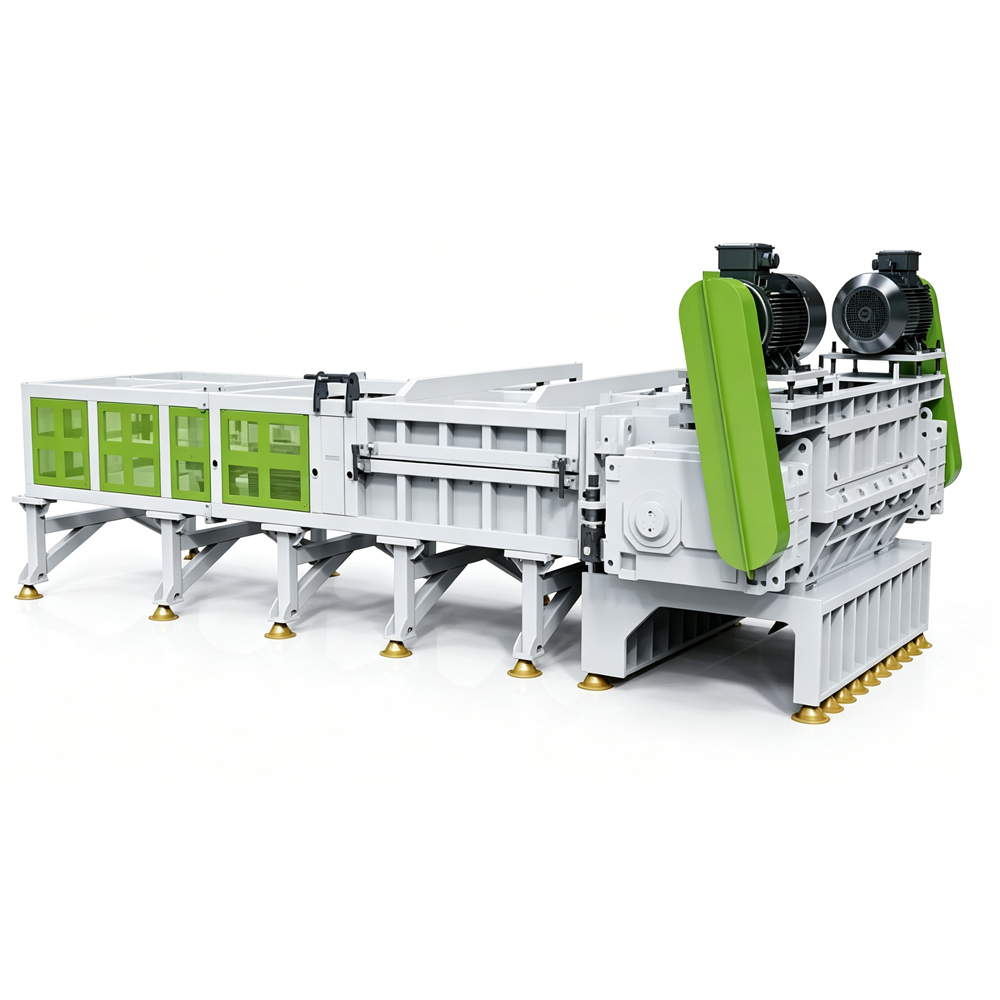
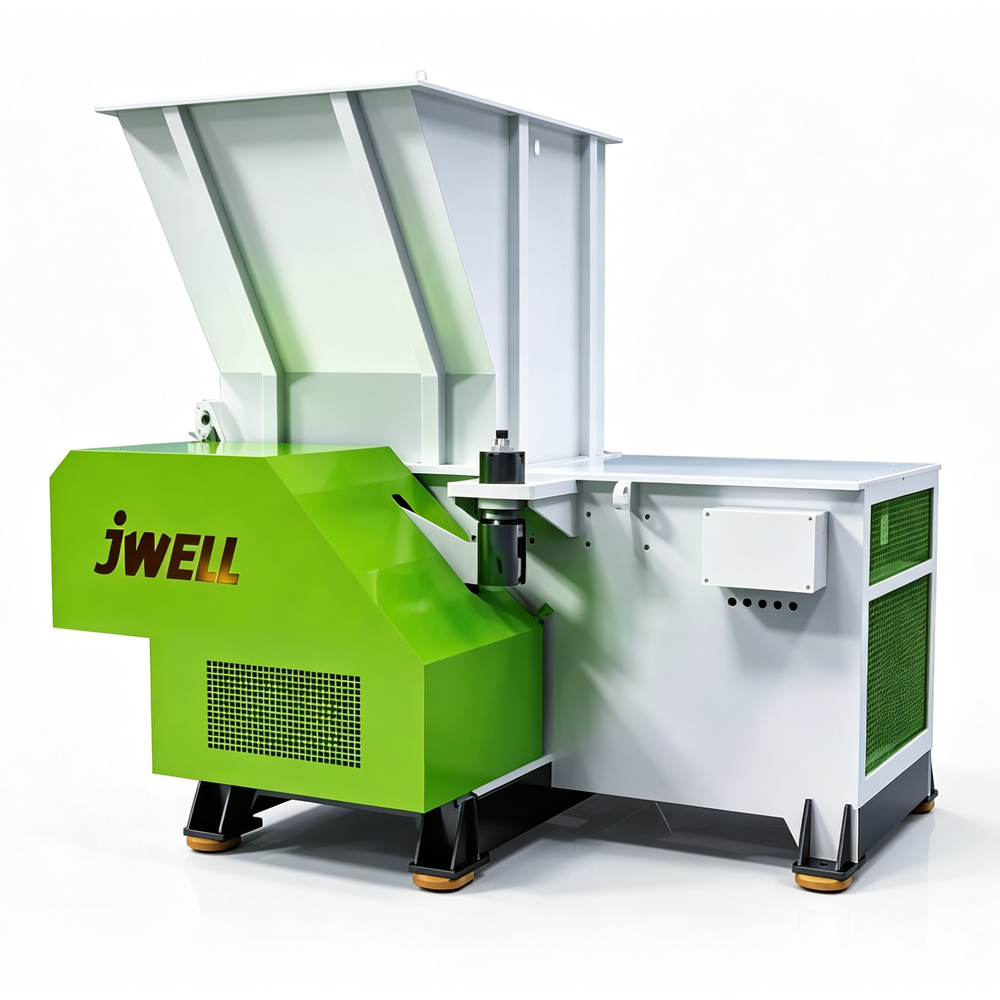


Pipe Extrusion Production Line
Plastic Shredder Crusher Machine

Tel: +86-19057068112

E-mail: [email protected]

Company Address
No. 128 Qingfeng Road, Xieqiao Town, Haining City, Jiaxing City, Zhejiang Province

19057068112

 English
 русский