
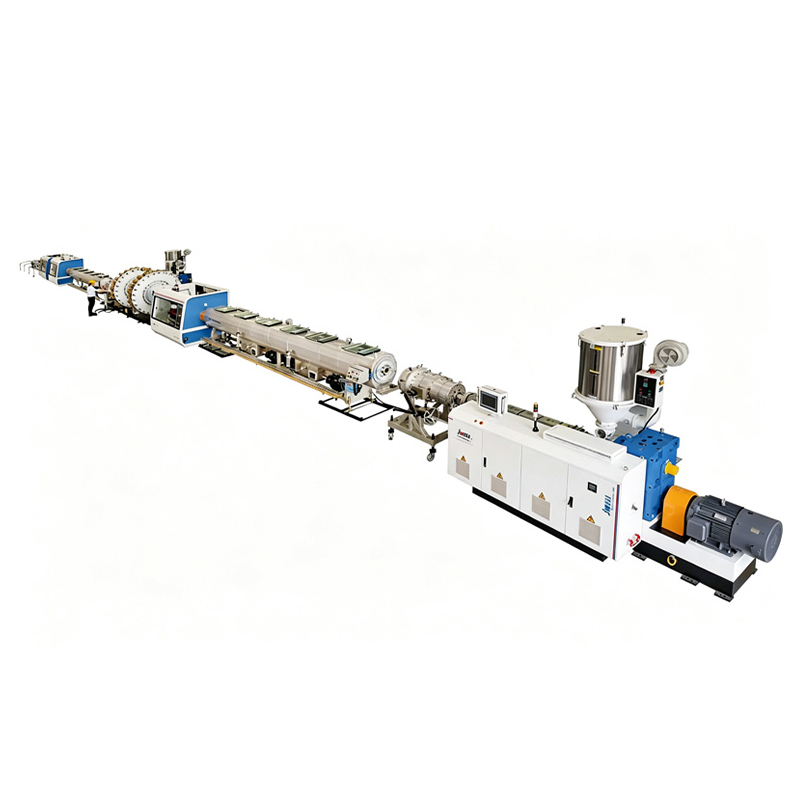
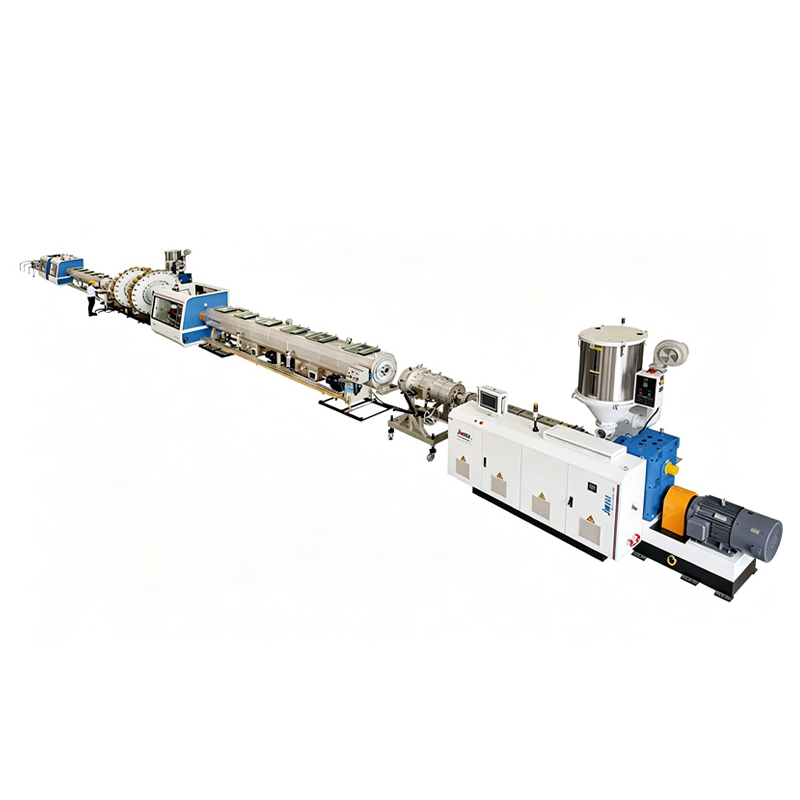
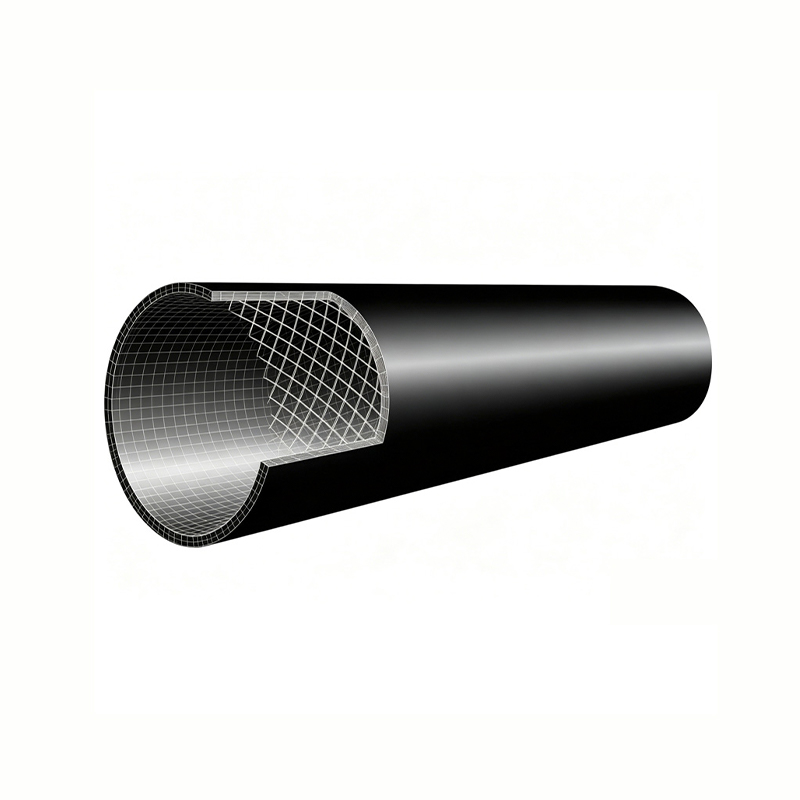
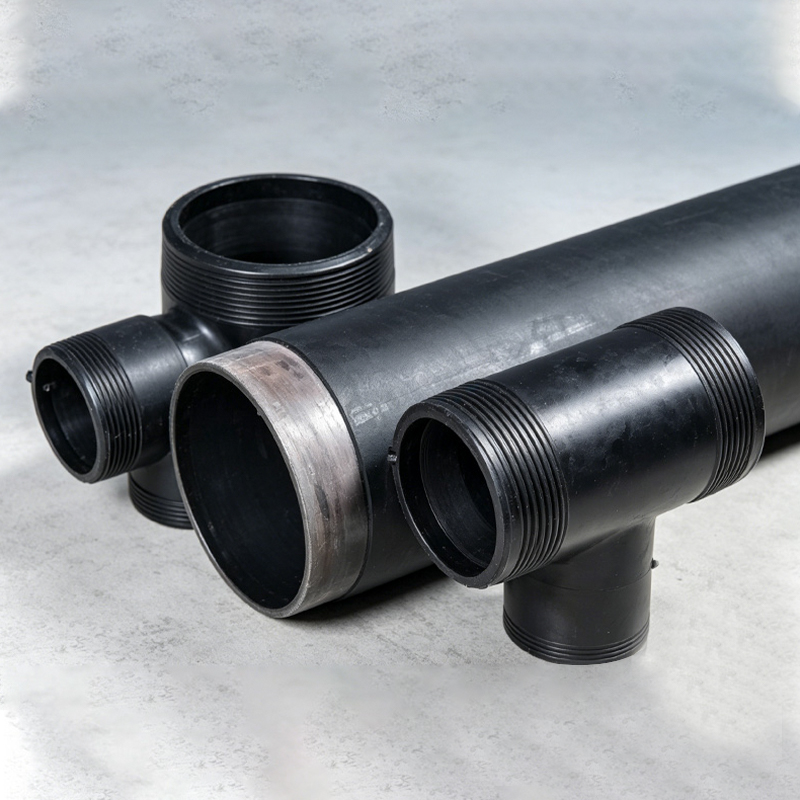
This series includes five models (GS/PE-160G to GS/PE-1000), covering pipe diameters from Φ50 to Φ1000 mm. When producing small-diameter pipes (Φ50/Φ75), the stable production speed reaches 140 m/h; for large diameters (Φ710), the speed is 10.8 m/h. Actual energy consumption ranges from 250 to 700 kW. Main applications: municipal water supply and drainage, oil and gas gathering and transportation, mining slurry transport, and fire protection systems – addressing high-pressure and corrosion challenges.
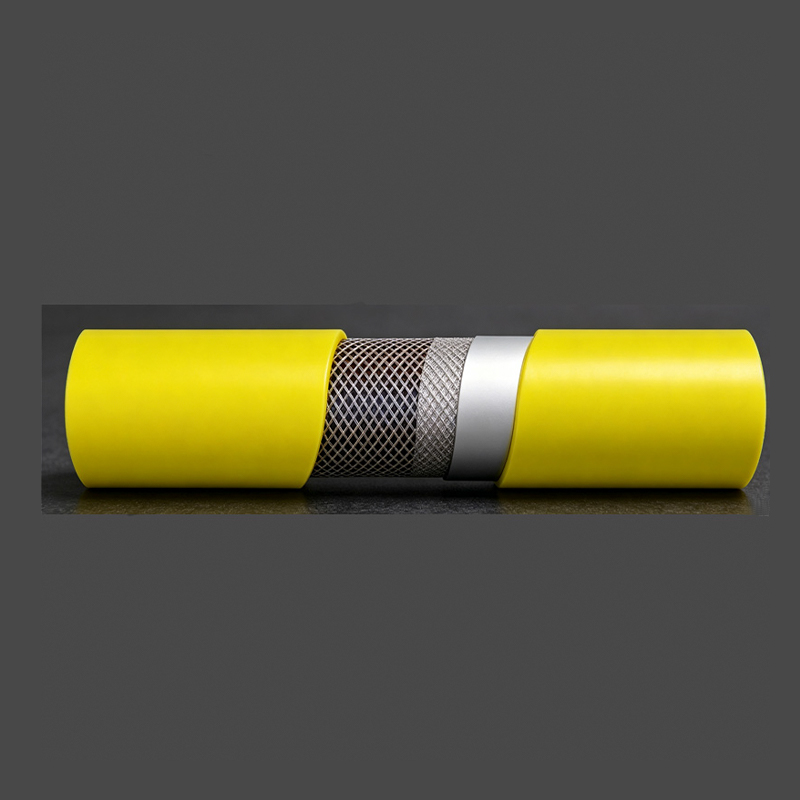
The GS/PE series is specifically designed for manufacturing steel wire mesh reinforced thermoplastic composite pipes – ideal for high-pressure, corrosion-resistant fluid transport. Typical end uses include:
Municipal water supply and drainage – GS/PE-160G and GS/PE-315G are widely used in urban secondary water supply networks. Example: A water bureau in Vietnam installed 12 km of Φ160 pipe (produced on a GS/PE-160G at 140 m/h) to replace aging steel main pipelines, reducing leakage rate by 40%.
Oil and gas gathering pipelines – GS/PE-630 and GS/PE-800 are used for medium-pressure crude oil transport. An oilfield in the Middle East uses Φ630 pipe (line speed 40 m/h) as brine injection lines, resistant to H₂S and CO₂ corrosion.
Slurry and tailings transport – GS/PE-1000 (Φ710–Φ1000) is selected for long-distance slurry disposal. A copper mine in Chile operates two GS/PE-1000 lines, producing Φ800 pipe at 10.8 m/h, providing wear-resistant pipe with a service life three times that of steel pipes.
Fire protection systems – Φ75–Φ160 pipes from GS/PE-160G/315G comply with NFPA 24 standards for underground fire main pipes.
|
Feature |
Advantage |
GS/PE Data Support |
|
Wide diameter range |
One machine covers multiple sizes – reduced capital investment |
Five models cover Φ50 to Φ1000 |
|
High output at small diameters |
Fast production of small-diameter pipes for quick project turnaround |
140 m/h (Φ50 on GS/PE-160G; Φ75 on GS/PE-315G) |
|
Stable, low-speed extrusion at large diameters |
Better wall thickness uniformity and wire positioning |
12 m/h (Φ630 on GS/PE-800); 10.8 m/h (Φ710 on GS/PE-1000) |
|
Optimized energy efficiency |
Lower kW per kg output compared to traditional lines |
Max 250 kW for Φ315; 700 kW for Φ1000 – actual consumption matched to stable speed |
|
Reinforced composite structure |
High pressure rating (up to 3.5 MPa) without heavy steel pipe |
Steel wire mesh embedded in HDPE matrix |
Real-world case advantage: A pipe plant in Indonesia replaced its old two-stage line with a GS/PE-630. Producing Φ315 mm pipe at 40 m/h, they increased daily output by 22% while maintaining energy consumption at 450 kW – saving USD 18,000 annually in electricity costs.
Our production line integrates online and offline quality control, ensuring every meter of pipe meets ISO 4427 or ASTM F2780 standards. The actual testing process is as follows:
Wire tension and positioning sensors – Automatically adjust pay-off speed; stop the line if wire breaks. Grid spacing tolerance: ±0.5 mm.
Melt temperature and pressure – Monitored in each extruder zone. For GS/PE-800 producing Φ630 pipe, barrel temperature is maintained at 190–210°C; any deviation > ±3°C triggers an alarm.
Ultrasonic thickness gauge – Scans 8 points around the circumference every 2 seconds. Allowable deviation: ±5% of nominal value.
|
Test |
Equipment |
Standard Requirement |
Frequency |
|
Hydrostatic pressure |
Burst tester (up to 10 MPa) |
No leakage at 2.5 MPa for 1 hour (Φ315, SDR11) |
Once per 500 m |
|
Wire adhesion |
Peel tester (tensile tester) |
Peel strength ≥ 15 N/mm |
Once per 200 m |
|
Flattening test |
Hydraulic press |
No cracks when flattened to 50% of outer diameter |
Once per shift |
|
Ring stiffness |
Compression tester (ISO 9969) |
≥ 4 kN/m² for buried pipes |
Once per 400 m |
For a recent Φ710 pipe order from the GS/PE-1000 line (speed 10.8 m/h), every 100 m coil was subjected to a 2.0 MPa, 30-minute hydrostatic test. Three samples failed due to uneven wire distribution – the line’s servo-controlled mesh winding machine was recalibrated, after which all pipes passed testing.
| Model | Pipe diameter(mm) | Linespeed(m/h) | Kw/h |
| GS/PE-160G | φ50-φ160 | 140(φ50) | 250 |
| GS/PE-315G | φ75-φ315 | 140(φ75) | 250 |
| GS/PE-630 | φ315-φ630 | 40(φ315) | 450 |
| GS/PE-800 | φ560-φ800 | 12(φ630) | 550 |
| GS/PE-1000 | φ710-φ1000 | 10.8(φ710) | 700 |
Q1: Can I produce thinner SDR pipes on the GS/PE-630 line?
A: Yes, the line can produce pipes from SDR 11 to SDR 26 by changing the die head and sizing sleeve. However, for Φ630 mm and SDR 17 (wall thickness approx. 37 mm), the maximum stable line speed will decrease from 40 m/h to 28 m/h to maintain proper melt flow. The 450 kW drive has sufficient torque – but extrusion temperature must be lowered by 5°C to avoid sagging.
Q2: Why does the energy consumption of GS/PE-1000 (700 kW) seem high?
A: 700 kW is the steady-state actual consumption (not installed power). It includes:
Main extruder (screw diameter 150 mm) – 450 kW
Four wire winding units (servo motors) – 180 kW
Cooling tank pumps and haul-off – 70 kW
Compared to similar European lines (850–900 kW), the GS/PE-1000 is 15% more efficient per kg of output.
Q3: How often should I replace the steel wire mesh winding head?
A: With proper lubrication, the winding head lasts 8,000–10,000 operating hours. A customer in Nigeria using a GS/PE-800 to produce Φ630 pipe (12 m/h, 24/7 operation) replaced the winding head after 14 months (approx. 9,800 hours). Signs of wear: uneven grid spacing > 1.2 mm or wire break frequency > 3 times per shift.
Q4: What is the maximum continuous running time for the GS/PE-315G at 140 m/h?
A: The machine is designed for 24/7 continuous operation at rated speed. However, after 72 hours, we recommend a 2-hour maintenance stop to:
Clean the screen changer
Check gearbox oil temperature (should remain below 75°C)
Inspect haul-off belt tension
A Chinese customer ran the GS/PE-315G continuously for 11 days (Φ110 pipe, 120 m/h) without issues – but at the maximum 140 m/h, an 85% duty cycle is recommended to protect bearing life.
Q5: How do I change over from Φ315 mm to Φ500 mm on the GS/PE-630?
A: For a skilled team, a full size change takes about 4 hours:
Change die head and mandrel (30 min)
Change sizing sleeve and cooling ring (45 min)
Reprogram wire winding spacing from 8 mm to 12 mm (15 min – via HMI)
Adjust haul-off speed and vacuum calibration (1 hour)
Restart and stabilize extrusion (2 hours)
We recommend running at 25 m/h for the first hour after changeover, then gradually increasing to 40 m/h.
Q6: Can the GS/PE-800 produce non-reinforced HDPE pipes?
A: Yes, simply turn off the steel wire mesh winding units. The extruder and downstream equipment will run as a standard HDPE pipe production line. For Φ630 mm non-reinforced pipes, speed can be increased to 18 m/h (compared to 12 m/h with wire). Energy consumption drops to approx. 420 kW because the servo winders are idle.


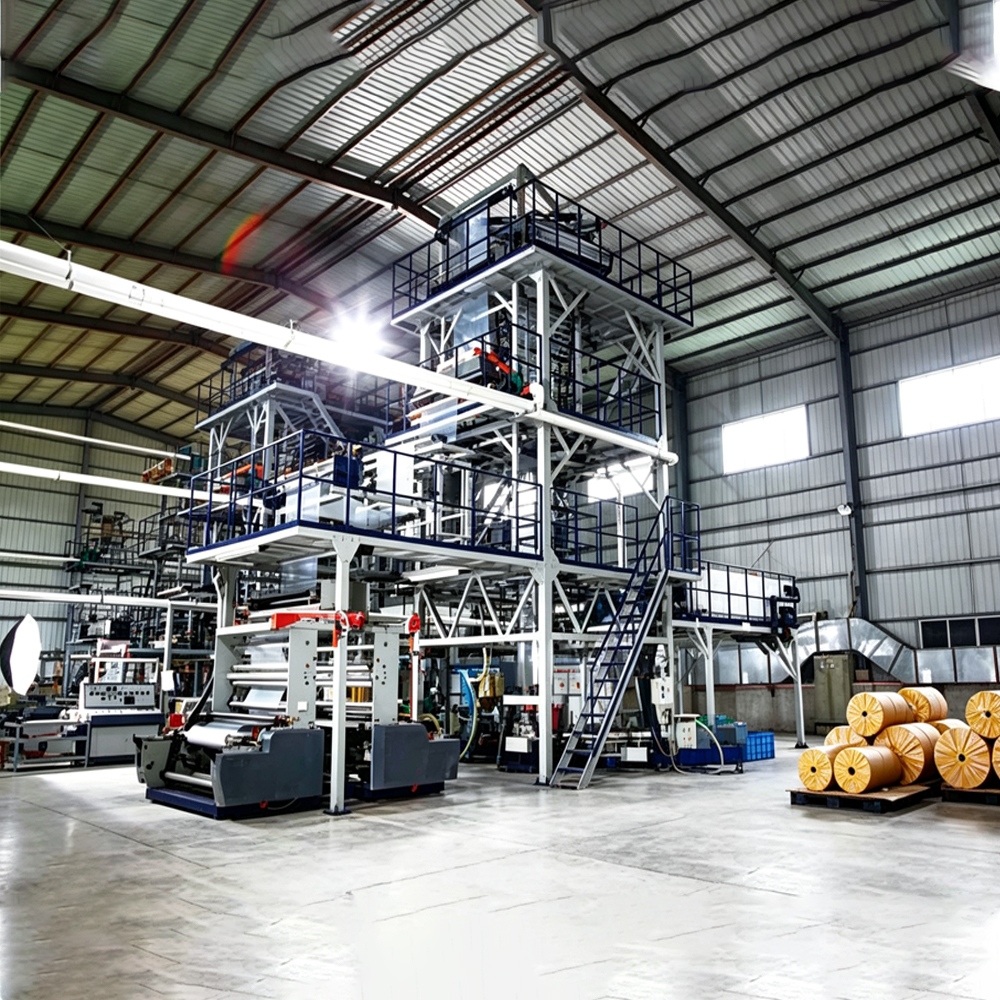
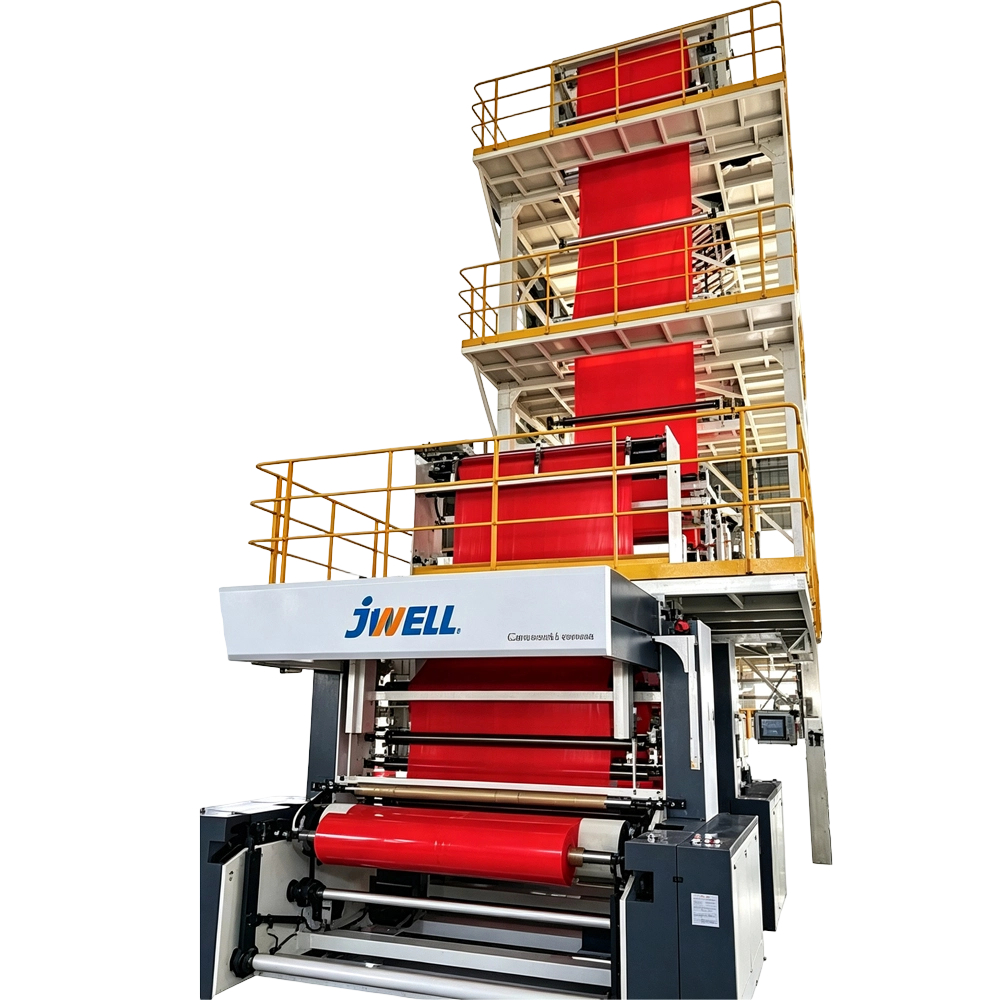


Pipe Extrusion Production Line
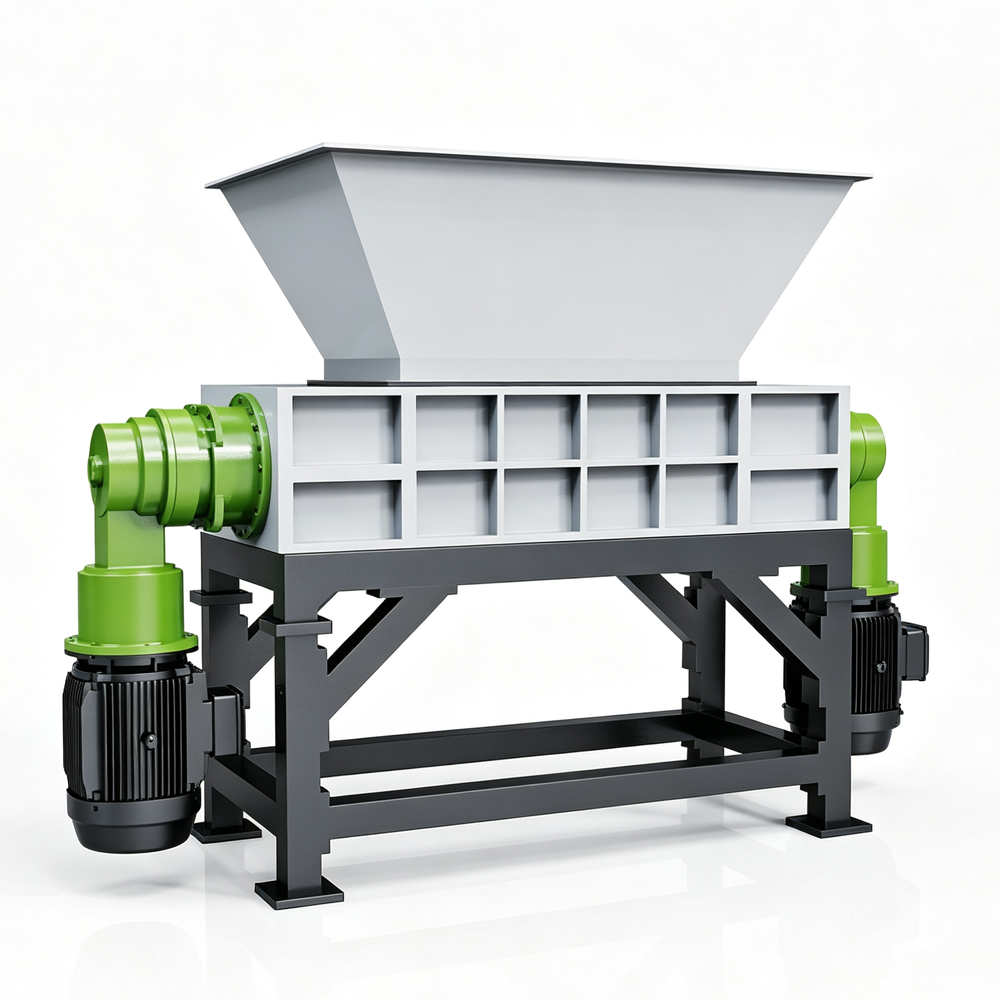
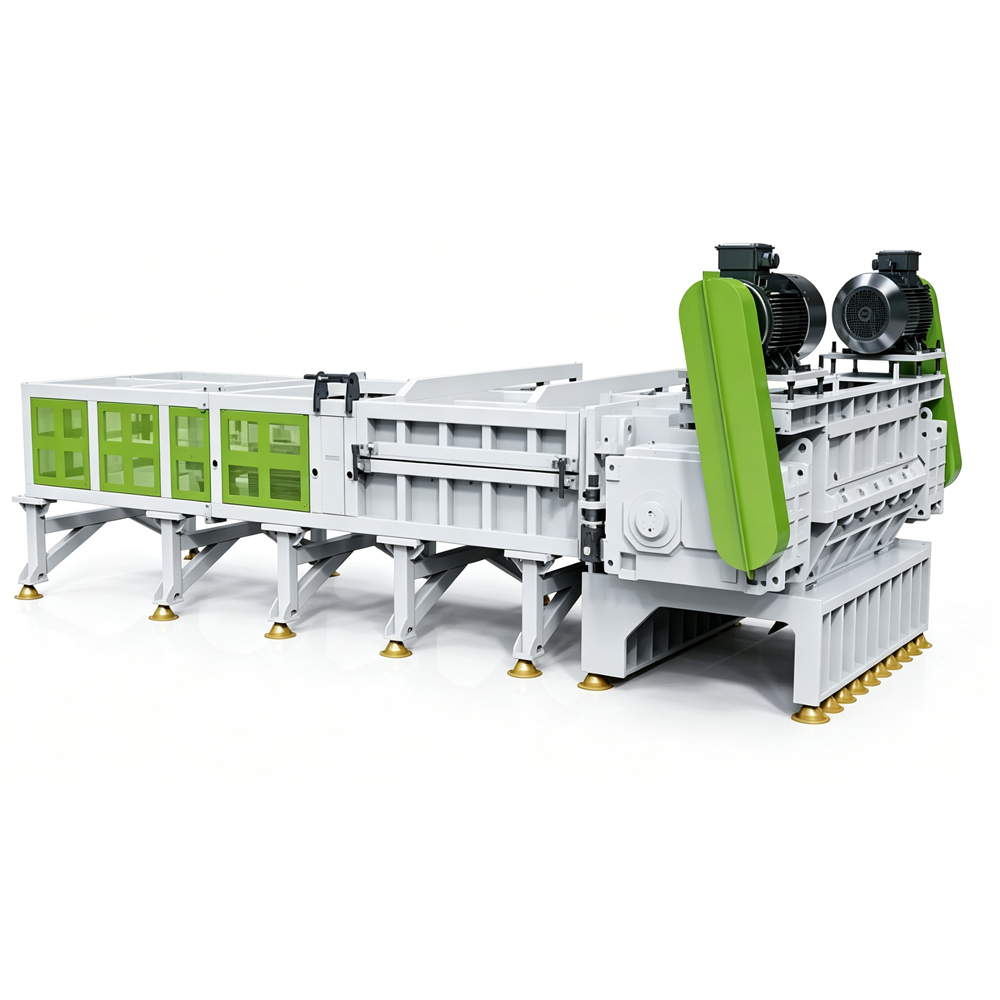
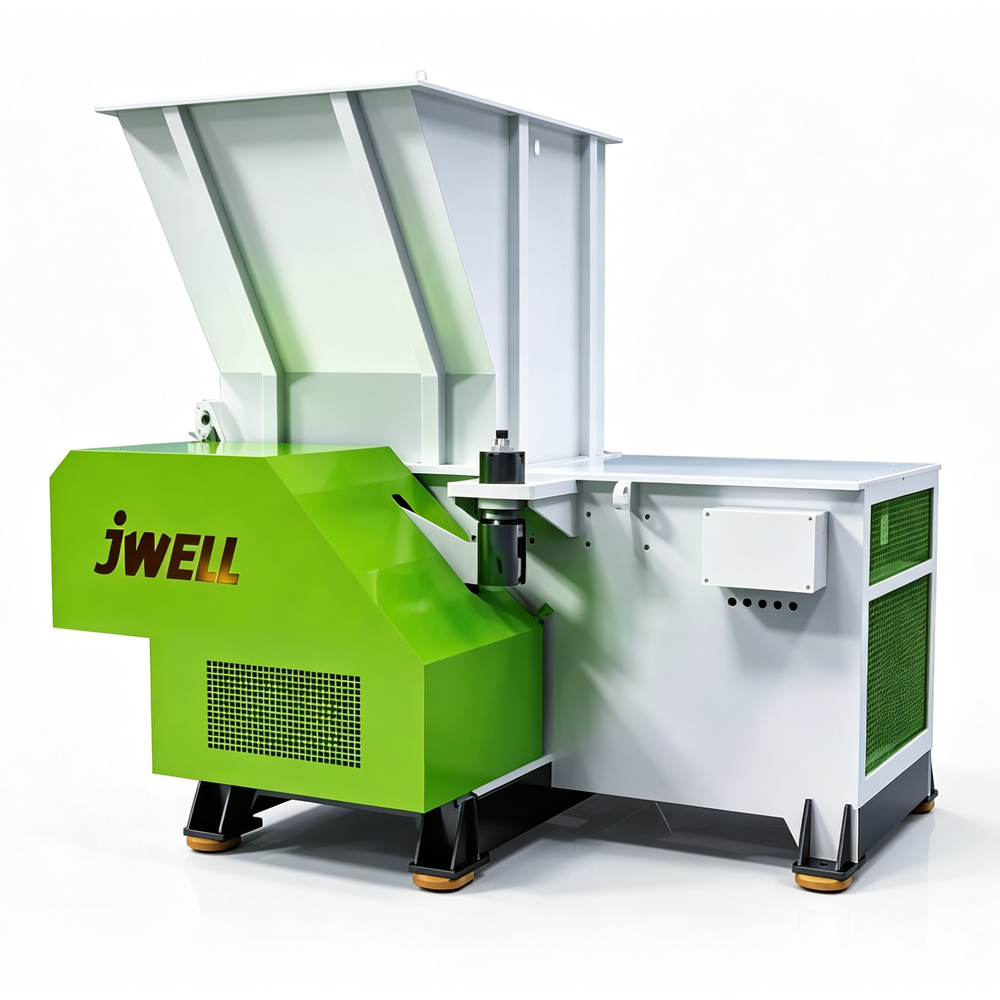
Plastic Shredder Crusher Machine

Tel: +86-19057068112

E-mail: [email protected]

Company Address
No. 128 Qingfeng Road, Xieqiao Town, Haining City, Jiaxing City, Zhejiang Province

19057068112

 English
 русский