
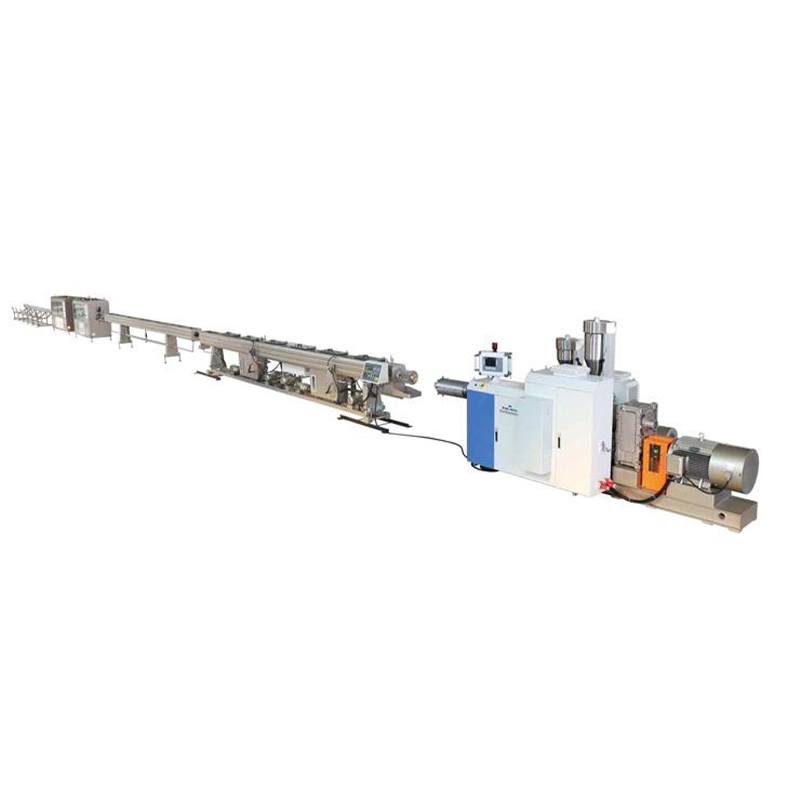
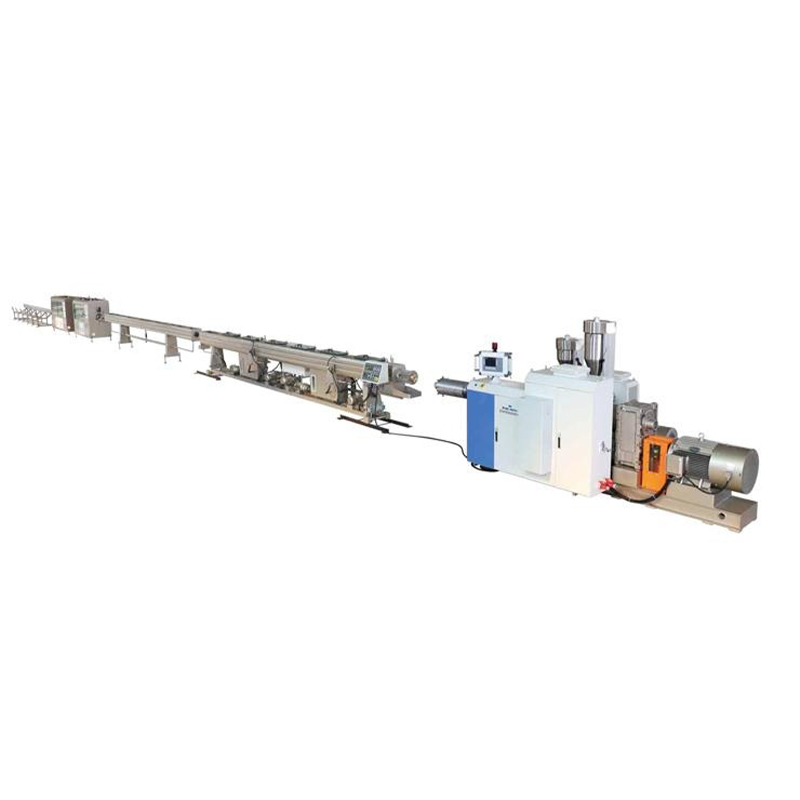
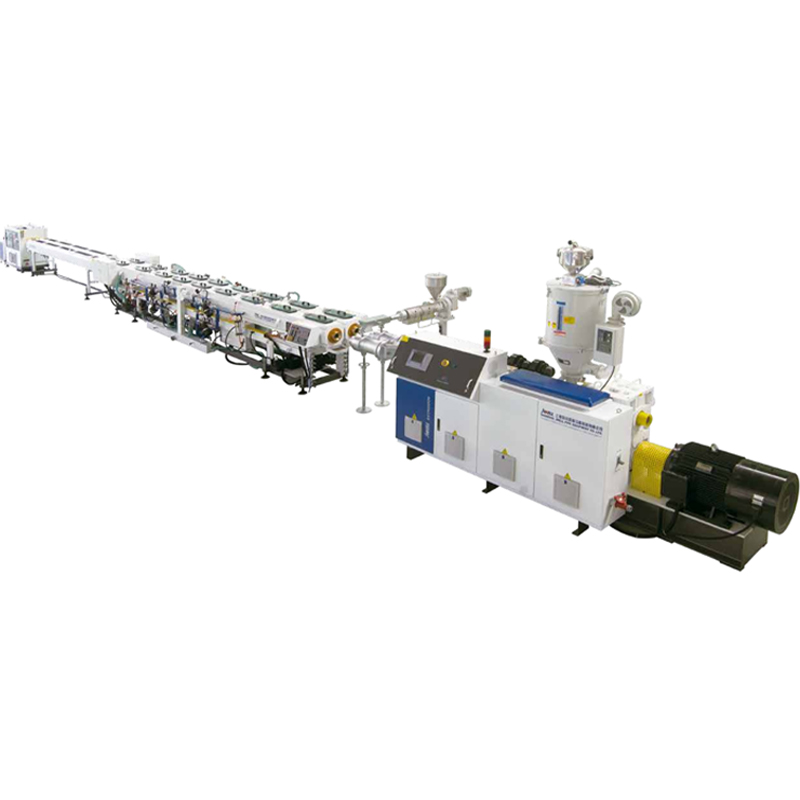
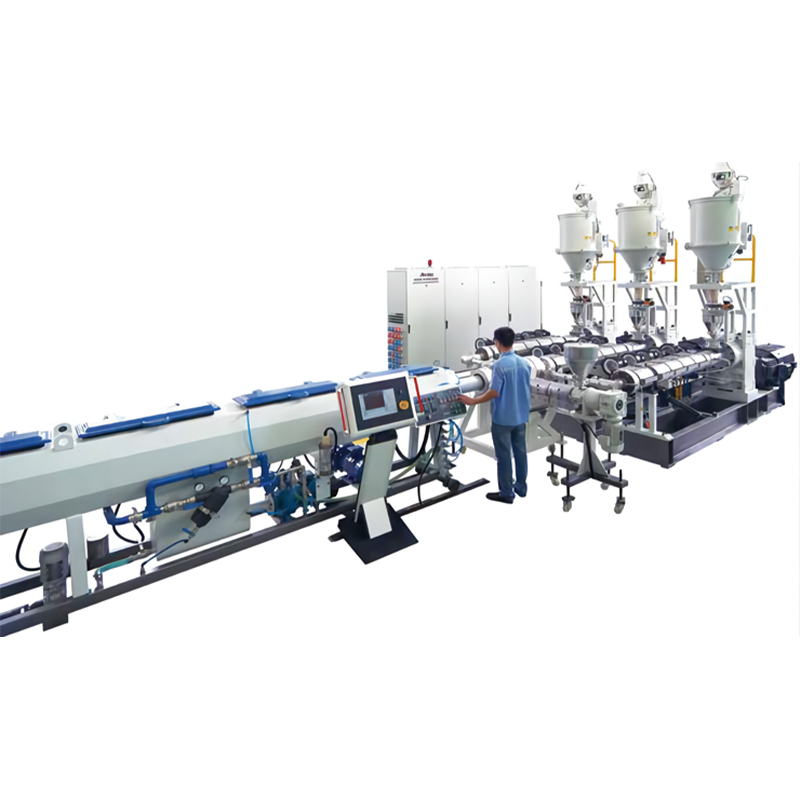
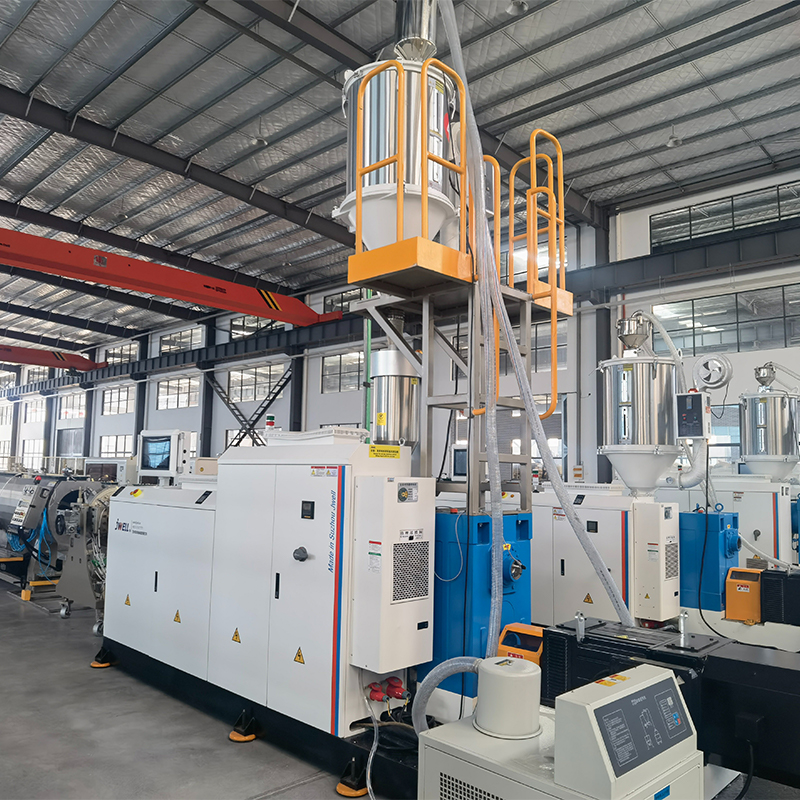
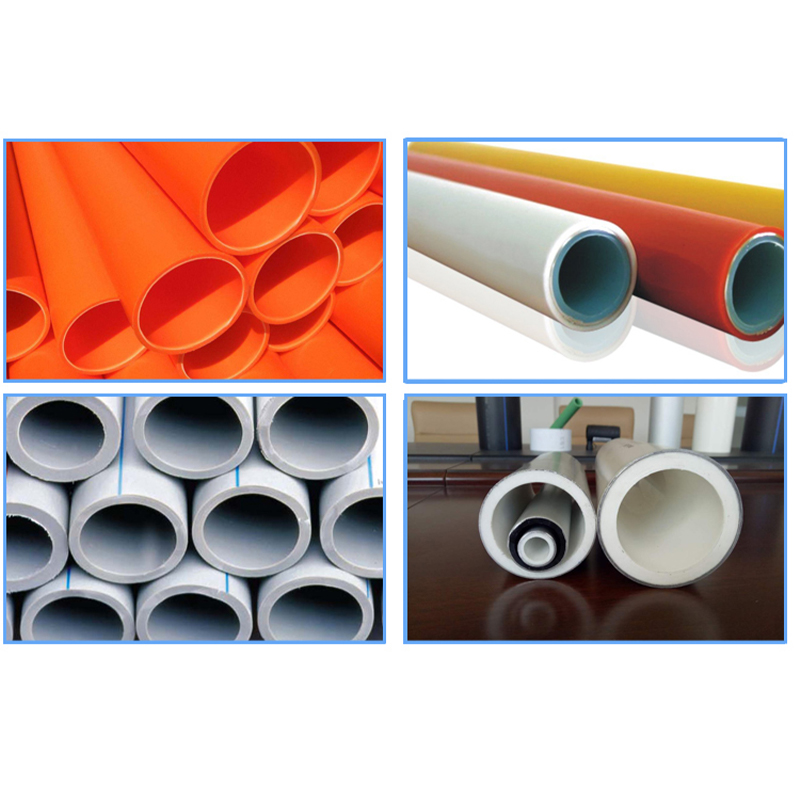
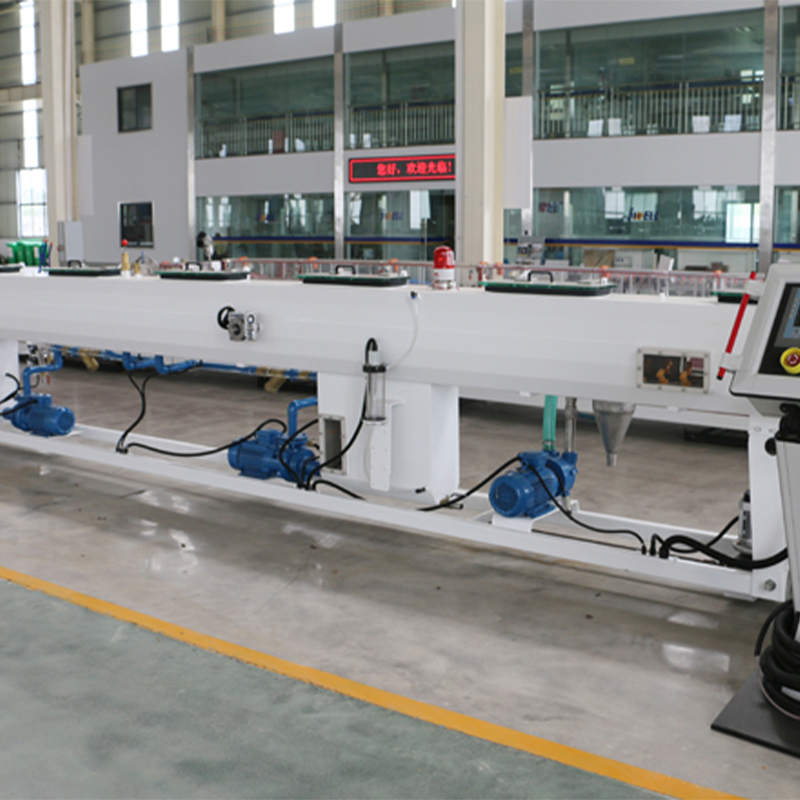
Our PP Pipe Extrusion Machine (JWS Series and MFH Series) is designed for high-output production of PP-R, PP-RCT, and PE-RT pipes, with a diameter range from Ø8 mm to Ø250 mm.
Hot and cold water supply systems (residential, commercial, industrial)
Floor heating and radiant heating systems (PE-RT pipes)
Industrial fluid conveyance
Municipal water supply networks
Real case:
A German sanitaryware manufacturer uses our JWS-PPRT-63 (twin-line) production line to produce Ø25 mm PP-R pipes with an output of 240 kg/h, achieving stable output for a large residential project.
High output, low energy consumption
|
Model |
Output (kg/h) |
Power (kW) |
Efficiency |
|
JWS-PPRT-63 (twin-line) |
200–260 |
150 |
High |
|
MFH-PO160G |
320–500 |
– |
Very high |
Twin-line models (e.g., JWS-PERT-32 (high-speed)) double output without doubling energy consumption.
The MFH series uses a high-torque extruder (MFH-75/38P2), achieving up to 600 kg/h for large diameters (Ø250 mm).
Wide pipe diameter range
JWS series: Ø16–Ø63 mm (PP-R/PE-RT)
MFH series: Ø8–Ø250 mm (PP/PE-RT)
Speed flexibility
High-speed models such as MFH-PO32G run at 50 m/min for small-diameter pipes.
Low-speed high-torque models such as MFH-PO250G run at 8 m/min for thick-walled large-diameter pipes.
Modular extruder design
All models share the JWS65/33 or MFH-60/38 extruder, reducing spare parts inventory and maintenance costs.
We follow a strict 6-step QC process to ensure every pipe meets international standards (ISO 15874, DIN 8077/8078, ASTM F2389).
Step 1 – Raw material verification
Test MFI (melt flow index) and moisture content before production.
Step 2 – In-line dimensional monitoring
Ultrasonic wall thickness gauge + laser diameter gauge, ensuring ±0.02mm accuracy.
Step 3 – Appearance and surface inspection
High-resolution camera system detects pinholes, scratches, or color unevenness.
Step 4 – Hydrostatic pressure test
Random samples tested at 1.5 times working pressure for 1 hour (e.g., 15 bar for S5 series pipes).
Step 5 – Thermal stability test (Oxidation Induction Time – OIT)
Requirement for PP-R pipes: ≥20 minutes at 200°C.
Step 6 – Long-term creep rupture test (optional, for certification)
1000-hour test at 95°C and 3.5 MPa.
Real case:
A Turkish pipe manufacturer using the JWS-PERT-32 (high-speed) production line reduced their scrap rate from 3.2% to 0.8% after adopting our in-line wall thickness control system.
Product Specifications:
|
Item
|
Specification
|
|
Place of origin
|
China
|
|
Brand name
|
JWELL
|
|
Model number
|
Φ8-Φ315mm
|
|
Certification
|
CE ISO
|
|
Minimum order quantity
|
1 SET
|
|
Packaging details
|
Wooden pallet packing
|
|
Delivery time
|
70days
|
|
Payment terms
|
TT. LC
|
Product Parameters:
|
Line Type
|
Diameter(mm)
|
Output(kg/h)
|
Extruder
|
Power(kw)
|
|
JWS-PPRT-63(single)
|
Ø20~Ø63
|
100-120
|
JWS65/33
|
110
|
|
JWS-PPRT-63(double)
|
Ø20~Ø63
|
200-260
|
JWS65/33
|
150
|
|
JWS-PERT-32(low speed)
|
Ø16~Ø32
|
100-120
|
JWS65/33
|
110
|
|
JWS-PERT-32(high speed)
|
Ø16~Ø32
|
180-220
|
JWS65/33
|
140
|
|
JWS-PERT-32(double)
|
Ø16~Ø32
|
250-300
|
JWS65/33
|
110
|
|
JWS-PERT-63(double)
|
Ø20~Ø63
|
250-300
|
JWS65/33
|
150
|
|
Line Type
|
Diameter(mm)
|
Output(kg/h)
|
Max Speed
|
Extruder
|
|
MFH-PO32G
|
Ø8~Ø32
|
200-280
|
50m/min
|
MFH-60/38P1
|
|
MFH-PO63G
|
Ø16~Ø63
|
250-350
|
40m/min
|
MFH-60/38P2
|
|
MFH-PO110G
|
Ø20~Ø110
|
280-420
|
30m/min
|
MFH-60/38P3
|
|
MFH-PO110B
|
Ø40~Ø110
|
280-420
|
20m/min
|
MFH-60/38P3
|
|
MFH-PO160G
|
Ø20~Ø160
|
320-500
|
25m/min
|
MFH-75/38P1
|
|
MFH-PO160B
|
Ø50~Ø160
|
320-500
|
15m/min
|
MFH-75/38P1
|
|
MFH-PO250G
|
Ø75~Ø250
|
480-600
|
8m/min
|
MFH-75/38P2
|
Q1: Can I produce both PP-R and PE-RT pipes on the same line?
Yes. Both JWS and MFH series support these materials. You only need to change the screw design (optional) and adjust the temperature of the vacuum calibration tank. Many customers complete material changeover within 2 hours.
Q2: What is the difference between "single-line" and "twin-line" in JWS models?
Single-line: one single pipe → lower output (100–120 kg/h), suitable for small batches or special diameters.
Twin-line: two pipes simultaneously → doubled output (200–260 kg/h) with only 36% more power (150 kW vs 110 kW). Best for high-volume production.
Q3: How to choose between MFH-PO110G and MFH-PO110B?
G (General purpose): higher speed (30 m/min) for standard wall thickness pipes.
B (Thick-wall / high burst type): lower speed (20 m/min), higher torque for pipes requiring greater wall thickness (e.g., S2.5 series).
Q4: What is the typical energy consumption per kg?
JWS series: approx. 0.55–0.65 kWh/kg
MFH series: approx. 0.5–0.6 kWh/kg (thanks to the efficient 75/38 extruder)
Q5: Do you provide installation and training?
Yes. We offer:
On-site installation guidance
Operator training (3–5 days)
Remote video support and spare parts supply within 48 hours
Q6: How long does it take to change pipe specifications (e.g., from Ø25mm to Ø32mm)?
Typically 30–60 minutes. Main steps: change die and mandrel (approx. 15 min), adjust vacuum calibration tank and cooling water tank position (10–20 min), realign puller and cutter (10 min). Our quick-change die system reduces changeover time to less than 20 minutes.
Q7: What are the workshop environment and power requirements for the production line?
Environmental requirements: temperature 10–40°C, good ventilation, flat floor (levelness ≤2mm/m).
Power requirements: JWS series requires three-phase 380V/50Hz (customizable), main circuit breaker capacity ≥200A; MFH series recommended ≥250A. A voltage stabilizer is recommended to prevent voltage fluctuations from affecting extrusion stability.
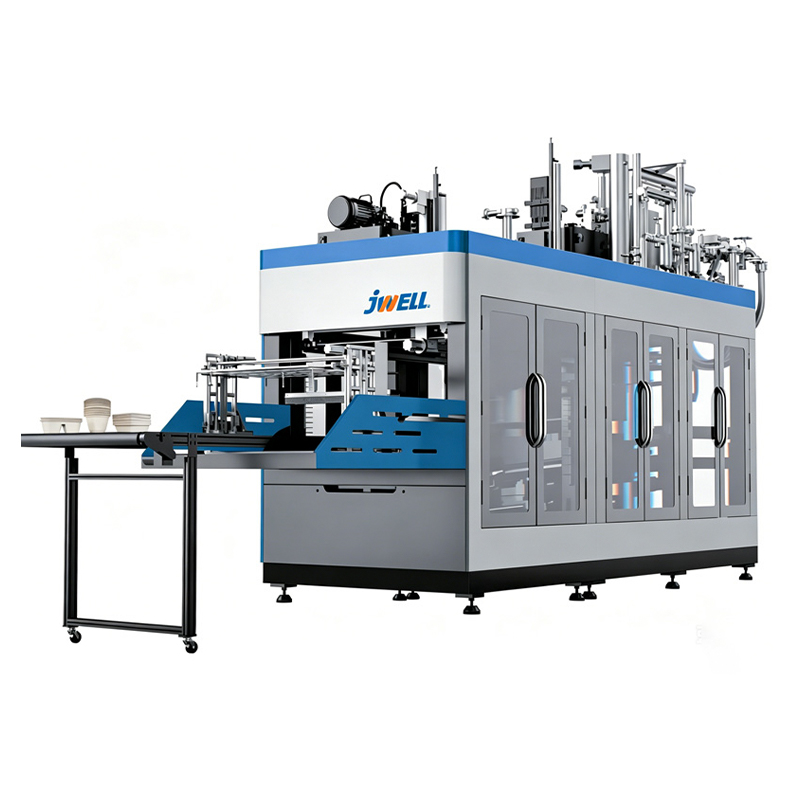


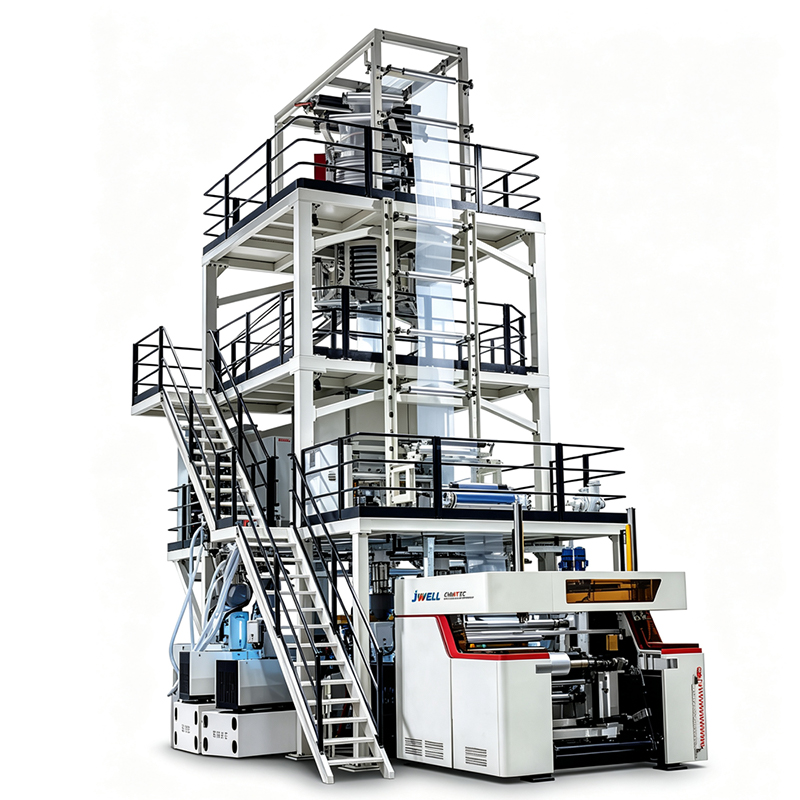
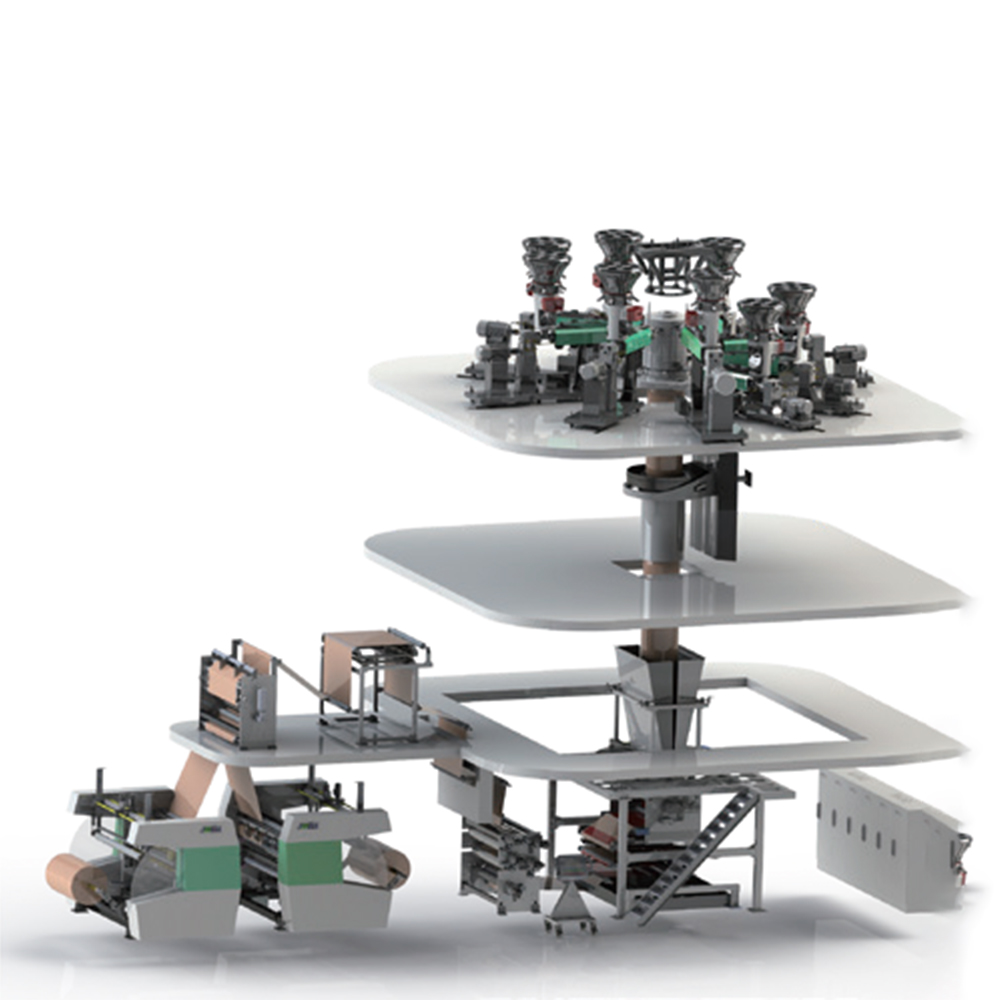
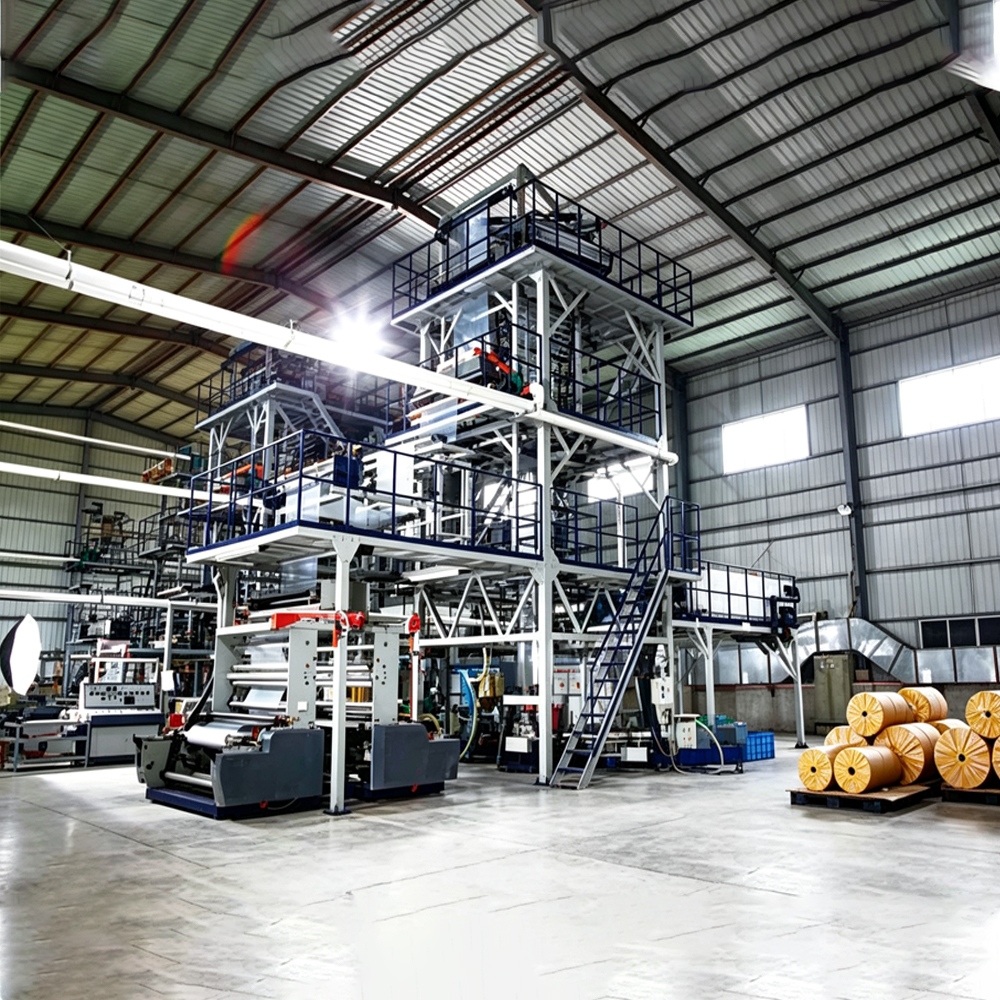
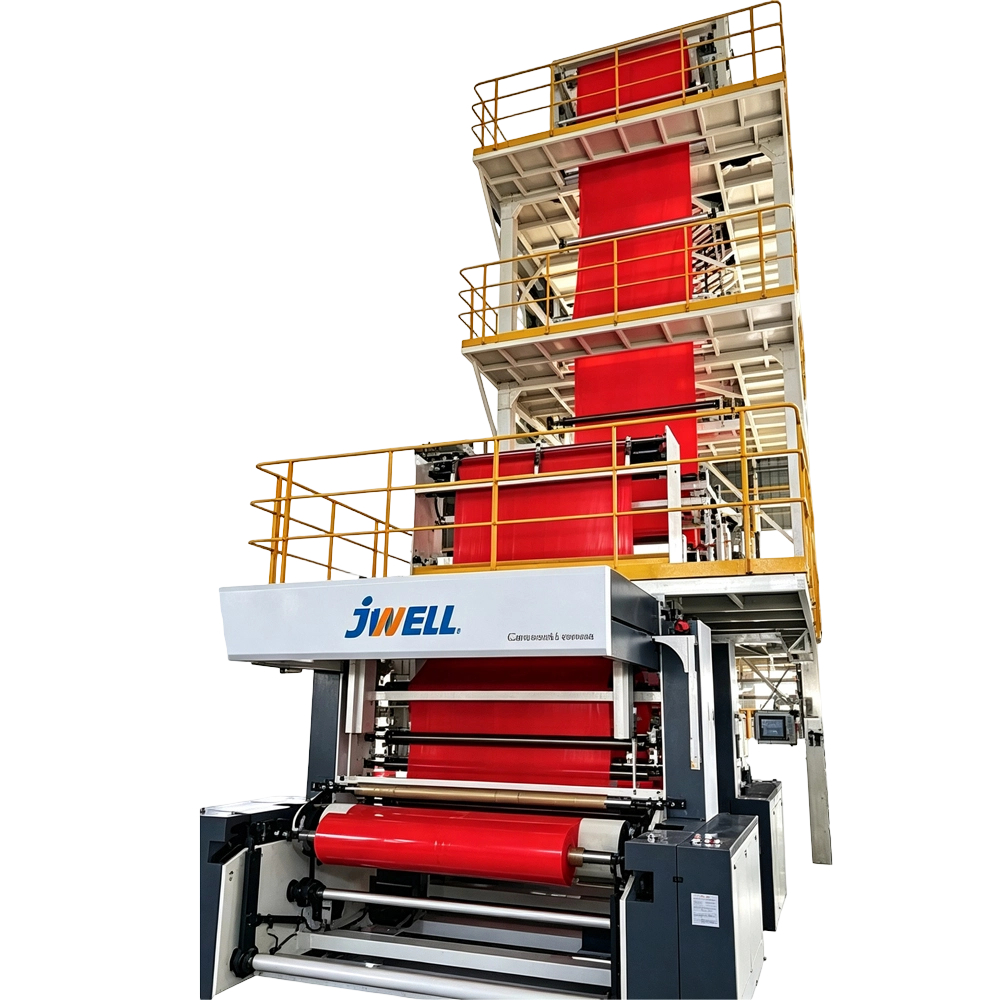


Pipe Extrusion Production Line
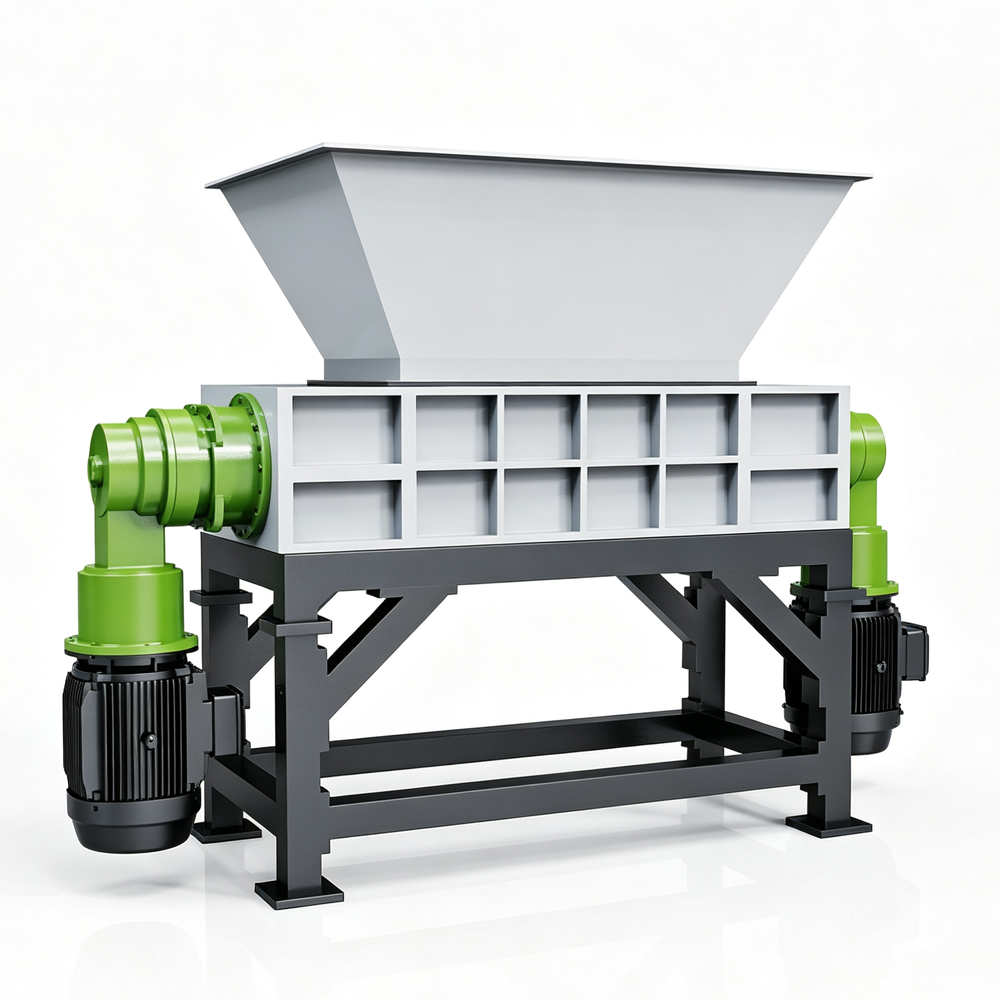
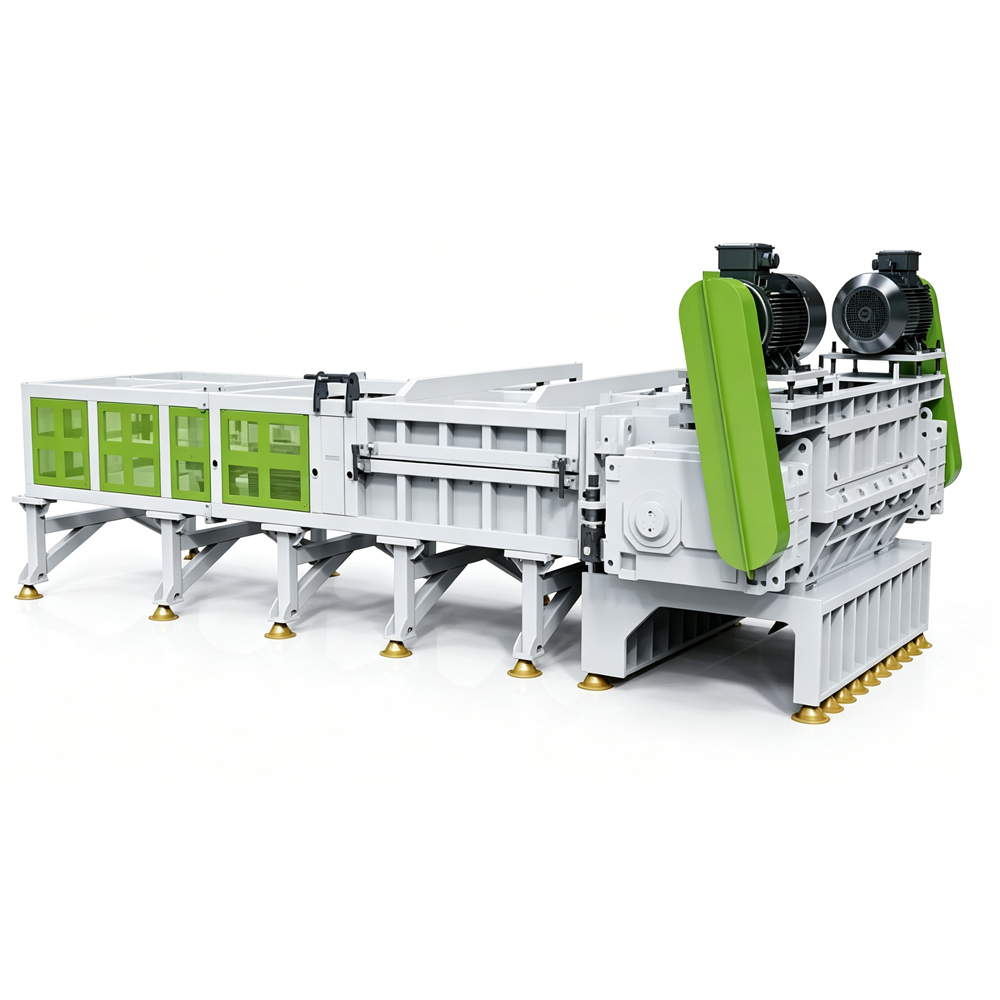
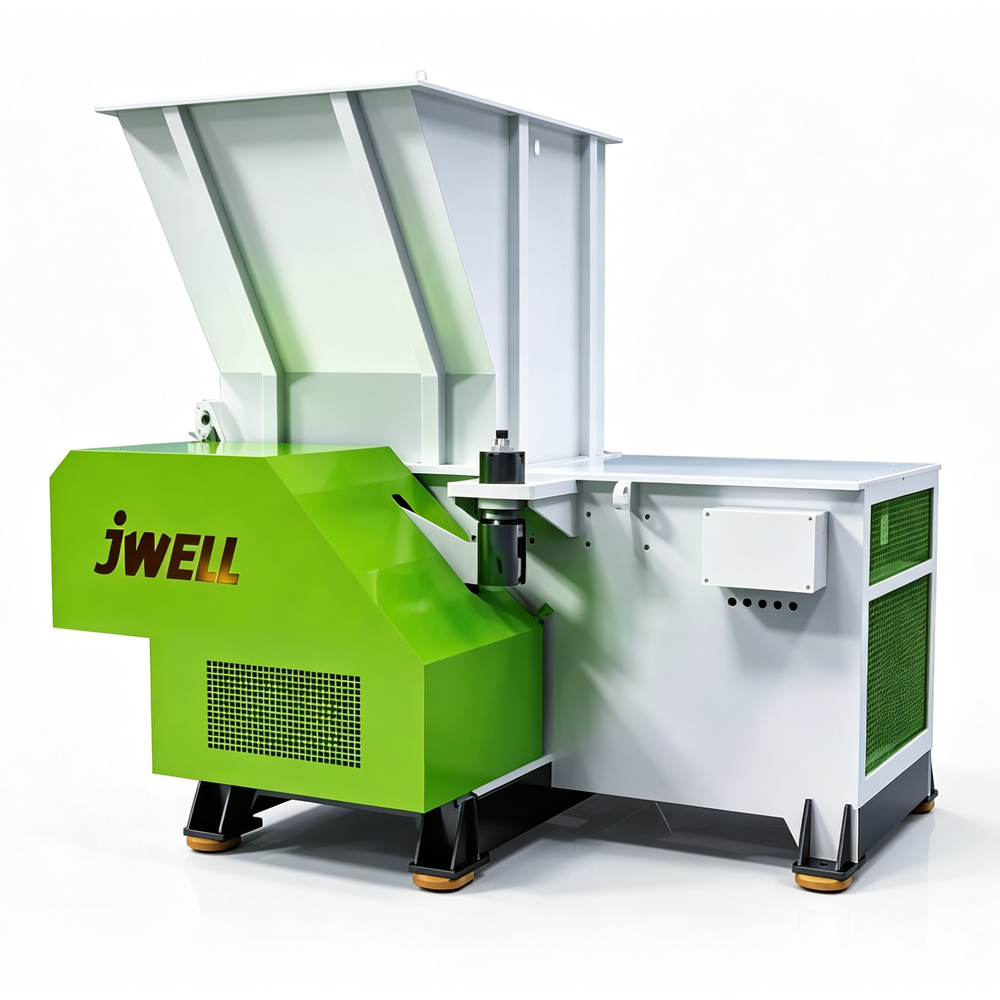
Plastic Shredder Crusher Machine

Tel: +86-19057068112

E-mail: [email protected]

Company Address
No. 128 Qingfeng Road, Xieqiao Town, Haining City, Jiaxing City, Zhejiang Province

19057068112

 English
 русский