
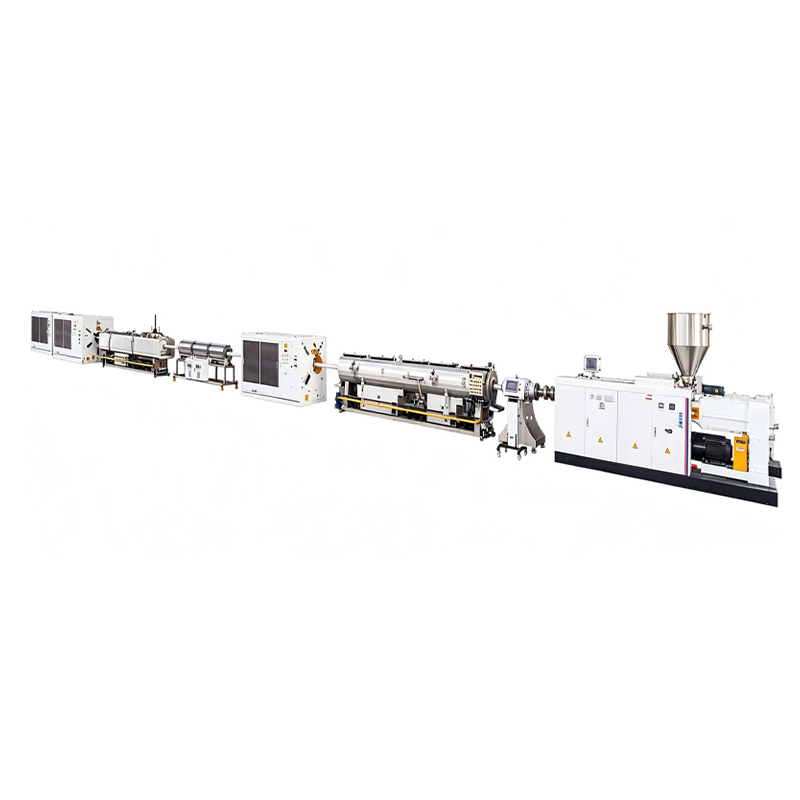
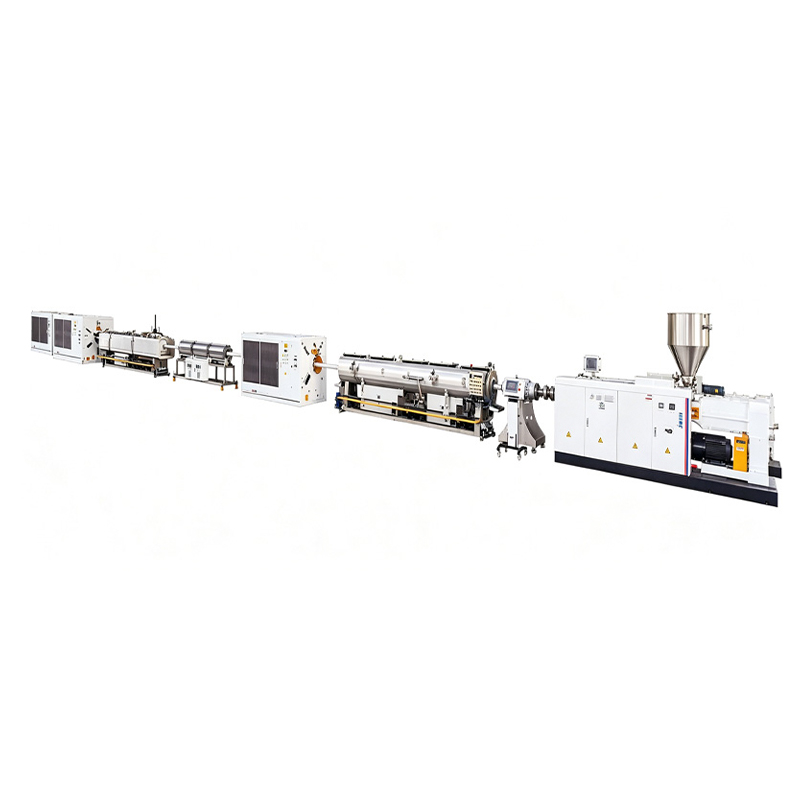
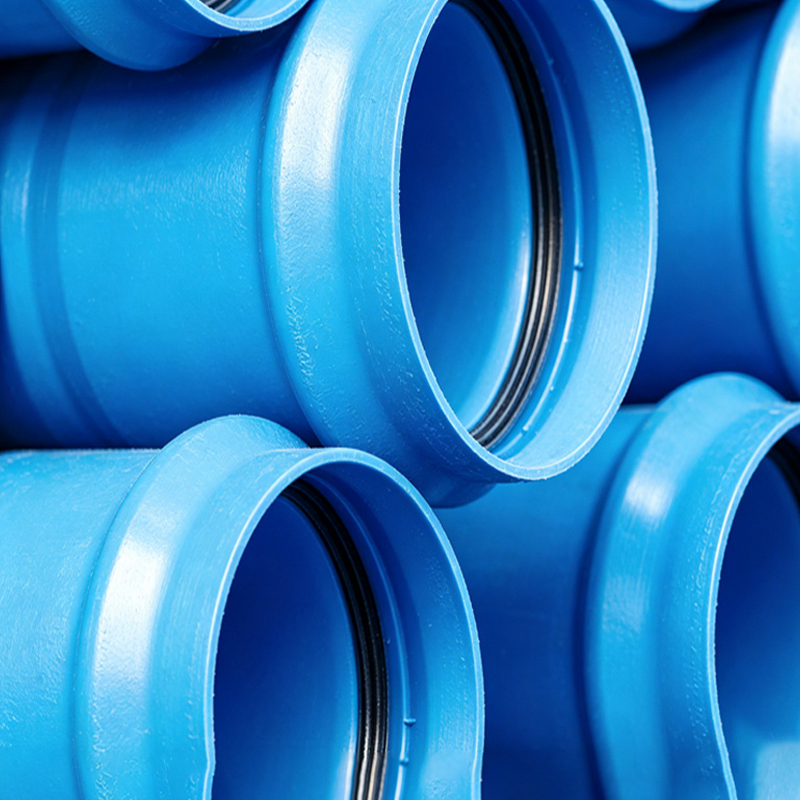
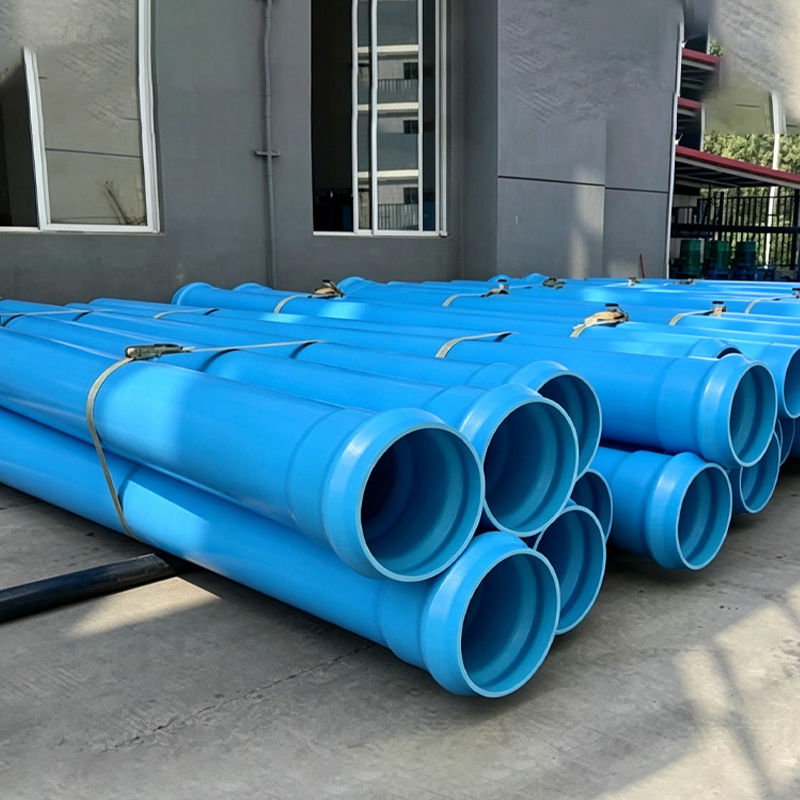
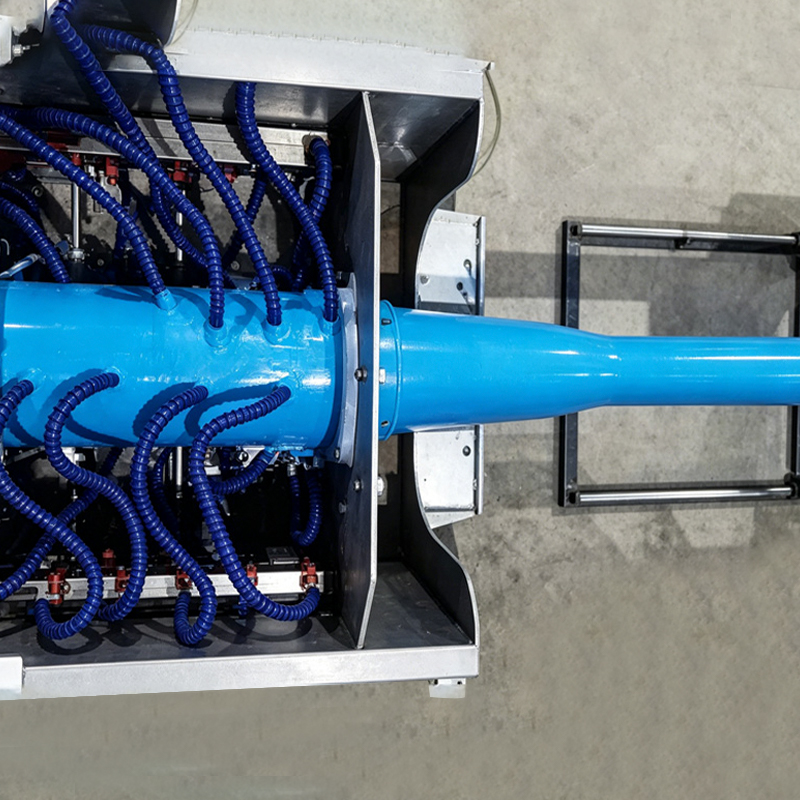
This production line is specifically designed for producing biaxially oriented PVC-O pipes, with optional one-step/two-step processes, covering a full diameter range of Φ90-800mm. Main motor power: 45-118 kW; actual output: 300-900 kg/h. Suitable for high-pressure, high-demand applications such as municipal water supply, agricultural irrigation, and industrial drainage. Offers advantages including low energy consumption, high output, and strong impact resistance of the pipes, helping customers achieve higher pressure ratings with thinner walls.
The line is specifically designed for biaxially oriented PVC (PVC-O) pipes. The wide diameter range and flexible production methods make it suitable for the following key areas:
Municipal water supply main pipelines (Φ315–630 mm)
Using the SJP114-37 extruder (main motor 118 kW, output 800 kg/h, compatible with one-step or two-step process), this configuration produces high-pressure, low-leakage main transmission pipelines.
Actual case: A water utility company in São Paulo state, Brazil, replaced their original PVC-U pipes with PVC-O pipes produced by this line. The pressure rating increased from PN12.5 to PN25, and the annual pipe burst rate decreased by 70%.
Agricultural irrigation and branch networks (Φ90–250 mm)
The SJP78-33 extruder (45 kW, output 300 kg/h) is compact, energy-efficient, and ideal for high-volume production of small to medium diameter pipes.
Actual case: An agricultural project in Punjab, India, used this model to produce PVC-O pipes for drip irrigation systems. Compared to traditional metal pipes, water loss was reduced by 40%, and installation was easier due to the light weight of PVC-O.
Industrial and drainage applications (Φ450–800 mm)
For large-diameter pipes, the line uses the two-step process with the SJP114-37 extruder (output 900 kg/h). Suitable for stormwater drainage, industrial sewage pipes, and seawater intake systems, where high impact resistance and corrosion resistance are required.
|
Parameter Highlight |
Advantage Description |
|
Wide diameter range (Φ90–800 mm) |
One production line covers pipes from small to extra-large diameters, reducing equipment investment for manufacturers. |
|
Two production methods (one-step/two-step) |
The SJP114-37 model supports both methods. One-step produces standard pipes faster; two-step provides better molecular orientation for extreme pressure ratings. |
|
Output up to 900 kg/h |
Maximizes production efficiency. For example, the two-step line for Φ450–800 mm can produce 21.6 tons of pipe per day (based on 900 kg/h). |
|
Optimized power consumption |
45–118 kW motors specifically designed for PVC-O torque requirements, saving 15–20% energy compared to conventional extruders of similar capacity. |
|
Excellent pipe performance |
Produced PVC-O pipes have impact resistance twice that of standard PVC-U pipes, and fatigue life 4–5 times longer, allowing thinner walls and lighter weight. |
To ensure every pipe meets international standards (e.g., ISO 16422, ASTM F1483), the following quality control procedures are integrated into the production line:
Raw material inspection: Check PVC resin K-value, stabilizer content, and moisture (<0.3%); ensure proper dosage of orientation modifiers.
Online dimensional monitoring: Laser or ultrasonic sensors continuously measure outer diameter, wall thickness, and ovality. Tolerance control: diameter ±0.5%, wall thickness ±10% (per ISO 16422).
Orientation degree testing: Ring expansion test – radially expand a pipe ring, calculate orientation factor from splitting resistance; axial tensile test on oriented samples to confirm molecular alignment.
Hydrostatic pressure test: Random samples withstand 4 times the rated pressure for 1 hour (no failure); long-term creep rupture test at 60°C per ISO 1167 (1000 hours).
Impact resistance: Falling weight impact test at 0°C and 23°C (drop weight up to 2 kg, drop height 1 m). Requirement: 9 out of 10 specimens show no cracks or damage.
Visual and end-face inspection: Automatic camera system detects surface defects, bubbles, or carbon black spots; verifies chamfer and socket dimensions to ensure joint assembly.
Additional from the São Paulo case: Every batch from the SJP114-37 line undergoes a rapid pressure ramp test, from 0 to PN25 in 2 seconds. Pipes with diameter expansion less than 0.5% pass. This eliminates weak points in the orientation process.
| Caliber range(mm) | Extruder model | Main motor power(KW) | Output(KG/H) | Production method |
| φ90-250 | SJP78-33 | 45 | 300 | One-step process |
| φ110-315 | SJP93-37 | 79 | 450 | One-step process |
| φ160-400 | SJP93-37 | 79 | 500 | One-step process |
| φ315-630 | SJP114-37 | 118 | 800 | One/two-step process |
| φ450-800 | SJP114-37 | 118 | 900 | Two-step process |
Q1: What is the difference between the “one-step” and “two-step” processes for the SJP114-37 model?
One-step (800 kg/h): Extrusion and orientation are completed continuously in the same line. Suitable for standard pressure pipes (PN16–PN20) of Φ315–630 mm.
Two-step (900 kg/h): First extrudes a thick-walled tube blank, then reheats and orients in a separate station. Provides better orientation uniformity for high-pressure pipes (PN25–PN32) of Φ450–800 mm.
Q2: Can the same production line produce PVC-U pipes if needed?
No. PVC-O requires a dedicated orientation unit and specific die. However, the main extruder (SJP78/93/114) can be modified to produce PVC-U by changing the screw and tooling – but this will lose the orientation capability.
Q3: How does actual output compare to the nominal 300–900 kg/h?
When using standard PVC-O compound (K67–K70) and maintaining melt temperature at 195–210°C, output fluctuation is within ±5%. Lower K value or higher filler content reduces output by 10–15%.
Q4: What power supply is required for the main motors?
45 kW (SJP78-33): 380V/50Hz or 460V/60Hz, three-phase.
79 kW and 118 kW models: Require 480V/60Hz or a step-up transformer. Include soft starters or VFDs.
Q5: What is the typical return on investment period?
Take the SJP93-37 line (Φ160–400 mm, 500 kg/h) as an example: operating 22 hours/day, producing 11 tons of PVC-O pipe per day. With a premium of USD 300 per ton over PVC-U pipe, the monthly additional gross profit is USD 72,000. Depending on local electricity and labor costs, the payback period for this line is 6–9 months.
Q6: What floor space is required for this PVC-O production line?
Smallest model (SJP78-33, diameter Φ90-250 mm): approximately 15 m × 4 m (excluding raw material and finished pipe storage areas).
Largest two-step model (Φ450-800 mm): approximately 25 m × 6 m. We can provide detailed layout drawings according to your workshop.
Q7: Can recycled PVC material be used?
No. PVC-O pipes must use virgin PVC compound with stable K value and orientation additives. Recycled material leads to uneven wall thickness and orientation failure. However, clean, uncontaminated in-house waste (e.g., start-up material) can be reused at ≤10%.


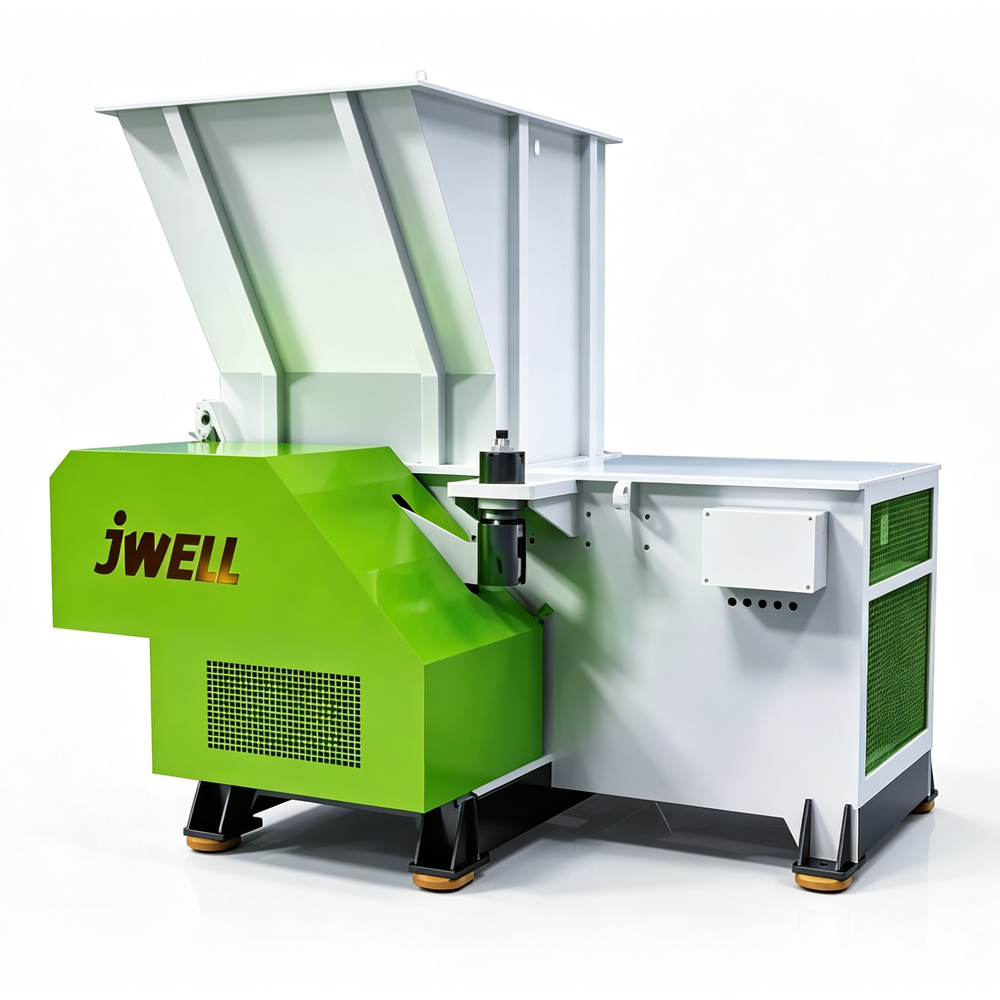


Pipe Extrusion Production Line
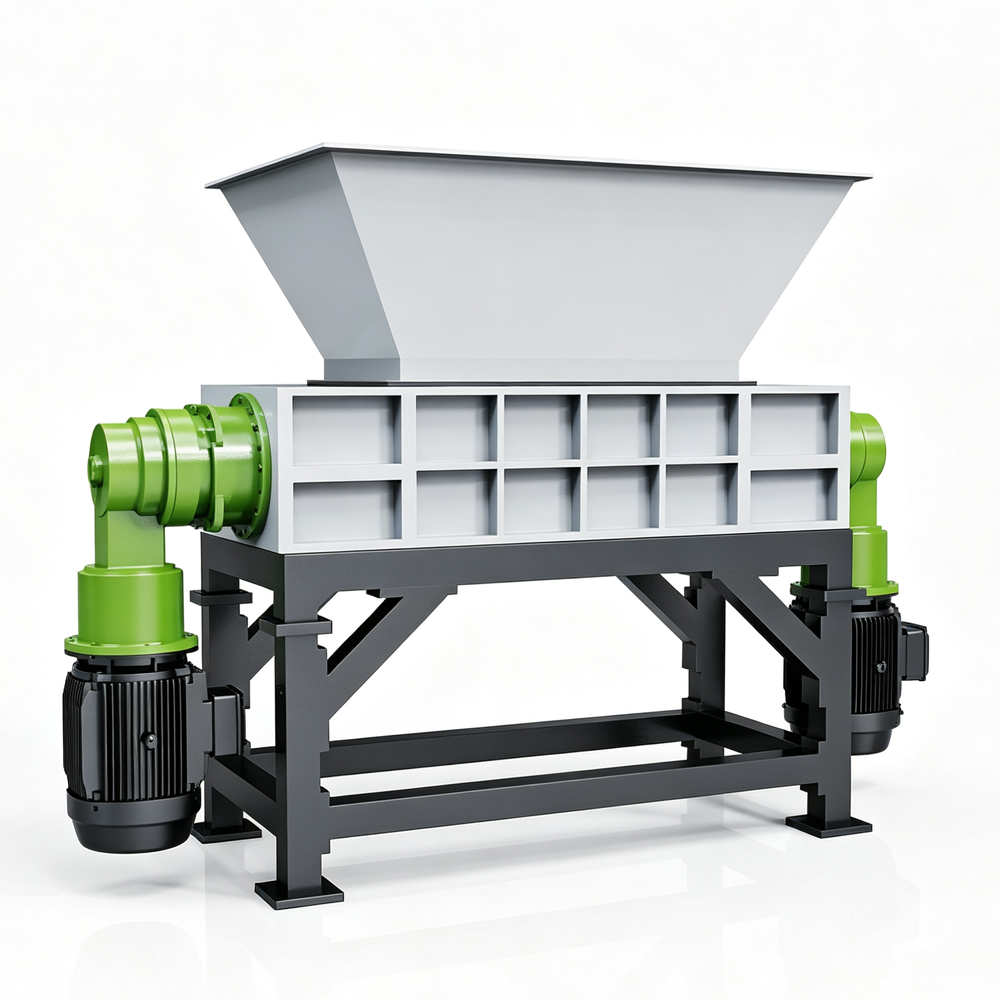
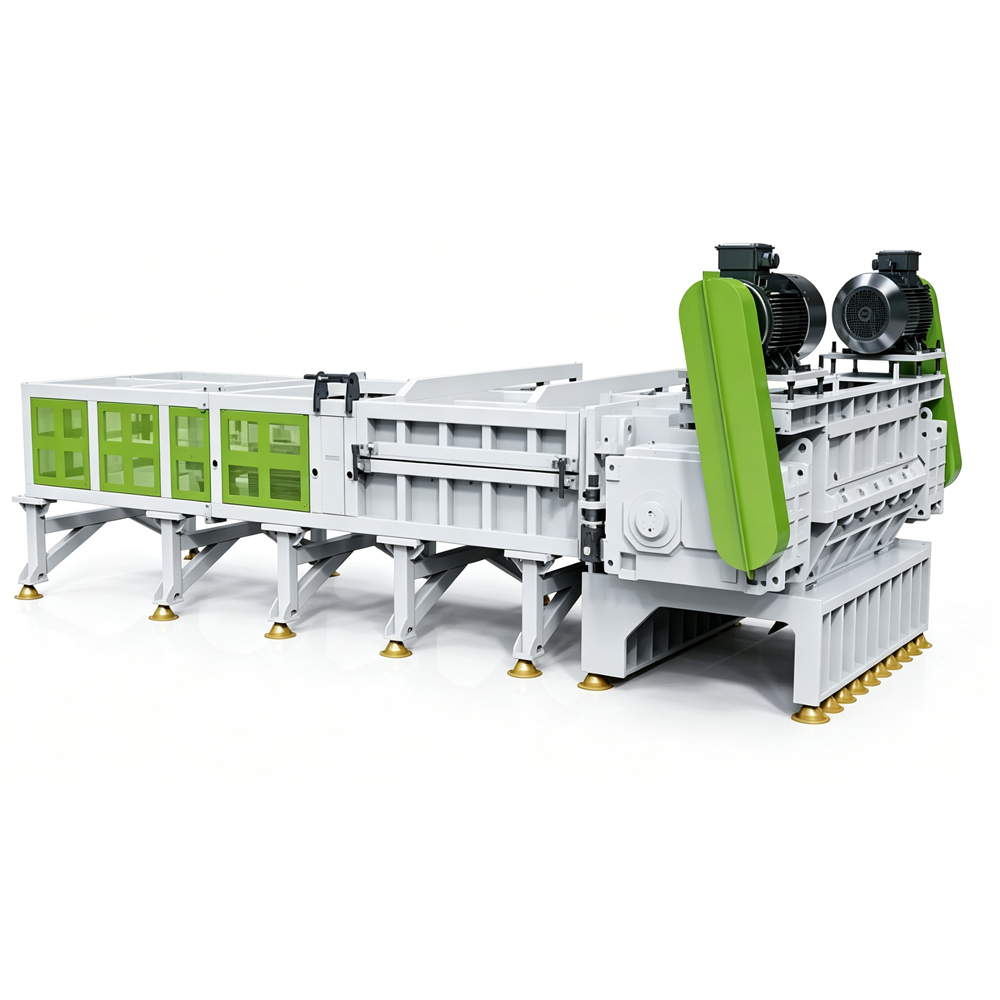
Plastic Shredder Crusher Machine

Tel: +86-19057068112

E-mail: [email protected]

Company Address
No. 128 Qingfeng Road, Xieqiao Town, Haining City, Jiaxing City, Zhejiang Province

19057068112

 English
 русский