
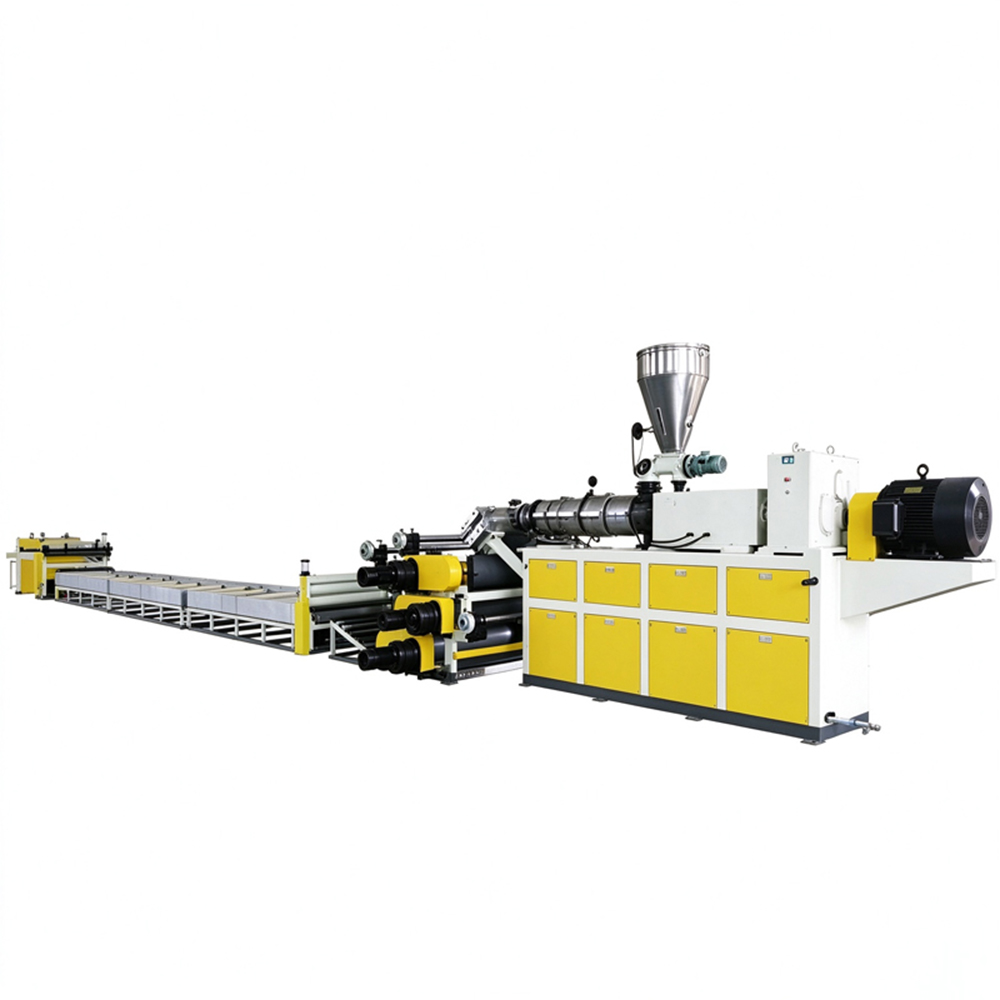
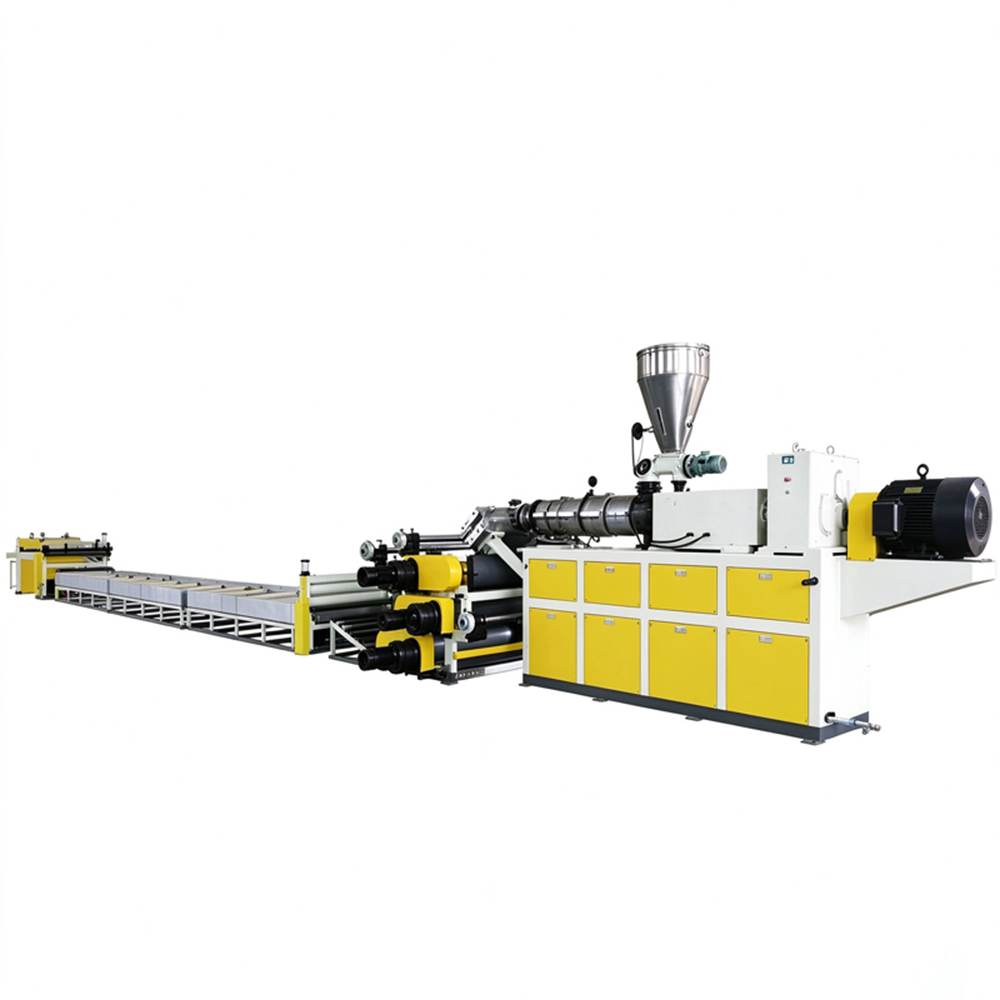
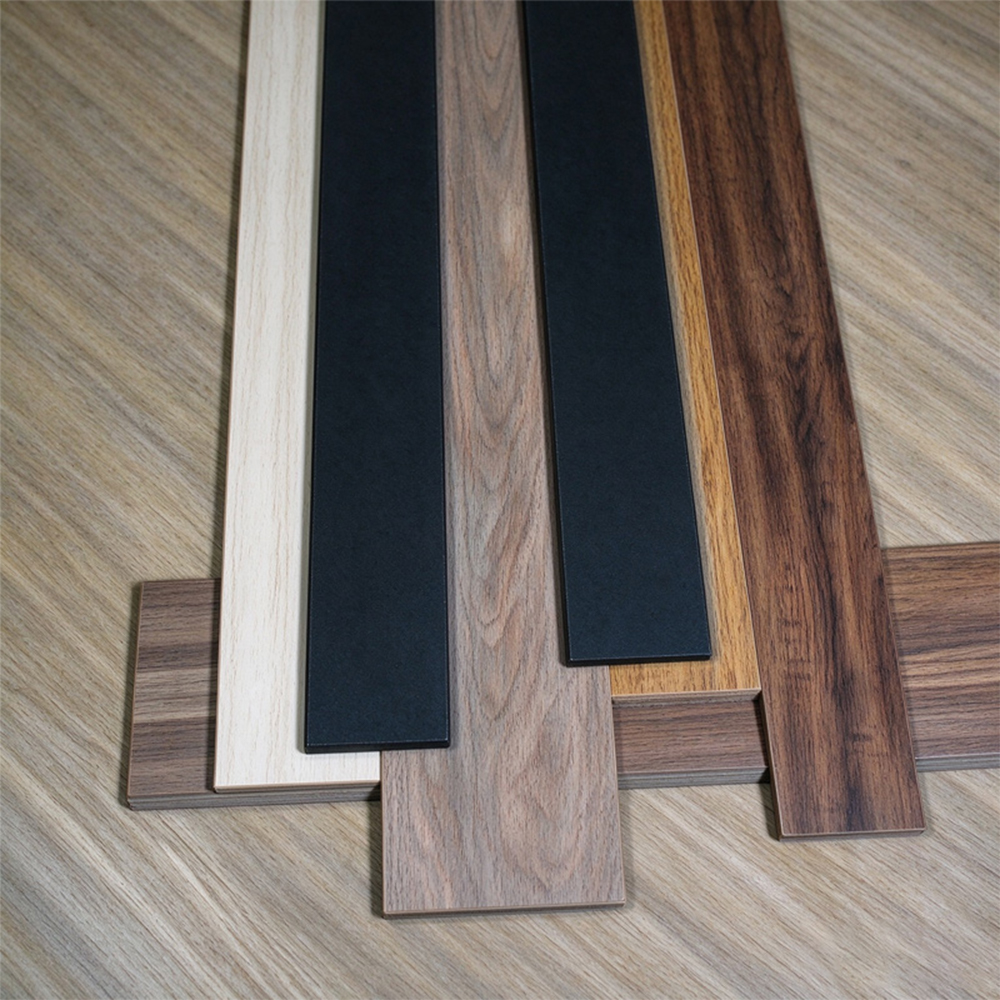
The SJZ80/156 LVT composite flooring extrusion line is designed for PVC flooring (LVT, SPC, WPC) and features a 75kW conical twin-screw extruder with a maximum output of 500 kg/h. Equipped with six sets of Ø400 mm precision calender rolls, the product width is 1200mm and thickness is adjustable from 1.5 to 4mm. High output, low energy consumption, thickness accuracy up to ±0.02mm, suitable for continuous mass production of high-end resilient flooring.
The SJZ80/156 LVT extrusion line is designed for rigid and flexible PVC composite flooring, including LVT (Luxury Vinyl Tile), SPC (Stone Plastic Composite), and WPC (Wood Plastic Composite). With a maximum extrusion capacity of 500 kg/h and finished width up to 1200mm, it is ideal for producing:
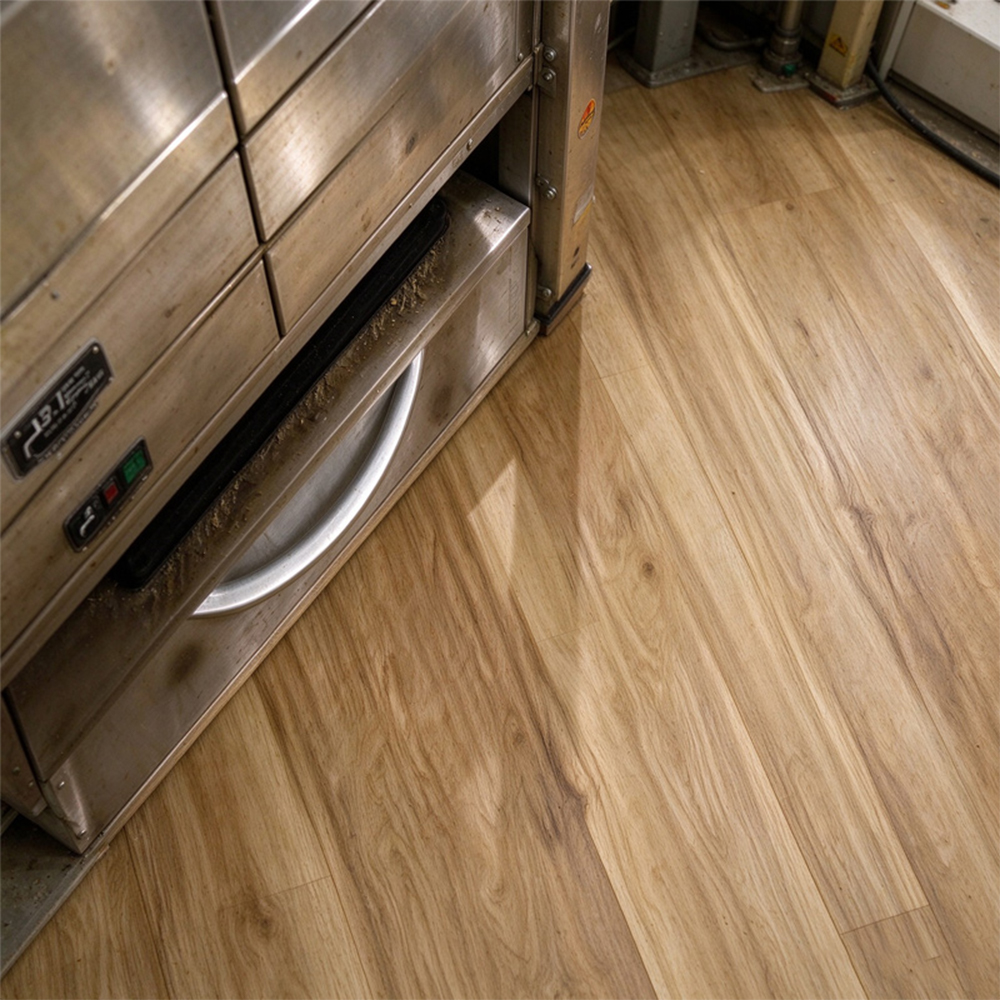
Click-lock LVT boards for residential and commercial flooring (thickness 1.5–4mm);
Flooring with integrated acoustic backing (e.g., IXPE + LVT co-extrusion);
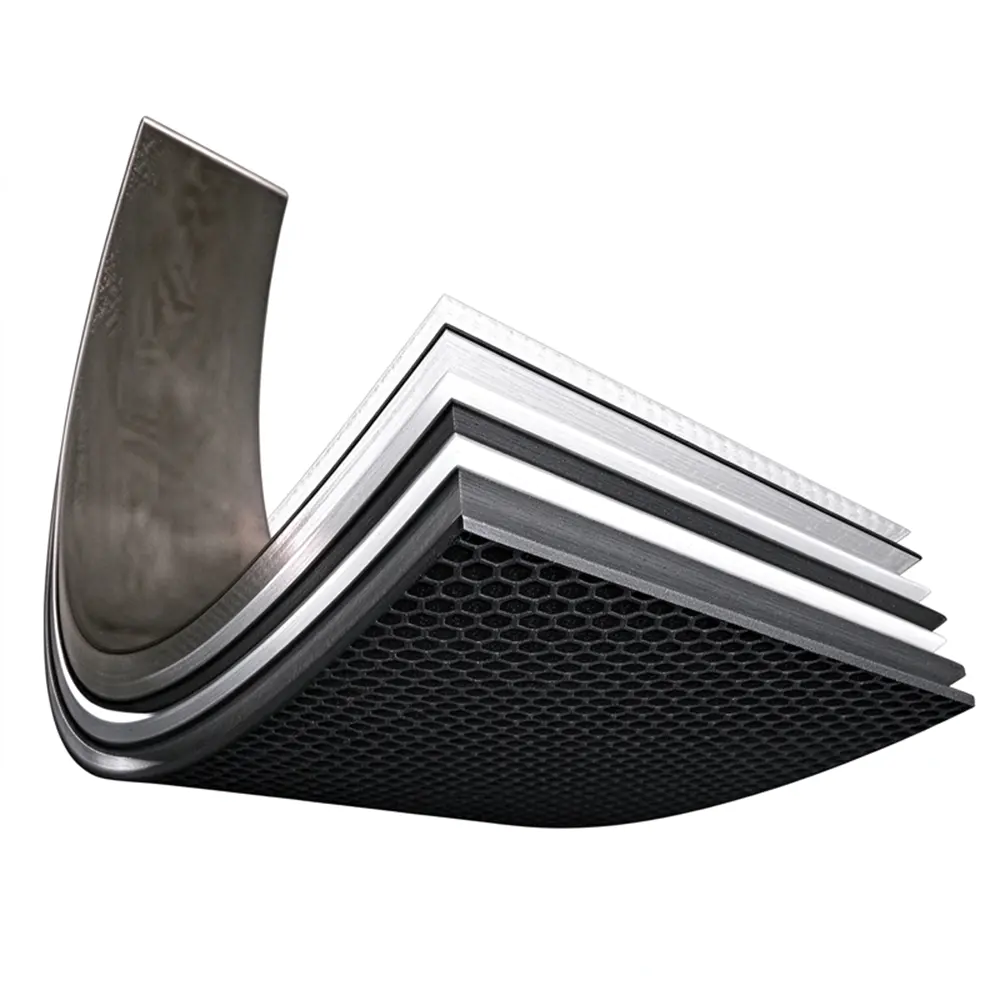
Wear layer + decorative film laminated flooring (using the six-roll system for precise thermal bonding).
Real case: A Vietnamese flooring factory uses this SJZ80/156 line to produce 3.2mm thick SPC boards with realistic wood grain embossing. The six rolls (each 400mm diameter) ensure uniform thickness (±0.03mm) across 1200mm width, reducing material waste by 12% compared to their previous four-roll line.
2.1 High Output with Low Energy Consumption
Maximum output 500 kg/h with only 75 kW main motor. Energy efficiency is approx. 6.67 kg/kWh, which is 18% higher than many similar 80mm conical twin-screw extruders.
The SJZ80/156 conical twin-screw design provides excellent melt homogenization for PVC without over-shearing, allowing high filler content (e.g., 300 parts calcium carbonate in SPC) while maintaining output stability.
2.2 Precision Six-Roll Calender (Ø400mm)
Compared to standard four-roll lines, the six-roll configuration enables:
Stepwise thickness reduction – The extruded melt is reduced to final thickness through multiple gentle steps, minimizing internal stress.
Double-sided embossing capability – Rolls No.2 and No.5 can be fitted with texture patterns, creating realistic wood or stone grains on both sides of the board.
Better heat transfer – The larger roll diameter (400mm) increases cooling surface area by 25% per roll, allowing higher line speeds on thin products (e.g., 1.5mm LVT at 4.2 m/min).
2.3 Wide Thickness Range (1.5 – 4mm)
One machine covers everything from thin luxury vinyl tiles to thick acoustic SPC boards. With motorized roll gap adjustment and digital readout, switching between thicknesses takes less than 45 minutes.
2.4 Proven Reliability
Screw geometry optimized for PVC reduces degradation spots (black specks) – a common issue in LVT production. Customers report scrap rates below 1% due to burnt material during 24/7 continuous operation.
Every SJZ80/156 extrusion line must pass the following mandatory tests before shipment:
3.1 Raw Material and Melt Testing
Thermal stability test: PVC compound runs at 200°C for 2 hours; color change measured with 40x magnification endoscope (Delta E < 1.5) and no black specks.
Melt temperature uniformity: Six thermocouples along the die width (1200mm) show maximum deviation ≤ ±2°C.
3.2 Dimensional Accuracy Verification
Laser thickness scanning: Thickness measured at 10 points across 1200mm width every 10 seconds. Acceptance criteria: ±0.02mm within 1.5–4mm range.
Calender roll runout check: Each Ø400mm roll tested with a dial indicator – eccentricity ≤0.005mm.
3.3 Line Performance Testing
Maximum output verification: We run 100% pure PVC compound at 500 kg/h for 4 hours continuously, measuring screw torque (≤85% of rated) and motor current stability (fluctuation <5%).
Six-roll synchronization: All six rolls run at 60 m/min line speed; speed deviation between any two rolls kept below 0.1%.
3.4 Mechanical Testing of Finished Flooring (trial production samples)
Dimensional stability (ASTM F2199): Shrinkage <0.1% after 6 hours at 60°C.
Peel strength of laminated LVT: Wear layer peel force >35 N/cm (EN 431).
Indentation resistance (ASTM F1914): ≤0.1mm after 25 kg load.
Real case: Before delivering a line to an LVT manufacturer in Poland, we produced 2000 m² of 2.5mm LVT. Independent lab tests showed no delamination after 1000 thermal cycles (-10°C to +50°C).
|
Model
|
SJZ80/156
|
|
Material
|
PVC
|
|
Products width
|
1200mm
|
|
Products thickness
|
1.5–4mm
|
|
Extruder specification
|
SJZ80/156
|
|
Roller specification
|
Ø400
|
|
No of rolls
|
6PS
|
|
Capacity (Max.)
|
500kg/h
|
|
Main motor power
|
75kw
|
Q1: Can the SJZ80/156 produce both solid SPC and flexible LVT?
A: Yes. The extruder screw design handles a wide range of melt viscosities (MFI 0.8–2.5 g/10min). For highly filled solid SPC, use our optional vacuum venting system. For flexible LVT, simply increase plasticizer content – the six-roll calender stack allows easy release thanks to independent temperature zones (30–150°C) on each roll.
Q2: How to avoid thickness fluctuations across 1200mm width?
A: Three factors:
Flat die with automatic thermal management system (TMS) featuring 24 heating zones.
Six-roll calender with roll bending and crossing mechanisms – standard on the SJZ80/156.
Real-time feedback between downstream thickness gauge and roll gap actuators (response time <0.5 seconds)
Q3: What is a typical ROI period?
A: Based on a real user in Turkey producing 3000 tons/year of LVT:
Line cost: approx. USD 185,000 (ex-works)
Material savings from low waste (2.5% vs. industry average 5%) = USD 45,000/year
Energy savings (75 kW vs. 110 kW for similar lines) = USD 22,000/year
Payback period: approx. 28 months (including installation and training).
Q4: Is it difficult to change embossing rolls for different wood grains?
A: Our quick-change roll sleeve system allows two technicians to replace the top two embossing rolls within 90 minutes. We provide a dedicated roll handling cart for safe operation. Many customers purchase 3–4 sets of pattern rolls (oak, walnut, slate, herringbone) and rotate them weekly.
Q5: Which cooling system is recommended for the six rolls?
A: Each Ø400mm roll is equipped with a spiral-flow internal cooling circuit. For 500 kg/h output, we recommend a 150,000 kcal/h water-cooled chiller with independent flow control per roll. Even at full speed, roll surface temperature is kept within ±1°C.
Q6: Can an online film laminating station be connected for wear layer + decorative film?
A: Absolutely. The SJZ80/156 line has a 2.5m long laminating zone after the 6th roll. You can add a hot-melt adhesive station (or use our heated pressure roll option for adhesive-free bonding). Real case: A customer in Malaysia laminated 0.3mm PU wear layer and decorative film at 3.5 m/min without bubbles.




Pipe Extrusion Production Line
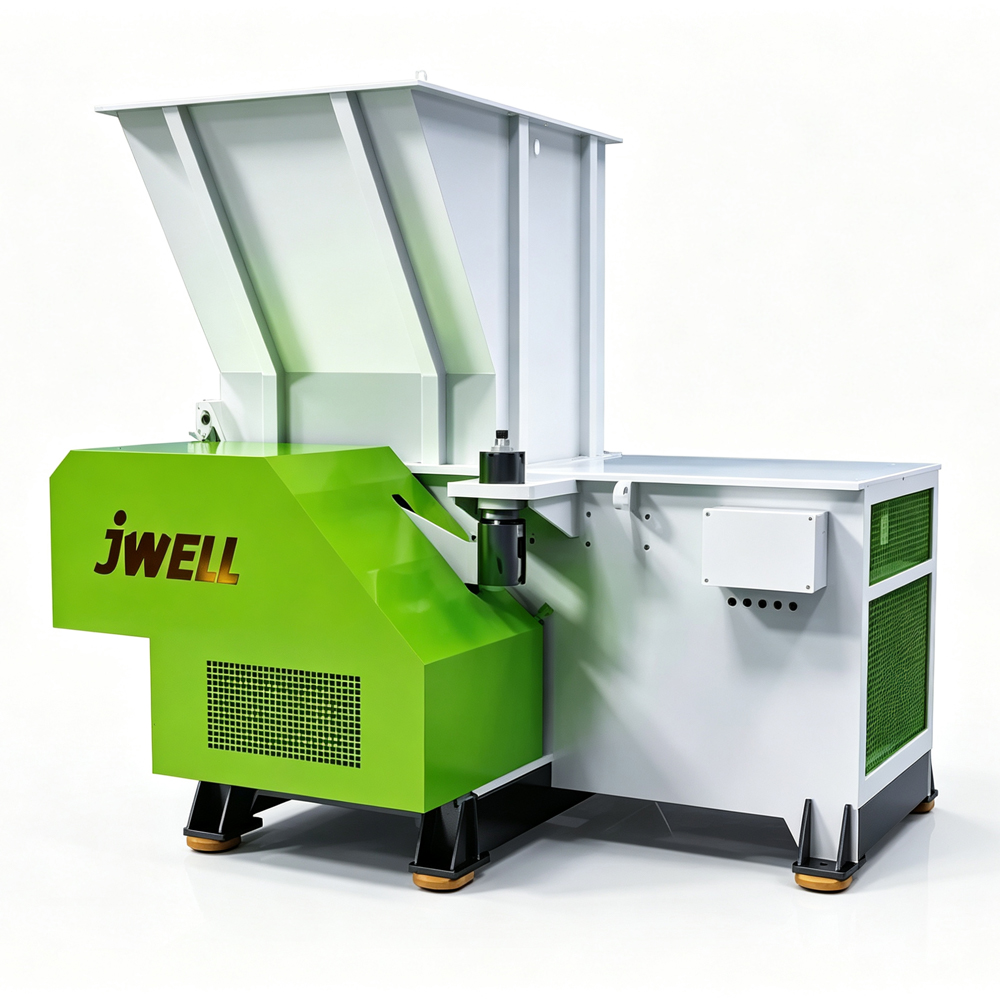
Plastic Shredder Crusher Machine

Tel: +86-19057068112

E-mail: [email protected]

Company Address
No. 128 Qingfeng Road, Xieqiao Town, Haining City, Jiaxing City, Zhejiang Province

19057068112

 English
 русский