
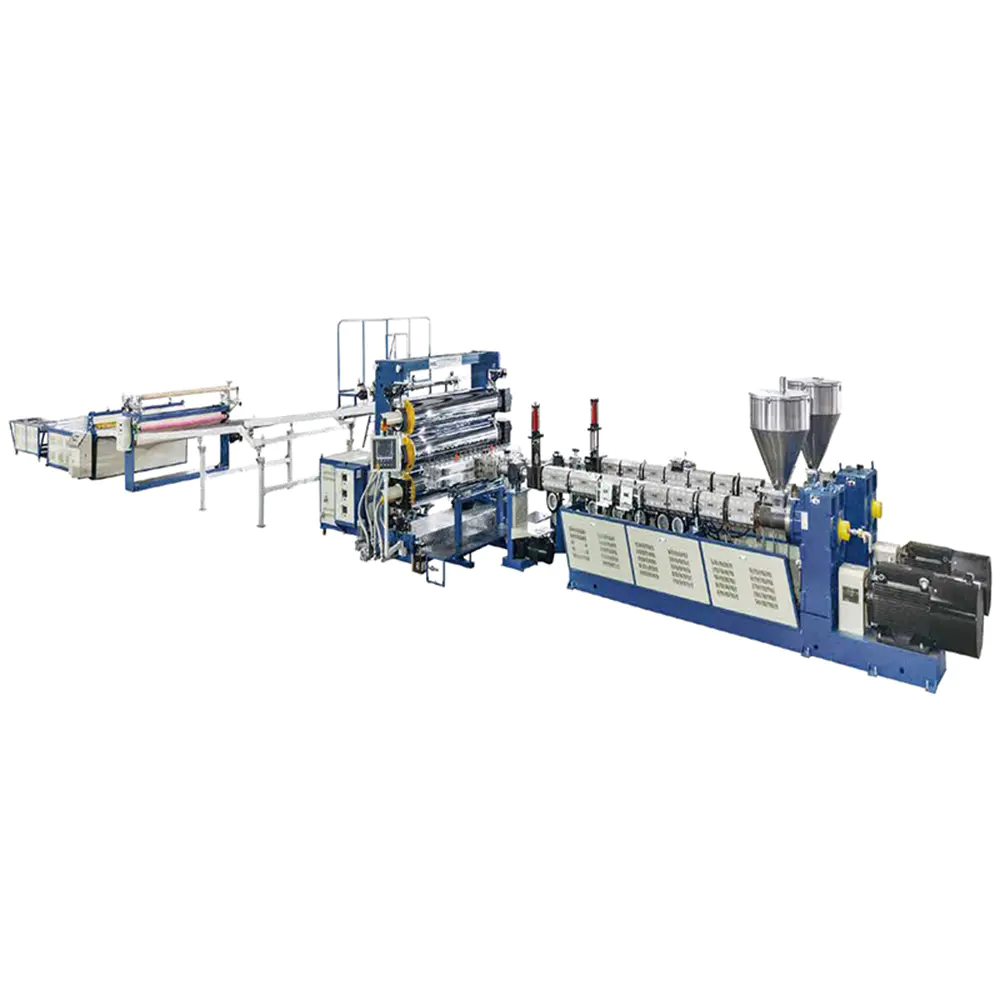
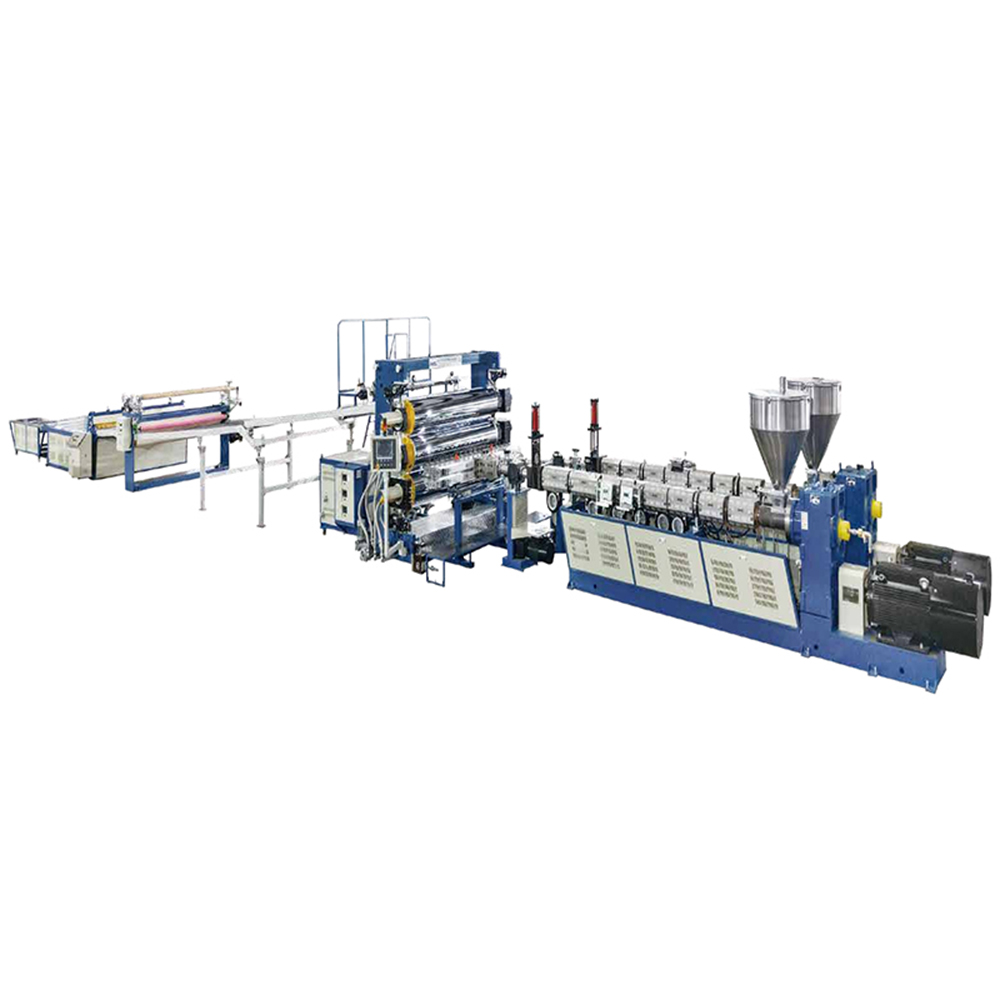
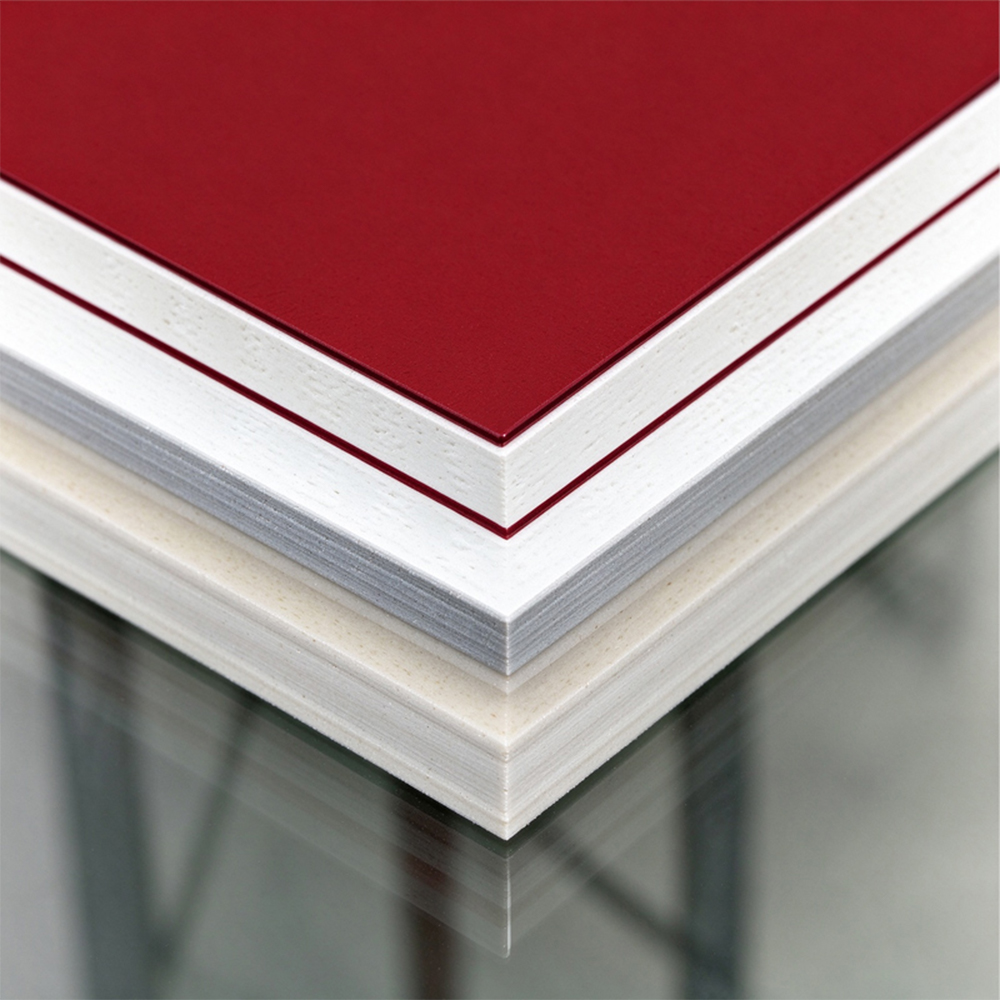
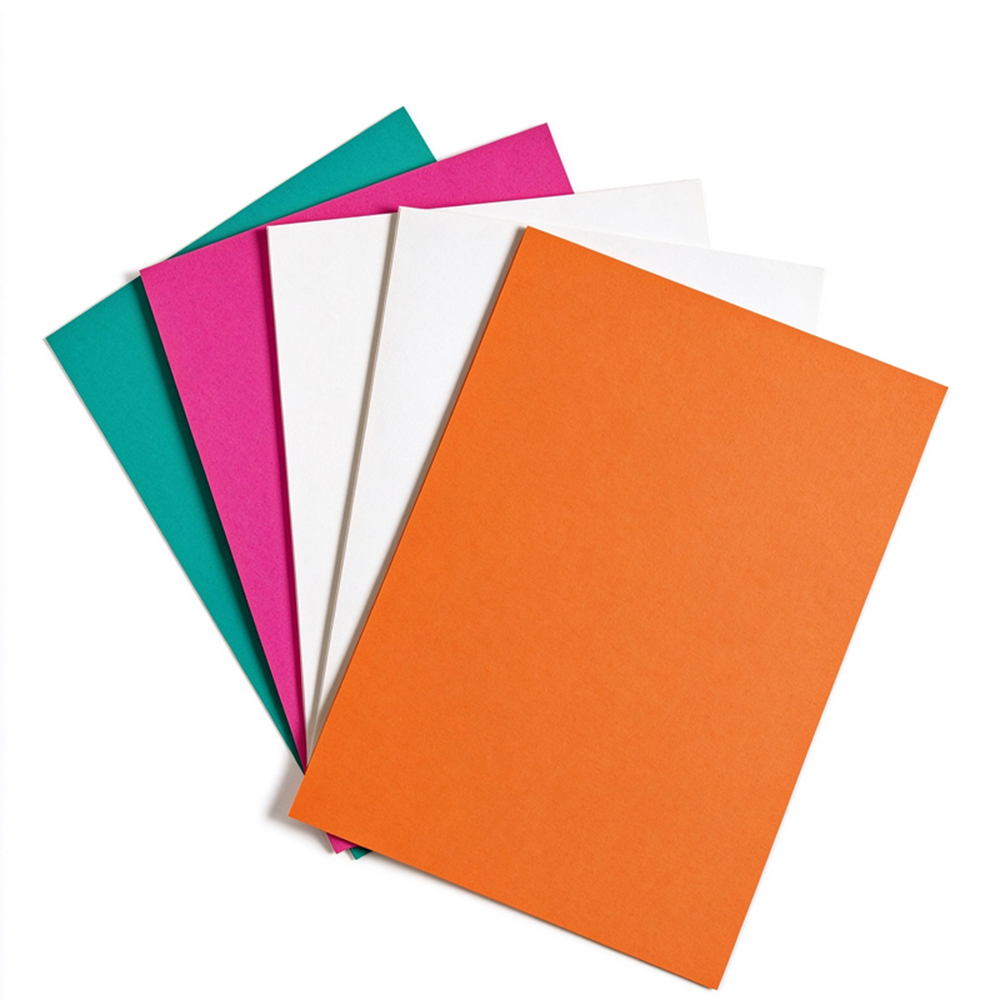
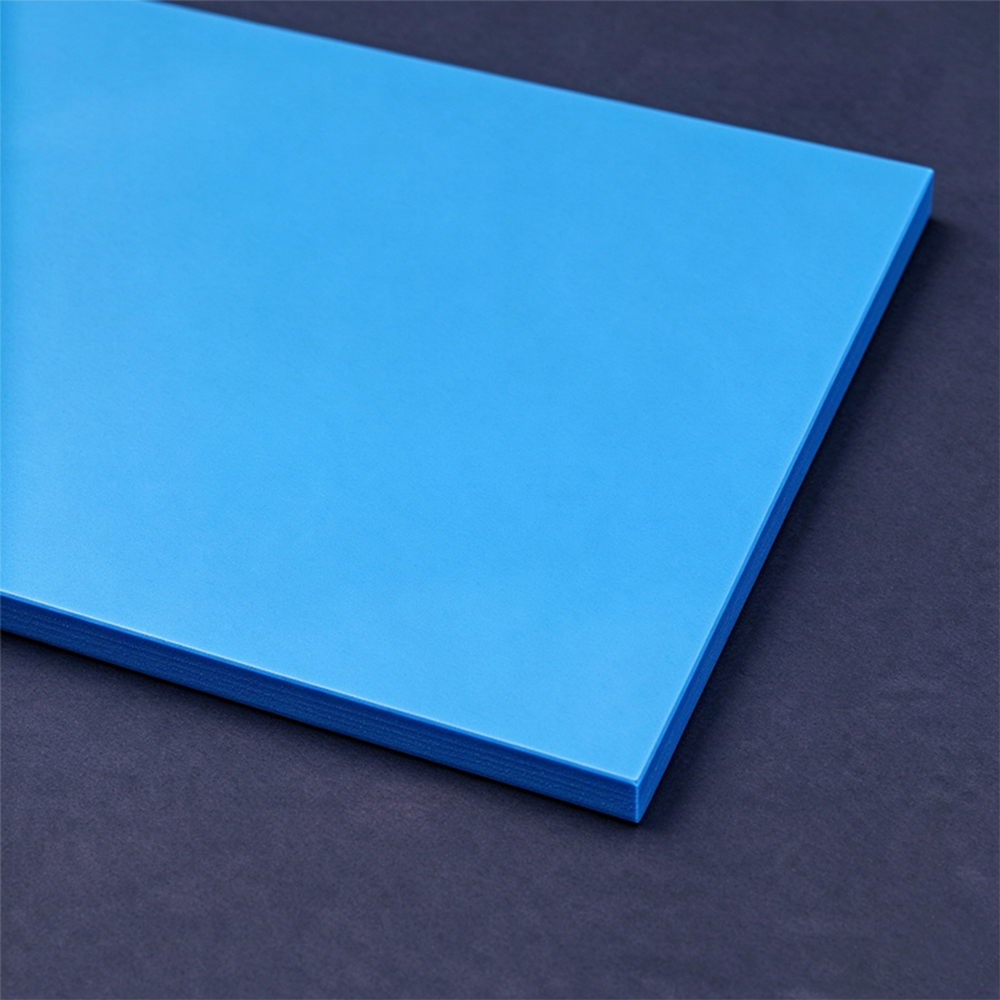
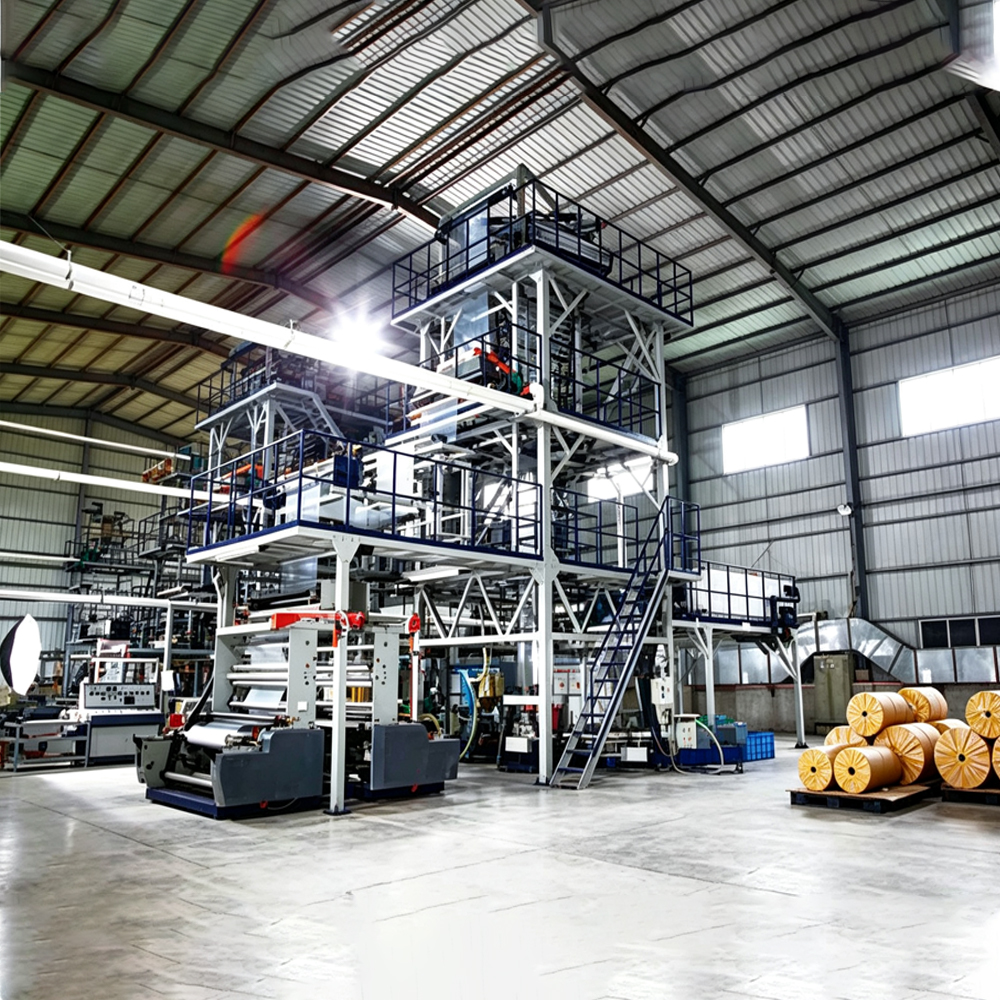
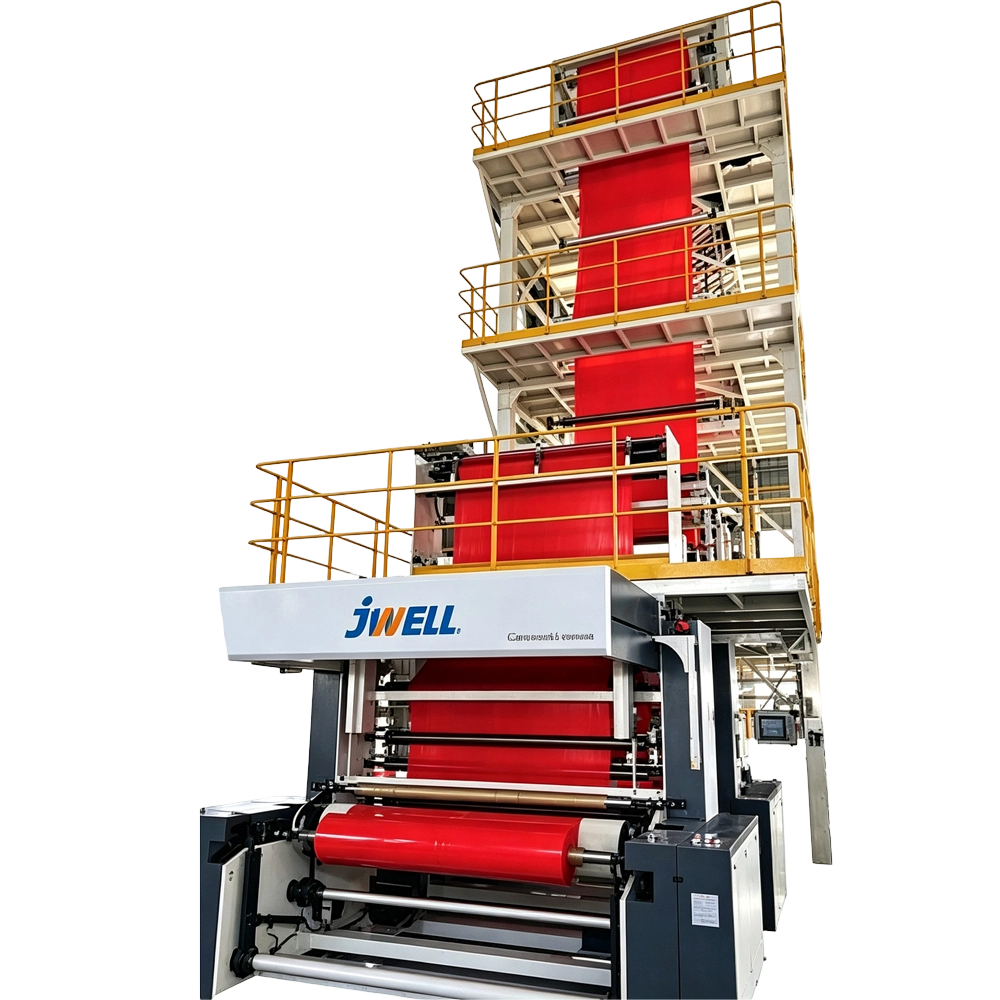
PP/PE Supercritical CO₂ Foaming Board Production Line employs supercritical carbon dioxide foaming technology, suitable for manufacturing PP/PE sheet materials. The three models (JWS150, JWS130, and JWS120) correspond to widths of 1500 mm, 1220 mm, and 1000 mm respectively, with adjustable thickness ranging from 1 to 20 mm and an hourly output of 200 to 450 kg. The foamed products feature low density and no chemical residue, making them widely used in automotive interiors, food packaging, and building insulation.
Automotive Interiors – Lightweight PP foam sheet for door panels and trunk liners (Model JWS130, 1220mm width, 3mm thickness, 30% weight reduction compared to solid sheet).
Food Packaging – PE foam trays for meat and fruit (Model JWS120, 1000mm width, 2mm thickness, high cleanliness, no chemical residues).
Building Insulation – 15–20mm thick PP foam boards for underfloor heating systems (Model JWS150, 1500mm width, continuous output 430 kg/h).
Sports Goods – Shock-absorbing PE foam layer in yoga mats and helmet liners.
CO₂ Supercritical Technology
Unlike traditional chemical blowing agents that may leave harmful residues, our production line injects high-pressure CO₂ in a supercritical state into the PP/PE melt. The result: a closed-cell, uniform foam structure with zero VOC emissions.
Wide Thickness and Width Range
Each model supports thicknesses of 1–5 mm and 5–20 mm by simply changing the die gap and cooling section settings. For example, a customer in Thailand can switch between producing 2mm PE sheet (for packaging) and 18mm PP sheet (for insulation) on the same JWS130 line within 90 minutes.
High Production Stability
JWS150: 400–450 kg/h – Ideal for large insulation board plants.
JWS130: 300–350 kg/h – Most popular among medium-sized plants in automotive and packaging industries.
JWS120: 200–250 kg/h – Very suitable for startup foam sheet producers.
Energy Saving & Material Reduction
Compared to solid sheets, CO₂ foaming reduces density by 40–60%. For example, a 1500mm wide, 10mm thick PP sheet weighs only 6.2 kg/m² (solid sheet weighs 12 kg/m²). This lowers transportation costs and raw material consumption.
To ensure every foam sheet meets international standards, we follow a strict 6-step QC process:
Step 1 – Raw Material & CO₂ Purity Check
On-site testing of PP/PE melt flow index (MFI) (recommended MFI: 2–8 g/10min).
CO₂ purity ≥ 99.9% to avoid contamination.
Step 2 – Online Thickness & Width Monitoring
Laser sensors at the pull roll scan the sheet every 500mm.
Tolerances: ±0.15mm for 1–5mm sheets; ±0.3mm for 5–20mm sheets.
Step 3 – Density & Cell Structure Test
Sampling per batch → measure using water displacement method (ASTM D792).
Target density range: 150–450 kg/m³, depending on application.
Microscopic inspection for cell size uniformity (50–200 microns, no collapse).
Step 4 – Mechanical Performance Verification
Tensile strength (ISO 527) – ≥1.2 MPa for PP foam at 300 kg/m³ density.
Compression set (ASTM D3575) – ≥90% recovery after 24h at 50% compression.
Peel strength for laminated sheets (if applicable).
Step 5 – Heat & Chemical Resistance Test
Heat deflection temperature test: PP foam sheet shows no shrinkage after 1 hour at 120°C.
Chemical resistance: no swelling after 24h immersion in oil or acidic solution.
Step 6 – Final Roll Inspection
No visible bubbles, cracks, or uneven edges.
Check roll length, core inner diameter, and packaging before shipment.
Actual case: A Polish insulation buyer rejected competitor's foam sheets due to uneven density (±18% variation). Our JWS150 line passed their audit after demonstrating online density control (accuracy ±3%) via a CO₂ pressure feedback loop.
|
Model
|
JWS150/CJWH95
|
JWS130/CJWH85
|
JWS120/CJWH75
|
|
Width
|
1500mm
|
1220mm
|
1000mm
|
|
Thickness
|
1–5 / 5–20mm
|
1–5 / 5–20mm
|
1–5 / 5–20mm
|
|
Capacity
|
400–450kg/h
|
300–350kg/h
|
200–250kg/h
|
Q1: Can you produce both PP and PE foam sheets on the same production line?
A: Yes. The screw design and die geometry support both polymers. For PP (melting point ~165°C), the barrel temperature needs to be raised about 20°C compared to PE. With proper purging procedures, switching takes approximately 2 hours.
Q2: What is the minimum foam thickness achievable at 1500mm width?
A: On the JWS150, we have consistently produced 1.2mm PP foam sheet for disposable food tray orders. Below 1.0mm, width uniformity decreases. For ultra-thin sheets (<1mm), we recommend a smaller die (≤1000mm).
Q3: How do you control cell size and avoid large voids?
A: Three key parameters:
CO₂ injection pressure (15–25 MPa, to reach supercritical state).
Melt temperature (170–190°C for PP, 140–160°C for PE).
Cooling roll temperature (60–80°C).
Our PLC system automatically adjusts these parameters based on real-time thickness feedback.
Q4: What is the energy consumption per kg?
A: Approximately 0.45–0.55 kWh/kg for the JWS120, and 0.4–0.5 kWh/kg for the JWS150 due to better thermal efficiency from economies of scale.
Q5: How long does it take to change thickness (e.g., from 2mm to 15mm)?
A: Typically within 90 minutes. Simply adjust the die opening, cooling roll gap, and CO₂ injection pressure – the same equipment can switch between the 1–5mm and 5–20mm ranges without changing the screw.
Q6: Will CO₂ leak or pose safety risks during production?
A: The equipment is equipped with standard leak detection probes and automatic pressure relief valves. When CO₂ concentration exceeds the limit, an audible/visual alarm is triggered and the gas supply is cut off. As long as operators follow training to regularly inspect pipe joints, no additional explosion-proof devices are required in the workshop.
Q7: Can the same machine produce both PP and PE boards? Is changing troublesome?
A: Yes. PP and PE share the same screw and die; the difference lies in heating temperature (PP about 20°C higher) and cooling roll settings. After thoroughly cleaning the barrel and changing materials, stable production of the other material's foam board can be achieved in about 2 hours.




Pipe Extrusion Production Line
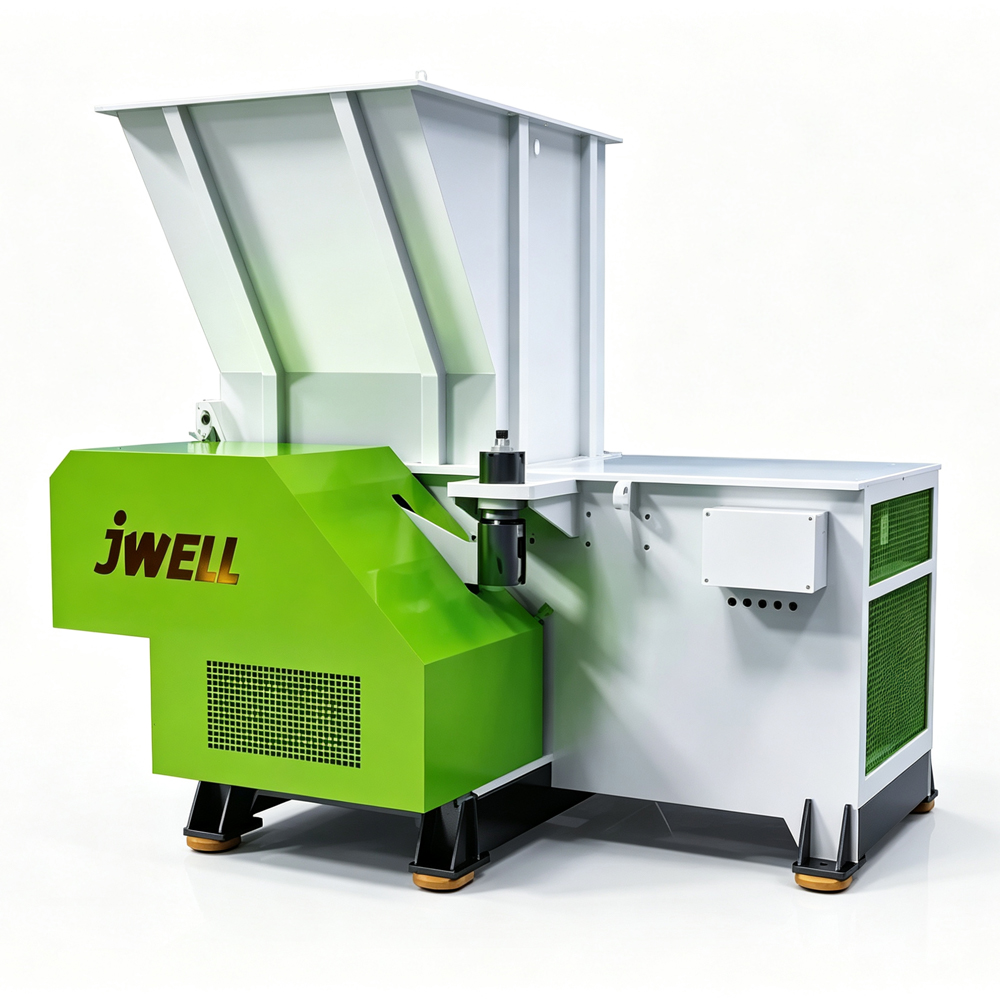
Plastic Shredder Crusher Machine

Tel: +86-19057068112

E-mail: [email protected]

Company Address
No. 128 Qingfeng Road, Xieqiao Town, Haining City, Jiaxing City, Zhejiang Province

19057068112

 English
 русский