
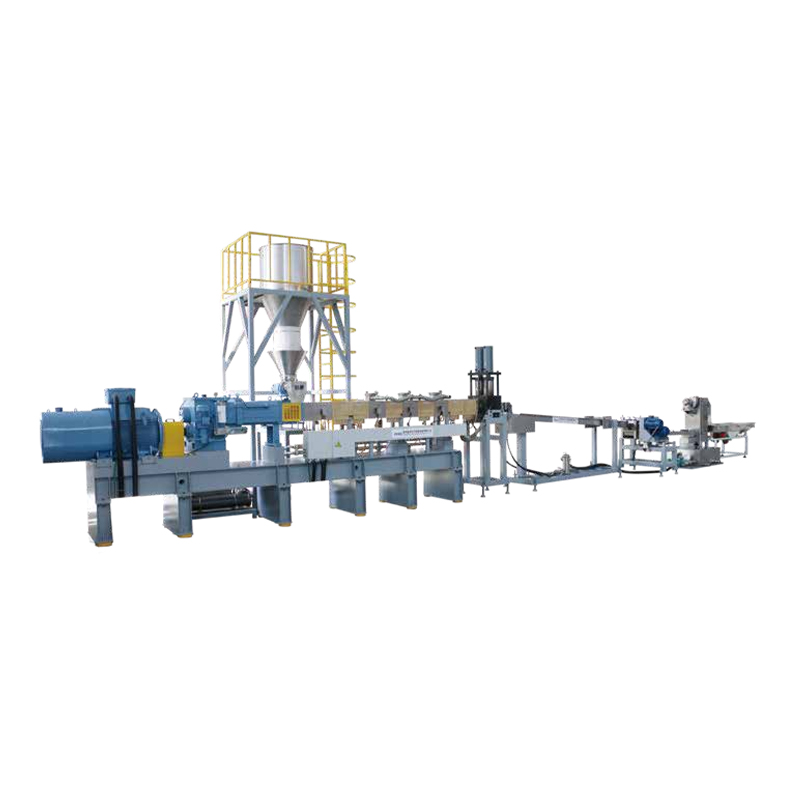
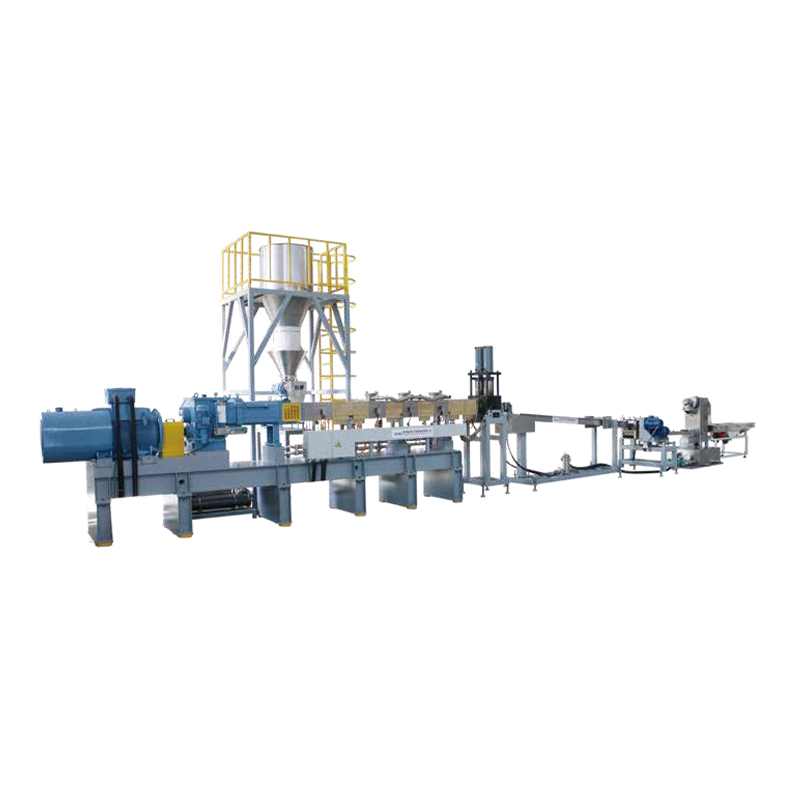
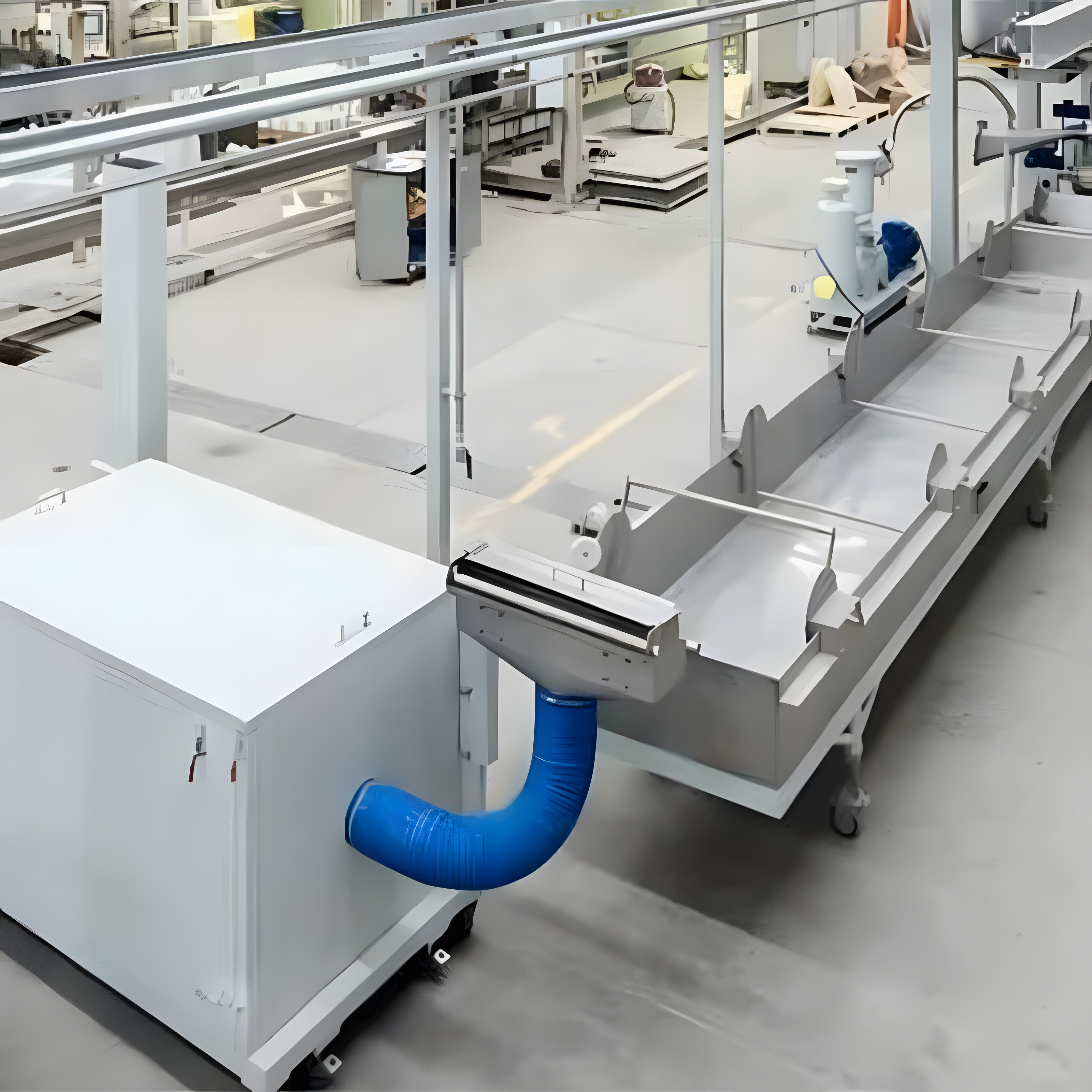
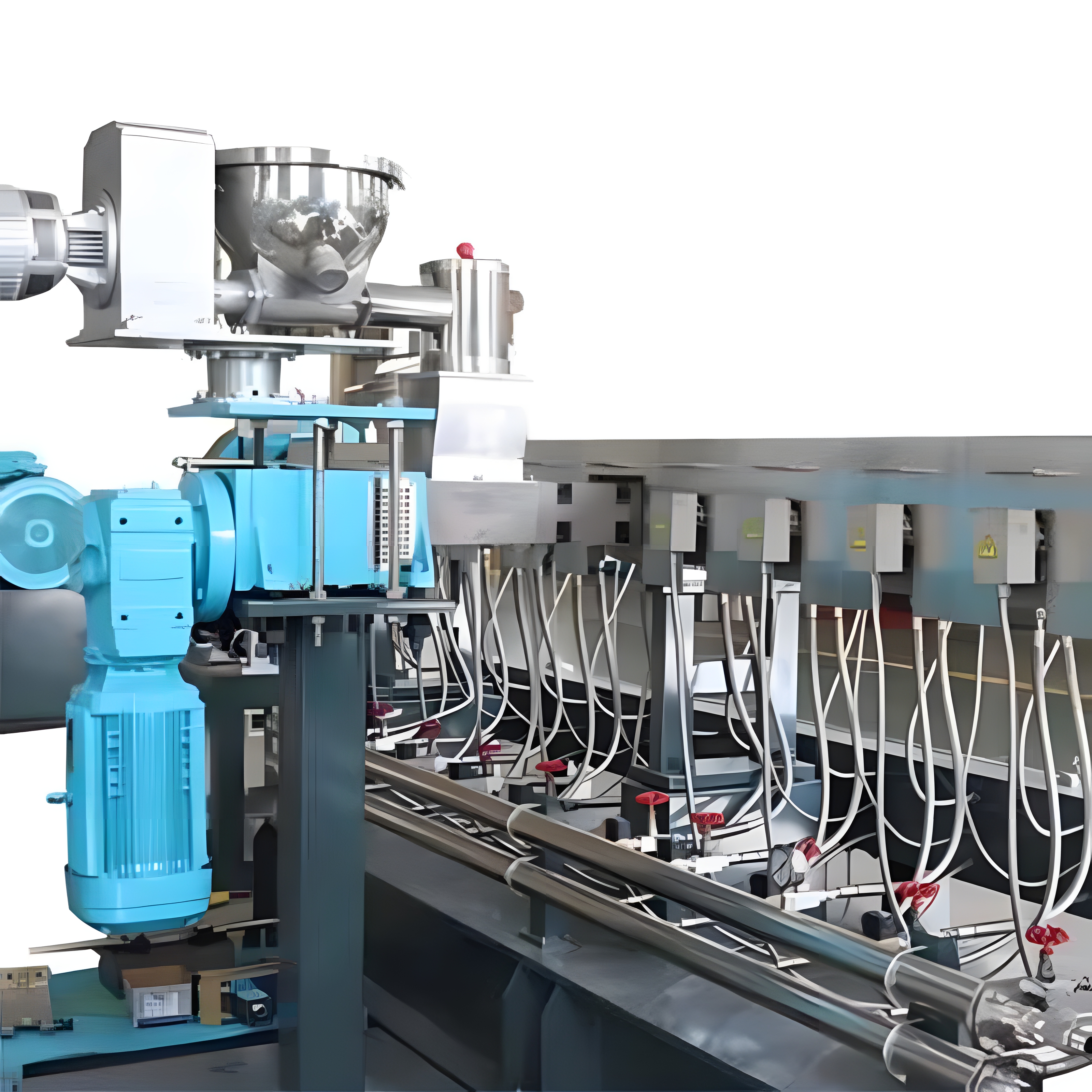
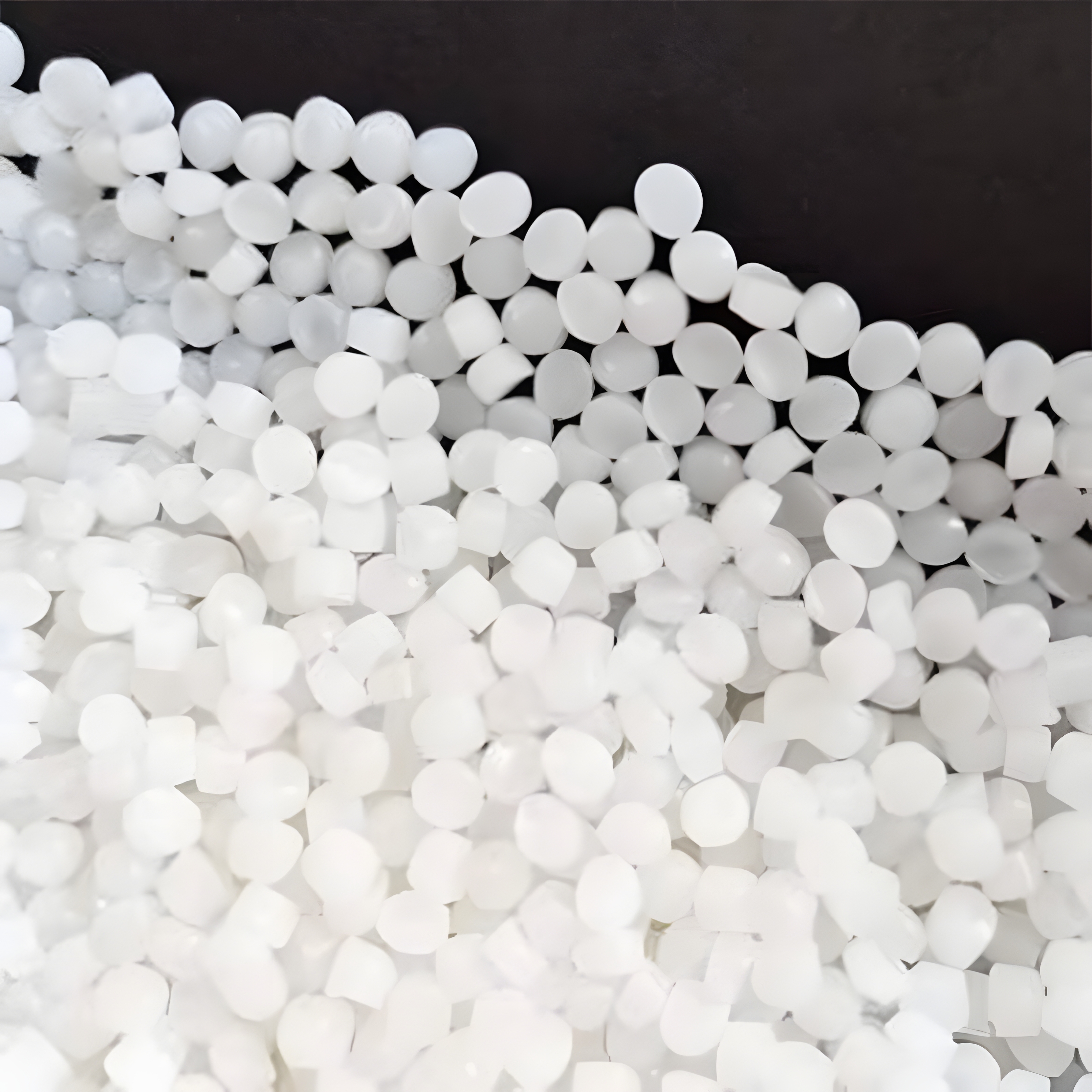
Jwell's PET bottle flake recycling & pelletizing series (models CJWH75, CJWH85, CJWH95, CJWS95, CJWS135) delivers industrial-grade performance, converting washed PET flakes into high-quality pellets.
These pelletizing lines are designed for post-consumer PET flakes (typically shredded, washed, and dried). The resulting pellets (also known as recycled PET or r-PET) can be used for:
Textile fibers: Staple fiber, filament yarn, and non-woven fabrics for apparel, home textiles, and geotextiles.
Packaging strapping: High-strength strapping bands for logistics.
Sheet and thermoforming: Food-contact grade sheet (after SSP) for blister packaging and clamshells.
Engineering plastics: Automotive interior parts, industrial containers, and injection-molded components.
Real-world case:
A recycler in Southeast Asia uses the CJWS95 model (capacity 1200–1400 kg/h) processing 1200 kg/h of green and clear PET flakes. The output pellets have an intrinsic viscosity of 0.70–0.75 dL/g, suitable for high-speed spinning. Thanks to the optimized L/D ratio and screw design, the plant achieved 12% lower energy consumption compared to its older twin-screw line.
Based on actual parameters – L/D ratio 36–44 and screw speed 300–500 rpm – here are proven benefits:
|
Parameter |
Advantage |
|
High L/D ratio (36–44) |
Enhanced melting, mixing, and devolatilization. Effectively removes moisture and volatiles (from PET degradation), preventing bubbles in pellets. |
|
Screw speed range (300–500 rpm) |
Flexible shear rates. Higher speeds increase output for clean flakes; lower speeds handle high bulk density or slightly moist material without thermal degradation. |
|
Capacity across models |
Scalable from 300 kg/h to 2500 kg/h. Suitable for small washing lines (CJWH75) and large recycling centers (CJWS135). |
|
Dedicated CJWS series |
Higher output per screw diameter – ideal for pre-dried, crystallized flakes. "S" stands for high-speed/high-efficiency configuration. |
Key operational advantages:
·Energy efficiency: Screw geometry reduces frictional heat, requiring less cooling. One CJWH95 user (1000–1200 kg/h) reported 18% lower energy consumption per ton compared to a competitor's machine.
·Low degradation: PET is shear-sensitive. Our screw profile gently controls melt temperature below 280°C, preserving intrinsic viscosity for higher-value applications.
·Easy color change: Quick-clean design – ideal for recyclers processing both clear and colored PET flakes.
We implement a 4-stage quality system to ensure each machine meets the promised capacity and pellet quality.
A. Raw material & component testing
Screw and barrel: Hardness (HV > 580), nitriding depth (0.4–0.6 mm), and surface roughness (Ra ≤ 0.2 µm) tested per ISO standards.
Heating/cooling system: Thermocouple calibration per zone – accuracy within ±1°C.
B. In-process quality control
No-load test: 4-hour run without material, checking vibration (<0.05 mm/s) and noise (<75 dB).
Water leak test: All cooling channels hold 8 bar pressure for 30 minutes.
C. Wet commissioning (with customer's material)
We run actual PET flakes for 2 hours and measure:
Throughput (kg/h) – must reach 95–105% of rated capacity (e.g., 300–500 kg/h for CJWH75).
Pellet uniformity – pellet length 2.5–3.5 mm, fines <0.5%.
Moisture content – ≤0.1% in dried pellets (Karl Fischer method).
Intrinsic viscosity – drop from flake to pellet <0.05 dL/g (Ubbelohde viscometer).
D. Factory acceptance test – real example
For a CJWS135 order shipped to a recycler in Mexico, the FAT report showed:
Feed: 85% PET flakes + 15% label paper residue (worst-case condition).
Achieved continuous 2,380 kg/h (rated 2000–2500 kg/h).
Pellet IV dropped from 0.72 to 0.68 – acceptable for fiber grade.
Screw speed 460 rpm, motor load 89%.
Each machine comes with test video and data sheet.
| Model | L/D | Speed rpm |
Capacity for reference kg/hr |
| CJWH75 | 36~44 | 300~500 | 300~500 |
| CJWH85 | 36~44 | 300~500 | 400~600 |
| CJWH95 | 36~44 | 300~500 | 1000~1200 |
| CJWS95 | 36~44 | 300~500 | 1200~1400 |
| CJWS135 | 36~44 | 300~500 | 2000~2500 |
Q1: What is the optimal L/D ratio for PET and why is 36–44 ideal?
A: PET requires longer residence time for adequate melting and venting. L/D below 30 leads to unmelted particles; above 50 risks thermal degradation. Our 36–44 range is the sweet spot for both amorphous and crystallized flakes.
Q2: Can I process both clear and colored PET flakes on the same line?
A: Yes. However, for color purity we recommend purging between batches. The screw design allows easy opening and cleaning – a full color change on CJWH models typically takes 30–40 minutes.
Q3: How does screw speed affect output and quality?
A: At 300–400 rpm – best for high bulk density flakes (e.g., from hot wash process). At 400–500 rpm – for pre-dried, free-flowing flakes. Running below 300 rpm can cause unstable feeding; above 500 rpm risks IV drop from shear.
Q4: My target output is 1800 kg/h – which model should I choose?
A: The CJWS135 (2000–2500 kg/h) is a safe choice and allows future expansion. Alternatively, consider dual CJWH95 lines for redundancy. Contact us with your flake bulk density and moisture data for a precise recommendation.
Q5: What maintenance is required?
Weekly: Check screen pack – replace when pressure rises 15% above baseline.
Monthly: Inspect flight wear – under normal PET operation, acceptable wear is <0.3mm per year.
Annually: Pull out screw, polish surface, and check barrel liner.
Q6: Can I pelletize directly from washed flakes without crystallization?
A: Yes, but with caution. Amorphous PET flakes tend to stick and bridge in the hopper. Our screw has a special feed section design that can handle up to 5% amorphous content. For higher percentages, a pre-crystallizer is recommended.




Pipe Extrusion Production Line
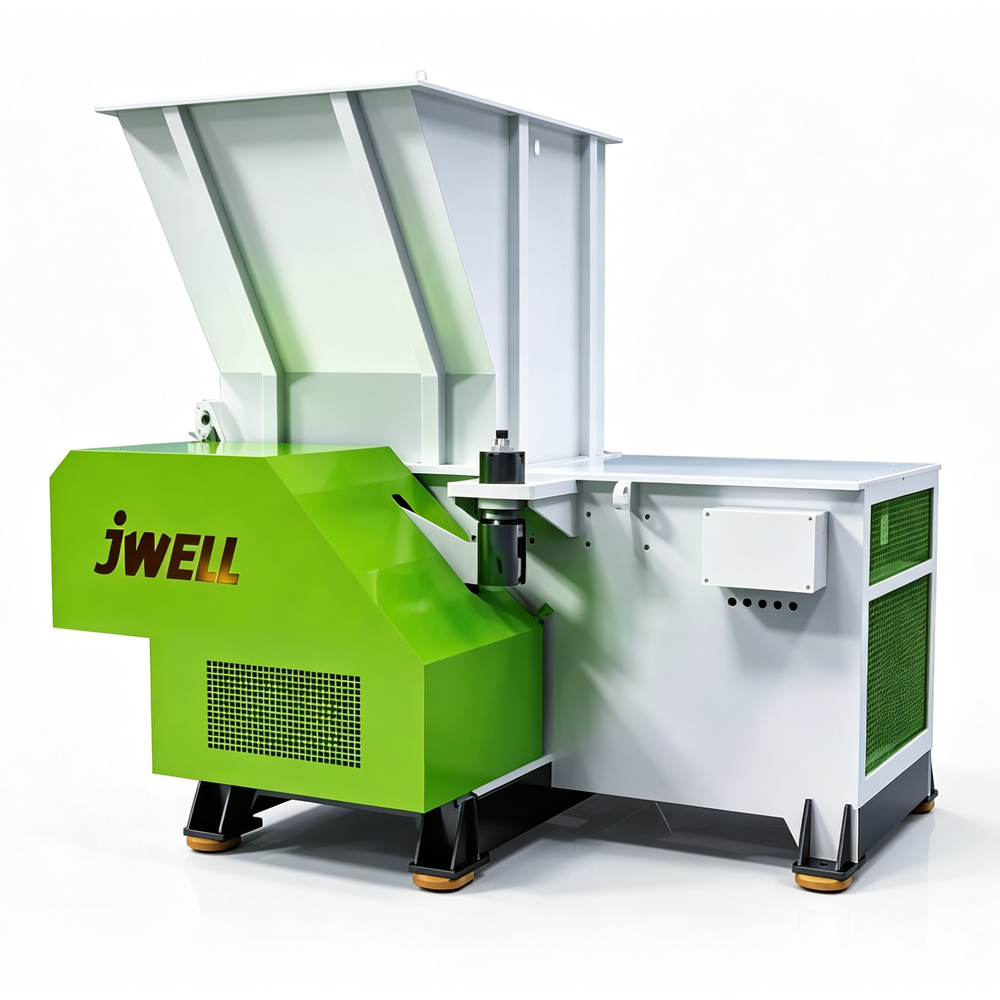
Plastic Shredder Crusher Machine

Tel: +86-19057068112

E-mail: [email protected]

Company Address
No. 128 Qingfeng Road, Xieqiao Town, Haining City, Jiaxing City, Zhejiang Province

19057068112

 English
 русский