
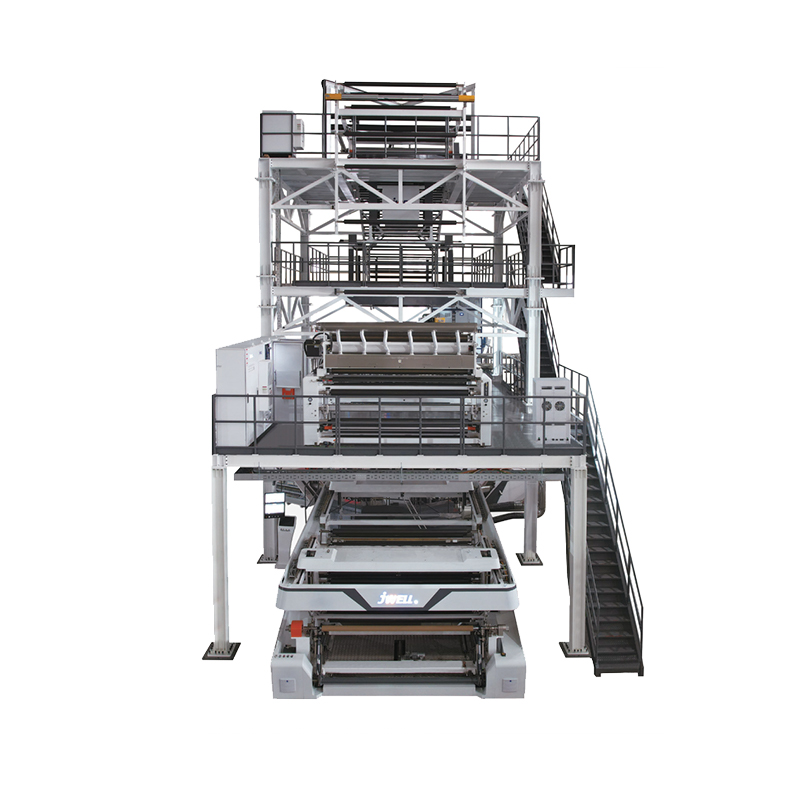
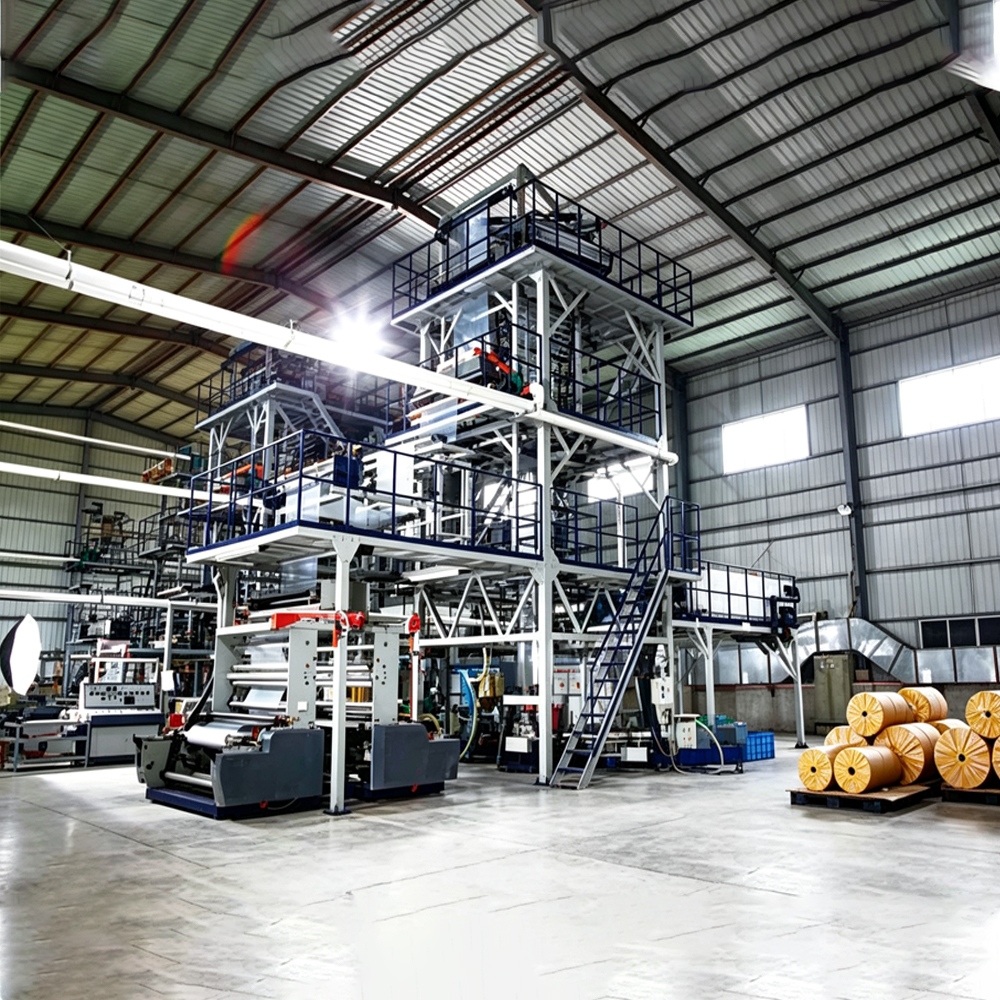
Walk into any flexible packaging plant. You'll hear the hum of extruders and see giant bubbles of molten plastic rising toward the ceiling. That bubble is becoming film—five, seven, or even nine layers thick. Each layer does something different: one blocks oxygen, another seals, a third adds strength. The whole system is a barrier blown film extrusion line. Behind every roll of high-performance packaging stands a factory that builds these complex machines.
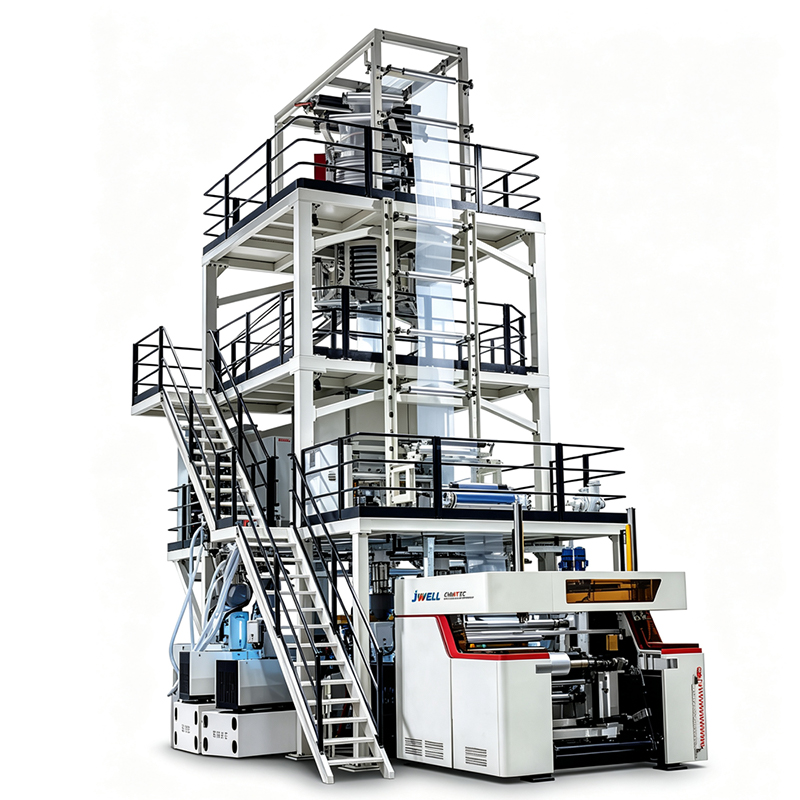
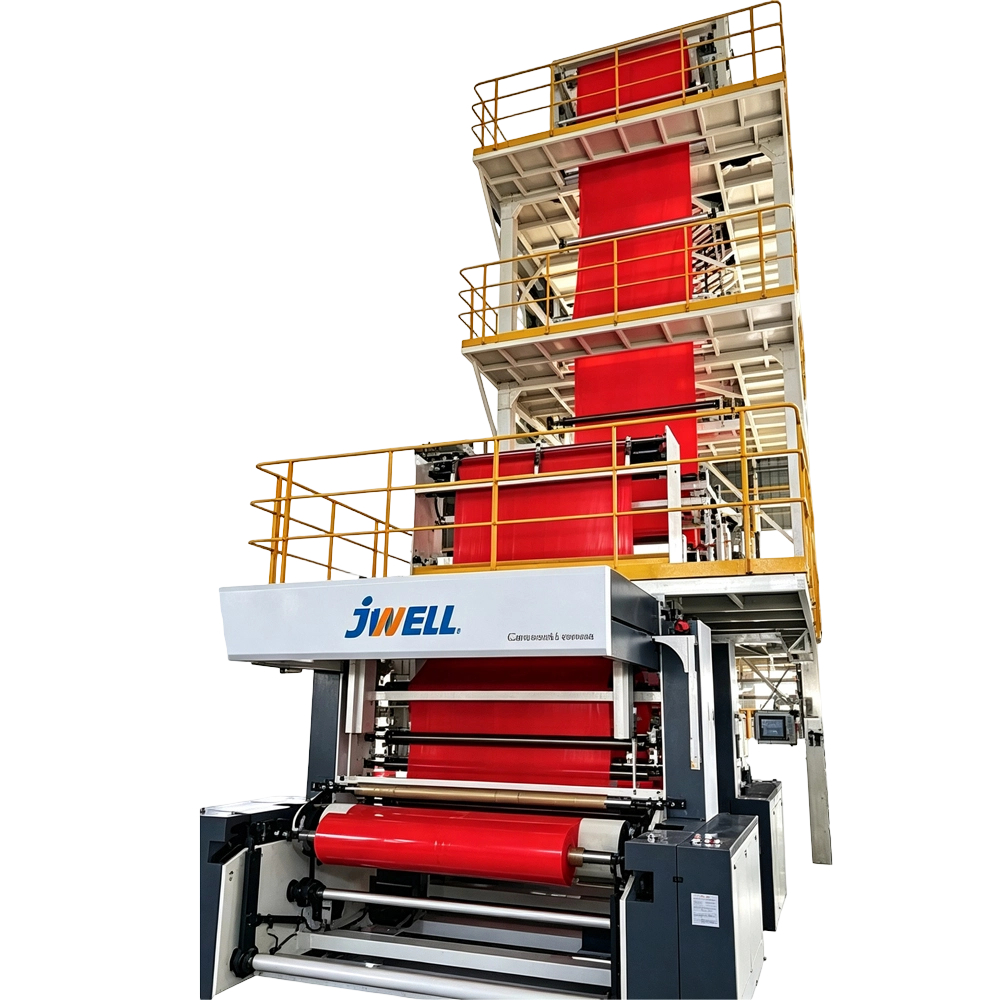
It melts several different resins at once and feeds them through a circular die. The melted materials form a tube with multiple layers. Air blows into the tube, inflating it into a bubble. The bubble cools, flattens, and gets wound into rolls. A barrier blown film extrusion line produces film that keeps food fresh, protects medical devices, and seals liquids inside pouches. The "barrier" part matters most. Some layers stop oxygen. Others stop moisture. Together, they extend shelf life. Without these machines, your potato chips would go stale in days.
Single-layer film can do one thing well. It can seal. Or it can block oxygen. But it rarely does both. A barrier blown film extrusion line combines materials with different properties into one film. EVOH stops oxygen. LDPE seals. Nylon adds puncture resistance. Tie layers hold them together. The result is film that does more than any single resin could. And the line controls each layer's thickness independently. Want more oxygen protection? Make the EVOH layer thicker. Want better sealing? Adjust the sealant layer.
The extruders melt and pump the resins. Each layer gets its own extruder. A five-layer line has five extruders running simultaneously. They vary in size—the main layer might use a 90mm screw, while a thin tie layer uses a 30mm screw. Each barrel has heating zones that gradually melt the pellets.
The die brings all the melts together. It's a circular die with concentric channels. Each channel feeds one layer. The channels meet just before the die exit, forming a single tube with distinct layers. The die design determines how evenly the layers distribute.
The bubble forms above the die. Air enters through the center, inflating the tube into a bubble. The bubble diameter controls the film width. A haul-off mechanism pulls the bubble upward. Calibration cages and air rings cool the bubble as it rises. The cooling rate affects clarity and strength.
The collapsing frame flattens the bubble into two layers of film. Nip rollers squeeze out air. The film then passes through slitting stations and winds onto rolls.
EVOH blocks oxygen. Used in the core layer. LDPE or LLDPE seals and adds flexibility. Used in sealant layers. Nylon resists puncture and adds toughness. Tie resins bond incompatible layers like EVOH and PE. Additives get blended in—slip agents, antiblocks, UV stabilizers. A barrier blown film extrusion line runs all these materials with different melt temperatures and flow rates. The extruders and die have to handle the variation.
Cooling is the hardest part. The bubble comes out of the die at about 200°C. It needs to cool to solidification temperature without distorting. Air rings blow air around the bubble. Internal bubble cooling uses air from inside. Both systems need precise control. Too much cooling and the film freezes before it inflates. Too little and the layers mix or the bubble becomes unstable.
Food packaging—bags for snacks, cheese, meat. Medical packaging—sterile barrier pouches. Industrial films—shrink wrap, heavy-duty sacks. Liquid packaging—milk, juice, wine pouches.
A barrier blown film extrusion line is what turns multiple resins into a single film that does what no single material can. The good factories build lines with stable extruders, precise dies, and effective cooling systems. They understand that layer distribution and bubble stability are what separate usable film from scrap. Choose a builder that treats every layer as essential—because in barrier film, each one is.




Pipe Extrusion Production Line
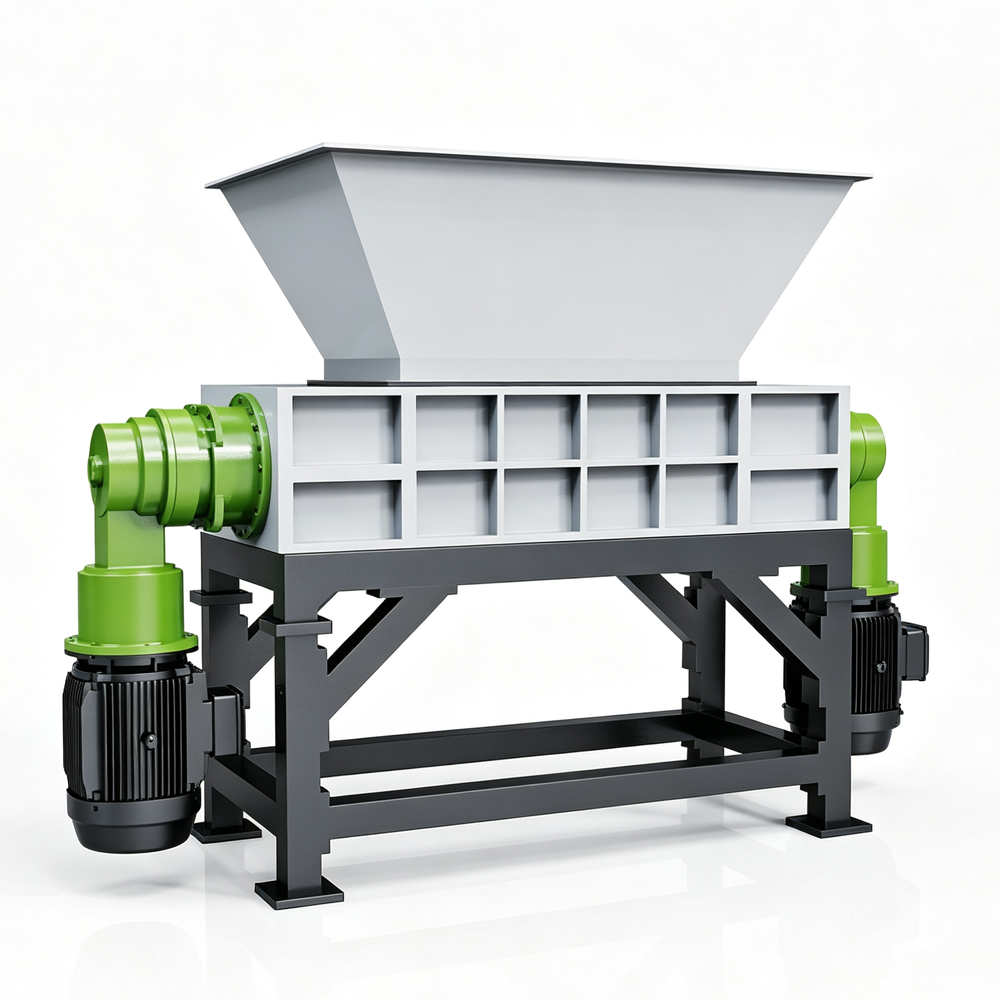
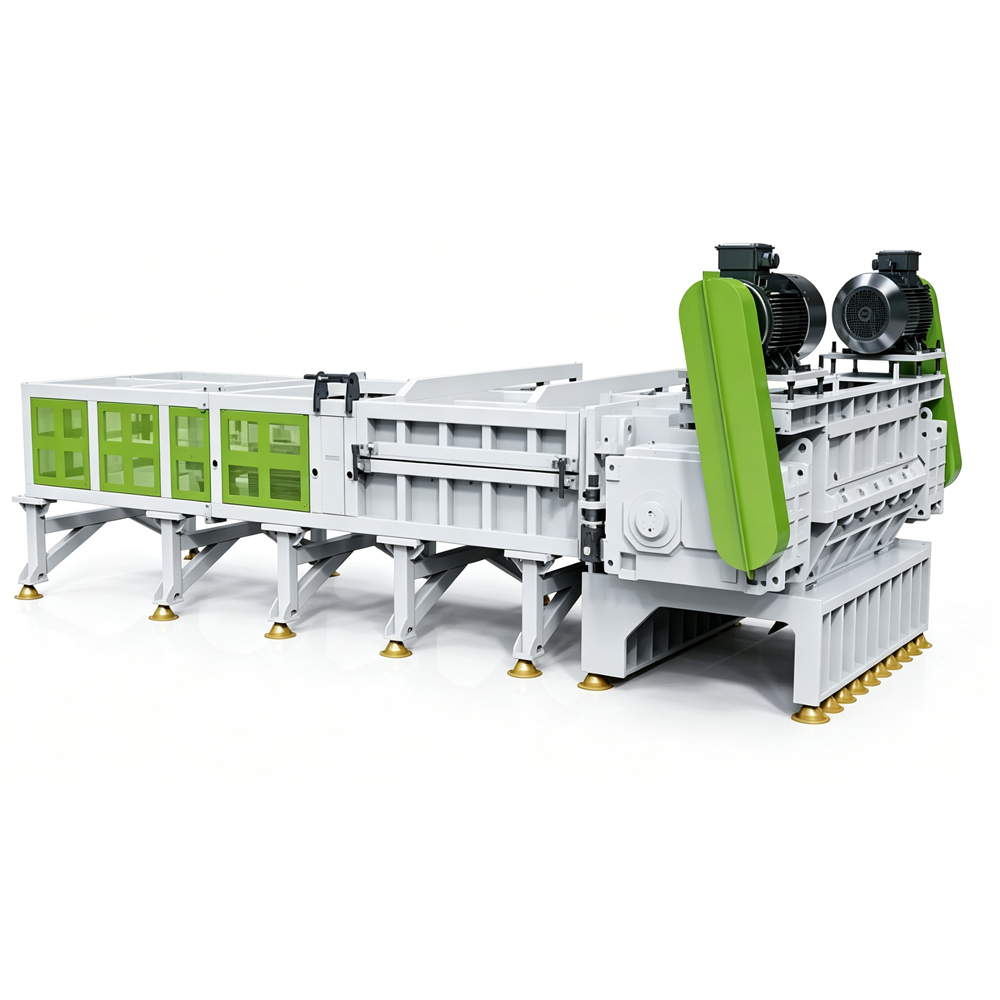
Plastic Shredder Crusher Machine

Tel: +86-19057068112

E-mail: [email protected]

Company Address
No. 128 Qingfeng Road, Xieqiao Town, Haining City, Jiaxing City, Zhejiang Province

19057068112

 English
 русский