
A yogurt cup, a pharmaceutical blister pack, a car dashboard cover. Each is a single sheet of plastic. But cut through the thickness and you find layers: a barrier layer, a structural layer, a heat-seal layer, a recycled-content core. A multi-layer sheet co-extrusion line builds this sandwich in the melt, combining different polymers into one continuous sheet. Each layer does a job the others cannot. The line keeps the layers distinct while fusing them into a single sheet. For packaging, automotive, and construction, the line that stacks layers is the line that makes a simple sheet perform like an engineered material.
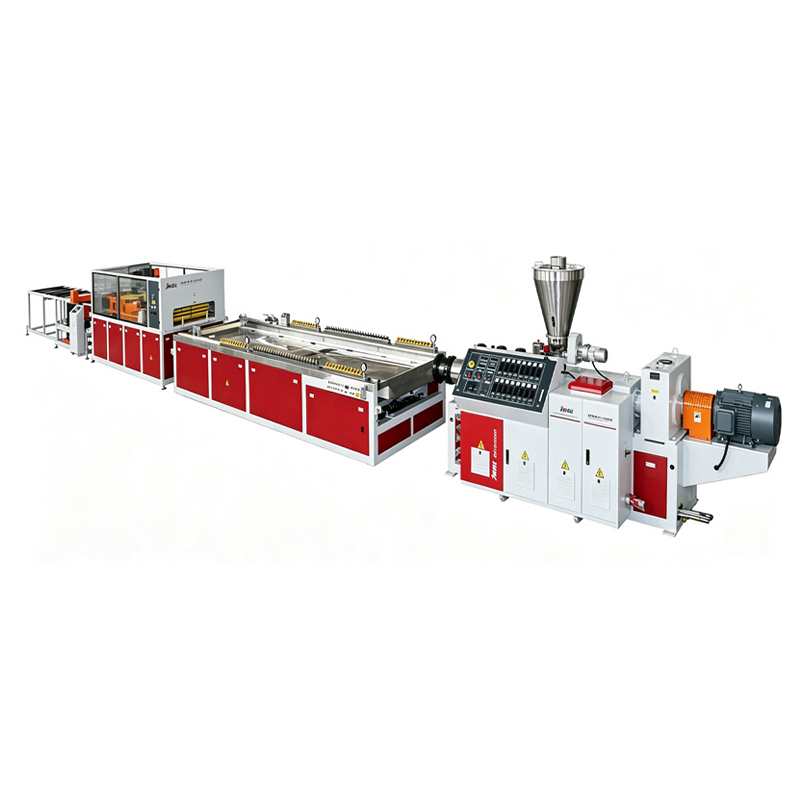
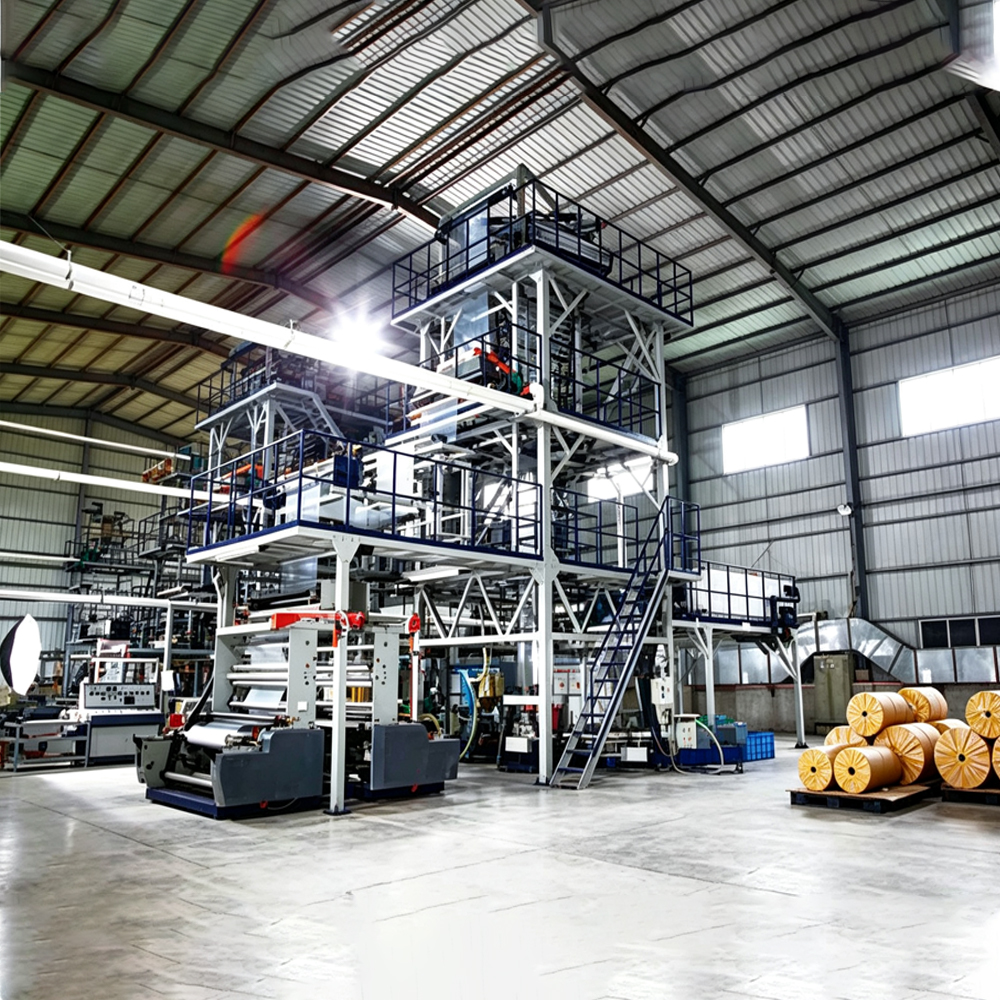
The process starts with multiple extruders, each feeding a different polymer or blend. The melts converge in a feedblock before entering the flat sheet die. The feedblock arranges the layers in order. A five-layer sheet might put a barrier polymer in the center, adhesive tie layers on either side, and structural polymers on the outer faces. A multi-layer sheet co-extrusion line uses a feedblock designed to keep each layer distinct while bonding them at the interfaces.
The die spreads the layered melt into a flat sheet of uniform thickness. The layer ratios stay consistent across the full sheet width. A multi-layer sheet co-extrusion line with a properly designed feedblock and die produces sheet where the barrier layer is the same thickness at the edges as it is in the center.
The polymers have to be compatible enough to bond at the interfaces. Some combinations need tie layers, thin adhesive layers of modified polyolefin that grip both adjacent materials. A multi-layer sheet co-extrusion line includes extruders dedicated to these tie layers, small in output but essential for preventing delamination.
The feedblock sits between the extruders and the die. It receives the separate melt streams and combines them into a single layered flow. A multi-layer sheet co-extrusion line uses a vane-type or plug-type feedblock that allows the operator to adjust the relative thickness of each layer. Changing a vane or a plug geometry alters the layer ratio without changing extruder speeds.
The combined melt enters the die as a stratified flow. The die spreads it laterally while maintaining the layer structure. A multi-layer sheet co-extrusion line with a properly designed die manifold avoids dead spots where polymer can stagnate and degrade, then break off into the sheet as visible specks or gels.
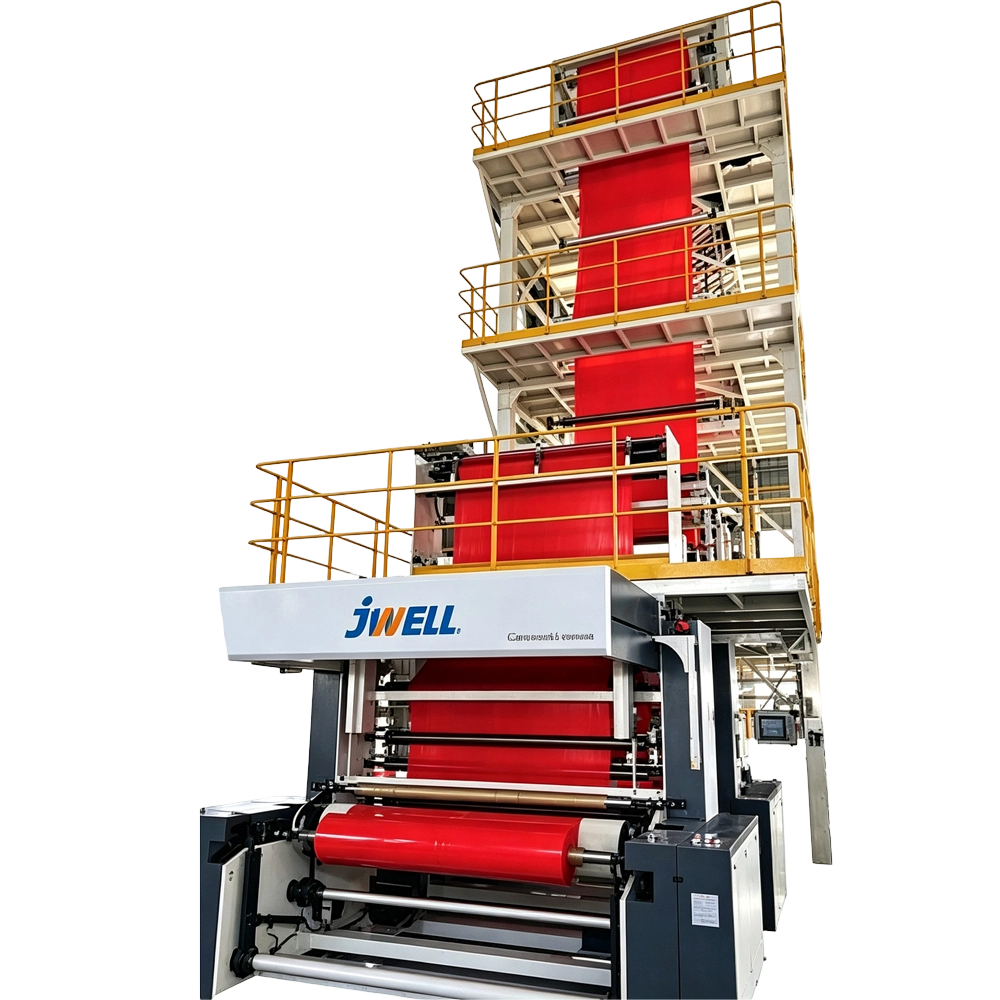
After the die, the sheet hits a three-roll polishing stack. The rolls cool the sheet and control the surface finish. A multi-layer sheet co-extrusion line with a vertical or inclined roll stack handles sheet thicknesses from 0.5 millimeters up to 15 millimeters or more.
Here is what a multi-layer sheet co-extrusion line needs to deliver:
Each layer has a purpose. A food packaging sheet puts EVOH in the center for oxygen barrier, polypropylene on the outside for stiffness, and polyethylene on the inside for sealing. A multi-layer sheet co-extrusion line produces this structure in one pass. No lamination. No secondary bonding.
Automotive interior sheet uses a soft-touch surface layer, a rigid structural core, and sometimes a foam middle layer. A multi-layer sheet co-extrusion line configured with a specialized screw for the foamable layer introduces a blowing agent into that extruder only.
Construction sheet puts UV-stabilized polymer on the top layer and filled, lower-cost polymer in the core. A multi-layer sheet co-extrusion line allows the processor to load the core with recycled material without affecting the surface quality.
Layer delamination happens when adjacent polymers do not bond, or the tie layer was too thin. A multi-layer sheet co-extrusion line with proper material selection and feedblock design prevents this. Gels appear in the sheet because one extruder ran too hot and degraded the polymer. Independent temperature control on each extruder prevents hot spots.
The barrier layer is too thin to function because the layer ratio drifted. A multi-layer sheet co-extrusion line with stable feedblock geometry and consistent extruder outputs holds the layer ratios on target.
A multi-layer sheet co-extrusion line builds a sandwich of polymers, each chosen for a specific property. The layers meet in the feedblock, spread in the die, and solidify as one sheet. Choose a manufacturer that designs the feedblock for layer control, matches viscosities for clean interfaces, and builds the roll stack for flat, stress-free sheet. The packaging will seal, the dashboard will resist UV, and the barrier will do its job invisibly. That is the point of co-extrusion.


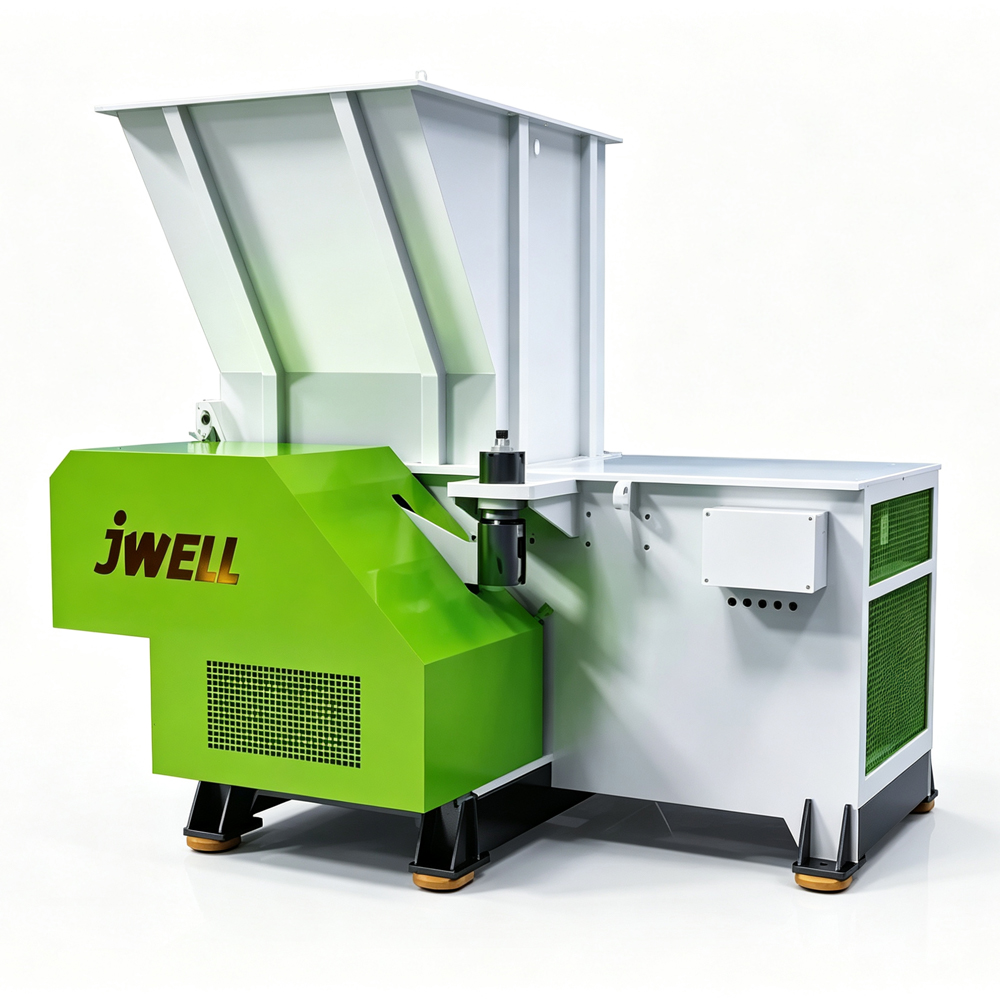


Pipe Extrusion Production Line
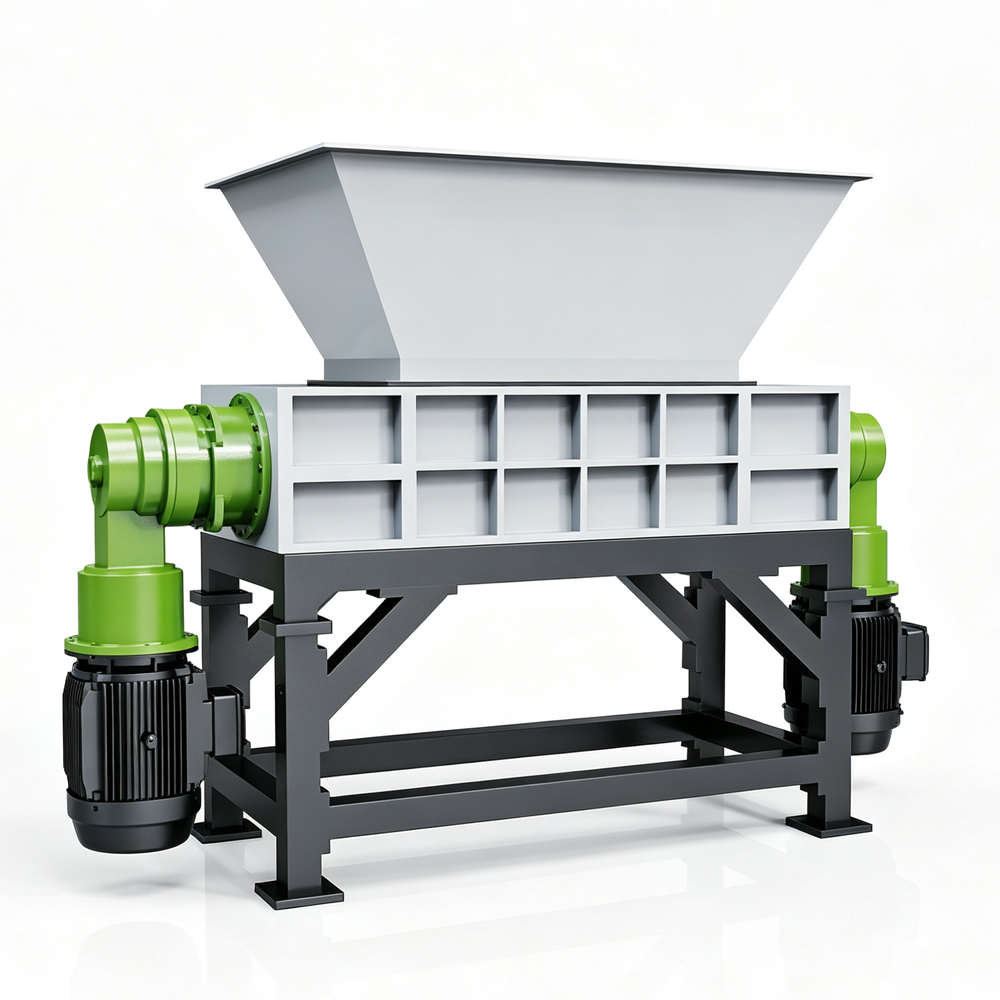
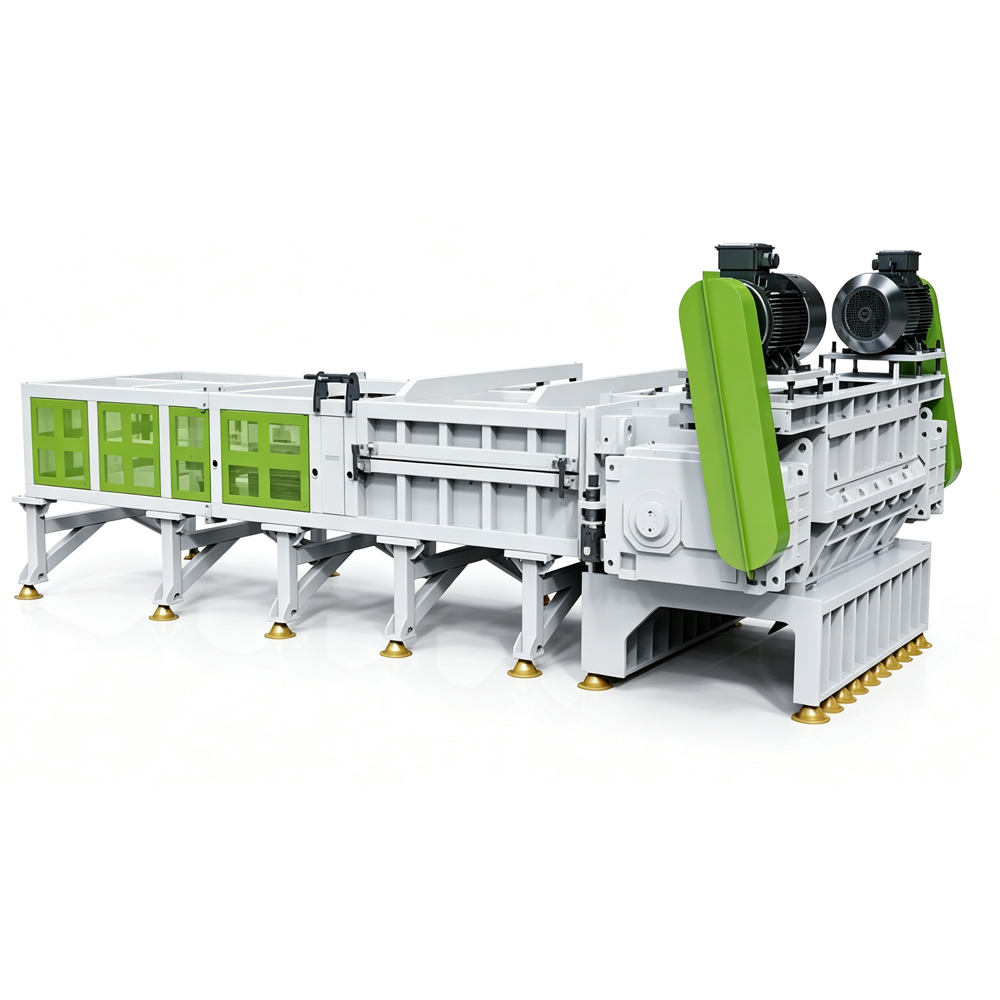
Plastic Shredder Crusher Machine

Tel: +86-19057068112

E-mail: [email protected]

Company Address
No. 128 Qingfeng Road, Xieqiao Town, Haining City, Jiaxing City, Zhejiang Province

19057068112

 English
 русский