
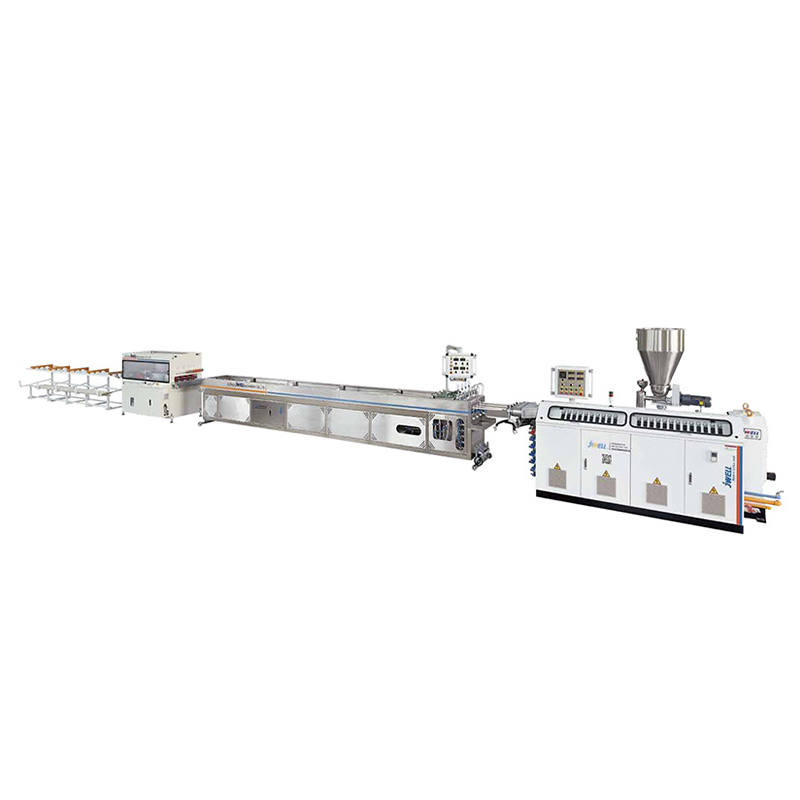
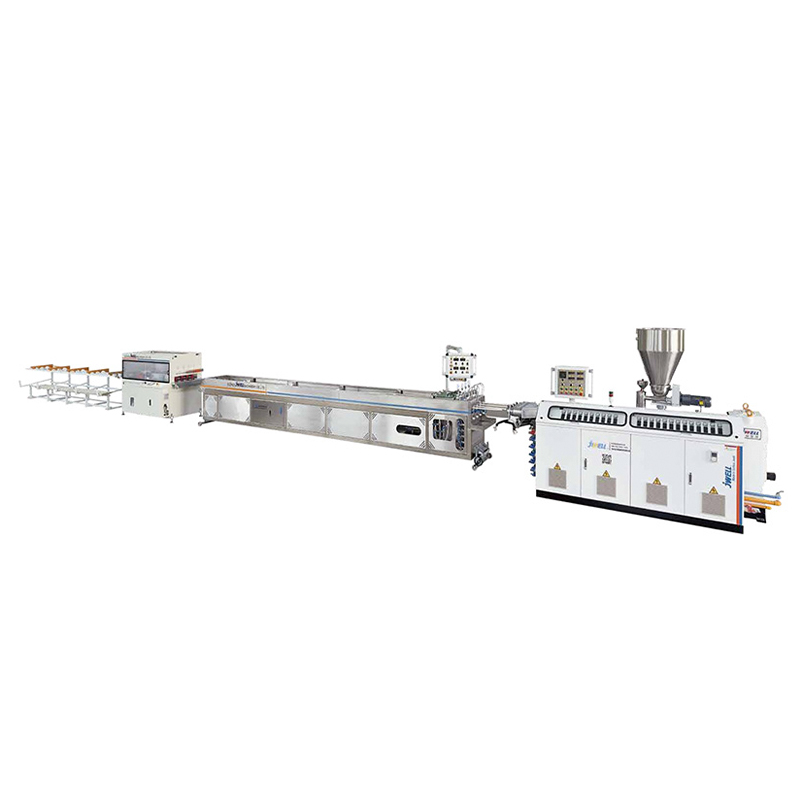
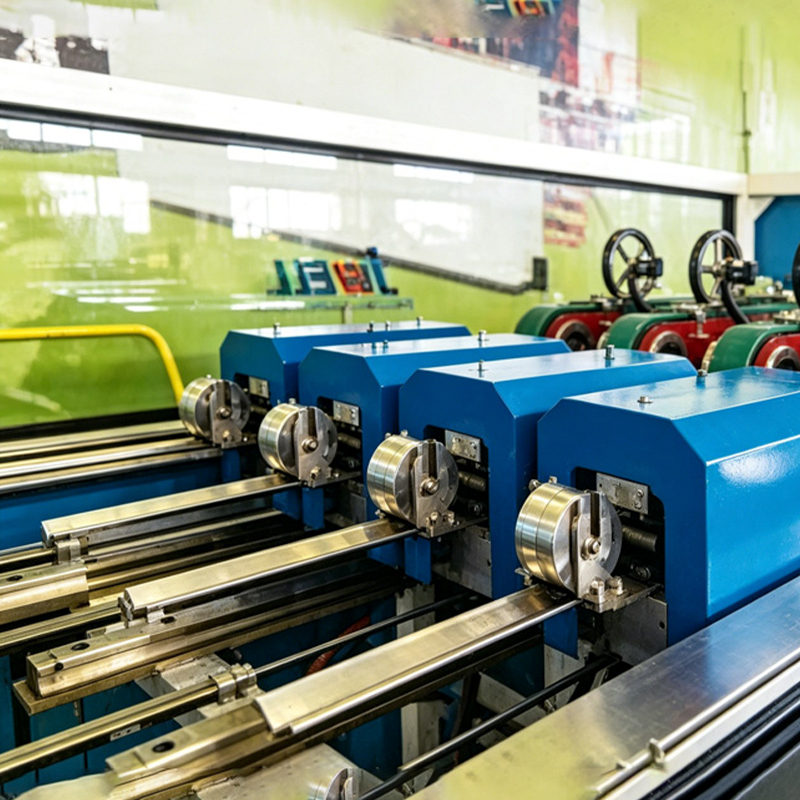
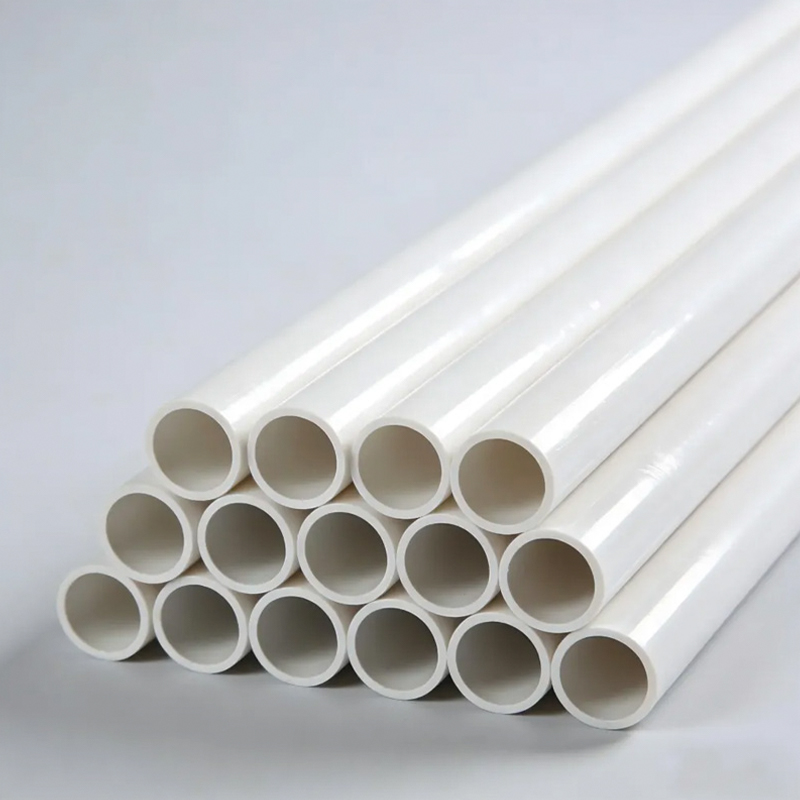
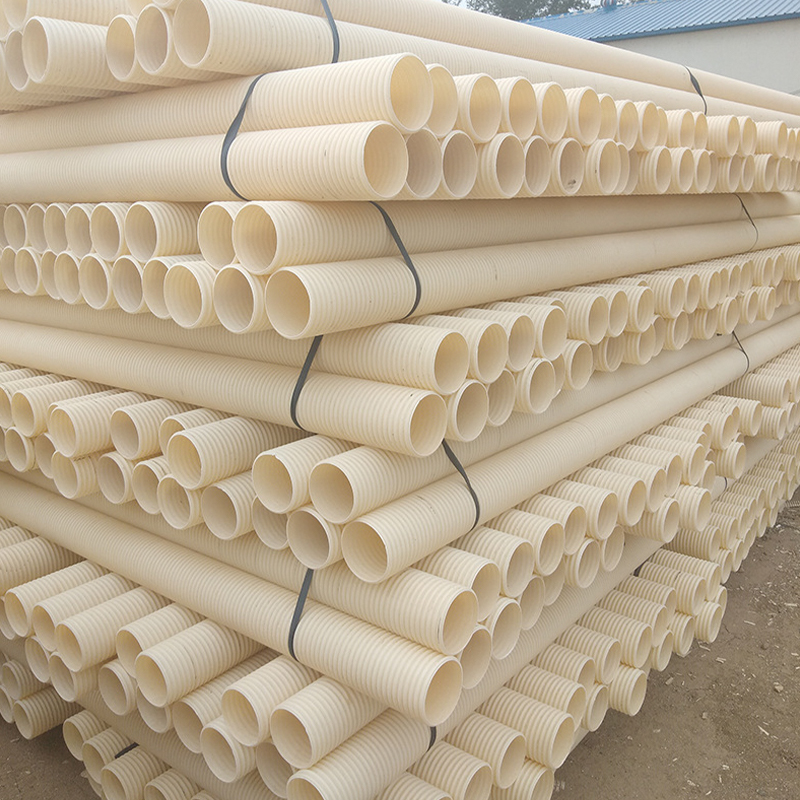
The JWG series PVC twin and quad pipe extrusion lines are designed for high-volume continuous production of building drainage pipes, electrical conduit pipes, rainwater pipes, and industrial protective sleeves. Based on conical twin-screw extrusion technology, the series covers pipe outer diameters from 16mm to 200mm, meeting full-range needs from household conduit to municipal drainage.
Based on your production scale, we offer four main models:
JWG-PVC63 (Twin)
Specification: Φ16–63mm, compatible with SJZ65/132 extruder, main motor 37kW, output 250–300 kg/h.
Typical application: workshop for conduit pipe with daily output 8–10 tons, parallel twin-line production of 16, 20, 25, 32, 40, 50, 63mm.
JWG-PVC110 (Twin)
Specification: Φ50–110mm, compatible with SJZ80/156, 55kW motor, output 350–450 kg/h.
Typical application: 24/7 continuous production of high-rise building drainage risers (φ75/110mm).
JWG-PVC200 (Twin)
Specification: Φ50–200mm, compatible with SJZ92/188, 110kW motor, output 700–800 kg/h.
Typical application: high-volume municipal rainwater pipes, underground sewer pipes.
JWG-PVC32 (Quad) and JWG-PVC32-H
Specification: Φ16–32mm, also using SJZ65/132 + 37kW configuration, output 250–300 kg/h, but extruding 4 small-diameter pipes at once.
Typical application: super-efficient production of household conduits (φ16/20/25), daily output over 20 tons. The "-H" model adds quick mold change and cooling optimization, suitable for long-run high-speed operation.
Real case: A Malaysian wire & cable accessories manufacturer introduced 2 JWG-PVC32 quad lines, replacing 8 original single-out lines. With the same plant area, daily output increased from 12 to 22 tons, operators reduced from 6 to 3, and power consumption lowered by ~35%.
1. High torque and uniform plasticization of conical twin screw
All models use SJZ series conical twin-screw extruders, with screw diameters from 65mm to 92mm. Compared with parallel twin screws, the conical structure has a larger diameter in the feeding section for fast material intake, and a smaller diameter in the metering section for gentle shear, making it especially suitable for direct extrusion of PVC powder. For example, the SJZ92/188 driven by a 110kW motor achieves a stable output of 800 kg/h with low melt temperature and low internal stress in pipes.
2. Doubled/tripled+ capacity via twin/quad layout
Twin models: Two independent calibration units + twin haul-offs and twin cutters – one machine equals two traditional single-out lines but sharing one extruder, saving equipment investment by over 40%.
Quad models: One mold with four outlets, especially for Φ16–32mm small pipes. Output equals a twin machine but linear speed per pipe is halved? Wait – actually total mass output is same as twin, but since material is split into four streams, each pipe's linear speed is about half that of a twin machine. However, for φ20 conduit, quad machine line speed reaches 3.5–4 m/min (per pipe) → equivalent combined speed 14–16 m/min, far exceeding twin machine's 6–8 m/min.
3. Wide range coverage and quick mold change
From Φ16 to Φ200, only need to change mold components and corresponding calibration sleeves. JWG-PVC200 twin can directly jump from 50mm to 200mm; mold change time within 45 minutes, suitable for multi-spec small-batch orders.
4. Energy saving and low noise
Main motor adopts permanent magnet synchronous or AC frequency control, measured power factor >0.95. For JWG-PVC63, 37kW motor at 300 kg/h output gives specific energy consumption of only 0.123 kWh/kg, lower than industry average of 0.15 kWh/kg.
To ensure every pipe meets GB/T 5836 or ISO 1452 standards, we implement a 6-stage full-process control:
Raw material online calibration – Automatic batching system weighs calcium carbonate, PVC resin, stabilizers etc. in real time with ±0.2% accuracy.
Melt pressure & temperature closed-loop – Extruder barrel has 4 heating zones (PID control); melt thermocouple and pressure sensor feedback to PLC. When pressure fluctuation exceeds ±1.5MPa, screw speed is automatically adjusted.
Vacuum calibration & wall thickness scanning – Calibration tank vacuum stable at -0.03 ~ -0.06 MPa, equipped with online ultrasonic wall thickness measurement (each die head independently monitored on quad models). If wall thickness deviation exceeds ±0.1mm, alarm triggers and extrusion or haul-off speed is adjusted.
Online outer diameter & ovality inspection – Bidirectional laser gauge (accuracy ±0.02mm) continuously monitors each pipe. For φ110mm pipe, target OD 110±0.3mm; out-of-range automatically triggers haul-off fine adjustment.
Cooling water circulation & temperature gradient – Four-stage cooling tank (water temperature gradually from 45°C down to 25°C) to prevent internal stress from rapid quenching. Soft water circulation avoids scale blocking vacuum holes.
Cutting & punching inspection – Chip-less rotary cutter (independent for each pipe), cutting length tolerance ≤ ±2mm. For conduit pipes, optional online punching device with blockage detection.
Pre-shipment tests (per machine)
24h full-load running: at 85% of nominal max output, monitor motor current fluctuation ≤5%, output fluctuation ≤±3%.
Pipe drop-weight impact test (0°C, 2kg hammer, 1m drop height) – no more than 1 out of 10 specimens cracked.
Vicat softening temperature ≥80°C.
Customer feedback: A Vietnamese pipe manufacturer using JWG-PVC200 to produce φ160mm sewer pipes reported third-party test results: ring stiffness 8.2 kN/m² (standard ≥8), wall thickness unevenness only 0.12mm, far better than competitor's 0.35mm at same price level.
| Type | Pipe spec(mm) | Extruder | Main Power(kw) | Output(kg/h) |
| JWG-PVC63(Two strand) | φ16~63 | SJZ65/132 | 37 | 250~300 |
| JWG-PVC110(Two strand) | φ50~110 | SJZ80/156 | 55 | 350~450 |
| JWG-PVC200(Two strand) | φ50~200 | SJZ92/188 | 110 | 700~800 |
| JWG-PVC32(Four strand) | φ16- 32 | SJZ65/132 | 37 | 250~300 |
| JWG-PVC32-H(Four strand) | φ16- 32 | SJZ65/132 | 37 | 250~300 |
Q1: If one line of a twin machine needs temporary shutdown, can the other line continue running?
A: Yes. Each pipe's calibration, haul-off, and cutting systems are independently controlled. When one side requires mold change or die cleaning, the other side can continue in single-pipe mode; the extruder output automatically reduces to the single-pipe requirement (approx. 50-60% of original output) to avoid waste.
Q2: Can the quad model (JWG-PVC32) truly achieve the same total machine output as the twin model?
A: Yes. The spec sheet shows both quad and twin (SJZ65/132) have the same output range of 250–300 kg/h. However, note: the total extruded mass is the same, but each pipe's linear speed on a quad is about half that of a twin (because material is split into four streams). Therefore, the advantage of a quad is not faster individual pipe speed, but producing 4 pipes simultaneously. For small diameters Φ16–32mm, this reduces downstream labor and equipment for secondary splitting. For example, a 20-ton daily order takes only 8 hours on a quad machine, whereas a twin would need 16 hours.
Q3: How does JWG-PVC200 ensure wall thickness uniformity for large diameters (e.g., 200mm)?
A: We use a spiral mandrel die with flow channels optimized by CAE simulation, plus independent wall thickness adjusting screws (4–6 screws arranged around the die circumference). Additionally, the SJZ92/188 extruder has a large melt reservoir and extremely low melt pulsation, and the vacuum calibration tank is equipped with a rotating pipe support to prevent eccentricity due to gravity sagging.
Q4: How to quickly stabilize the process before producing with a new mold?
A: Each mold comes with a process parameter card (including zone temperatures, screw speed, haul-off speed range, vacuum level, etc.). The operator scans a QR code on the mold, and the PLC automatically loads the corresponding recipe, reaching a self-stable state (melt pressure fluctuation < ±0.5MPa) within 15 minutes.
Q5: Main motor power is only 37kW – can the JWG-PVC63 twin really achieve 300 kg/h? Is this exaggerated?
A: This is due to the high efficiency of the conical twin screw. The SJZ65/132 has an effective L/D of 22:1 (based on the small-diameter end), with specific energy consumption of only 0.12–0.13 kWh/kg. Some parallel twin-screw or single-screw machines need 55kW to reach the same output. Our data is measured during direct extrusion of PVC powder with filler content ≤15 phr. If the customer uses a high-filling formulation (e.g., 25 phr calcium carbonate), output will drop to 220–250 kg/h, still within the spec range.
Q6: Can the machine produce CPVC or PP pipes?
A: The JWG series screw and barrel are made of bimetallic alloy (nickel-based spray welding), hardness HRC 58–62, and can process CPVC for short periods (with temperature upper limit adjusted to 220–240°C). However, we do not recommend long-term processing of PP (PP has different requirements for the screw plasticizing section). We have dedicated PP/PE single-screw models available for custom order.


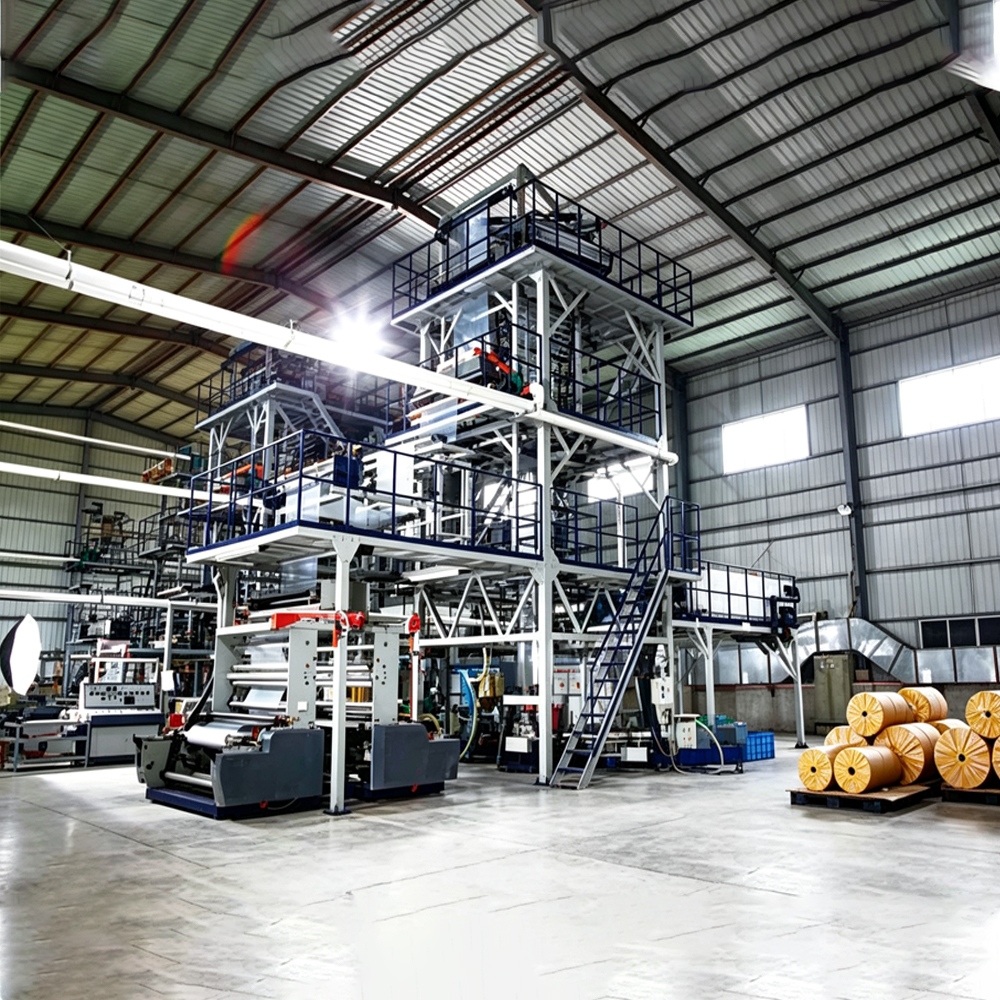
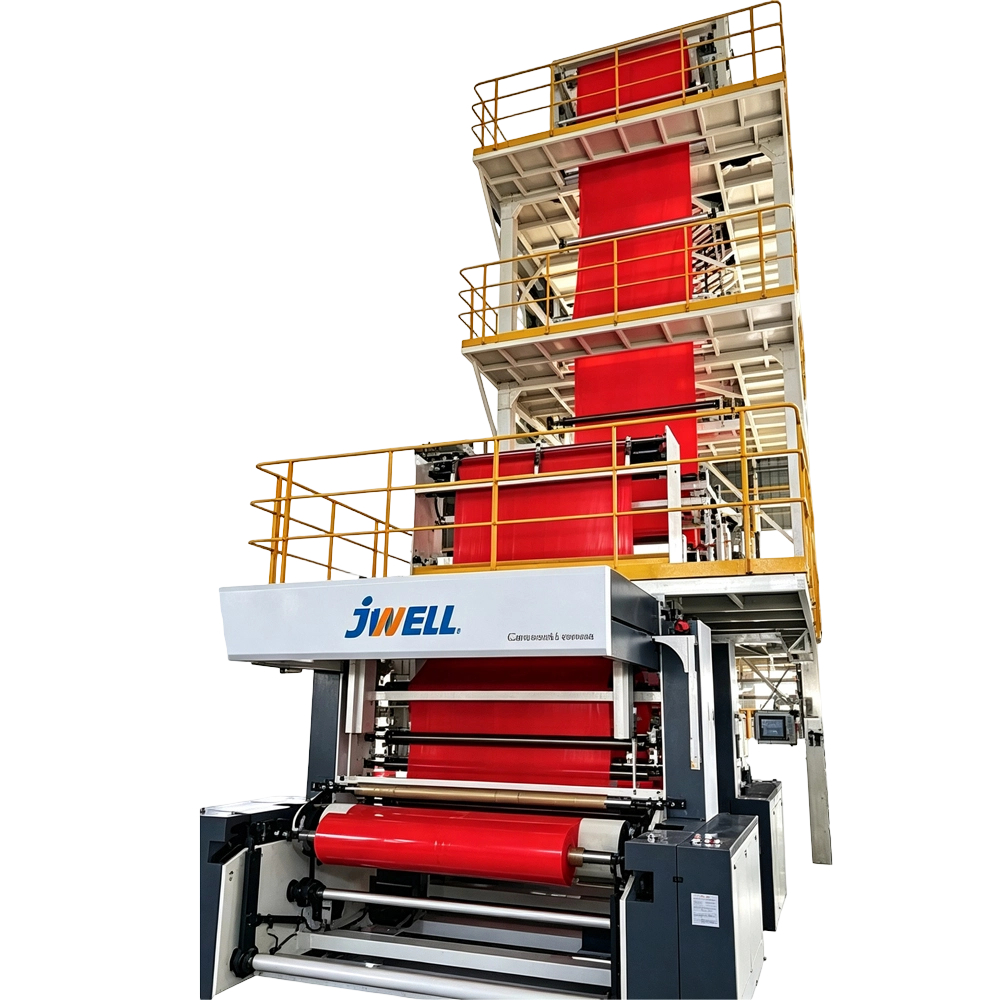
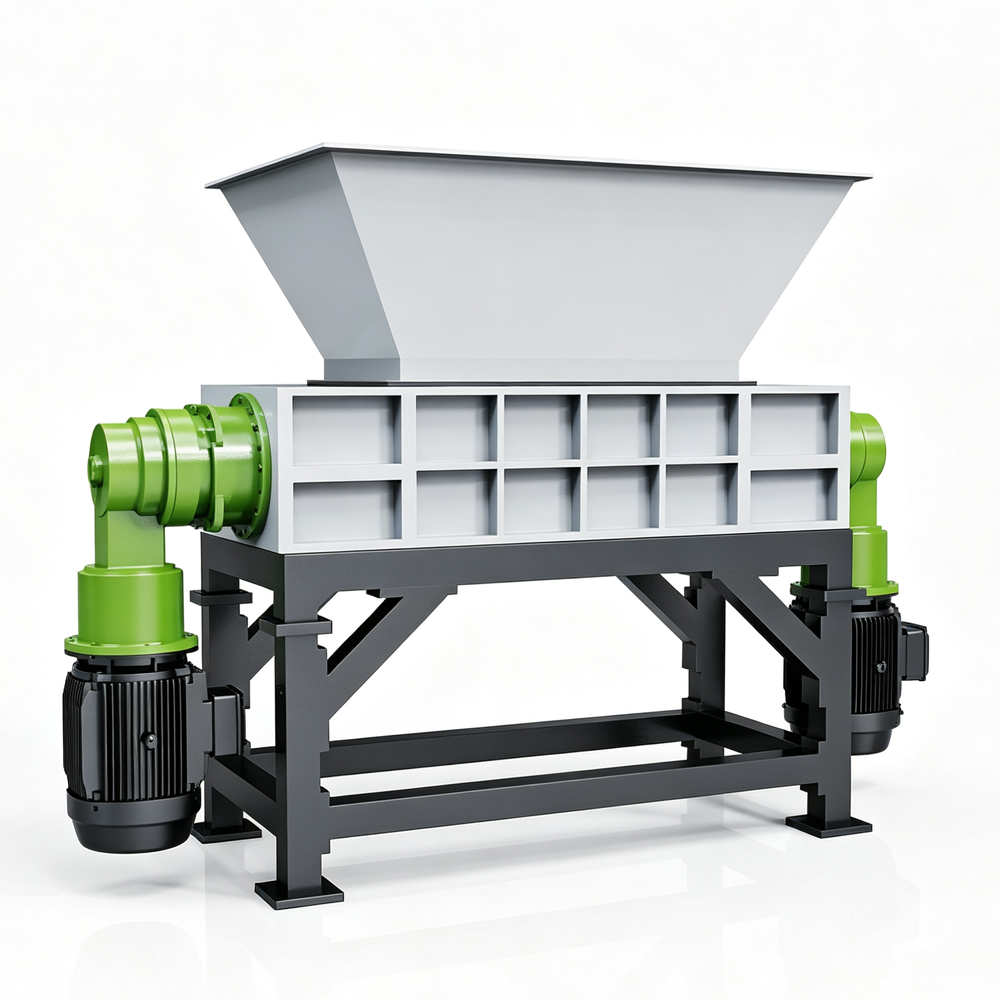
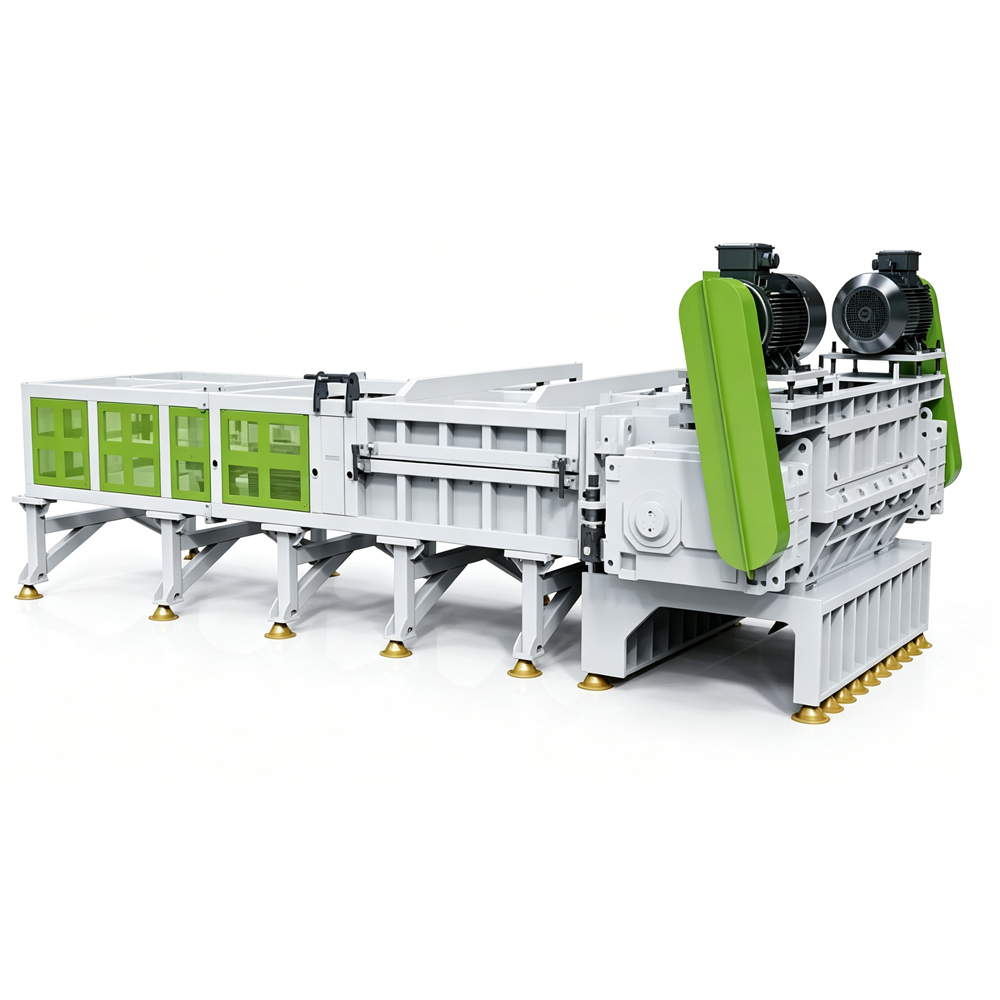


Pipe Extrusion Production Line
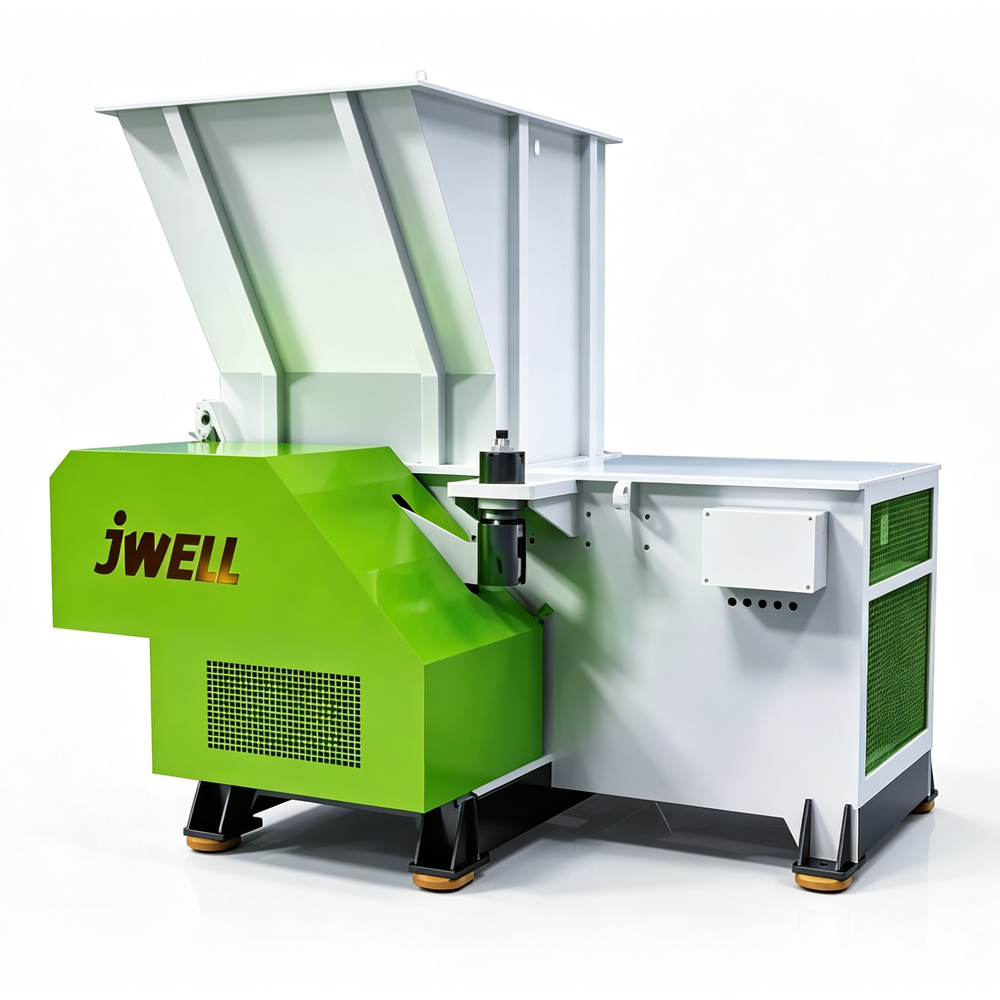
Plastic Shredder Crusher Machine

Tel: +86-19057068112

E-mail: [email protected]

Company Address
No. 128 Qingfeng Road, Xieqiao Town, Haining City, Jiaxing City, Zhejiang Province

19057068112

 English
 русский