
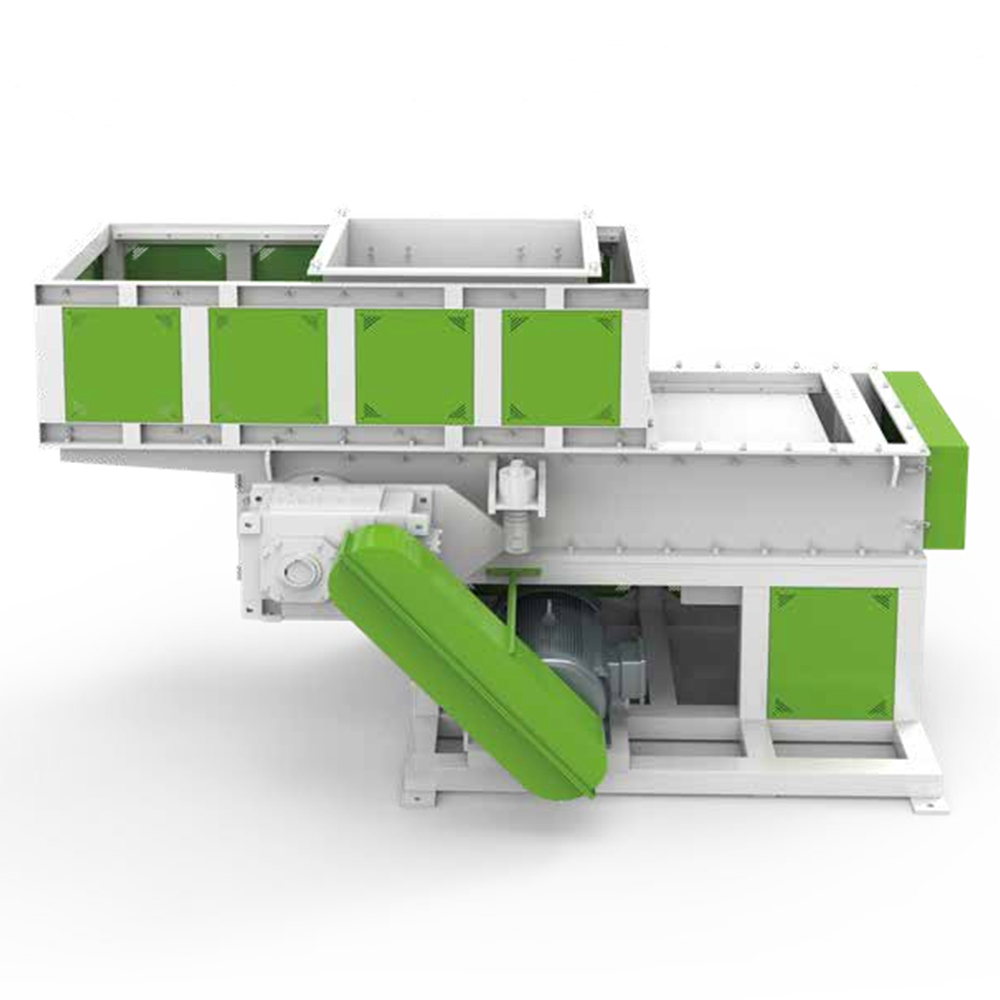


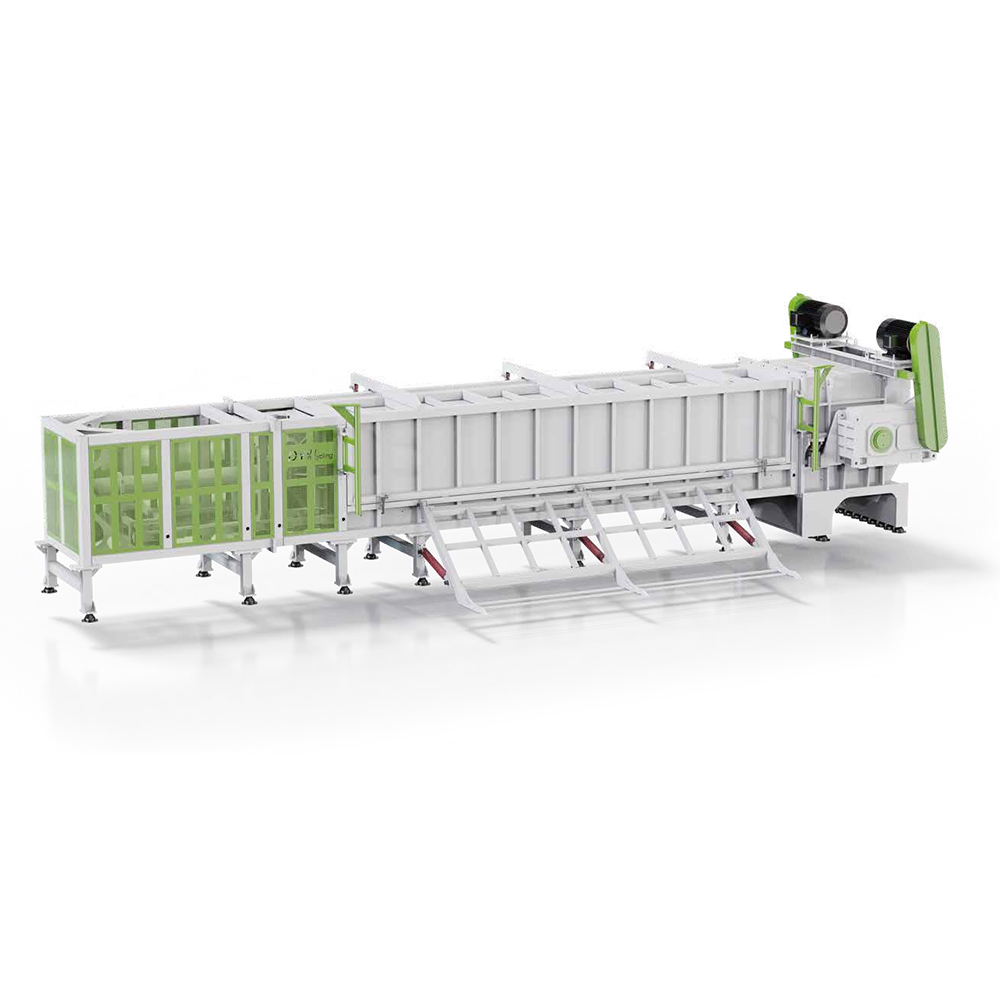
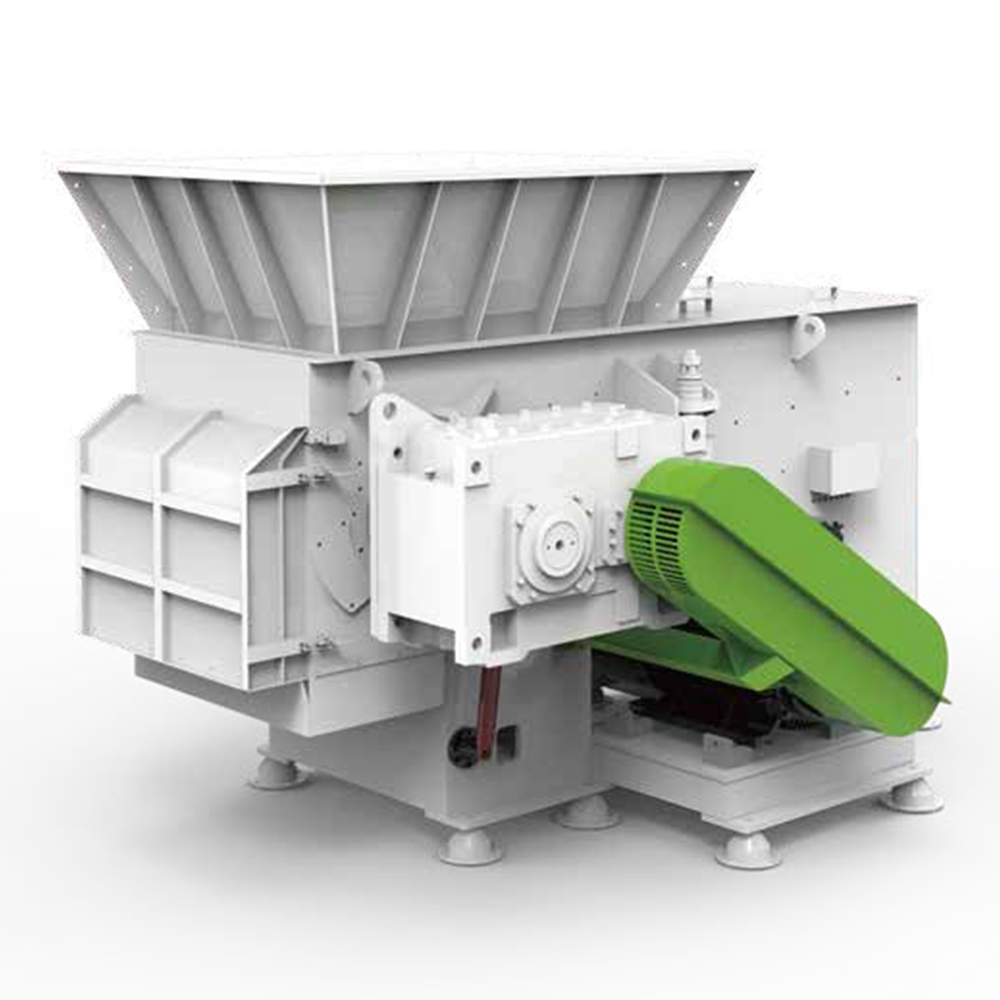
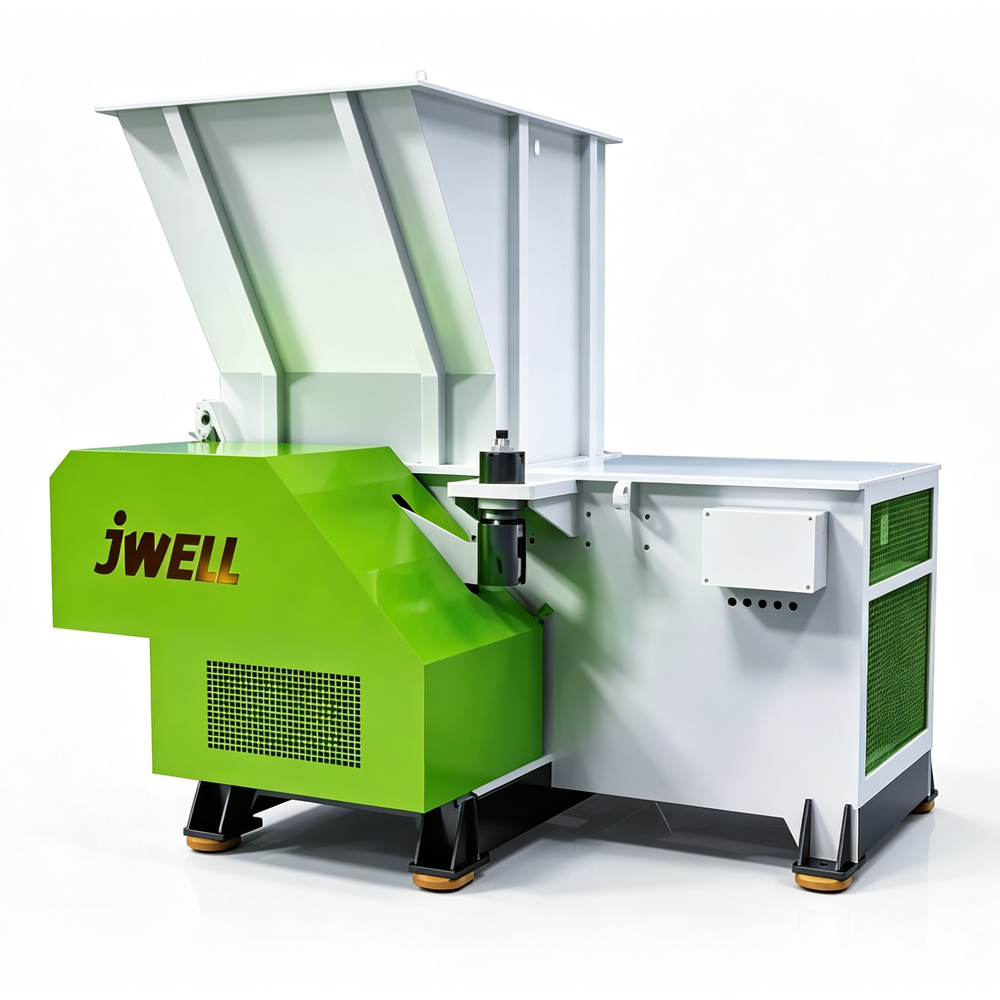
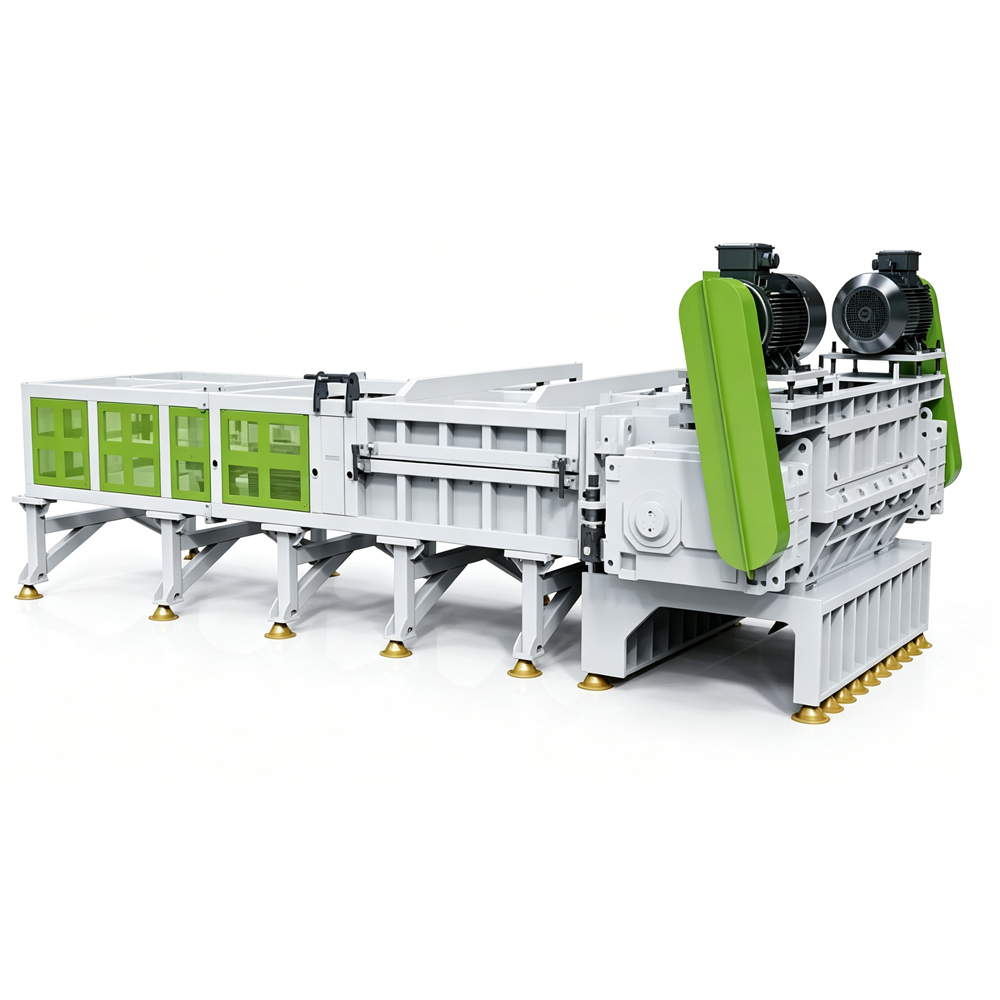
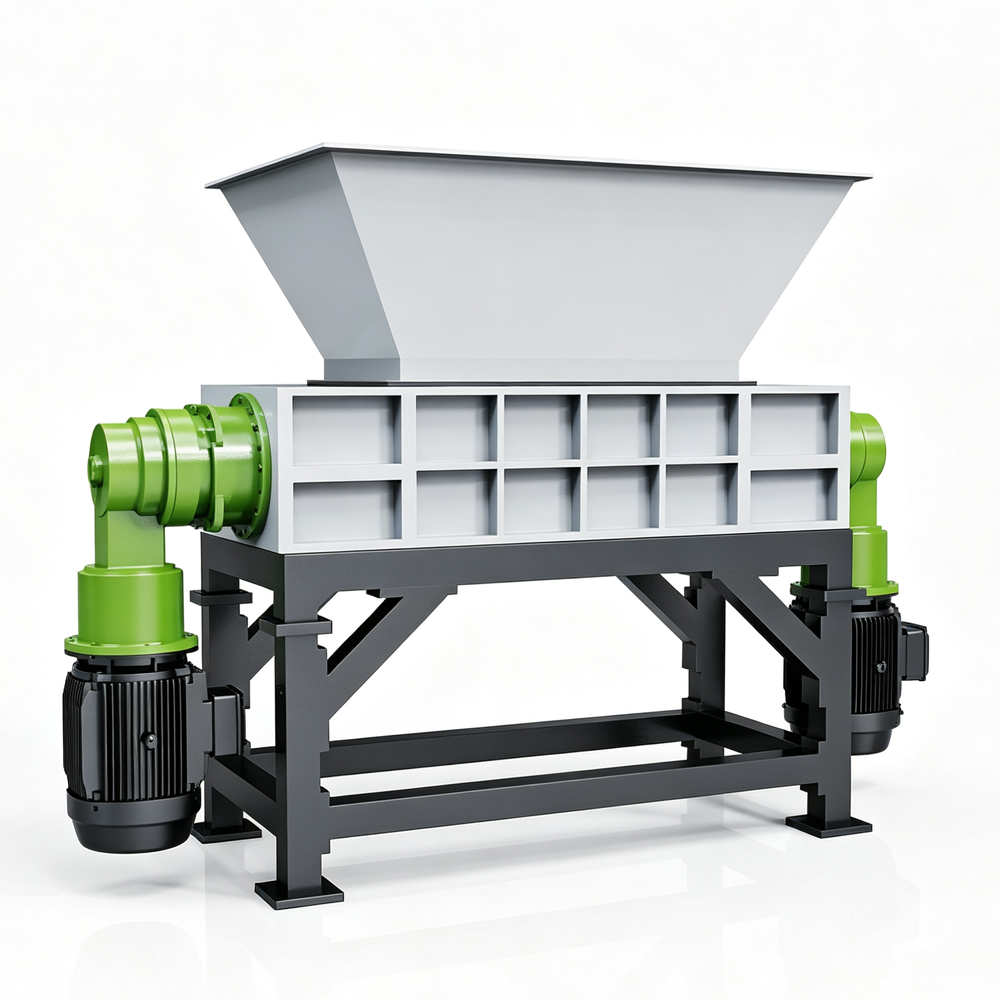
Jwell’s Plastic Shredder Crusher Machine is engineered for reliable and efficient size reduction of a wide range of plastic waste. Whether you are processing rigid plastics like pipes and containers or softer materials such as films and sheets, this machine delivers consistent output and stable performance.
Built with high-quality alloy steel blades and a robust cutting system, the machine ensures long service life and reduced downtime. The optimized rotor design improves cutting efficiency while minimizing energy consumption and noise levels—two key concerns for many recycling operations.
At Jwell, we understand that every project is different. That’s why we provide tailored solutions based on your material type, capacity requirements, and plant layout. Our team supports you from initial consultation to installation and operator training, ensuring a smooth start and long-term reliability.
Customers often ask about blade durability, maintenance, and the ability to handle mixed materials. With proper configuration, our machines are designed to reduce clogging, simplify maintenance, and maintain consistent particle size. Adjustable screen options also allow better control over final output.
With Jwell, you are not just buying a machine—you are investing in a complete, dependable recycling solution backed by professional technical support and responsive after-sales service.
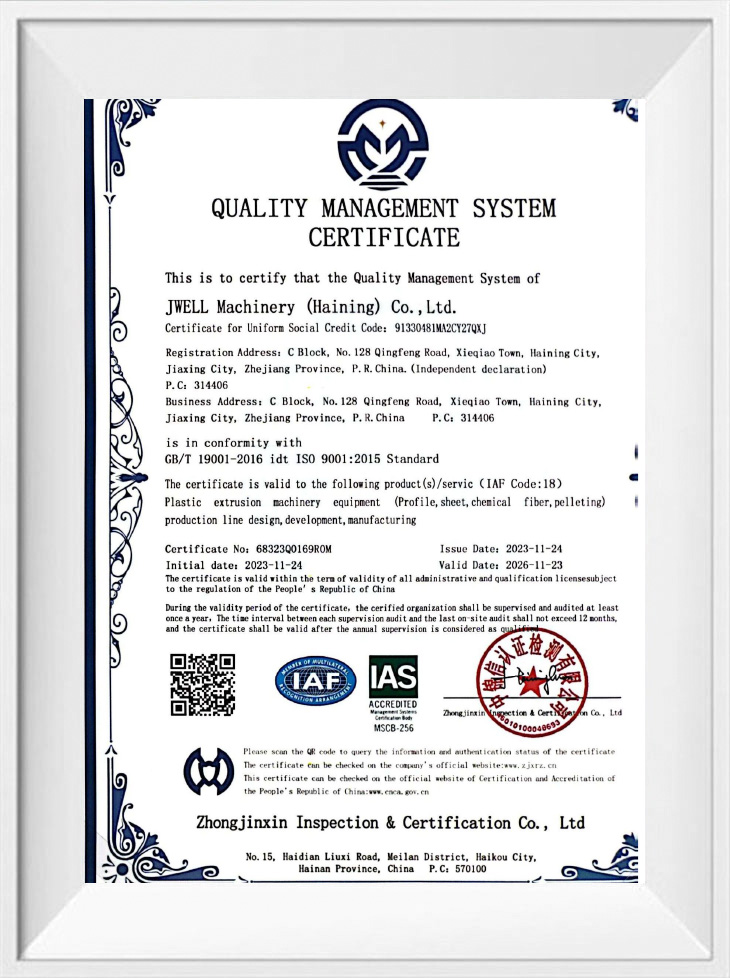
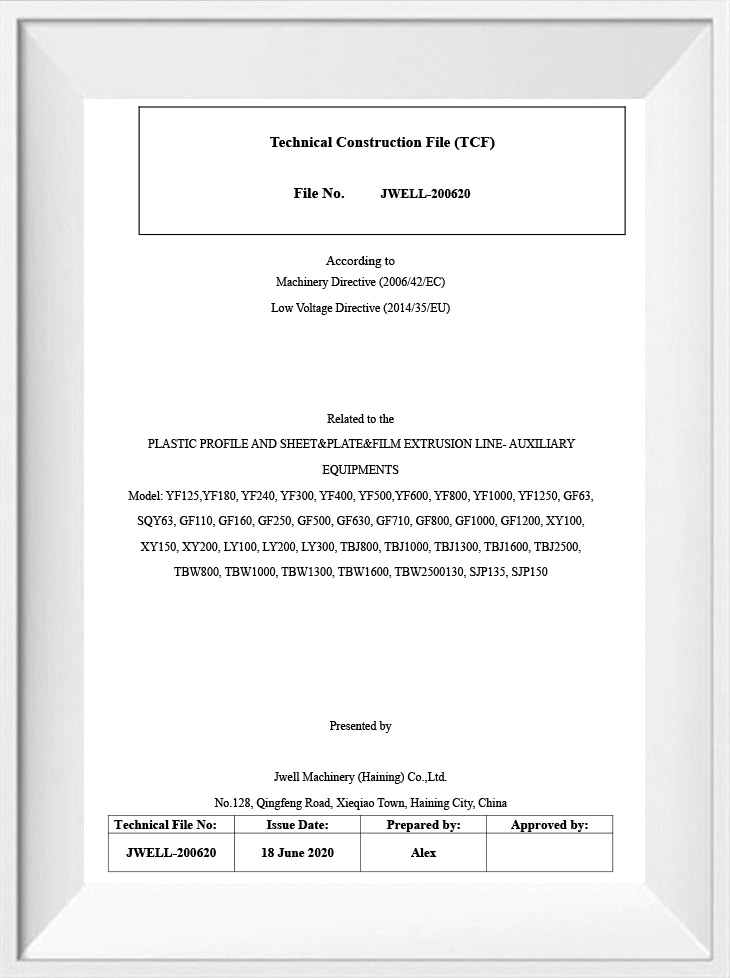
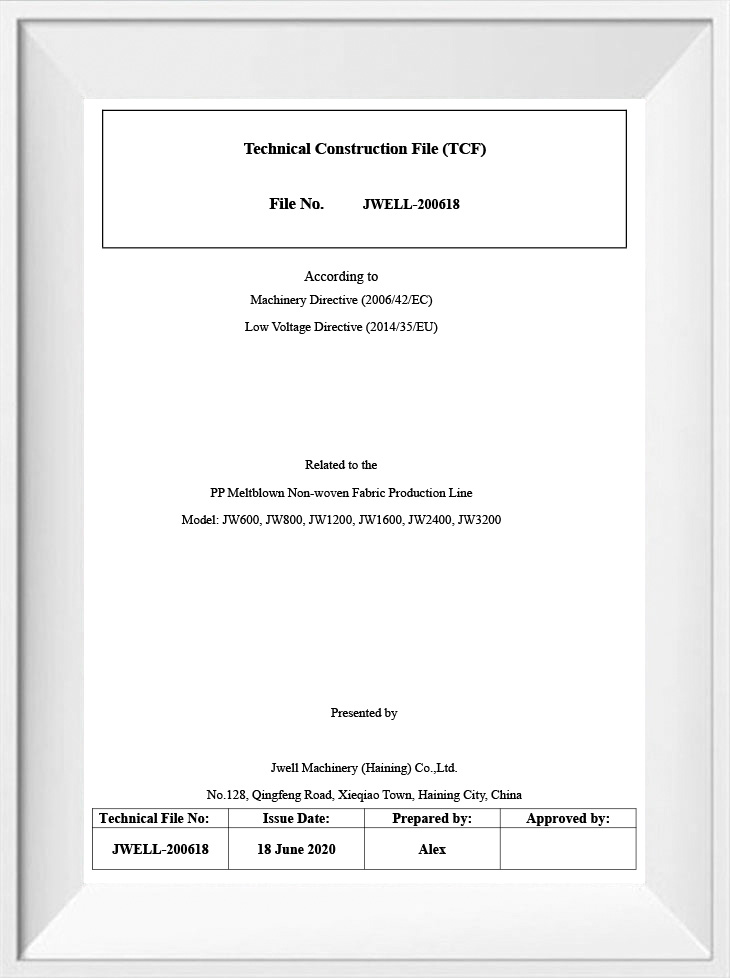
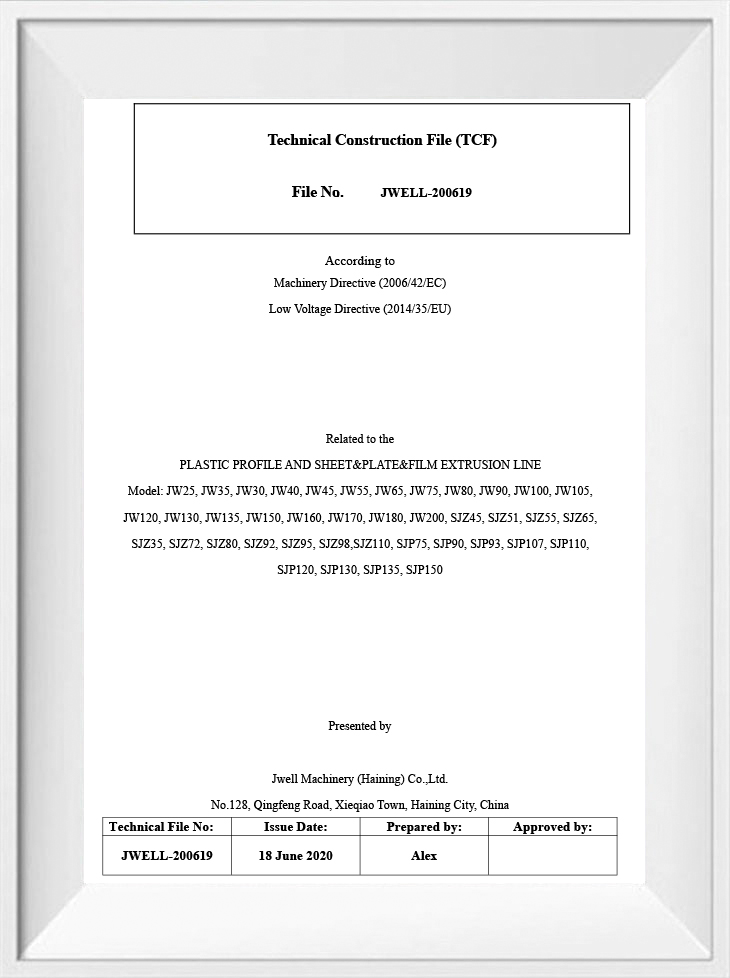
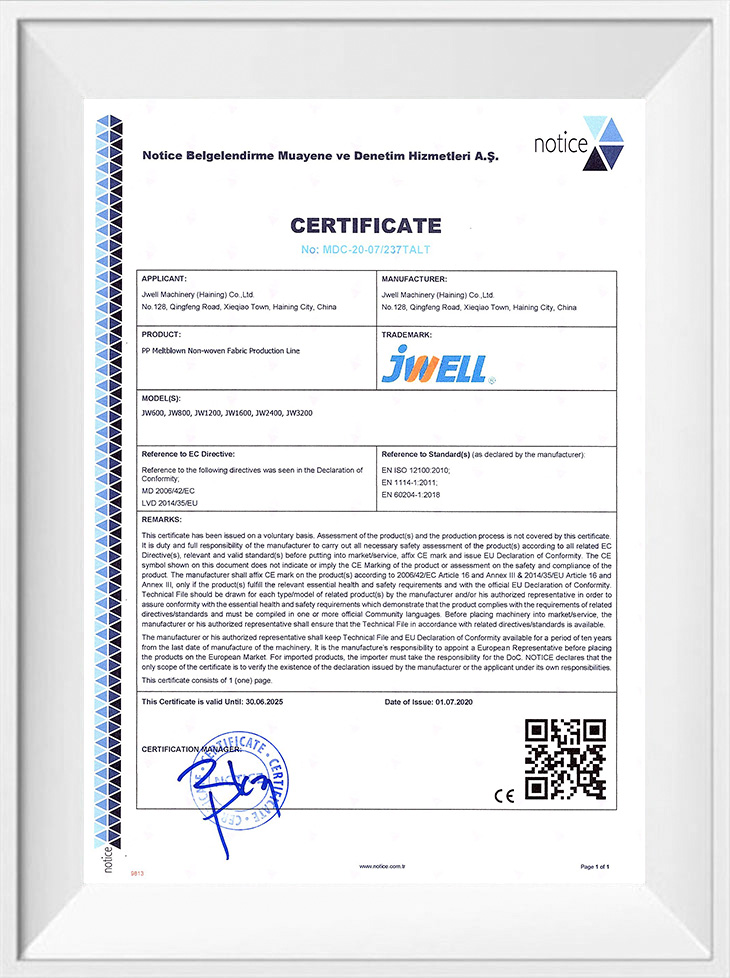
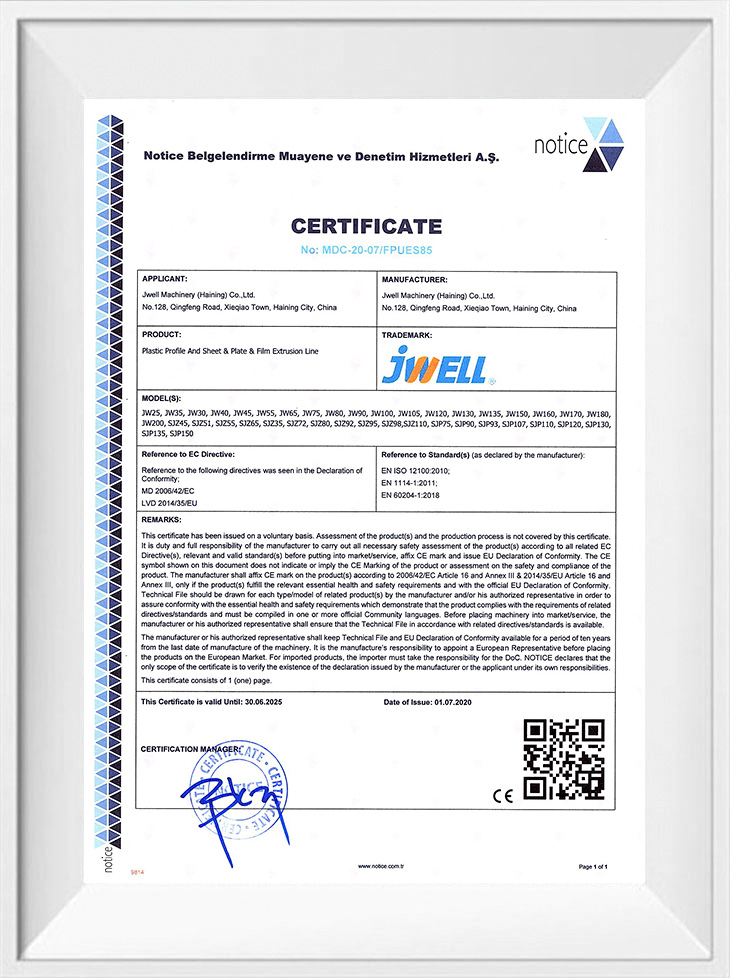
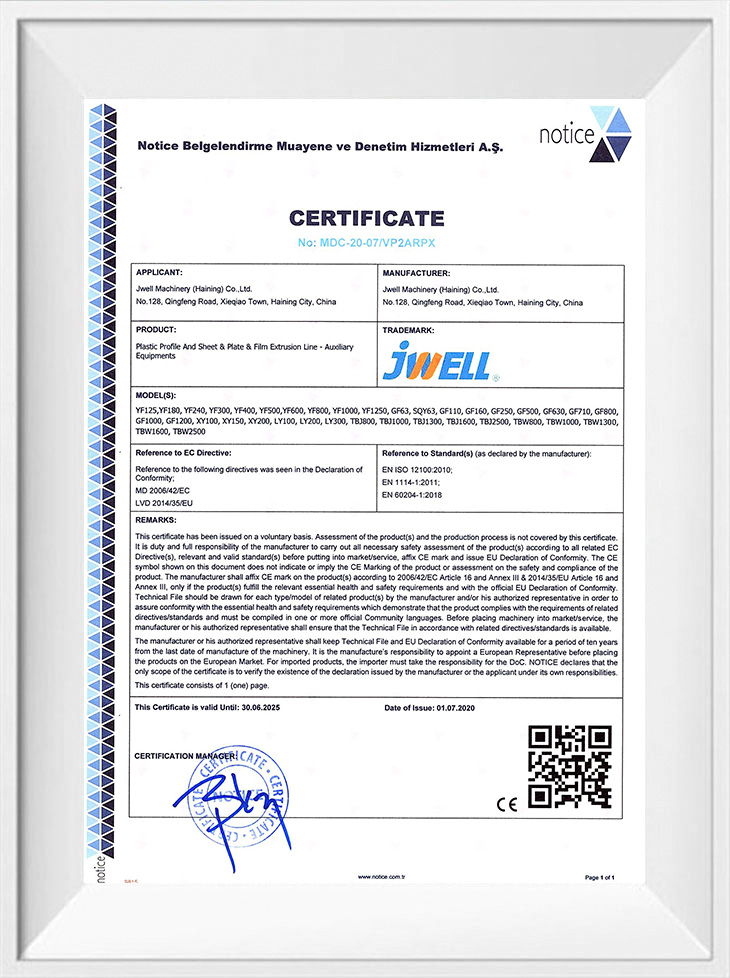
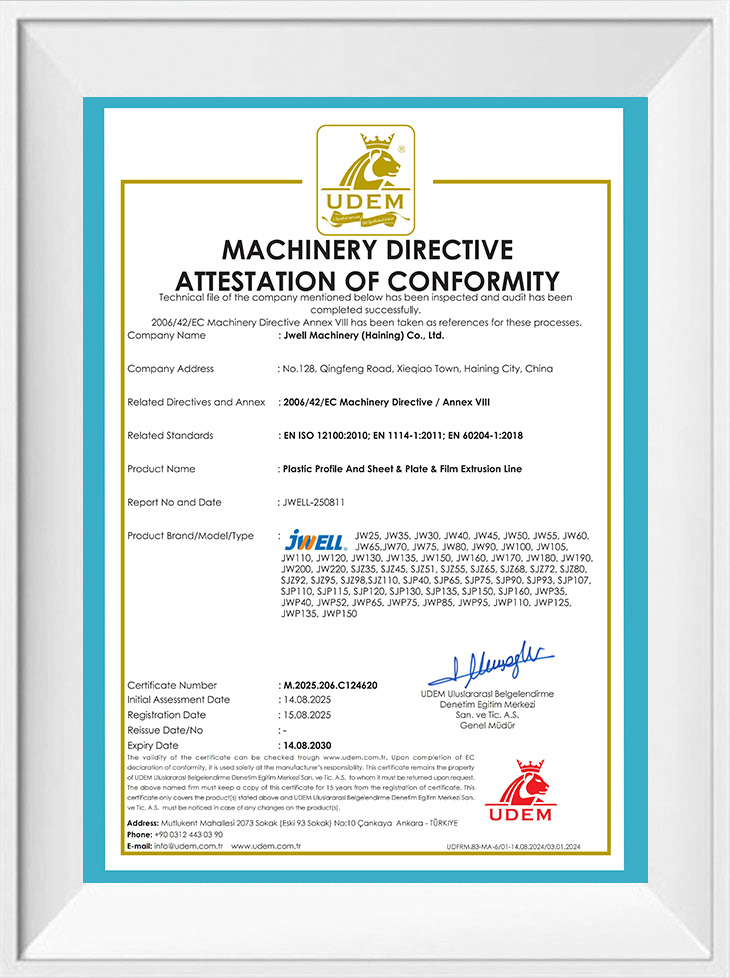
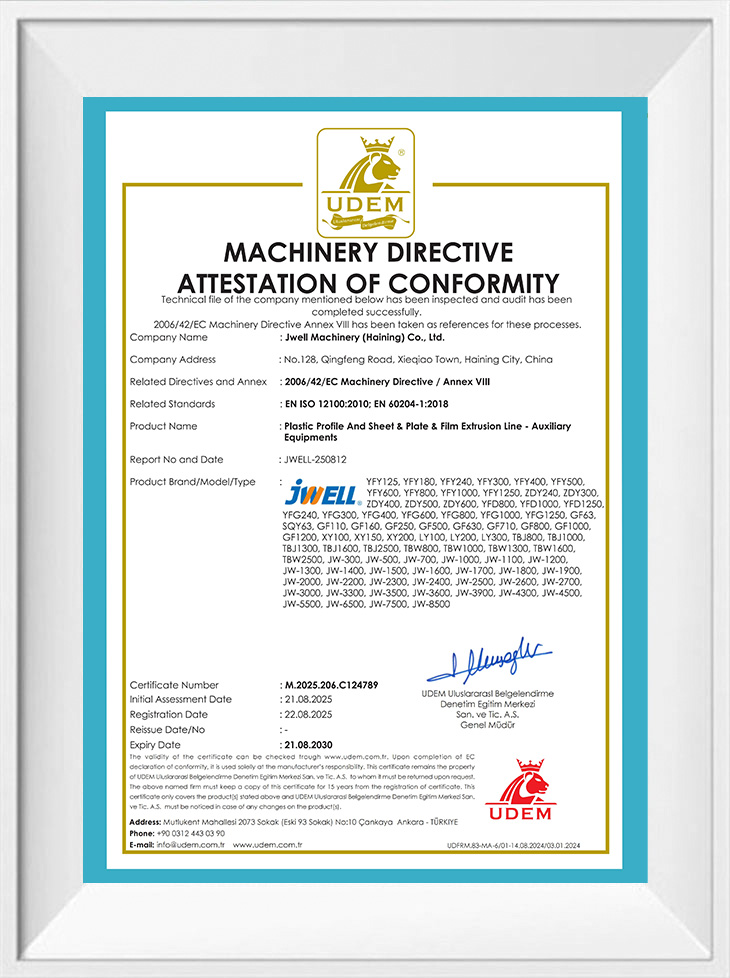
JWELL Machinery was founded in Shanghai in 1997. It is a national high-tech enterprise specializing in complete plastic extrusion and chemical fiber spinning equipment. The company has 14 modern production bases in China and overseas, covering a total area of over 1,000 acres, with more than 3,000 employees, including 480+ technical and management personnel. The annual output is over 3,000 sets of high-end extrusion lines, with annual sales exceeding 5 billion RMB. Products are exported to more than 130 countries and regions worldwide, serving over 10,000 customers. It is a national high-tech enterprise, holding over 1,000 national patents (including 100+ invention patents), and has passed CE and ISO9001 certifications. It has won honors such as "National Top 50 Light Industry Equipment Manufacturers" and "Specialized and Sophisticated 'Little Giant' Enterprise". Products are sold to more than 120 countries and regions. It is the Vice President Unit of the China Plastics Machinery Industry Association (CPMIA), a globally leading professional manufacturer of complete plastic extrusion and chemical fiber spinning equipment, and has ranked first in China's plastic extrusion industry for many consecutive years.
For industrial production customers, purchasing an extruder is not simply a matter of comparing equipment prices and par...
A plastic bottle looks like one material. It is not. The wall is a sandwich, an outer layer, an inner layer, and a barri...
New materials, new energy, green and low-carbon initiatives, and intelligent manufacturing are continuously driving the...
Defining what precise selection actually means
How to precisely select a plastic shredder/crusher machine is not about picking the biggest motor or the sharpest blades. It is about matching the machine's cutting geometry, rotor design, and power delivery to the specific material stream you are processing. Get it wrong, and you pay in downtime, blade wear, or poor output quality.
Material characteristics drive the decision
The first selection criterion is material type and form. Soft, flexible films (LDPE, PP) require a shredder with a steep cutting angle and a high rotor speed to tear the film rather than wrap it around the rotor. Rigid materials (PVC pipe, PC sheet) need a low-speed, high-torque machine with a scissors-like cutting action to shear through thick sections. Abrasive materials (glass-filled nylon, carbon fiber composites) demand hardened blade steel and easily replaceable cutting edges.
Throughput and particle size requirements
The second criterion is desired output. A primary shredder reduces large parts—purge blocks, industrial scrap, injection molding runners—to fist-sized pieces. The throughput is measured in tonnes per hour. A secondary granulator or crusher reduces those pieces to regrind of 5–15 millimeters for direct re-feeding into an extruder or molding machine. Selecting a machine that does both jobs poorly is a common mistake. A shredder optimized for primary reduction typically runs at 80–150 RPM with heavy flywheels. A granulator runs at 200–400 RPM with sharper blades and smaller cutting gaps.
Defining what smart means in shredding
A plastic shredder used to be a simple machine: motor, gearbox, rotor, screen, and a control panel with an on-off switch. The evolution of industrial plastic shredders toward smart technology has changed that picture completely. Smart today means machines that monitor themselves, communicate with plant networks, and adjust operating parameters in real time to maintain ideal performance.
Sensor integration and condition monitoring
The first wave of smart shredders added sensors. Vibration monitors on bearing housings detect imbalance before it causes bearing failure. Current sensors on the motor track torque and alert operators to feed rate changes. Temperature sensors on the cutting chamber warn of overheating from friction. These sensors feed data to a PLC that logs trends and alerts maintenance teams when parameters drift outside acceptable ranges.
Integration with upstream and downstream systems
The third wave connects the shredder to the entire recycling line. The shredder communicates feed rate requirements to the upstream conveyor and output specs to the downstream granulator or extruder. If the granulator downstream jams, the shredder reduces feed rate automatically. This integration reduces operator intervention and less downtime.
Comparison: conventional versus smart shredders
Conventional shredders are reactive: operators respond to jams, change blades on fixed schedules, and rely on manual logbooks for maintenance records. Smart shredders are proactive: they detect wear patterns, recommend maintenance before failure, and generate maintenance schedules automatically. The cost difference is significant—smart shredders typically cost 20–40 percent more upfront. The payback comes from reduced downtime and extended component life, often within 18 to 24 months.
Defining the upgrade landscape
A crusher—often called a granulator or pulverizer—is the workhorse of plastic recycling. But a crusher that handled clean post-industrial scrap five years ago may struggle with today's post-consumer, contaminated, and multi-material feedstocks. Achieving technological upgrades in plastic recycling crushers is about retrofitting or replacing components to handle these tougher materials without sacrificing throughput or regrind quality.
Upgrading the cutting geometry
The impactful single upgrade is the cutting system geometry. Traditional open-rotor granulators with steep cutting angles work well for clean film and sheet. For contaminated or mixed scrap, a steep angle increases the risk of wrapping and jamming. Upgraded machines use V-rotor or spiral-rotor designs that pull material into the cutting zone more aggressively. A retrofit rotor with D2 tool steel blades and adjustable cutting clearance costs $15,000–25,000 but can double the effective output on tough materials.
Upgrading the feed system
Crusher feed systems are often the bottleneck. Manual feeding creates inconsistent throughput. Upgraded feed systems include ram feeders or screw conveyors that meter material at a controlled rate. For bulky items like purge blocks, a ram feeder pushes material into the rotor at a rate matched to the crusher capacity.
Upgrading the screening and dust control
Regrind quality depends on the screen. A worn or clogged screen produces oversized particles. Upgraded screens with hardened steel construction and quick-change frames reduce screen replacement time from 30 minutes to under 5 minutes. Dust control is often overlooked. Adding a dust extraction port and a cyclone separator reduces airborne fines and improves regrind cleanliness for re-feeding.
Table: common crusher upgrades and their impact
| Upgrade | What It Replaces | Impact on Performance | Typical Investment | Payback Period |
| High-wear rotor (D2 or CPM blades) | Standard steel blades | 2–3x blade life on abrasive materials | $15,000–$25,000 | 12–18 months |
| Ram or screw feeder | Manual feed chute | 30–40% throughput increase, consistent feed | $12,000–$20,000 | 12–18 months |
| Quick-change screen | Bolted, fixed | Downtime for screen | $3,000–$6,000 | 4–6 months |
| frame | screen | change drops 80% | ||
| Sound enclosure | Open frame | Noise reduction 10–15 dB, safer operation | $5,000–$12,000 | Regulatory compliance |
| Dust extraction system | None or basic | Cleaner regrind, reduced fines | $4,000–$10,000 | 6–12 months |
Comparison: full machine replacement versus targeted upgrades
Full replacement of a crusher costs $40,000–150,000 depending on size and capability. The advantage is a complete new system with modern safety features, energy-efficient motors, and the latest rotor designs. The disadvantage is the capital outlay and the installation downtime. Targeted upgrades typically cost 20–40 percent of replacement cost and can be implemented during scheduled maintenance. For lines that are mechanically sound but challenged by new materials, upgrades are usually the better economic choice. For lines with worn gearboxes, failing motors, or obsolete safety systems, replacement is more cost-effective over the long term.


Pipe Extrusion Production Line
Plastic Shredder Crusher Machine

Tel: +86-19057068112

E-mail: [email protected]

Company Address
No. 128 Qingfeng Road, Xieqiao Town, Haining City, Jiaxing City, Zhejiang Province

19057068112

 English
 русский