
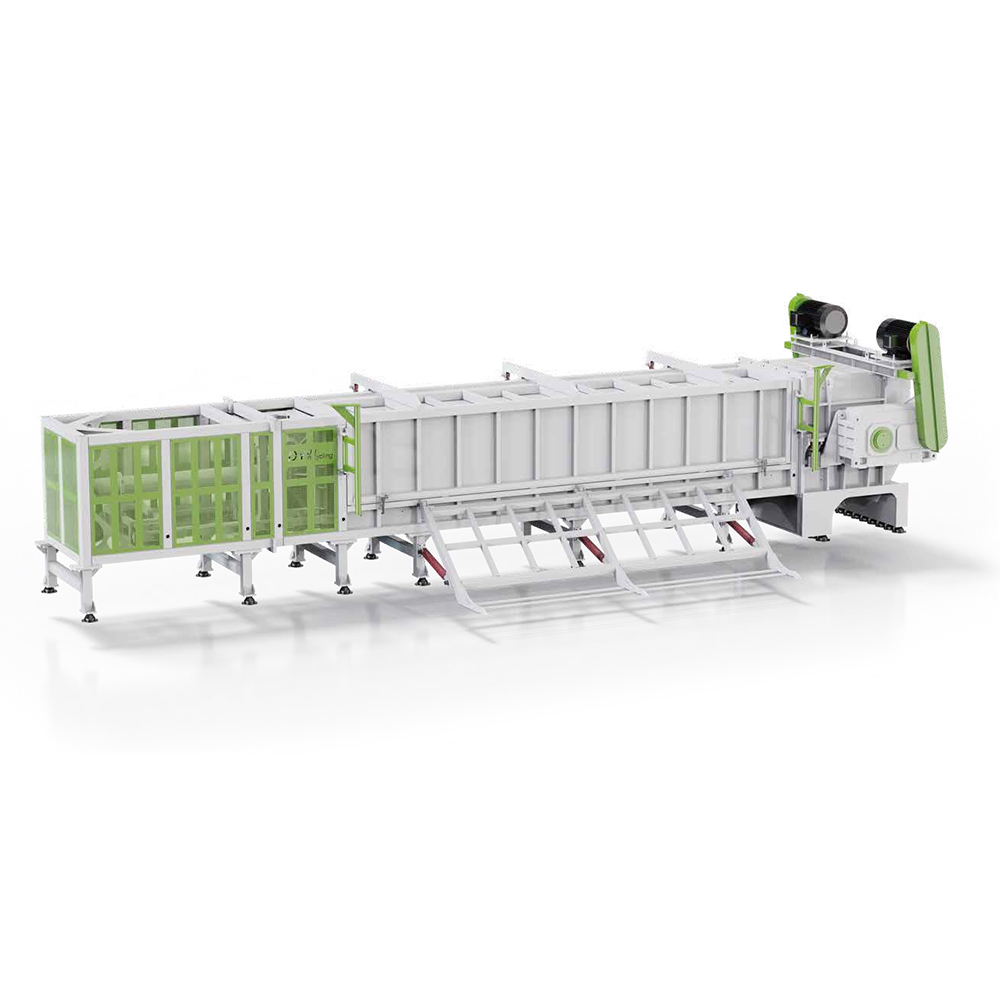
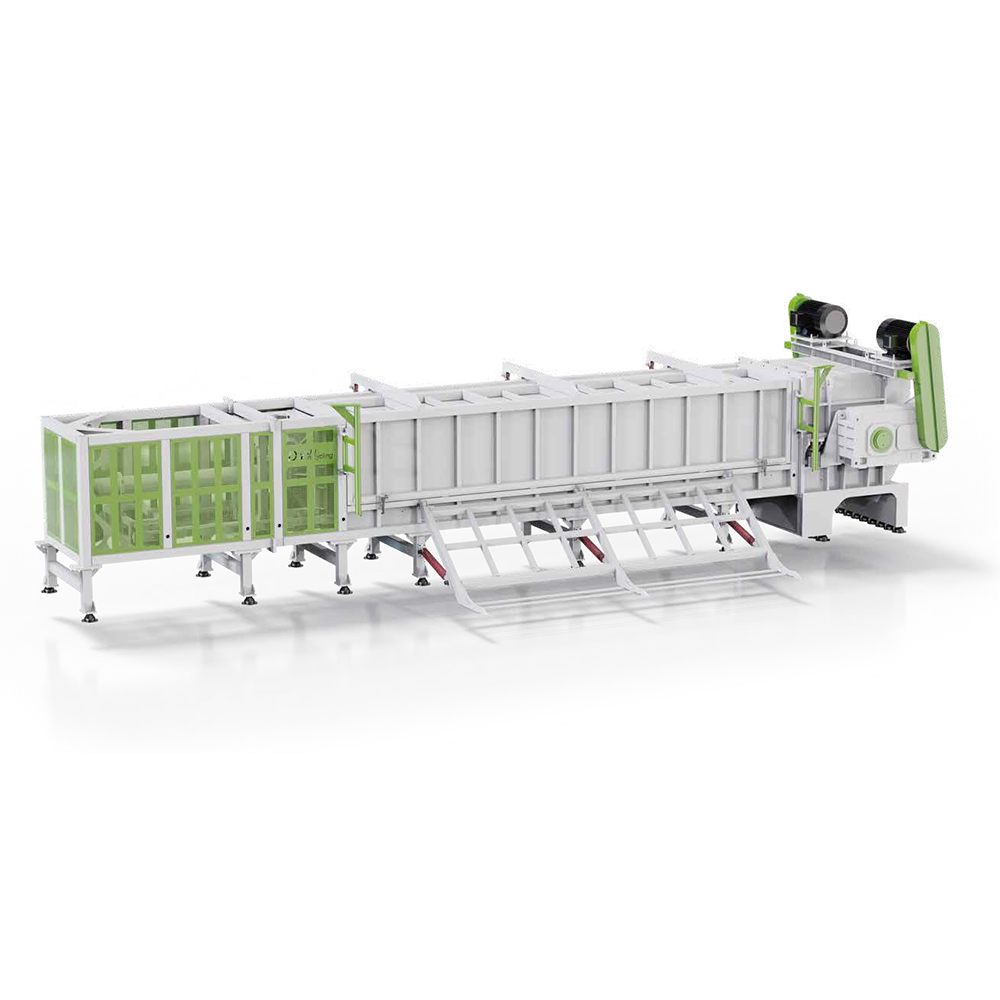
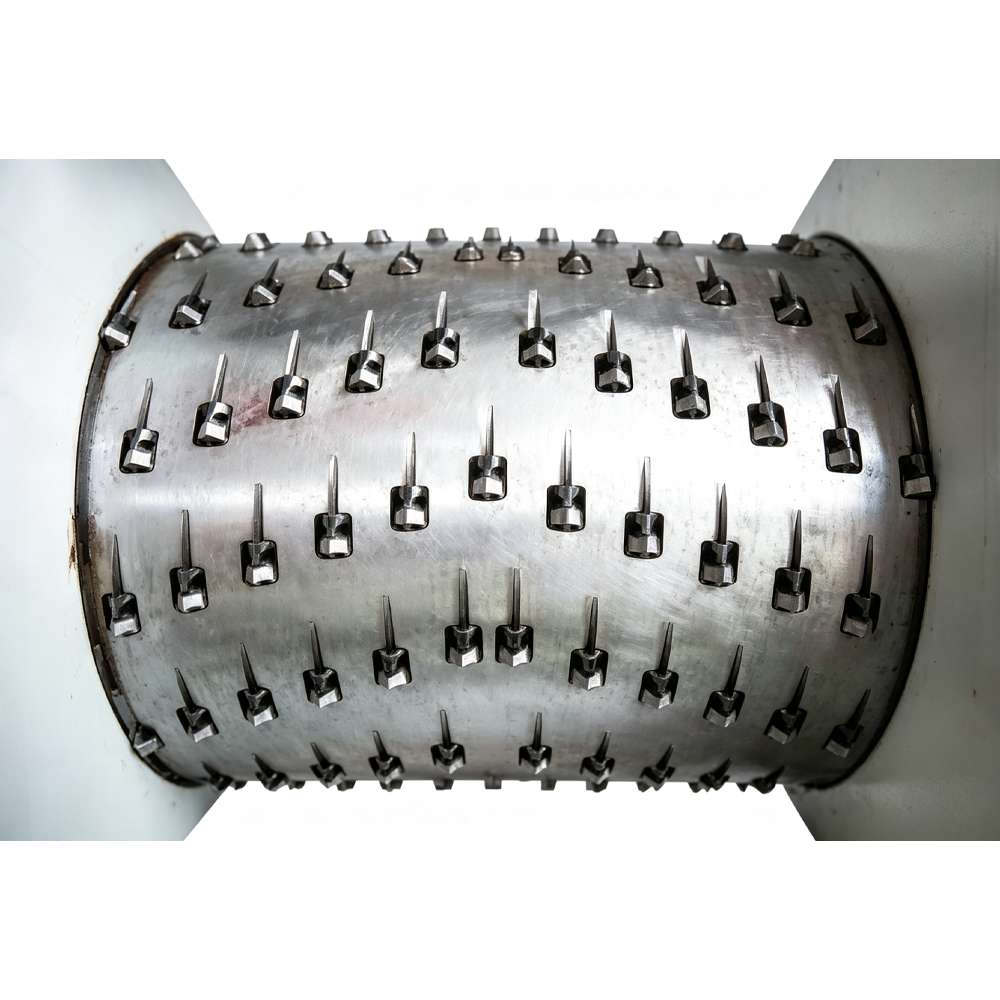
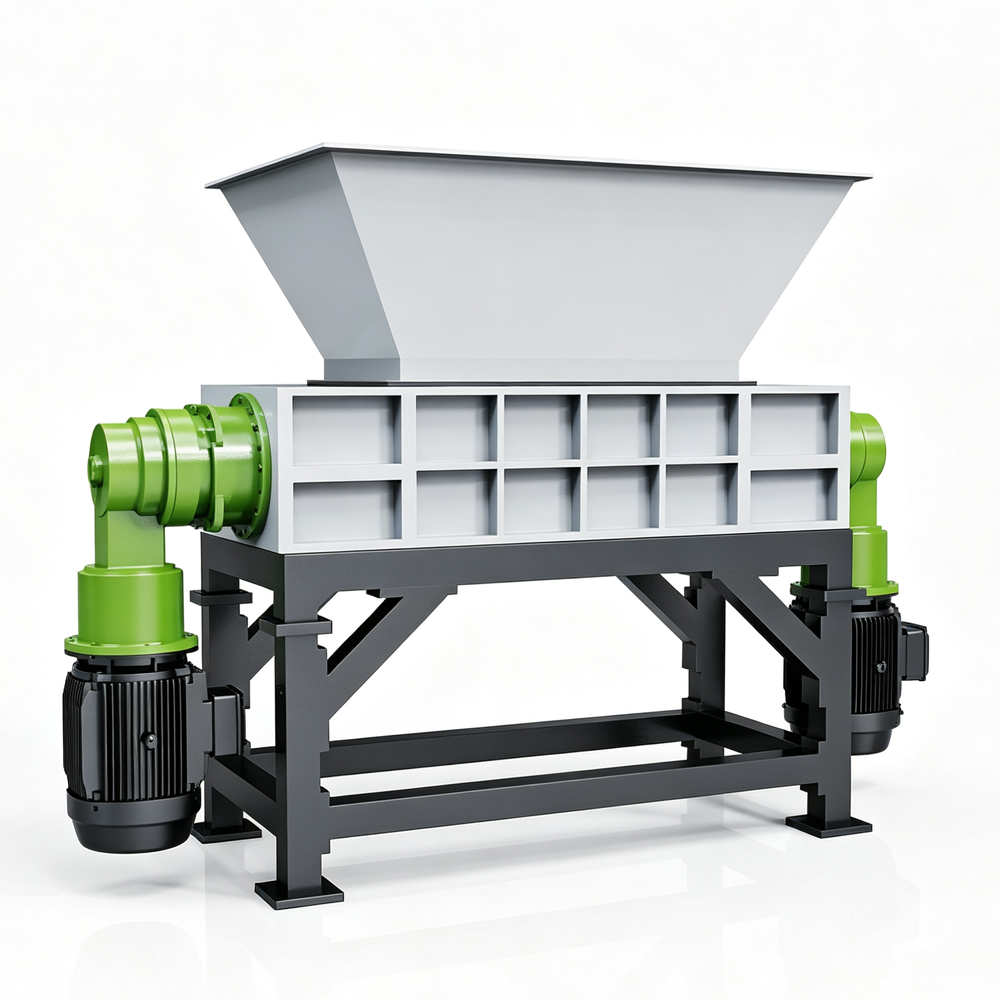
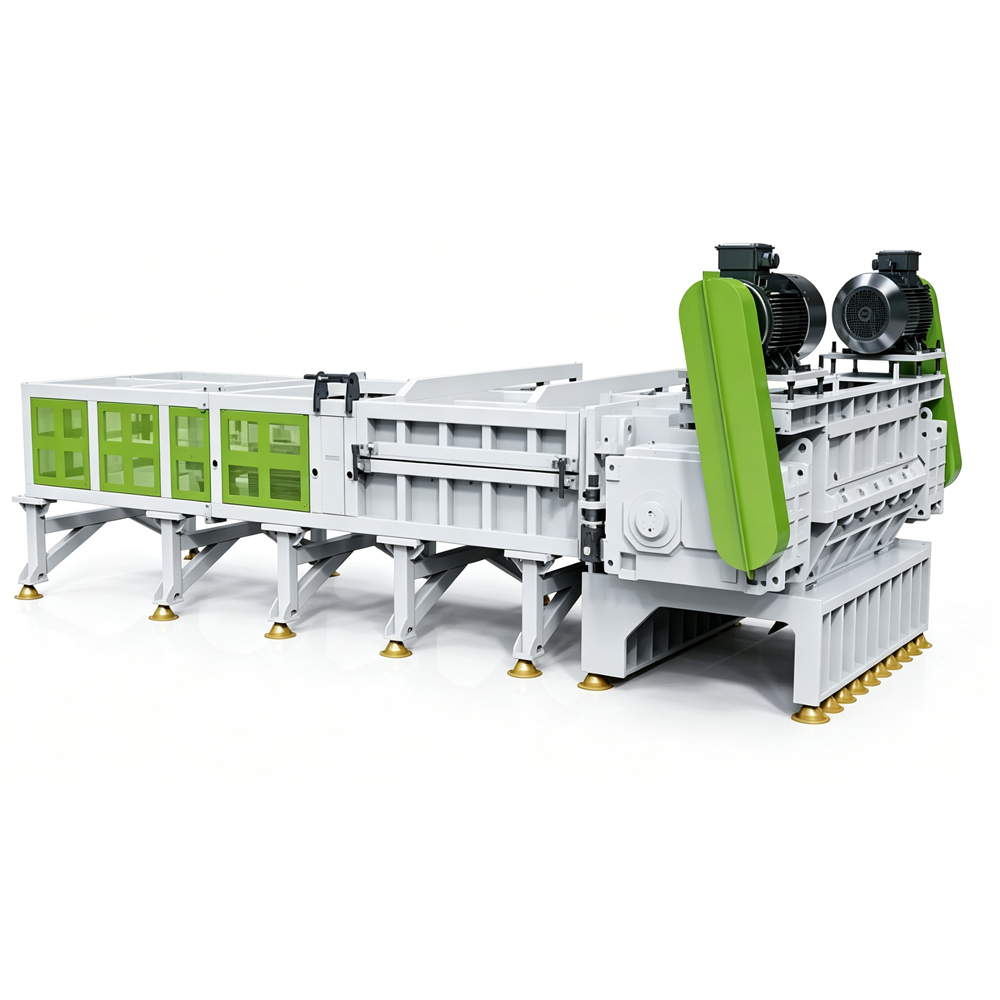
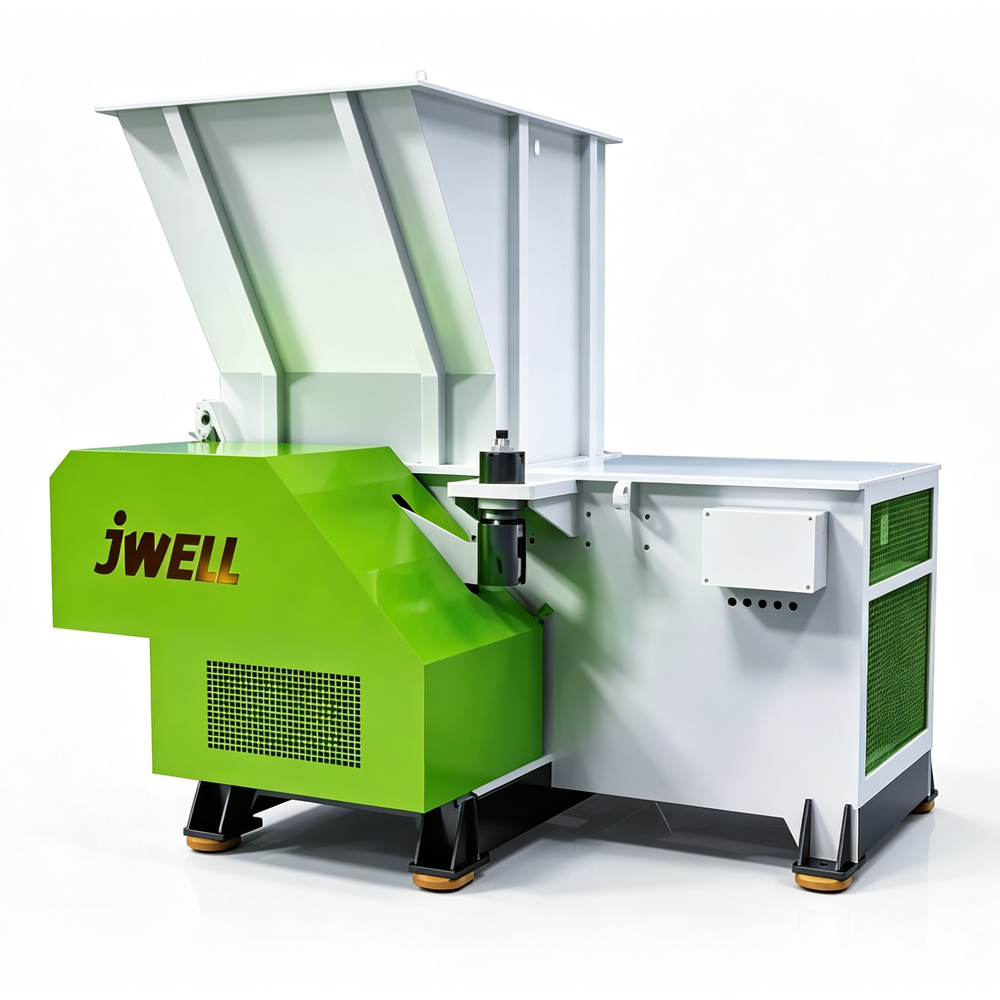
The DYSSG series is specifically designed for one-step crushing and shredding of plastic pipes – especially HDPE, PVC, PP, and ABS pipes used in water supply, gas, and industrial applications. The following content is based on our factory specifications and field feedback, providing real performance data, application cases, and technical insights.
Pipe extrusion waste recycling – On-line or off-line crushing of rejected pipes, start-up lumps, and purging materials.
Post-consumer pipe waste – Old water/gas pipes from municipal network upgrades or construction sites.
Large-diameter pipe processing – Outer diameter from 630 mm up to 1600 mm (depending on model’s maximum pipe diameter).
Pre-shredding before pelletizing – Produces uniform chips (800–2500 kg/h) that can directly go into washing or extrusion lines.
Real case – Pipe manufacturer in Southeast Asia
A customer processing 1200 mm HDPE pipes (wall thickness 40–60 mm) installed one DYSSG-1200 (2×55 kW, Φ1478 rotor). They replaced a “two-stage pre-cut + granulator” line. The DYSSG-1200 alone reduced oversized material to 40–80 mm chips at 1800 kg/h, cutting energy consumption by 30% and labor by half.
|
Parameter |
Advantage |
|
Large rotor diameter (Φ848–Φ1968 mm) |
Higher inertia, capable of tearing thick pipe walls without jamming |
|
Dual drive motors (2×30 to 2×110 kW) |
Balanced torque, smooth cutting even with uneven pipe sections |
|
Max pipe diameter up to 1600 mm |
No pre cutting needed – feed whole pipes directly |
|
Capacity 800–2500 kg/h |
Scalable from small workshops to industrial production lines |
|
Single shaft design + hydraulic pusher |
Automatic feeding of long pipes, no bridging |
|
Special “V” rotor configuration |
Prevents pipe rotation, grabs material instantly |
|
Screen controls output |
Regulates chip size; screens can be easily changed for different specifications |
Every DYSSG machine undergoes the following inspections:
a) Raw material & component inspection
Rotor and cutting tools use high-strength wear-resistant steel (DIN 1.2379 or equivalent).
Gearboxes and motors are verified on a dynamometer for rated power (2×30 kW to 2×110 kW).
b) Assembly & no-load break-in test
Rotor dynamic balancing to ISO 1940 G6.3 level, minimizing vibration.
No-load operation for 4 hours – check bearing temperature (<70°C) and noise (<85 dB).
c) Load test (with actual pipes)
Test maximum rated pipe diameter under full motor load (e.g., DYSSG-1600 tested with Φ1600 pipe).
Measure throughput: must reach at least the lower limit of the reference range (e.g., 1800 kg/h for DYSSG-1600).
Overload protection verification – machine safely reverses or stops in case of jamming.
d) Final inspection report
Rotor diameter verification (e.g., Φ1968 mm for DYSSG-1600).
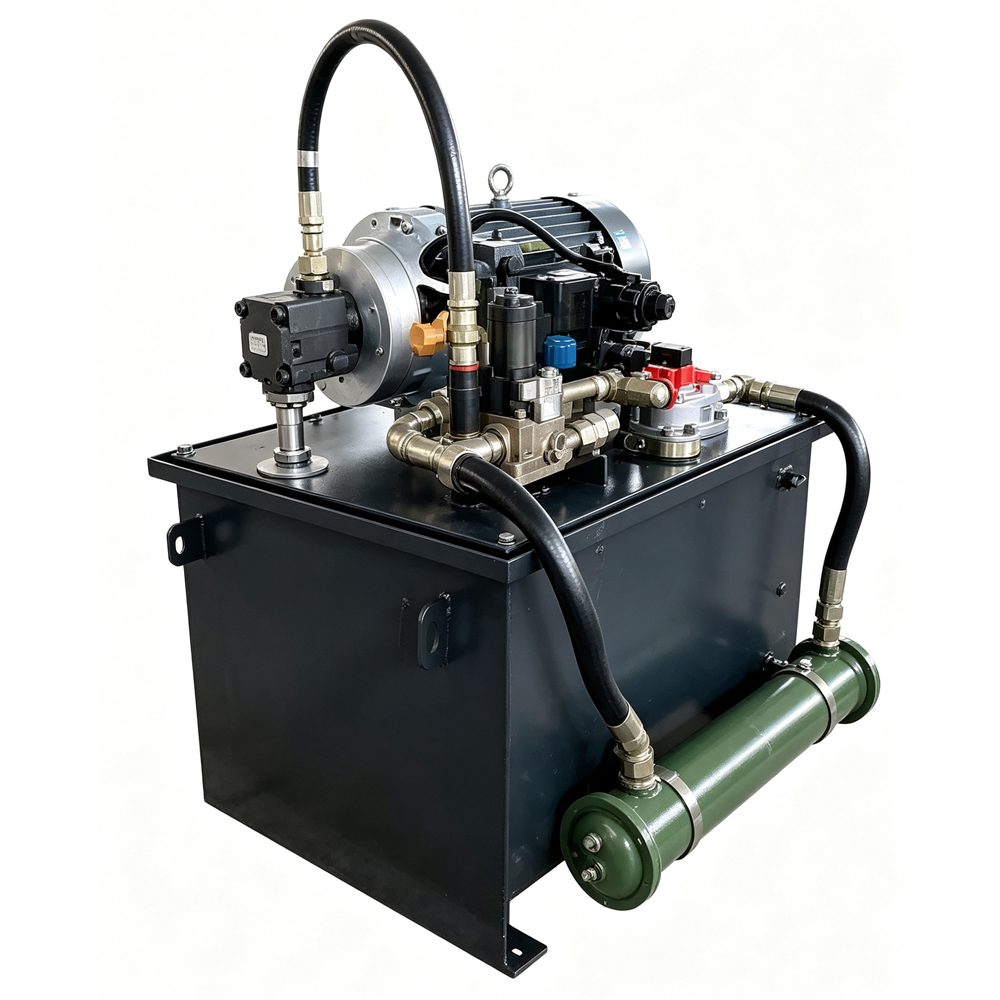
Hydraulic system pressure test at 1.25 times working pressure.
Each machine comes with a signed test certificate recording actual performance data.
| Model | Rotor Dia. (mm) | Drive Power (kW) | Shreddable Pipe Dia. Max. (mm) | Output (kg/h) |
|---|---|---|---|---|
| DYSSG-630 | Φ848 | 2×30 | 630 | 800-1000 |
| DYSSG-800 | Φ1028 | 2×37 | 800 | 1000-1200 |
| DYSSG-1000 | Φ1258 | 2×45 | 1000 | 1200-1500 |
| DYSSG-1200 | Φ1478 | 2×55 | 1200 | 1500-2000 |
| DYSSG-1600 | Φ1968 | 2×110 | 1600 | 1800-2500 |
Q1: Can it crush solid pipes, or only hollow ones?
A: Yes, the DYSSG series works for both solid and hollow pipes. For solid or thick-wall pipes, choose a model with higher rotor inertia (e.g., DYSSG-1200 or 1600). Reduce the feed speed to avoid overloading – the dual-motor drive (2×55 kW or 2×110 kW) handles peak loads well.
Q2: My pipe diameter is 1500 mm, but the data sheet shows max pipe diameter for DYSSG-1600 is 1600 mm – is it safe?
A: Safe. “Max pipe diameter” means the pipe passes through the feed hopper without obstruction. For a 1500 mm pipe, the DYSSG-1600 (Φ1968 rotor) provides 468 mm clearance below the rotor – plenty of space. Never exceed the specified maximum, otherwise the pipe may not rotate properly.
Q3: How often do the blades need replacement?
A: Rotor blade life is 600–1200 hours, depending on the material (abrasive fillers shorten life). Blades are reversible (4 cutting edges). A two-person team can replace all blades in typically 90 minutes.
Q4: What is the difference between DYSSG-630 and a standard granulator?
A: Standard granulators usually have rotor diameters ≤ Φ500 mm and struggle with pipes >200 mm diameter. The DYSSG-630 has a Φ848 mm rotor, 630 mm pipe capacity, and 800–1000 kg/h throughput – it is a true primary crusher.
Q5: Do you offer complete lines including washing?
A: We can supply the DYSSG as a single machine, or integrate it with magnetic separators, friction washers, and drying systems. For post-consumer pipes, we recommend a metal detector before the crusher.
Q6: What is the typical footprint?
A: The main machine dimensions (L×W×H) for DYSSG-1600 are approx. 3.5 m × 2.2 m × 2.8 m. The hydraulic power pack needs an additional 1.5 m, and the conveyor needs 2 m.
Q7: What makes the DYSSG stand out in the recycling industry?
Unlike traditional “guillotine shear + secondary granulator” solutions (high energy consumption, dust, and noise), the DYSSG series reduces large-diameter pipes to uniform chips in one step. The large rotor diameter and dual-drive design achieve high throughput without pre-cutting. Every machine is load-tested with actual pipes before shipment – you get proven performance, not just paper specifications.


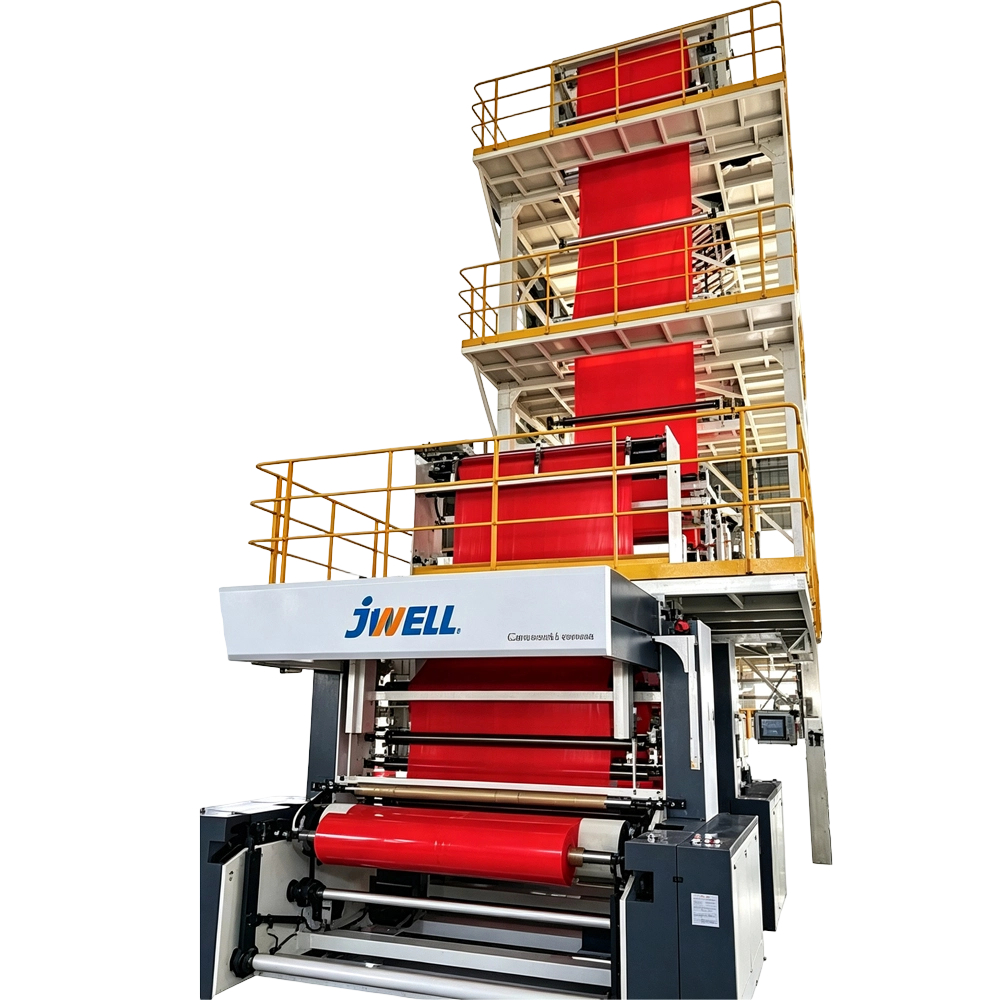


Pipe Extrusion Production Line
Plastic Shredder Crusher Machine

Tel: +86-19057068112

E-mail: [email protected]

Company Address
No. 128 Qingfeng Road, Xieqiao Town, Haining City, Jiaxing City, Zhejiang Province

19057068112

 English
 русский