
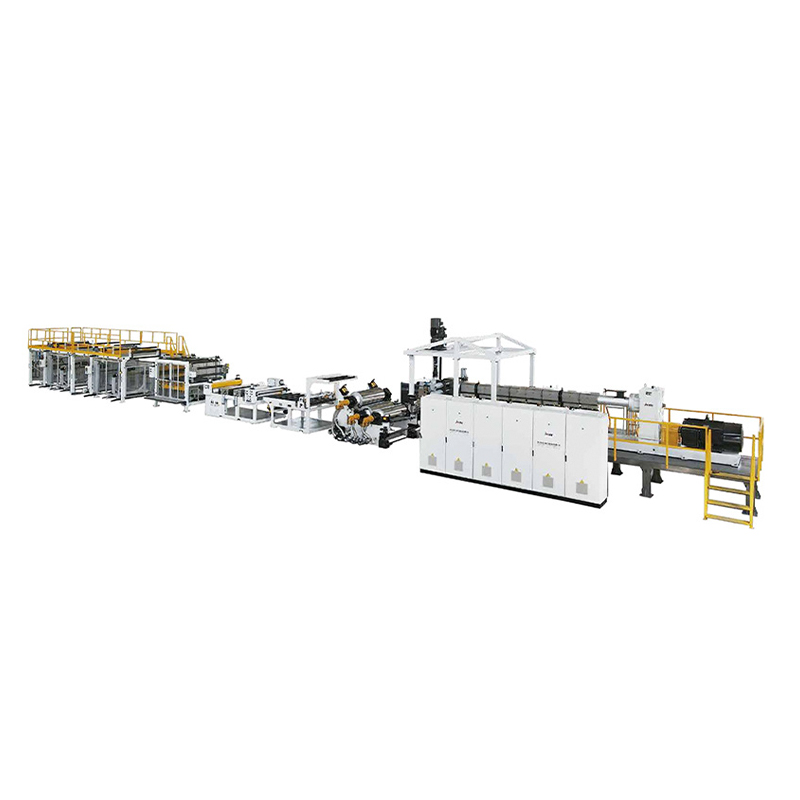
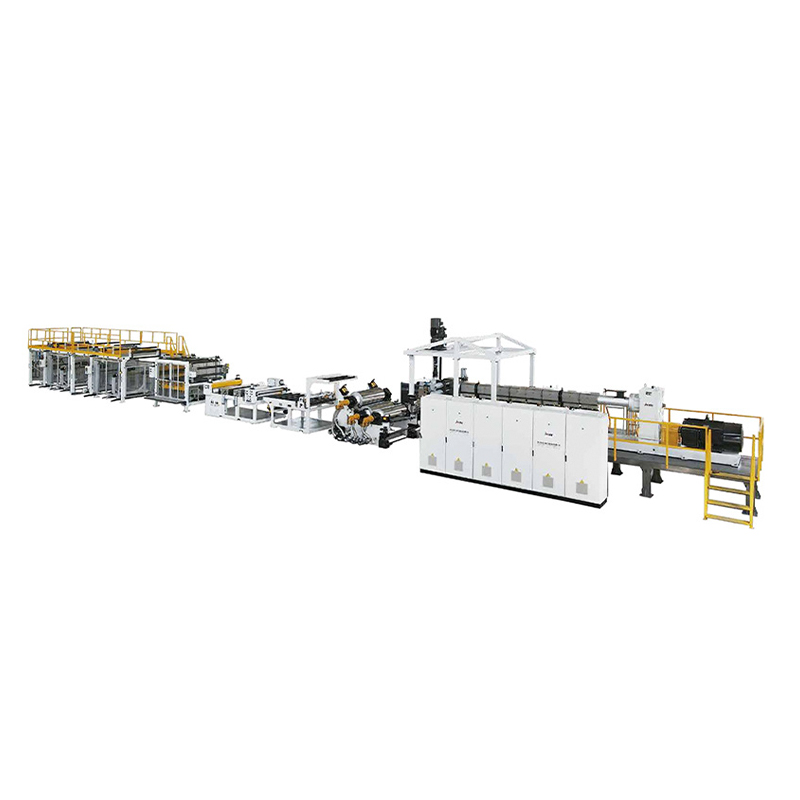
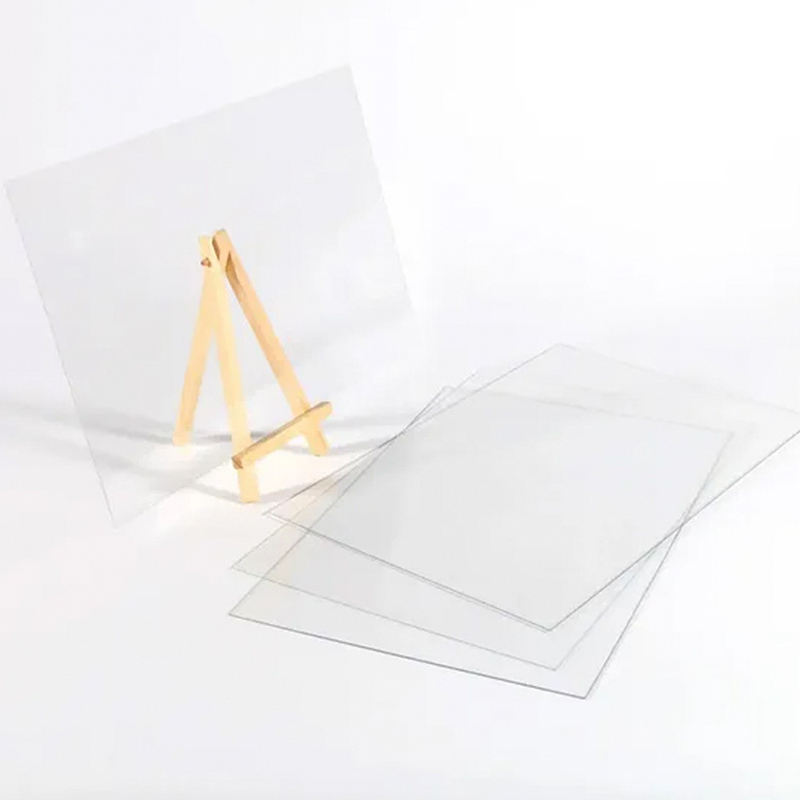
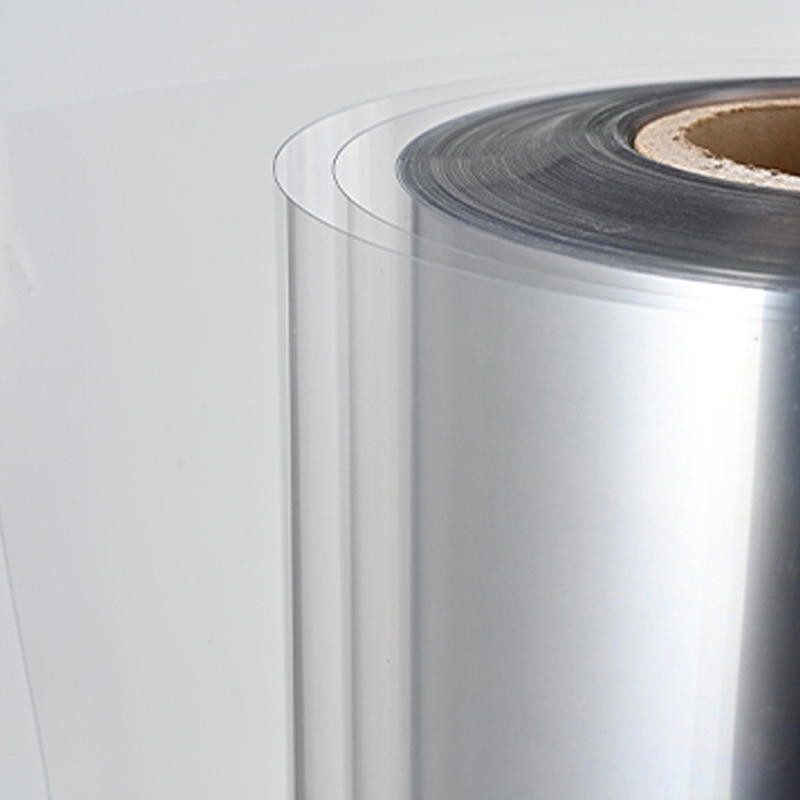
JWELL APET/PETG/CPET/PLA single screw sheet extrusion line is a versatile, high-performance solution for producing rigid sheets used in thermoforming, packaging, and industrial applications.
These lines are designed for APET, PETG, CPET, and PLA – four of the most popular food-contact-safe and recyclable materials.
Food packaging (APET and CPET):
A European dairy producer uses our JW120/65–1000 co-extrusion line to produce 0.35 mm thick APET trays for fresh berries. The multi-layer structure combines virgin APET with a recycled content core layer, reducing material costs by 18% while maintaining full transparency and mechanical strength. CPET sheets (0.45 mm) are used to produce dual-oven trays that withstand 220°C.
Medical blister packaging (PETG):
A pharmaceutical company in Southeast Asia runs a JW120–1000 single-layer line to produce 0.25 mm PETG sheets. PETG offers excellent chemical resistance and sterilization compatibility. The line’s precise thickness control (±0.01 mm) ensures consistent blister formation without film breakage.
Compostable tableware (PLA):
A North American eco-packaging startup chose our JW120–1500 high-efficiency line to produce 0.40 mm PLA sheets for cold drink cups and clamshell containers. Despite PLA’s narrow processing window, the line achieves a stable output of 720 kg/h (90% of maximum capacity) with a gel content below 0.5% – an industry benchmark.
Material flexibility & cost savings
The same line can run APET, PETG, CPET, and PLA simply by adjusting the screw and temperature profile – no need for multiple machines.
Co-extrusion models (JW120/65–1000) allow a recycled material core, reducing raw material costs by up to 20%.
High output & low energy consumption
The high-efficiency model (JW120–1500) achieves 800 kg/h with a 160 kW main motor – i.e., 5.0 kg per kWh, well above the industry average (3.5–4.2 kg/kWh).
The single-layer model achieves 450 kg/h at 110 kW (4.09 kg/kWh), still outperforming conventional designs.
Wide thickness range & precision
Thickness from 0.15 mm (ultra-thin film for twist-wrap candies) to 1.5 mm (rigid industrial trays).
Closed-loop automatic thickness gauge with transverse die bolt control maintains tolerance within ±3% across widths of 1500 mm (high-efficiency model) or 1000 mm (other models).
Robust single screw design
JW series screws feature a barrier mixing section optimized for amorphous polyesters. This ensures complete melting without scorching heat-sensitive PLA or PETG.
Chrome-plated screws and bimetal barrels guarantee over 15,000 hours of operation before requiring refurbishment – verified by a Korean customer running PETG sheet 24/7.
We implement a 4-stage QC protocol compliant with ISO 9001 and FDA/EU food contact standards.
Stage 1: Incoming material testing
Each batch of APET/PETG/CPET/PLA resin is tested for moisture content using a Karl Fischer coulometric titrator (must be <0.02% for PET series, <0.01% for PLA). Wet resin causes hydrolytic degradation – our pre-extrusion dryer alarms when moisture exceeds limits.
Stage 2: In-line production monitoring
Melt pressure and temperature sensors are installed at the adapter and die. Data is recorded every 0.5 seconds. If melt temperature deviates ±3°C from setpoint, the system automatically adjusts screw speed or cooling zones.
Ultrasonic thickness gauge (transverse scanning) provides real-time thickness profiles. Die bolts automatically adjust to eliminate local peaks or valleys.
Stage 3: Physical & optical testing (sampling every 2 hours)
|
Test |
Equipment |
Acceptance criteria (example for 0.5 mm APET) |
|
Tensile strength (MD/TD) |
Universal tester |
≥45 MPa / ≥40 MPa |
|
Haze & transparency |
Haze meter |
Haze <2.5%, transparency >88% |
|
Impact resistance (dart drop) |
Dart drop impact tester |
No cracks at 300g from 500mm height |
|
Dimensional stability (150°C, 15 min) |
Oven + micrometer |
Shrinkage ≤1.5% |
Stage 4: Finished roll inspection
Finished rolls are inspected under high-intensity backlight for black specks, gels, and die lines. A 50-m front-end sample is cut and thermoformed on a sample former (real customer simulation). Only rolls that produce zero defects across 100 cavities are shipped.
Real case: A Turkish packaging converter reported that after switching from a local supplier, our QC protocol reduced customer rejection rates from 2.3% to 0.4% within three months.
| Model | Multi layer | Single layer | Highly-efficient |
| Extruder specification | JW120/65-1000 | JW120-1000 | JW120-1500 |
| Thickness of the product | 0.20-1.5mm | 0.15-1.5mm | 0.15-1.5mm |
| Main motor power | 110kw/45kw | 110kw | 160kw |
| Max extrusion capacity | 500kg/h | 450kg/h | 800kg/h |
Q1: Can I run PLA on the same screw as APET?
A: Yes – but with modifications. PLA requires a lower compression ratio (2.5:1 vs. 3.2:1 for APET) and a smooth barrel cooling zone to prevent premature melting. Our JW series screws are designed as “universal polyester screws” with adjustable mixing depth. A Chilean customer runs 3 tons of PLA weekly and switches to APET within 2 hours by flushing with low-MI PET and changing temperature profiles. We provide detailed SOPs.
Q2: The JW120/65–1000 co-extrusion line shows a maximum of 500 kg/h. Can I push it to 550 kg/h?
A: Not recommended. The 500 kg/h limit is determined by die cooling length and pull-roll capacity. At 550 kg/h we measured residual internal stress causing warpage in 0.3 mm sheet (case from a Polish customer who attempted overloading). For higher output, upgrade to the high-efficiency model (800 kg/h).
Q3: How do I eliminate black specks in PETG sheet?
A: Black specks usually come from carbonized polymer at screw flight edges or adapter dead zones. Our solution:
Use laser-welded screen packs with a three-layer structure: 200 mesh + 150 mesh + 200 mesh.
Perform a “purge cycle” every 48 hours: feed 20 kg of low-MI PETG with 5% purging compound at 240°C, then discharge.
A Malaysian customer eliminated 95% of black specks within two shifts using this protocol.
Q4: What is the actual energy consumption of the high-efficiency model at 60% load?
A: Measured at an installation in the Philippines (PLA sheet, 0.6 mm, 480 kg/h output): Total line power (main motor + heaters + drives + pull rolls) = 185 kWh per metric ton. At EU industrial electricity price (€0.27/kWh), that equals €0.05 per kg. Comparable to lines with much lower output, but with the margin to go to 800 kg/h.
Q5: My sheet thickness is uneven – only on the left side. Why?
A: Most likely die temperature profile or air gap of the cooling rolls.
First, check the left-zone heaters – a failed thermocouple typically gives a 5°C lower temperature, increasing viscosity and melt swell.
Second, verify the air knife gap (should be uniform 2–3 mm across the full width).
A Vietnamese customer solved left-side thinning of 0.05 mm by simply cleaning the die lip and recalibrating the air knife.
Q6: How do I clean the screen changer and screen pack for color changes?
A: Remove the screen plate and incinerate at 480°C in an oxygen-free furnace for 4 hours (prevents oxidation and glazing). Never use a blowtorch – it will deform the plate. For daily color changes, use a dual-bolt screen changer with back-flush capability. We provide step-by-step video guides to all buyers.




Pipe Extrusion Production Line
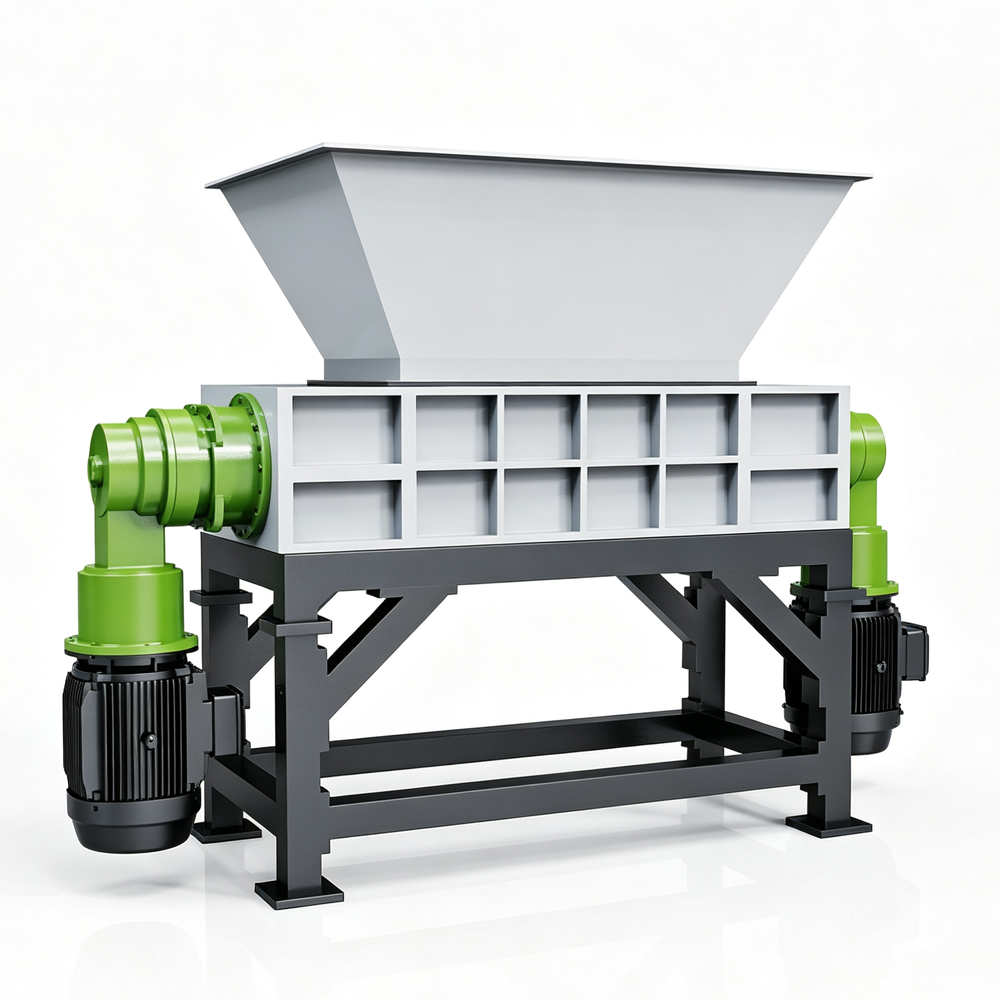
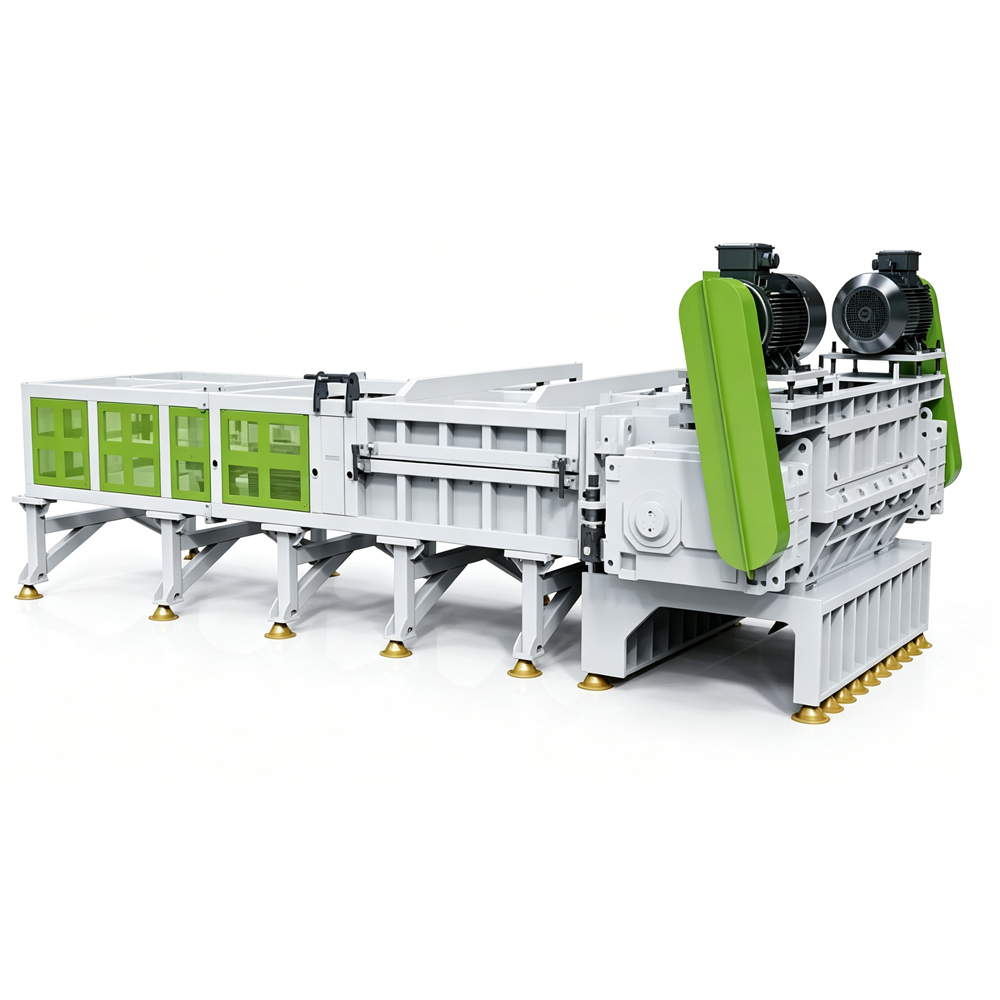
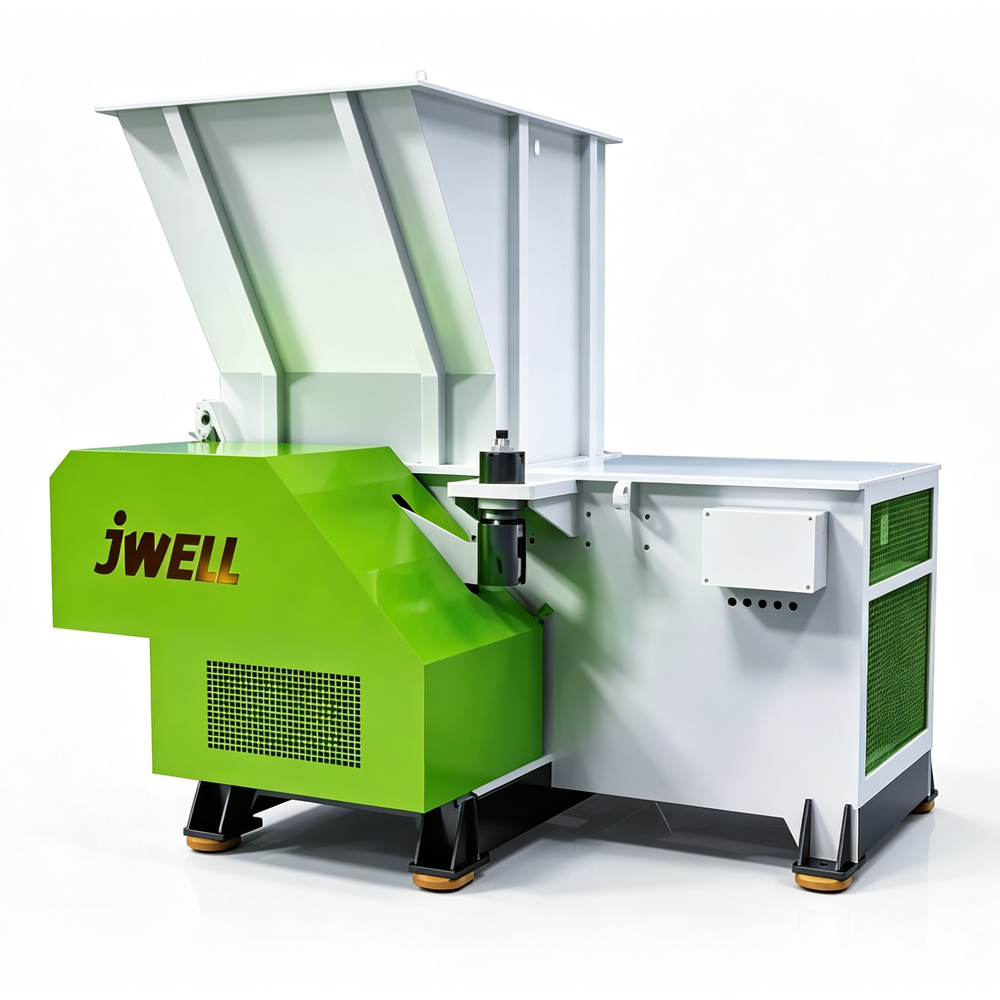
Plastic Shredder Crusher Machine

Tel: +86-19057068112

E-mail: [email protected]

Company Address
No. 128 Qingfeng Road, Xieqiao Town, Haining City, Jiaxing City, Zhejiang Province

19057068112

 English
 русский