
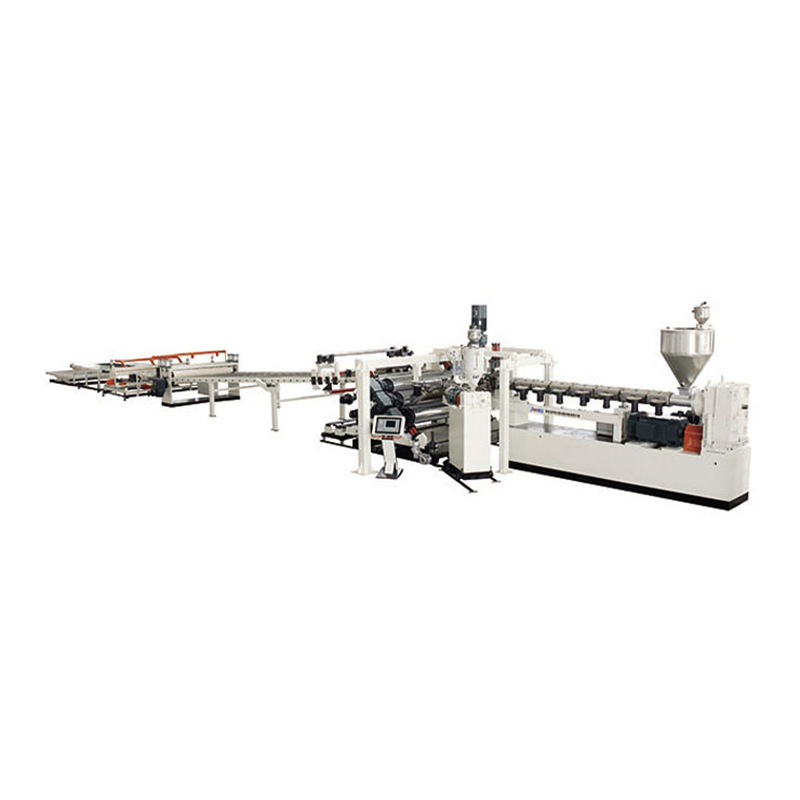
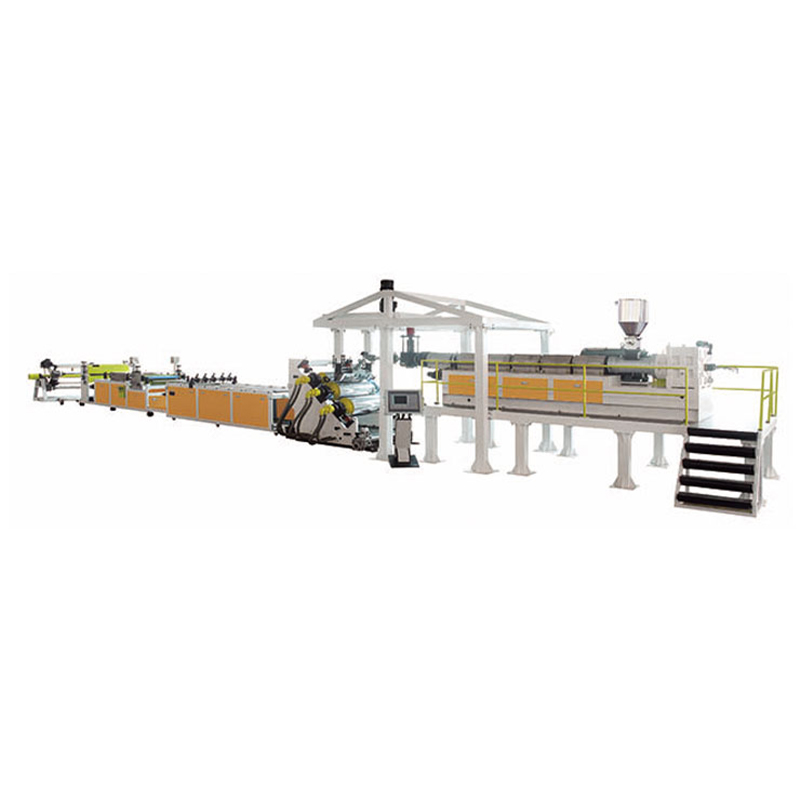
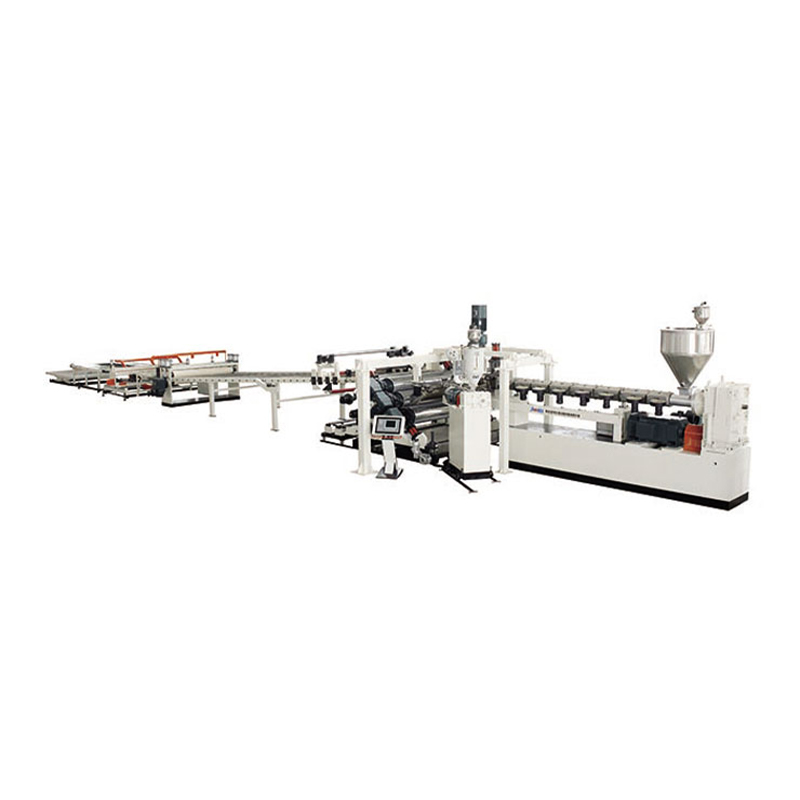
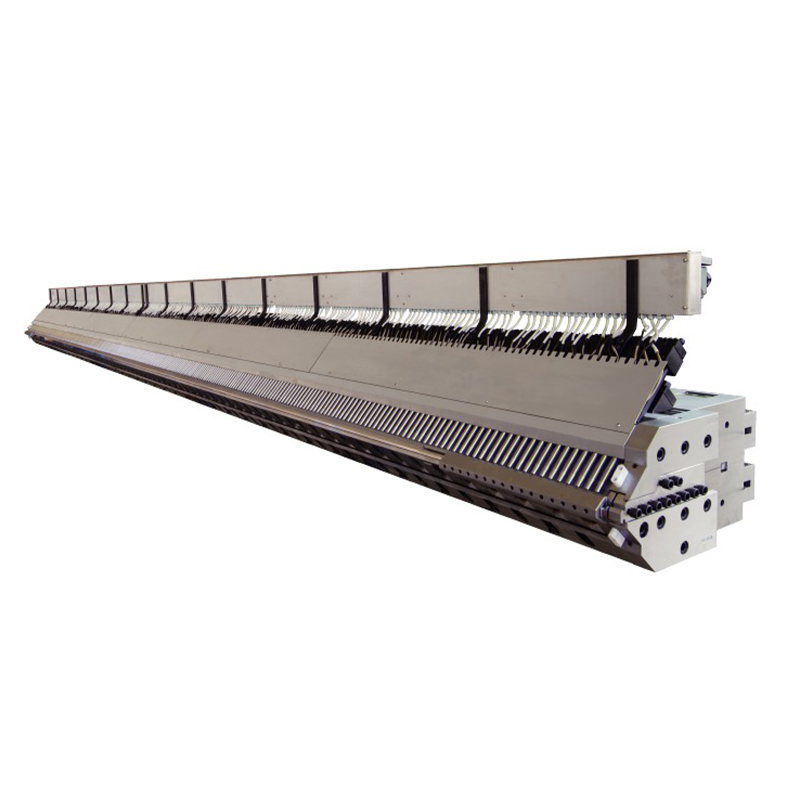
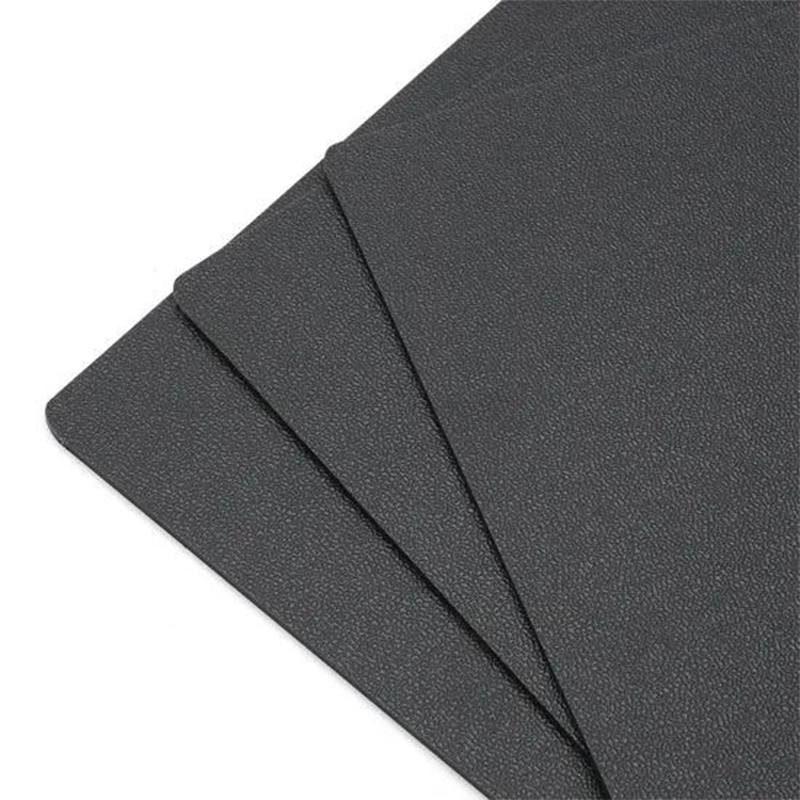
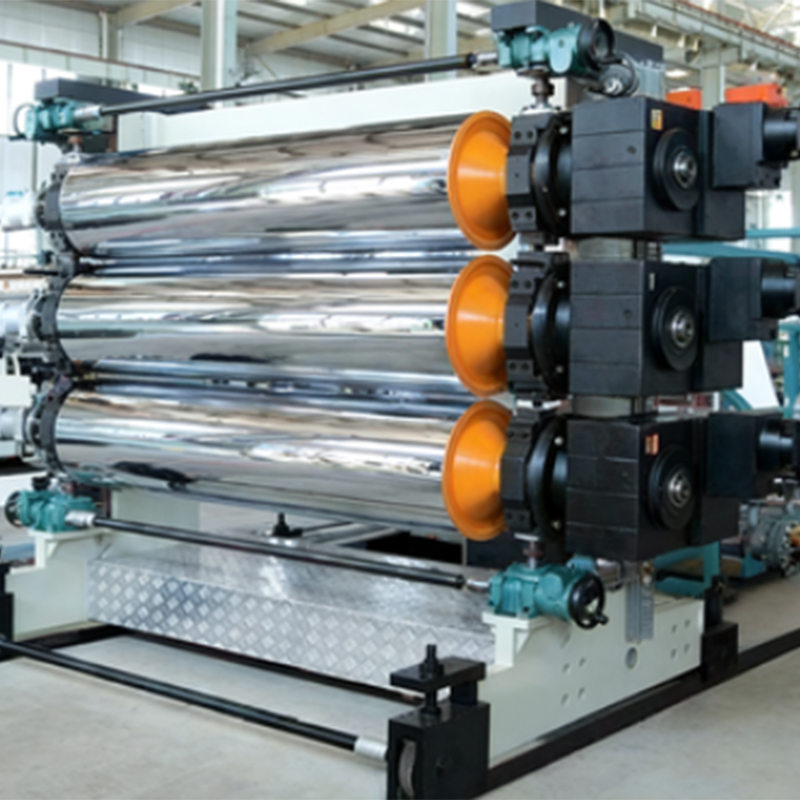
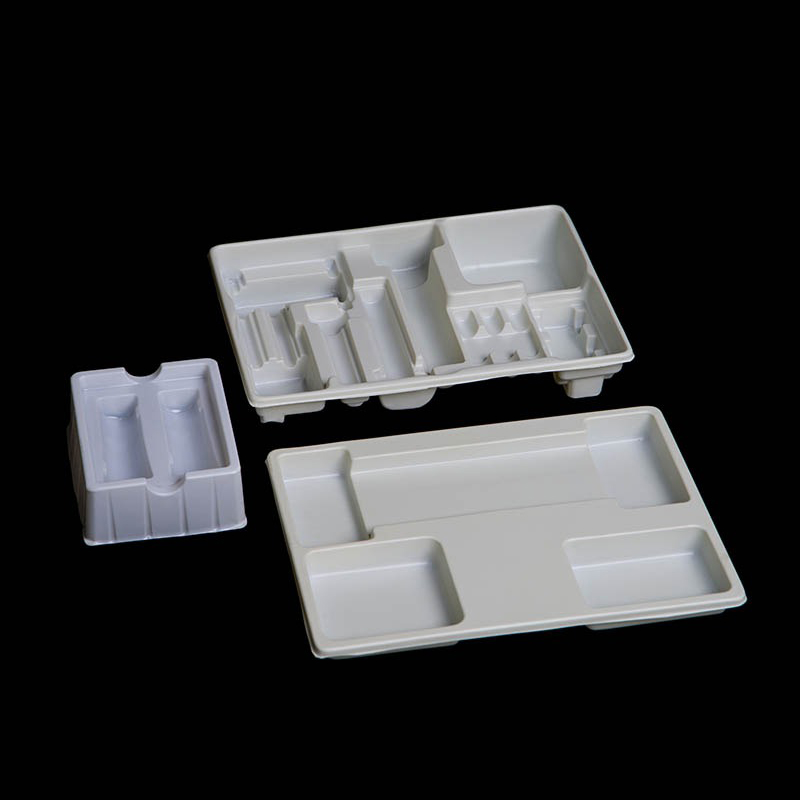
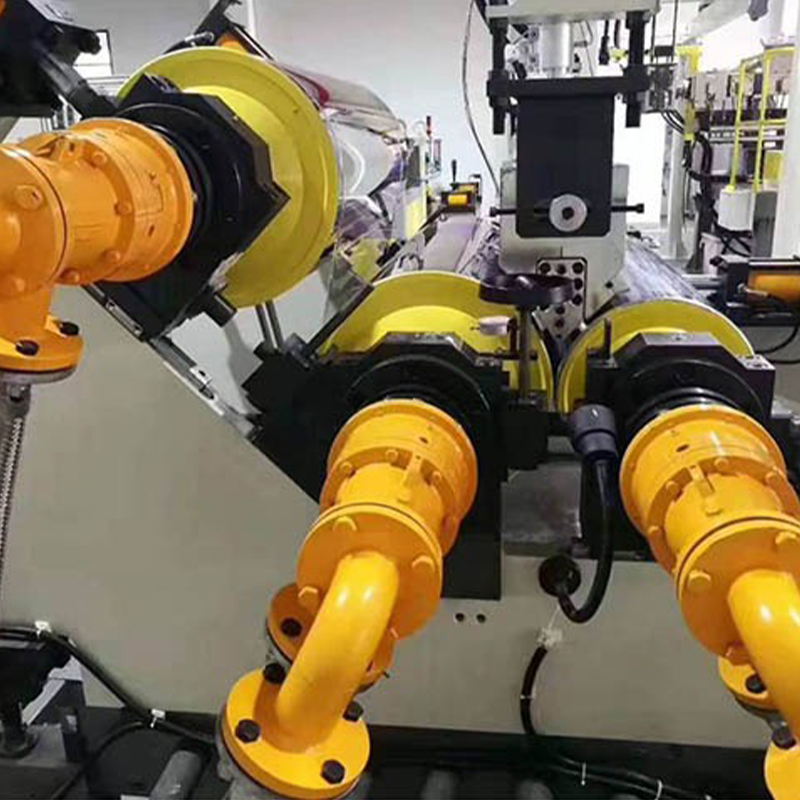
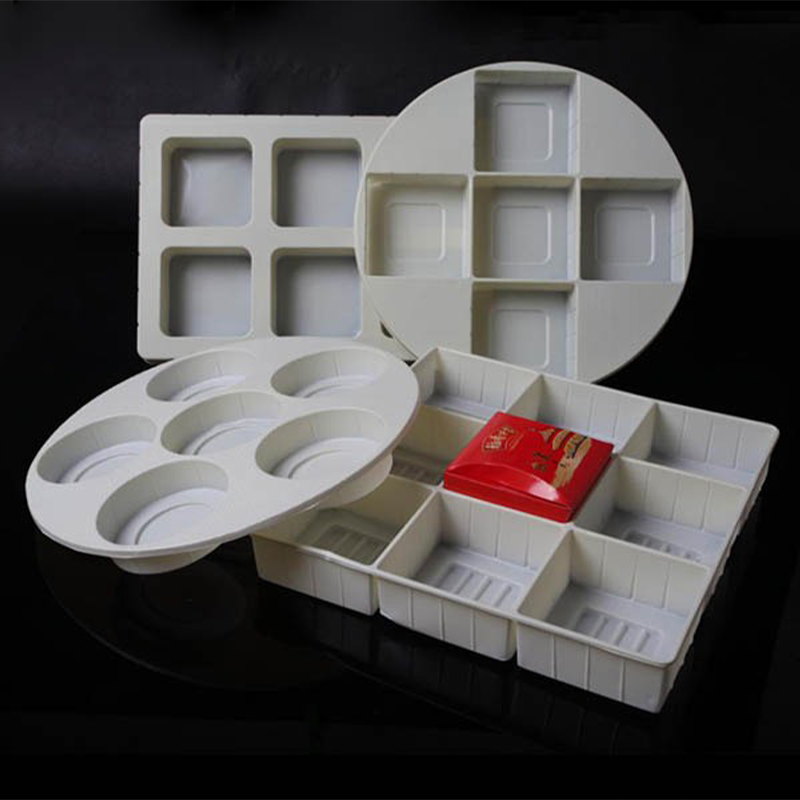
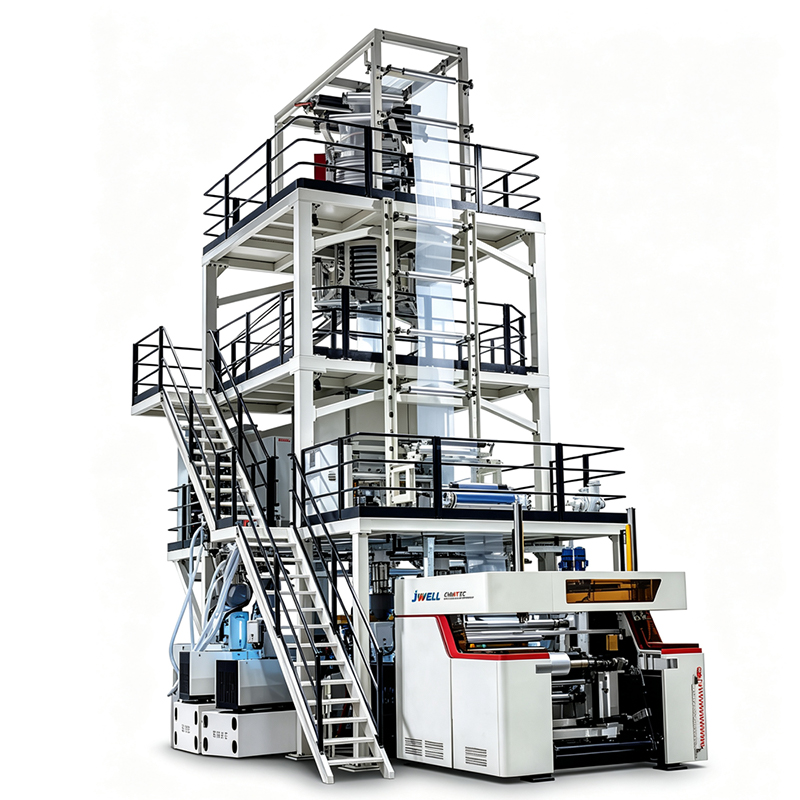
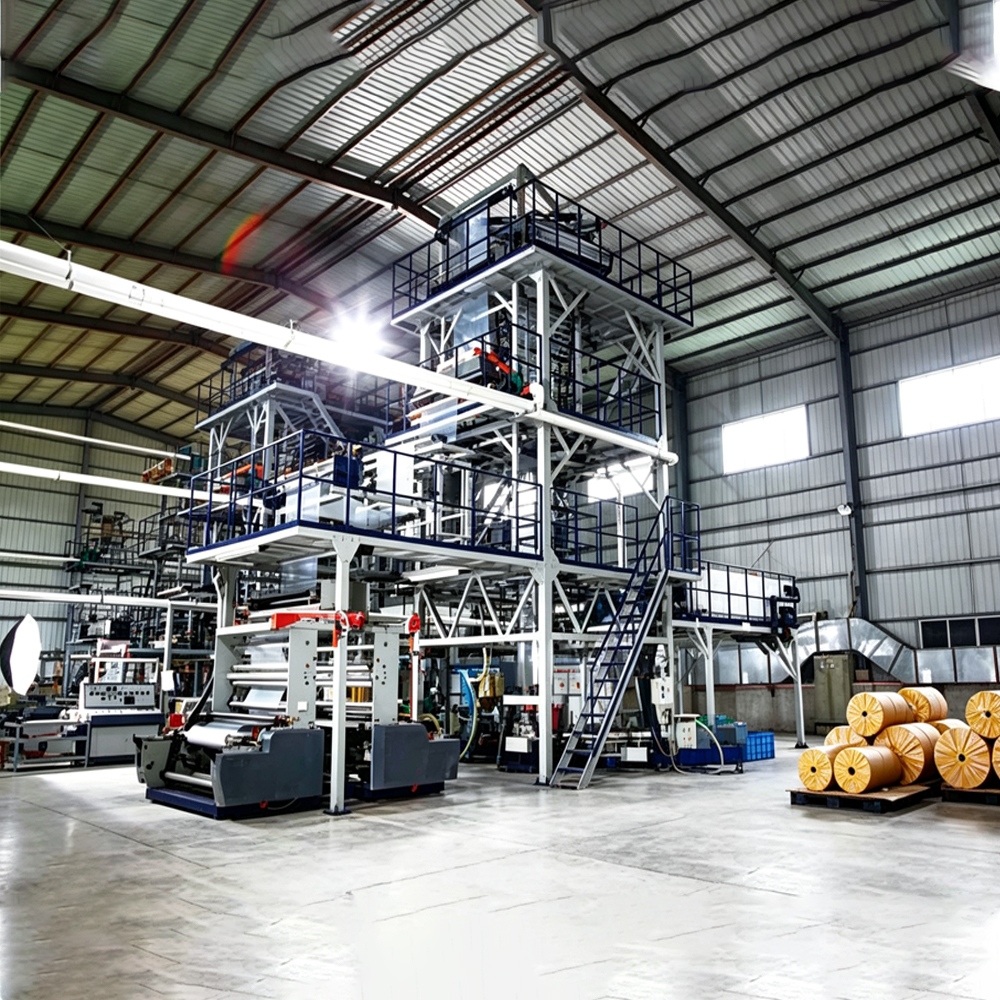
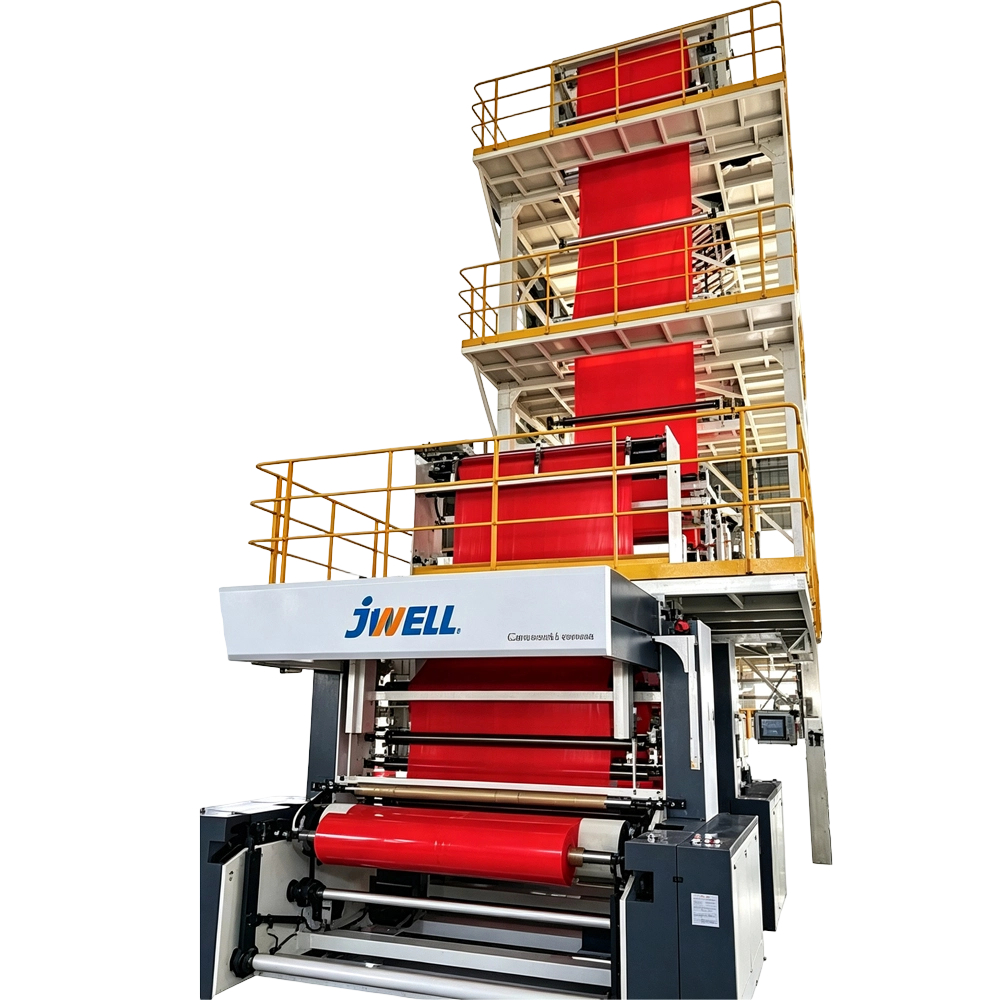
This PS sheet extrusion line is a flexible, high-output system from Jwell, engineered specifically for premium polystyrene (PS) sheet production. Depending on your material and application, the line can process PP, PS, HIPS, EVOH (for blister packaging), as well as PP, PS, and PE (for stationery and decorative sheets).
Sheet thickness: 0.15–2.0 mm (GPPS thick sheets up to 10 mm)
Width range: 600–1500 mm
Output capacity: 100–500 kg/h
Whether you need ultra-thin decorative film or heavy-duty thermoforming sheet, this line delivers consistent quality.
Food & Consumer Packaging (Blister / Thermoforming)
Case – Berry Containers (Europe)
A European fruit distributor uses our PS extrusion line to produce transparent hinged-lid berry trays. They run 0.35 mm thickness, 1200 mm width. With EVOH co-extrusion capability, the line provides an oxygen barrier that extends shelf life by 6 days.
Case – Disposable Cups & Lids (Turkey)
A Turkish manufacturer processes HIPS at 0.45 mm thickness and 380 kg/h output, supplying 500,000 cups per day to fast-food chains.
Stationery & Decorative Sheets
Case – PVC-Free Ruler (Japan)
A Japanese stationery brand switched from PVC to PS sheet (0.6 mm thick, 900 mm wide). Our line’s low-shrinkage die ensures edge flatness of ±0.03 mm – critical for high-precision printing.
Case – Folder Dividers & Name Card Holders (Vietnam)
A Vietnamese factory produces 0.18 mm PS sheets at 420 kg/h, delivering matte-finish dividers for office product exporters.
GPPS Thick Sheets (1.5–10 mm) – LED Light Diffusers
Case – Light Diffuser Panels (China)
A Chinese manufacturer runs GPPS at 2.5 mm thickness, 1400 mm width, achieving 92% light transmittance. The roll cooling system eliminates optical distortion.
Energy-efficient screw – Consumes 18% less energy per kg compared to conventional single-stage screws. Verified by a Malaysian customer running 24/7.
Fast thickness changeover – Automatic die gap adjustment cuts changeover time from 45 to just 12 minutes.
Vertical three-roll calendering – Eliminates fisheyes and surface flow marks, even at 0.15 mm ultra-thin sheets.
Online thickness gauge with closed-loop control – Holds thickness tolerance within ±3% of the target value.
Every batch is fully traceable.
Stage 1 – In-Process Monitoring
Thickness scanning: A traversing beta gauge scans 36 points across 1500 mm width every 2 seconds. Alarms trigger at ±0.01 mm deviation.
Melt pressure & temperature: Sensors at adapter and die. Target melt temps: 190–210°C (HIPS), 200–230°C (GPPS).
Chill roll surface temperature: Monitored by infrared thermal camera – max 2°C variation across the entire roll.
Stage 2 – Offline Lab Testing
|
Test |
Method |
Target (example: 0.5 mm HIPS) |
|
Tensile strength (MD/TD) |
Universal tester |
MD ≥28 MPa, TD ≥24 MPa |
|
Elongation at break |
Extensometer |
≥15% (thermoforming grade) |
|
Impact resistance |
Falling dart (150g / 300mm drop) |
No breakage on 0.4 mm sheet |
|
Gloss (60°) |
Gloss meter |
≥85 units (stationery grade) |
|
Haze |
Haze meter |
≤3% (clear GPPS diffuser) |
Stage 3 – End-Use Simulation
Thermoforming test: Each batch of blister sheet is run on a former identical to one used by a Polish dairy customer – 200 trays checked for stringing and corner thinning.
Printability test: Stationery sheets screen-printed with UV ink, then cross-cut tape test per ASTM D3359 (must achieve 4B rating).
Stage 4 – Long-Term Reliability
Aging test (72h, 60°C / 90% RH): No yellowing or warping – essential for tropical markets (e.g., Philippine food exporters).
Dimensional stability: After 24h at 50°C, shrinkage ≤1.5% in both directions.
Product Specifications:
|
Place of origin
|
China
|
|
Brand name
|
Jwell
|
|
Model number
|
JW120 JW150
|
|
Certification
|
CE ISO
|
|
Minimum order quantity
|
1 set
|
|
Packaging details
|
Wooden pallet packing
|
|
Delivery time
|
90days
|
Product Parameters:
|
Species
|
Suction package sheet
|
Stationery decoration sheet
|
GPPS sheet production line
|
|
Raw material
|
PP, PS, HIPS, EVOH
|
PP, PS, PE
|
PC, PMMA, GPPS
|
|
Production thickness(mm)
|
0.18-2.0
|
0.15-2.0
|
1.5-10
|
|
Products Width(mm)
|
600-1500
|
600-1500
|
1400
|
|
Output (kg/h)
|
150-500kg/h
|
100-450kg/h
|
450kg/h
|
Q1: Can the same line run both 0.2 mm and 8 mm sheets without changing the screw?
A: Yes, with a small caveat. The standard screw is optimized for 0.3–3.0 mm. For 8–10 mm GPPS, we recommend swapping to a 34:1 L/D screw – a 2 – hour changeover. A Canadian customer runs 0.18 mm on weekdays and 6 mm diffuser panels on weekends using our dual-screw setup.
Q2: What’s the maximum line speed for 0.2 mm PS sheet?
A: At 0.2 mm thickness and 1400 mm width, you can reach 28 m/min (≈470 kg/h for GPPS). If your recipe includes 15% recycled PS, reduce to 22 m/min to maintain surface quality.
Q3: How do I eliminate die lines on transparent stationery sheets?
A: We include a 120 – mesh melt filter and edge dam devices to prevent carbonized material buildup at the die ends. A Brazilian notebook cover manufacturer eliminated 99% of die lines – verified over 500 m of continuous production.
Q4: What’s the actual energy consumption per ton?
A: Measured on a Turkish line running HIPS (0.5 mm, 1200 mm, 380 kg/h): total installed power 285 kW, real consumption 210 kWh per ton – including extrusion, winding, and edge trimming.
Q5: Can I co-extrude EVOH for barrier sheets?
A: Absolutely. The line supports 3-layer A/B/A or A/B/C configurations. A Spanish meat packager runs a 0.4 mm total thickness structure: HIPS (0.35 mm) + EVOH (0.05 mm). We supply a feedblock with feedback control to keep EVOH layer uniformity within ±5%.
Q6: How often should the chill rolls be polished?
A: For mirror – finish stationery grade – every 2000 operating hours. For matte or embossed blister rolls – every 4000 hours. We include a surface roughness tester (Ra ≤ 0.05 μm) for on – site verification.
Q7: What scrap rate can I expect?
A: Under normal conditions (stable raw materials, consistent ambient temperature), we guarantee scrap ≤3% (including edge trim and start – up waste). A Korean electronics tray manufacturer achieved 2.1% over three months – verified by their own records.




Pipe Extrusion Production Line
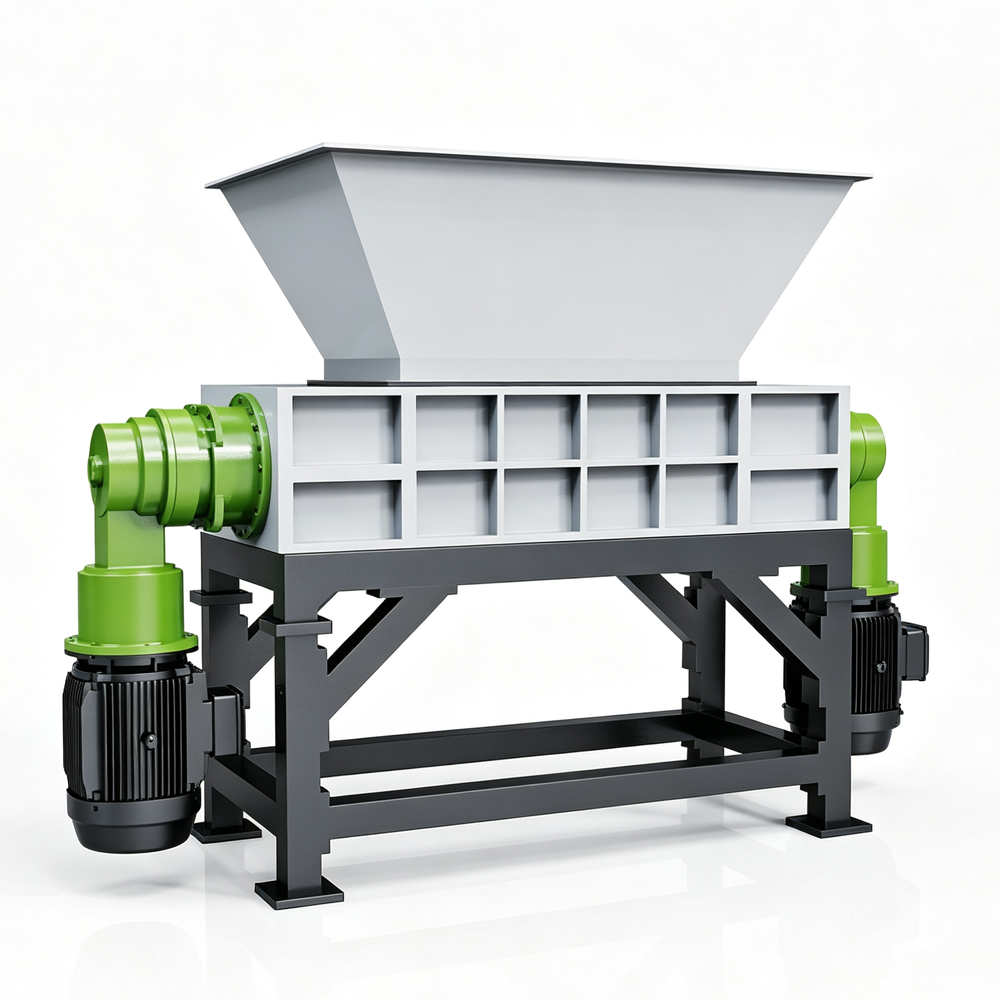
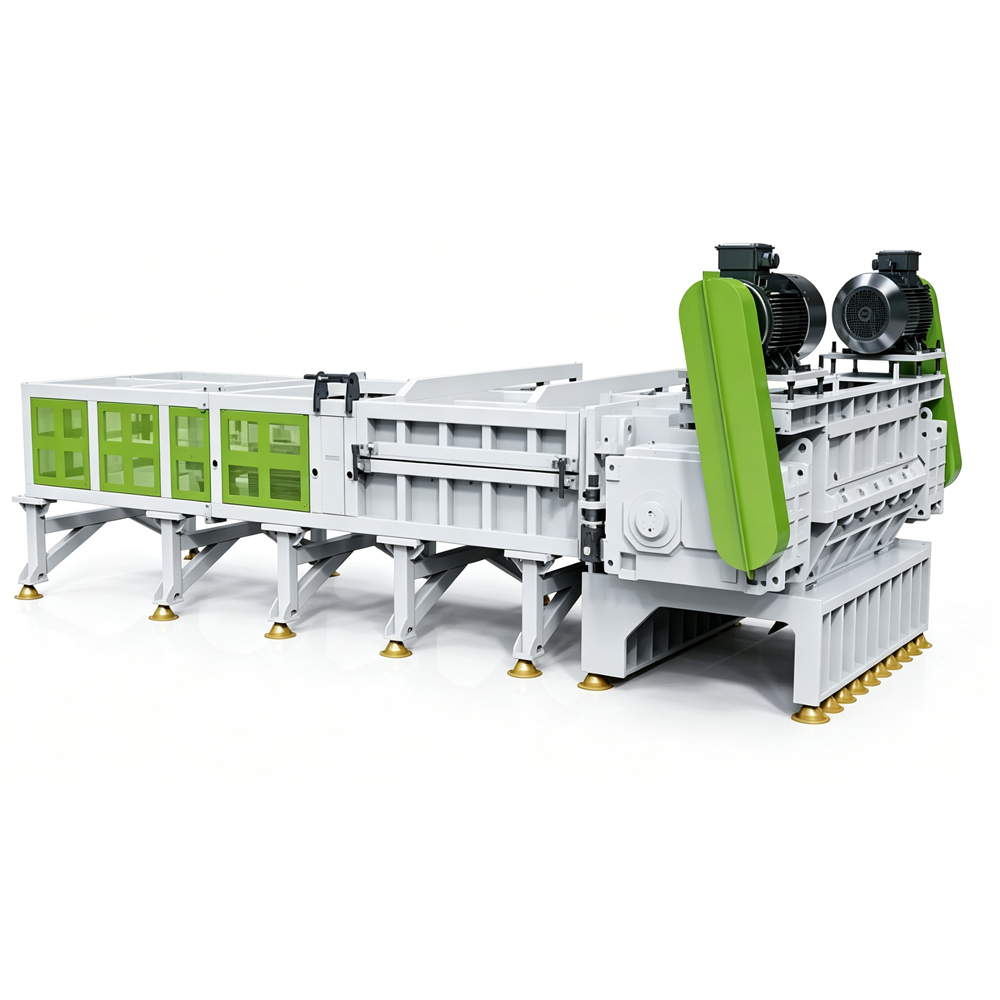
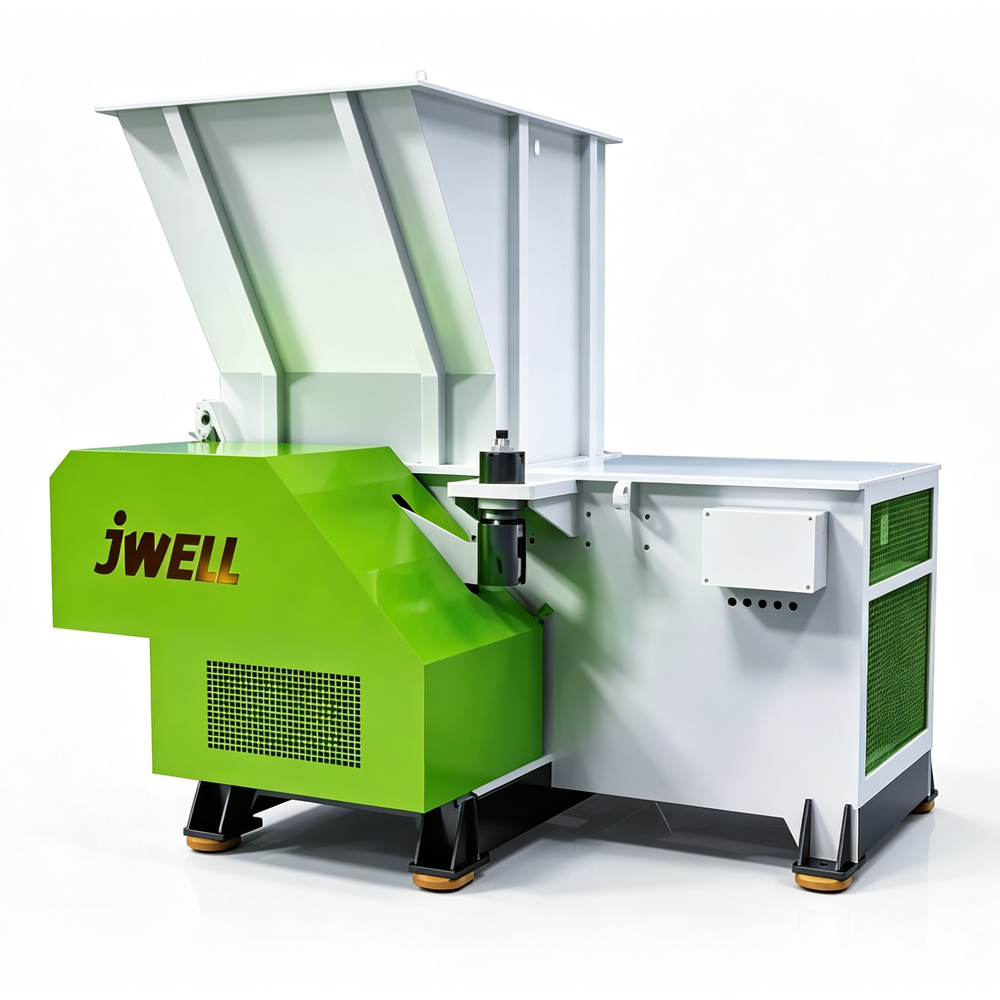
Plastic Shredder Crusher Machine

Tel: +86-19057068112

E-mail: [email protected]

Company Address
No. 128 Qingfeng Road, Xieqiao Town, Haining City, Jiaxing City, Zhejiang Province

19057068112

 English
 русский