
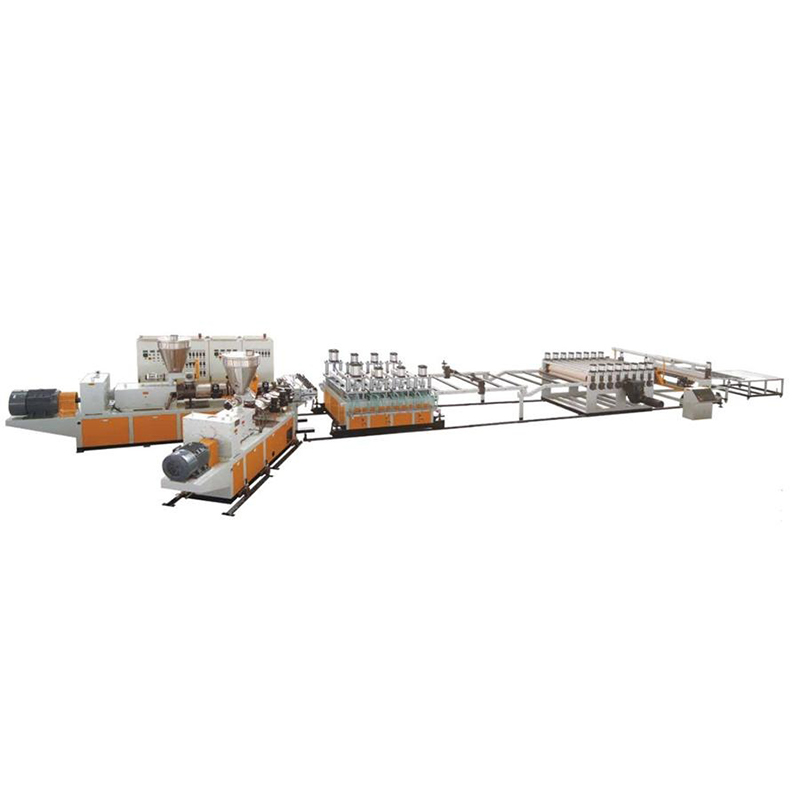
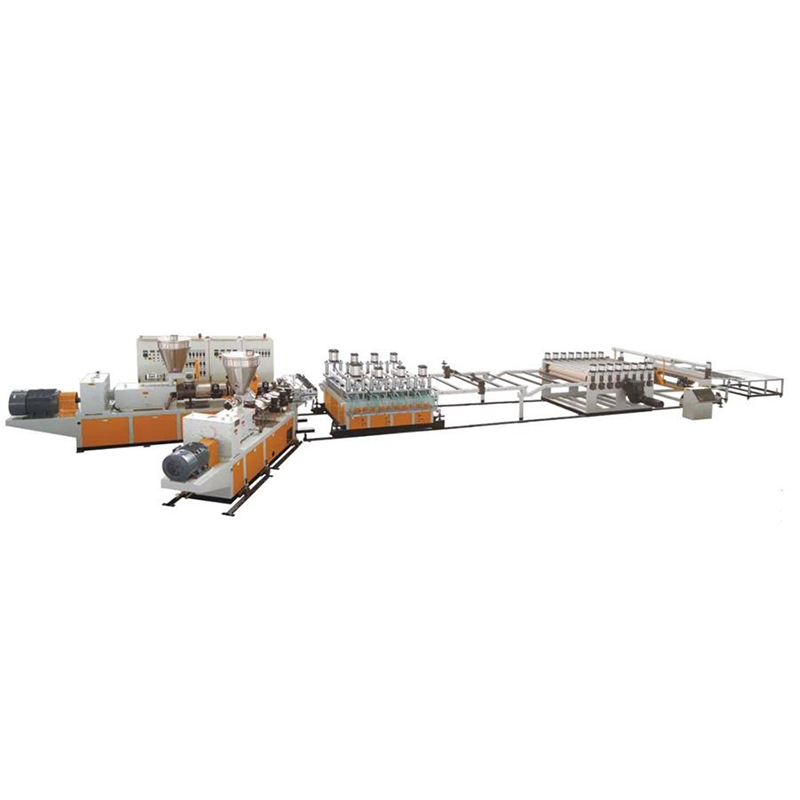
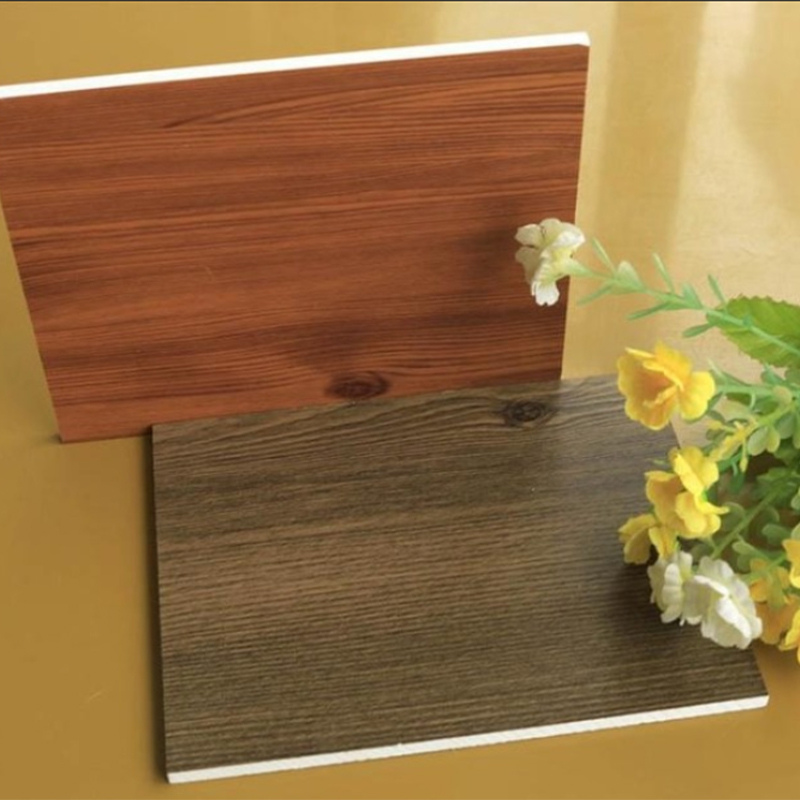
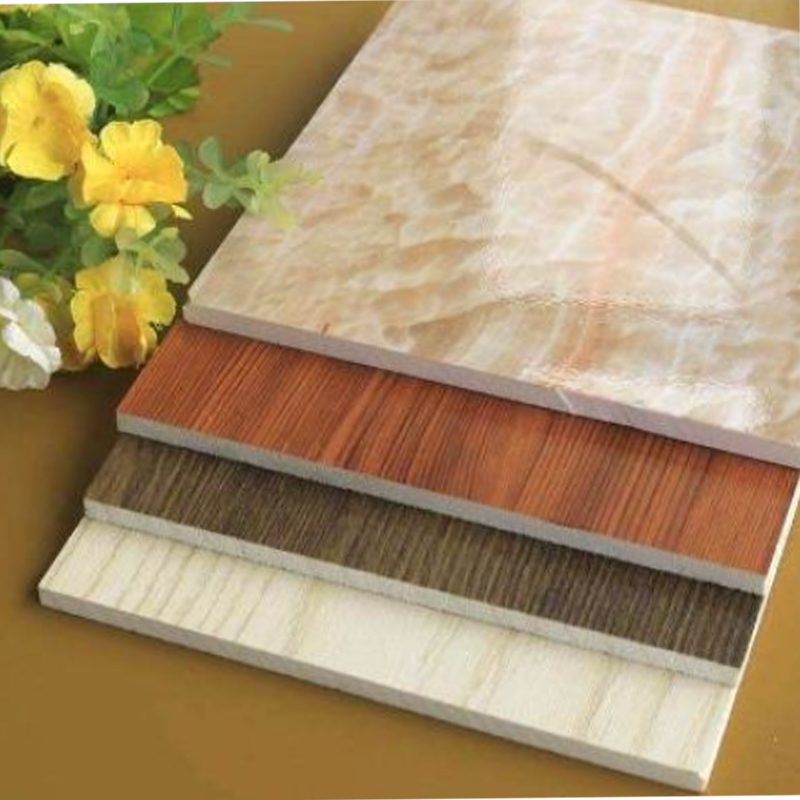
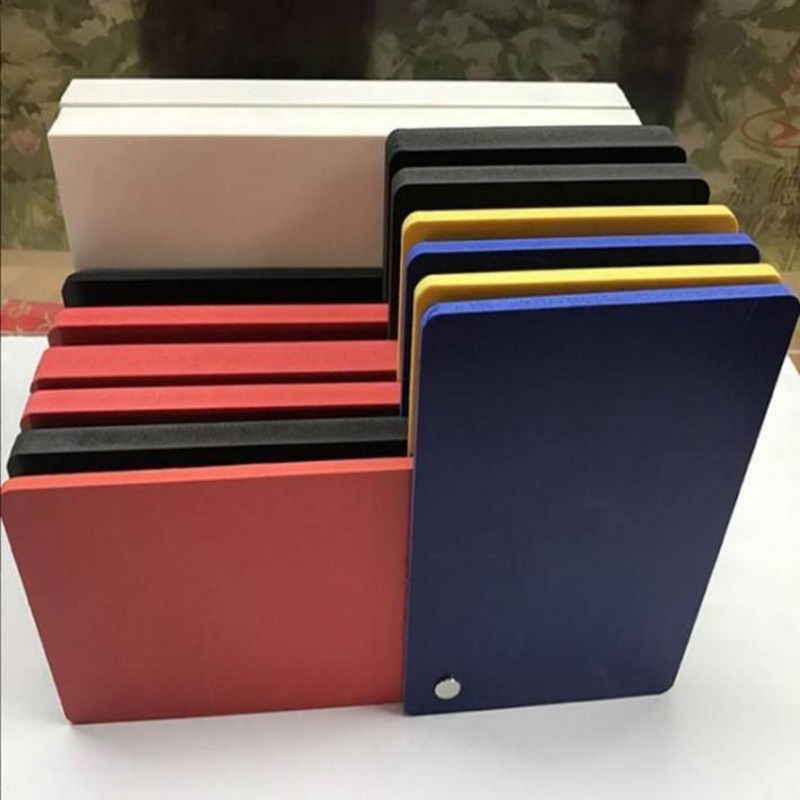
The PVC foaming sheet production line represents a mature and reliable solution, suitable for manufacturers seeking to produce high-quality PVC foam sheets with high output and stable operation. Both configurations can produce sheets with a width of 1220mm and a thickness range covering 5mm to 35mm, meeting the diverse application requirements of industries such as construction, advertising, furniture, and transportation.
Furniture and cabinet manufacturing – bathroom cabinets, kitchen cabinets, wardrobes, shelving systems, door panels. The material's excellent moisture resistance makes it very suitable for high-humidity environments where traditional wood tends to deform or rot.
Construction and decoration – wall panels, partition boards, ceiling panels, concrete formwork, interior decorative components. PVC foam sheets offer excellent thermal and acoustic insulation properties.
Advertising and signage – screen printing boards, outdoor billboards, 3D letter boards, exhibition booth panels. The flat and smooth surface is very suitable for printing and lamination.
Transportation – interior panels for automobiles, trains, ships, and aircraft, including ceiling layers and interior trim materials. The light weight helps reduce fuel consumption without compromising durability.
Industrial and special applications – anti-corrosion engineering, cold storage panels, thermal insulation, aquaculture equipment, sports equipment. The material's chemical resistance and weatherability ensure long-term stable use in harsh environments.
Real-World Case
A recent installation in Algeria fully verified the reliability of this production line under actual working conditions. The system was custom-designed to operate stably under challenging conditions including dust exposure, temperature variations, and a simple workshop environment. With an enhanced drive system, intuitive control interface, and modular components, the Algerian team quickly mastered independent operation and maintenance. The result: continuous, high-volume production of PVC foam sheets meeting local building material standards, significantly improving the local supply of sheets needed for infrastructure development in the region.
1. Precision Twin-Screw Extrusion Technology
Both models use counter-rotating conical twin-screw extruders. The optimized L/D ratio ensures adequate mixing of materials, uniform plasticization, and stable melt quality throughout the production process. Unlike single-screw systems that struggle with complex formulations, the conical twin-screw design achieves excellent dispersion of blowing agents and additives, resulting in uniform cell structure and stable sheet density. Studies have shown that conical twin-screw extruders can reduce energy consumption by about 15% compared to single-screw solutions.
2. Two Configurations for Different Production Needs
|
Comparison Item |
SJZ80-1500 |
SJZ80/65-1500 |
|
Extruder Specification |
SJZ80/156 |
SJZ65/132 + SJZ80/156 |
|
Max. Extrusion Output |
300–450 kg/h |
400–550 kg/h |
|
Main Motor Power |
75 kW |
37/75 kW |
|
Best Suited For |
Medium-batch production, single-layer sheets |
High-volume production, co-extrusion, multi-layer sheets |
The dual-extruder SJZ80/65-1500 configuration supports the co-extrusion process, making it ideal for producing sheets with special surface layers, enhanced durability, and UV resistance. It is the preferred solution for high-end advertising boards, outdoor decorative panels, and high value-added sheets.
3. Stable Processing and High Expansion Ratio
The production line is designed for extrusion stability – a key factor in foam sheet production. Multi-zone temperature control ensures consistent melt viscosity, and the specially designed screw maintains optimal pressure during the foaming stage. The result is a high expansion ratio, uniform and fine cell structure, and a smooth, scratch-resistant surface quality.
4. Material Suitability and Sustainability
The production line can directly use ordinary PVC powder as raw material to produce finished sheets, supporting multiple density ranges from 0.37–0.85 g/cm³, which can be flexibly adjusted according to product requirements. The sheets are 100% recyclable, and the direct powder forming process reduces material waste and energy consumption compared to multi-step production methods.
5. User-Friendly Operation and Low Maintenance Cost
Equipped with a PLC automation control system, high-quality frequency converters (Siemens/ABB), and high-precision temperature control instruments (RKC/Omron), the equipment offers a wide adjustment range, high control accuracy, and easy operation. The modular design allows on-site teams to quickly perform maintenance and repairs, minimizing downtime and increasing effective production time.
Quality control runs through every link from raw material incoming inspection to finished product testing. The following is the specific process to ensure consistently high and stable product quality:
Stage 1: Raw Material Inspection
Each batch of incoming PVC resin, blowing agent, stabilizer, lubricant, etc., undergoes strict testing before being put into production. Key test items include:
Melt flow index test – ensures flow characteristics meet requirements during extrusion
Purity analysis (spectroscopy/chromatography) – verifies AC blowing agent purity ≥98%; impurities can cause uneven decomposition and inconsistent cell structure
Visual inspection – identifies contamination, foreign matter, or impurities that may affect product quality
PVC resin specifications are strictly controlled: SG-5 resin (DP 1000–1100) is used as the standard raw material, and residual vinyl chloride monomer content is kept at ≤1 ppm to ensure finished product safety and odorlessness.
Stage 2: Pre-Production Equipment Verification
Before starting production, a comprehensive inspection of the entire production line is carried out:
Extruder components (screws, barrels, heating elements) – check for wear, replace damaged parts in time
Measuring instruments (thickness gauge, temperature sensors, speed controllers) – calibrate for accuracy, because even small deviations can significantly affect sheet quality
Stage 3: In-Process Monitoring
During production, a continuous monitoring system tracks key parameters in real time:
Multi-zone extrusion temperature – avoid excessive temperature leading to material degradation, or too low temperature causing poor plasticization and flow difficulties
Extrusion speed – maintain stability to ensure uniform thickness across the entire sheet
Non-contact thickness gauge – provides real-time thickness data feedback, allowing immediate adjustment when deviations occur
Stage 4: Finished Product Testing
After production, random samples are taken for comprehensive performance testing:
Visual inspection – identifies surface defects such as scratches, bubbles, flow marks, yellowing
Mechanical property testing – tensile strength, impact strength, compression test to verify structural integrity
Density verification – ensures foam density is within the specified range (0.37–0.85 g/cm³); if deviation exceeds ±0.1 g/cm³, formulation or process needs adjustment
Thickness uniformity measurement – critical for precision applications such as furniture and engraving; even small deviations can lead to assembly gaps or poor edge bonding
Stage 5: Batch Traceability and Documentation
Samples from each batch are retained for future reference, and production records are fully preserved. This allows rapid root cause analysis and corrective action if quality issues arise, while also providing customers with complete compliance documentation.
|
Model
|
SJZ80-1500
|
SJZ80/65-15000
|
|
Production Width (mm)
|
1220
|
1220
|
|
Production Thickness (mm)
|
5-20/20-35
|
5-20/20-35
|
|
Extruder Model
|
SJZ80/156
|
SJZ65/132、SJZ80/156
|
|
Capacity (Max.)(kg/h)
|
300~450
|
400~550
|
|
Main Motor Power (kw)
|
75
|
37/75
|
Q1: Yellowing appears on the sheet surface. What is the cause?
Most common cause: Extrusion temperature is too high, or the stabilizer system has insufficient stability.
Solution: First, appropriately reduce the processing temperature. If yellowing persists, adjust the formulation by increasing the amount of stabilizer and lubricant. Adjust only one variable at a time to quickly find the root cause.
Q2: The sheet surface is rough and not smooth. How to solve this?
Possible cause: Lubricant imbalance – insufficient external lubrication leads to poor release and uneven surface.
Solution: Check and adjust the amount of external lubricant. Insufficient external lubrication makes it difficult to control the temperature in zone 5 of the extruder, causing high temperature in the melt-conveying cone and a rough surface.
Q3: Large bubbles or cell delamination appear on the sheet cross-section. Why?
Root cause: Insufficient melt strength during the foaming stage.
Common triggers: Excess blowing agent or insufficient foaming modifier; low processing temperature causing poor plasticization; excessive lubrication.
Solution: Re-evaluate the compatibility of the stabilizer system with the foaming modifier. Adjust the ratio of blowing agent to foaming modifier, and confirm whether the processing temperature is within the optimal range.
Q4: The sheet is thicker in the middle and thinner at the edges. How to adjust?
Root cause: Imbalance between internal and external lubricant ratios.
Solution: If internal lubrication is excessive, the middle will be thicker; if external lubrication is excessive, material flows faster at the edges. Adjust the formulation accordingly. Also check whether the die lip opening and restrictor bar settings are appropriate.
Q5: Sheet quality fluctuates during shift changes. What should be done?
Main cause: Inconsistent mixing between shifts. The previous shift left the hot mixer in different cooling states, causing pre-plasticization differences in the first batch of the next shift.
Solution: Standardize the mixing handover procedure. Alternatively, during the shift transition period, appropriately adjust the haul-off speed and processing temperature to compensate for material differences.
Q6: Sheet bending/warping. What is the cause?
Main causes: Uneven material flow, or insufficient cooling.
Specific factors: Large fluctuations in haul-off speed; uneven internal/external lubricant ratio in the formulation.
Solution: Keep the calibrator water temperature at 30–40°C and the cooling tank water temperature at 15–20°C during production for best results. Adjust the formulation to minimize external lubricant while ensuring adequate internal lubrication.
Q7: Sheet density is higher than the target value. How to reduce it?
Root cause: Melt weakening during the critical foaming stage.
Solution: Check the compatibility of the stabilizer system with the foaming conditions. Verify whether the melt strength is sufficient – quick on-site test method: press the sheet on the middle roll of the calender with your finger; good melt strength will feel elastic; if it does not spring back, melt strength is insufficient.
Q8: What raw materials are used in this production line?
The production line uses PVC powder as the main raw material, together with blowing agent (AC blowing agent, purity ≥98%), stabilizer (calcium-zinc composite type), plasticizer, and lubricants. The precise formulation ensures optimal foaming effect, surface quality, and mechanical properties.
Q9: Is equipment operation and maintenance difficult?
Not difficult. The equipment is equipped with a PLC automatic control system, modular design, and reliable brand components such as Siemens/ABB frequency converters and RKC/Omron temperature controllers. Operators can quickly master it, and the modular components make maintenance straightforward.
Q10: Can this production line produce sheets of custom thickness?
Yes. Both models support a thickness range of 5mm to 35mm, and can produce sheets within this range according to your specific requirements.




Pipe Extrusion Production Line
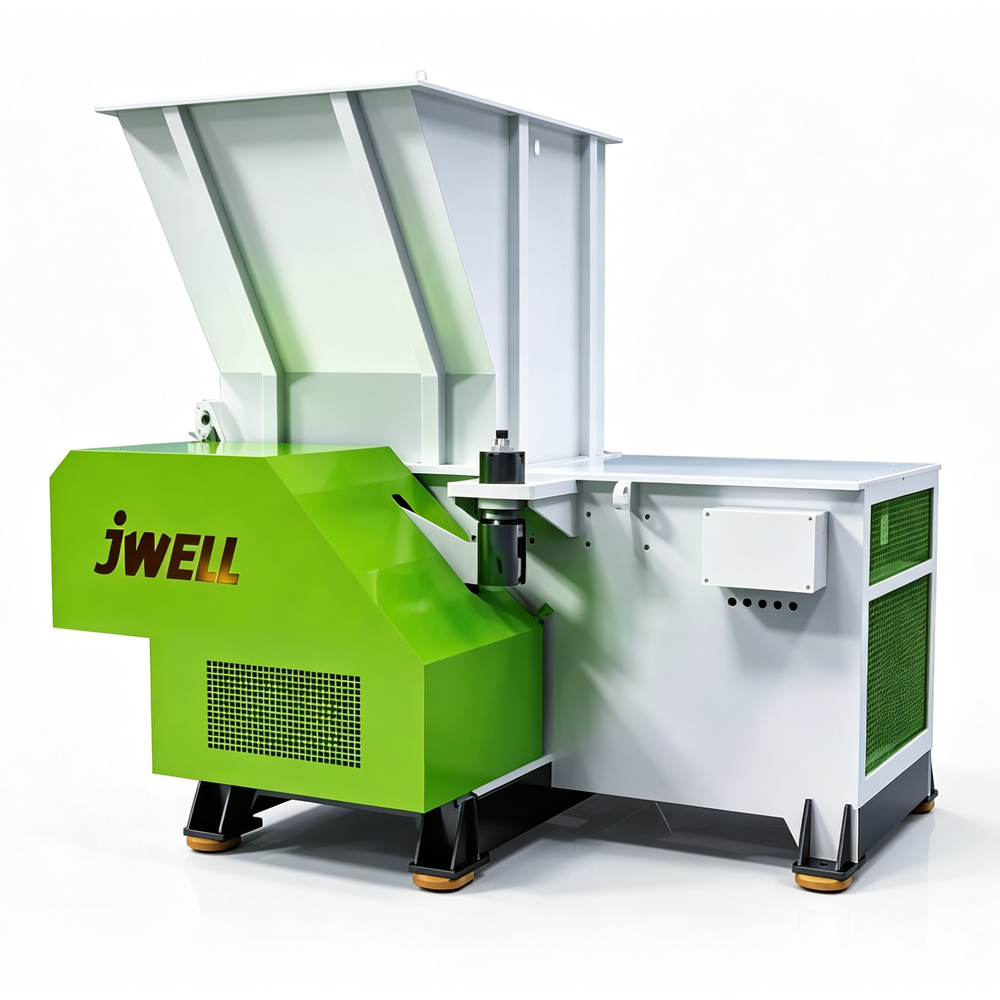
Plastic Shredder Crusher Machine

Tel: +86-19057068112

E-mail: [email protected]

Company Address
No. 128 Qingfeng Road, Xieqiao Town, Haining City, Jiaxing City, Zhejiang Province

19057068112

 English
 русский