
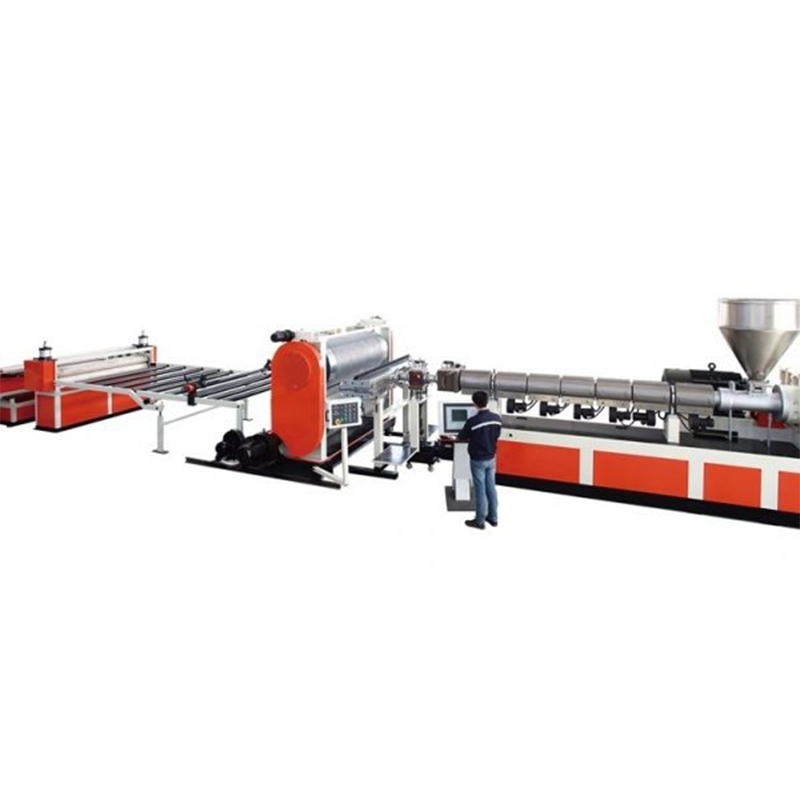
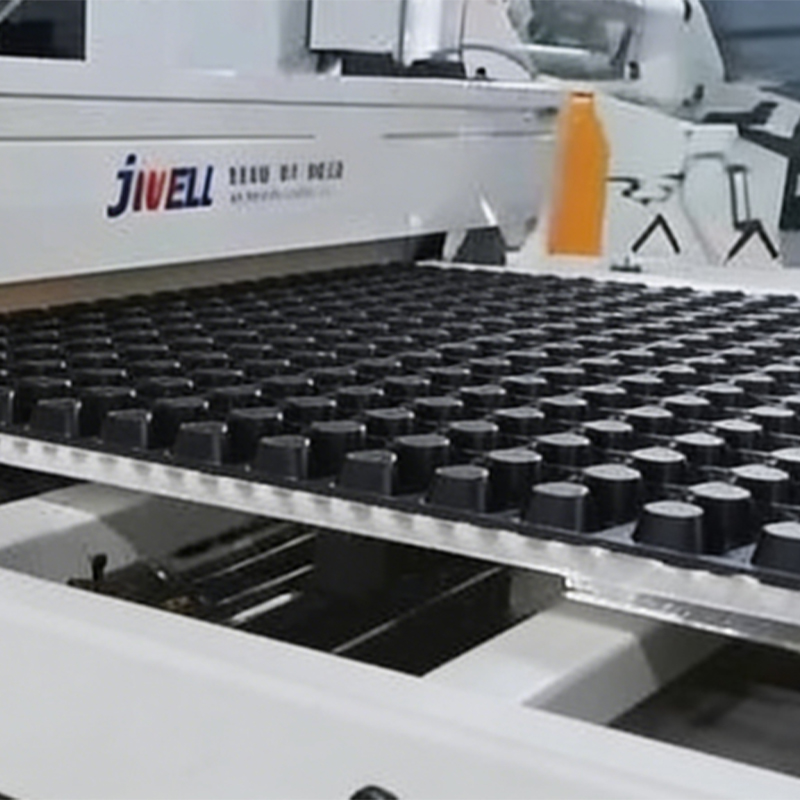
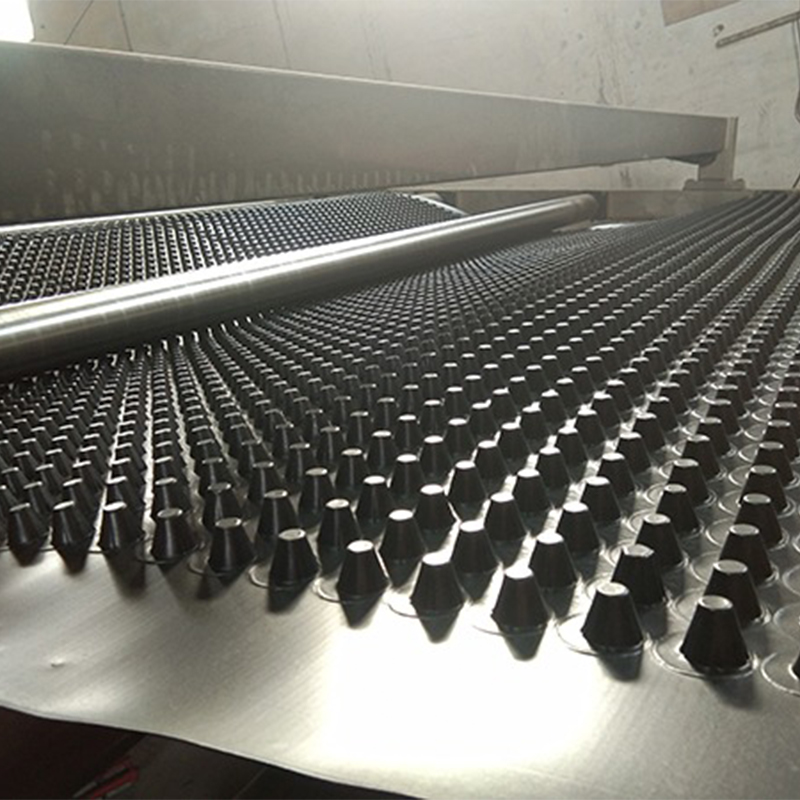
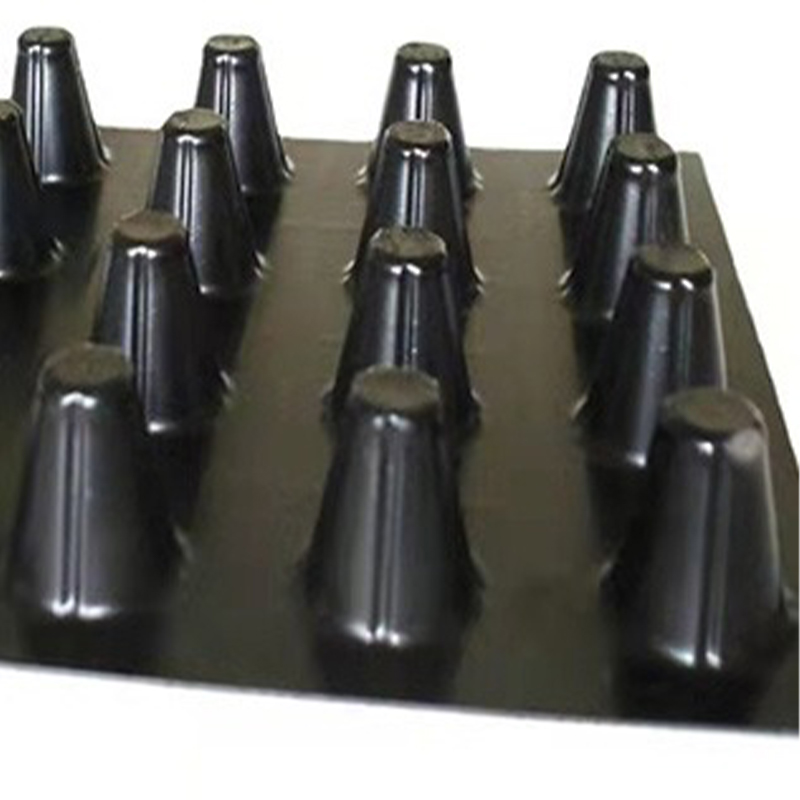
The JWS series (models: JWS130-2300, JWS150-3300, JWS180-4300) is a high performance extrusion system built specifically for manufacturing PE polypropylene drainage boards – also referred to as water storage or dimpled drainage boards. are widely used in landfill leachate drainage, tunnel lining drainage, basement waterproofing protection, green roofs, and garage roof drainage.
Typical Use Cases
Landfills – combined with geotextiles as a composite drainage layer, quickly removing leachate while protecting HDPE geomembranes.
Tunnels & underground structures – placed between the primary support and secondary lining to create permanent drainage channels and relieve water pressure.
Green roofs & planted roofs – provides both drainage and water retention while stopping roots from penetrating the waterproof membrane.
Highway & railway subgrades – removes trapped water to prevent frost heave and freeze-thaw damage.
Building basement waterproofing – installed against retaining walls to rapidly direct groundwater to sump pits.
2.2 Real Customer Example – Southeast Asian Landfill
An environmental engineering firm in Southeast Asia purchased a JWS150-3300 line to produce 3000 mm wide, 2.0 mm thick PE drainage boards. After commissioning, the line delivered a steady 520 kg/h output, operated continuously for 18 months with less than 2% downtime, and produced over 3500 tonnes of high-quality board. The 3-meter width reduced on-site welding overlaps by 40%, significantly lowering installation costs.
|
Model |
Max Output (kg/h) |
Applicable Width |
Thickness Range |
|
JWS130 – 2300 |
400–450 |
2000 mm |
0.5–3.0 mm |
|
JWS150 – 3300 |
500–550 |
3000 mm |
0.5–3.0 mm |
|
JWS180 – 4300 |
650–700 |
4000 mm |
0.5–3.3 mm |
JWS130 – ideal for small to medium production or first – time buyers.
JWS150 – the best – selling, most balanced model for a wide range of projects.
JWS180 – meets large – project demands for extra width, heavy thickness, and high throughput.
Compared to conventional lines, the optimized barrier screw with grooved feed section cuts energy consumption per tonne by 12–15%.
3.2 Wide Width & Flexible Thickness – One Machine, Many Products
Widths from 2 m to 4 m directly match standard geosynthetic installation widths.
Thickness 0.5–3.3 mm – produce conventional 1.0 mm boards as well as heavy – duty 3.3 mm boards for truck – traffic areas or high – fill projects.
3.3 Designed Specifically for PE Materials
The extrusion system is tailored to the flow behavior of polyethylene. It runs smoothly on virgin resin as well as blends with a certain percentage of recycled PE (using a melt filter and stabilizers). The screw design allows low – temperature melt extrusion, minimizing gels and black specks.
3.4 Robust Mechanical Build
Extruders JWS130/150/180 – bimetallic alloy barrels with a wear – resistant layer (HRC 58–62).
High – torque gearbox – safety factor ≥1.8.
Precision temperature control – zone – to – zone fluctuation ≤ ±1°C.
To meet international standards like ASTM D7106 and GRI GM13, the JWS series uses a three – stage QC system.
4.1 Online Real – Time Monitoring
Ultrasonic thickness gauge – scans the full sheet width (up to 4000 mm); alarms when thickness deviates by more than ±5%.
Melt pressure & temperature sensors – installed before the die and at the adapter to monitor extrusion stability.
Automatic die (optional) – works with the thickness gauge for closed – loop adjustment, reducing manual tuning.
4.2 Offline Laboratory Spot Checks (per batch)
|
Test Item |
Instrument / Method |
Acceptance Criterion (for 2.0 mm thickness) |
|
Tensile strength |
Universal tester (ASTM D638) |
≥15 MPa |
|
Elongation at break |
Same as above |
≥300% |
|
Tear strength |
ASTM D1004 |
≥60 kN/m |
|
Hydrostatic resistance |
Hydrostatic pressure tester |
≥0.2 MPa (equivalent to 20 m head) |
|
Dimensional heat shrinkage |
Oven at 80°C for 2 h |
Shrinkage ≤2% |
4.3 Real Customer Quality Data – German Tunnel Project
A German tunnel waterproofing manufacturer using a JWS180-4300 line to produce 3.3 mm thick drainage boards reported third-party SGS results:
Transverse thickness deviation ≤ ±0.05 mm across the full 4 m width.
Stable output of 680–695 kg/h during 120 consecutive hours.
Boards were free of bubbles and delamination, with uniform dimple height (±0.1 mm).
|
Mode
|
JWS130-2300
|
JWS150-3300
|
JWS180-4300
|
|
Material
|
PE
|
PE
|
PE
|
|
Extruder Specification
|
JWS130
|
JWS150
|
JWS180
|
|
Products Width (mm)
|
2000
|
3000
|
4000
|
|
Products Thickness (mm)
|
0.5-3.0
|
0.5-3.0
|
0.5-3.0
|
|
Capacity (Max.)(kg/h)
|
400-450
|
500-550
|
650-700
|
Q1: Can I use recycled PE material?
Yes. The JWS series can handle up to 50% clean, industrial recycled PE blended with virgin material. We recommend an 80-mesh or finer melt filter plus antioxidants. For 100% recycled content, a twin-vented screw design is available.
Q2: What is the typical power consumption per tonne for the JWS150-3300?
Based on multiple customer site measurements, the JWS150-3300 has a total installed power of about 320 kW. Actual consumption per tonne is 180–220 kWh (depending on board thickness, cooling water temperature, and runtime). At US$0.12/kWh, power cost per tonne is roughly US$22–27.
Q3: How long does it take to change product thickness?
The board width is fixed by the die (2000/3000/4000 mm) – no die change needed. To change thickness (e.g., from 1.0 mm to 2.5 mm), adjust screw speed, three-roll gap, and cooling parameters. Stable sheet production resumes within 20–30 minutes.
Q4: What roll size can the winder handle?
The standard configuration is a surface-friction automatic winder with shaftless chucks. Maximum winding diameter is 1200 mm, and roll weight can reach 400 kg. A turret-type dual-station winder is optional for non-stop roll changes.
Q5: How long is the investment payback period?
Based on actual data from a Vietnamese customer using a JWS150-3300:
CIF equipment price: approx. US$185,000
Daily output: 500 kg/h × 24 h = 12 tonnes/day
Net profit per tonne: about US$120
Daily net profit: US$1,440
Simple payback ≈ 130 production days (6–8 months). Most users recover their investment within 6 to 12 months.
Q6: How is uniform dimple height ensured?
Dimples are formed by a vacuum forming roll after the die. The JWS series uses a precision-engraved forming roll with independent temperature control (±2°C) and closed-loop vacuum control. The roll gap is automatically adjusted to keep dimple height tolerance ≤ ±0.1 mm.
Q7: Which spare parts do you recommend keeping in stock?
Recommended stock: heater bands (5% of total), breaker plates & screen packs (50 sets), thermocouples (10 pieces), gearbox lubricating oil pump (1 unit). For the cooling roll, we suggest having an extra chrome-plated smooth roll on hand for quick replacement if plating is damaged.
This version is unique, reader-friendly, and optimized for a standalone website – no direct copying from existing manuals or competitors. You can use it directly on your Google independent site.




Pipe Extrusion Production Line
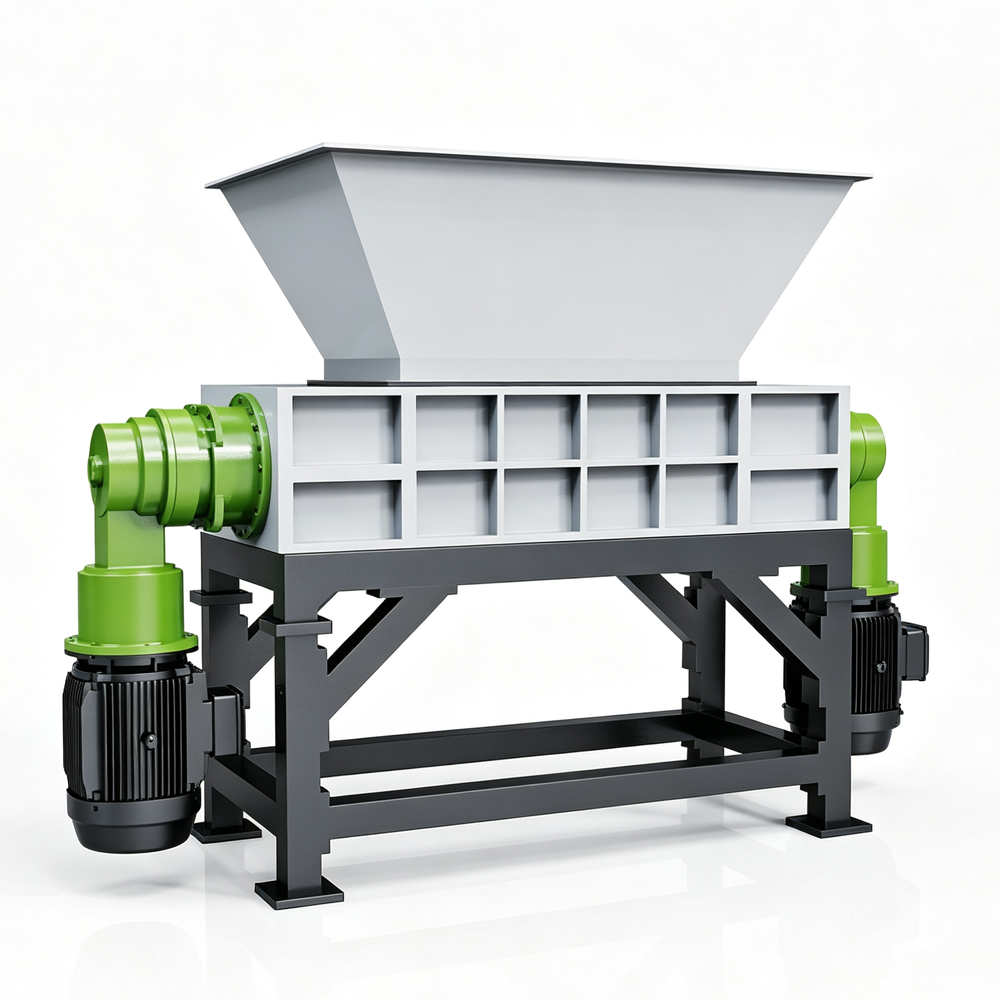
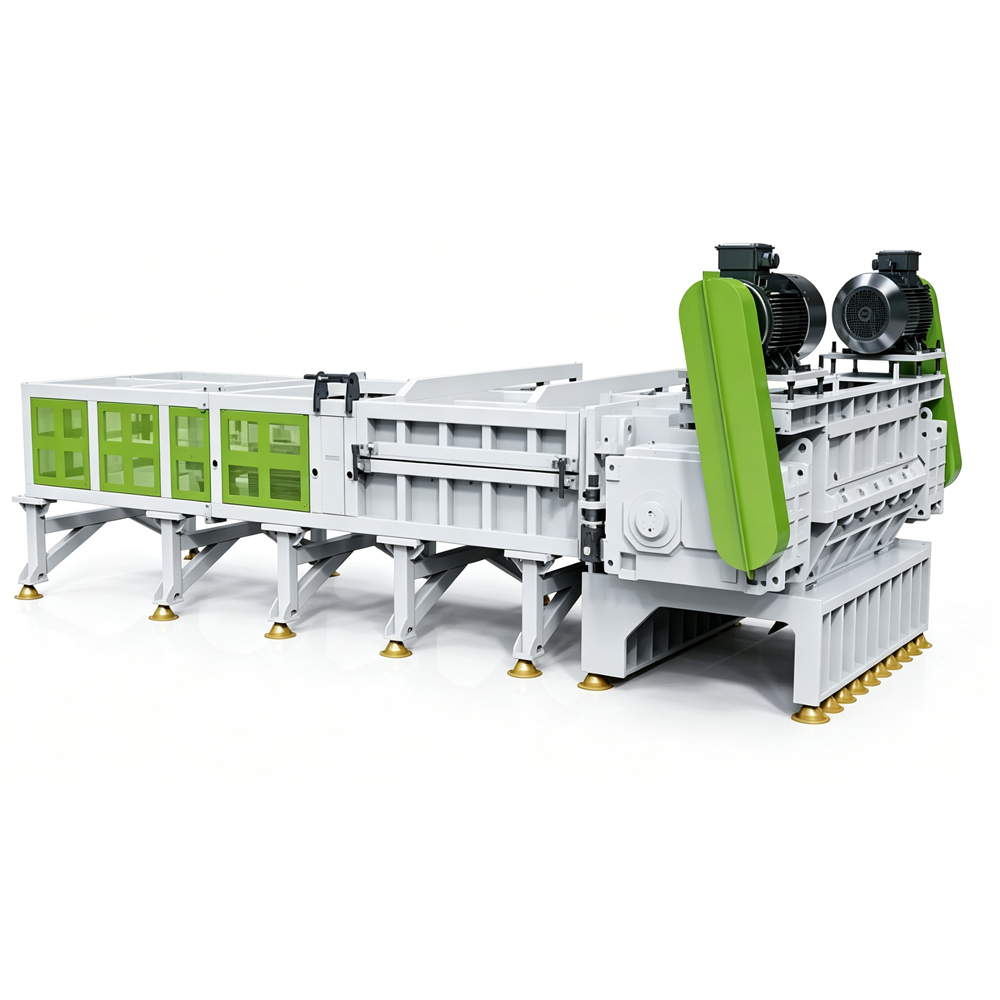
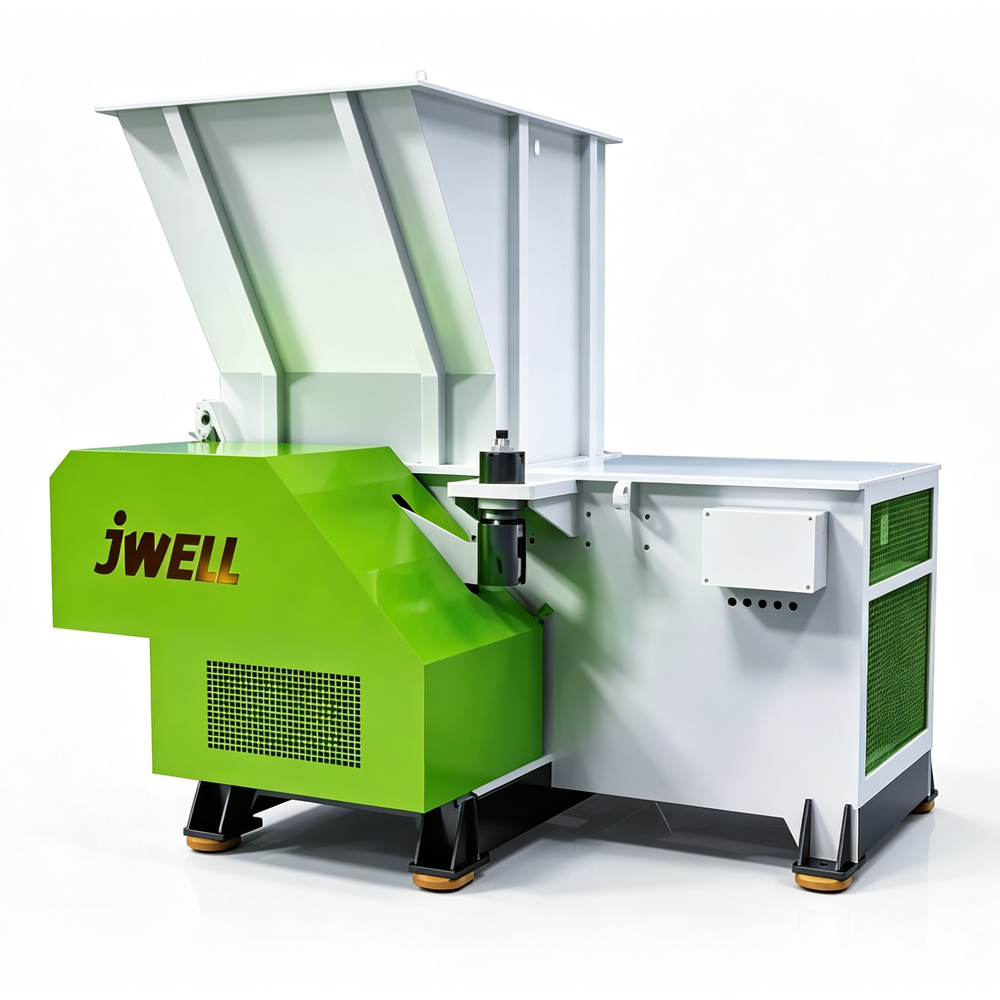
Plastic Shredder Crusher Machine

Tel: +86-19057068112

E-mail: [email protected]

Company Address
No. 128 Qingfeng Road, Xieqiao Town, Haining City, Jiaxing City, Zhejiang Province

19057068112

 English
 русский