
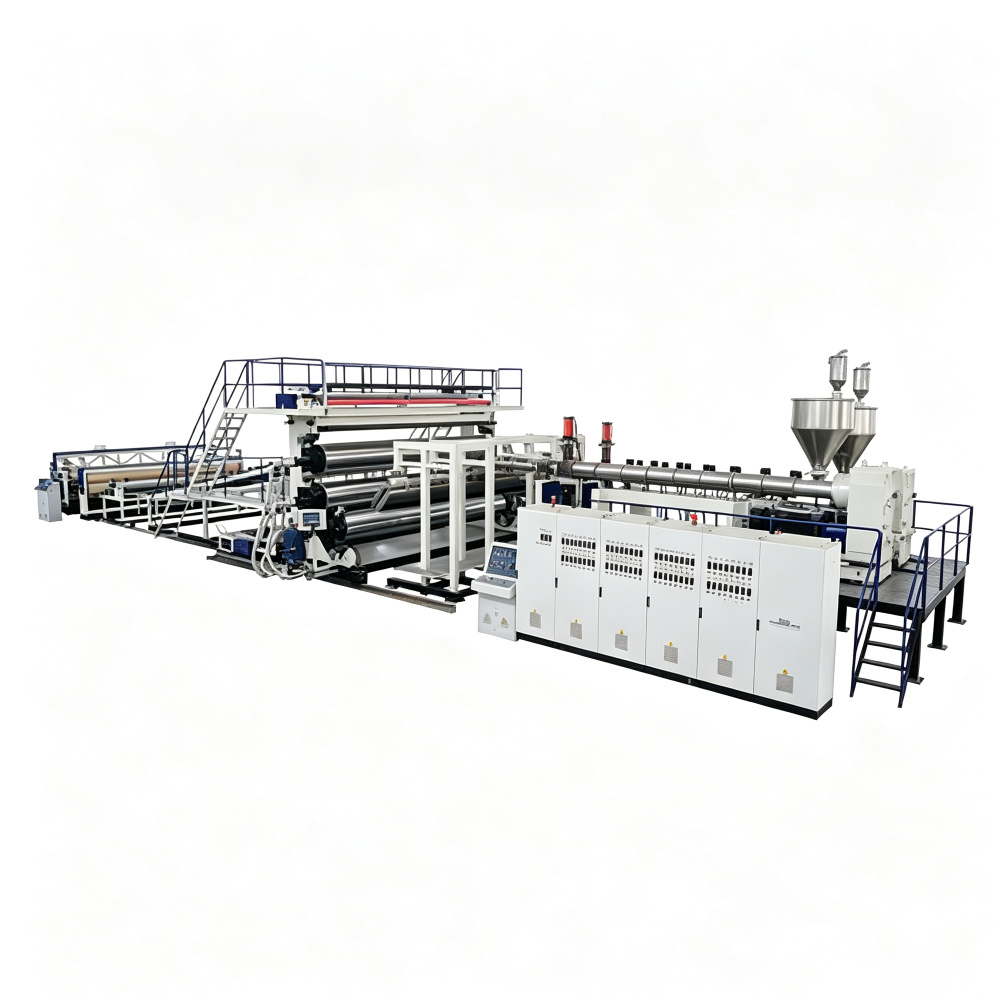
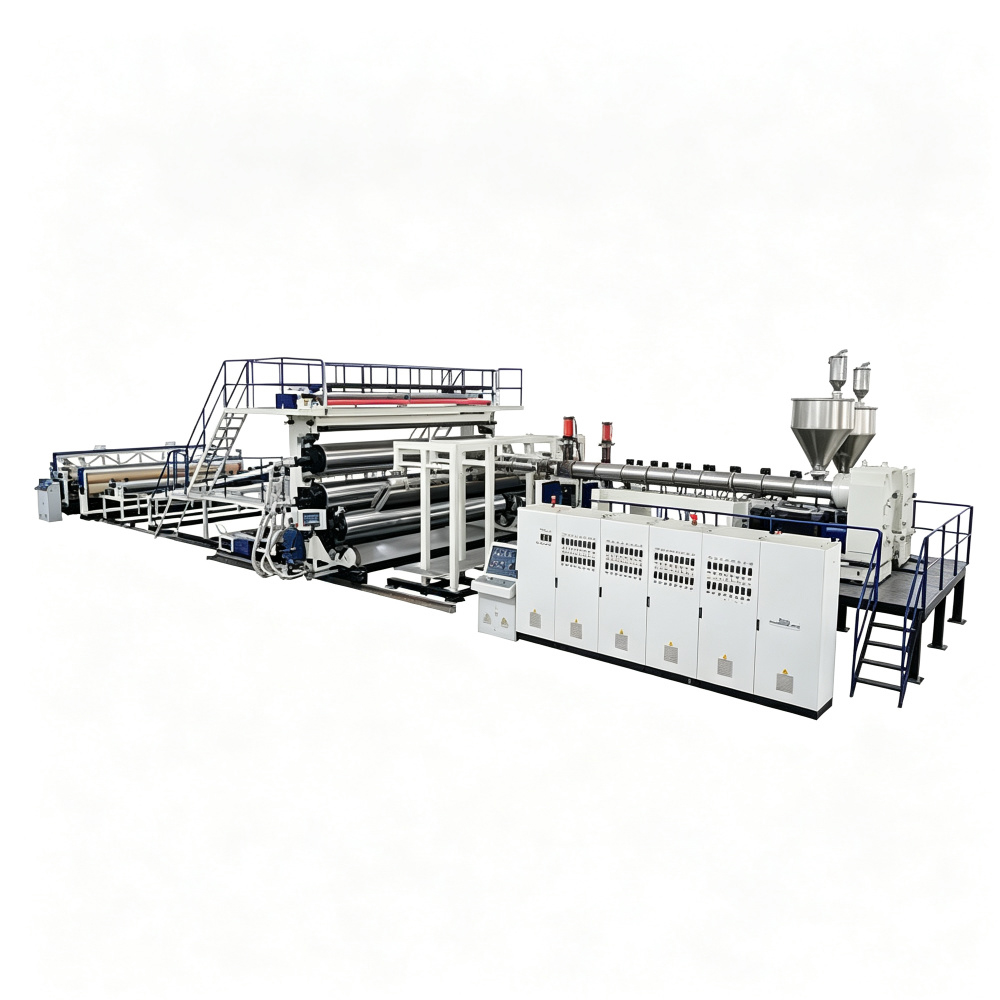
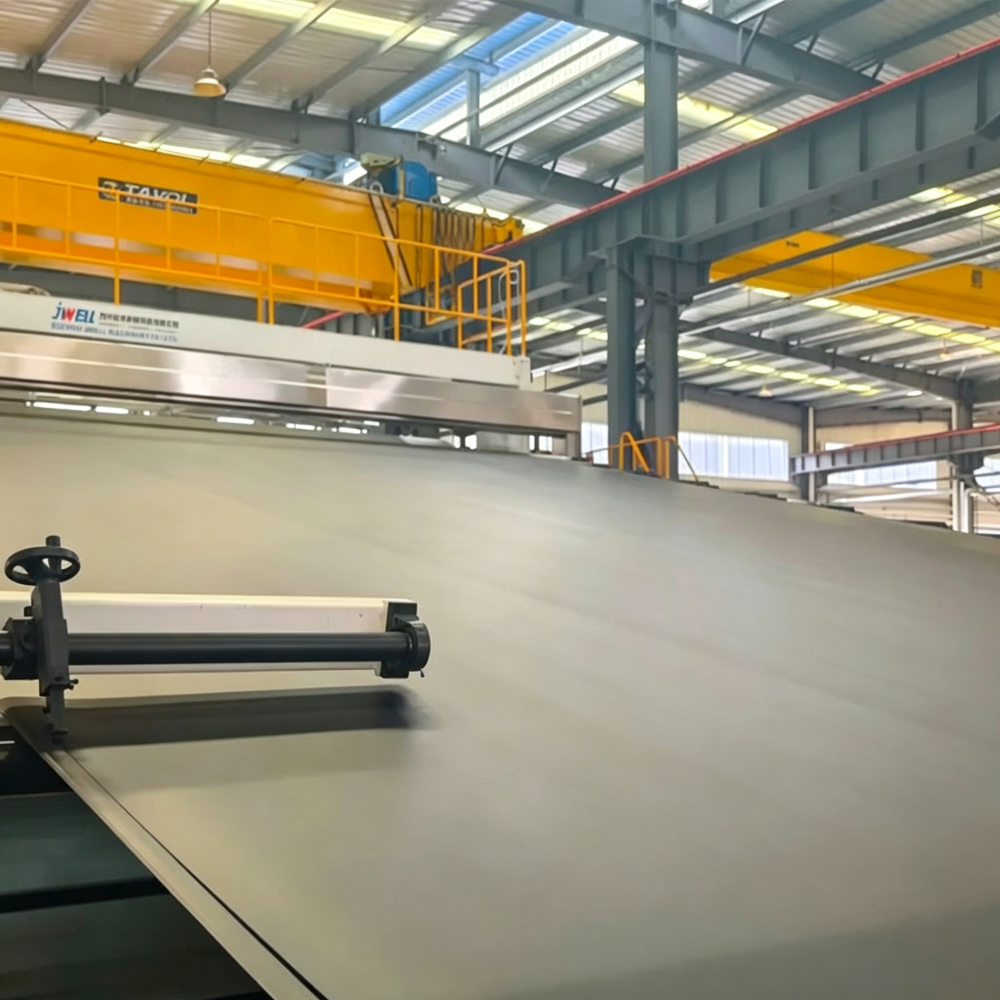
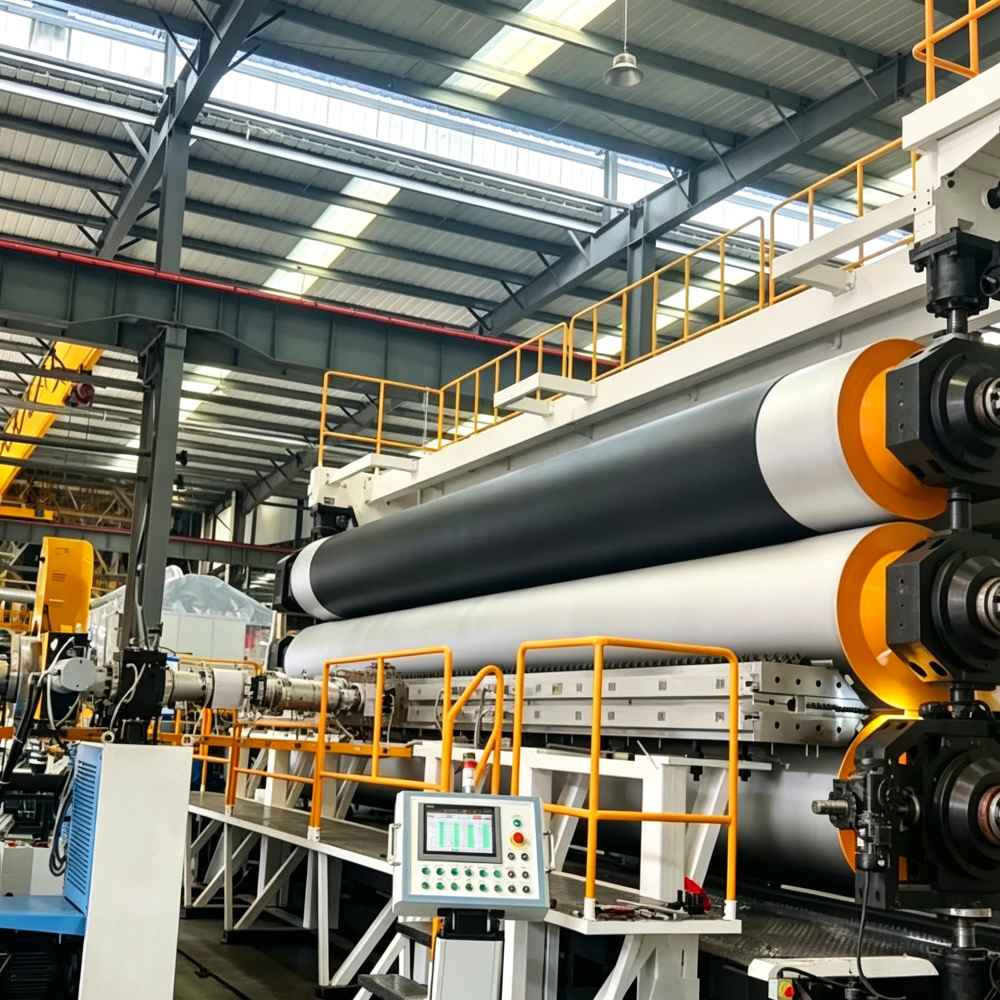
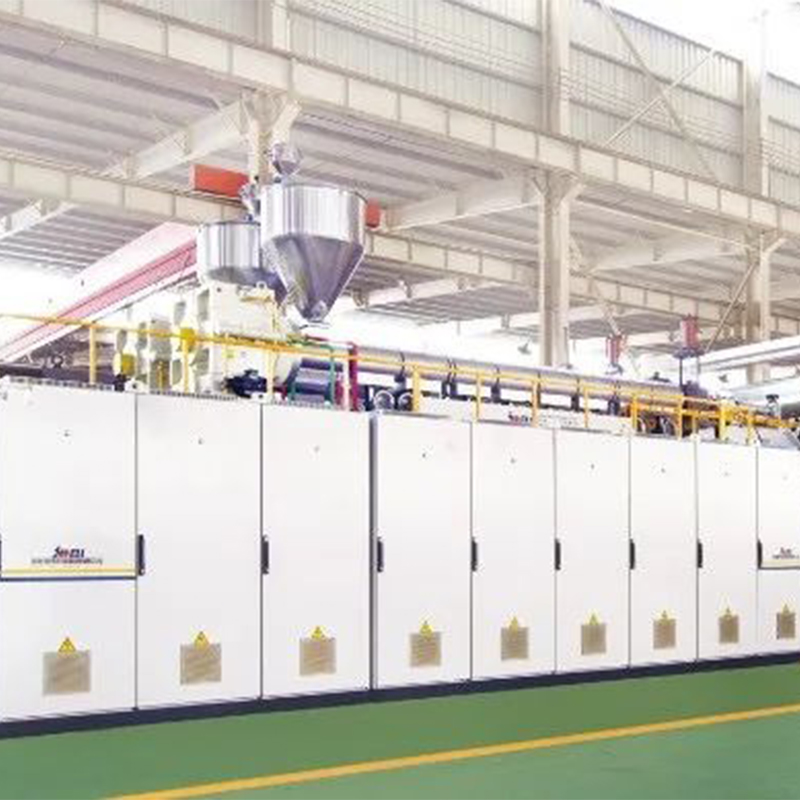
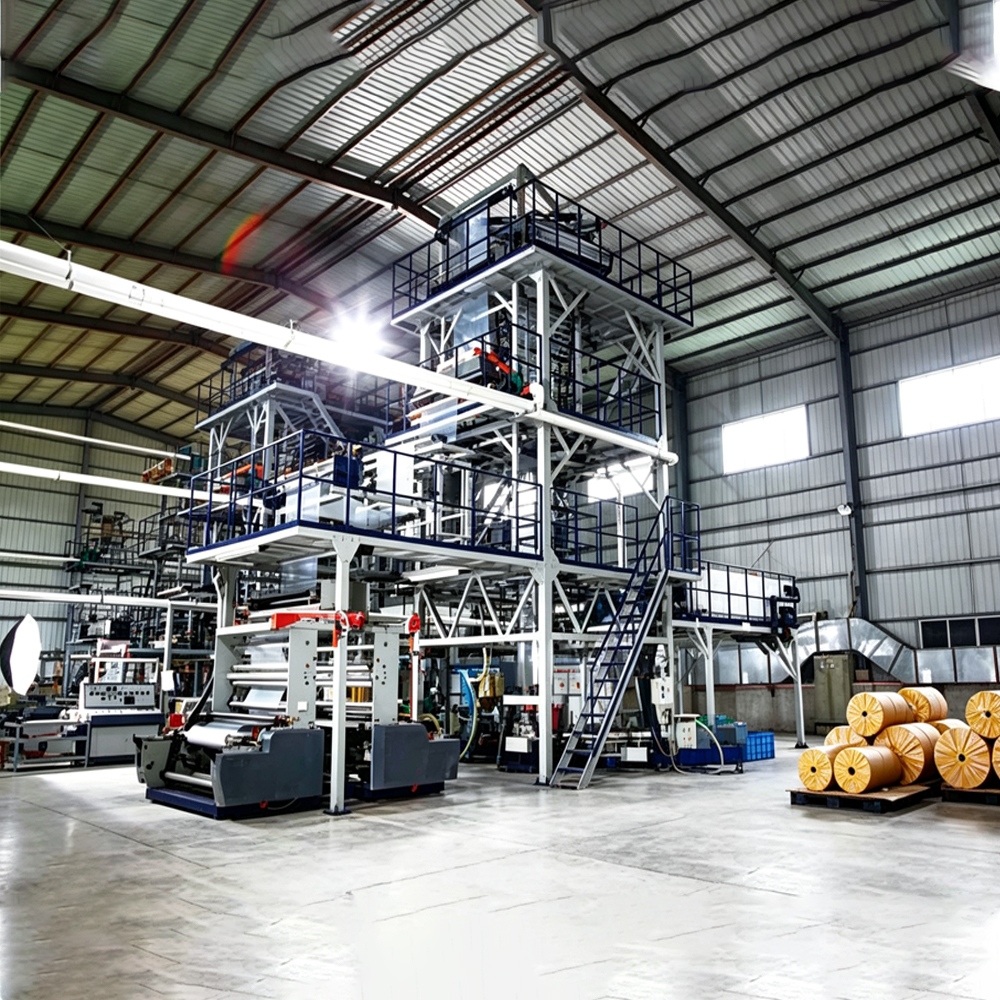
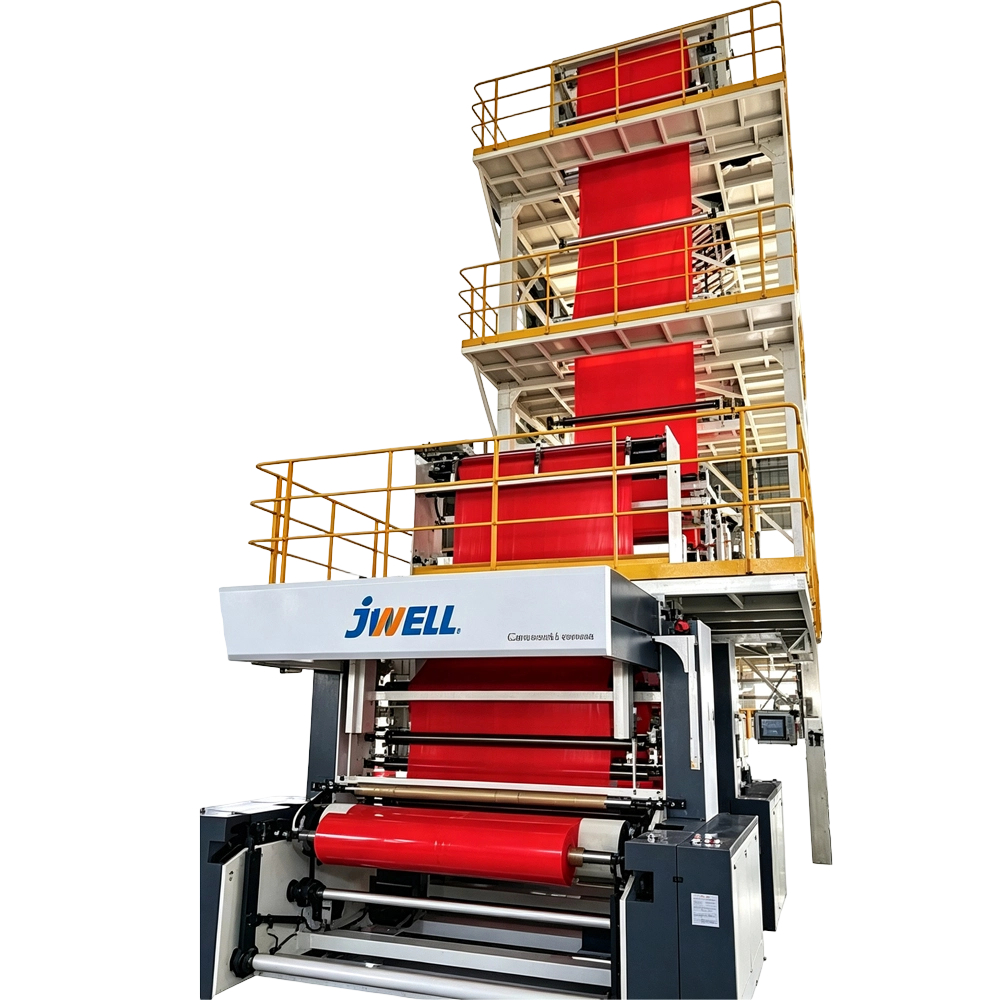
The JWS series PE geotextile production line is designed for high-output manufacturing of polyethylene (PE) geotextiles used in civil engineering, environmental protection, and infrastructure projects. Available in four models – JWS150-2400, JWS150/150-4400, JWS150/150-6400, and JWS150/150-8500 – this line offers flexible width options from 2,000 mm up to 8,000 mm and thickness ranges of 0.5–3.0 mm (0.8–3.0 mm for wider models). All models run on 100% PE raw material, with single or dual extruder configurations to maximize output.
PE geotextiles produced by this line are widely used in:
Road & railway construction – separation and stabilization of subgrades, preventing aggregate mixing with soil.
Landfill liners & covers – drainage and protection layers beneath geomembranes.
Erosion control – on slopes, riverbanks, and coastal revetments.
Drainage systems – behind retaining walls or under pavements.
Mining & tailings ponds – as a permeable barrier for liquid-solid separation.
Real-world case
A highway expansion project in Southeast Asia used the JWS150/150-6400 model to produce 6,000 mm wide, 2.0 mm thick PE geotextile. The dual-extruder setup delivered 1,350 kg/h, allowing the contractor to cover 12,000 m² per shift. The wide width reduced on-site seams by 40%, accelerating installation and lowering labor costs.
|
Feature |
Benefit |
|
Dual extruder configuration (JWS150+JWS150) |
Models 4400/6400/8500 achieve 1,200–1,450 kg/h – double the output of single-extruder units. Continuous operation without downtime for material changeover. |
|
Width up to 8,000 mm |
Fewer longitudinal seams mean faster installation and reduced risk of leakage. Ideal for large-area projects like landfills and reservoirs. |
|
Thickness range 0.5–3.0 mm |
One line produces both lightweight drainage fabrics and heavy-duty reinforcement geotextiles. The wider models start at 0.8 mm for enhanced durability. |
|
PE material compatibility |
Excellent chemical resistance, UV stability (when additivated), and flexibility. PE geotextiles outperform PP in acidic/alkaline environments. |
|
Stable extrusion from JWS150 screw design |
Proven melt homogeneity – no gels or unmelted particles that cause weak spots. |
Every production batch follows a strict QC protocol to meet international standards (e.g., ASTM, ISO, EN).
1. In-process monitoring
Melt temperature & pressure sensors at each extruder (JWS150) – ensure stable output within ±2°C.
Ultrasonic thickness gauge scanning across the full width (2,000–8,000 mm) every 5 seconds. Tolerance: ±0.05 mm.
Online width measurement using laser sensors – automatically adjusts spreading rollers.
2. Laboratory testing (per roll)
|
Test |
Method |
Acceptance criteria |
|
Tensile strength (MD/TD) |
ASTM D4595 |
≥ 20 kN/m (for 2.0 mm thickness) |
|
Elongation at break |
ASTM D4595 |
15–50% (typical for PE) |
|
Tear resistance |
ASTM D4533 |
≥ 200 N |
|
Puncture resistance |
ASTM D4833 |
≥ 500 N |
|
Hydraulic conductivity (permittivity) |
ASTM D4491 |
0.5–2.0 sec⁻¹ (depends on application) |
|
UV resistance (after 500h) |
ASTM D4355 |
Retain ≥ 80% of tensile strength |
3. Roll finish inspection
Visual check for pinholes, wrinkles, or contamination.
Core hardness and edge straightness measured with a go/no-go gauge.
Each roll is labeled with model, width, thickness, lot number, and test report QR code.
Real-world example
A Chilean mining company required 1.5 mm PE geotextile for tailings pond lining. The JWS150/150-8500 line produced 8,000 mm rolls. Third-party lab results showed puncture resistance of 620 N and permittivity of 1.8 sec⁻¹ – exceeding project specs. Zero defects were found in 150 consecutive rolls.
|
Model
|
JWS150-2400
|
JWS150/150-4400
|
JWS150/150-6400
|
JWS150/150-8500
|
|
Material
|
PE
|
PE
|
PE
|
PE
|
|
Extruder Specification
|
JWS150
|
JWS150+JWS150
|
JWS150+JWS150
|
JWS150+JWS150
|
|
Products Width (mm)
|
2000
|
4000
|
6000
|
8000
|
|
Products Thickness (mm)
|
0.5-3.0
|
0.5-3.0
|
0.8-3.0
|
0.8-3.0
|
|
Capacity (Max.)(kg/h)
|
600-700
|
1200-1450
|
1200-1450
|
1200-1450
|
Q1: What is the difference between single and dual extruder models?
A: Single extruder (JWS150-2400) uses one JWS150 screw, max output 600–700 kg/h, width 2,000 mm. Dual extruder models (JWS150+JWS150) run two extruders feeding a single wide die, delivering 1,200–1,450 kg/h for widths from 4,000 to 8,000 mm. Dual configuration also provides redundancy – if one extruder needs maintenance, the other can continue at reduced output.
Q2: Can I produce nonwoven geotextile on this line?
A: No – this line is for solid PE sheets (smooth or textured). For nonwoven (needle-punched) geotextiles, you would need a staple fiber or spunbond line. The JWS series is ideal for geomembrane backing, drainage geocomposites, and impermeable liners.
Q3: How do I change thickness during production?
A: Adjust the die lip gap and take-up speed. Thinner sheets (0.5 mm) require faster haul-off; thicker sheets (3.0 mm) use slower speed. The transition takes about 10–15 minutes, and the online thickness gauge confirms uniformity before switching to new rolls.
Q4: What is the typical roll length for 8,000 mm width?
A: Limited by roll weight for handling. For 2.0 mm thickness, a full roll (approx. 800 kg) gives about 65 linear meters. For 0.8 mm, same weight yields ~160 meters. We can supply custom lengths upon request.
Q5: Do you provide installation training?
A: Yes – our engineers supervise first-run commissioning at your site. We also provide manuals and video tutorials. Remote support is available 24/7 via video call.
Q6: How does the production line handle recycled PE?
A: The JWS150 extruders have a high-torque gearbox and wear-resistant screw coating (bimetal). They can process up to 30% post-industrial recycled PE (clean, dried, and reground) without significant output loss. For higher recycle ratios, we recommend adding a melt filter and degassing unit.
Q7: What is the power consumption per kg?
A: Approximately 0.25–0.30 kWh per kg for the dual extruder models at full capacity. The single extruder model consumes about 0.28–0.32 kWh/kg. Energy recovery systems (optional) can reduce this by 15%.




Pipe Extrusion Production Line
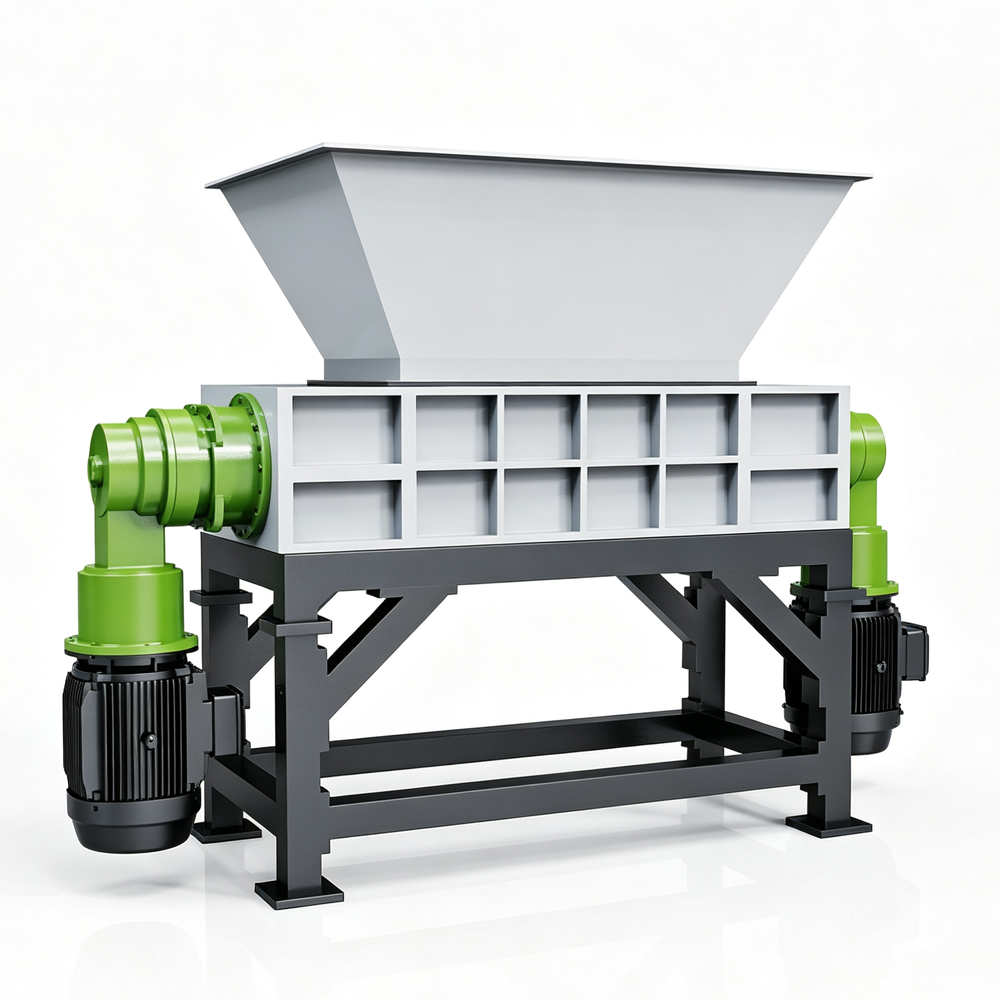
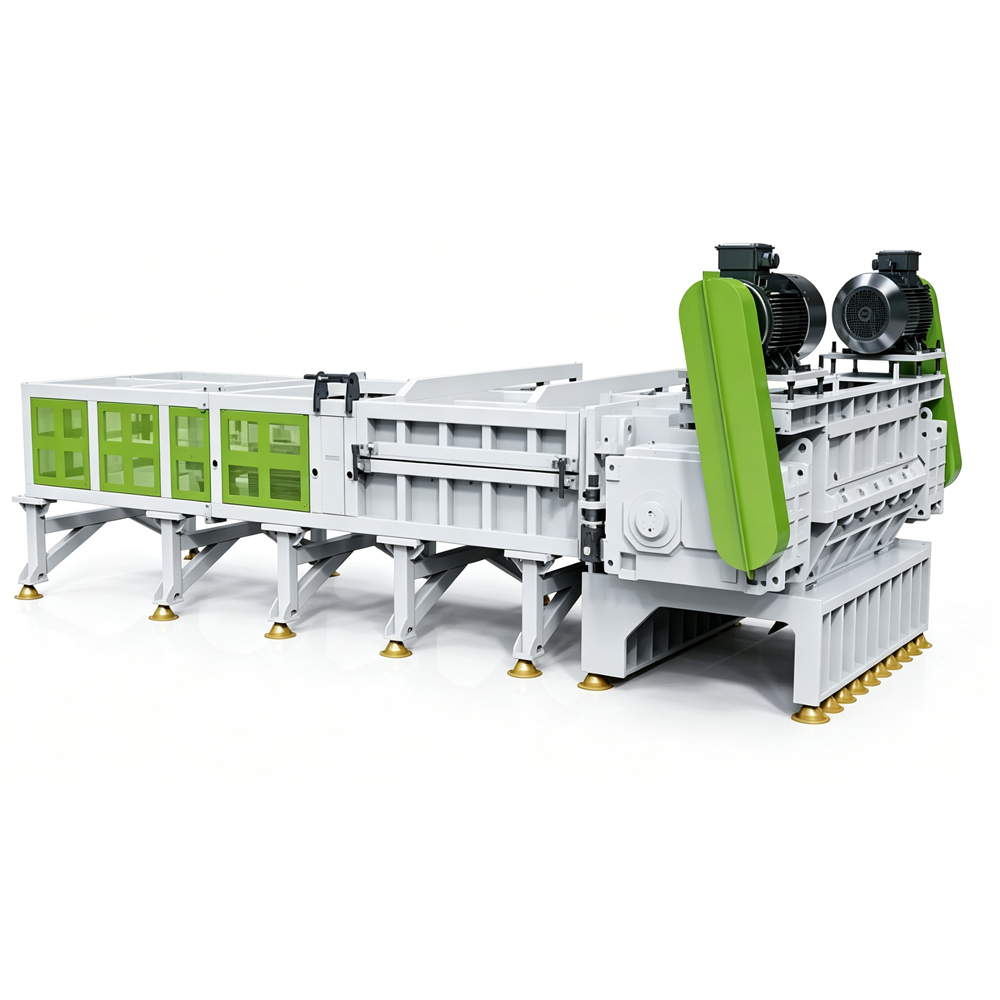
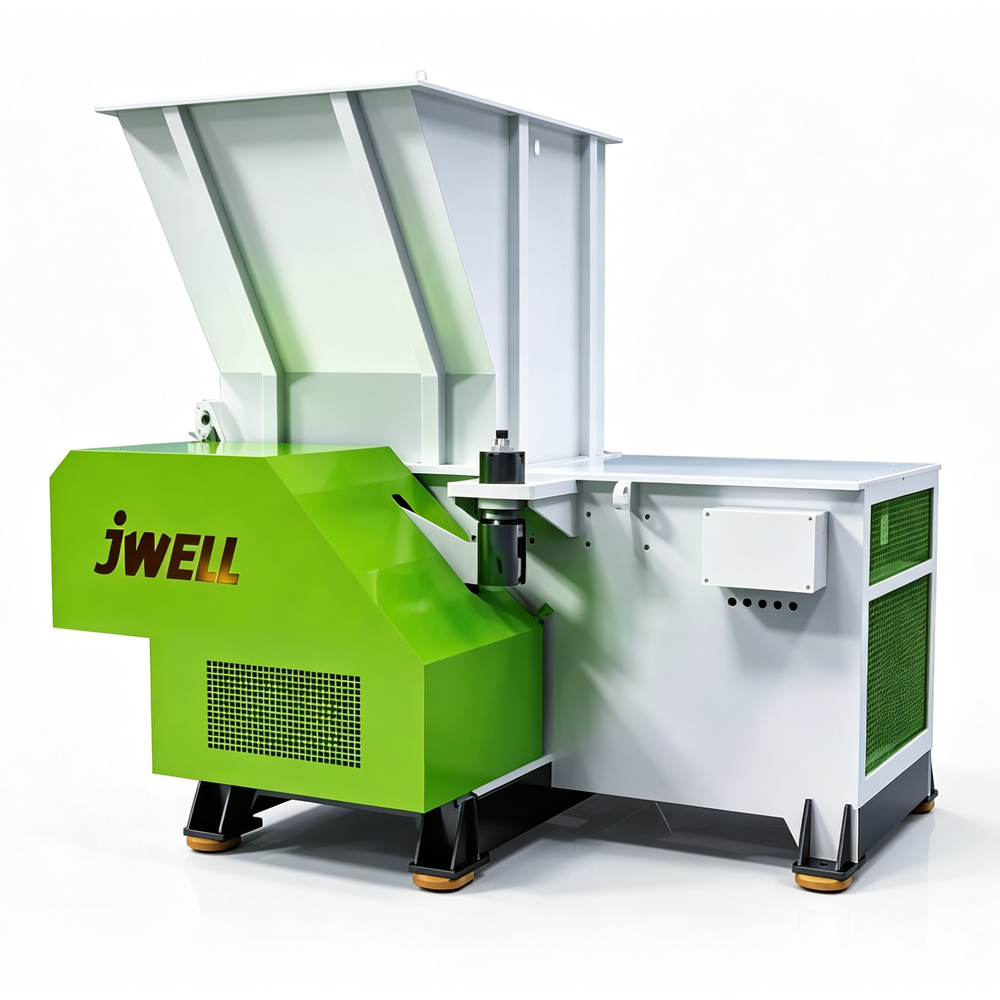
Plastic Shredder Crusher Machine

Tel: +86-19057068112

E-mail: [email protected]

Company Address
No. 128 Qingfeng Road, Xieqiao Town, Haining City, Jiaxing City, Zhejiang Province

19057068112

 English
 русский