
Over the years in the plastic extrusion equipment industry, we have worked with many overseas clients. Some produce PP sheets, some make PET sheet, others manufacture PVC sheets, and still others deal with ABS, PC, PE, and multi-layer composite sheets. Our customers come from different countries and make completely different products, but when it comes time to purchase equipment, the questions they ask are remarkably similar:
"How exactly should I choose this sheet extrusion line to avoid making the wrong purchase?"
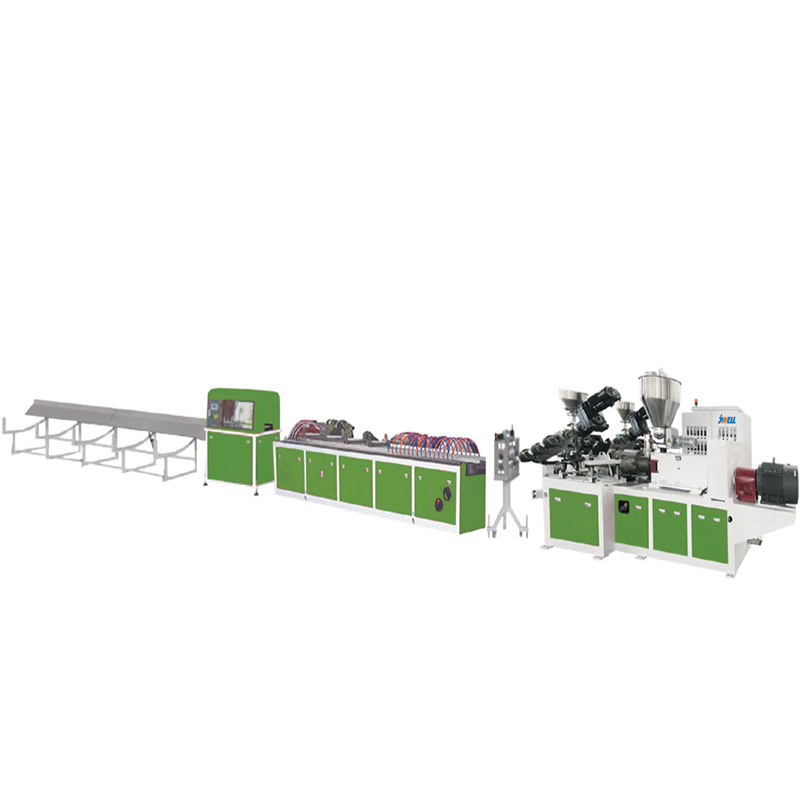
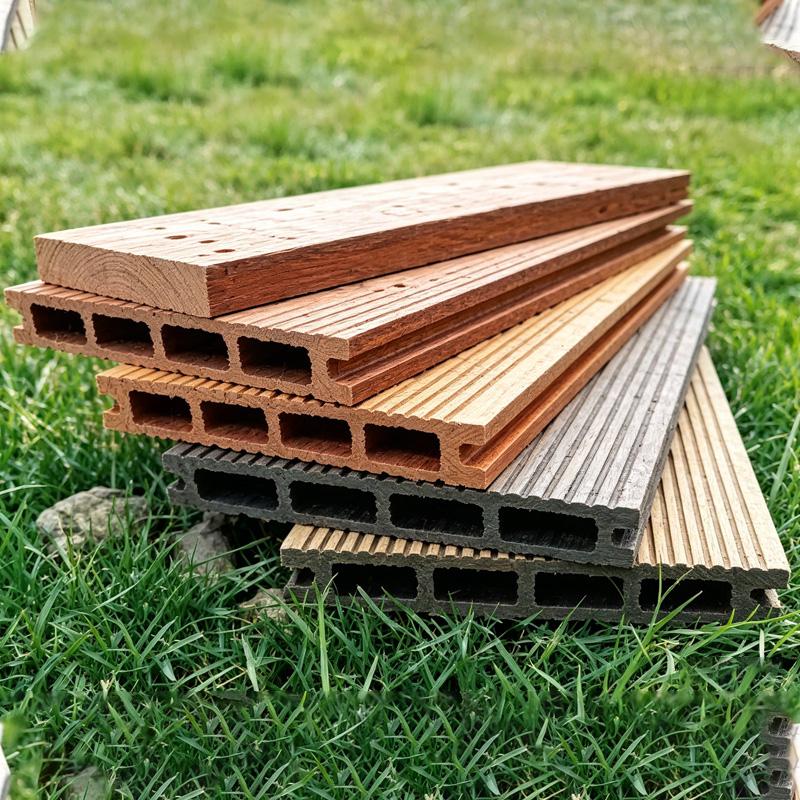
To be honest, sheet extrusion lines on the market may not look all that different from the outside. They all consist of an extruder, die, three-roll calender, haul-off, cutting, and stacking units. But once they are actually running, the differences become apparent. So, when buying a sheet extrusion line, you cannot just look at the price, nor can you judge by the machine's appearance alone. Below, I have compiled the most frequently asked questions and the most common pitfalls that our clients have encountered over the years.This machine is a relatively standard WPC (PE&PP) wood-plastic flooring extrusion production line.
This is the very first thing we confirm when communicating with clients.
Many buyers initially tell us: "I need a sheet extrusion line, width 2000 mm, thickness 3 mm." But knowing only the width and thickness is far from enough. Different materials such as PP, PE, PVC, PET, ABS, PC, PS, and PLA each have different requirements for the extrusion system, temperature control, screw design, die design, and downstream cooling and sizing systems.
Even for the same material, if the end-use of the product differs, the equipment configuration can be completely different.For example, for PP or PET sheet used in packaging, customers usually focus more on thickness uniformity, surface quality, transparency, and high-speed production capability. For PVC or WPC sheets used in construction, customers may pay more attention to rigidity, foaming effect, surface treatment, and long-term stable production.
Therefore, we always advise clients to determine three basic questions before selecting equipment: What is the raw material? What is the final product? Where will the product be mainly used? Once these three questions are answered, we can truly determine what type of extruder, screw design, die, and downstream equipment should be adopted.
If the product is not even defined, and you simply purchase a "standard model" offered by the supplier, there is a high risk that the equipment can run, but the finished product may not meet market requirements.
This is an area where many first-time buyers of sheet extrusion lines tend to overlook.
Some suppliers may tell clients: "Our equipment can produce sheets up to 2000 mm wide." That sounds great, but we strongly recommend that clients ask further:
Because for a factory, the true value of a production line is not just producing one single specification, but being able to cover customer orders consistently and stably over the long term. For example, a sheet plant may now mainly produce 3 mm sheets, but in the future they may add 5 mm, 8 mm, or 10 mm products. If the line is designed only for one fixed specification, expanding the product range later may require a new investment.
Therefore, when selecting equipment, we always consider both the client's current products and their future plans.Width, thickness, material, output, and product application should be matched as an integrated whole, rather than looking at any single parameter in isolation.
 |
 |
If I were to give one key piece of advice to sheet extrusion line buyers, it would be this:
Don't just ask what the maximum output of the equipment is; ask what it can produce stably under your specific product conditions.
These are two completely different concepts. A line achieving a certain peak output under test conditions does not mean the factory can run at that speed every day. Once continuous production begins, raw material formulation, sheet thickness, width, cooling conditions, die condition, and operator skill all affect actual output.
For a factory, what really matters is how many qualified products can be produced stably per day and per month.
For example, one line may have a very high theoretical maximum output, but to ensure thickness uniformity and surface quality, it has to run at a reduced speed in practice. Another line may have a less impressive peak figure, but can run stably for long periods. From an ROI perspective, the latter often holds more value.
Therefore, when we design sheet extrusion lines for our clients, we do not recommend equipment based solely on "maximum output." Instead, we combine material, product dimensions, thickness range, and target capacity to match the entire line accordingly.
Many buyers focus their attention on the main extruder but tend to overlook the die and downstream equipment.
In reality, sheet extrusion is a continuous process. The raw material is plasticized by the extruder, then formed into a stable sheet melt through the die, and then goes through roll sizing, cooling, haul-off, cutting or winding, finally becoming a marketable product. Problems in any of these steps can affect the final sheet quality.
This is especially true for products with demanding requirements on thickness tolerance, flatness, and surface quality – die design and the roll sizing system are critical. We often encounter cases where the client's existing extruder has no obvious issues, but after production, the sheet comes out with a thick center and thin edges, or uneven thickness across the width, or even warpage.
In such cases, simply replacing the extruder won't solve all the problems. Therefore, a truly suitable sheet extrusion line for industrial production should be an integrated match from extrusion, forming, cooling, haul-off, to cutting – not just a simple assembly of individual machines.
When purchasing a sheet extrusion line, if you only compare quoted prices, you can easily fall into a trap: "This supplier is 10% cheaper, so I'll choose them." But the real cost of equipment goes far beyond the purchase price. It also includes power consumption, labor costs, material waste, changeover time, maintenance costs, spare parts costs, and long-term operational stability.
Here is a very simple example.
If one line has a lower purchase price but requires more labor during long-term operation, has higher scrap rates, and takes longer to change over, then after a few years, the initial savings on purchase cost may well be offset by operating costs. Conversely, a line with a slightly higher initial investment, but better stability, more reasonable automation, and a higher product yield, may have a much lower long-term production cost.
If we summarize the points above, it is actually not complicated.
First, determine what material and what product you are producing. Then define sheet width, thickness, and target output. Next, based on the product requirements, match the extruder, screw, die, roll sizing, haul-off, cutting, and stacking systems. Then consider changeover capability, automation level, energy consumption, ease of operation, and future expansion. Finally, compare equipment prices and long-term operating costs.
In other words, the correct selection logic should be: Product requirements → Material → Specifications → Output → Core equipment → Complete line configuration → Long-term ROI.
Not: Supplier quotes → Which is cheaper → Buy that one.
Finally, a brief introduction to our company. Jwell Machinery has long been dedicated to the R&D and manufacturing of plastic extrusion equipment, with extensive project experience in the sheet extrusion line field. Our strengths are mainly reflected in:
Choosing a sheet extrusion line, after all, is not about choosing a machine with the "highest parameters," nor is it about choosing the one with the "lowest price." The equipment that truly fits you should match your raw material, product specifications, target output, market demand, and future development plans.
If you are planning to invest in PP, PVC, PET, ABS, PC, PS, PLA, or other types of sheet extrusion lines, but are still unsure about what configuration to choose, feel free to tell us your product material, sheet width, thickness range, target output, and application.
We can start from equipment selection and match a more suitable sheet extrusion line solution based on your actual production needs.
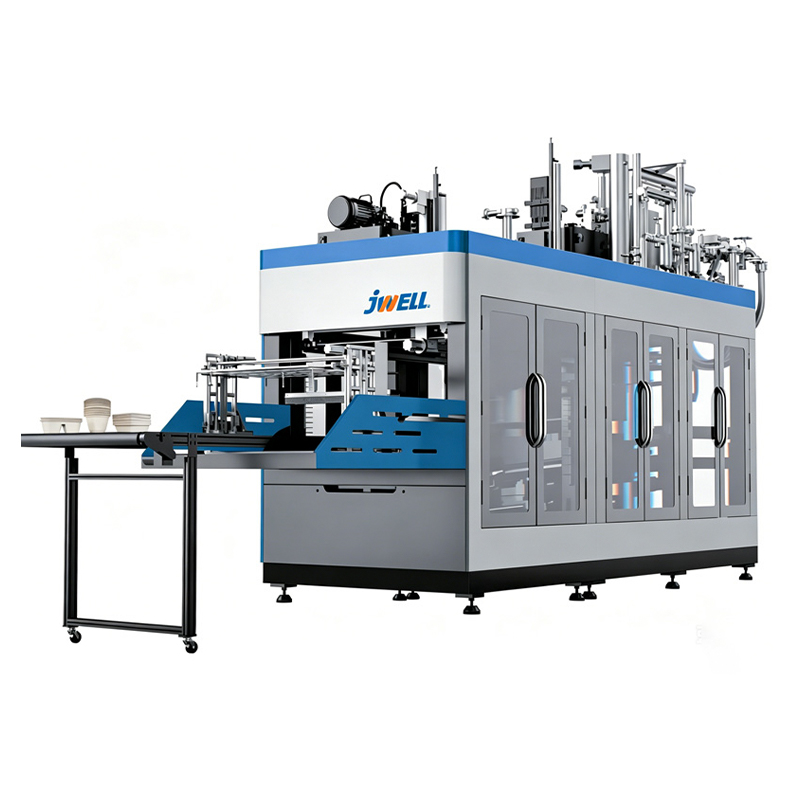


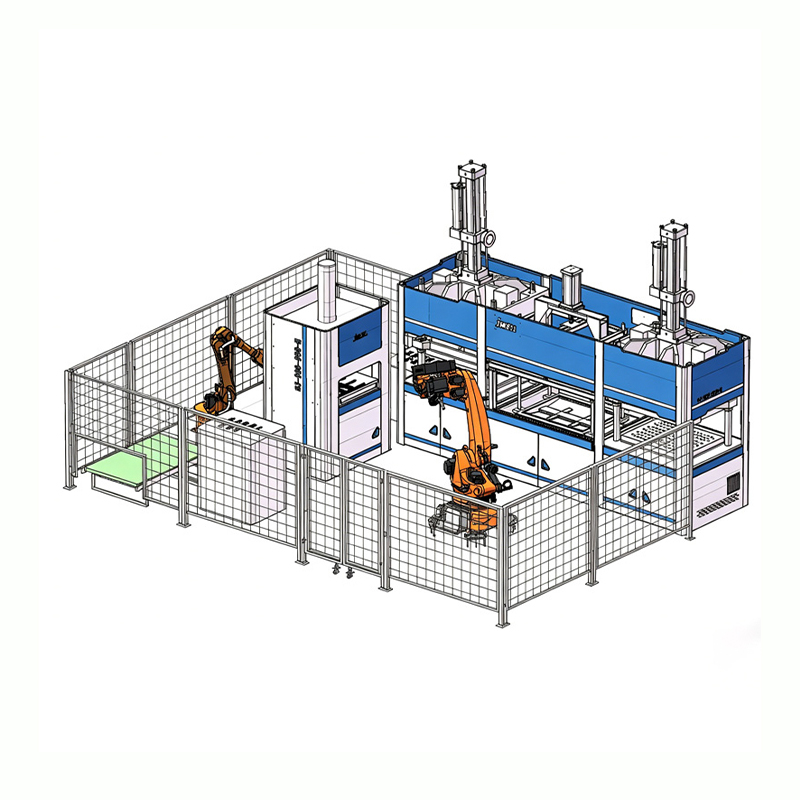
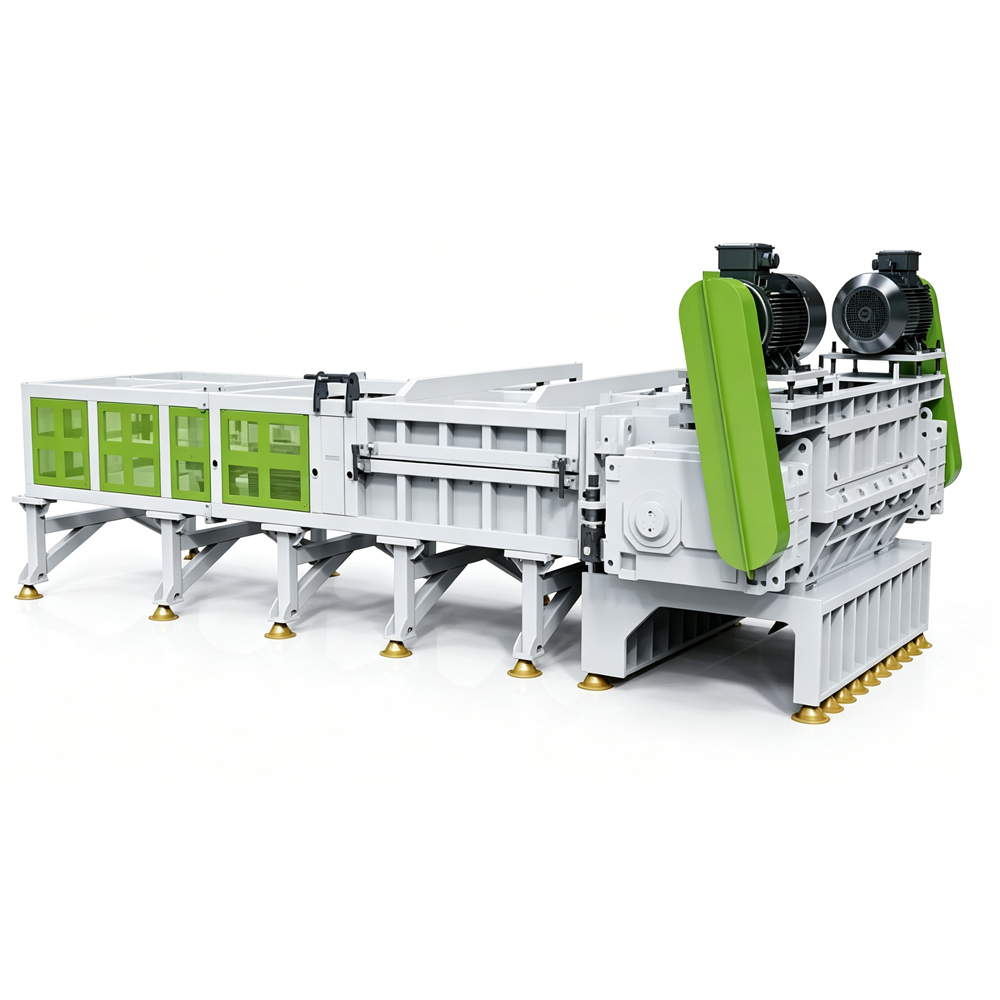


Pipe Extrusion Production Line
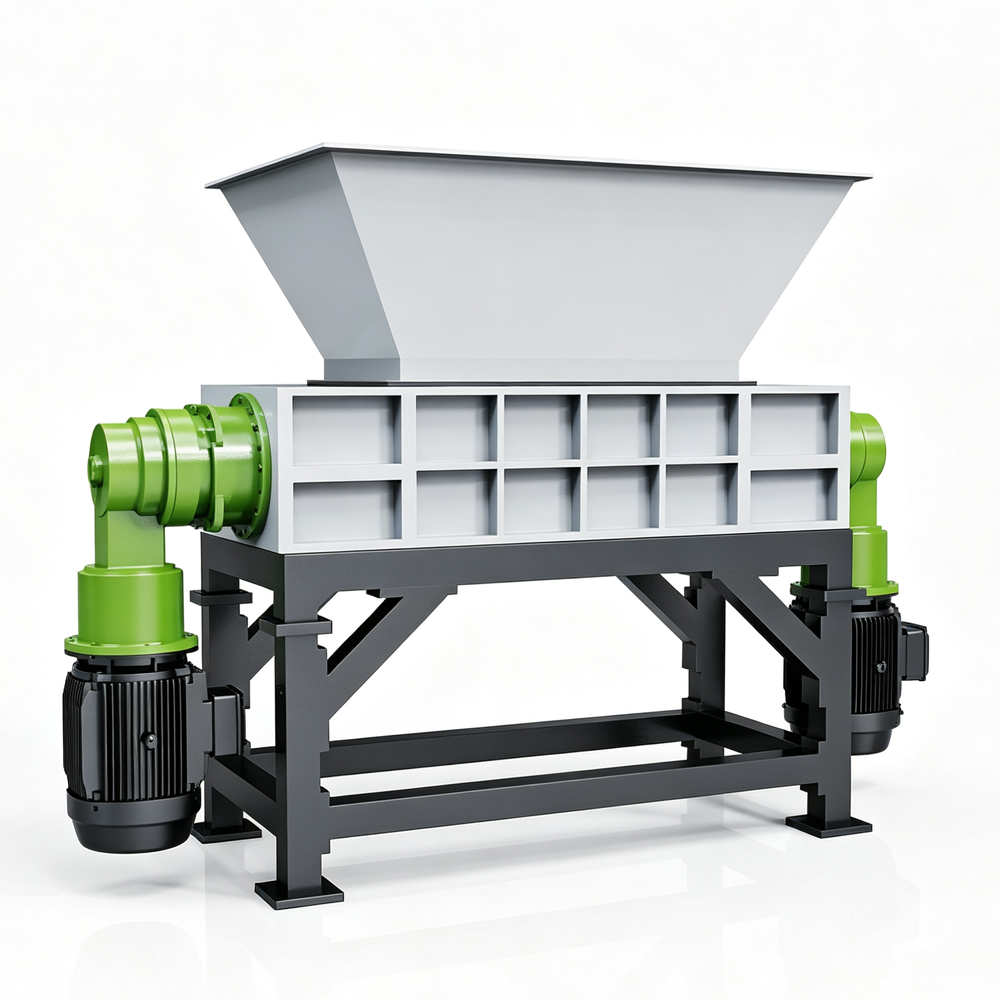
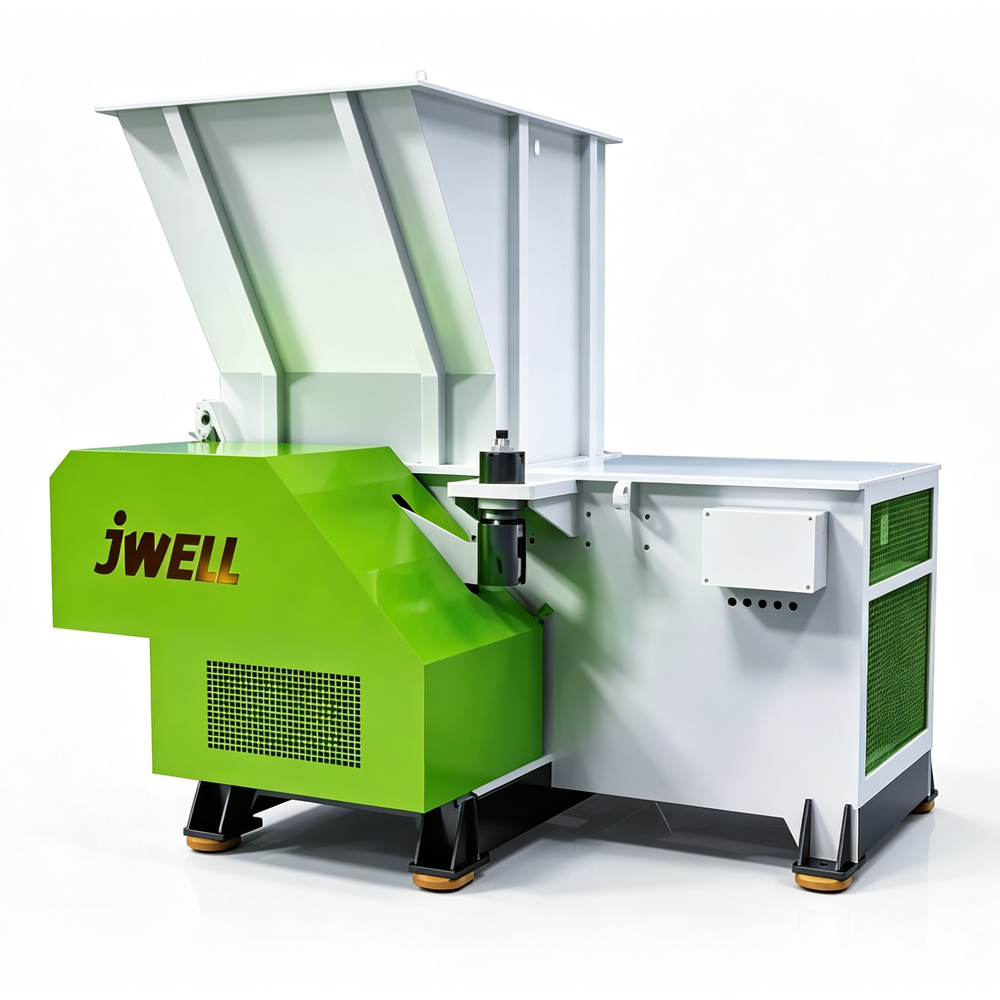
Plastic Shredder Crusher Machine

Tel: +86-19057068112

E-mail: [email protected]

Company Address
No. 128 Qingfeng Road, Xieqiao Town, Haining City, Jiaxing City, Zhejiang Province

19057068112

 English
 русский