
Pipe Diameter 63–315 mm | Output 120–600 kg/h | For Oil/Gas, Chemical, and Water Industries
JWELL Machinery is not just an equipment supplier – we are process engineers with over 20 years of hands-on extrusion experience in polymers. Our China headquarters operates a 150,000 m² manufacturing base and has served more than 2,800 customers across Europe, Southeast Asia, the Middle East, and the Americas.
The RTP Reinforced Plastic Pipe Extrusion Line is our latest-generation flagship solution for reinforced thermoplastic pipe production. Developed in close collaboration with engineers from major oil & gas operators, water authorities, and chemical plants, this line specifically addresses real-world needs: high pressure resistance, corrosion resistance, and cost-effective continuous production. From the extruder screw to the fiber winding servo system, every component is designed, manufactured, and factory-tested under our own quality system – giving you single-source full responsibility.
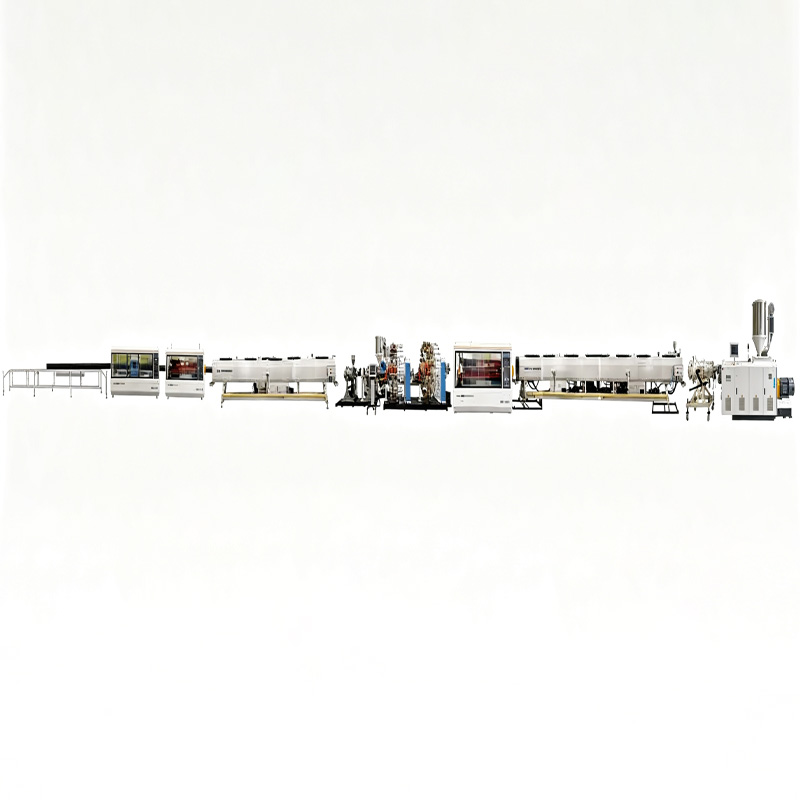
We offer three standard configurations to match different diameter and output requirements. The table below shows our core specifications; all data have been validated in our ISO 9001-certified test center.
|
Production Line Model |
Pipe Size (mm) |
Matching Extruder |
Max. Output (kg/h) |
Total Installed Power (kW) |
|
JWG-RTP-160 |
63–160 |
JW560/40 |
120–300 |
160 |
|
JWG-RTP-250 |
75–250 |
JW575/38 |
300–500 |
210 |
|
JWG-RTP-315 |
110–315 |
JW575/38 |
400–600 |
238 |
Our naming logic – the number in the model denotes the maximum pipe outer diameter the line can handle, making it easy to select the right machine for your project.
We do not simply assemble purchased components; we design the extruder, die, winder, and control system as an integrated production unit. Here is our manufacturing philosophy:
3.1 Extruder – Built for Challenging Materials
JW560/40 (for RTP-160): 40:1 L/D ratio, bimetallic cylinder liner, grooved feed section – suitable for HDPE, PP, PA12, etc.
JW575/38 (for RTP-250/315): 38:1 L/D ratio, equipped with barrier screw and mixing section, melt temperature stability within ±1.5°C – even when processing high-viscosity grades.
Both extruders use IE4-class energy-efficient AC drives with regenerative braking – we take energy saving seriously, because electricity is your second-largest operating cost.
3.2 Co-extrusion Feed Block and Spiral Die
Our patented spiral mandrel die supports up to 5-layer structures (inner liner, adhesive layer, reinforcement matrix, outer sheath) with wall thickness tolerance of ±2.5%. For size changes, our service team can complete the switch in under 45 minutes – thanks to quick-change optimizations on clamping rings and die bushings.
3.3 Fiber Winding Station – Precision You Can Rely On
This is where RTP gains its strength. Each line is equipped with a servo-controlled winding head that can apply aramid, polyester, or fiberglass at adjustable winding angles from 54° to 65°. Tension control accuracy reaches ±0.5 N – we guarantee no fiber breakage or fluctuation, thanks to our proprietary tension feedback algorithm. Winding speed is perfectly synchronized with extrusion output, eliminating the delamination risks common in lower-end lines.
3.4 Vacuum Sizing and Spray Cooling
Our multi-stage vacuum sizing tank ensures overall pipe OD tolerance within ±0.3 mm. The spray cooling system features programmable water temperature (10–30°C) and flow control – designed to precisely manage crystallinity and residual stress, especially critical for PA12 pipes used in marine environments.
3.5 Belt Haul-off – Strong Grip Without Pipe Damage
We use a dual-belt design with adjustable pneumatic pressure, delivering a maximum pulling force of 12,000 N (for RTP-315). Speed synchronization error ≤0.2% – this precision directly translates into wall thickness uniformity.
3.6 Automatic Coiler – Built for Heavy-Duty Reels
Our turntable coiler handles reels up to 3,200 mm in diameter and 1,500 kg in weight. It automatically performs cut-over and layer-level winding with programmable pitch spacing – according to customer feedback, this significantly reduces manual labor and scrap rates.
All output data we publish are sustainable under 24/7 continuous production – not theoretical peaks.
Melt index uniformity (MI fluctuation ≤3%) – ensuring every meter of pipe meets your burst pressure specifications.
Specific energy consumption averages 0.28–0.32 kWh/kg (based on HDPE-based RTP) – we benchmarked 17 field installations and confirmed 15%–20% lower than industry averages.
Optional heat recovery system – an add-on unit that recycles barrel cooling heat for hopper drying preheating, cutting annual electricity costs by approximately 6%–8%.
We also store up to 200 recipes in the Siemens PLC touchscreen, allowing operators to recall material and process parameters with one touch – no need to re-enter data for every material change.
We understand that procurement teams need clear decision criteria. We recommend following these four steps when discussing with our sales engineers:
Step 1 – Determine diameter focus
Maximum only up to 160 mm? Choose RTP-160 – avoid over-investing in downstream equipment.
Need to cover mixed sizes from 75–250 mm? RTP-250 offers the greatest flexibility and is our best-seller for onshore gathering pipelines.
Producing large-diameter 315 mm gas pipes? RTP-315 is the inevitable choice – its winding torque and haul-off capacity are specifically reinforced for thick-wall, high-pressure products.
Step 2 – Annual output target
Calculate the required average kg/h based on planned operating hours. For example, 2,500 tons/year over 7,200 h/year means an average of 347 kg/h – this falls right in the RTP-250 output range. If your average demand is below 250 kg/h, RTP-160 may suffice, saving initial capital.
Step 3 – Power capacity
Our total installed power (160–238 kW) is the connected load; actual running power is about 65%–75% of that. We will verify your site transformer capacity and recommend soft-start options – all control cabinets accept 380–480V, 50/60 Hz supply.
Step 4 – Future expansion
We offer retrofit kits for adding extra winding heads, a second extruder, or UV outer-layer units – ensuring your investment can grow with your business. If needed, we can provide a detailed ROI calculation table based on your pipe specifications.
We do not disappear after delivery. We have regional offices in Dubai (Middle East), Bangkok (Southeast Asia), and Frankfurt (Europe) , stocking critical spare parts and capable of dispatching service engineers to any major international airport within 72 hours.
Our standard commissioning service includes:
On-site installation guidance – 10–15 working days
80 hours of operation training (extrusion basics, die assembly/disassembly, preventive maintenance, common fault troubleshooting)
Remote VPN diagnostics – our engineers can view alarm logs and suggest parameter adjustments within 2 hours of receiving a service call
We also offer extended whole-machine warranty (24 months or 6,000 operating hours, whichever comes first) – because we have confidence in our craftsmanship.
Our RTP pipes meet international standards including API 15S, ISO 23936-1, and ASTM F3183. Typical application areas:
|
Industry |
Application Scenarios |
Recommended Models |
|
Oil & Gas |
High-pressure oil transmission, gas gathering networks, produced water treatment |
RTP-250 / RTP-315 |
|
Chemical |
Acid/solvent conveyance, secondary containment piping |
RTP-160 / RTP-250 |
|
Water |
Large-diameter potable water mains, seawater intake/outfall for desalination |
RTP-315 |
|
Mining |
Abrasive slurry pipes, tailings lines |
RTP-250 / RTP-315 |
|
Geothermal |
District heating/cooling networks |
RTP-160 / RTP-250 |
 |
 |
Q1: Can your line process PA12 (polyamide 12)?
A: Absolutely. Our screw and barrel designs account for PA12, PVDF, and HDPE. For PA12, we recommend adding a dehumidifying dryer (dew point ≤ -40°C) and enhanced barrel heating capacity – we have pre-set dedicated PA12 process parameters in the PLC for one-touch recall.
Q2: Does the winding process reduce production speed?
A: For standard wall thicknesses (e.g., SDR 11), winding is not a bottleneck. If fiber content is very high (over 25%), output may drop by 10%–15% – we can simulate this before ordering based on your target reinforcement ratio.
Q3: Can your line integrate with my existing downstream equipment?
A: Yes. Our interfaces follow EUROMAP 80.1 electrical protocol and DIN 2633 mechanical flange standards. If you keep your existing cooling tank or coiler, we can provide adapter kits and PLC integration services, typically saving 12%–18% in capital expenditure.
Q4: What certifications do the machines carry?
A: The equipment has CE certification (Machinery Directive 2006/42/EC) and meets EMC requirements. For North American use, UL-certified control cabinets are optional. We can also provide full ISO 9001 and API Q1 audit documentation.
Every JWG-RTP line undergoes before shipment:
72-hour continuous trial run producing pipes across its diameter range and at upper output limits
Laser alignment verification ensuring precise positioning of all downstream components
Hydrostatic pressure test on dies and cooling circuits at 1.5× working pressure
We offer a 24-month / 6,000-hour whole-machine warranty (excluding wear parts), with paid extension options available.
We are ready to assist you in selecting, configuring, and commissioning the right RTP extrusion line. For technical quotations and virtual demonstrations, please provide the following information:
Target pipe diameter range and pressure rating
Primary resin type (HDPE, PA12, PP, or others)
Estimated annual output (tons)
Preliminary model selection (if any)
Any existing auxiliary equipment to integrate
Our sales engineering team will respond within 24 working hours with a preliminary layout drawing, utility consumption table, and formal quotation including delivery time.
Contact us:
JWG-RTP Series – Crafted by JWELL, built for your success, backed by global service.
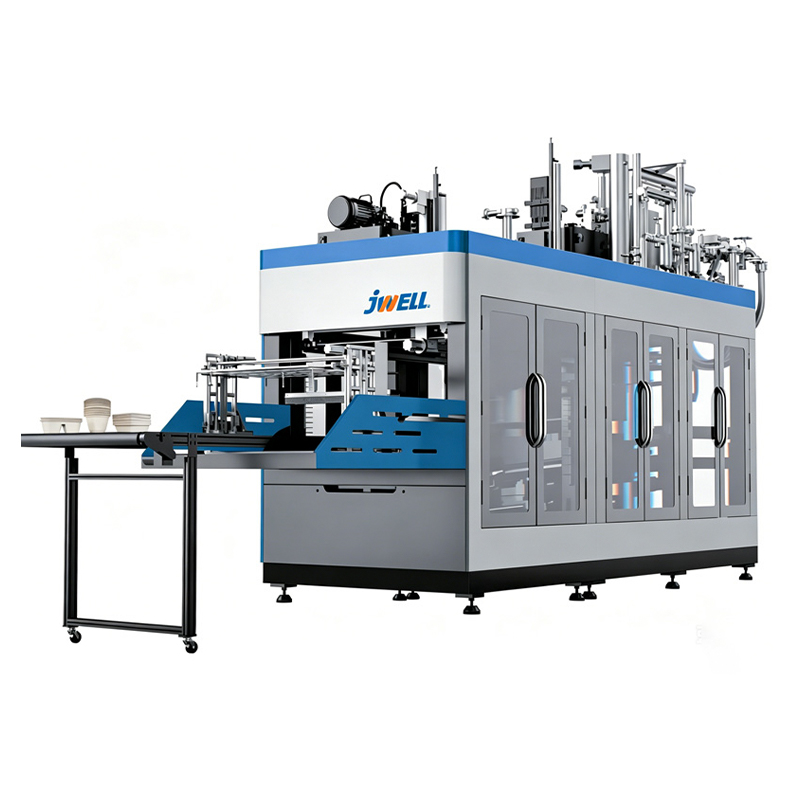


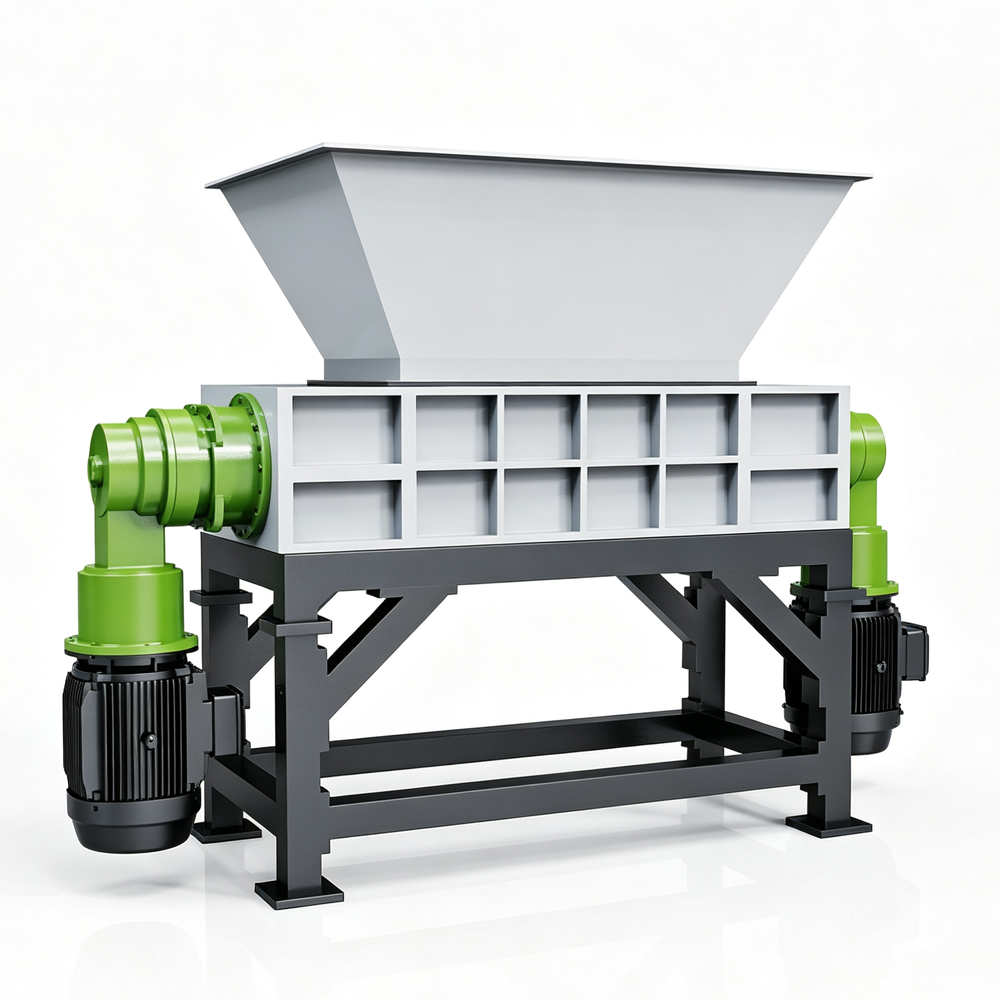
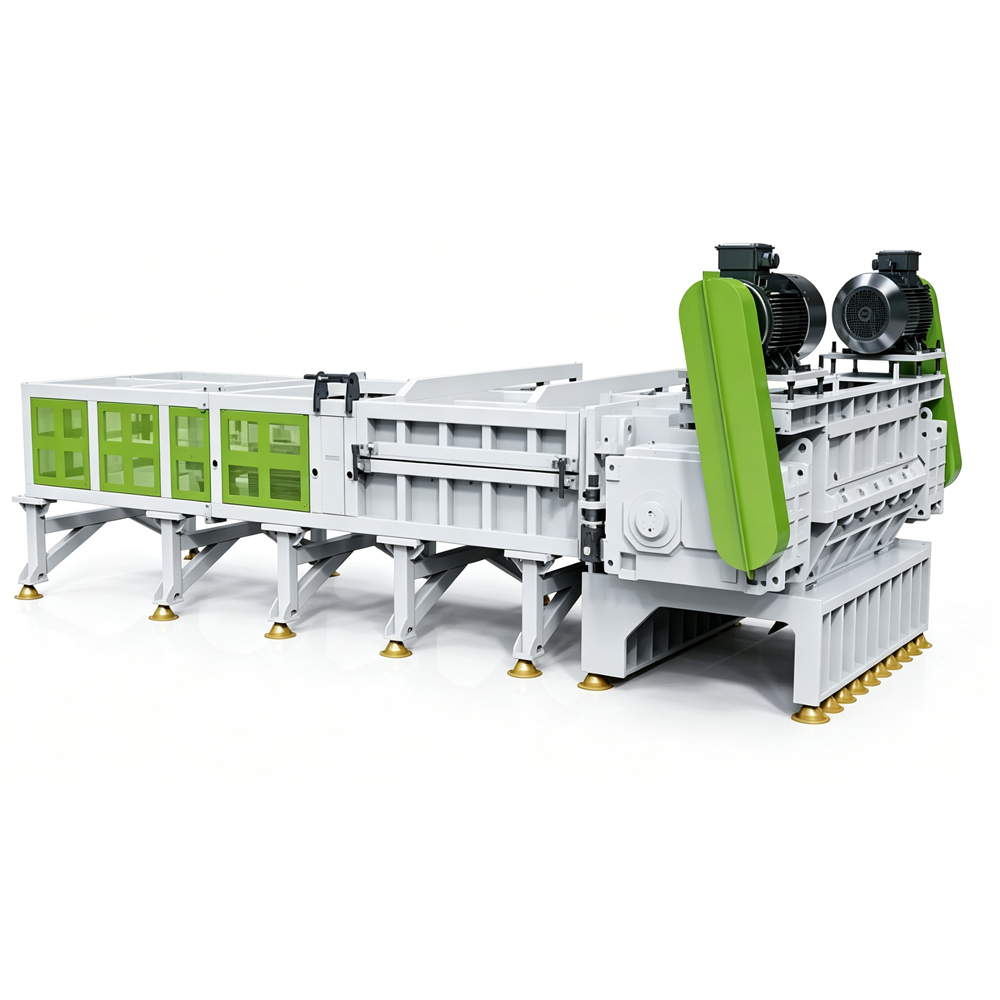
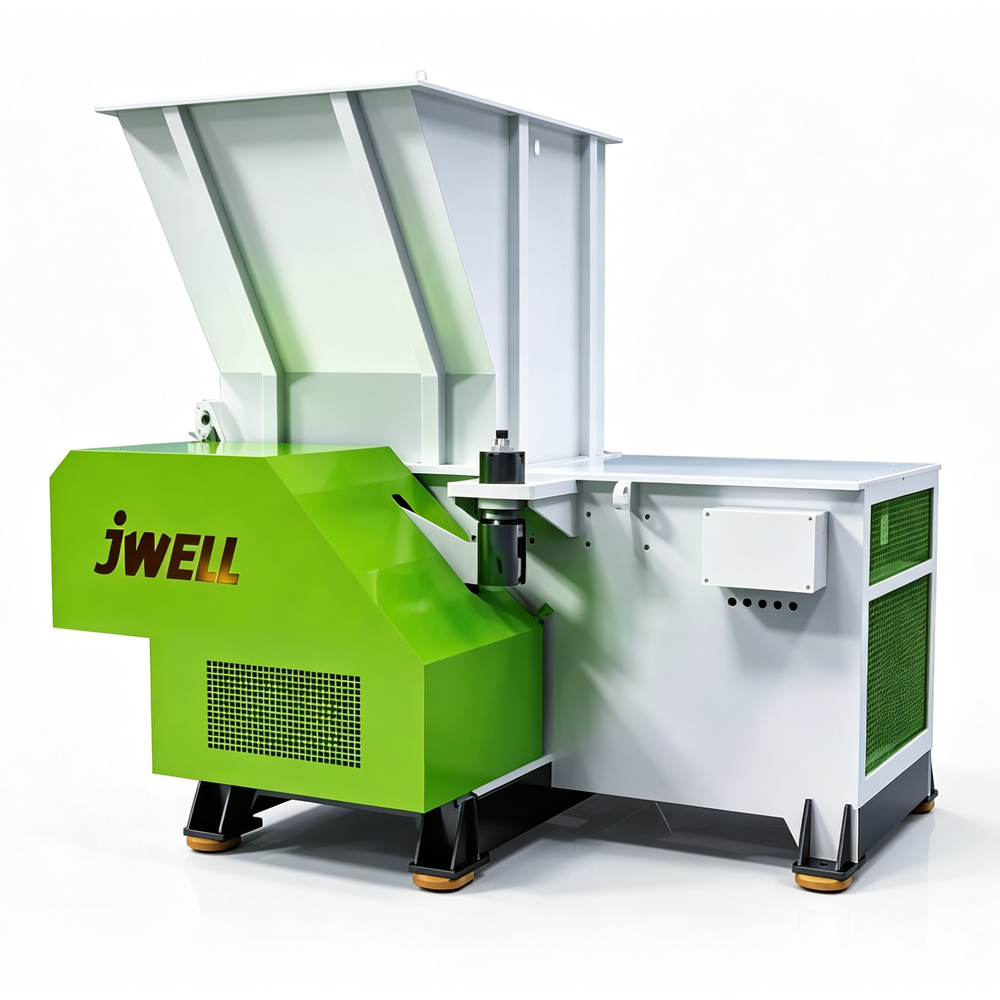


Pipe Extrusion Production Line
Plastic Shredder Crusher Machine

Tel: +86-19057068112

E-mail: [email protected]

Company Address
No. 128 Qingfeng Road, Xieqiao Town, Haining City, Jiaxing City, Zhejiang Province

19057068112

 English
 русский