
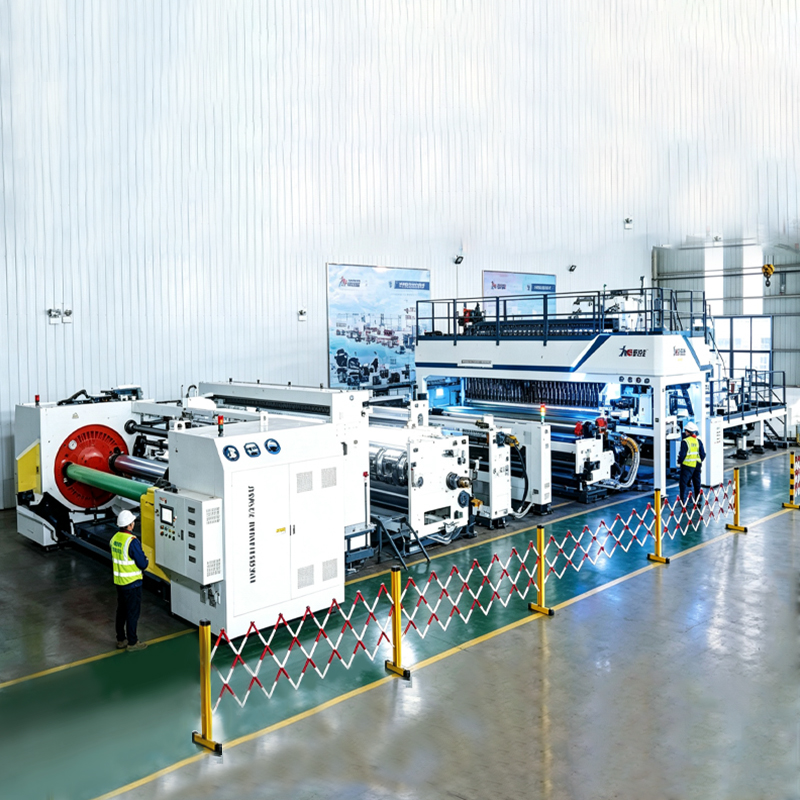
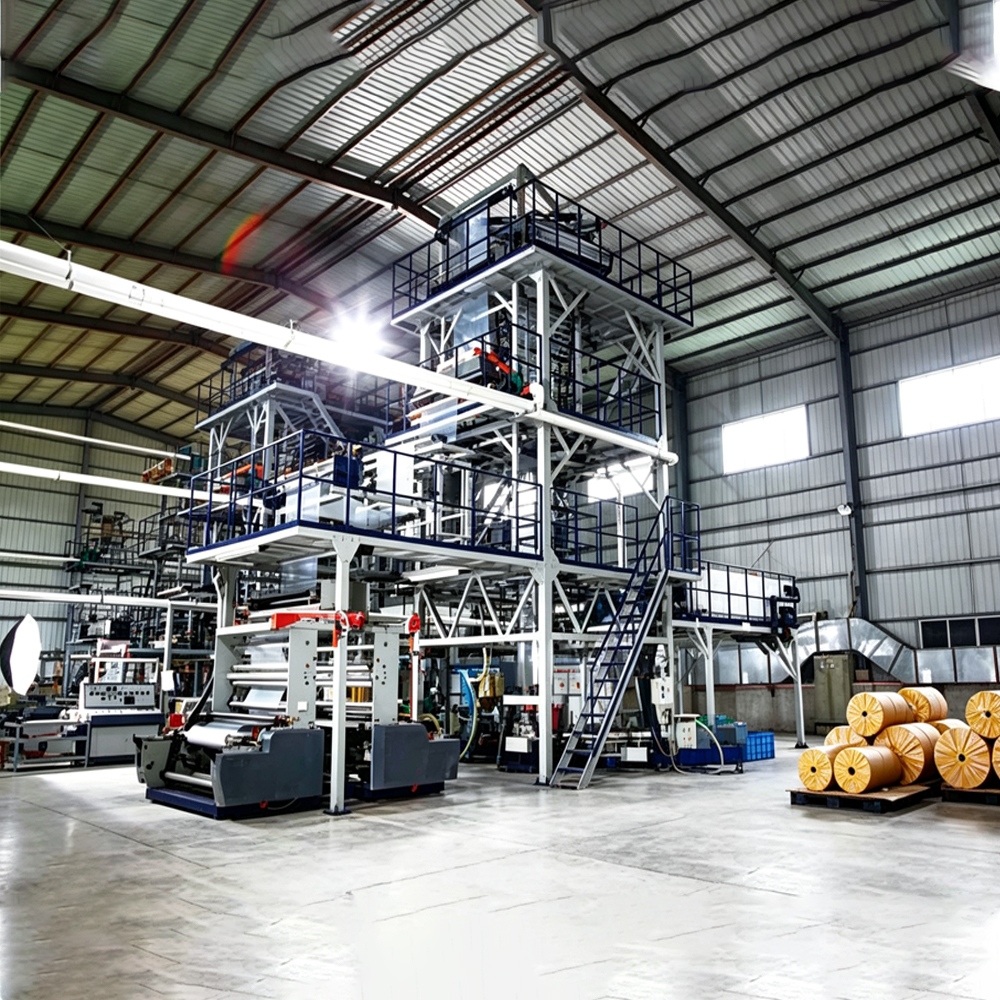
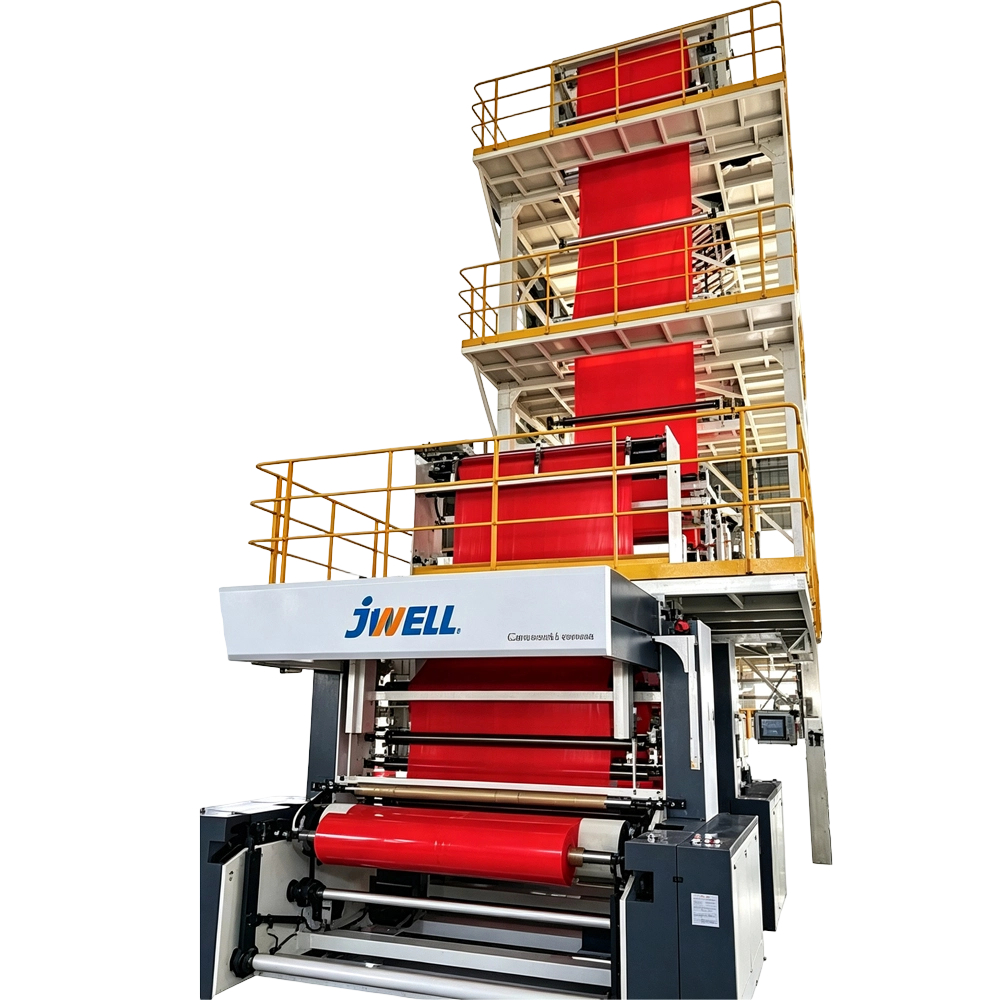
Polypropylene pellets enter one end. A thin, clear film emerges from the other. In between, the plastic is melted, stretched, cooled on polished rollers, and wound into rolls. A CPP cast film extrusion line produces unoriented polypropylene film used for food packaging, textile wrapping, medical pouches, and adhesive tape backing. The film is transparent, heat-sealable, and flexible at low temperatures. The line that makes it is a continuous system where every section, from the extruder to the winder, has to run in sync. Here is what packaging producers and film converters need to know.
Polypropylene pellets and additives enter a single or twin-screw extruder. The screw rotates inside a heated barrel, compressing and melting the material. Melt temperature control at this stage determines film quality downstream.
A CPP cast film extrusion line uses a barrier screw design that mixes without overheating. PP degrades if held too hot too long. The extruder barrel has multiple heating zones, each controlled independently. A CPP cast film extrusion line manufacturer sizes the extruder diameter and screw length to match the target output. A 90mm extruder outputs more than a 65mm, but the downstream cooling must keep up.
Melt filtration sits between the extruder and the die. A screen changer catches contaminants before they reach the film. A CPP cast film extrusion line with an automatic screen changer runs continuously without stopping for filter replacement. A manual screen changer forces a line stop.
Molten PP exits through a flat die. The die gap and the lip adjustment determine film thickness uniformity. A CPP cast film extrusion line uses a coat-hanger manifold inside the die to distribute melt evenly across the full web width. Die lip bolts adjust locally for fine thickness control.
The melt curtain drops onto a chill roll. This polished steel roller is cooled with water. The film solidifies instantly on contact. A CPP cast film extrusion line manufacturer controls the chill roll temperature within a tight range. Too cold and the film crystallizes too fast, creating haze. Too warm and the film sticks to the roll.
A second roller nips the film against the chill roll. The nip pressure and the air gap between die and chill roll determine the film surface finish and thickness. A CPP cast film extrusion line adjusts both automatically as line speed changes.
Here is what a CPP cast film line needs to produce consistent film:
CPP film is non-polar. Ink and adhesive do not stick without surface treatment. A CPP cast film extrusion line includes a corona treater that oxidizes the film surface, raising surface energy for printing and lamination. Treatment level is measured in dynes per centimeter.
Thickness gauging runs continuously. A scanning gauge measures film thickness across the web. A CPP cast film extrusion line feeds this data back to the die lip bolts for automatic profile control. Consistent thickness means consistent heat-sealing performance and consistent roll length.
The winder builds finished rolls. Center winders and surface winders handle different film thicknesses and roll diameters. A CPP cast film extrusion line manufacturer matches the winder type to the film gauge range. Film that is wound too tight stretches. Film that is wound too loose telescopes. Proper tension control through the entire line prevents both.
Output rate is the headline number, but uptime determines annual throughput. A CPP cast film extrusion line with quick-change features for screen packs, corona electrodes, and winding shafts spends more time running and less time in changeover. Edge trim removal systems keep scrap out of the winding zone.
Roll quality at the winder is the final test. A CPP cast film extrusion line that produces rolls with straight edges, consistent tension, and no gauge bands across the web width ships film that converters can run on high-speed packaging machines without breaks or misalignment.
A CPP cast film extrusion line turns polypropylene into film that wraps food, protects textiles, and seals medical devices. The extruder melts. The chill roll solidifies. The corona treater activates the surface. The winder builds the roll. Choose a manufacturer that controls each stage and automates the transitions between them. The film will run clear, seal strong, and convert without waste. That is the output that pays for the line.




Pipe Extrusion Production Line
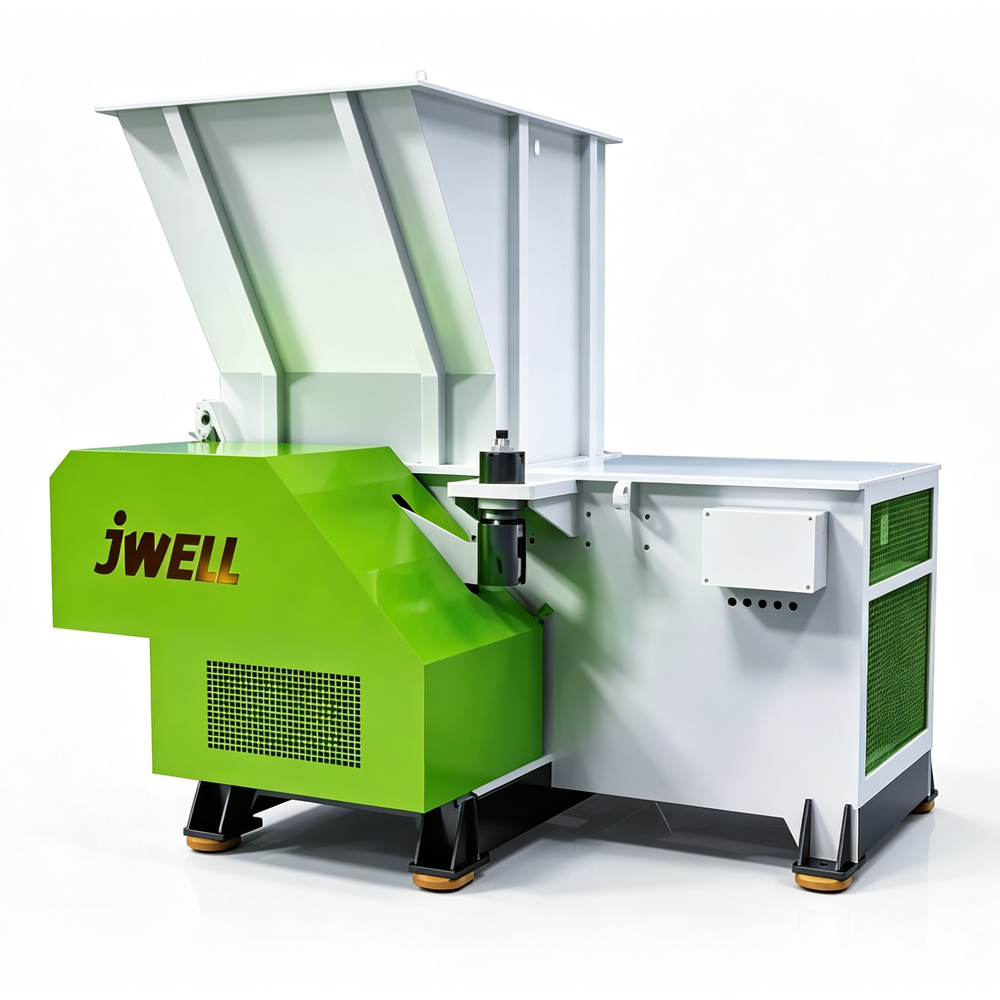
Plastic Shredder Crusher Machine

Tel: +86-19057068112

E-mail: [email protected]

Company Address
No. 128 Qingfeng Road, Xieqiao Town, Haining City, Jiaxing City, Zhejiang Province

19057068112

 English
 русский