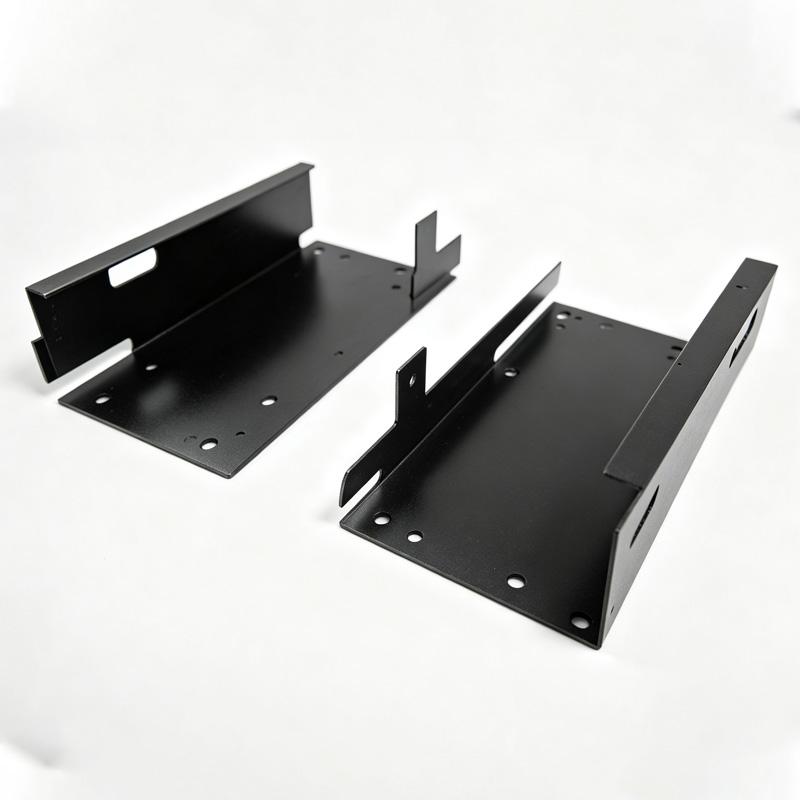
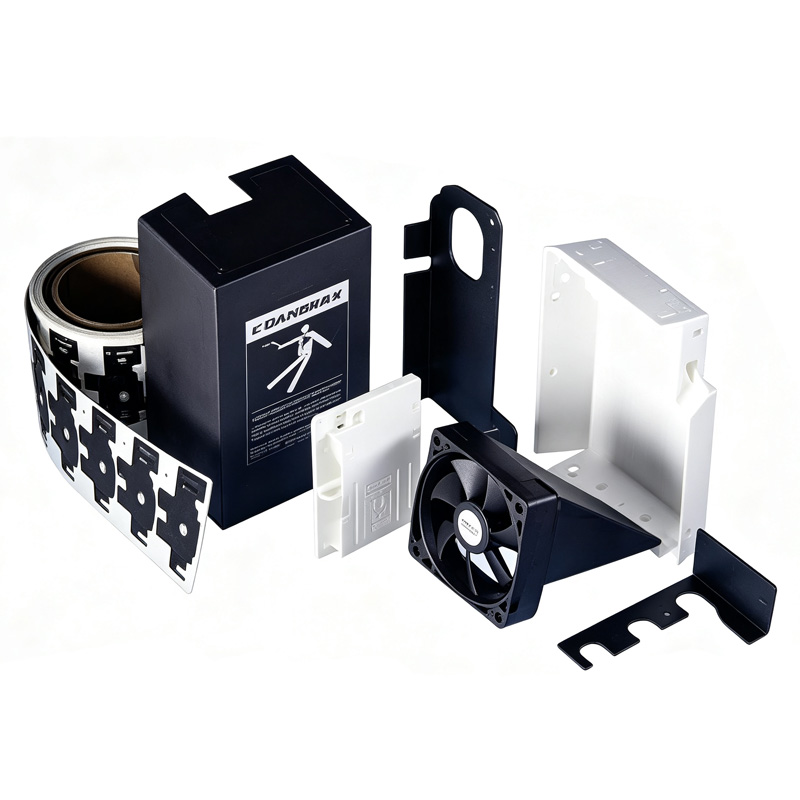
The global new-energy vehicle and energy-storage sectors continue to grow rapidly, driving ever-higher demands on battery safety and reliability. Insulation sheets – the critical isolating components between cells and between cells and modules – directly affect short-circuit protection, thermal-runaway suppression, and the stable performance of batteries throughout their entire life cycle.
With over 20 years of experience in plastics extrusion equipment, Jwell Machinery has developed the JWS Series battery insulation sheet extrusion lines specifically for this application. The series is engineered entirely around the demanding process requirements of polycarbonate (PC) insulation sheets for prismatic and pouch cells, delivering high precision, high output, and long-term operational stability. Whether it is thickness tolerance, surface quality, or production efficiency, the JWS Series meets the qualification standards of Tier-1 automotive suppliers.
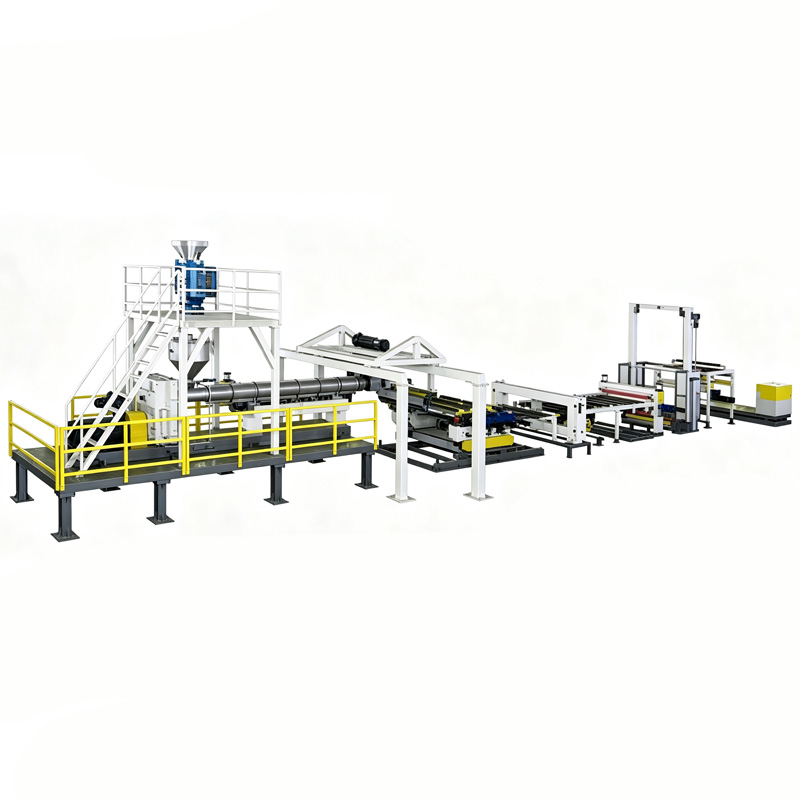
Choosing an extrusion line is essentially choosing your production flexibility, return on investment, and operating costs for the next few years. The JWS Series currently includes two main models – JWS 120 and JWS 130 – both dedicated to PC insulation sheets but differentiated by target output and expansion strategy.
We recommend evaluating from three angles: target daily output, existing plant conditions, and order forecasts for the next 2–3 years.
| Selection Criteria | JWS 120 | JWS 130 |
| Best-suited customer profile | Mid-sized battery manufacturers, R&D pilot lines, or companies with steady order volumes and a moderate expansion pace |
Large Tier-1 suppliers, new giga-factories, or manufacturers with secured long-term volume contracts |
| Energy economy | Excellent energy consumption per unit in the medium-speed range |
Output increase outpaces energy rise – the larger the batch, the lower the cost per tonne |
| Floor-space requirement | Compact line layout, friendly to older plants or space-constrained sites |
Requires standard-width workshop, well-matched with conventional winders and slitters |
Our direct recommendation:
If you want to keep initial investment under control, we suggest JWS 120. It fully covers normal capacity and offers exceptional precision for 0.125 mm thin sheets.
If you have already signed a long-term framework agreement with major OEMs and need high single-line output for fast delivery, JWS 130 is the more economical choice – its maximum output is 25% higher than JWS 120 (500 kg/h vs. 400 kg/h), allowing one line to support a larger supply share.
Note: Both models share the same effective product width (1100 mm) and thickness range (0.125–0.43 mm).
Battery insulation sheets tolerate no defects. Thickness fluctuations, surface scratches, internal stress, or local degradation can lead to serious issues during battery assembly or in service. For this reason, we have focused the JWS Series on the following critical technical aspects.
3.1 High-Torque, High-Wear-Resistant Extruder (Ø120/38 and Ø130/38)
Both models are equipped with a 38:1 L/D ratio screw and barrel assembly. The longer L/D ratio delivers tangible benefits:
More thorough plasticisation: longer residence time ensures complete melting and homogeneous mixing of PC resin (including a certain percentage of regrind), eliminating “fish eyes” or unmelted specks that could compromise dielectric strength.
Robust drive system: our self-designed high-torque gearbox maintains stable screw speed even when processing high-viscosity flame-retardant PC, with minimal extrudate pressure fluctuation.
Extended wear life: the barrel and screw surfaces are coated with a bimetallic alloy layer specifically designed to resist abrasive wear from flame retardants (especially halogen-free phosphorus-based types). Practical service life is more than double that of conventional nitrided treatments.
3.2 Die and Thickness Closed-Loop Control
Achieving a thickness tolerance of ±0.005 mm across a 1100 mm width is a capability we are proud of. The core elements are:
Automatic die lip adjustment system: a transverse thickness gauge continuously scans the full-width profile; any deviation triggers micro-adjustments of the die lip via a thermal-expansion bolt array, providing closed-loop correction.
Anti-stick coating inside the die: the melt flow channels are specially treated to prevent PC stagnation and degradation, ensuring consistent sheet appearance and performance during prolonged continuous production.
3.3 Mirror-Finish Polishing Rolls
For the downstream three-roll calender, we use high-hardness chrome-plated rolls with a surface roughness Ra < 0.02 μm – optical-grade mirror quality. Benefits:
Both sides glossy: the sheet surfaces are free from shadows or roll marks, ensuring uniform heat transfer and pressure distribution during stacking.
Independent temperature control: each roll is equipped with its own PID temperature control unit, allowing operators to independently adjust cooling curves for different thicknesses and speeds, effectively reducing internal stress and producing flat, warp-free sheets.
3.4 Intelligent Control System (Industry 4.0 Ready)
We use Siemens PLC as the core control platform, but that is only the foundation. We place greater emphasis on:
One-click recipe recall: up to hundreds of process parameters for different PC grades can be stored, reducing grade-change time to less than 15 minutes.
Remote assistance capability: with your authorisation, our engineers can log in remotely to quickly diagnose software or parameter issues – no need to wait for on-site travel, significantly reducing downtime.
Full data traceability: the system automatically logs all critical process parameters (melt pressure, melt temperature, zone temperatures, line speed, thickness variation, etc.), meeting the documentation requirements of IATF 16949 for quality traceability.
 |
|
We serve customers in Europe, the US, Southeast Asia, and the Middle East all year round, and we are well aware of regional pain points. Below are the targeted designs we have made for actual operating conditions in different regions.
| Region | Common Customer Concerns | Our Solutions |
| Europe | Must comply with REACH, RoHS, PFAS, and other environmental regulations; sensitive to carbon footprint |
Our screw geometry is optimised for halogen-free flame-retardant PC, reducing thermal degradation and hazardous emissions; the line is designed for energy efficiency. |
| US / North America | High-speed continuous production required for JIT delivery; no tolerance for frequent stoppages | JWS 130 delivers up to 500 kg/h; we supply a complete spare-parts kit (heating bands, thermocouples, seals, etc.) with every line to minimise downtime. |
| Southeast Asia | Hot and humid environment; local maintenance capabilities vary widely |
All electrical cabinets have enhanced ventilation/filtration to suit high-temperature conditions; we provide systematic virtual training courses and an online fault-knowledge base so local teams can troubleshoot first, then call us for remote support if needed. |
| Middle East | High electricity costs and scarce water resources; sensitive to cooling methods |
The entire line uses servo motors and high-efficiency heaters; we also offer an optional air-cooled cooling system as an alternative to water cooling. |
| Global (all regions) | PC raw material prices are volatile; wish to increase regrind usage |
Our screw design allows addition of up to 30% post-industrial recycled PC regrind (after proper drying). |
Detailed technical data for both JWS models are listed below for your reference.
| Model |
JWS 120 | JWS 130 |
| Material | PC | PC |
| Extruder Specification | Ø120/38 | Ø130/38 |
| Product Width (mm) | 1100 | 1100 |
| Product Thickness (mm) | 0.125–0.43 | 0.125–0.43 |
| Max. Capacity (kg/h) | 400 | 500 |
Q1: Can this line produce narrow strips for cylindrical cells?
Yes. The master roll width is 1100 mm, and downstream we can equip a slitter-rewinder to cut it into narrow rolls of various widths – fully suitable for insulation wrapping of cylindrical batteries.
Q2: How is the PC dried, and what drying equipment do you supply?
PC must be dried to a moisture content below 0.02%. We include an integrated dehumidifying dryer with a dew point of –40 °C, and the drying hopper is interlocked with the extruder feed.
Q3: Can this line be converted later to produce PMMA or PET?
The screw geometry is designed specifically for PC, but by changing to a dedicated screw and adjusting die temperature control, it can be made compatible with PMMA. For PET, an additional crystallisation and drying system would be required.
Contact Us – Let’s Plan Your Next Production Line Together
Electrification and energy storage are the big trends, and insulation-sheet production capacity is becoming a critical bottleneck in the battery supply chain. Jwell Machinery has already provided reliable extrusion solutions to over 200 battery companies worldwide. We are not just equipment manufacturers – we are your process partners.
You can reach us in the following ways:
Request a quotation – tell us your target capacity (kg/h), product drawings, sheet thickness, and raw material grade, and we will send you a detailed quote within 48 hours.
Visit our factory for a trial – welcome to our Haining plant (or our European demonstration centre) to run a test with your own material and see the results live.
Online technical meeting – schedule a video conference with our extrusion process engineers to discuss your plant conditions, utilities, and staffing in depth.




Pipe Extrusion Production Line
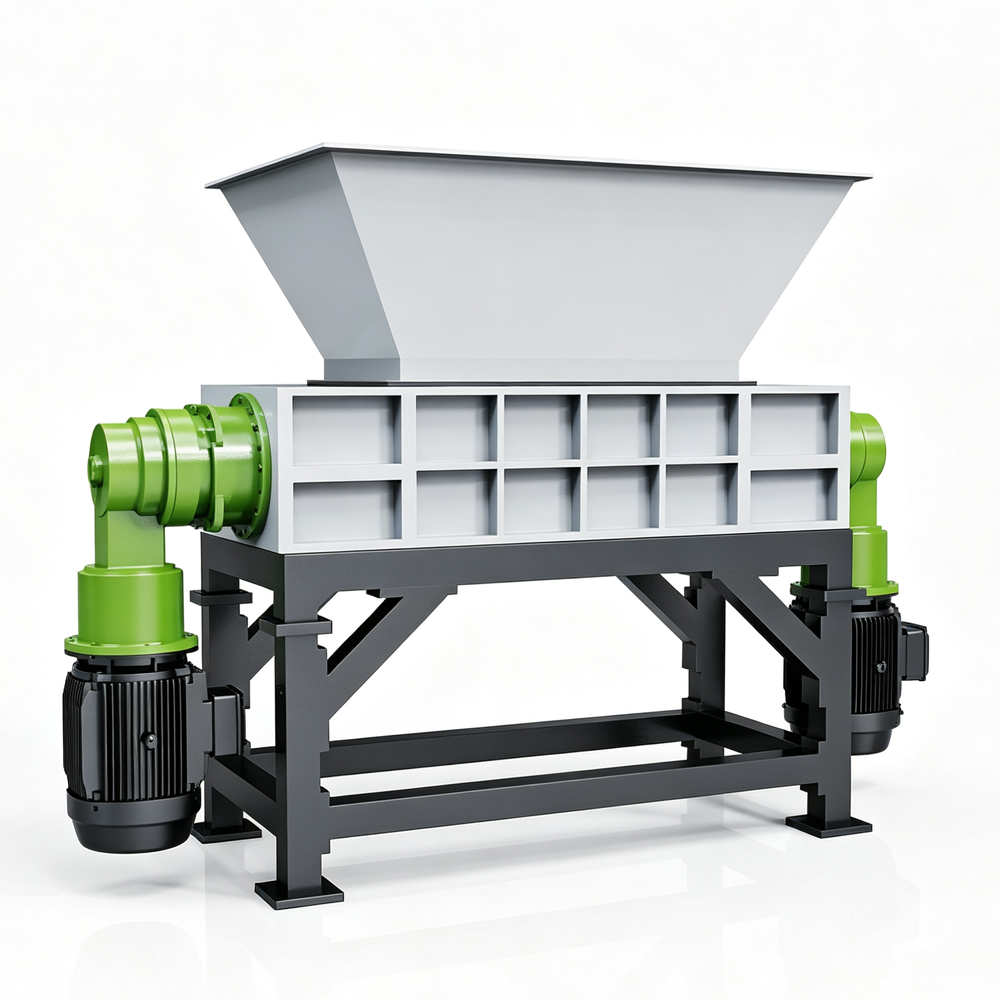
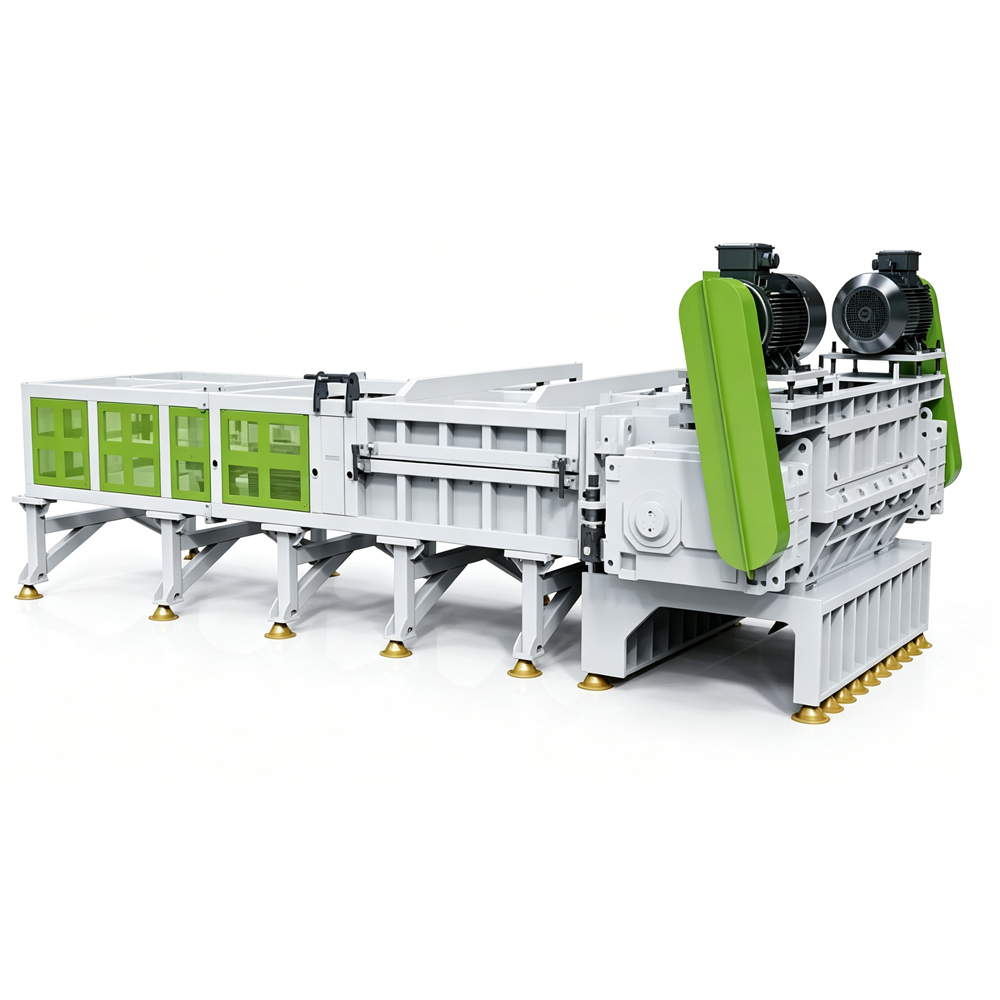
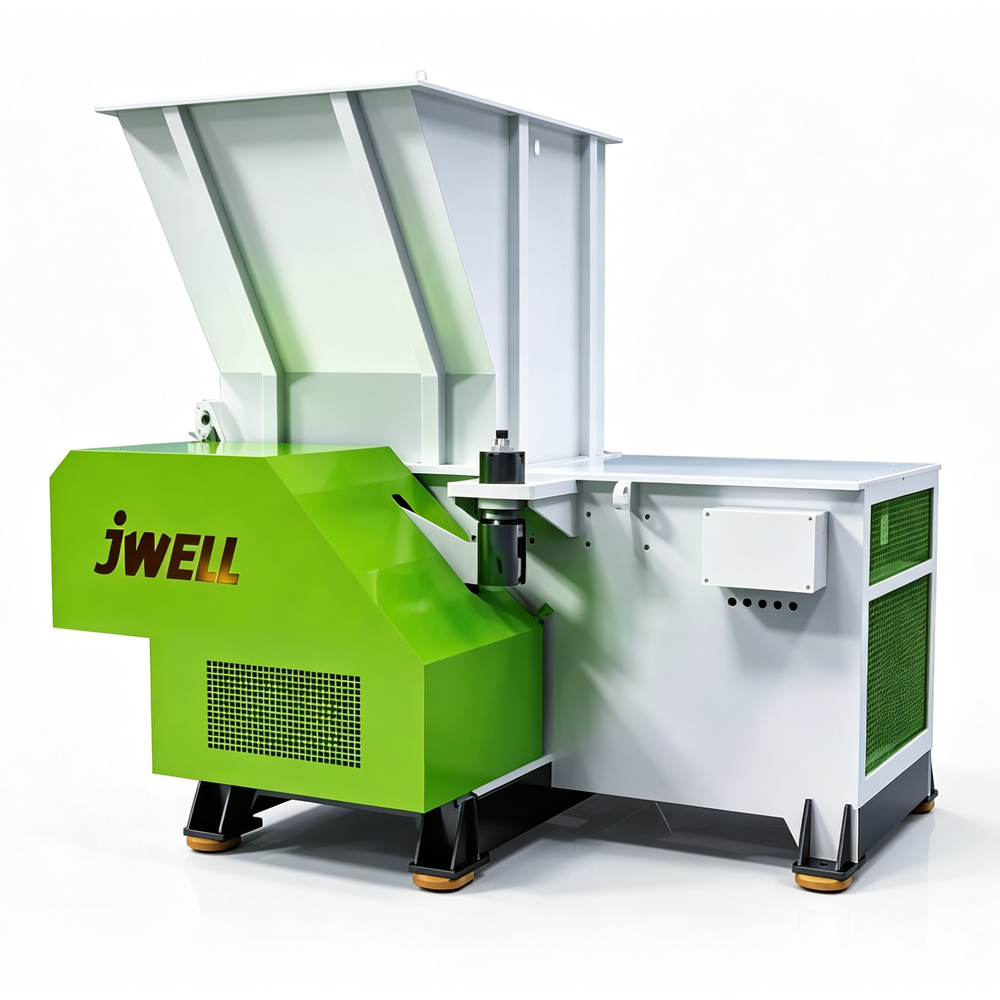
Plastic Shredder Crusher Machine

Tel: +86-19057068112

E-mail: [email protected]

Company Address
No. 128 Qingfeng Road, Xieqiao Town, Haining City, Jiaxing City, Zhejiang Province

19057068112

 English
 русский