
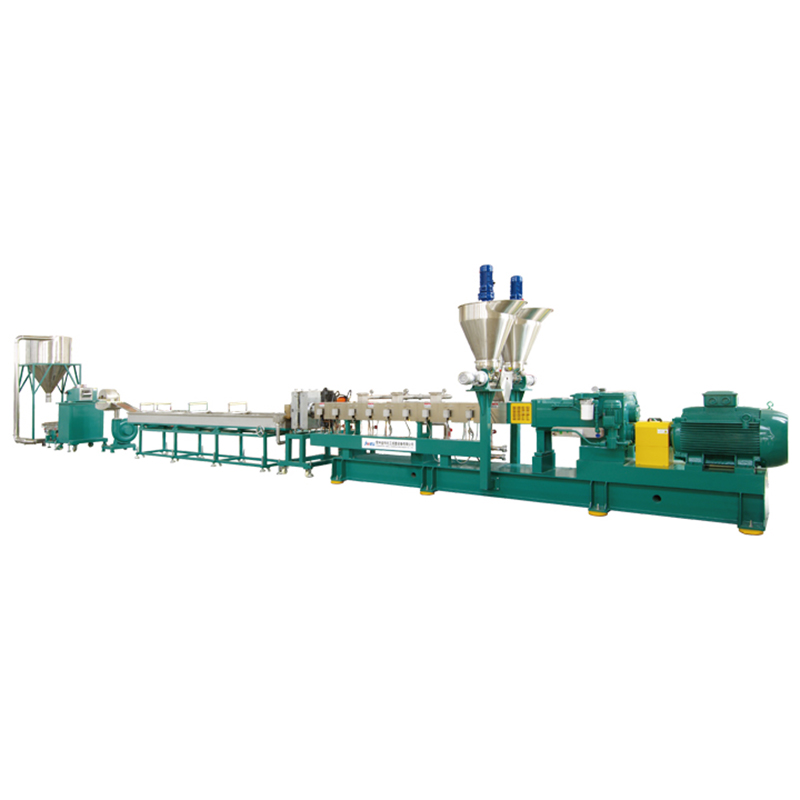
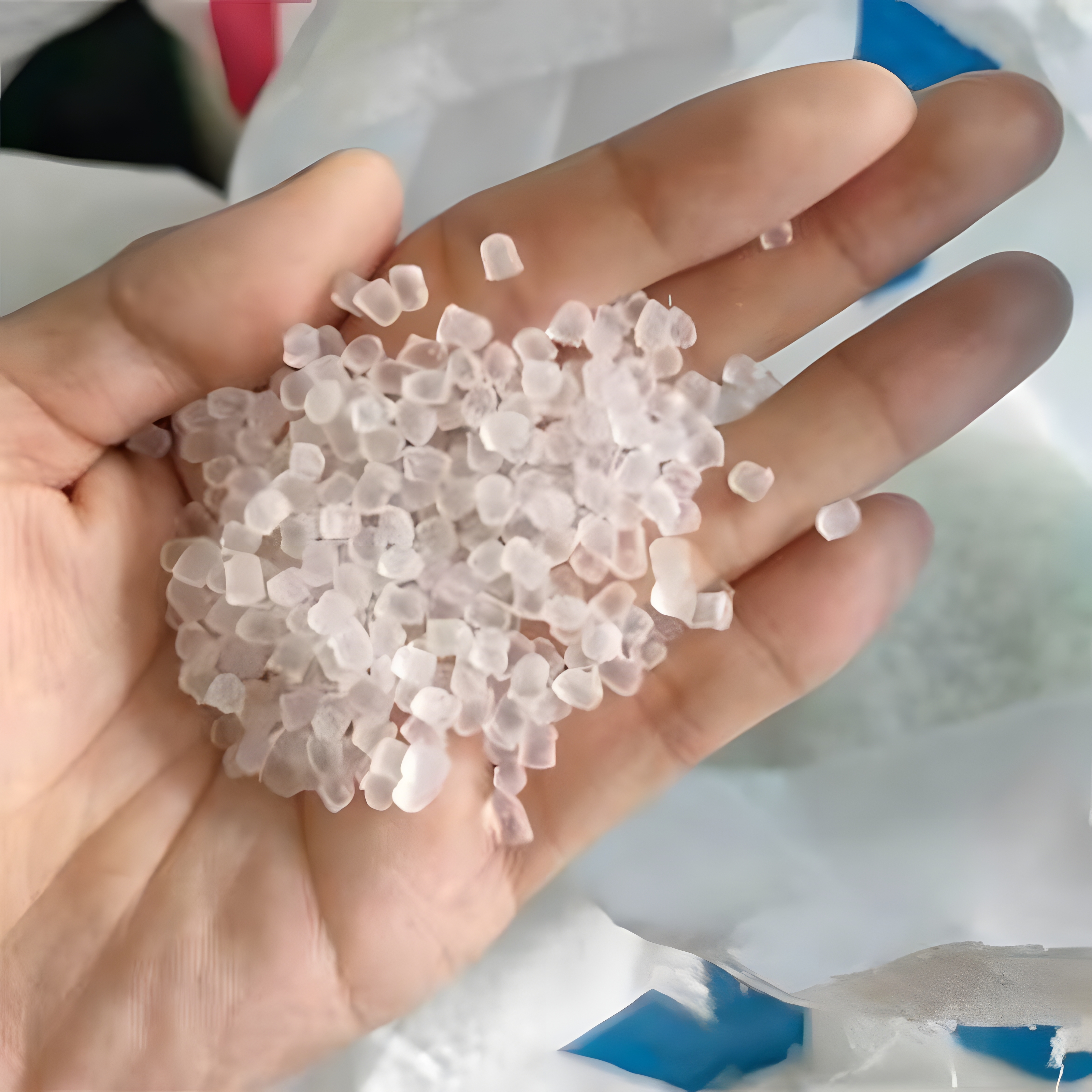
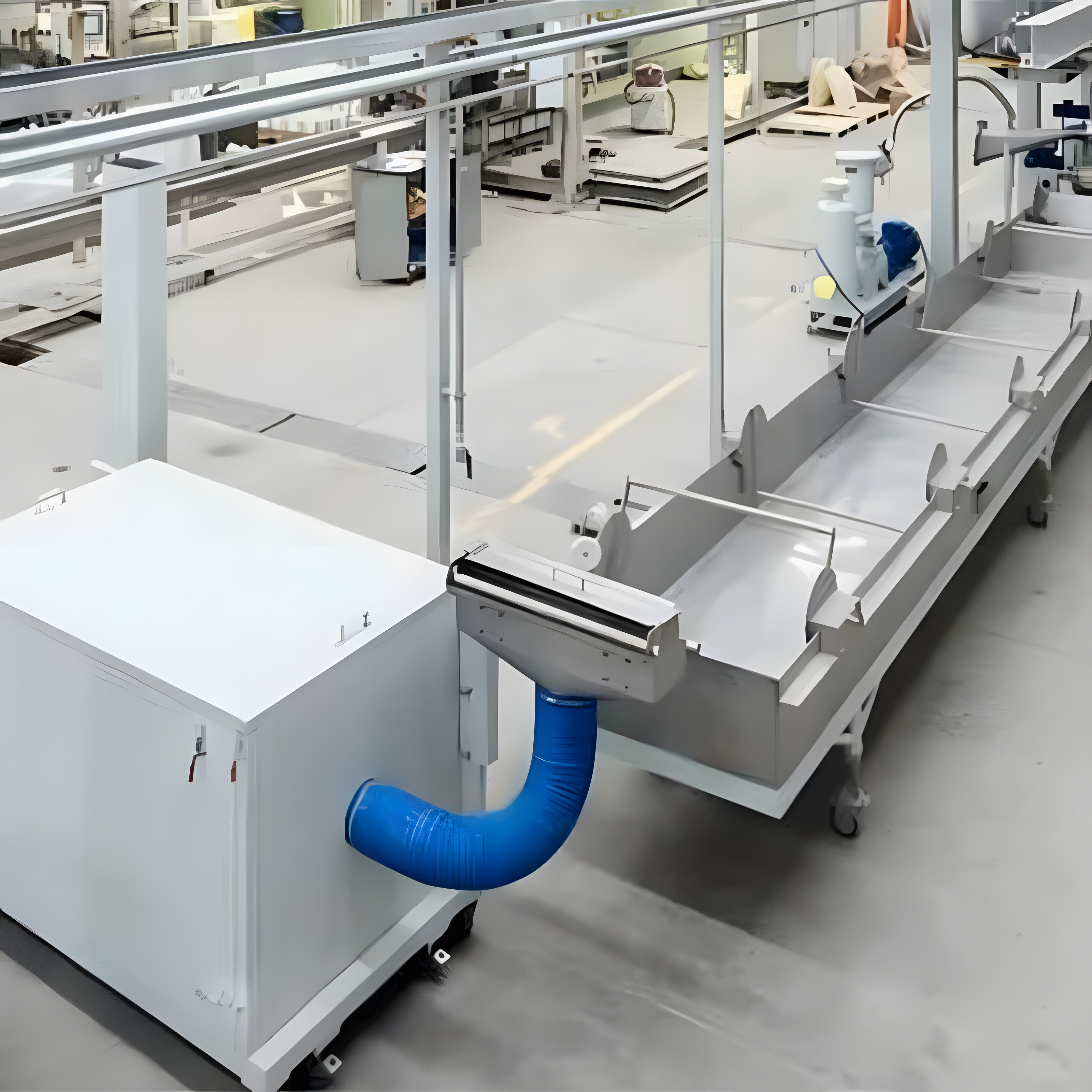
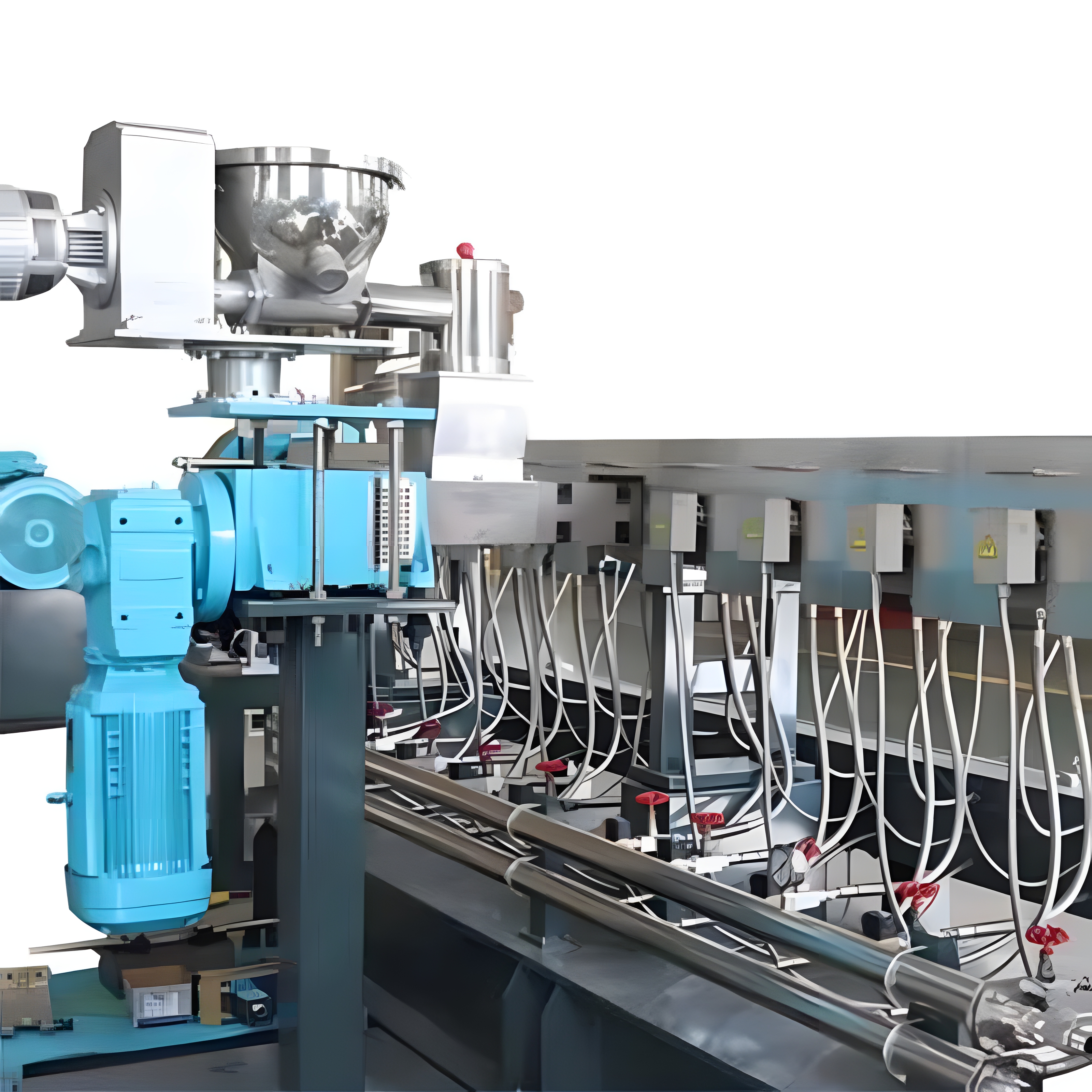
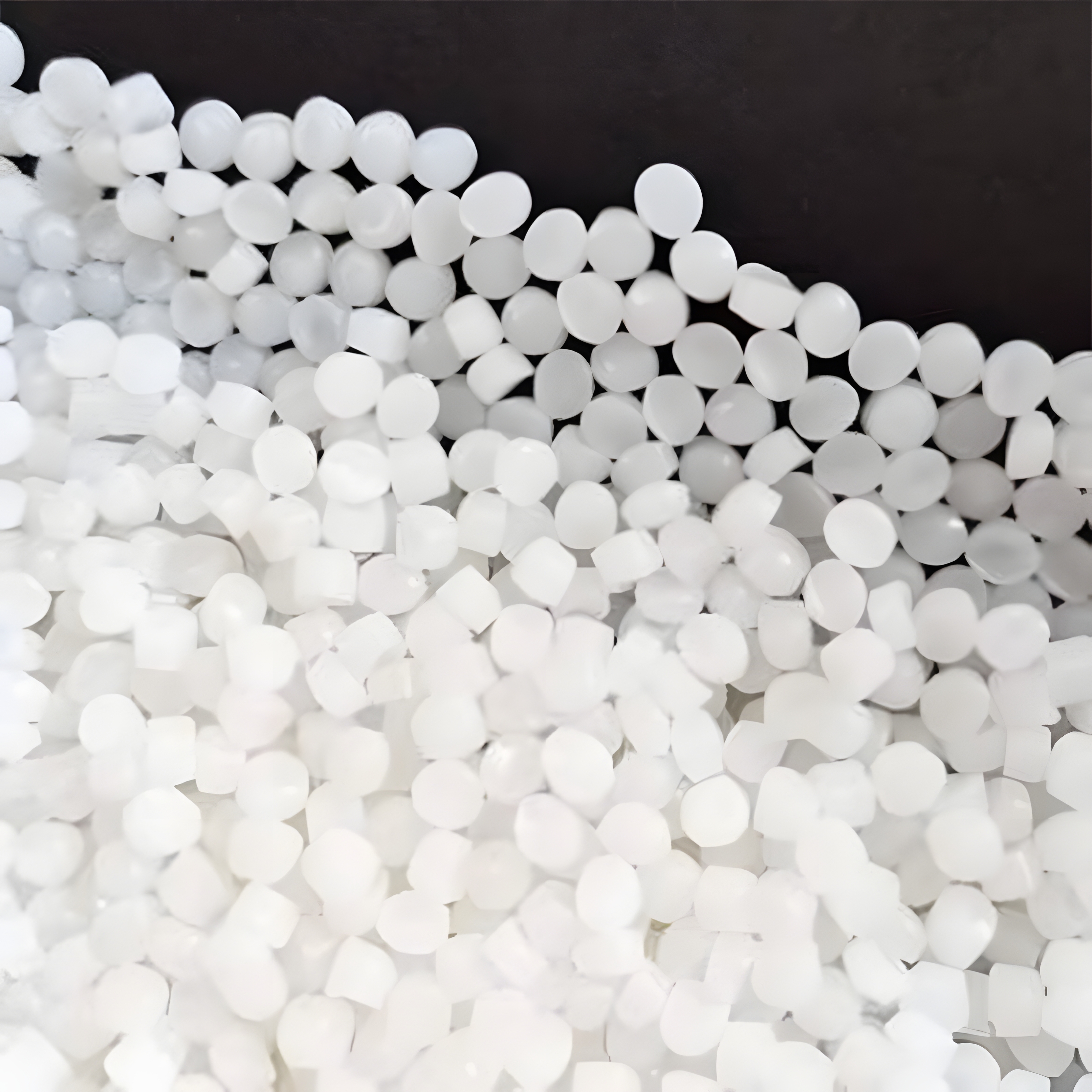
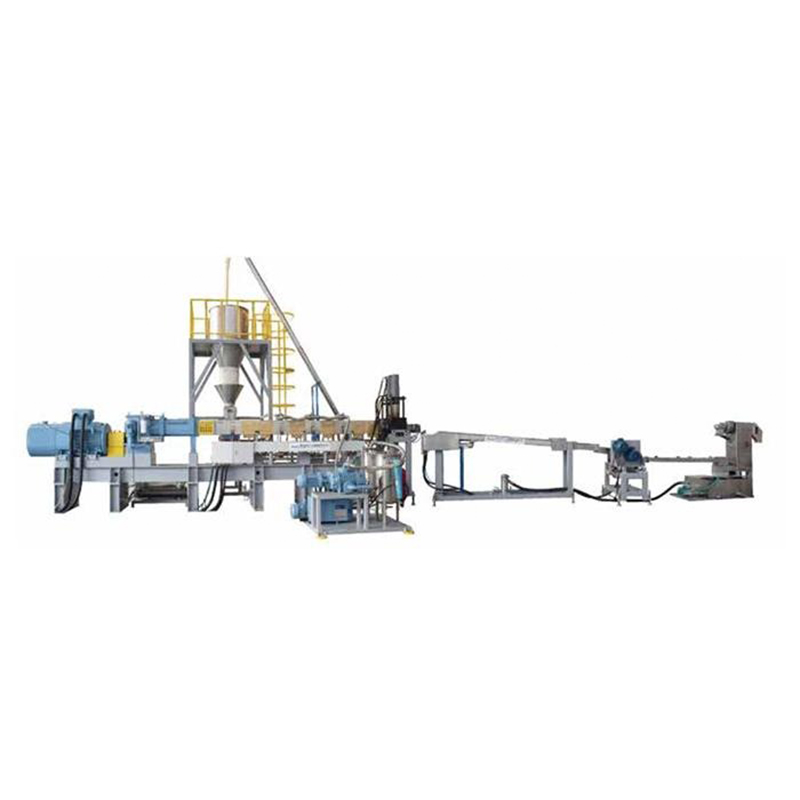
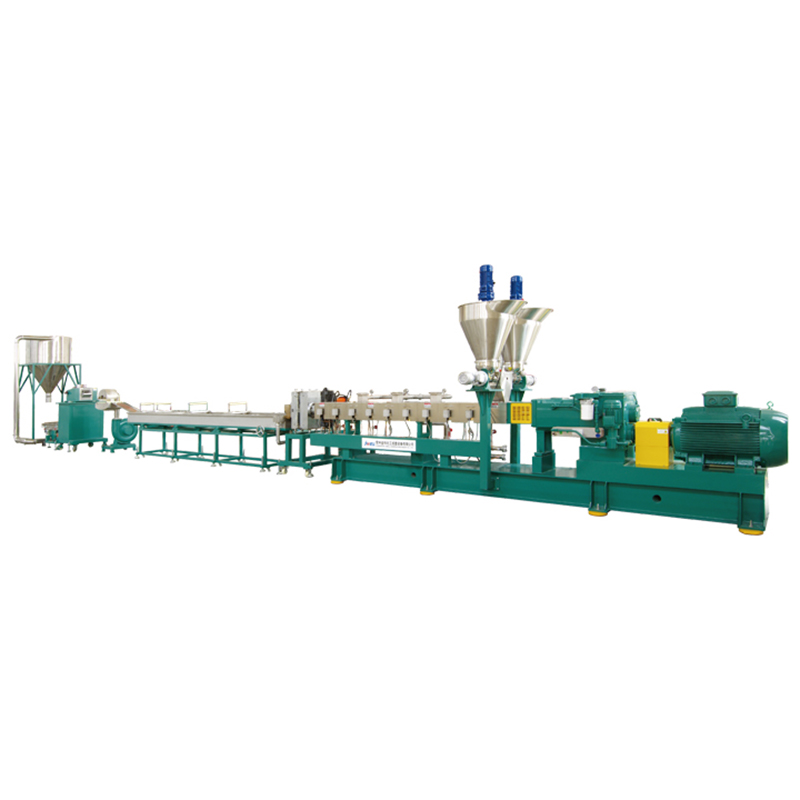
The PET bottle flake recycling and pelletizing line produced by Jwell Company is specifically designed to convert washed PET bottle flakes into high-quality recycled pellets. This product series is widely used in the manufacture of recycled products such as PET strapping band, staple fiber, sheet, thermoformed products, and injection-molded parts.
The CJWH series (CJWH75, CJWH85, CJWH95) is specially designed to convert washed PET bottle flakes into high-quality recycled pellets. These pellets can then be used to manufacture:
PET strapping band – high-strength, flexible band for packaging heavy loads
Staple fiber – for filling pillows, furniture, or non-woven fabrics
Sheet and thermoformed products – e.g., blister packaging, agricultural trays
Injection-molded parts – such as industrial components or automotive interiors
A real-world case: A recycling factory in Southeast Asia processes 5 tons of post-consumer PET bottle flakes per day. They installed one CJWH95 unit, running at 450 rpm with an L/D of 44. This line consistently produces 1100 kg/h of high-quality pellets with an intrinsic viscosity (IV) retention >90%. This allows the customer to sell the pellets back to preform manufacturers – creating a high-value closed-loop application.
|
Parameter |
CJWH75 / CJWH85 / CJWH95 |
Performance Benefits |
|
L/D ratio |
40 – 48 |
Longer processing section ensures full melting, devolatilization, and homogenization of PET flakes – reduces acetaldehyde and moisture content. |
|
Screw speed |
300 – 500 rpm |
Wide speed range adapts to different bulk densities and moisture levels. Low speed for high IV retention; high speed for maximum throughput. |
|
Output capacity |
300–500 kg/h (CJWH75) |
Scalable solutions for small, medium, and large recyclers. For example, the CJWH95 can replace two smaller lines – saving floor space and labor. |
Energy efficiency – Optimized screw geometry reduces specific energy consumption of the CJWH95 to approx. 0.28 kWh/kg (measured at 1100 kg/h operation).
Two-stage filtration – Hydraulic screen changer with optional 80 µm and 120 µm screens ensures gel-free pellets suitable for film and fiber applications.
Vacuum degassing – Reduces residual moisture and volatiles (e.g., acetaldehyde) to below 50 ppm, essential for food-contact grade pellets.
High-torque gearbox – Stable operation even when feeding flakes with fluctuating bulk density (200–350 kg/m³).
Each CJWH line undergoes a rigorous, documented quality control process before shipment. Below is the actual workflow used by our manufacturing partner:
A. Component-level inspection
Barrel and screw – Hardness test (HRC 58–62 after nitriding) and full dimensional inspection using laser measurement.
Heaters and thermocouples – Check for heating uniformity (tolerance ±2°C across all zones).
B. Assembly and no-load test
No-load test for 4 hours to verify vibration (<0.05 mm/s) and noise (<75 dBA at 1 meter).
C. Material (wet) test – the most critical stage
Feedstock: Post-industrial PET bottle flakes (moisture <1.5%, bulk density 280 kg/m³, IV 0.72 dL/g).
Test procedure:
Start at 300 rpm and L/D 40 configuration.
Gradually increase screw speed to rated maximum (500 rpm) while monitoring melt pressure, melt temperature, and motor load.
Collect pellet samples every 15 minutes for laboratory analysis.
D. Laboratory analysis (per ASTM/ISO standards)
|
Parameter |
Target value |
Test method |
|
Intrinsic viscosity (IV) |
>0.65 dL/g (feedstock 0.72 dL/g) |
ISO 1628 5 |
|
Moisture content |
<0.02% (200 ppm) |
Karl Fischer titration |
|
Acetaldehyde (AA) |
<50 ppm |
Headspace GC |
|
Pellet bulk density |
750–800 kg/m³ |
ISO 1183 |
|
Pellet size uniformity |
Diameter 3±0.5 mm × Length 4±1 mm |
Caliper/image analysis |
Only lines that pass all targets for three consecutive hours receive the final quality certificate.
Real case: During a factory acceptance test (FAT) for a German customer, a CJWH85 produced pellets with IV of 0.68 dL/g and AA of 38 ppm at 520 kg/h – exceeding the contractual requirements. The line was shipped and commissioned within two weeks.
Product Parameters:
|
Attribute
|
Value
|
|
Place of Origin:
|
China
|
|
Brand Name:
|
Jwell
|
|
Certification:
|
ISO CE
|
|
Model
|
L/D
|
Speed
|
Capacity
|
|
CJWH75
|
40-48
|
300-500 rpm
|
300-500 kg/h
|
|
CJWH85
|
40-48
|
300-500 rpm
|
400-600 kg/h
|
|
CJWH95
|
40-48
|
300-500 rpm
|
1000-1200 kg/h
|
Q1: Can the line directly process washed wet flakes?
A: Yes, but we recommend a centrifugal dryer in front of the extruder to reduce moisture to <2%. The extruder is equipped with a vacuum vent (optional two-stage venting) that can reduce residual moisture to 0.02% – however, feeding very wet flakes (moisture >5%) will reduce output and increase energy consumption.
Q2: How does L/D ratio affect pellet quality?
A: PET is hygroscopic and requires longer residence time for proper drying and devolatilization. An L/D of 40–48 allows gradual melting and avoids thermal degradation. For example, at the same output, a CJWH95 running at L/D 48 produces pellets with 15% lower acetaldehyde content than a machine at L/D 36.
Q3: What is the typical power consumption per ton?
A: Based on plant measurements:
CJWH75: ≈ 220 kWh/ton (at 350 kg/h)
CJWH85: ≈ 210 kWh/ton (at 500 kg/h)
CJWH95: ≈ 195 kWh/ton (at 1100 kg/h)
These values include main motor, heating, and vacuum pump, but do not include the pelletizer cutter or water cooling system.
Q4: How often should the screen packs be changed?
A: It depends on the cleanliness of the flakes. For hot-washed flakes (residual contamination <50 ppm), screen packs on the hydraulic screen changer typically last 4–6 hours. Our optional automatic back-flushing system can extend change intervals to 12 hours on the CJWH95.
Q5: What spare parts should I keep on hand?
A: We recommend:
One spare heater per zone
Two additional screen packs
One set of thermocouples
Belts for the pelletizer (if using a strand die)
For the CJWH95, we also recommend a spare gearbox oil pump – although the standard pump has an MTBF exceeding 15,000 hours.
Q6: Can the same line process other plastics, such as HDPE or PP?
A: The screw geometry and venting design are optimized for PET (bulk density changes during melting). Switching to HDPE/PP would require a different screw configuration and lower L/D. We can provide multi-purpose lines upon request, but the CJWH series is a dedicated PET solution for maximum efficiency.





Tel: +86-19579950928

E-mail: [email protected]

Company Address
No. 128 Qingfeng Road, Xieqiao Town, Haining City, Jiaxing City, Zhejiang Province

19579950928

 English