
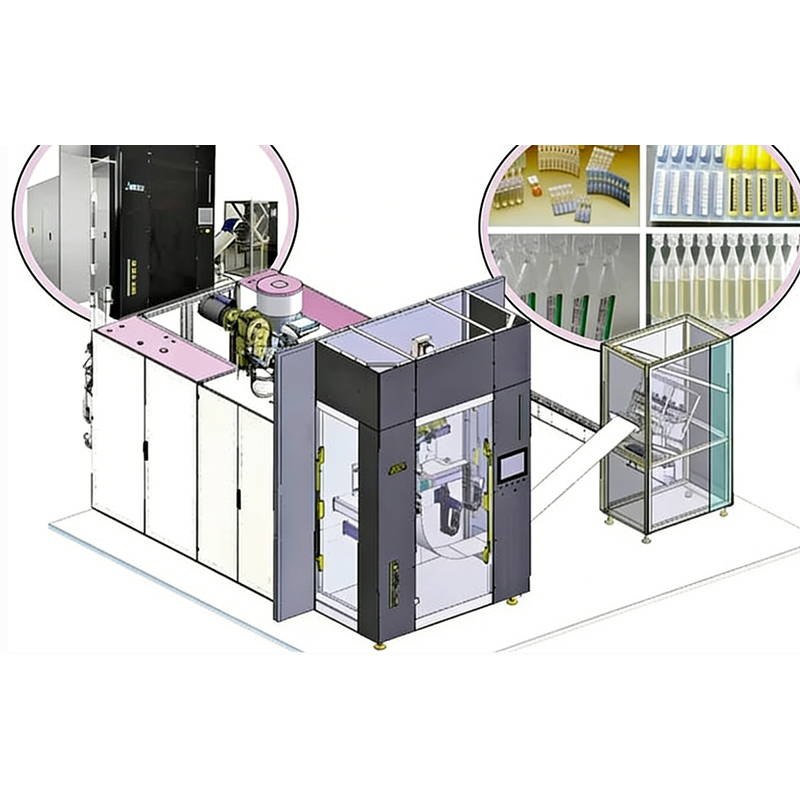
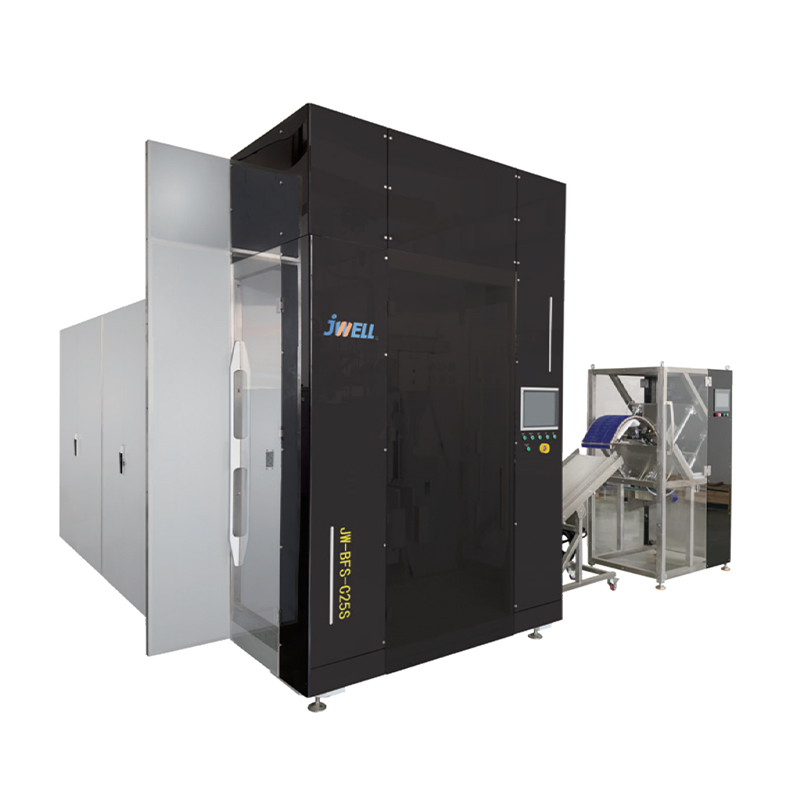
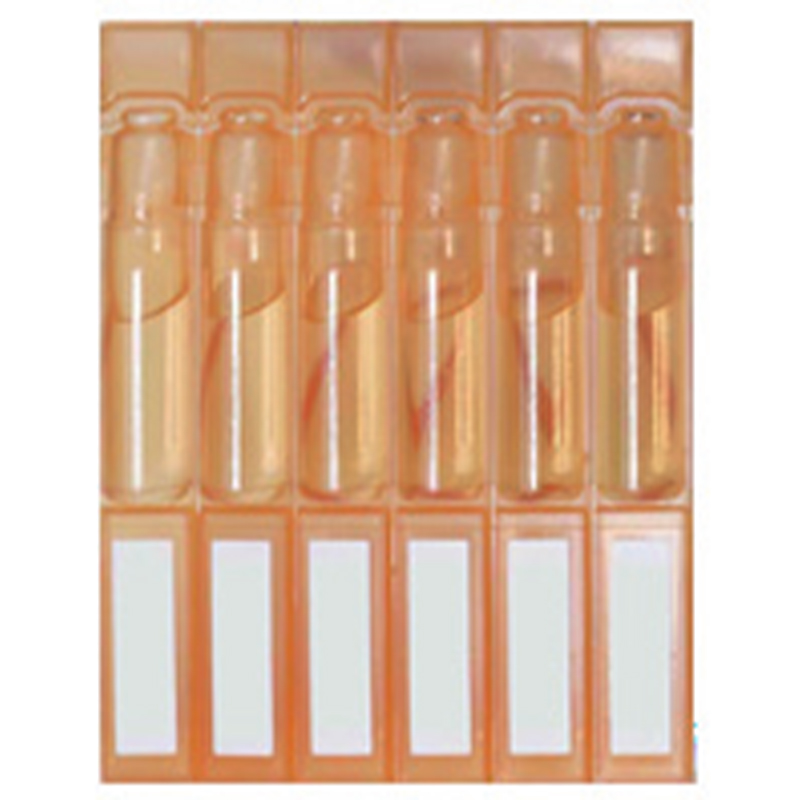
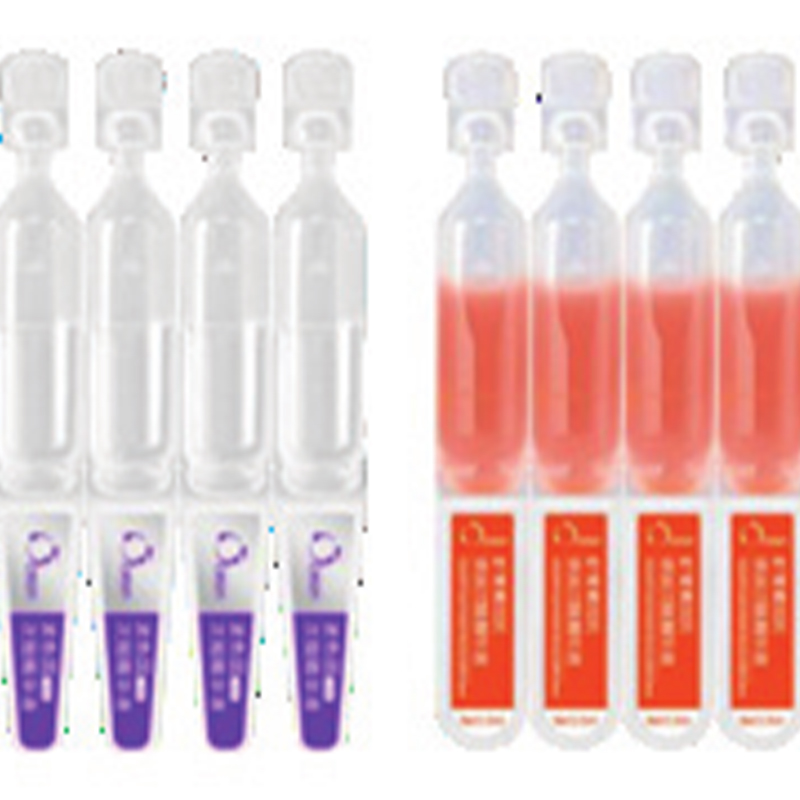
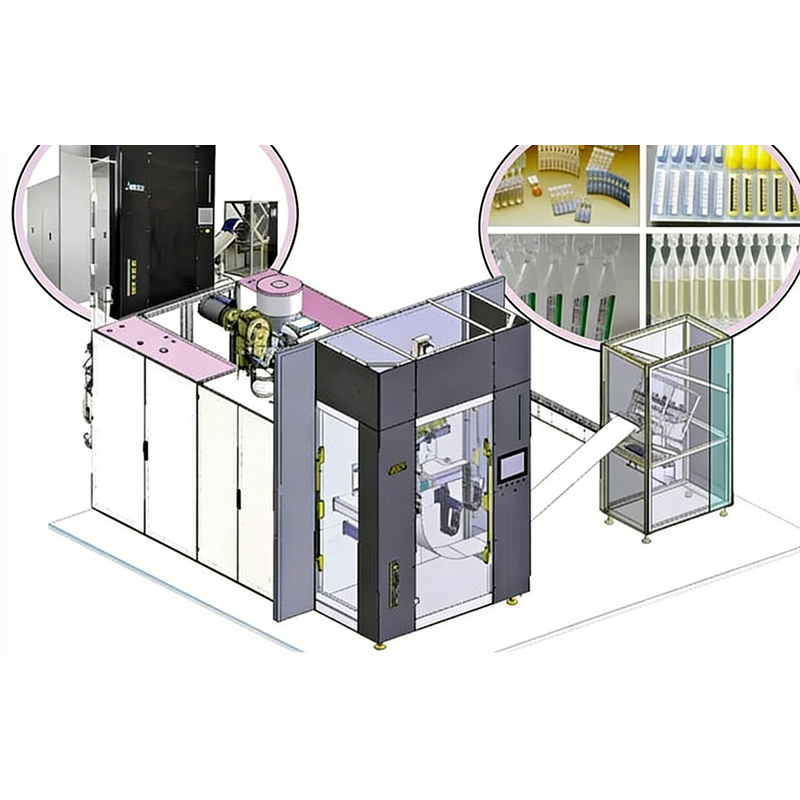
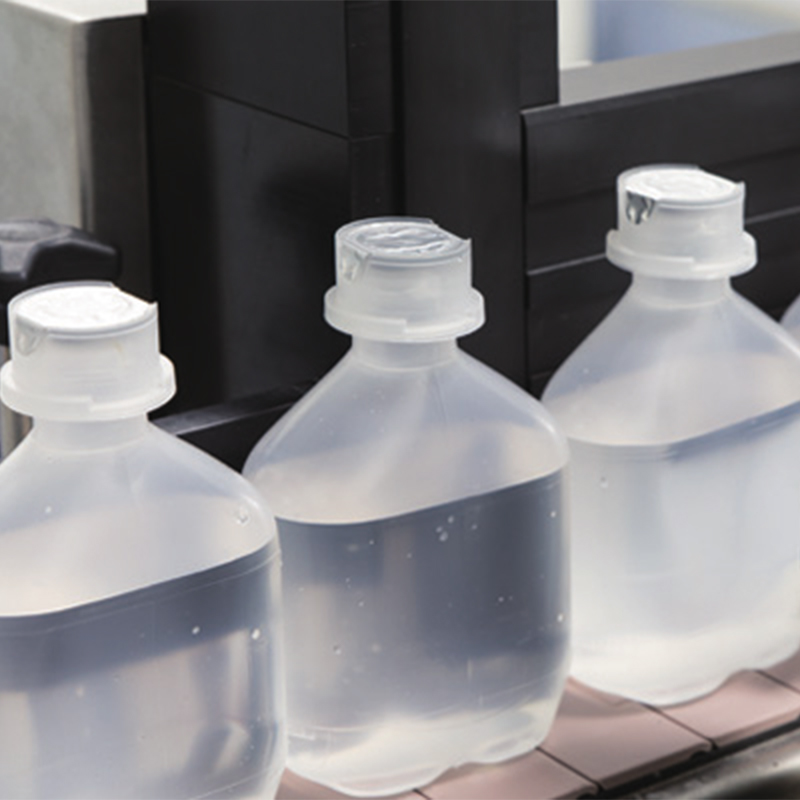
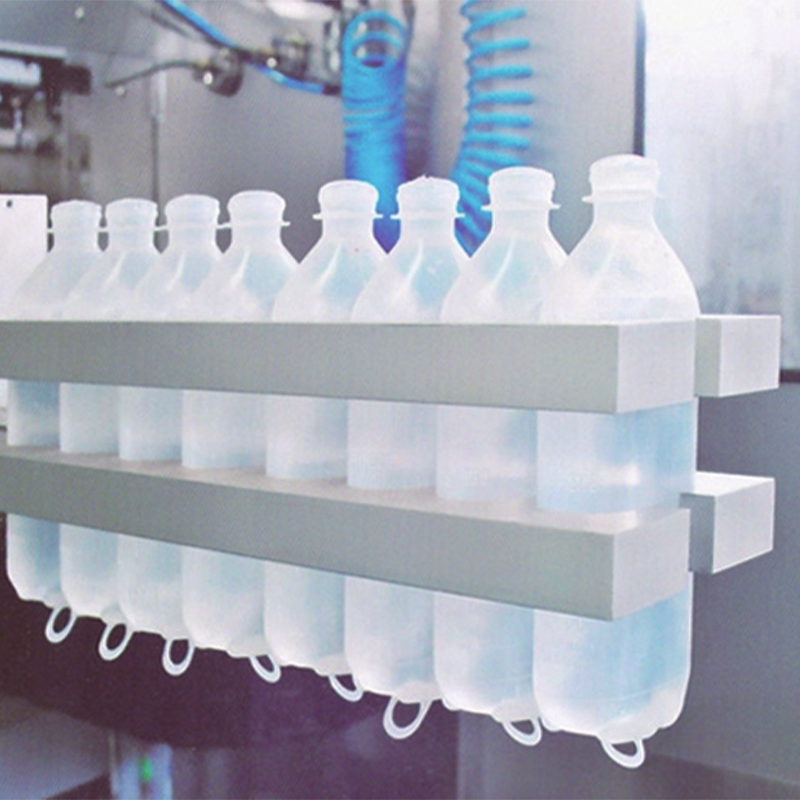
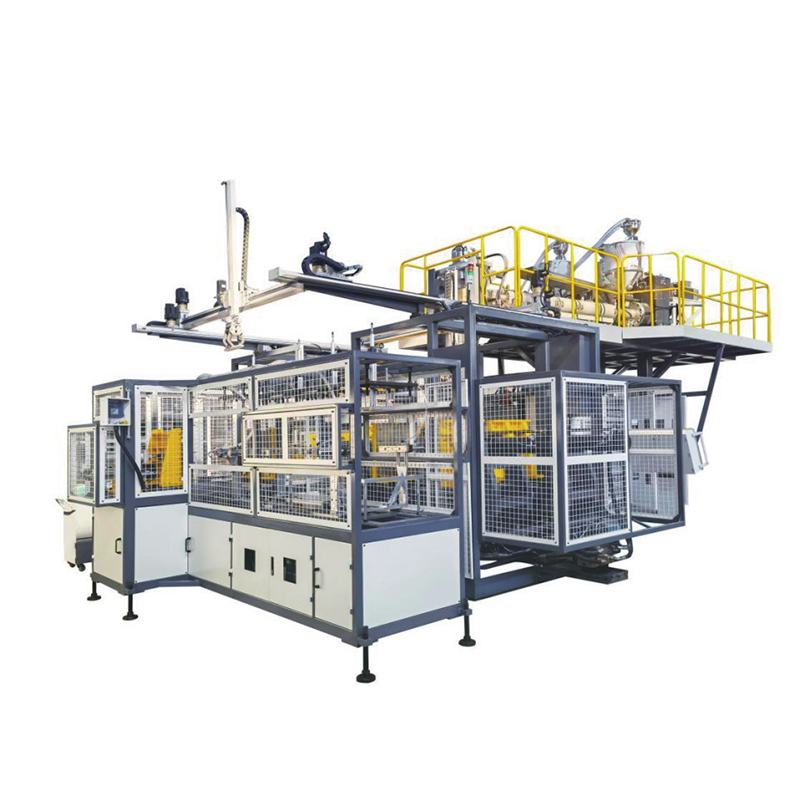
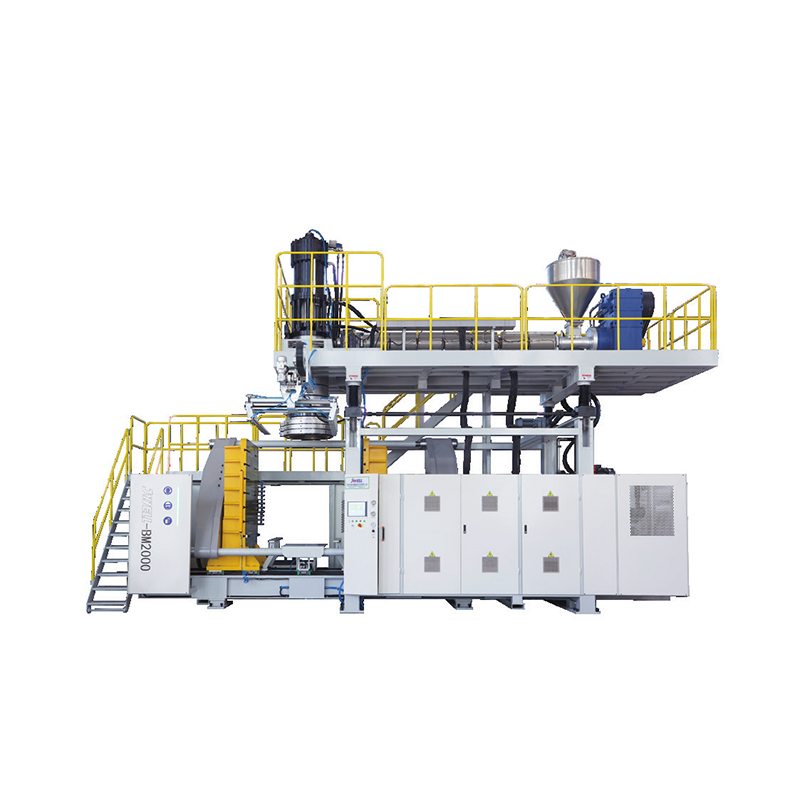
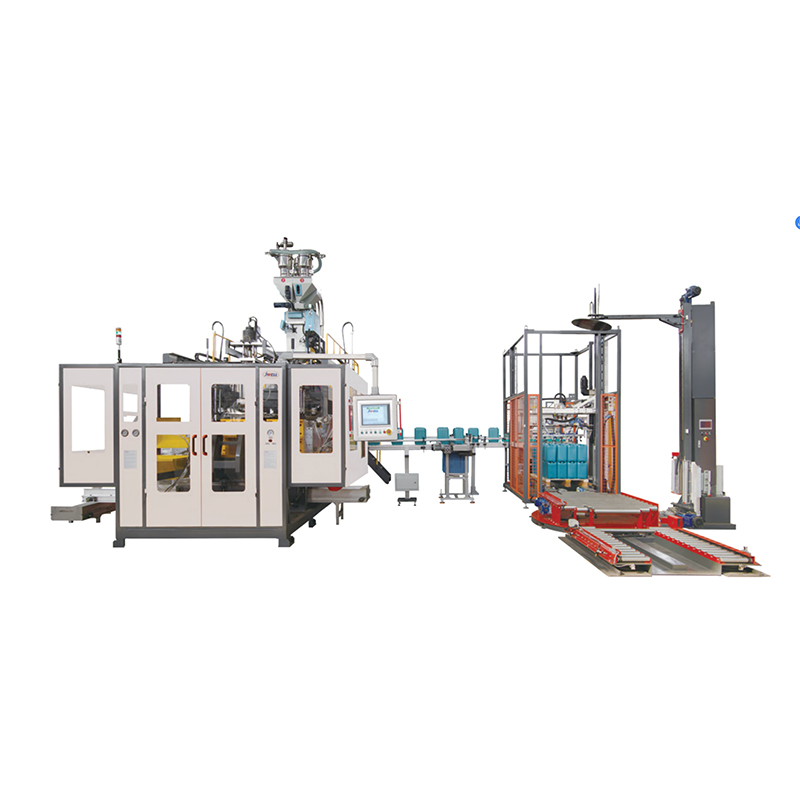
Our BFS system includes the JW-BFS-C series (for small-volume containers) and the JW-BFS-R series (for medium to large-volume containers). The JW-BFS-C series is designed for products such as eye drops, nasal sprays, inhalation solutions, small volume parenterals (SVP), and veterinary vaccines. This series offers various mold configurations from 15 to 60 cavities, supporting both single-mold and dual-mold (upper and lower) operation modes. The JW-BFS-R series is designed for large-volume products such as IV infusion bags, irrigation solutions, dialysis fluids, and oral liquid preparations. It is available in single-mold and dual-mold versions, with cavity counts ranging from 6 to 16. Blow-Fill-Seal (BFS) technology is a proven aseptic packaging process widely used in the pharmaceutical, biotechnology, and healthcare industries.
BFS technology is ideal for packaging sterile liquid products that do not require preservatives or terminal sterilization. Based on our equipment parameters:
JW-BFS-C series (2ml – 10ml containers)
Typical products: Eye drops, nasal sprays, inhalation solutions, small volume parenterals (SVP), wound care liquids, veterinary vaccines.
Real case: A leading ophthalmic manufacturer uses the JW-BFS-C25S-VII (25 cavities, 10ml) to produce preservative-free artificial tears. Single-mold output: 10,000 units/hour (9-second cycle); dual-mold output: 20,000 units/hour. Daily output increased by 40%, with zero microbiological contamination maintained over 12 months.
JW-BFS-R series (100ml – 1000ml containers)
Typical products: Large volume parenterals (LVP) such as IV infusion bags, irrigation solutions, dialysis fluids, oral liquid preparations.
Real case: A European hospital pharmacy adopted the JW-BFS-R08-D (dual-mold, 8+8 cavities) to produce 500ml saline for irrigation. Operating at 2,700 units/hour, it replaced traditional glass bottles, reducing breakage rate by 90% and warehouse space by 60%.
A. High Productivity & Flexibility
C series: Up to 48,000 units/hour (2ml, dual-mold, 9-second cycle) – ideal for high-volume production of small-dose pharmaceuticals.
R series: Up to 3,100 units/hour (100ml, dual-mold) for medium batch sizes, with rapid mold changeover within 30 minutes to accommodate 250ml, 500ml, and 1000ml sizes.
B. Superior Sterility Assurance
Integrated process: Blowing, filling, and sealing are continuously performed within an aseptic environment (Grade A, ISO 5). No human intervention reduces particle and endotoxin risks.
Real result: A Chinese vaccine manufacturer using the JW-BFS-C40S-VII reported sterility test failure rate <0.1% across 3 million units.
C. Material & Cost Savings
Container weight reduced by 30-50% compared to glass or traditional blow-molded containers. For 10ml bottles, wall thickness can be optimized to 0.4–0.6mm without compromising integrity.
D. Compact Footprint
C series integrates single-mold/dual-mold options into the same frame, saving up to 40% floor space compared to traditional rotary BFS machines.
We follow a strict QC protocol based on ISO 13485 and cGMP guidelines. Key tests performed on JW-BFS equipment:
3.1 In-Process Controls
Leak test (vacuum decay method): Inspect every container from each cavity every 5 minutes. Acceptance criterion: pressure drop <0.2 psi over 30 seconds.
Wall thickness measurement: Using laser micrometer, take 5 samples per cavity per hour. Deviation ≤±0.05mm.
Fill volume check: Randomly sample 10 containers every 15 minutes. Tolerance: ±1% for 2ml; ±0.5% for 500ml.
3.2 Environmental Monitoring
Non-viable particles: Continuous monitoring in Grade A zone – particle count ≤3,520 per m³ for ≥0.5µm.
Viable particles: Settle plates and active air sampling every 4 hours – require zero CFU.
3.3 Final Product Testing
Container Closure Integrity Test (CCIT): Using dye ingress method (USP <1207>) or high-voltage leak detection.
Endotoxin test (LAL): <0.5 EU/ml for irrigation fluids.
Material compatibility: Testing for plastic containers per USP <661> and <381>.
Real QC case:
A Korean cosmetic filler manufacturer using the JW-BFS-R06-S (6 cavities, 250ml) operating at 1,300 units/hour implemented automated visual inspection. The rejection rate for appearance defects (flash, bubbles) dropped from 2.1% to 0.3% within the first quarter.
Product Parameters:
|
Model
|
JW-BFS-C15S-I/II
|
JW-BFS-C25S-I/II
|
JW-BFS-C40S-I/II
|
JW-BFS-C60S-I/II
|
|
Max. capacity (ml)
|
2ml / 10ml
|
2ml / 10ml
|
2ml / 10ml
|
2ml / 10ml
|
|
Mould Cavity
|
15 cavities / 10 cavities
|
25 cavities / 15 cavities
|
40 cavities / 25 cavities
|
60 cavities / 40 cavities
|
|
Max. container width (mm)
|
10mm / 15mm
|
10mm / 15mm
|
10mm / 15mm
|
10mm / 15mm
|
|
Output/hour I - Single mould
|
6000 (9s) / 4000 (9s) 6750 (8s) / 4500 (8s)
|
10000 (9s) / 6000 (9s) 11250 (8s) / 6750 (8s)
|
16000 (9s) / 10000 (9s) 18000 (8s) / 11250 (8s)
|
21600 (10s) / 14400 (10s) 24000 (9s) / 16000 (9s)
|
|
Output/hour II - Double mould
|
12000 (9s) / 8000 (9s) 13500 (8s) / 9000 (8s)
|
20000 (9s) / 12000 (9s) 22500 (8s) / 13500 (8s)
|
32000 (9s) / 20000 (9s) 36000 (8s) / 22500 (8s)
|
43200 (10s) / 28800 (10s) 48000 (9s) / 32000 (9s)
|
|
Machine type
|
JW-BFS-R06-S
|
JW-BFS-R08-S
|
JW-BFS-R06-D
|
JW-BFS-R08-D
|
|
Max. capacity (ml)
|
250, 500, 1000
|
100, 500
|
250, 500, 1000
|
100, 500
|
|
Mould cavity
|
6 cavities
|
8 cavities
|
6 cavities × 2
|
8 cavities × 2
|
|
Output/hour
|
1300, 1150, 1000
|
1700, 1900
|
2000, 1800, 1600
|
3100, 2700
|
Q1:How long does it take to switch between single-mold and dual-mold modes on the C series?
A: Approximately 45 minutes – including changing mold carriers, adjusting parison programming, and performing a short validation run. The system can store recipe parameters for over 20 products.
Q2: Which materials are compatible with JW-BFS equipment?
A: LDPE, LLDPE, and PP. We also support custom multi-layer structures (e.g., EVOH barrier layer) for oxygen-sensitive drugs.
Q3: What is the minimum order quantity (MOQ) for molds?
A: No MOQ – we can manufacture single-cavity molds for clinical trial batches (e.g., 500 units) as well as up to 60-cavity molds for commercial production.
Q4: How is aseptic process validation performed?
A: Using media fill tests (TSB) under worst-case conditions (longest interruption time, longest holding time). Acceptance criterion: contamination rate ≤0.1% with 95% confidence. Our record shows that the JW-BFS-C25S-VII achieved 27 consecutive media fills with zero positives.
Q5: What is the typical energy consumption?
A: For JW-BFS-C40S-VII producing 10ml containers at 14,400 units/hour (dual-mold, 10-second cycle): 18 kW (extruder + hydraulics + air compressor). That is 25% lower than previous-generation BFS machines.
Q6: Can the equipment handle hot-fill (≥85°C) or cold-fill (2-8°C)?
A: Standard configuration supports 20–60°C. For hot-fill (up to 95°C), we offer upgraded seals and a cooling zone. For cold-fill (down to 2°C), we provide insulated hoppers and jacketed filling lines.
Q7: What after-sales services are provided?
A: 7x24 remote diagnostics (via VPN), spare parts delivered globally within 48 hours, on-site training (2 weeks) included. We also offer annual performance qualification services.





Tel: +86-19579950928

E-mail: [email protected]

Company Address
No. 128 Qingfeng Road, Xieqiao Town, Haining City, Jiaxing City, Zhejiang Province

19579950928

 English