
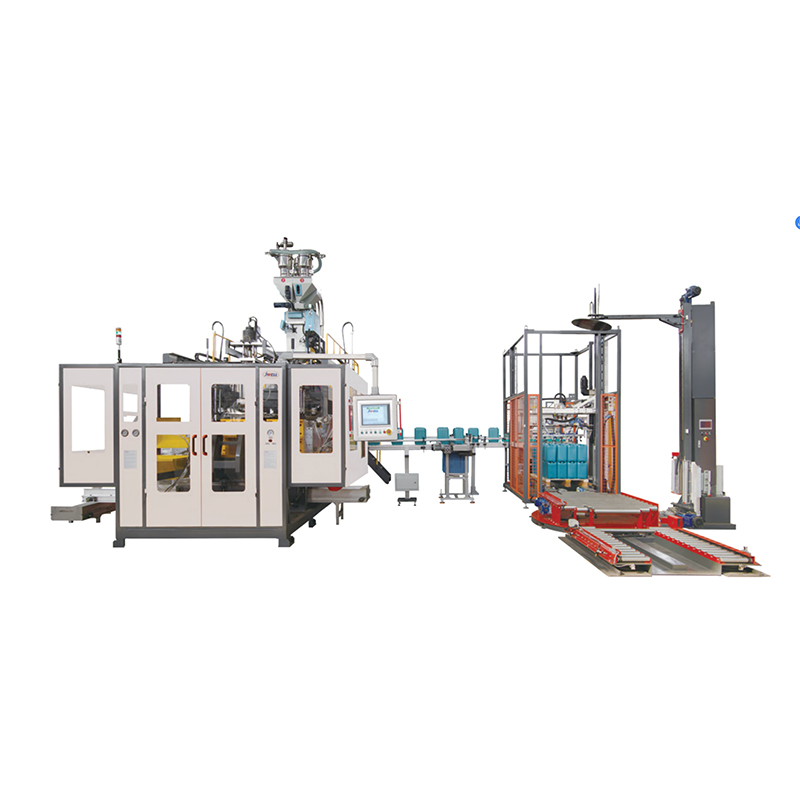
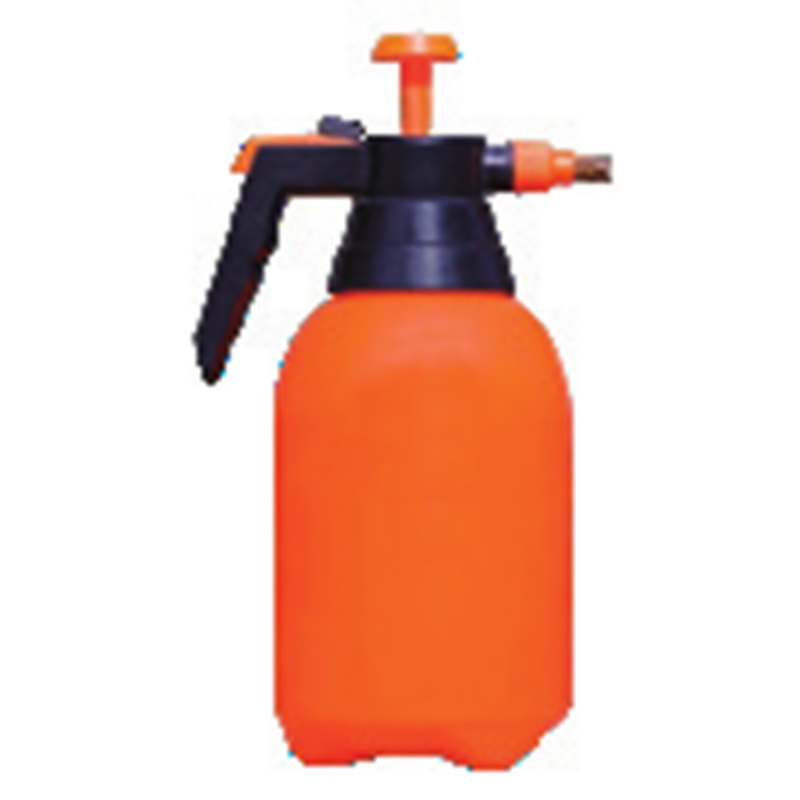
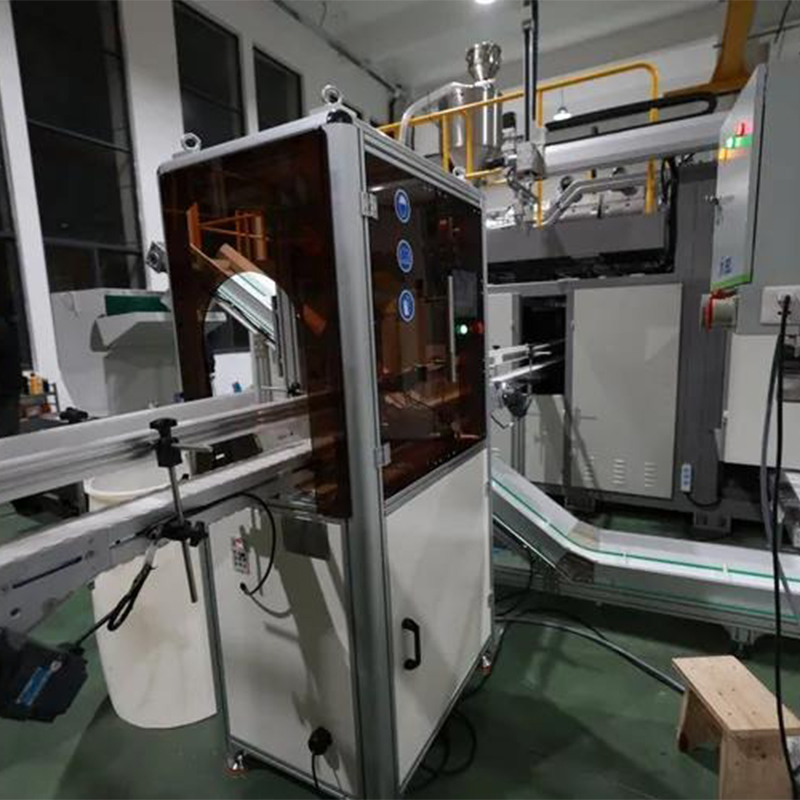
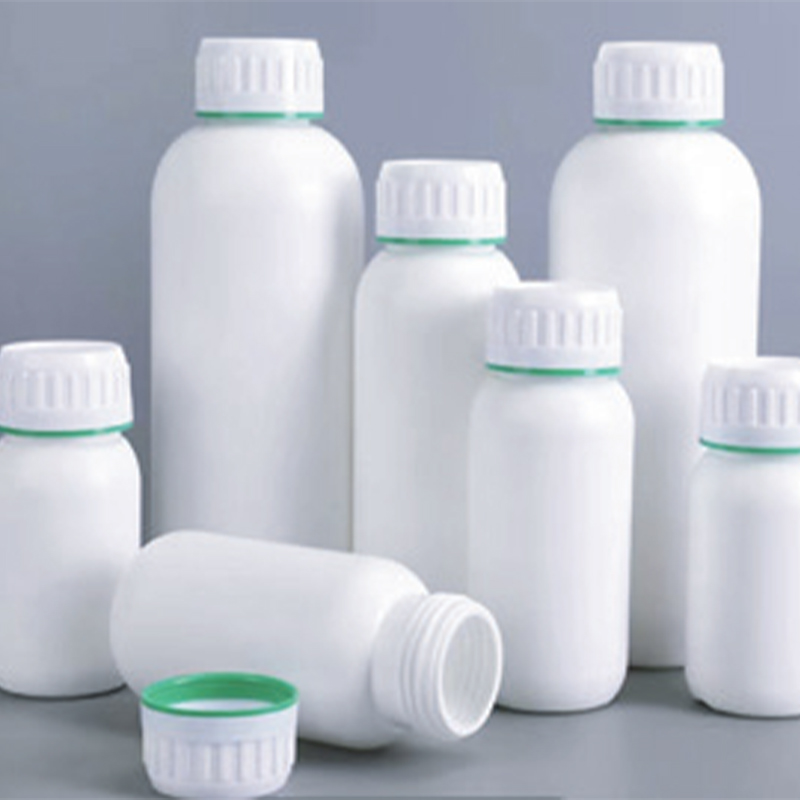
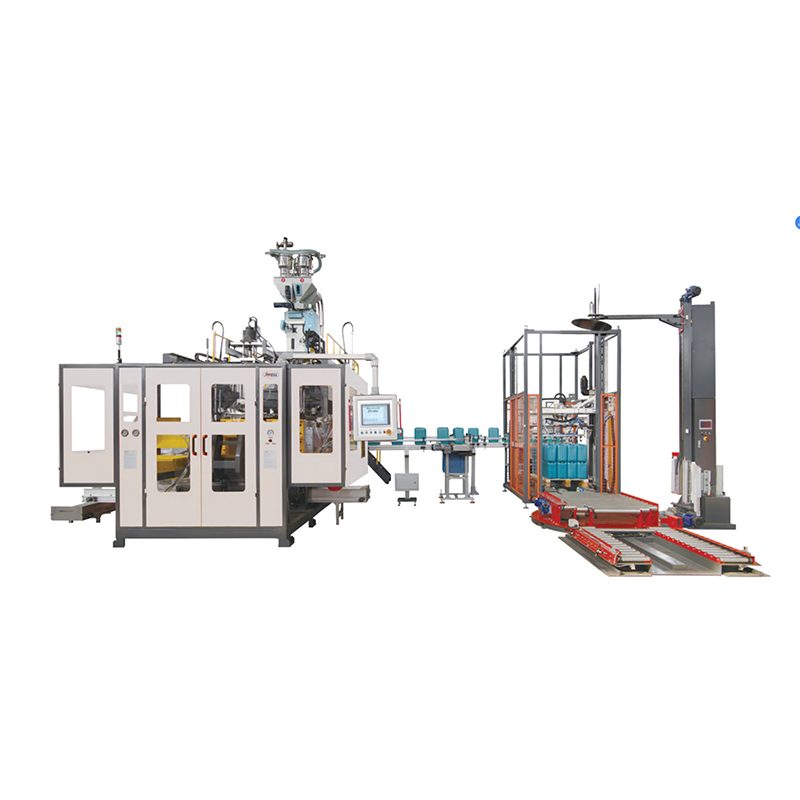
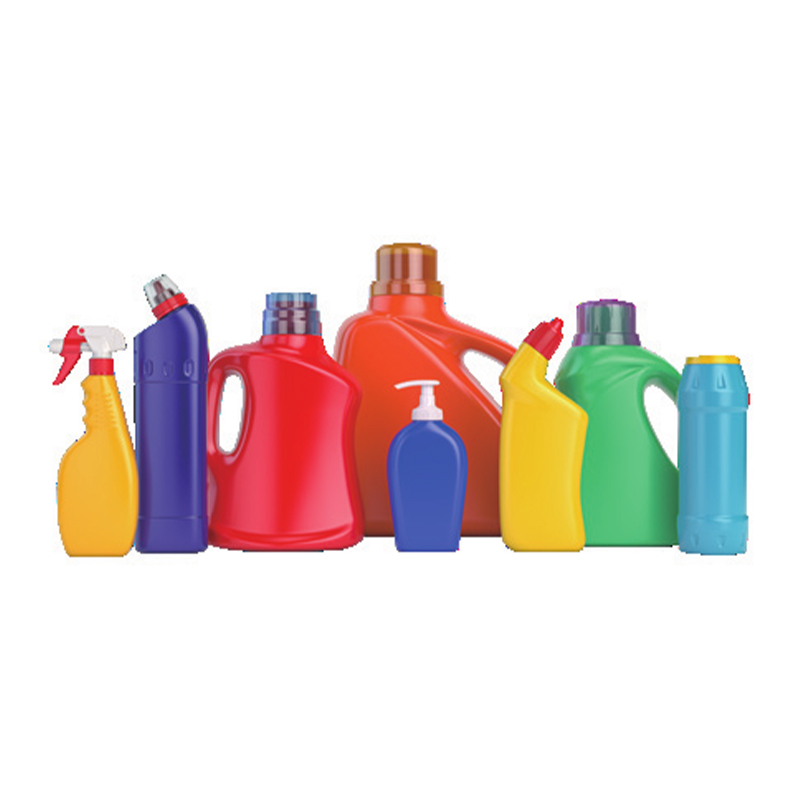
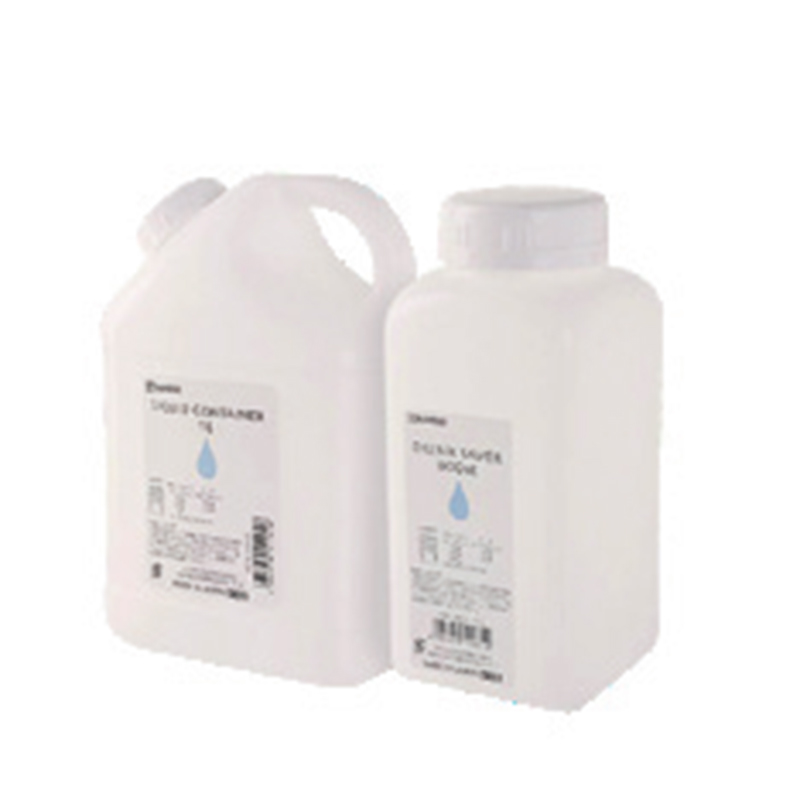
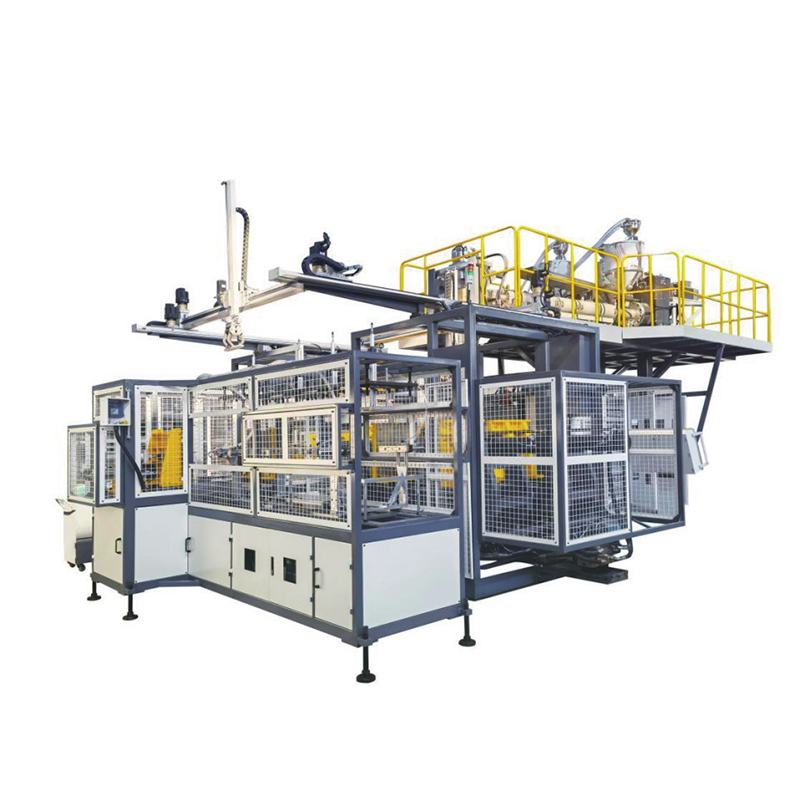
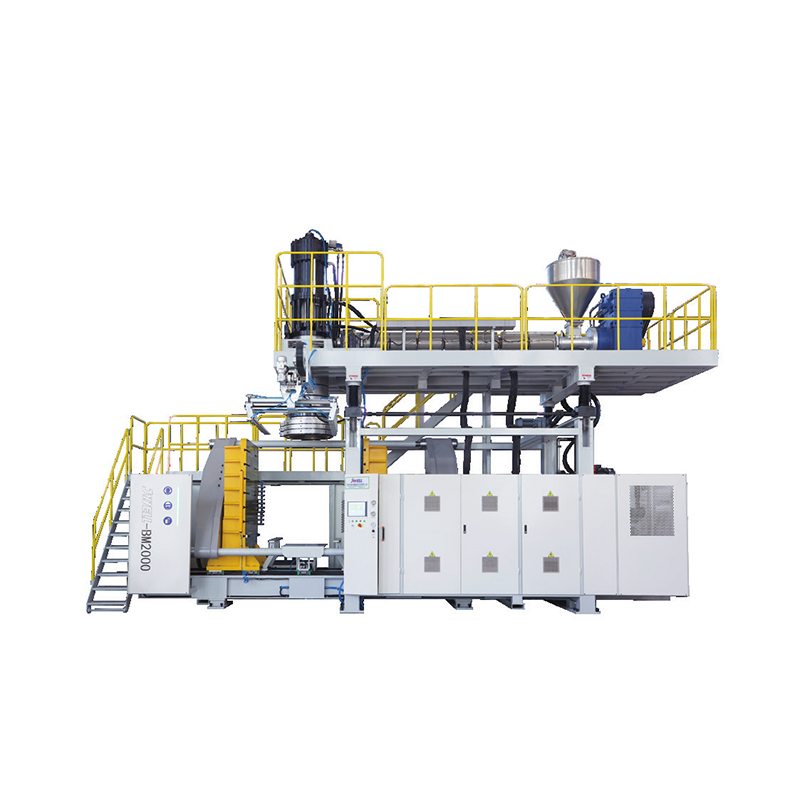
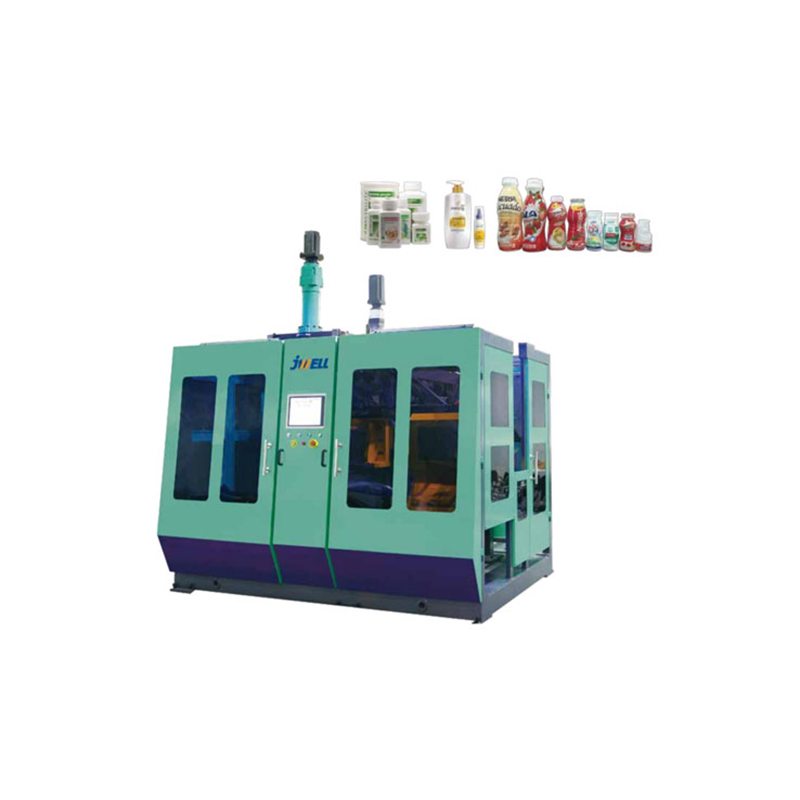
The BM series dual-station blow molding machines (models BM02D, BM05D, BM12D, BM20D) are designed for efficient production of 2 to 20 liter hollow plastic containers. With dual independent stations, servo-driven hydraulic system, and clamping force from 40 to 160 kN, these machines deliver stable output for packaging, automotive, and industrial applications.
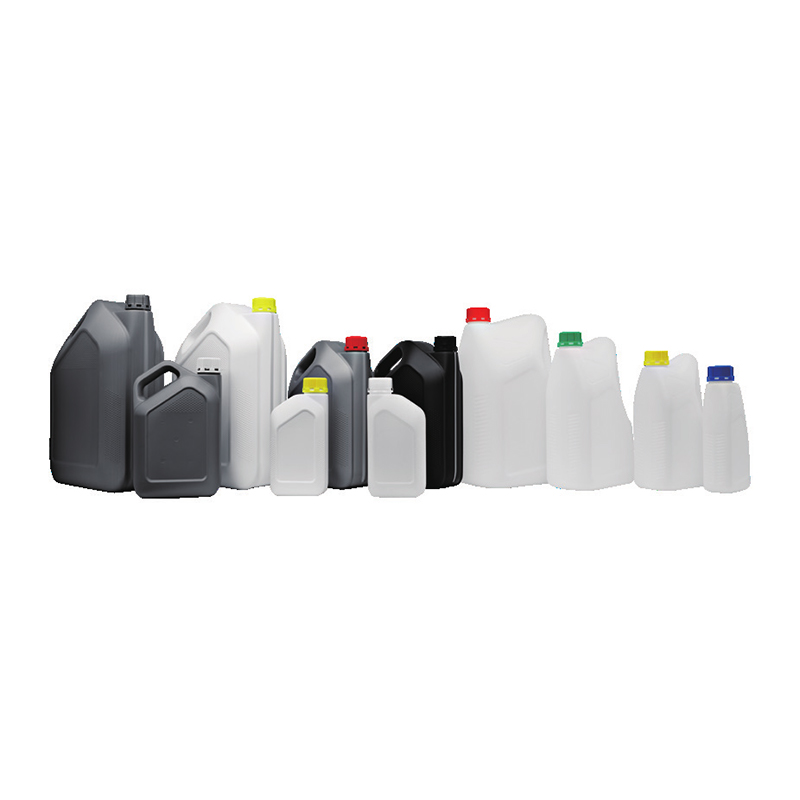
Thanks to a wide product volume range (2L – 20L) and flexible mold size capabilities, these machines serve multiple industries:
|
Model |
Typical Products |
Real-World Cases |
|
BM02D |
Small bottles: shampoo bottles, hand wash bottles, cosmetic bottles, edible oil bottles (2L) |
A personal care brand uses BM02D to produce 2L lotion bottles – dual-station dry cycle 900 pcs/hour/station, achieving 1,800 bottles/hour, wall thickness deviation <0.5%. |
|
BM05D |
5L lubricant pails, juice containers, chemical cans |
An automotive lubricant supplier uses BM05D (70 kN clamping force, max mold size 420×390 mm) to produce 5L oil bottles. 450/520 mm mold opening stroke easily accommodates tall parisons. |
|
BM12D |
12L square pails, trash bins, industrial liquid storage tanks |
A cleaning chemical manufacturer replaced their old single-station machine with BM12D. Dual-station design (600*2 dry cycles/hour) doubled their output, while 120 kN clamping force ensures flash-free 12L thick-wall containers. |
|
BM20D |
20L large drums, water buckets, large agricultural spray tanks |
A water treatment company uses BM20D to produce 20L reusable drums. 160 kN clamping force and 280 680 mm platen opening distance accommodate tall and wide molds. Total installed power 93 kW, energy consumption per part 30% lower than traditional hydraulic machines. |
Key fit notes:
All models process PE, PP, PVC and other common blow molding grades.
BM05D and BM12D optionally offer extended mold opening stroke (450/520 mm and 600/650 mm respectively), suitable for handles or irregular containers.
2.1 Dual-station high productivity
The "*2" in dry cycle data (e.g., BM02D: 900*2 pcs/hour) indicates two independent stations – while one station cools and ejects, the other station is molding. This overlapping cycle delivers up to 80% higher actual output compared to a single-station machine with the same screw size.
2.2 Servo energy saving
All models are equipped with servo-driven oil pumps (11–18.5 kW). Compared to traditional fixed-displacement hydraulic systems:
Energy consumption reduction: 30–50% power savings during idle and hold phases.
Example: BM12D with 18.5 kW servo pump consumes about 45 kWh per 8-hour shift producing 12L square pails, whereas a traditional 30 kW hydraulic system would consume about 75 kWh.
2.3 High plasticizing capacity from large screw
BM02D: φ65 mm screw → 70 kg/h (PE) – ideal for high-output small bottles.
BM05D: φ75 mm screw → 90 kg/h.
BM12D/20D: φ90 mm screw → 160 kg/h – sufficient to supply both stations simultaneously without starvation.
This means melt uniformity remains above 98% even when the two stations use molds with different shot weights.
2.4 Generous platen and mold dimensions
|
Model |
Platen size (W×H) |
Max mold size |
Platen opening distance |
|
BM02D |
286×330 mm |
300×350 mm |
138-368 mm |
|
BM05D |
420×390 mm |
420×390 mm |
150-510 mm |
|
BM12D |
520×490 mm |
540×490 mm |
240-640 mm |
|
BM20D |
500×520 mm |
560×520 mm |
280-680 mm |
Large platens allow multi-cavity molds (e.g., two 1L bottles per station) or complex shapes with side cores.
2.5 Compact footprint and weight
Despite high output, the BM series fits standard factory layouts: BM02D is only 3.0×1.9×2.4 m and weighs 5 tons – no special foundation required. BM20D (4.3×3.2×3.1 m, 14 tons) still passes through standard double doors.
Every BM series machine undergoes 6 stages of quality testing before shipment. We also recommend end users follow similar steps for acceptance upon delivery.
3.1 Raw material & screw performance test
Test: Run natural PE (MFI 2.0) continuously for 2 hours at rated temperature profile.
Acceptance criteria: Plasticizing capacity ≥95% of specification (e.g., BM12D ≥152 kg/h). Melt temperature fluctuation at head ≤±3°C.
Real case: One batch of BM05D achieved 88.5 kg/h on 1.5 MFI HDPE – after adjusting screw speed, it exceeded the 90 kg/h specification.
3.2 Dry cycle stability
Steps: Run both stations at maximum speed for 1 hour without material.
Pass criteria: Cycle time fluctuation ≤±1% (e.g., BM02D at 900 cycles/hour → fluctuation ≤±9 cycles/hour). No abnormal noise or hydraulic leakage.
Factory data: BM20D maintained 598–602 cycles/hour per station during 4 hours of dry running.
3.3 Clamping force calibration
Method: Install pressure sensors between tie bars to measure actual clamping force at set hydraulic pressure.
Tolerance: Actual clamping force ≥95% of rated value (e.g., BM12D at 120 kN setting must output ≥114 kN).
Field record: After 5000 operating hours, clamping force loss on BM05D is typically less than 3% due to servo-controlled toggle design.
3.4 Mold opening/closing parallelism inspection
Check: Mount dial indicators at four corners of moving platen. Parallelism ≤0.15 mm/m.
Importance: Poor parallelism causes uneven flash and premature mold wear. BM series tie bars are induction hardened (HRC 52–55) to maintain long-term alignment.
3.5 Hydraulic system leakage & pressure test
Pressure: 1.25 times rated working pressure, hold for 10 minutes.
Acceptance criteria: Pressure drop ≤5%, no external leakage. Built-in pressure sensors on the servo pump record data for every cycle.
3.6 Final product quality validation
Run production test for 30 minutes using customer’s own mold and material. Randomly sample and inspect:
Wall thickness distribution (ultrasonic thickness gauge): ≤±8% deviation.
Top load strength (ASTM D2659): e.g., 12L square pail from BM12D achieves 850 N – 15% higher than industry standard.
Leak test (pressurized underwater): 0.6 bar for 30 seconds, no bubbles.
|
Model
|
Unit
|
BM02D
|
BM05D
|
BM12D
|
BM20D
|
|
Max product volume
|
L
|
2
|
5
|
12
|
20
|
|
Dry cycle
|
Pc/h
|
900*2
|
700*2
|
600*2
|
600*2
|
|
Die head structure
|
-
|
Continuous type
|
Continuous type
|
Continuous type
|
Continuous type
|
|
Main screw diameter
|
mm
|
65
|
75
|
90
|
90
|
|
Max capacity (PE)
|
kg/h
|
70
|
90
|
160
|
160
|
|
Driving motor
|
Kw
|
22
|
30
|
45
|
45
|
|
Oil pump motor power (Servo)
|
Kw
|
11
|
15
|
18.5
|
18.5
|
|
Clamping force
|
KN
|
40
|
70
|
120
|
160
|
|
Space between platen
|
mm
|
138-368
|
150-510
|
240-640
|
280-680
|
|
Platen size W*H
|
mm
|
286*330
|
420*390
|
520*490
|
500*520
|
|
Max. mould size
|
mm
|
300*350
|
420*390
|
540*490
|
560*520
|
|
Platen moving distance
|
mm
|
420
|
450/520
|
600/650
|
650
|
|
Heating power of die head
|
Kw
|
6
|
7.5
|
10
|
12.5
|
|
Machine dimension LWH
|
m
|
3.01.92.4
|
3.73.12.7
|
4.23.23.0
|
4.33.23.1
|
|
Machine weight
|
T
|
5
|
8.5
|
12
|
14
|
|
Total power
|
Kw
|
45
|
60
|
90
|
93
|
Q1: What does “dry cycle 600*2” mean? Does it mean 1200 finished parts per hour?
A: The “*2” indicates two independent stations, each capable of 600 dry cycles per hour. In actual production considering cooling time, for a 20L container the combined output is typically 900–1100 finished parts per hour because cooling takes part of the cycle. However, compared to a single-station machine with the same 600 cycles/hour, you still get nearly double the output due to station overlap.
Q2: Can I run different molds on the two stations simultaneously?
A: Yes – the BM series features independent mold thickness adjustment and independent parison program control. For example, one BM12D can produce 5L bottles on station A and 12L square pails on station B, as long as the total plasticizing demand does not exceed 160 kg/h. The dual-channel head controller can store different parameter sets separately.
Q3: How much electrical energy can the servo pump actually save? Give me a monthly example.
A: A customer in Malaysia replaced two old 45 kW hydraulic machines with one BM20D (18.5 kW servo pump + 45 kW screw motor). Their monthly power consumption (24/5 operation) dropped from 21,600 kWh to 9,800 kWh – a 55% saving. Even including the screw motor, total installed power is 93 kW, but because the servo system supplies oil on demand, actual average load is only 55–60 kW.
Q4: What maintenance does a dual-station machine require?
A: Standard maintenance checklist (every 2000 hours):
Grease toggle mechanisms (lithium grease, 20 g per point).
Check servo pump oil filter (replace if differential pressure >2 bar).
Check tie bar nut torque (re-torque to 450 Nm on BM20D).
Clean the head spiral distributor (remove carbon deposits).
The dual-station design does not add maintenance complexity – each station has independent linear guides, but they share the same hydraulic power unit.
Q5: Can I upgrade a single-station machine to dual-station?
A: No, because the frame, hydraulic valve bank, and control software are completely different. However, we offer a trade-in program: when you purchase a BM series dual-station machine, return your old single-station machine for a 15% discount.
Q6: What is the maximum mold weight each station can handle?
A: Based on machine weight and platen rigidity:
BM02D: 80 kg per half-mold
BM05D: 150 kg
BM12D: 250 kg
BM20D: 320 kg
Exceeding these weights may cause platen deflection >0.2 mm, resulting in flash.





Tel: +86-19579950928

E-mail: [email protected]

Company Address
No. 128 Qingfeng Road, Xieqiao Town, Haining City, Jiaxing City, Zhejiang Province

19579950928

 English