
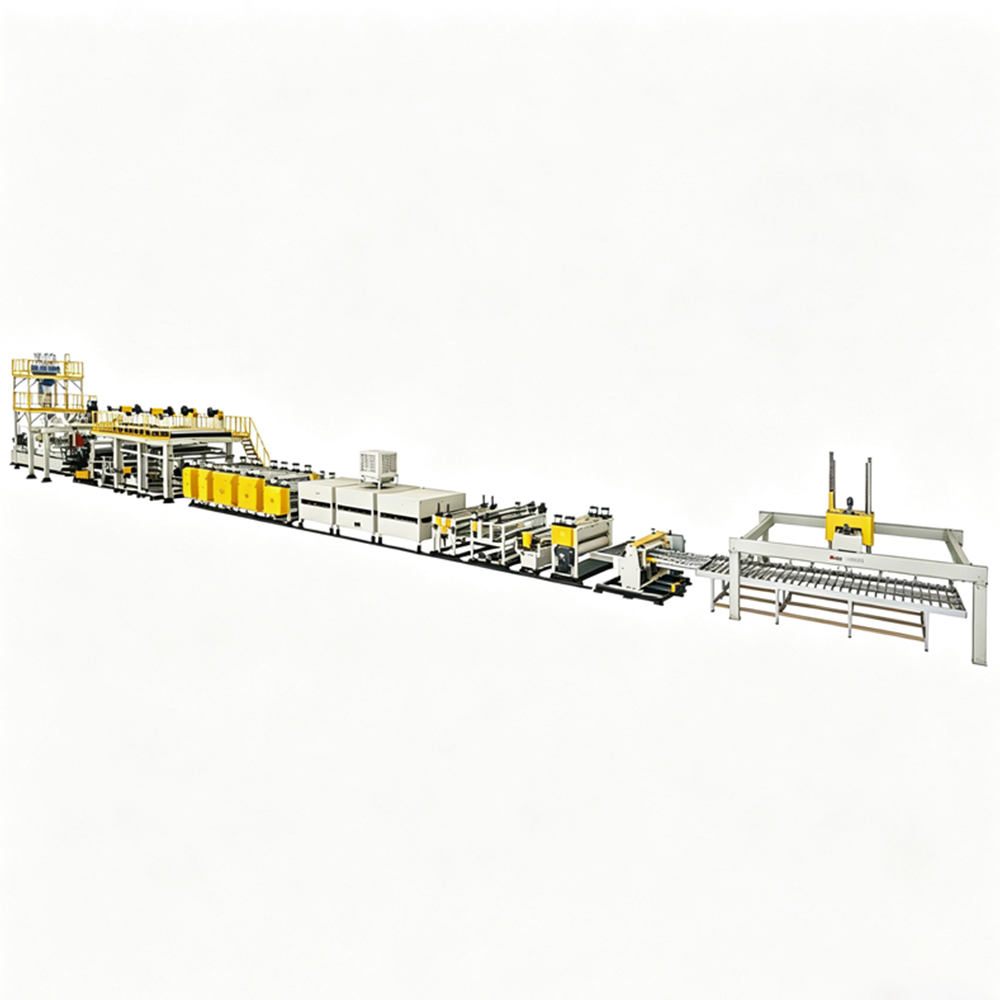
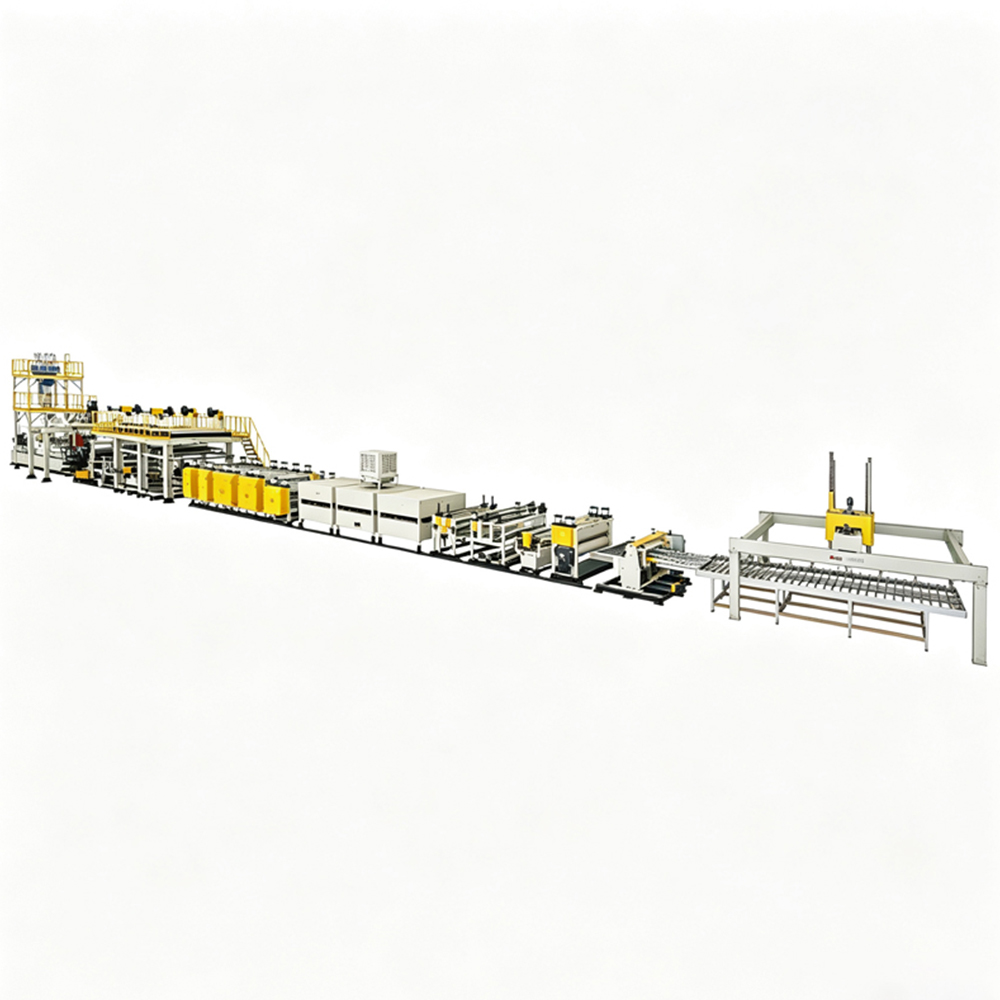
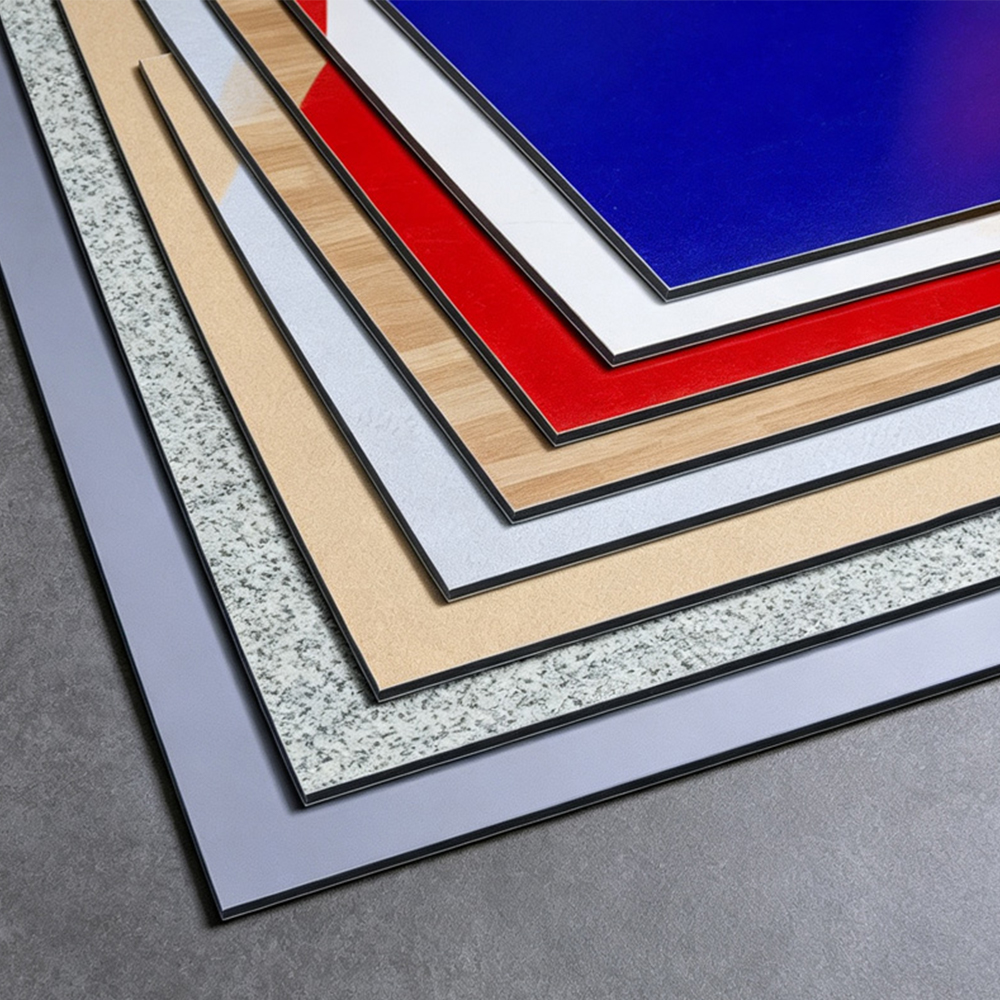
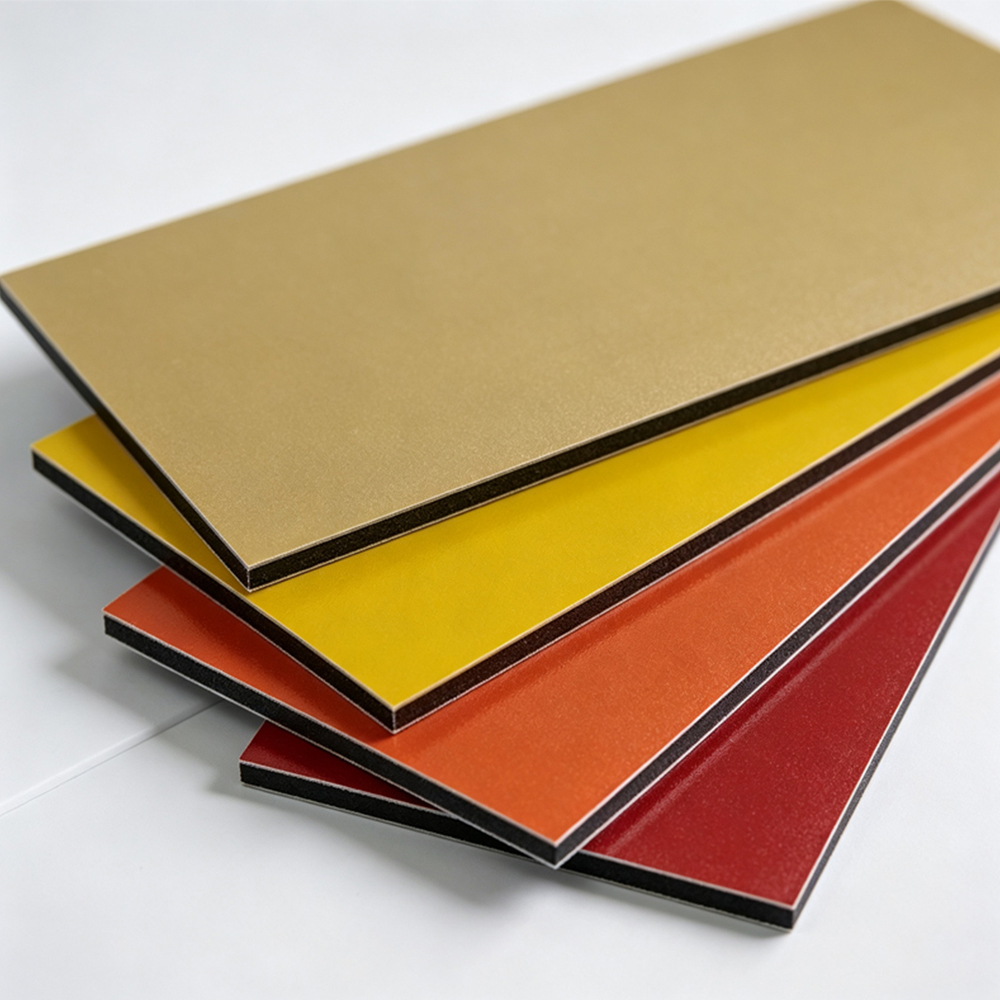
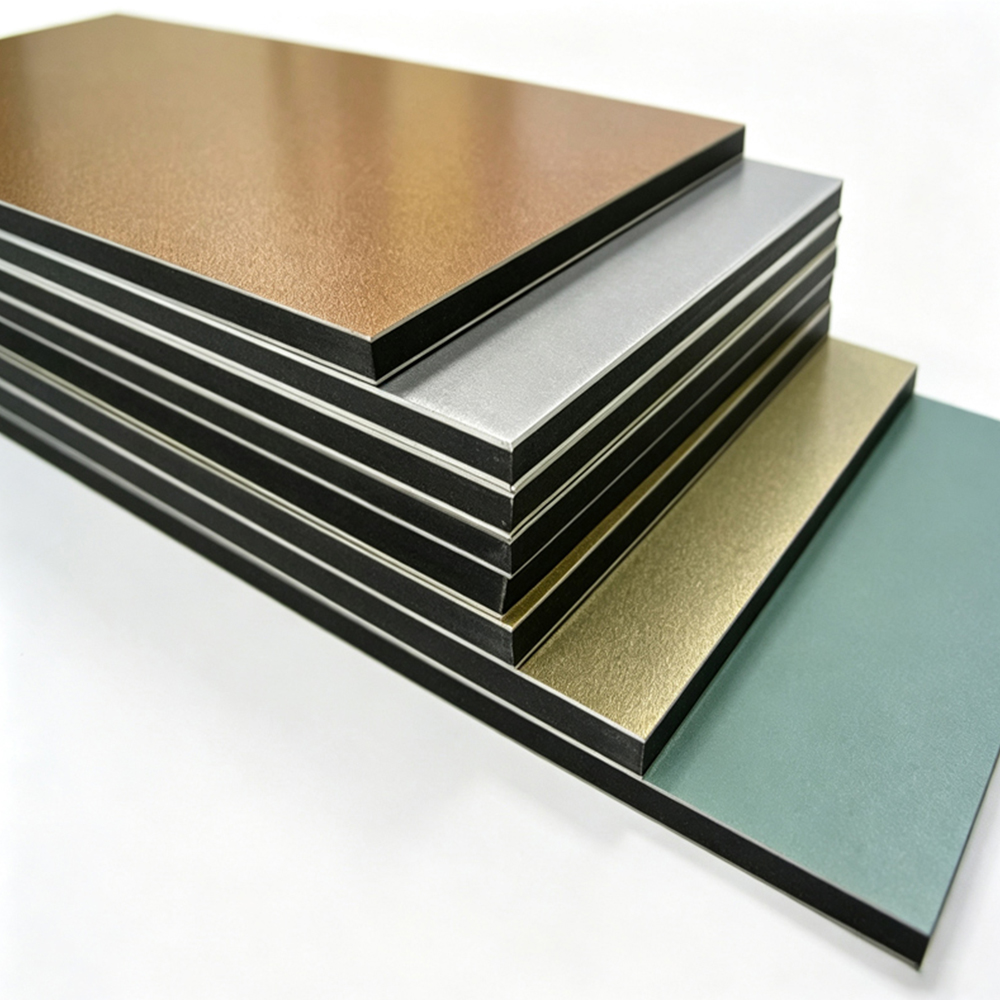
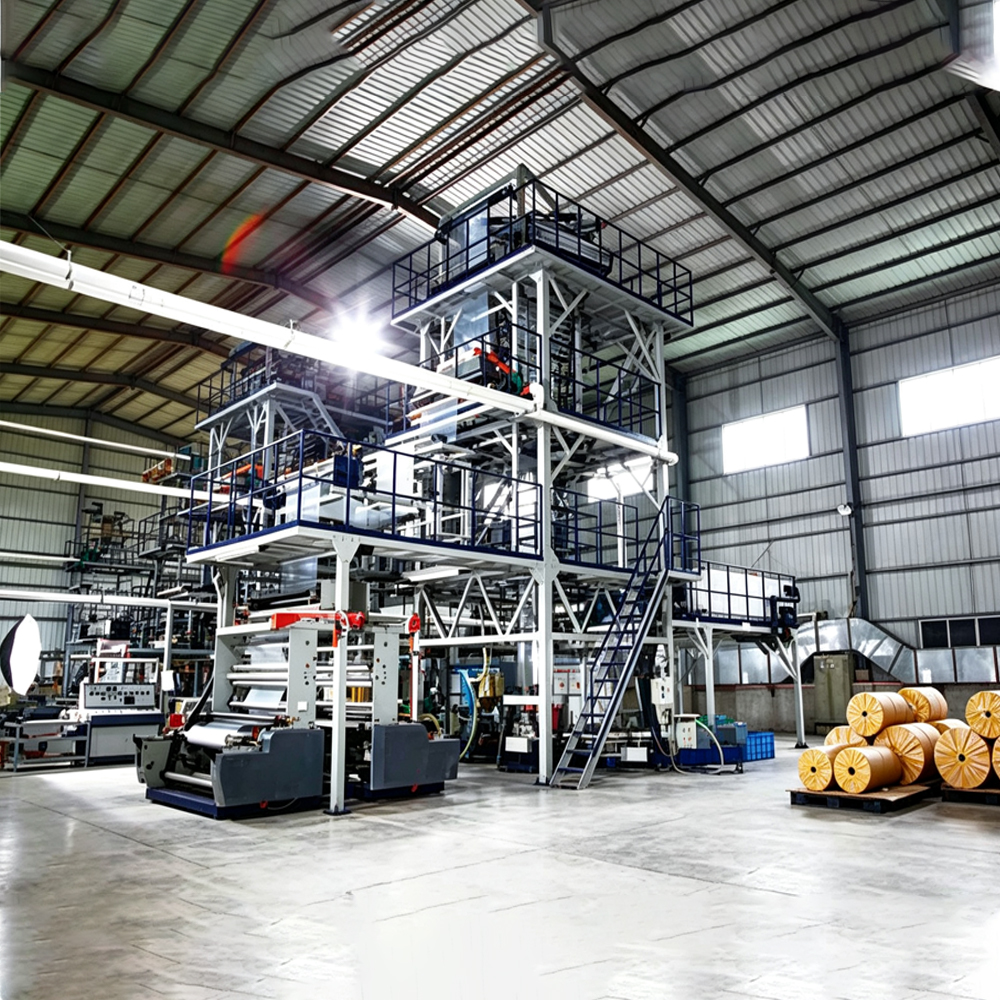
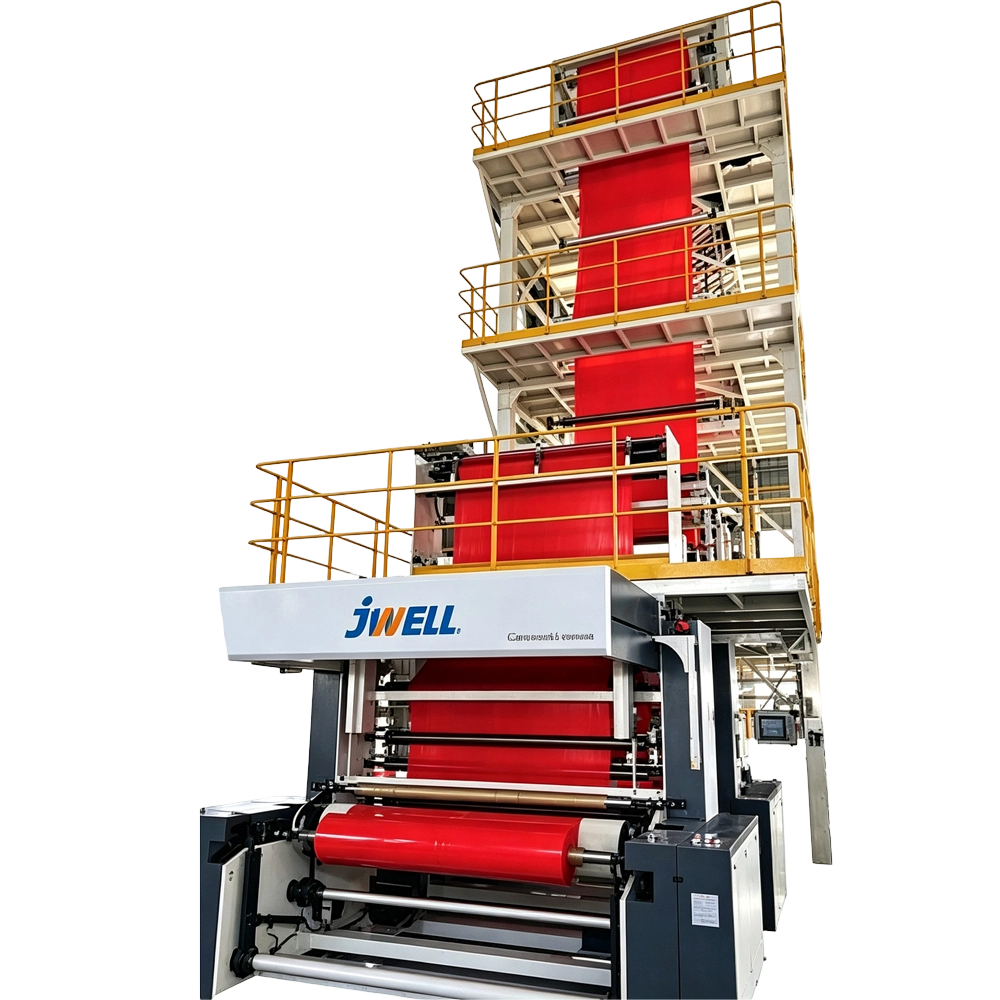
Jwell's high-speed aluminum composite panel (ACP) extrusion lines are designed for manufacturers pursuing speed, material flexibility, and stable output. This series offers four proven models: JWS170-1500, JWS180-1800, STZ85-1500, and STZ95-1800, delivering leading performance in both standard-width and wide-format panel production
Aluminum composite panels produced by this line are widely used in:
Building facades & curtain walls (hotels, airports, office buildings)
Interior decoration (wall cladding, column wrapping, ceilings)
Advertising signage (road signs, billboards, exhibition panels)
Industrial clean rooms (easy-to-clean surfaces)
Transportation (bus/train interior panels)
Supported finished panel widths: 1220 mm and 1600 mm; thickness: 1.0 mm to 6.0 mm – covering the most common specifications in global construction and advertising markets.
Real case: An advertising board manufacturer in Dubai uses the STZ95-1800 model to produce 1600 mm wide, 3 mm thick ACP panels at an output of 1250 kg/h. High output and stable 1600 mm width reduced production costs by 18% compared to their old line.
Based on the provided parameter table, the main competitive advantages are:
High output with compatibility for Grade C and B/C mixed materials
|
Model |
Suitable Material |
Max Extrusion Output (kg/h) |
Typical Product Width |
|
JWS170-1500 |
Grade C |
600–700 |
1220 mm |
|
JWS180-1800 |
Grade C |
700–800 |
1600 mm |
|
STZ85-1500 |
Grade B, C |
900–1000 |
1220 mm |
|
STZ95-1800 |
Grade B, C |
1200–1300 |
1600 mm |
Flexible material use – JWS series can run pure Grade C (recycled/reclaimed aluminum and PE core); STZ series can process both Grade B and Grade C, helping you control costs while maintaining quality.
Balance of speed and energy efficiency – STZ95-1800 achieves 1300 kg/h with only a 95 mm screw – very high efficiency.
Wide range of widths and thicknesses
Thickness from 1.0 mm to 6.0 mm – one line produces thin indoor panels and thick fire-rated exterior panels.
Two widths: 1220 mm (European standard) and 1600 mm (common in Middle East/Asia for wide panels).
High speed, low maintenance
JW series extruders (JWS170, JWS180) are designed for continuous 24/7 operation, especially for Grade C material containing impurities. Hardened screws and barrels extend maintenance intervals.
STZ series (STZ85, STZ95) have larger L/D ratios, providing better plasticization for mixed B/C material and reducing gel spots.
Real case: A Turkish panel manufacturer replaced their old line with STZ85-1500, switching raw material from pure Grade B to a 60% Grade C blend while increasing output from 650 kg/h to 950 kg/h. Annual material savings exceeded $120,000.
We implement a four-stage quality control plan to ensure each ACP extrusion line meets international standards (ASTM, EN, JIS).
Stage 1 – Raw material verification
Grade C material testing: melt flow index (MFI) and moisture content (≤0.2%)
Grade B/C blend ratio check – confirmed before feeding
Stage 2 – In-process monitoring (real-time)
Extruder parameters: barrel temperature profile (5 zones), screw speed, melt pressure recorded every 2 seconds.
Online thickness measurement – ultrasonic or laser sensors inspect full width (tolerance: ±0.05 mm).
Width control – servo-controlled edge trimming device automatically trims to ensure 1220/1600 mm width accuracy of ±1 mm.
Stage 3 – Adhesion & surface quality
Peel test (T-peel) – sample taken every 2 hours to test bond strength between aluminum and PE core (≥6 N/mm for exterior panels).
Surface inspection – high-resolution online scanner detects pinholes, scratches, oil spots.
Stage 4 – Final finished product spot check (per batch)
Flatness test – ≤0.5 mm gap per meter
Impact resistance – 1 kg steel ball dropped from 1 m height (no cracking)
Flame retardancy – laboratory testing per UL94 or BS476 upon request
Real case: A Spanish curtain wall contractor required 100% peel test reports for a hospital project. Our STZ95-1800 line achieved a 98.6% first-pass yield; the 1.4% rejection due to burrs was resolved by online edge trimming.
| Model | JWS170-1500 | JWS180-1800 | STZ85-1500 | STZ95-1800 |
| Material | Grade C material | Grade C material | Grade B, Grade C material | Grade B, Grade C material |
| Extruder Specification | JWS170 | JWS180 | STZ85 | STZ95 |
| Products Width(mm) | 1220 | 1600 | 1220 | 1600 |
| Products Thickness(mm) | 1.0-6.0 | 1.0-6.0 | 1.0-6.0 | 1.0-6.0 |
| Capacity(Max.)(kg/h) | 600-700 | 700-800 | 900-1000 | 1200-1300 |
Q1: Can your line use 100% recycled Grade C material without performance loss?
A: Yes – JWS170-1500 and JWS180-1800 are specifically designed for Grade C (recycled) material. However, we recommend controlling moisture below 0.3% and using a vented extruder. Output may drop about 10% compared to Grade B material; but the STZ series (better plasticization) still maintains 900+ kg/h even with 80% Grade C.
Q2: How to choose between JWS series and STZ series?
A: Choose JWS if your main material is Grade C (lowest cost), producing standard 1220/1600 mm panels at moderate speed (600–800 kg/h).
Choose STZ if you need higher output (900–1300 kg/h) and plan to use a blend of Grade B and Grade C – STZ extruders handle mixed materials more smoothly.
Q3: What is the actual line speed when producing 4 mm thick panels?
A: Line speed (m/min) ≈ Output (kg/h) / (Width × Thickness × PE core density ~0.95 g/cm³).
Example: STZ95-1800 output 1250 kg/h, width 1600 mm, thickness 4 mm → ≈ 1250 / (1.6 × 0.4 × 0.95 × 60) ≈ 3.4 m/min. For 2 mm panels, speed doubles.
Q4: How often do the screw and barrel need replacement when using Grade C material?
A: Our nitrided steel screws (JWS) or bimetallic barrels (STZ) typically last 12,000–15,000 hours under Grade C feed. Annual inspection is recommended. Modular design makes replacement cost 30% lower than industry average.
Q5: Do you provide training on the quality control testing procedures?
A: Yes. Each line comes with 3 days of on-site training covering peel tests, thickness gauge calibration, and online scanner interpretation. We also provide digital QC record templates.
Q6: Can this line produce fire-retardant (FR) aluminum composite panels?
A: Absolutely. The extruder barrel temperature is adjustable to suit FR-PE compounds (processing window 160–190°C). The 1.0–6.0 mm thickness range covers most fire ratings (e.g., B1, A2). We already have customers using this line to produce FR panels for subway stations.




Pipe Extrusion Production Line
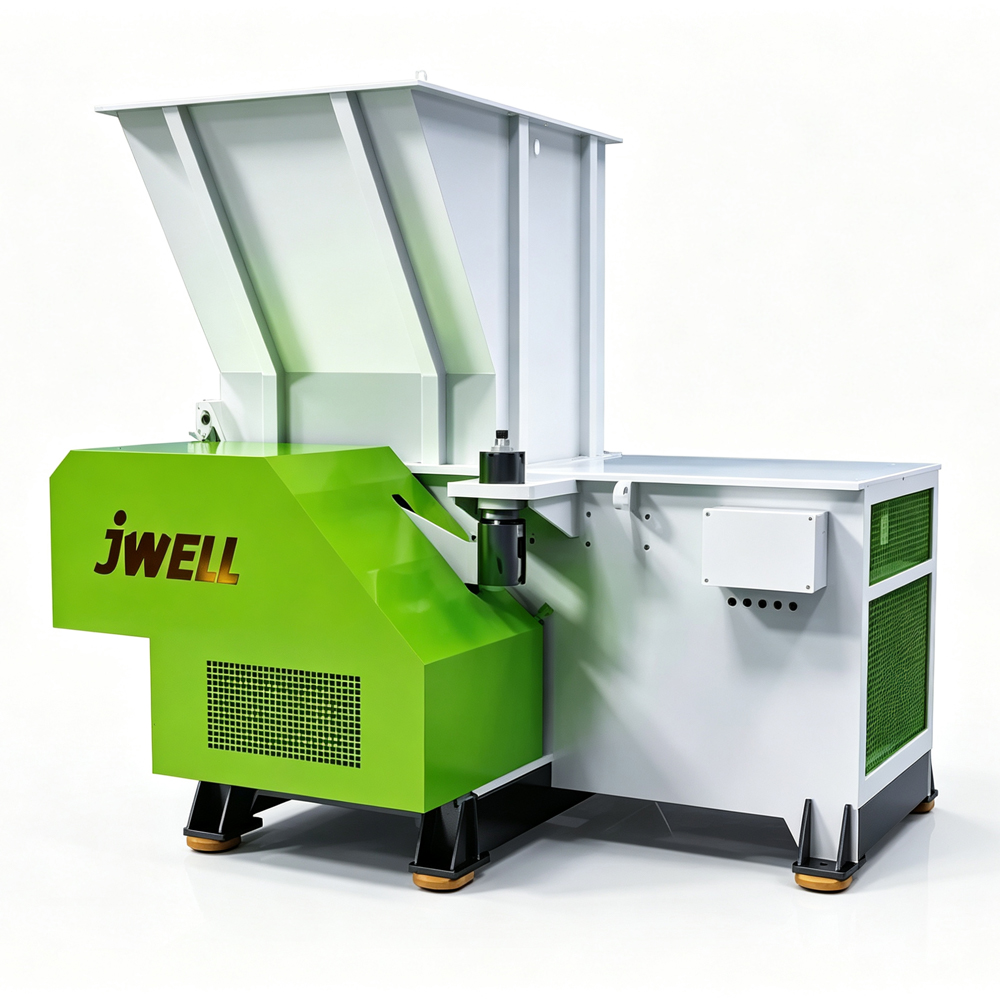
Plastic Shredder Crusher Machine

Tel: +86-19057068112

E-mail: [email protected]

Company Address
No. 128 Qingfeng Road, Xieqiao Town, Haining City, Jiaxing City, Zhejiang Province

19057068112

 English
 русский