
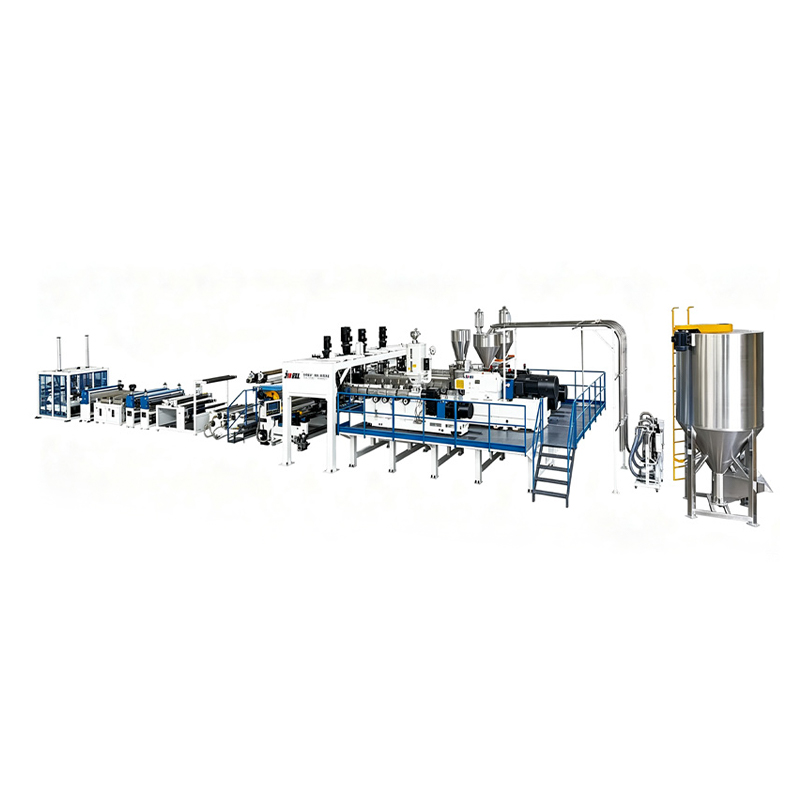
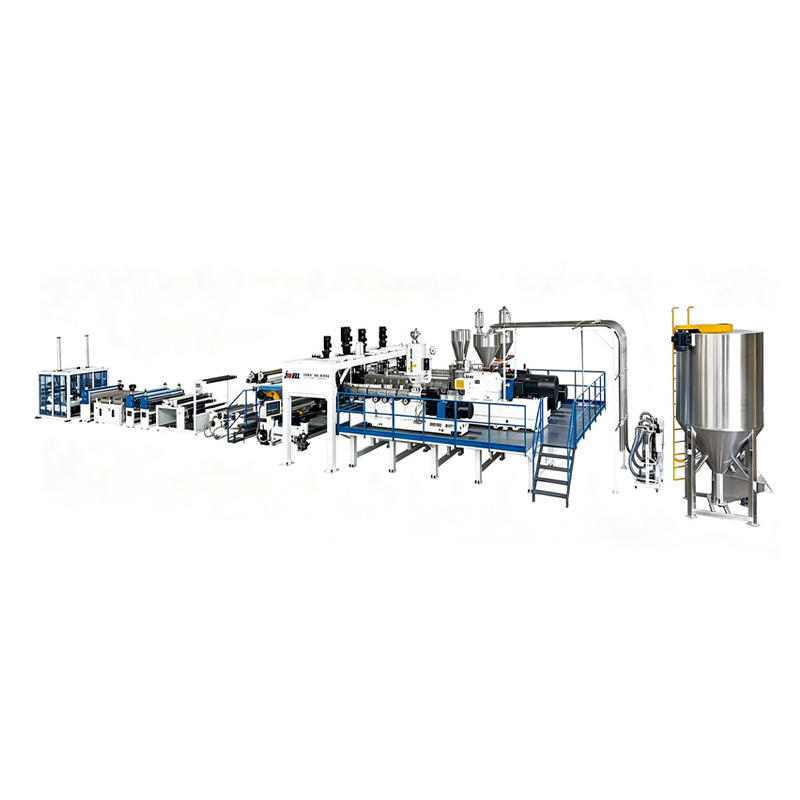
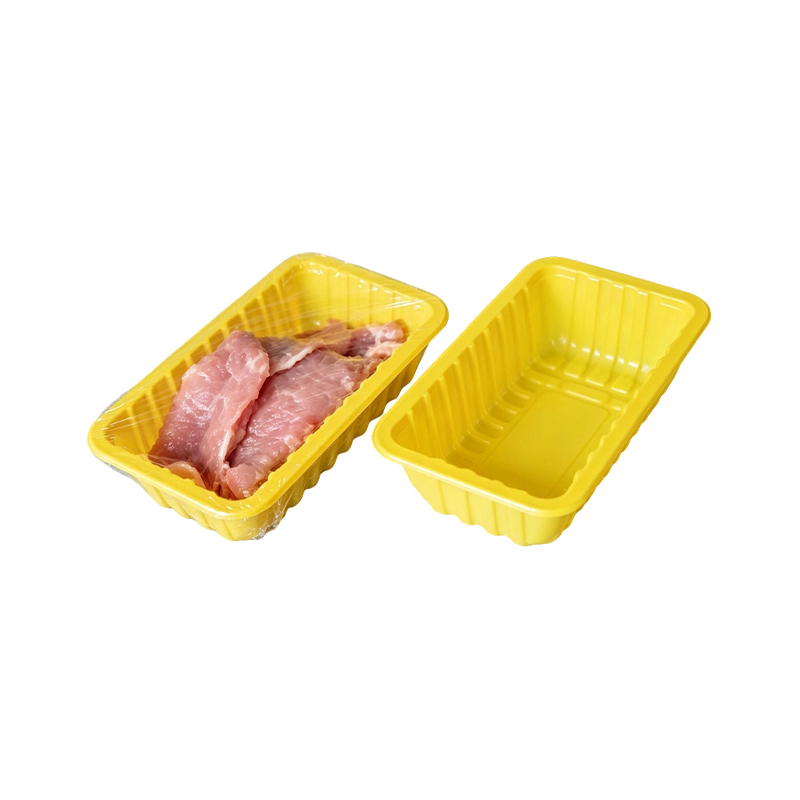
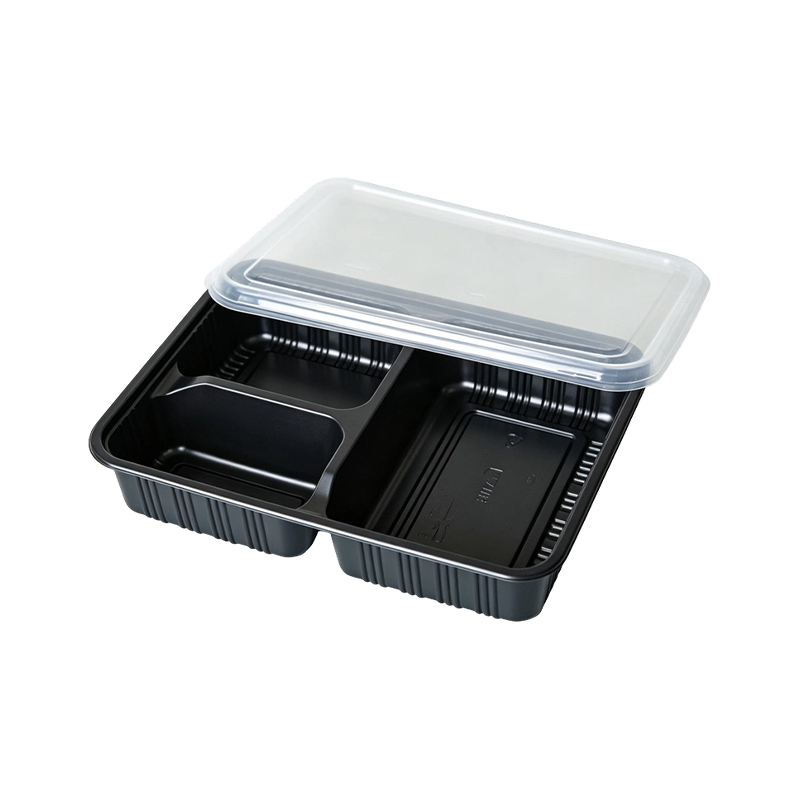
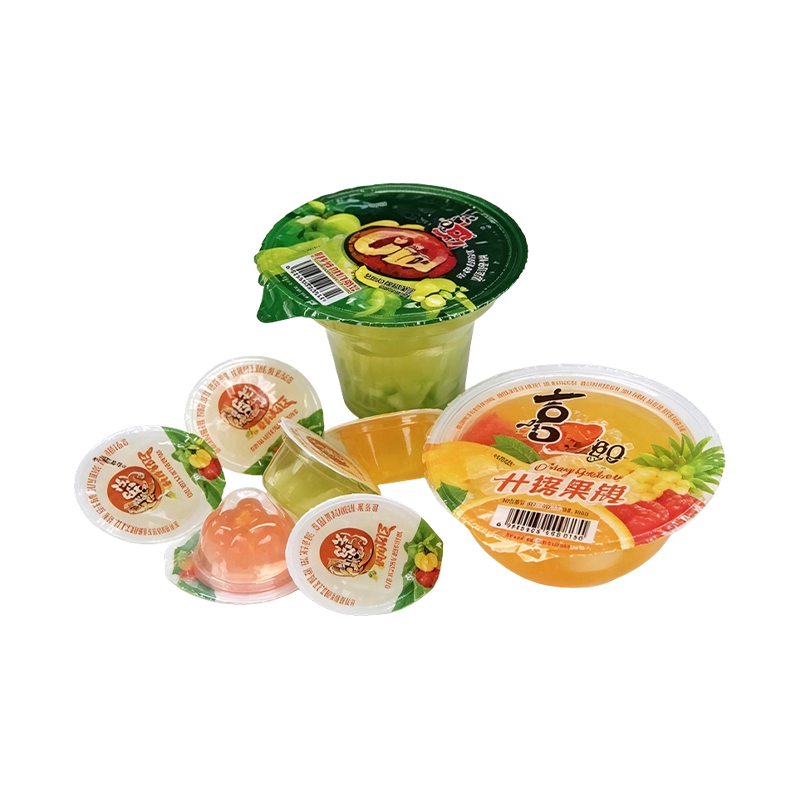
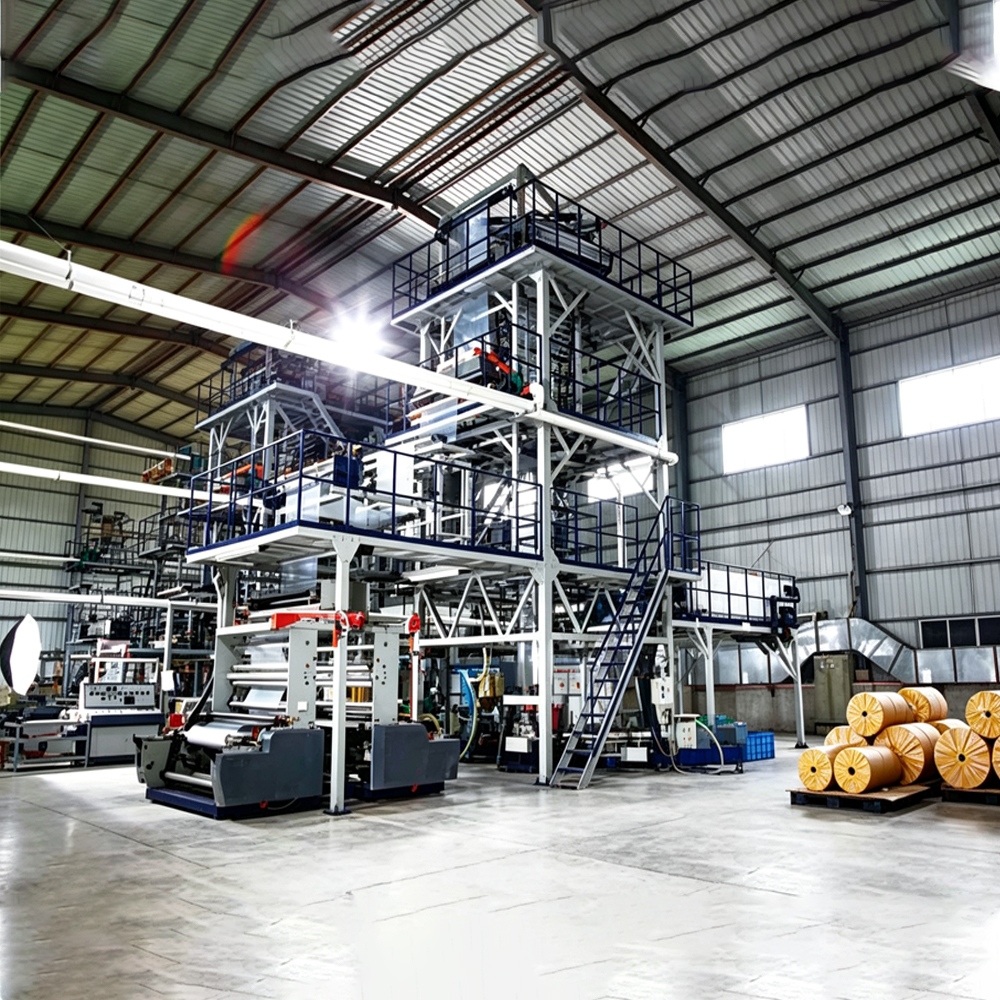
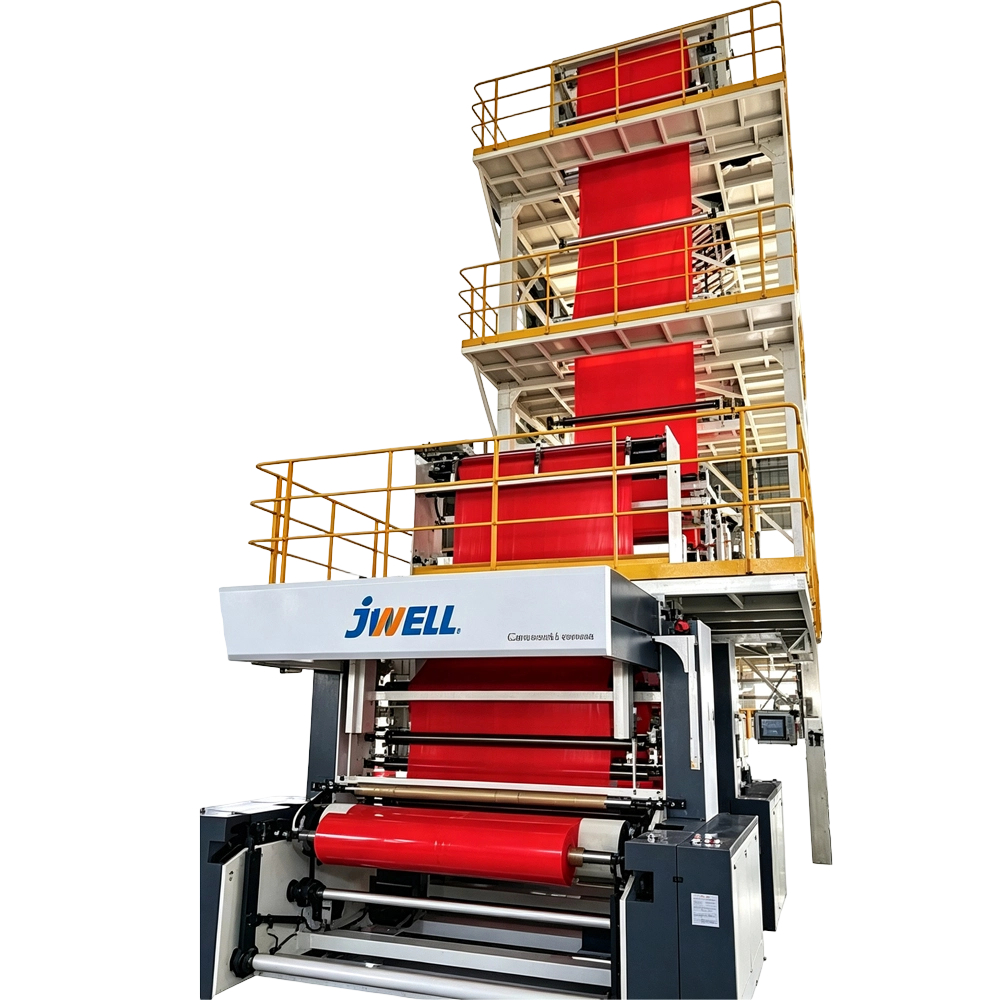
This equipment is specifically designed for the production of symmetric five-layer high-barrier multilayer sheets: PP / EVA / EVOH / EVA / PP. It is widely used in packaging applications that require excellent oxygen, aroma, and moisture barrier properties, combined with good mechanical strength and heat sealability.
Food Packaging: Fresh meat, cheese, processed meat products, ready-to-eat meals, seafood trays. The EVOH core layer provides outstanding oxygen barrier performance, extending shelf life.
Medical & Pharmaceutical Packaging: Blister packaging and sterile barrier trays requiring high purity and stringent moisture/gas barrier properties.
Industrial & Chemical Packaging: Containers for solvents, agrochemicals, or sensitive electronic components.
Thermoformed Containers: High-clarity and puncture-resistant cups, lids, bowls.
Real-world example: A European meat processor switched from monolayer PP trays to this five-layer structure (PP/EVA/EVOH/EVA/PP). The shelf life of MAP (modified atmosphere packaging) beef increased from 14 to 28 days, and material usage was reduced by 18% through downgauging.
Excellent Barrier Performance
EVOH (ethylene-vinyl alcohol copolymer) core layer provides an oxygen transmission rate (OTR) as low as <1 cm³/(m²·24h·atm) at 0% relative humidity. Outer PP layers offer moisture resistance and heat resistance.
Superior Interlayer Adhesion
EVA tie layers chemically bond PP and EVOH, eliminating delamination during thermoforming or bending.
Customizable Symmetric Structure
The symmetric construction (PP/EVA/EVOH/EVA/PP) prevents curling, ensuring flat sheets suitable for high-speed thermoforming.
Process Flexibility
Outer layers can accommodate recycled PP (up to 30% post-industrial recyclate) without affecting barrier performance.
High Clarity and Gloss
PP outer layers with optimized chill rolls produce high-transparency sheets suitable for premium food presentation.
|
Test Item |
Method |
Acceptance Standard |
Frequency |
|
Layer thickness distribution |
Cross-section microscopy + image analysis |
Tolerance per layer ≤ ±5% of target value |
Every 2 hours |
|
Oxygen transmission rate (OTR) |
MOCON Ox-Tran 2/61, 23°C, 50% RH |
<1.5 cm³/(m²·day·atm) for 250µm sheet |
Per production lot |
|
Interlayer peel strength |
180° peel test (ASTM D903) |
PP/EVA and EVA/EVOH ≥4 N/15mm |
Per shift |
|
Haze and transparency |
BYK Gardner Haze-gard i |
Haze <8%, Transparency >90% (for clear grade) |
Daily |
|
Thickness variation |
Online beta or X-ray thickness gauge |
±3% in both transverse and machine directions |
Continuous |
|
Thermoformability |
Vacuum forming test at 150–170°C |
No whitening, bubbles, or delamination |
First sheet per order |
Practical example: During production of 0.4mm sheet, online X-ray thickness gauge detected a +6% deviation on the right edge. Automatic die bolt heating adjustment corrected the issue within 2 minutes, avoiding 150 kg of non-conforming material.
| Illustration of the Structure of the Distributor | |||||
| Malerials Feeding Form |  |
 |
 |
 |
 |
| Running Model |  |
 |
 |
 |
 |
| Materials Feeding Form | PS+HIPS EVA+PE PMMA+ABS ABS+HIPS PETG+APET |
PS+HIPS+PS ABS+HIPS+ABS HIPS+Recycled material PS+HIPS PETG+APET+PETG |
PMMA+HIPS+ABS PC+ABS+UPVC HIPS+Recycled material PS+PS |
PEPS+HIPS+PEPS+PS HIPS+Recycled material PS+HIPS+PS |
ABS+HIPS+Recycled material PS +HIPS+ABS PMMA+ABS.PMMA +ABS+ABS.PMMA+PMMA |
Q1: Can I use 100% recycled PP in the outer layers?
A: Not recommended. Recycled PP may contain contaminants or degraded polymers that reduce melt strength and adhesion. You can blend up to 30% clean, dry post-industrial recyclate with virgin PP. For EVOH, always use virgin material.
Q2: How can I prevent moisture absorption of EVOH during processing?
A: EVOH is hygroscopic; absorbed moisture degrades its barrier properties. Use a dedicated desiccant dryer (dew point ≤ -40°C) for the EVOH hopper. Keep residence time at 200–220°C under 45 minutes.
Q3: What causes intermittent gel streaks in the sheet?
A: Likely EVOH degradation or EVA crosslinking. Check:
Melt filters (recommend 150–200 µm screen pack)
Barrel and screw wear in the EVOH extruder
Temperature spikes in adapter zones (keep EVOH below 230°C)
Q4: Can I use other tie resins instead of EVA?
A: Yes, maleic anhydride grafted polyolefins (e.g., ADMER™ or Plexar™) also work. However, EVA offers better transparency and lower odor for food contact. Adjust extrusion temperatures accordingly (EVA: 160–190°C; modified PP: 190–220°C).
Q5: How do I clean the feedblock after prolonged shutdown?
A: Purge with LLDPE or commercial cleaning compound at 200°C, then dismantle the feedblock and manually clean using brass tools and copper mesh. Never use steel scrapers – they will damage the flow channels.
Q6: What causes occasional bubbles or delamination between the PP outer layer and the EVA tie layer?
A: The three most common reasons: ① Excessive melt temperature difference between layers (e.g., PP set at 220°C, EVA only 160°C, resulting in insufficient bonding temperature); ② Excess moisture or volatiles in the EVA resin; ③ Dead zones in the feedblock flow channels leading to buildup of degraded material.




Pipe Extrusion Production Line
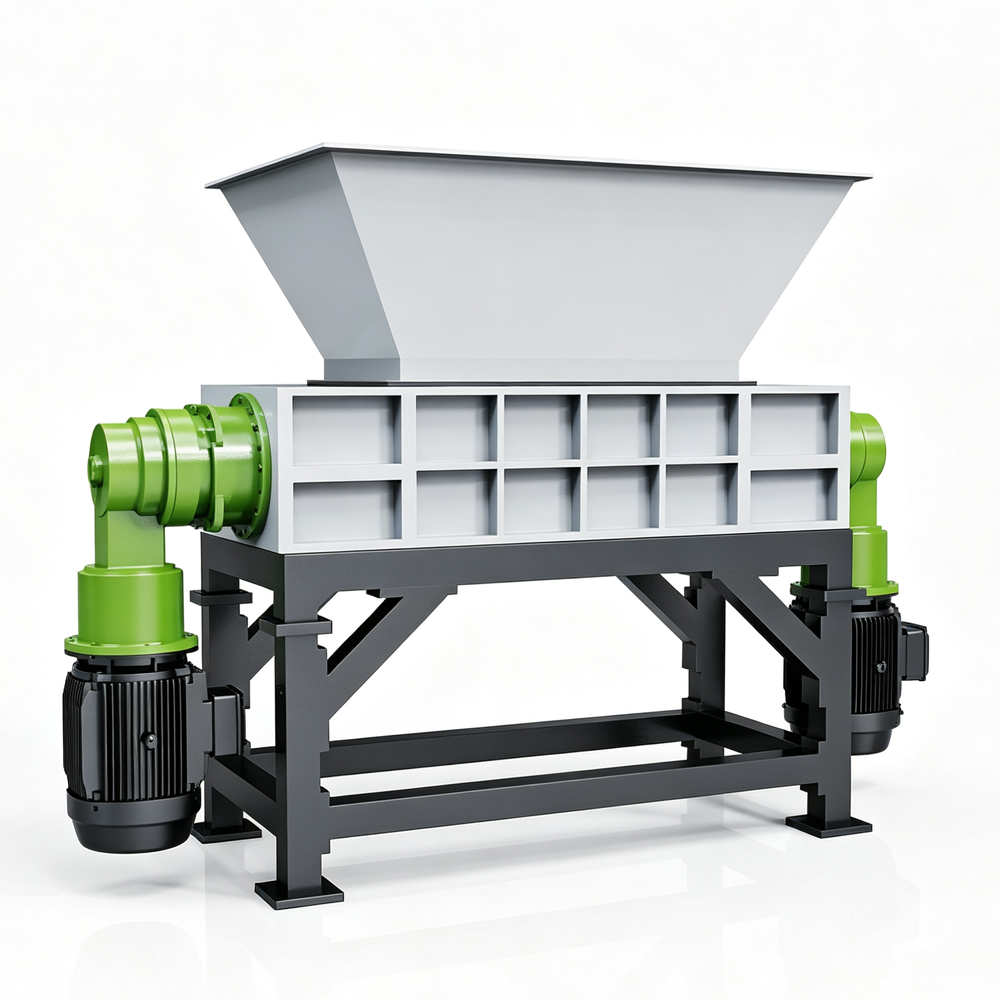
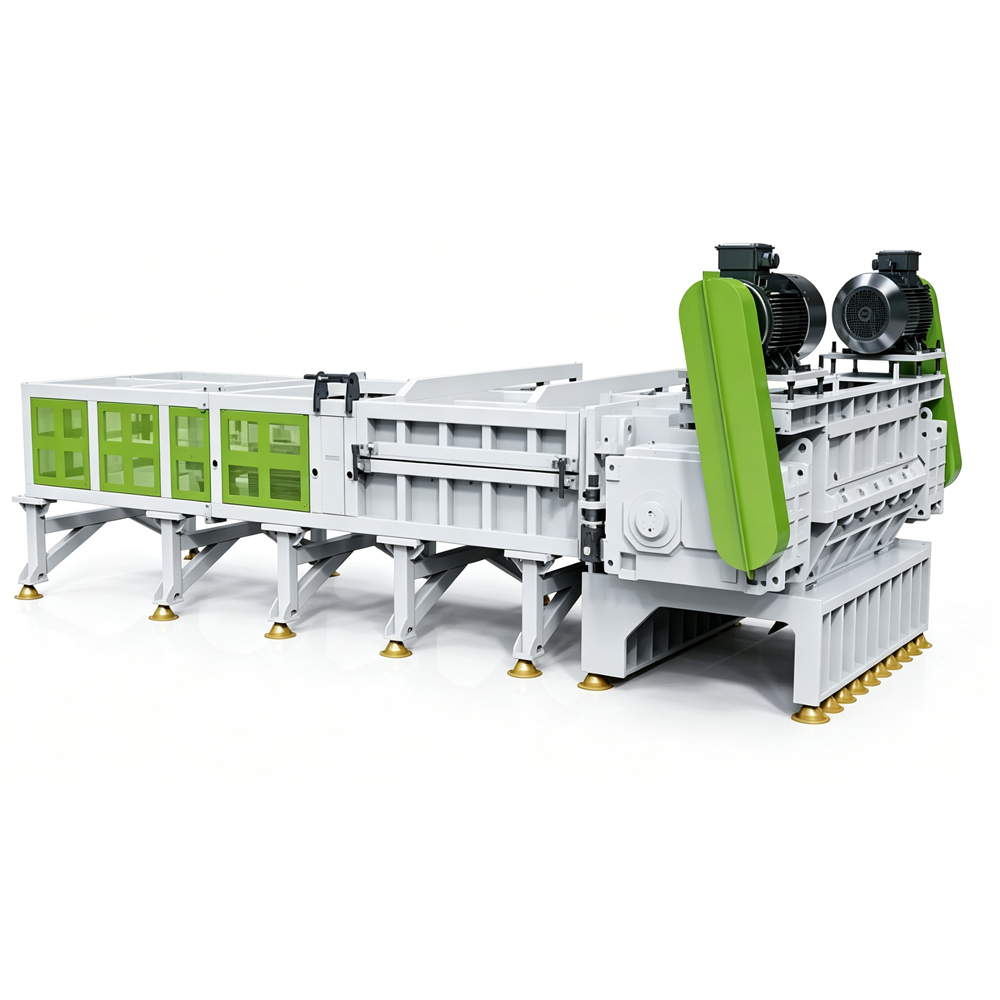
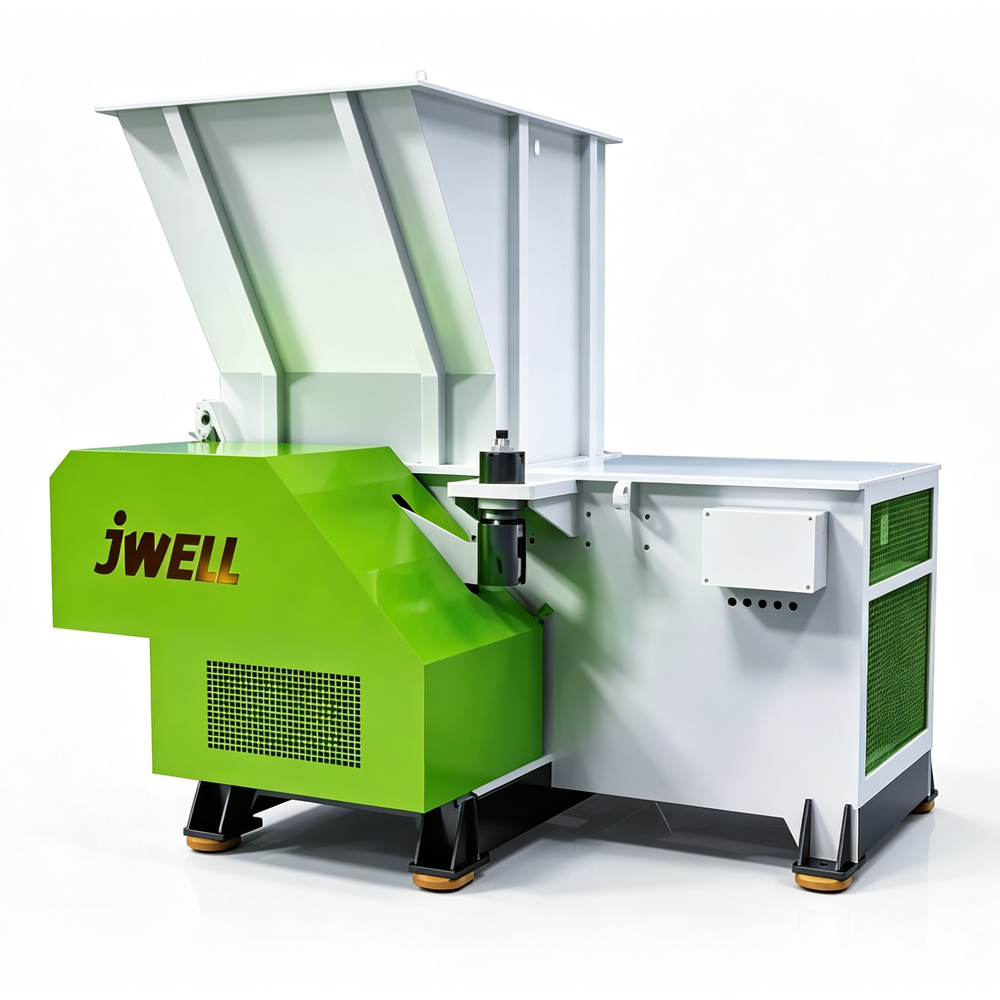
Plastic Shredder Crusher Machine

Tel: +86-19057068112

E-mail: [email protected]

Company Address
No. 128 Qingfeng Road, Xieqiao Town, Haining City, Jiaxing City, Zhejiang Province

19057068112

 English
 русский