
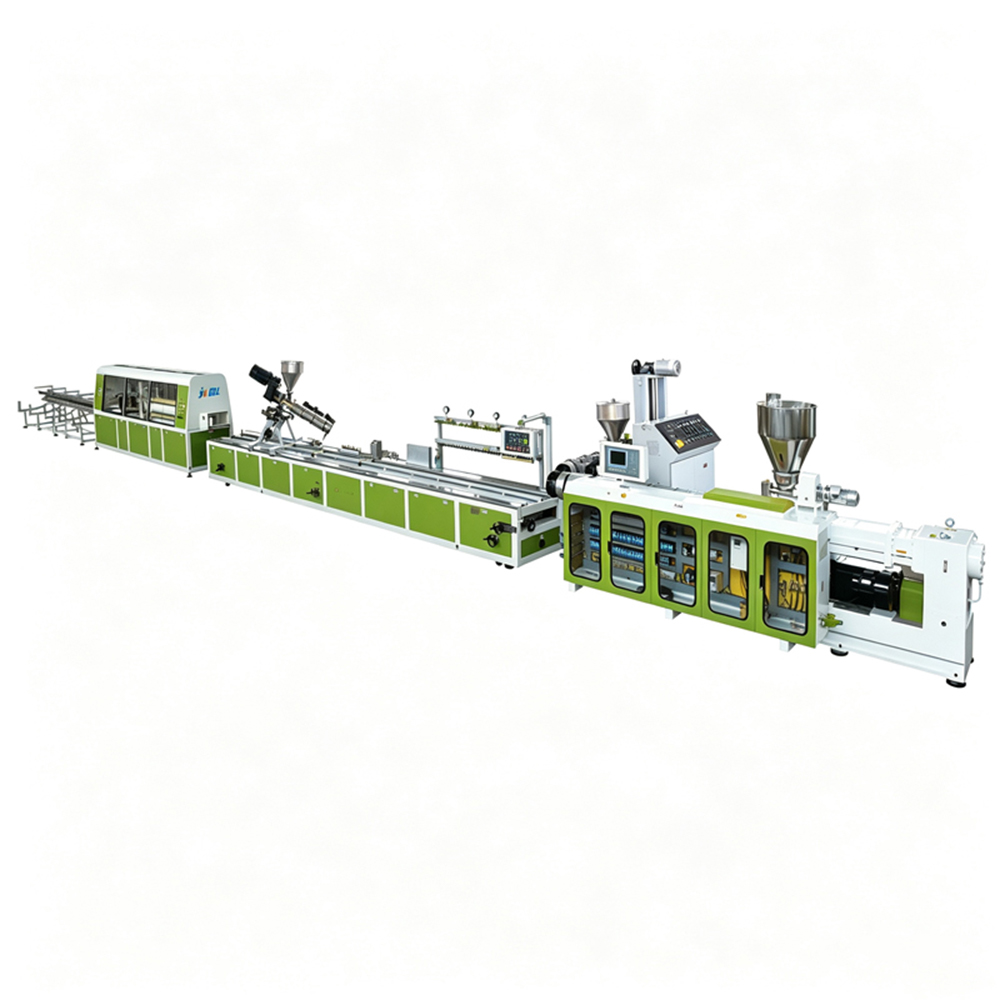
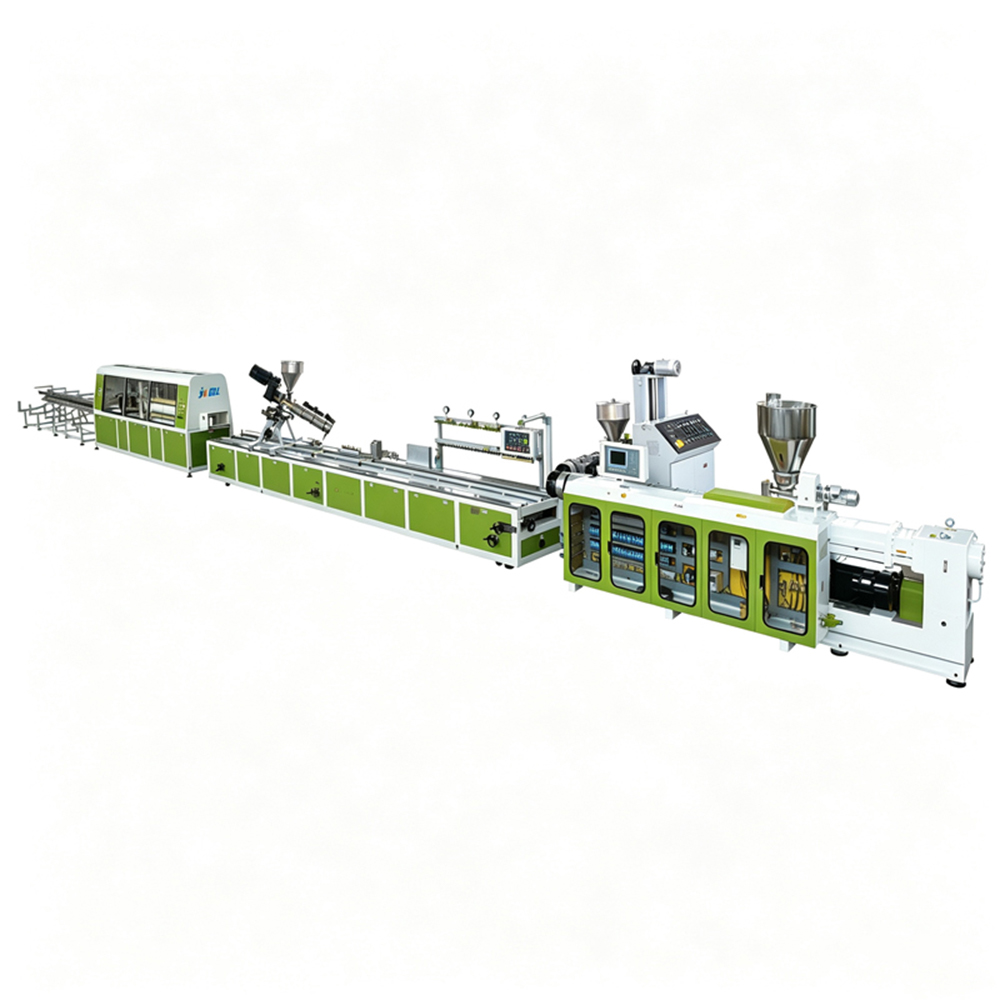
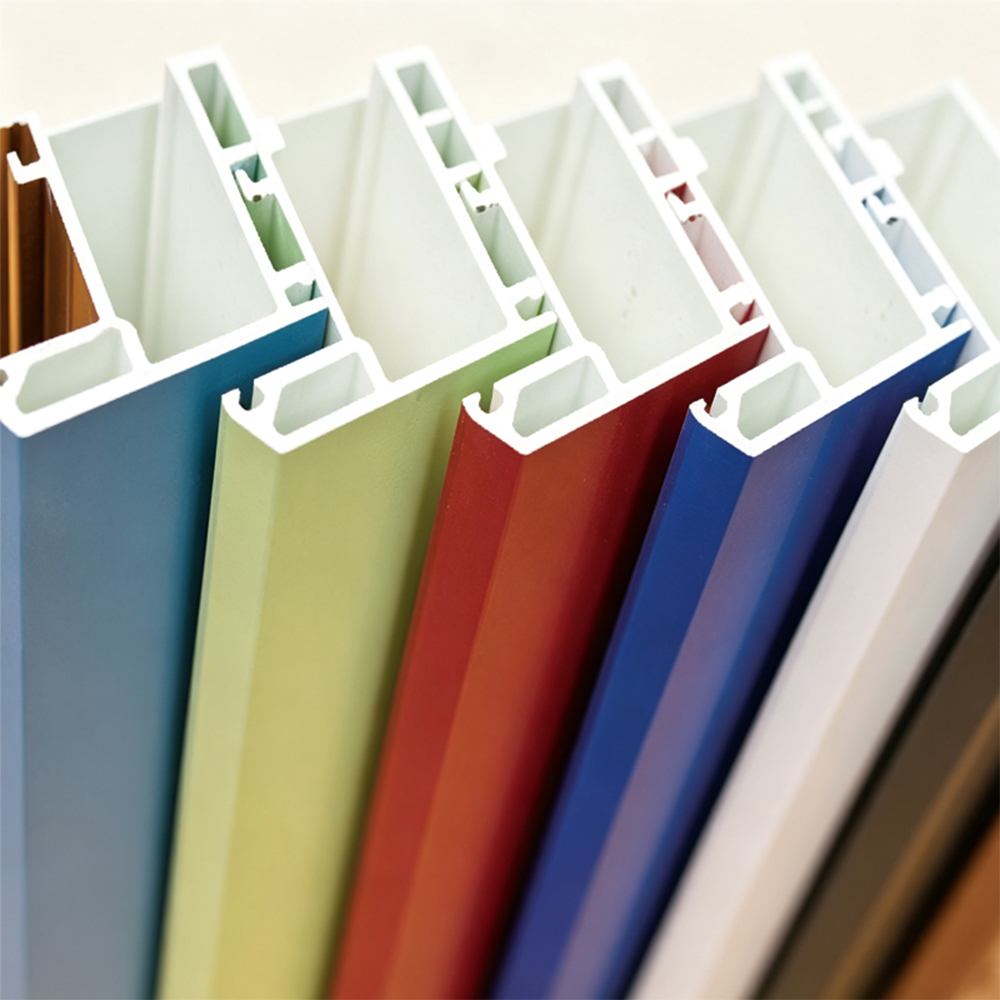
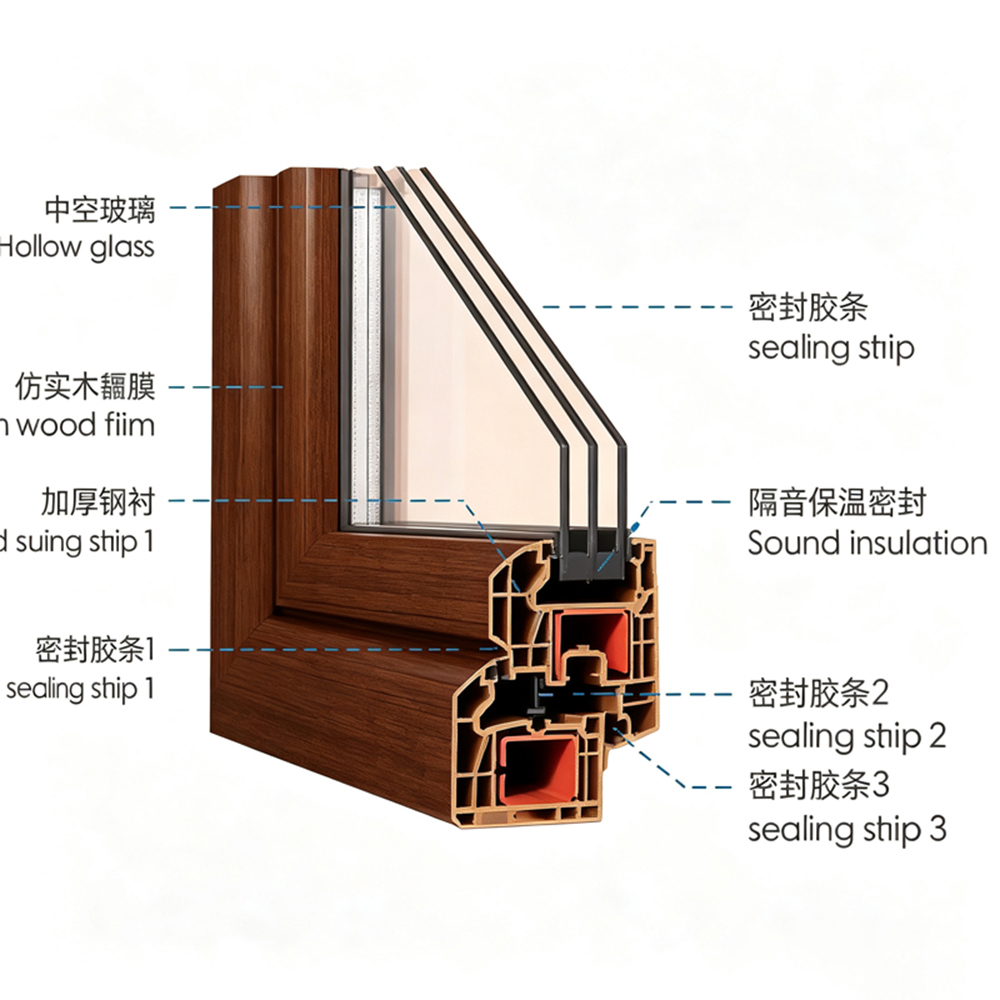
This PVC high-speed profile extrusion line covers two major series: conventional conical twin-screw and high-speed parallel twin-screw. Conventional models (SJZ55/110 to SJZ80/156) feature stable screw speeds, suitable for small-to-medium batch production of rigid profiles. High-speed models (YF240/A) can achieve wide-width or twin-strand extrusion, with a maximum output of 500 kg/h. The complete line features reasonable energy consumption, uniform center height, and clear configurations for cooling and compressed air, widely used in doors, windows, decoration, and cable trunking production.
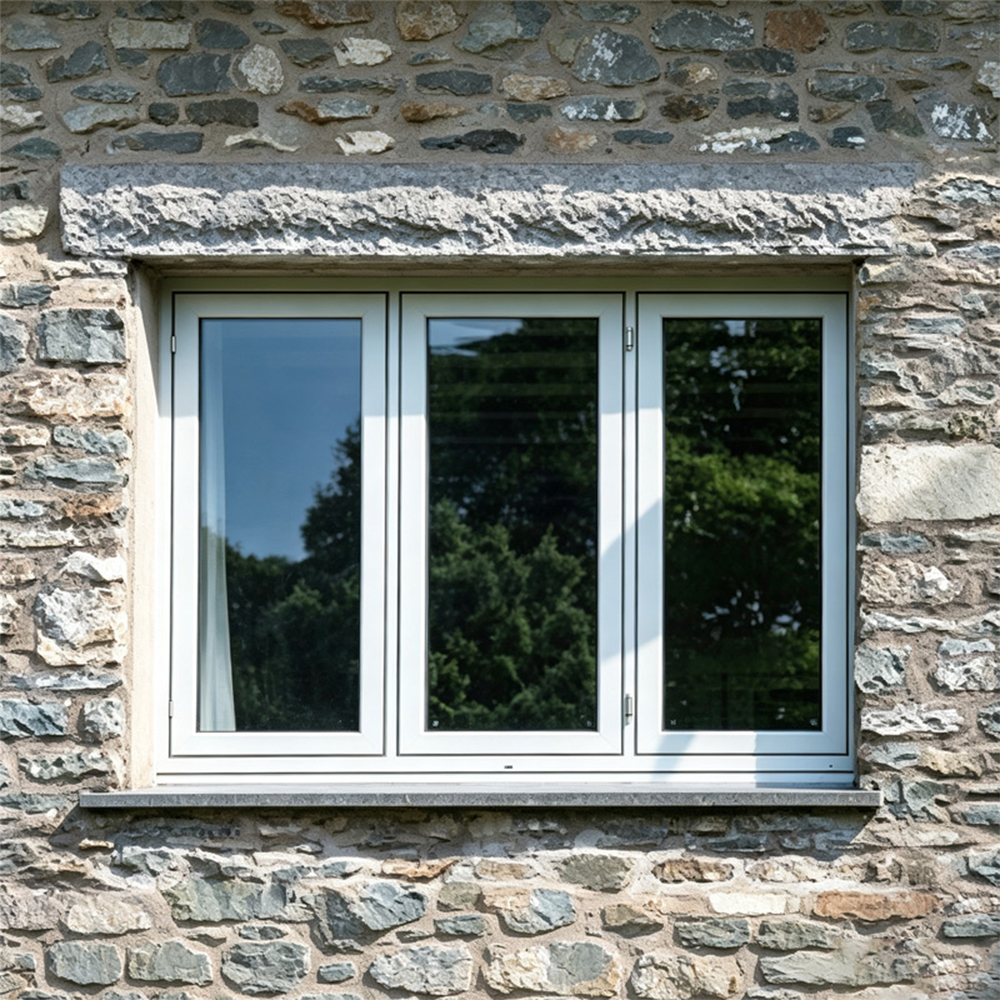
Both conventional and high-speed PVC profile extrusion lines are widely used in construction & building, window frames, cable trays, decorative lines, and garden profiles.
Conventional PVC Profile Extrusion Line (Conical Twin-Screw)
Models: SJZ55/110, SJZ65/132, SJZ80/156
Typical products: standard window frames, door frame profiles, co-extruded foam profiles, and general-purpose PVC sections with thickness ≤5 mm.
Real case: A Turkish window frame manufacturer used the SJZ65/132 line to produce 250 kg/h of high-impact PVC frames for a residential project in Istanbul. Its low screw speed (34.7 rpm) and high torque ensured stable output even with 40% CaCO₃ filler.
High-Speed PVC Profile Extrusion Line (Parallel Twin-Screw)
Models: YF240, YF240A
Typical products: wide profiles (max. 240mm single strand or 2×150mm twin strands), high-speed decorative lines, co-extruded sealing strip profiles, and industrial cable trays.
Real case: A Polish building materials company replaced their old conical twin-screw line with the YF240A (SJP110/28 extruder). They achieved 480 kg/h output (twin-strand 150mm profiles) while reducing cooling water consumption by 15% compared to their previous configuration. Their garden edging profile output per shift tripled.
|
Feature |
Conventional (Conical Twin-Screw) |
High-Speed (Parallel Twin-Screw) |
|
Output range |
100–400 kg/h |
150–500 kg/h |
|
Screw speed |
Fixed low speed, e.g., 34.7 rpm (better shear control) |
Adjustable high speed (L/D 28-31) |
|
Energy efficiency |
Motor power 22–55 kW |
Extruder power 37–75 kW, but better specific energy consumption per kg output |
|
Footprint |
Compact (net weight 3.5–5.5 t) |
Heavier construction, requires solid foundation |
|
Suitable for |
Small-to-medium batch production, rigid profiles |
High-volume production, wide or twin-strand profiles |
Advantages of conventional solution
Better plastication at low screw speed – suitable for recycled PVC or highly filled formulations.
Lower maintenance cost – conical screws are shorter and less wear-prone.
Center height 1050mm – ergonomic for downstream calibrators and pullers.
Advantages of high-speed solution
Higher hourly output – YF240 (SJP93/28/31) up to 400 kg/h; YF240A (SJP110/28) up to 500 kg/h.
Twin-strand capability – YF240A can produce two 150mm profiles simultaneously, doubling linear meter output.
Lower cooling water demand per kg – although YF240A requires 10 m³/h total cooling water, its high throughput leads to lower water cost per kg.
To ensure ISO 9001 compliance and product reliability, each PVC profile extrusion line must go through the following structured steps:
A. Incoming Material Quality Inspection (before production)
Tests: PVC resin K-value (68±2), moisture content (<0.3%), stabilizer particle size distribution.
Equipment used: Moisture analyzer, sieve shaker, torque rheometer (for melt time measurement).
Real case: On an SJZ80/156 line, increasing external lubricant by 2% reduced die build-up by 40% during window profile production.
B. Process Control (during extrusion)
Melt pressure and temperature monitoring – For YF240, melt pressure kept below 30 MPa; for SJZ series, below 25 MPa due to conical screw geometry.
Wall thickness scanning – Ultrasonic thickness gauge measures every 50mm along the profile. Tolerance: ±0.15mm for door frame profiles.
Cooling water tank adjustment – YF240 requires 7 m³/h cooling water; fluctuations exceeding ±0.5 m³/h cause warpage.
C. Post-Extrusion Physical Property Tests (per shift)
|
Test |
Standard |
Acceptance criteria |
Applicable to |
|
Impact resistance (Charpy) |
ISO 179 |
No break at 15°C |
SJZ65/132 window profiles |
|
Tensile strength |
ISO 527 |
≥35 MPa |
YF240 twin-strand profiles |
|
Vicat softening temperature |
ISO 306 |
≥76°C (outdoor use) |
Both lines |
|
Gloss uniformity |
Visual + gloss meter |
ΔGloss <5 units |
YF240A decorative lines |
Real case: An Australian customer using YF240A encountered intermittent surface marking issues. By testing their air compressor output (compressed air requirement: 0.8 m³/min), a clogged dryer filter was found. After replacement, surface defect rate dropped from 12% to 0.5%.
| Model | SJZ55/110 | SJZ65/132 | SJZ80/156 |
| Screw speed (rpm) | 34.7 | 34.7 | 34.7 |
| Motor power (kw) | 22 | 37/30 | 55 |
| Output (kg/h) | 100/150 | 180/250 | 300/400 |
| Center high (mm) | 1050 | 1050 | 1050 |
| Net weight (kg) | 3500 | 4000 | 5500 |
| Model | YF240 | YF240 | YF240A |
| Production width (mm) | 240 | 240 | 150*2 |
| Extruder model | SJP75/28 | SJP93/28/31 | SJP110/28 |
| Output (kg/h) | 150-250 | 250-400 | 400-500 |
| Extruder power (kw) | 37 | 55 | 75 |
| Cooling water (m³/h) | 7 | 8 | 10 |
| Compressor air (m³/min) | 0.6 | 0.6 | 0.8 |
Q1: For my first factory, should I choose a conventional conical twin-screw line or a high-speed parallel twin-screw line?
A: If your annual demand is below 800 tons, start with SJZ65/132 (180-250 kg/h). Its upfront cost is lower and operation simpler. For high-volume orders (>1500 tons/year), choose YF240A – its twin-strand design allows one operator to achieve 500 kg/h.
Q2: What factors affect the difference between actual output and claimed maximum output?
A: Claimed output (e.g., 250-400 kg/h for YF240) depends on:
Profile shape (simple hollow vs. multi-chamber)
Filler ratio (5-40% CaCO₃)
Die design (single vs. twin strand)
Cooling efficiency (8 m³/h water temperature must be kept at 15-20°C)
Real case: Using SJZ80/156 with 35% filler, output dropped from 400 kg/h to 310 kg/h, but material cost per ton was reduced by USD 120.
Q3: How to maintain the stable compressed air required for YF240A (requirement 0.8 m³/min)?
A: Install a 1.5 m³/min screw air compressor with a refrigerated dryer. YF240A uses compressed air for calibrator vacuum and pneumatic cutting. If pressure drops below 0.6 MPa, saw cutting will jam – a common summer failure. It is recommended to add a 200L buffer tank.
Q4: On conventional lines, the SJZ65/132 shows "motor power 37/30 kW" – what does "/30" mean?
A: 37 kW is the main extruder motor power; "30" refers to the feeder motor power (kW). This independent feeder ensures stable screw feeding for conical extruders. On high-speed lines (e.g., SJP93/28), the feeder is integrated.
Q5: How to reduce cooling water consumption without affecting line speed?
A: For YF240 (standard 8 m³/h), install a closed-loop cooling tower with temperature control. An Indian customer reduced water usage from 8 m³/h to 2.5 m³/h by adding a 5-ton chiller and recirculating 90% of the water. Profile straightness remained within 0.3mm/m.
Q6: In practice, what is the adjustment range of center height?
A: Both conventional and high-speed lines have a nominal center height of 1050mm. However, the puller of YF240A allows ±50mm vertical adjustment – useful when matching calibrators from different brands. The SJZ series has a fixed center height, so you must confirm that your downstream equipment exactly matches 1050mm.




Pipe Extrusion Production Line
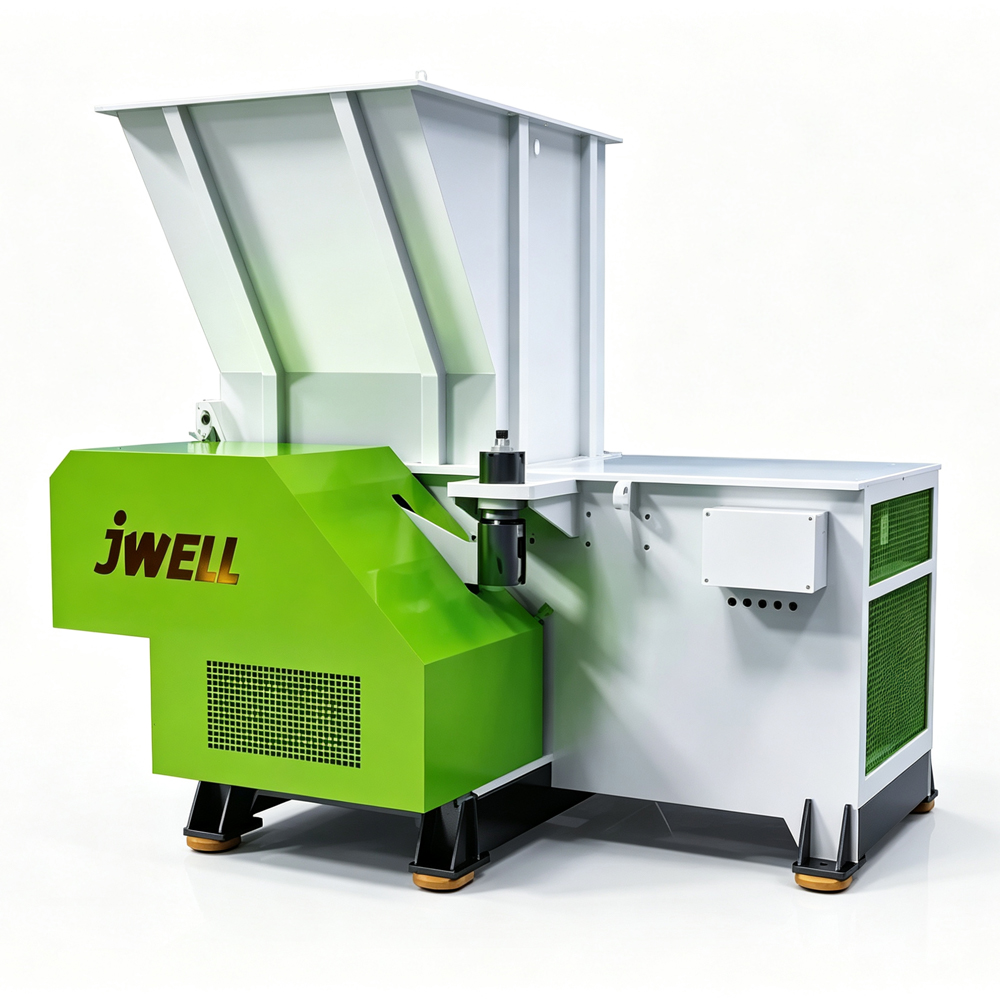
Plastic Shredder Crusher Machine

Tel: +86-19057068112

E-mail: [email protected]

Company Address
No. 128 Qingfeng Road, Xieqiao Town, Haining City, Jiaxing City, Zhejiang Province

19057068112

 English
 русский