
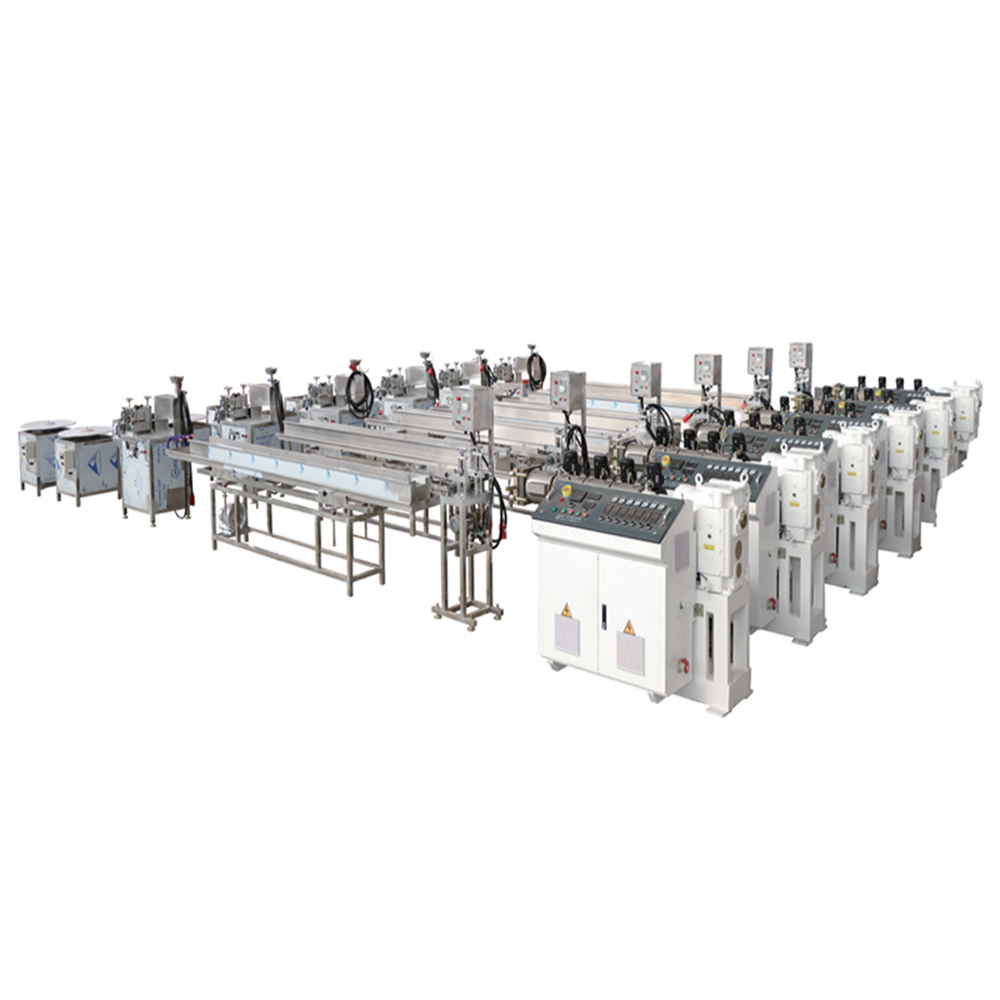
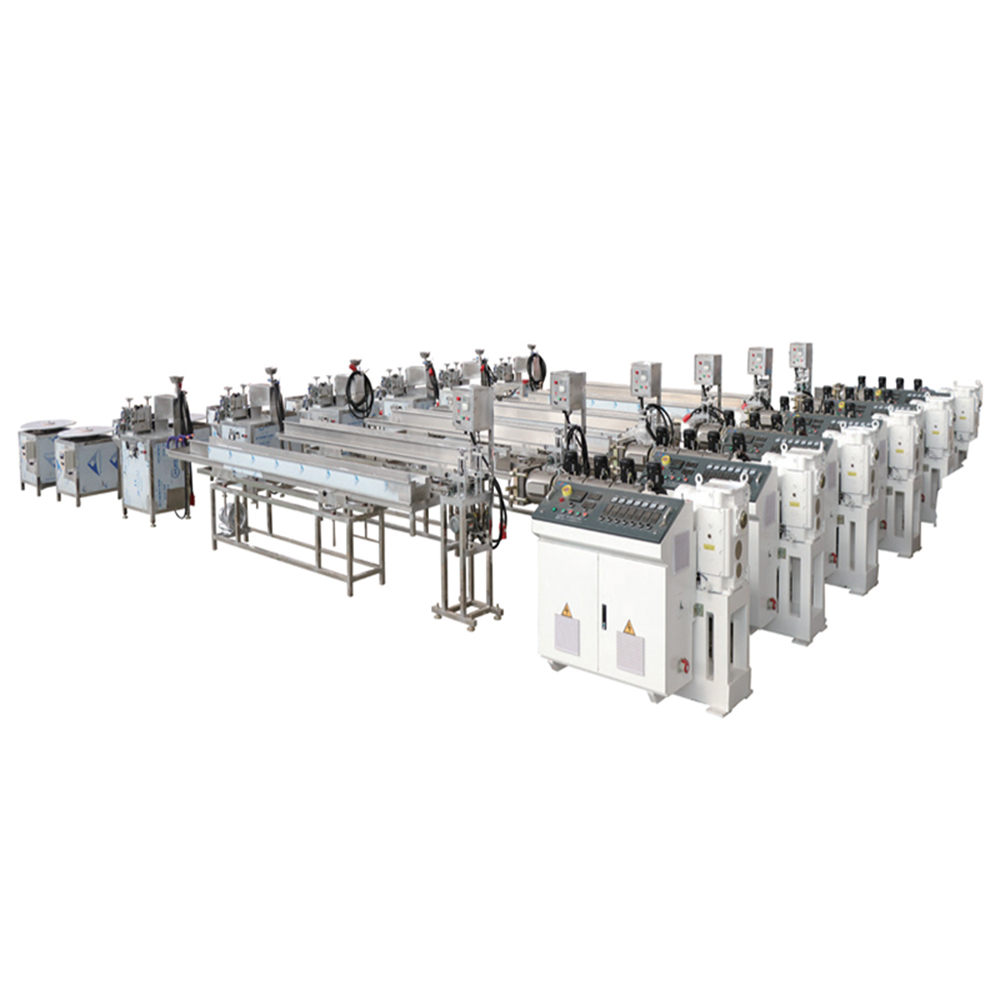
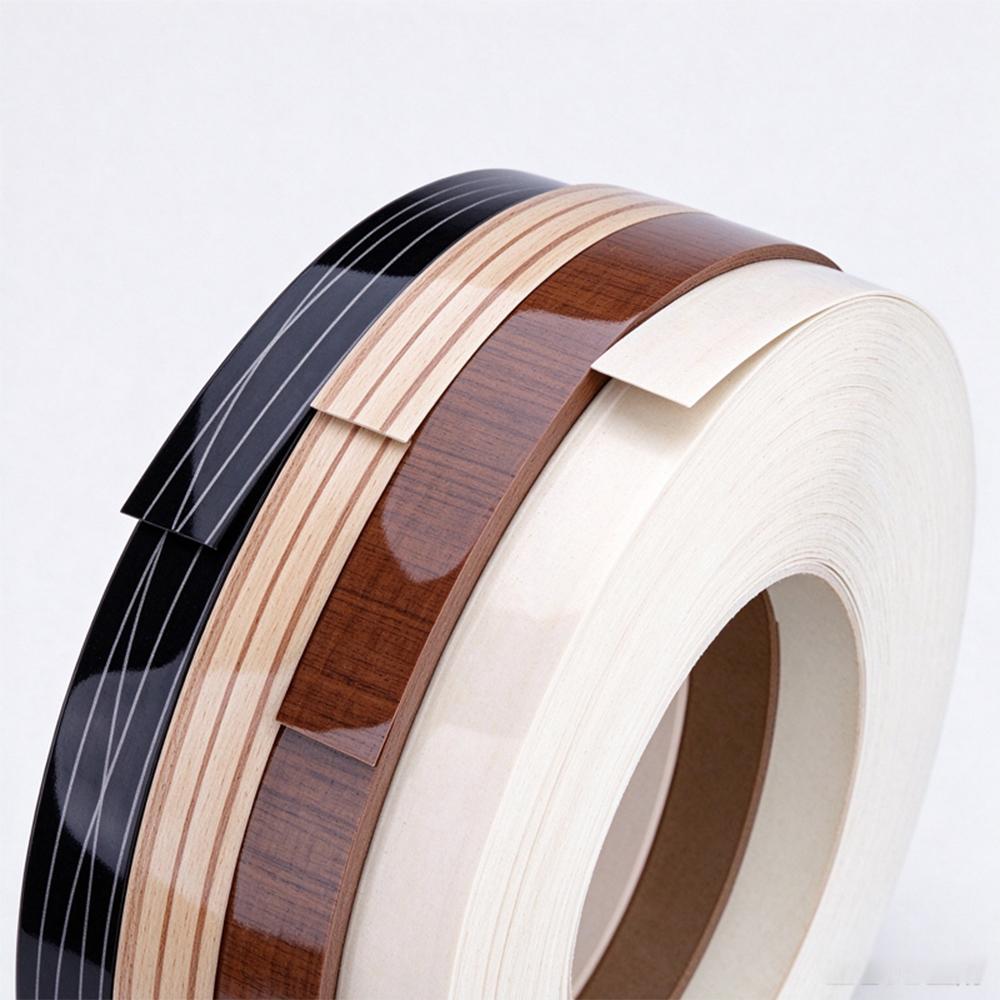
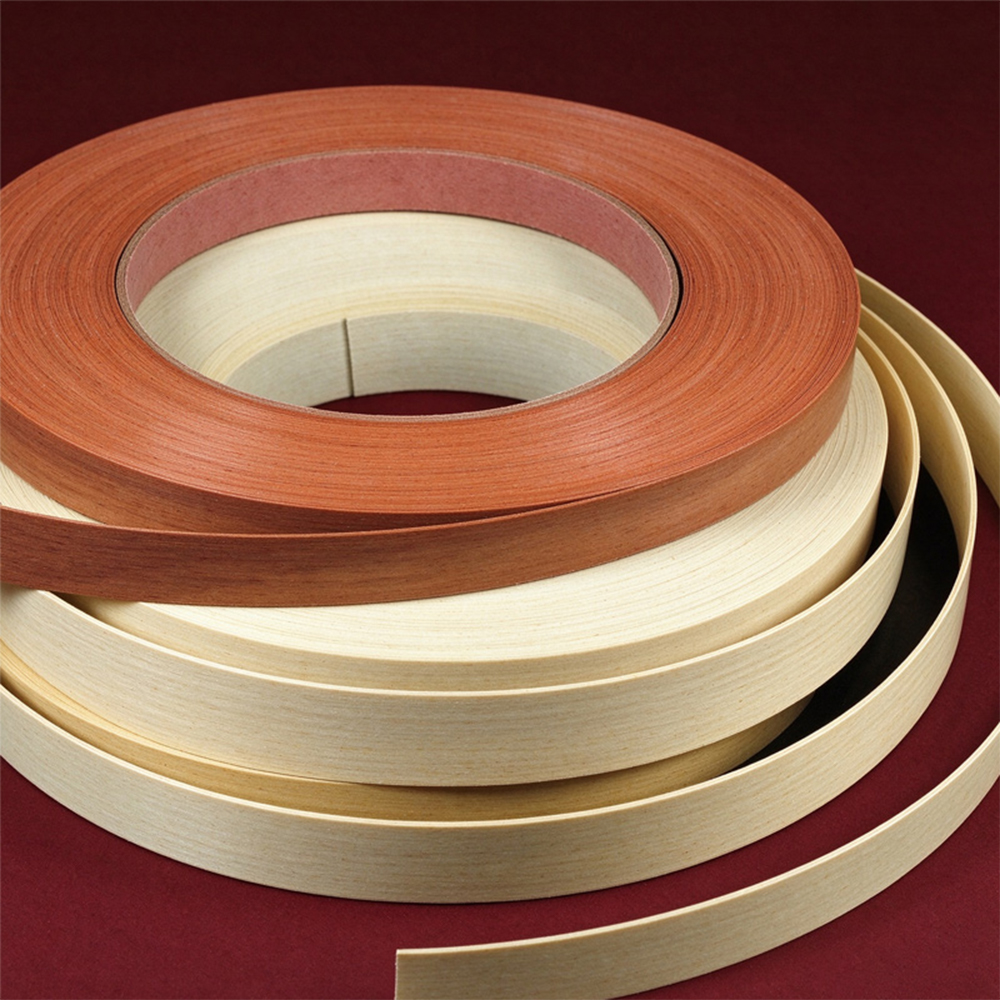
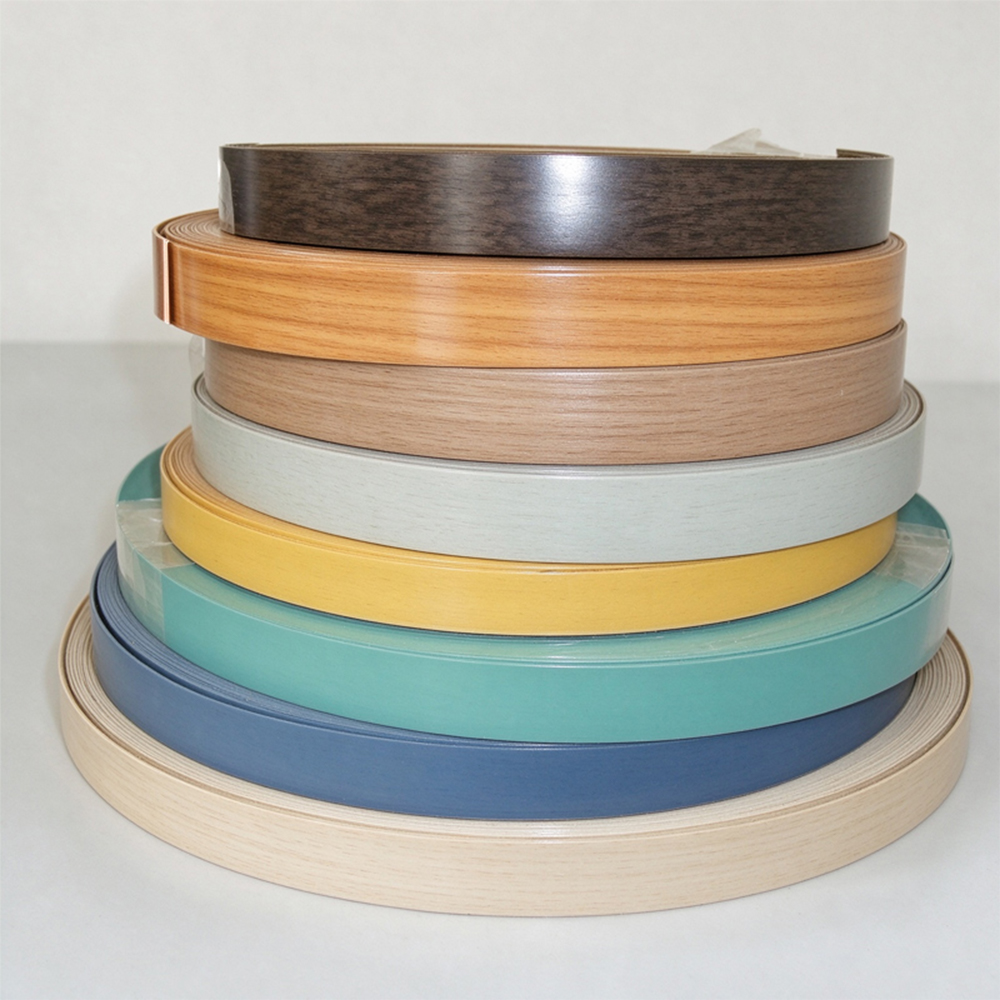
The JWS series PVC edge banding extrusion lines (models: JWS45/25, JWS50/25, JWS55/25, and JWS65/25) are precision-engineered systems designed for high-efficiency production of PVC edge banding coils, suitable for furniture, cabinetry, and interior decoration applications.
Furniture Manufacturing – Case Study: A Cabinet Factory in Vietnam
A cabinet manufacturer upgraded from manual edge banding to the JWS55/25 model. They produce 30,000 meters of PVC edge banding per shift (22 mm wide, 0.6 mm thick). The machine's output (30–50 kg/h) perfectly matches their medium-batch requirements, and the adjustable screw speed allows them to switch between high-gloss and matte surfaces without changing tools.
Automotive Interior Parts – Case Study: A Supplier in Thailand
An automotive parts supplier uses the JWS65/25 (50–60 kg/h) to produce edge banding for glove boxes and door panels. The thickness range of 0.4–2 mm enables simultaneous production of flexible thin strips (0.4 mm) and rigid thick strips (1.8 mm) on the same line. The product width range of 12–45 mm covers most automotive card-slot designs.
DIY Retail Edge Banding – Case Study: An Exporter in China
An export-oriented factory runs four JWS45/25 units (11 kW each) 24/7 to produce standard 19 mm and 32 mm edge banding coils for European DIY chains. Each line delivers material at a stable quality of 15–20 kg/h, and the low starting speed of 5 rpm is ideal for batch changes and color switches.
|
Feature |
Benefit |
|
Screw speed 5–50 rpm |
Wide speed range: low-speed start prevents material burning (5 rpm) for easy material changes; high-speed continuous running (50 rpm) for high-volume production. |
|
Drive power: 11–22 kW |
Energy efficient – the 11 kW model consumes only 0.73 kWh per kg of output (tested on JWS45/25), reducing electricity bills by ~18% compared to older models. |
|
Output 15–60 kg/h |
Scalability: small workshops start at 15 kg/h (JWS45) and can upgrade to 60 kg/h (JWS65) without retraining operators. |
|
Product width 12–45 mm |
Covers over 90% of standard edge banding widths in panel furniture (common sizes: 19, 22, 32, 38, 45 mm). |
|
Thickness 0.4–2 mm |
One machine can produce thin flexible strips for curved edges (0.4–0.8 mm) as well as thick impact-resistant strips for high-use tabletops (1.5–2 mm). |
Actual production advantage:
A customer using the JWS50/25 (15 kW) reported a 40% reduction in material waste compared to their previous extruder, because the 5–50 rpm screw speed combined with an optimized barrel temperature profile minimizes degradation during color changes. The screw design ensures homogeneous melting and minimizes "sharkskin" defects on the edge banding surface.
Based on actual factory implementation (Guangdong, China – ISO 9001 certified factory), each JWS series line undergoes the following QC process:
Incoming Raw Material Inspection
Check moisture content (<0.3%) and particle size distribution (40–80 mesh) of PVC resin, calcium carbonate, and additives. Rejection rate: <0.5%.
In-Process Monitoring (every 30 minutes)
|
Parameter |
Target |
Tolerance |
Test Method |
|
Screw speed |
5–50 rpm |
±1 rpm |
Digital tachometer |
|
Melt temperature |
160–180°C |
±3°C |
Die thermocouple |
|
Output stability |
Rated value ±5% |
Weigh output length per minute |
Gravimetric test |
|
Width accuracy |
12–45 mm |
±0.2 mm |
Laser micrometer |
|
Thickness |
0.4–2 mm |
±0.03 mm |
Three-point dial gauge (across width) |
Finished Product Testing (per production batch – 500 kg)
Adhesion strength test – Peel test on HDF board: minimum 2.5 N/cm (EN 319 standard).
Surface gloss uniformity – 60° gloss meter: variation ≤2 GU over 10 m length.
Heat resistance – Sample heated at 80°C for 2 hours: no blistering or delamination.
Cold bend test – Bend around a 10 mm mandrel at 0°C: no cracks.
Actual QC case study:
During a JWS65/25 production run for a German customer, when thickness exceeded 1.03 mm (target 1.00 mm), an automatic feedback loop adjusted screw speed from 42 rpm to 45 rpm. This real-time correction reduced scrap rate from 3.2% to 0.7%.
| Extruder model | JWS45/25 | JWS50/25 | JWS55/25 | JWS65/25 |
| Driving motor (kw) | 11 | 15 | 18.5 | 22 |
| Screw speed (rpm) | 5-50 | 5-50 | 5-50 | 5-50 |
| Capacity (kg/h) | 15-20 | 25-30 | 30-50 | 50-60 |
| Product size (mm) | 12-35 | 12-35 | 12-45 | 12-45 |
| Thickness (mm) | 0.4-1 | 0.4-1 | 0.4-2 | 0.4-2 |
Q: Can I produce both solid color and wood grain edge banding on the same JWS machine?
A: Yes. The JWS series supports co-extrusion with an optional second small extruder. For wood grain effects, a color masterbatch feeder can be added. Actual case: A factory in the Philippines used a JWS55/25 + a 25 mm micro-extruder to produce two-color edge banding at an output of 35 kg/h.
Q: How do I choose between the JWS45/25 and JWS65/25?
A: Based on your target output:
JWS45/25 (11 kW, 15–20 kg/h) – suitable for sample lines or small-batch custom colors.
JWS65/25 (22 kW, 50–60 kg/h) – suitable for producing 400–480 kg per 8-hour shift.
A laminating workshop in Indonesia replaced two JWS45 units with one JWS65, reducing labor costs by 50% while increasing output by 30%.
Q: What thickness tolerance can I expect?
A: ±0.03 mm for thickness ≤1 mm, and ±0.05 mm for thickness 1–2 mm. This is achieved through precision dies and screw speed stability. A user producing 0.45 mm edge banding for an IKEA-approved supplier consistently maintains 0.45 ±0.02 mm over 12-hour continuous runs.
Q: What is the service life of the screw?
A: For standard PVC (≤20% calcium carbonate filler), the bimetallic screw lasts 8,000–10,000 hours. For highly filled formulations (40% calcium carbonate), expect 5,000 hours before requiring hardfacing rework. The JWS series uses wear-resistant nitrided steel (HV 900–1000).
Q: Can the machine run recycled PVC?
A: Yes, but recycled content should be limited to 30% for stable output. A Brazilian customer ran 25% post-industrial recycled PVC on a JWS50/25 at 28 kg/h without die clogging. The recyclate must be washed and dried to a moisture content below 0.5%.
Q: What is the warm-up time?
A: From cold start to stable extrusion: 25–30 minutes. The barrel has three heating zones (air-cooled); the JWS65/25 reaches 170°C in 22 minutes (measured in our workshop).
Q: How to resolve uneven thickness across the width?
A: Check die lip adjustment – turn the adjusting bolts in increments of 0.1 mm. Also check screw speed fluctuation (should be ≤1 rpm). A maintenance record from Malaysia shows that cleaning the screen pack (80/100/80 mesh) resolved 90% of uneven thickness issues.




Pipe Extrusion Production Line
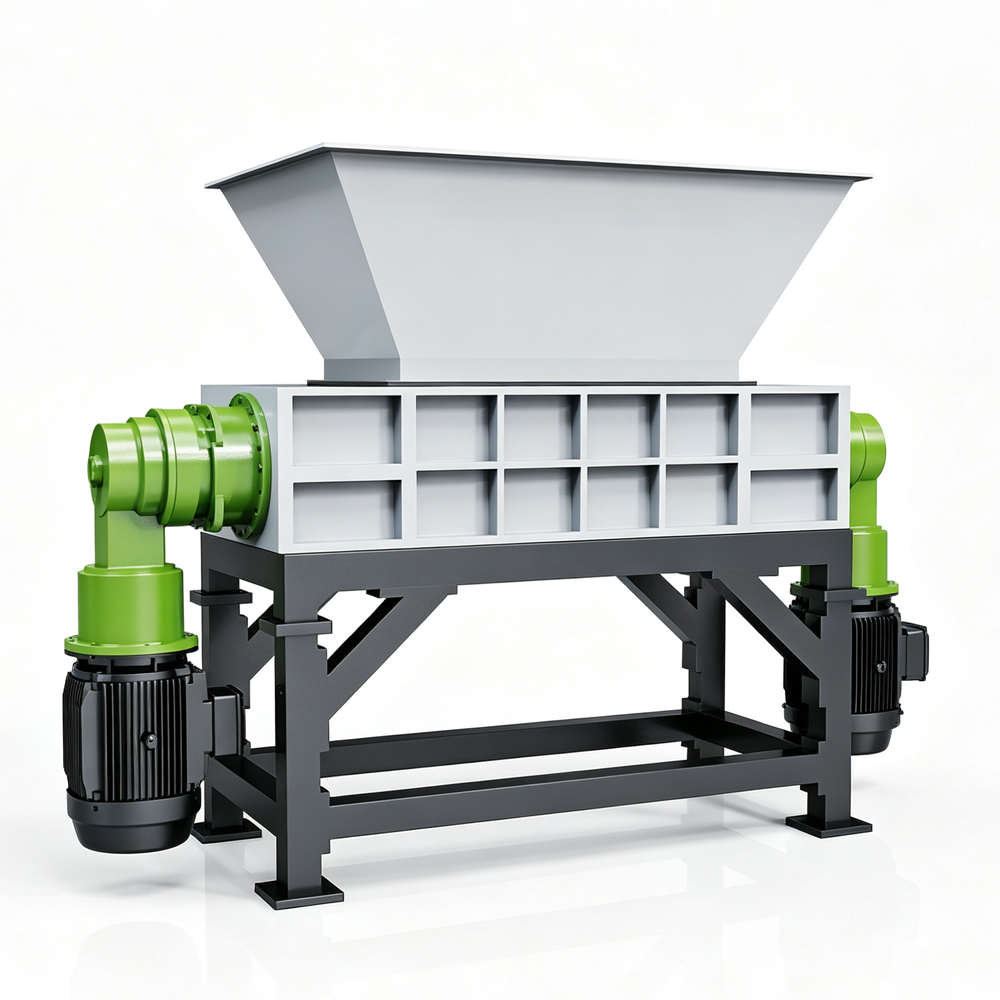
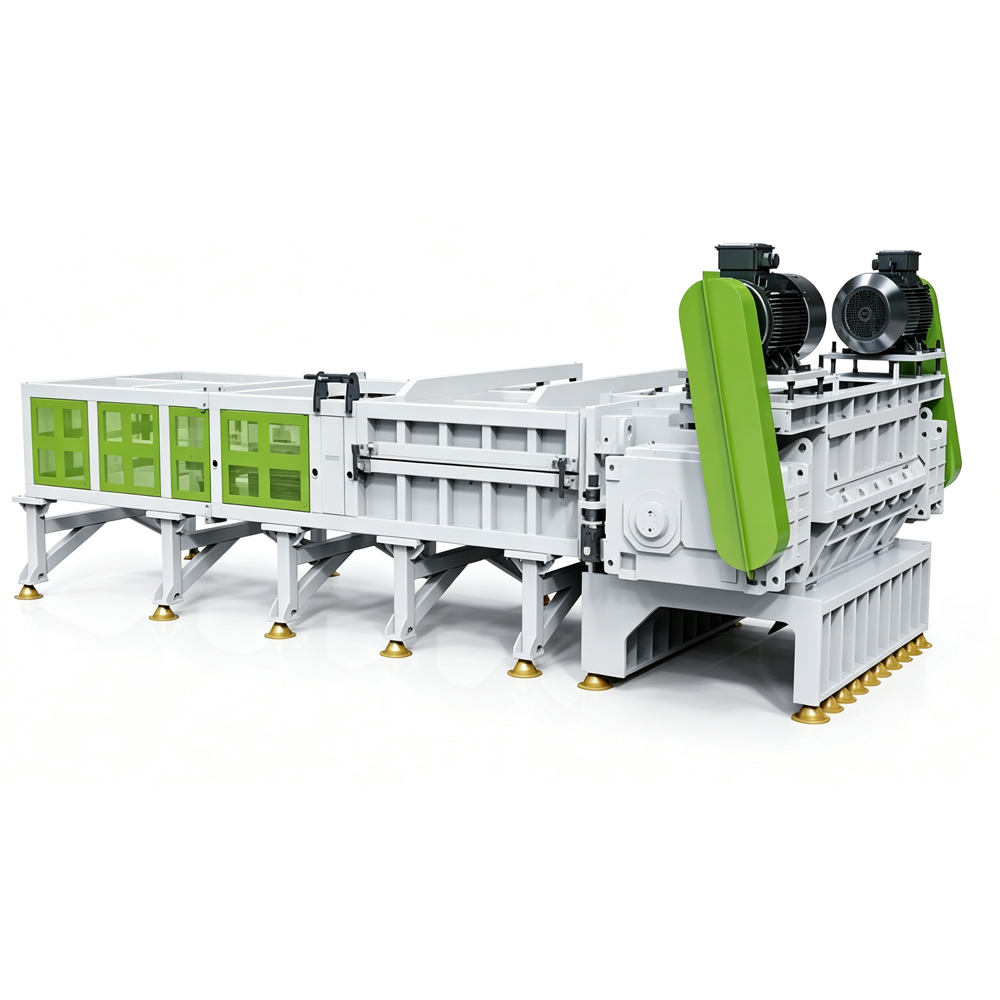
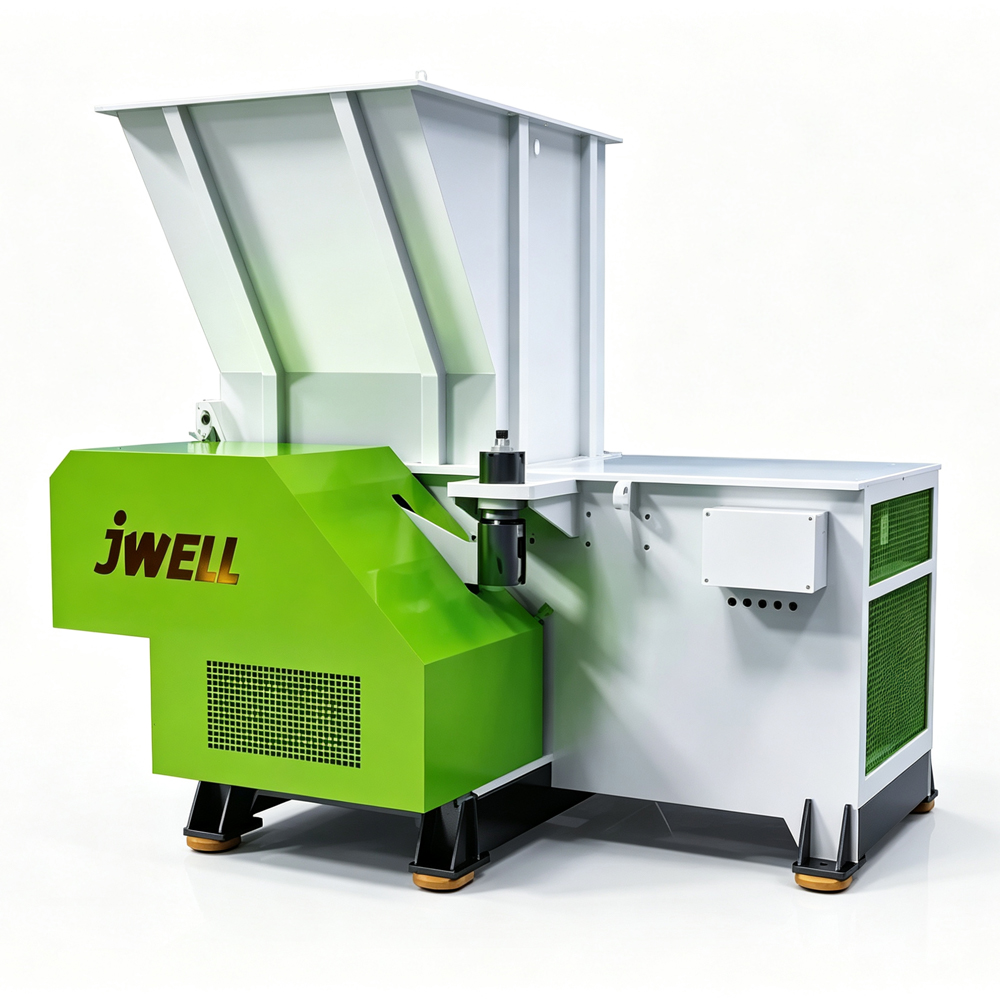
Plastic Shredder Crusher Machine

Tel: +86-19057068112

E-mail: [email protected]

Company Address
No. 128 Qingfeng Road, Xieqiao Town, Haining City, Jiaxing City, Zhejiang Province

19057068112

 English
 русский