
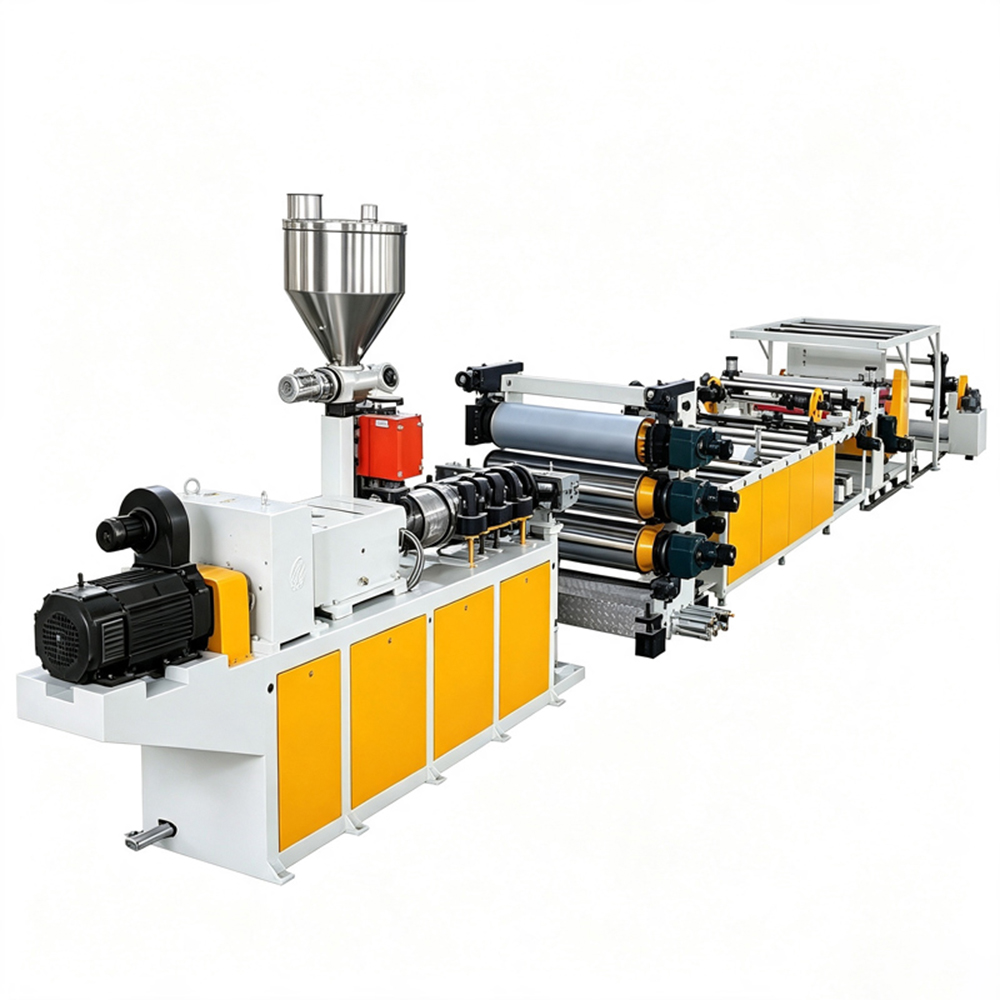
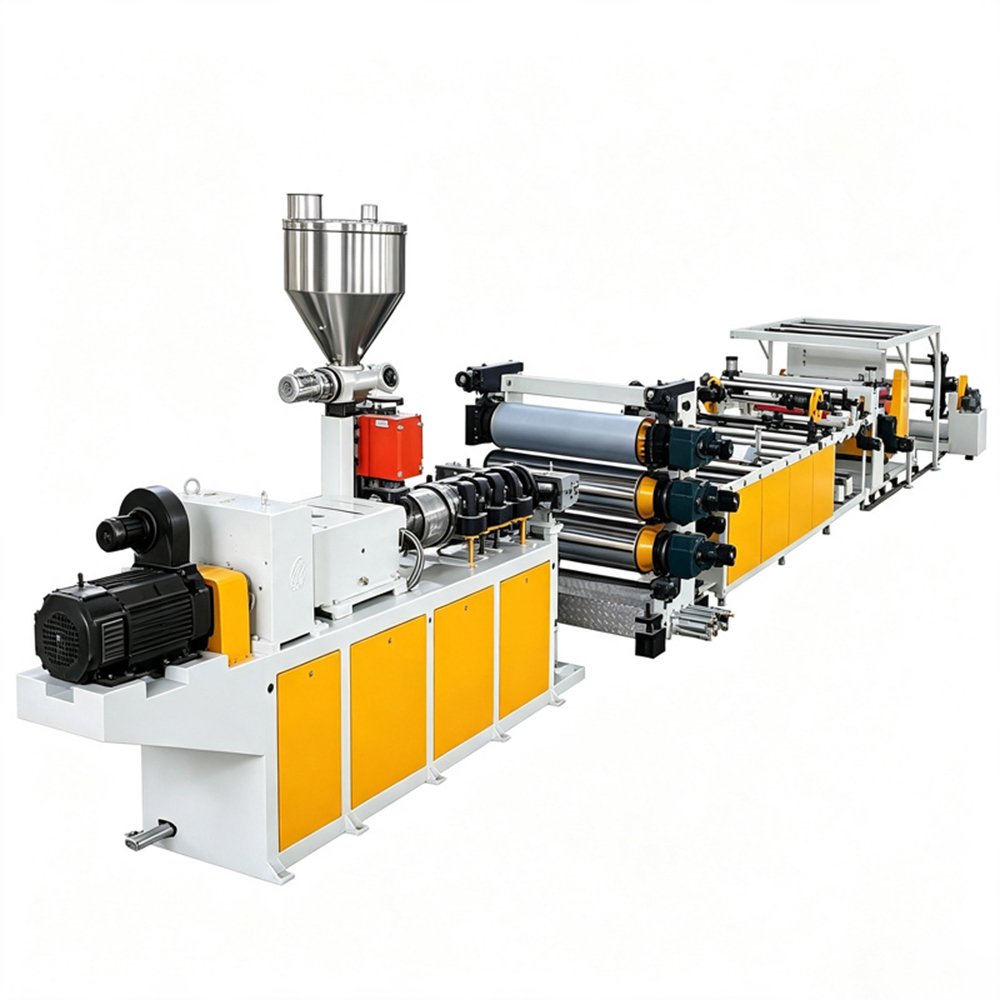
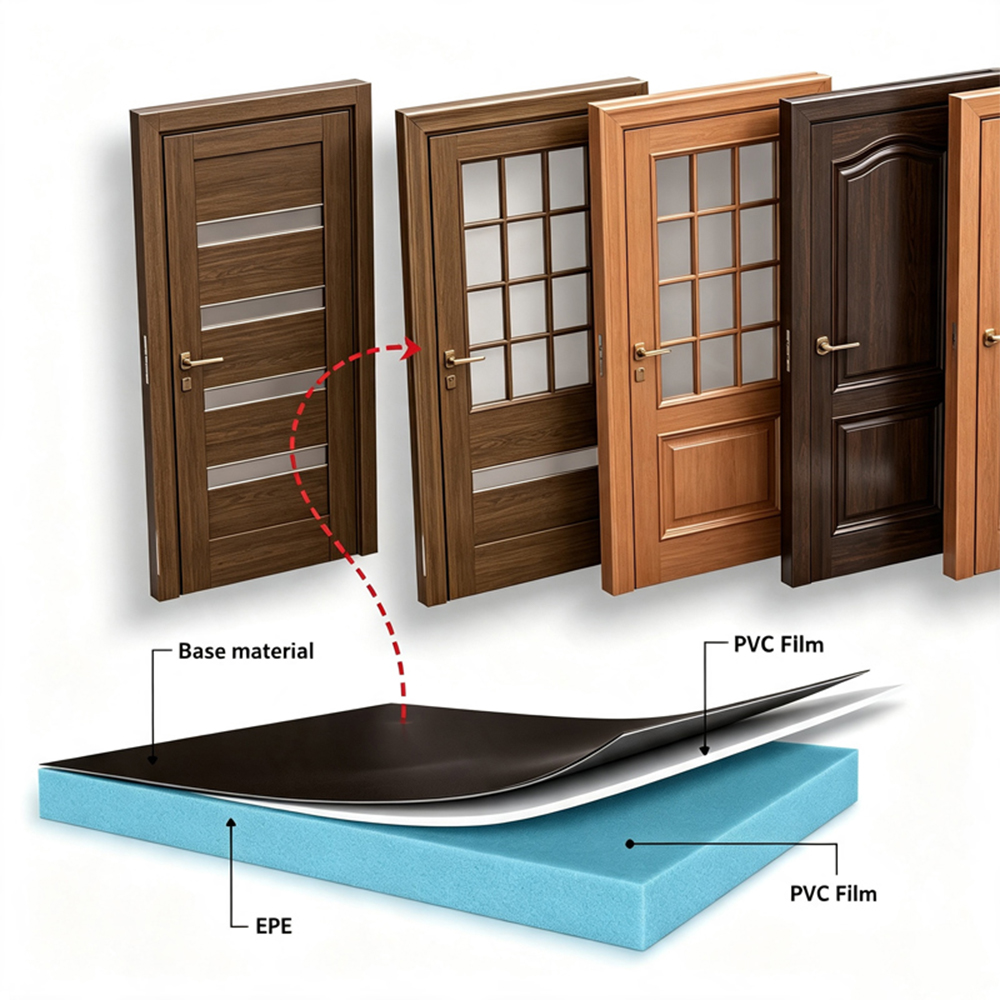
Jwell's PVC door sheet decorative extrusion line is designed to produce door skins and decorative sheets with widths of 1220–2000mm and thicknesses of 0.2–3.0mm. The SJZ80/156 model has a maximum output of 350 kg/h, while the SJZ92/188 model can reach 550 kg/h. The equipment features high output, low energy consumption, stable extrusion, and precise width/thickness control, making it an ideal choice for manufacturing interior doors and cabinet panels.
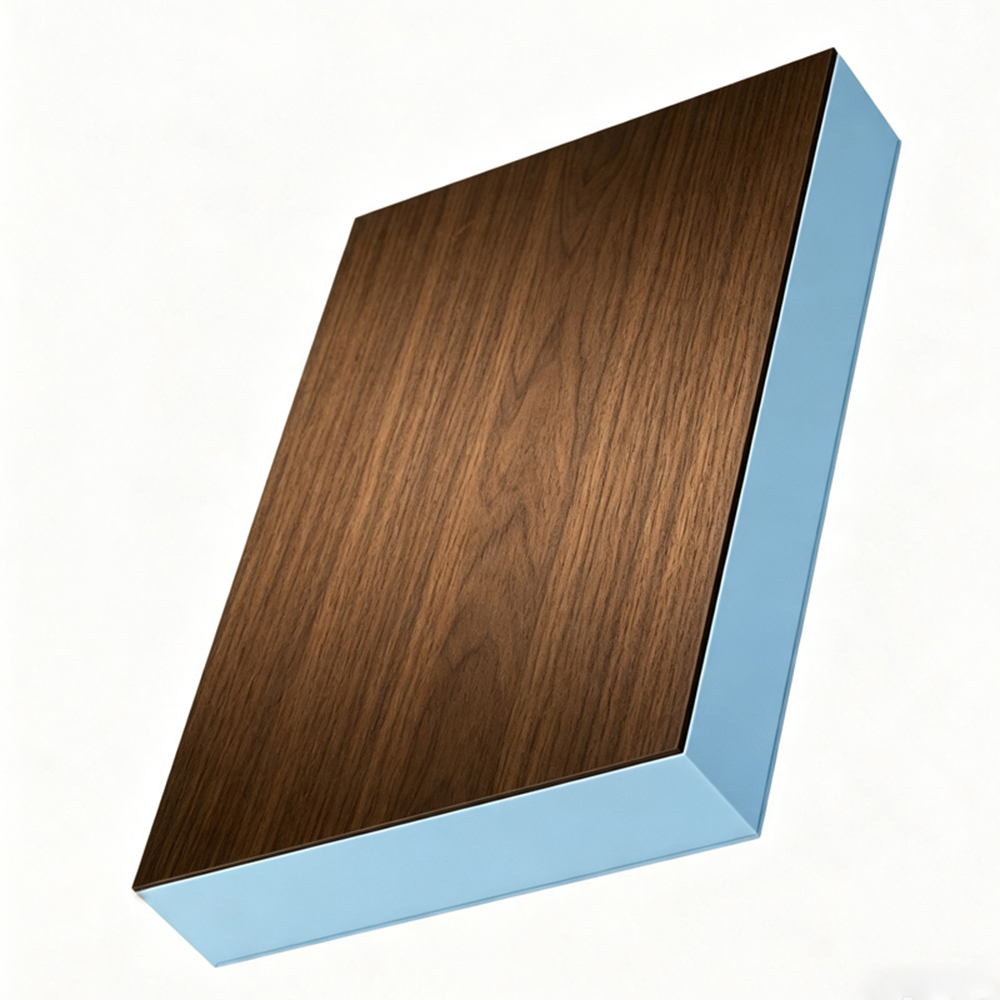
Our PVC door sheet decorative extrusion line is specifically designed to produce high-quality PVC sheets for interior doors, cabinet doors, wall panels, and decorative surfaces. Two models meet different market demands:
SJZ80/156-1500 (sheet width up to 1220mm, thickness 0.2–3.0mm) – Suitable for lightweight decorative door skins, laminated films, and thin PVC boards. Typical applications: wardrobe door surfaces, interior door skins, PVC edge-banding sheets. Real case: A Malaysian door manufacturer uses this line to produce 1.2mm embossed PVC door skins at 320 kg/h, reducing costs by 15% compared to imported alternatives.
SJZ92/188-2200 (sheet width up to 2000mm, thickness 1.0–3.0mm) – Designed for thicker, wider door panels, including commercial door leaves, fire door surfaces, and high-impact decorative sheets. Real case: A Turkish factory installed this line to produce 2000mm wide PVC door sheets for hospital doors, achieving a maximum output of 530 kg/h with consistent flatness.
|
Feature |
Advantage |
|
High output with low energy consumption |
SJZ80/156: 350 kg/h @ 75kW; SJZ92/188: 550 kg/h @ 110kW. Among the lowest energy consumption per kg in the industry (approx. 0.21–0.22 kWh/kg). |
|
Wide thickness range |
0.2–3.0mm (SJZ80) and 1.0–3.0mm (SJZ92) – One line can produce both thin lamination films and thick structural door skins. |
|
Stable twin-screw extrusion |
Conical twin-screw design ensures better plasticization, lower melt temperature, and less degradation – critical for PVC with calcium carbonate fillers. |
|
Precise width control |
1220mm and 2000mm widths conform to standard door sizes (e.g., metric door leaves 900/1200mm, or US standard 36"/48" after trimming). |
|
User-friendly operation |
Siemens PLC control, automatic temperature zones, and die lip gap adjustment – reduces operator skill requirements. |
We implement a 4-stage quality assurance system to ensure every sheet meets door industry standards (e.g., ASTM D4226, EN 13245):
Stage 1 – Incoming Material Inspection
PVC resin (K65–K67) – viscosity and impurity content testing
CPE impact modifier, titanium dioxide, calcium carbonate – particle size distribution analysis
Stage 2 – Online Monitoring (during extrusion)
Melt pressure and temperature sensors at the die – alarm triggers when deviation >3%
Thickness gauge (online ultrasonic or beta ray) – closed-loop control with automatic die lip adjustment. Tolerance: ±0.02mm for 0.5mm sheet
Laser edge sensor for width detection – ensures 1220mm or 2000mm ±2mm
Stage 3 – Sampling and Offline Testing
Every 500 kg of production, cut samples and test:
|
Test Item |
Method |
Acceptance Criterion |
|
Tensile strength (MD/TD) |
ASTM D638 |
≥45 MPa |
|
Impact resistance (dart drop) |
ASTM D4226 |
500g × 500mm no cracking |
|
Gloss uniformity |
60° gloss meter |
±5 units across full width |
|
Heat shrinkage (80°C, 1h) |
Oven test |
≤1.5% |
|
Color difference (ΔE) |
Spectrophotometer |
ΔE < 1.0 vs. standard plate |
Stage 4 – Simulated Door Fabrication Test
Press a full door skin (embossed or laminated) onto a wooden door frame and perform:
Edge peel test (peel strength ≥3.5 N/mm)
Accelerated aging (300h UV lamp) – color change ΔE ≤2.0
Real case: For a Bangladeshi customer, our quality system detected melt temperature fluctuations caused by worn screw segments. Production stopped for 2 hours to replace parts, avoiding 8 tons of non-conforming sheets (saving approx. USD 6,000).
| Model | SJZ80/156-1500 | SJZ92/188-2200 |
| Extruder specification | SJZ80/156 | SJZ92/188 |
| Products width (mm) | 1220 | 2000 |
| Products thickness (mm) | 0.2-3.0 | 1.0-3.0 |
| Main motor power (kw) | 75 | 110 |
| Capacity (Max.) (kg/h) | 350 | 550 |
Q1: Can the SJZ80/156 line produce sheets thicker than 3.0mm?
A: No. The screw design and die land length are optimized for 0.2–3.0mm. For thicknesses above 3.0mm, we recommend our SJZ92/188 model (max 3.0mm) or a dedicated single-screw line for >4mm. However, many customers use the SJZ80 to produce 3.0mm door skins – running stably at up to 340 kg/h.
Q2: What is the actual maximum output of the SJZ92/188 for 2.0mm thick, 2000mm wide sheet?
A: Verified real data: using standard formulation (100 phr PVC + 8 phr CPE + 5 phr TiO₂ + 25 phr CaCO₃) – 510–530 kg/h. At 2.5mm thickness, output drops to about 480 kg/h. The theoretical maximum of 550 kg/h is achievable only at 1.0mm thickness.
Q3: How often should the twin screws be replaced?
A: With good lubrication and corrosion-resistant PVC formulations (not excessive regrind), screw life is 8,000–10,000 operating hours. One Ukrainian customer exceeded 12,000 hours using a tungsten carbide coating option. We offer hardfacing repair services that extend life by 40%.
Q4: Does the line support co-extrusion of a wear-resistant layer or wood grain layer?
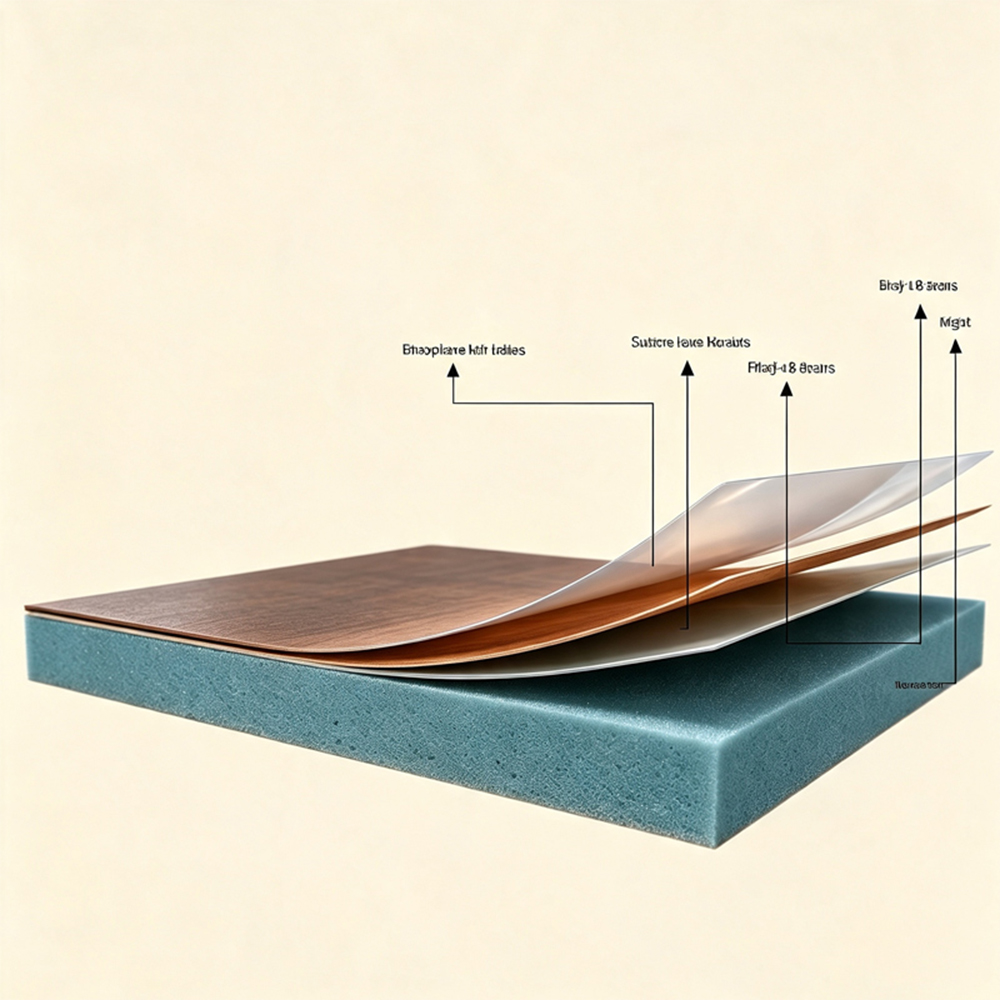
A: Yes. An optional co-extrusion die (A/B or A/B/A configuration) can be added. For example, co-extrude a 0.1mm clear wear-resistant layer on a 1.9mm colored substrate – total thickness 2.0mm. We supplied this configuration to a Vietnamese door factory for scratch-resistant surfaces.
Q5: How to deal with width shrinkage after calendering/cooling?
A: Our puller and cooling rack are designed with over-pull ratio adjustment. For a 2000mm die opening, final sheet width after cooling is typically 1990–1995mm. We recommend ordering a die 1.5% wider than target width; the PLC will automatically correct via puller speed. Field data shows shrinkage can be controlled within 0.3%.
Q6: What are the power requirements for installation?
A: SJZ80/156 line: 75kW main motor + 25kW auxiliaries (heating, cooling pumps, puller) → total approx. 100kW. SJZ92/188: 110kW + 35kW aux → approx. 145kW. Uses 380V/50Hz or 460V/60Hz (adjustable). One Brazilian customer runs an SJZ92 on 440V/60Hz with a transformer – no issues.




Pipe Extrusion Production Line
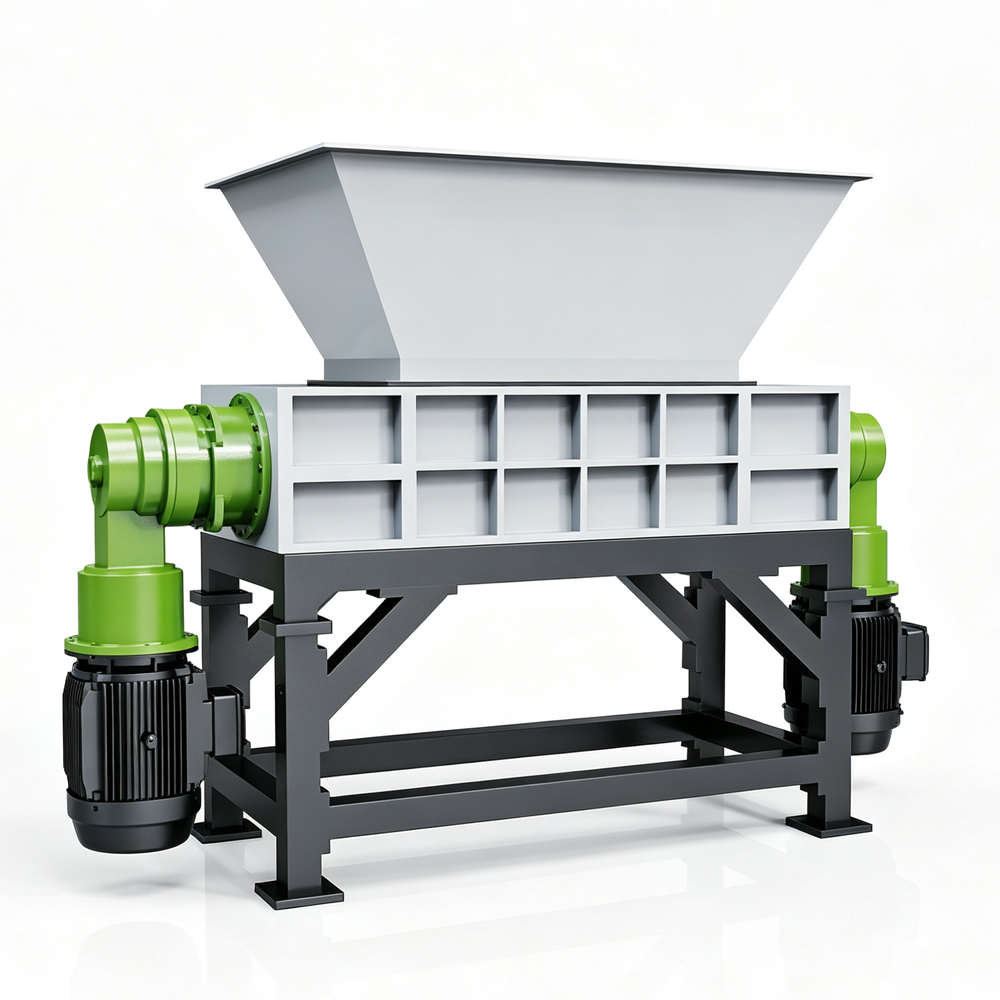
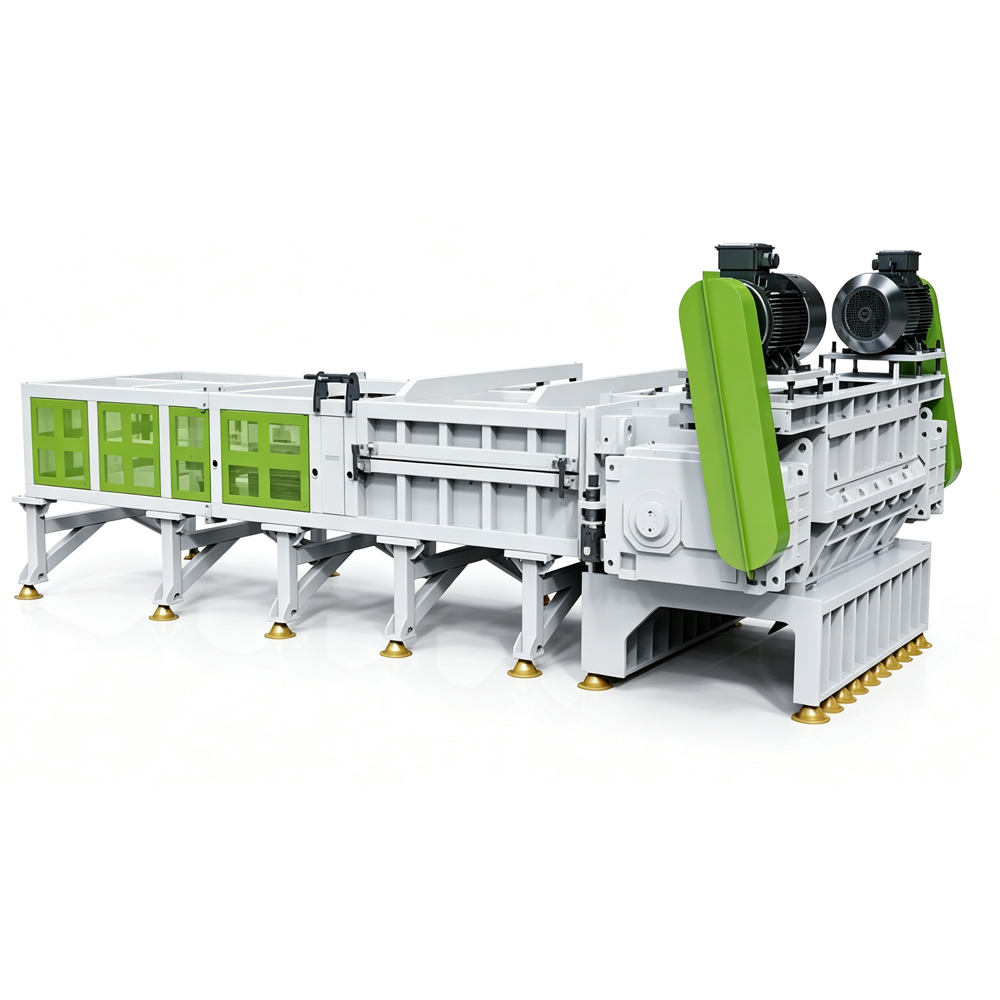
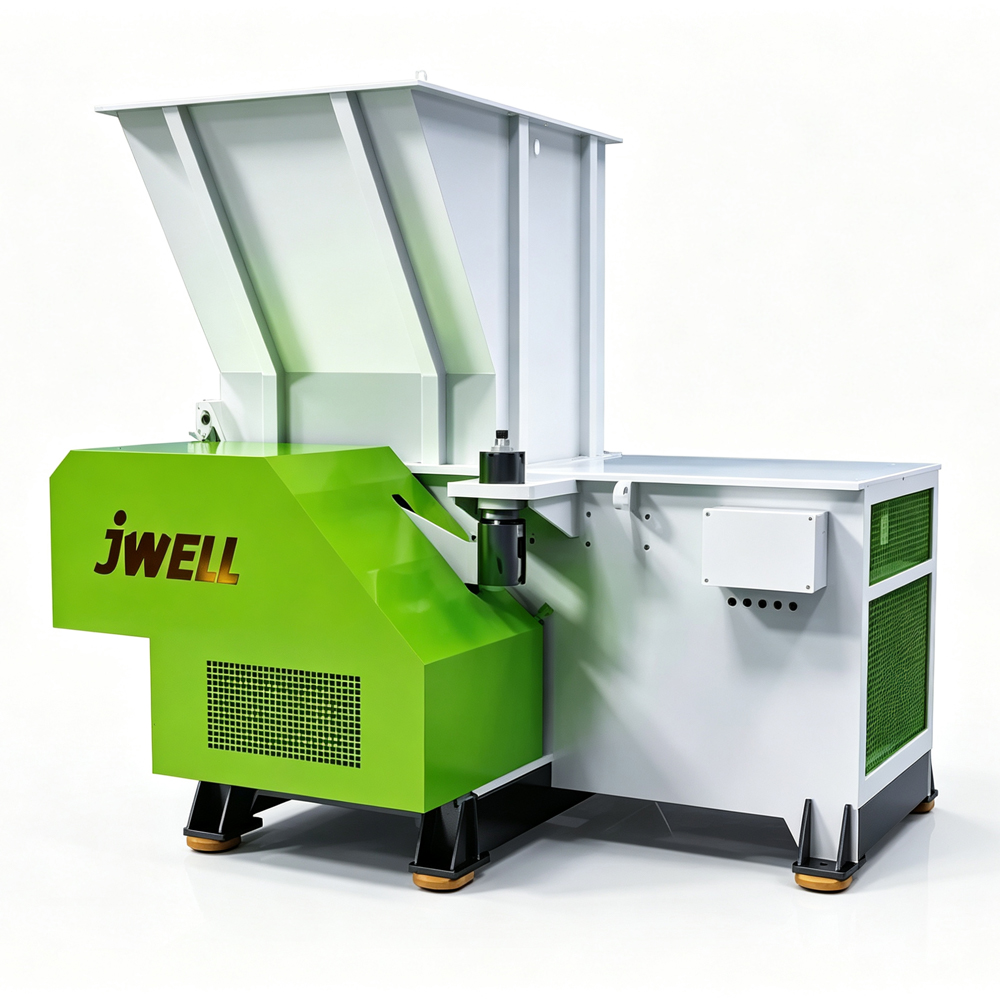
Plastic Shredder Crusher Machine

Tel: +86-19057068112

E-mail: [email protected]

Company Address
No. 128 Qingfeng Road, Xieqiao Town, Haining City, Jiaxing City, Zhejiang Province

19057068112

 English
 русский