
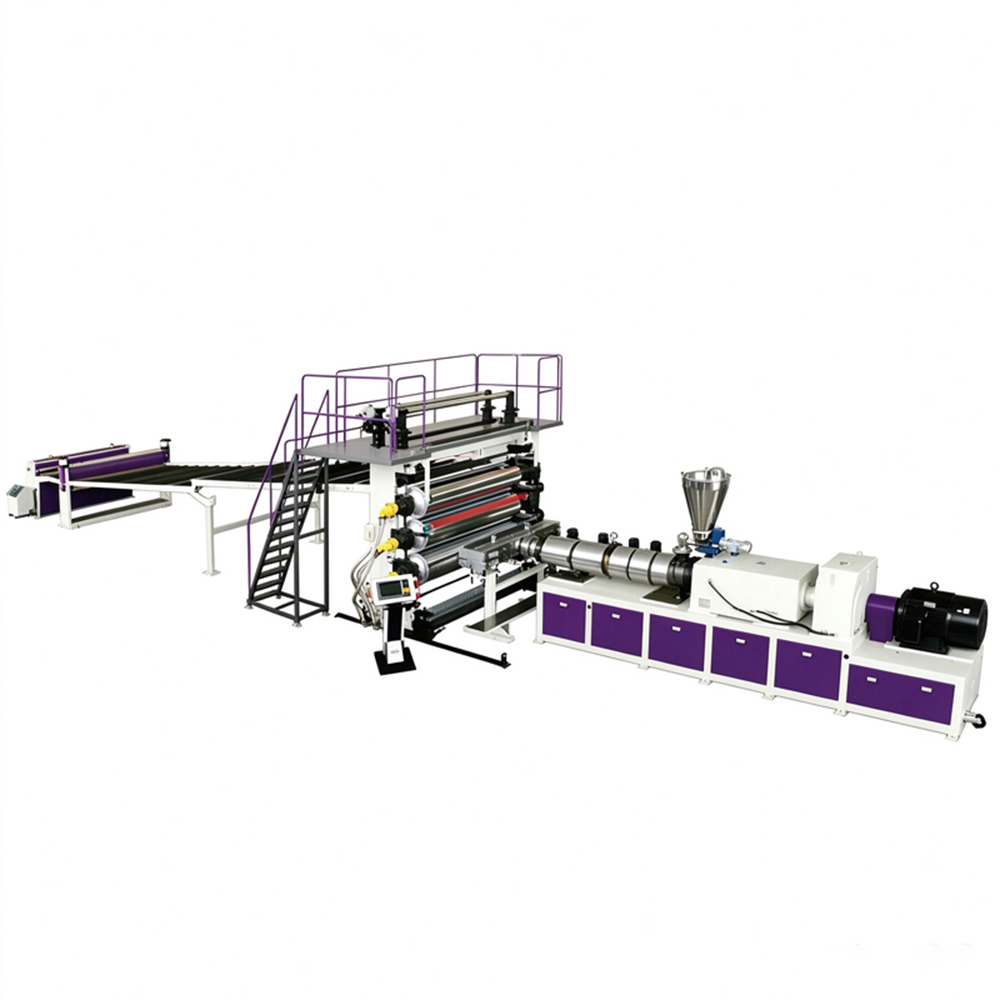
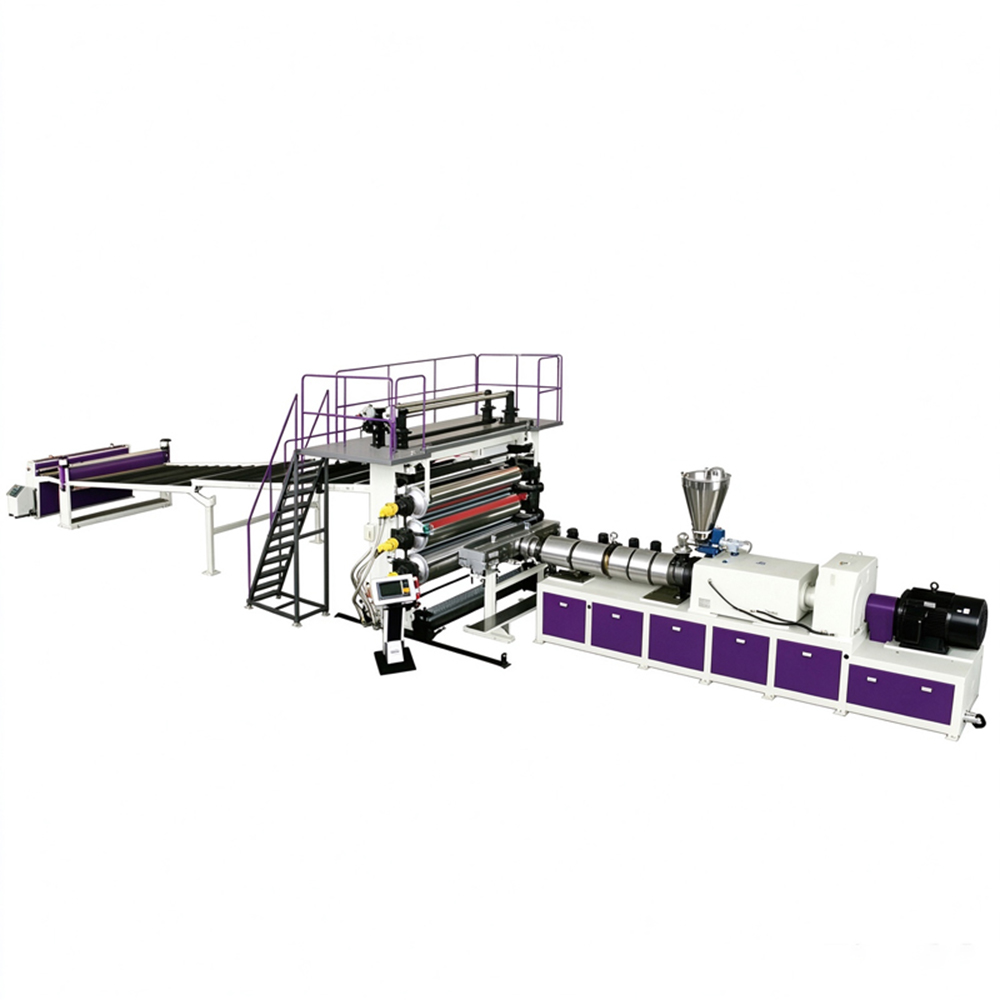
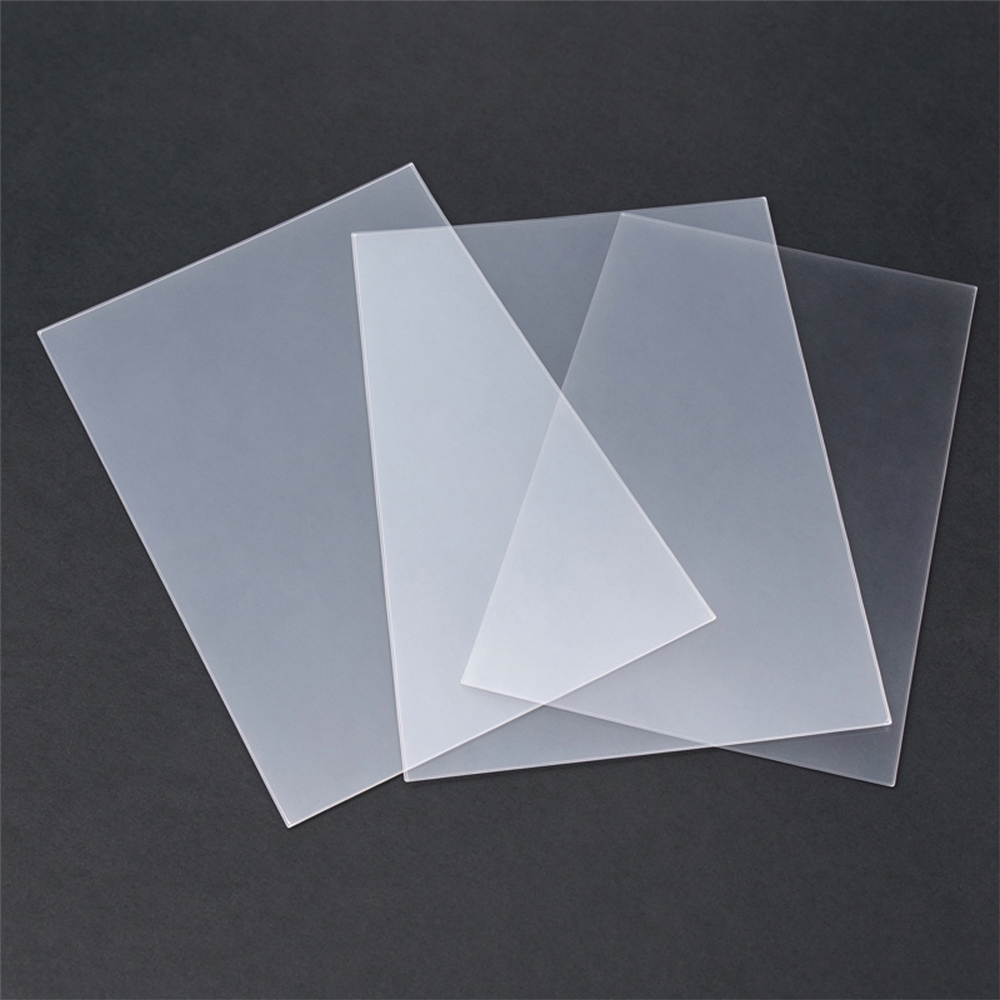
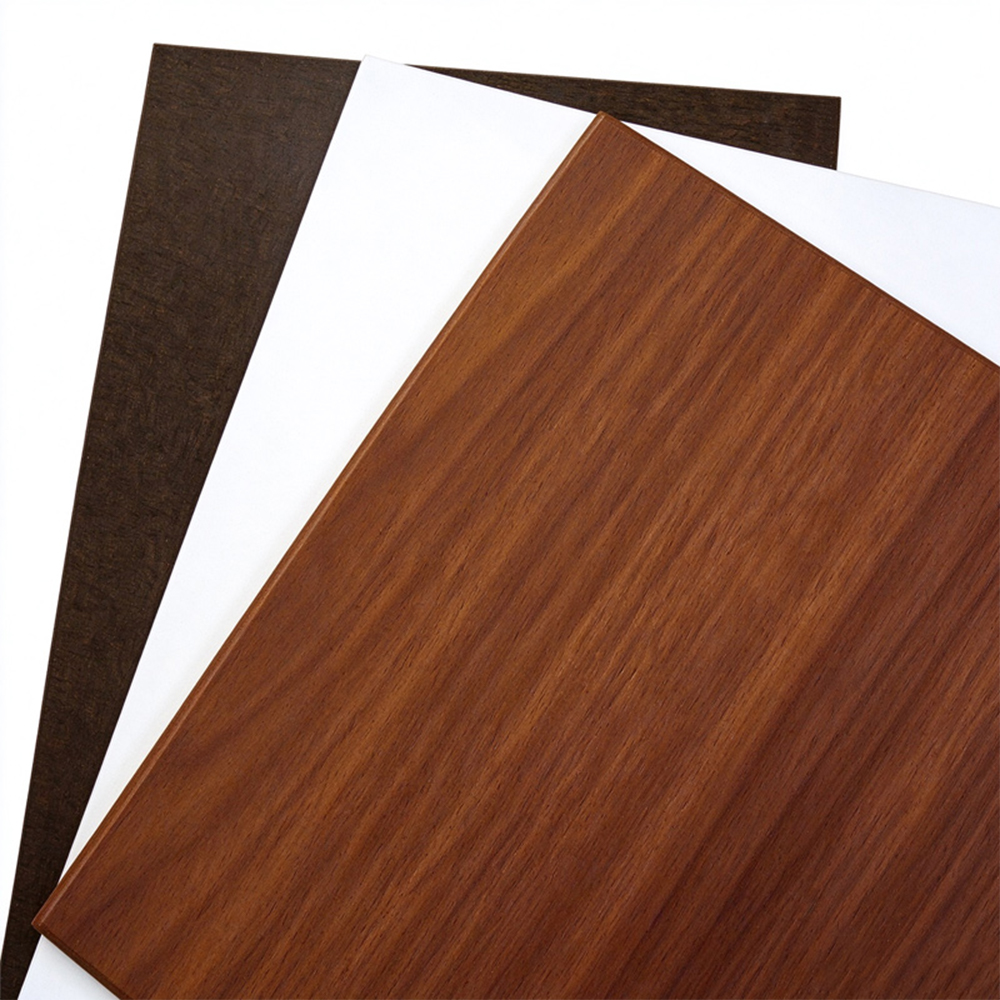
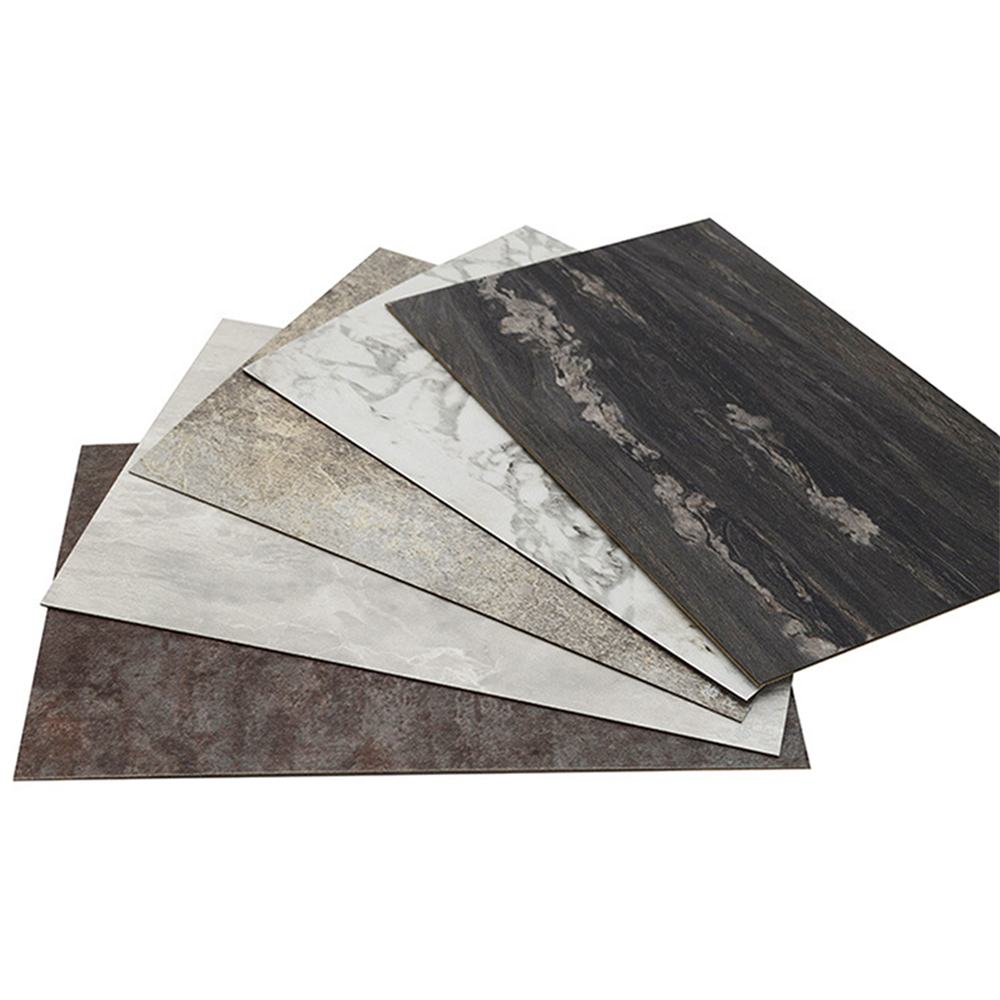
JWELL's PVC extrusion line is specially designed to produce transparent sheets, wood-plastic boards, UV-coated imitation marble boards, and PVC decoration sheets. Product width can reach 1220–2000 mm, thickness 0.5–6 mm, with a maximum output of 700 kg/h. The equipment features high productivity, low energy consumption, and flexible die change, supported by strict quality control procedures, ensuring stable production of high-quality sheets with flatness and no black spots.
This extrusion line is designed to produce four main types of PVC-based sheets, widely used in construction, decoration, advertising, and furniture industries. Based on actual technical parameters:
Transparent sheet (thickness 0.5–3 mm, max width 1220 mm) – suitable for protective covers, display windows, transparent partitions, and greenhouse panels.
Wood-plastic board (WPC) (thickness 1.5–3 mm) – used for outdoor flooring, fence panels, and moisture-proof indoor cladding.
UV-coated imitation marble board (thickness 4–5 mm) – a cost-effective alternative to natural stone for wall decoration panels, bathroom countertops, and hotel lobby decoration.
PVC decoration sheet (thickness 1.5–6 mm, max width 2000 mm) – suitable for kitchen cabinets, wardrobe doors, ceilings, and 3D wall panels.
Actual case: A Vietnamese furniture manufacturer uses the SJZ92/188 model to produce 2000 mm wide PVC decoration sheets with a capacity of 650 kg/h. They replaced painted MDF with these PVC sheets, reducing material costs by 30% while achieving better water resistance.
|
Parameter |
Advantage |
|
Wide width range |
Up to 2000 mm (PVC decoration sheet) – reduces joints and waste. |
|
Flexible thickness |
0.5–6 mm on the same line – fast die change for different product types. |
|
High output |
600–700 kg/h for SJZ92/188 model – ideal for high-volume production. |
|
Multi-material suitability |
Pure PVC, WPC, UV-coated imitation marble – one line, multiple products. |
|
Energy-saving screw |
SJZ series conical twin-screw design ensures uniform plasticization with lower energy consumption. |
Actual case – advantage: A Turkish flooring company switched from a single-screw extruder to the SJZ80/156 line. They reported a 15% output increase (to 430 kg/h) when producing 1.2 mm transparent sheet and a 20% reduction in defective sheets due to better plasticization.
We implement a strict four-step QC process to ensure every sheet meets international standards (ASTM, EN, ISO).
Step 1 – In-process monitoring
Melt pressure and temperature sensors – real-time closed-loop control to avoid degradation or poor plasticization.
Online thickness gauge – full-width scanning (1220–2000 mm) with ±0.03 mm accuracy.
Step 2 – Sampling test (every 2 hours)
Dimensional check – width, thickness, and diagonal deviation (≤2 mm/m).
Surface quality – no bubbles, black spots, or scratches under 1000 lux light.
Step 3 – Mechanical & physical property testing
Tensile strength (ASTM D638): ≥45 MPa for PVC sheets.
Impact strength (Izod notched): ≥6 kJ/m² for imitation marble boards.
Heat deflection temperature (HDT, 1.82 MPa): ≥70°C for WPC boards.
UV stability (QUV test, 500 hours): ΔE ≤2 for UV-coated imitation marble boards.
Step 4 – Final inspection before packaging
Flatness check (granite plate + feeler gauge) – ≤0.5 mm/m.
Edge trimming – smooth cut, no burrs.
Actual case: A Polish distributor requested third-party testing (SGS). The 5 mm imitation marble board produced by the SJZ92/188 line passed EN 438-2 standard, showing no delamination after 48 hours of water immersion.
| Species | Transparent Sheet | Wood-Plastic Board | Imitation Marble Board | PVC Decoration sheet |
| Model | SJZ80/156 | JSJZ80/156 | SJZ92/188 | SJZ92/188 |
| Material | PVC | PVC | PVC | PVC |
| Products Width | 1220mm | 1220mm | 1220mm | 2000mm |
| Products Thickness | 0.5-3mm | 1.5-3mm | 4-5mm | 1.5-6mm |
| Output | 400kg/h | 450kg/h | 600kg/h | 600-700kg/h |
Q1: Can I produce both 0.5 mm transparent film and 6 mm rigid sheet on the same line?
A: Yes. The SJZ80/156 model is suitable for 0.5–3 mm, while the SJZ92/188 model is suitable for 1.5–6 mm. For extreme thickness changes (e.g., 0.5 mm to 6 mm), we recommend an auxiliary cooling stand and a thicker die lip adjustment device. A Brazilian customer switched from 1.8 mm to 5 mm sheet in 45 minutes using our quick die change system.
Q2: How to avoid black spots (PVC degradation) in the final sheet?
A: Black spots usually come from stagnant material in the screw or die. Our lines feature:
Chrome-plated screws with self-cleaning profiles.
"No dead spot" die design with smooth flow channels.
Regular purging with PVC cleaning compound (we provide a schedule). A Philippine customer followed our monthly purging procedure and eliminated 99% of black spots.
Q3: What is the typical energy consumption per kg of output?
A: For the SJZ92/188 model running at 650 kg/h (producing PVC decoration sheet), total installed power is about 260 kW, but actual energy consumption averages 0.38–0.45 kWh/kg. This is 10–15% lower than conventional single-screw lines.
Q4: Why does my imitation marble board have poor UV coating adhesion?
A: UV coating requires a substrate surface energy >38 dyne/cm. Our optional online corona treater raises surface energy to 50+ dyne/cm. Also, ensure the substrate is fully cooled (≤40°C) before coating. A Malaysian customer solved coating peeling by adding a 3-meter cooling tunnel before the UV station.
Q5: How to ensure flatness for 2000 mm wide sheets?
A: Three key factors:
Mirror-polished calender rolls with independent temperature control (three zones).
Multi-point thickness feedback for automatic die lip adjustment.
Haul-off tension control – too much tension causes sheet bowing, too little causes waviness. Our line includes a dancer roll system to maintain constant tension.
Q6: Can WPC boards be used outdoors without fading?
A: Standard WPC boards fade after 6–12 months. We recommend adding UV stabilizers (2–3%) to the PVC formulation. A US customer produced WPC boards (1.5 mm thick) for Florida's sunny climate; after 18 months, color change ΔE was <3, well below the acceptable limit of ΔE5.




Pipe Extrusion Production Line
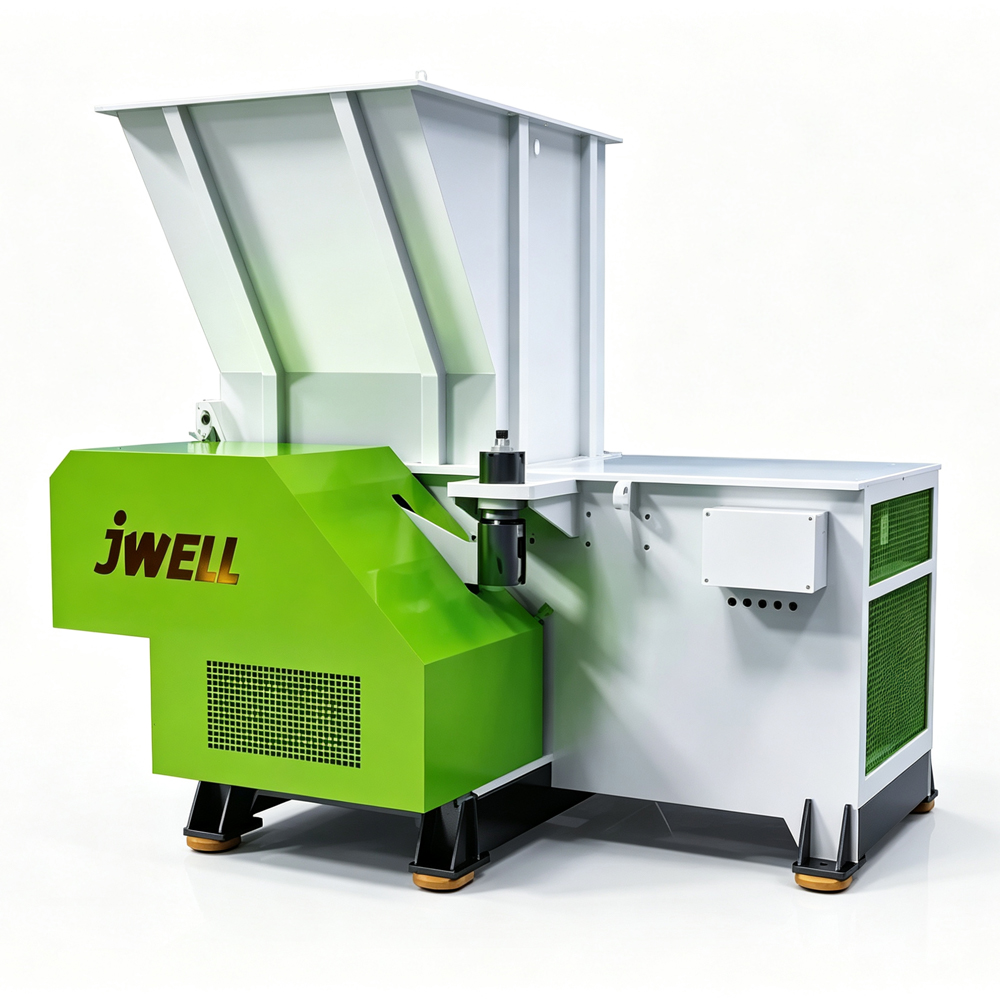
Plastic Shredder Crusher Machine

Tel: +86-19057068112

E-mail: [email protected]

Company Address
No. 128 Qingfeng Road, Xieqiao Town, Haining City, Jiaxing City, Zhejiang Province

19057068112

 English
 русский