
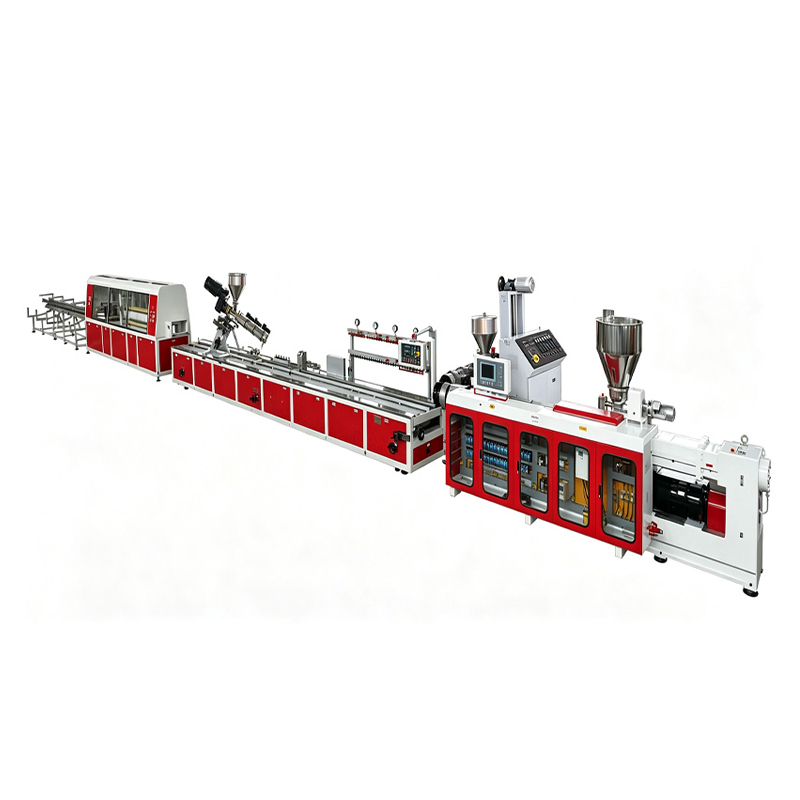
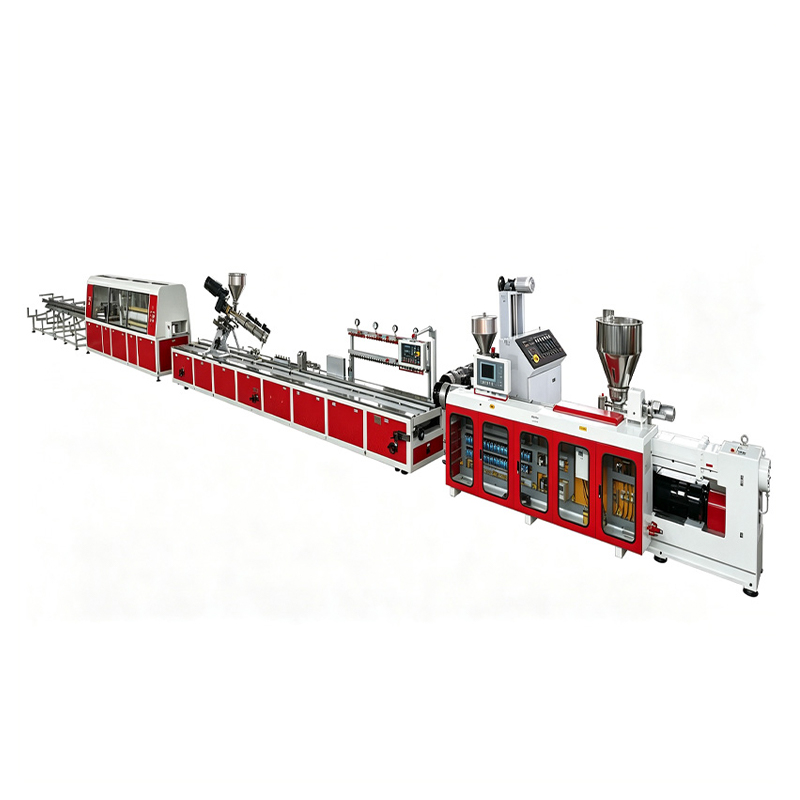
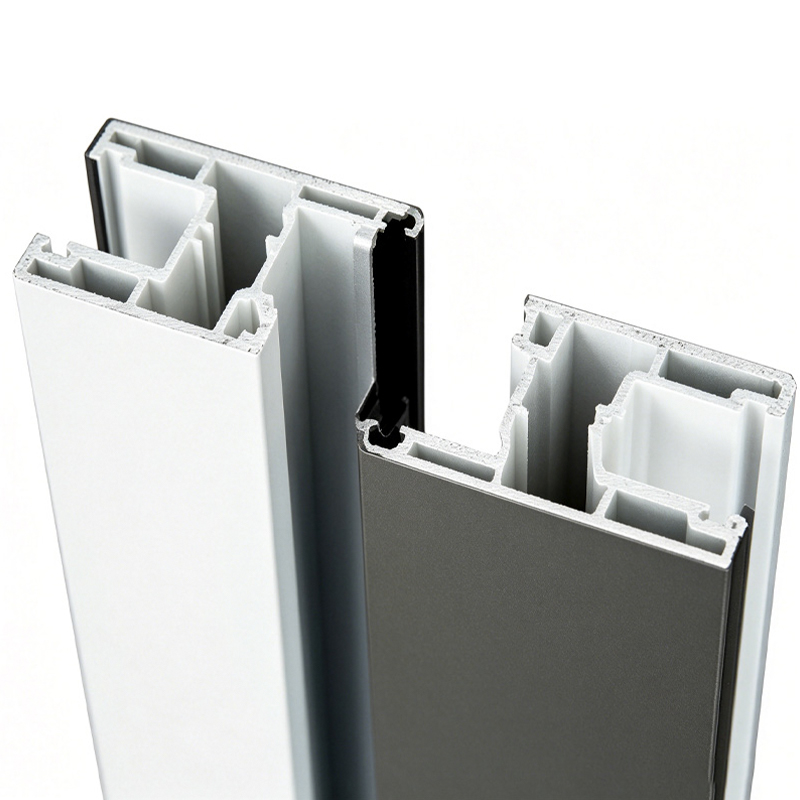
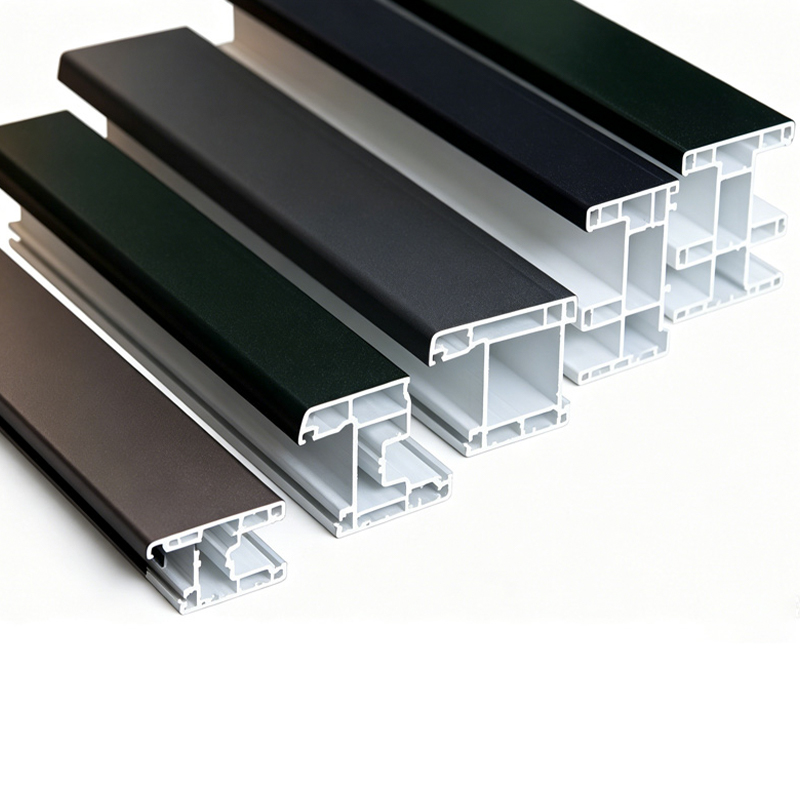
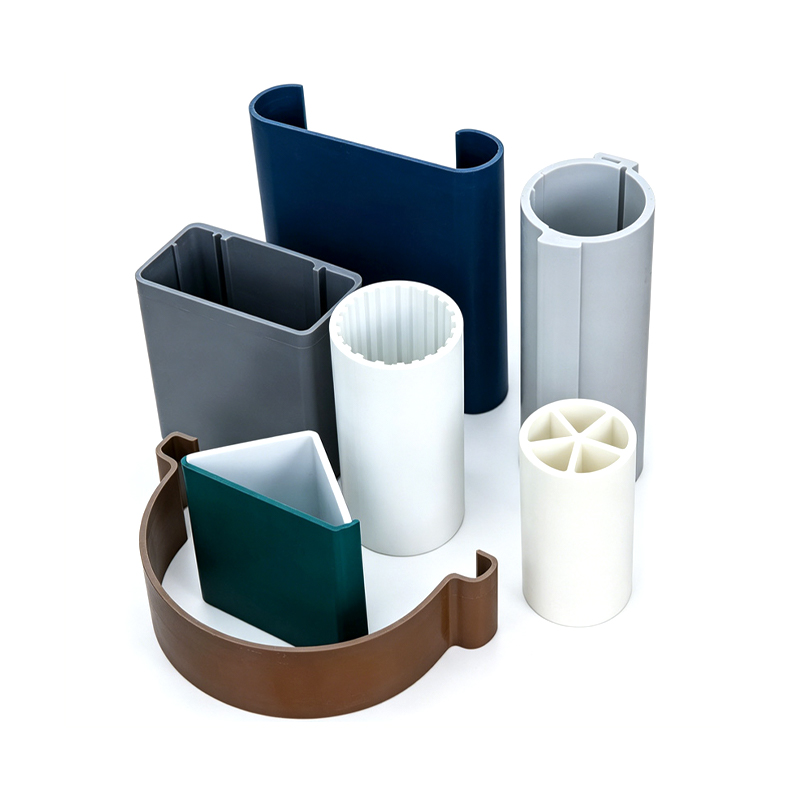
Jwell's PVC high-speed profile extrusion line is specifically designed for high-efficiency production of high-quality PVC profiles. This series is equipped with extruder models ranging from SJP75/28 to SJP110/28, with extrusion output capacities from 150 kg/h to 500 kg/h, suitable for both small-scale and industrial-grade manufacturing.
Based on actual installation cases, the YF240 series is widely used for:
Door and window profiles (e.g., casement frames, sliding sash) – The YF240A model features dual 150mm discharge channels, making it particularly suitable for simultaneous production of small decorative lines.
Cable trays and wire conduits – Stable cooling water consumption (7–10 m³/h) ensures precise dimensional control.
Furniture edge banding – Compressed air consumption of 0.6–0.8 m³/min enables clean, burr-free cutting.
Greenhouse and agricultural profiles – High extrusion output (up to 500 kg/h) meets large batch order demands.
Case study: A Turkish door and window profile manufacturer replaced two old production lines with one YF240A (SJP110/28) and achieved an output of 400 kg/h when producing 60mm frame profiles, reducing energy costs per ton by 18%.
|
Feature |
Advantage |
Proven by data |
|
High extrusion output (150–500 kg/h) |
30% faster than conventional lines |
At a factory in Poland, the YF240 (SJP93/28/31) achieved 380 kg/h producing 240mm louvers |
|
Low cooling water demand (7–10 m³/h) |
Water savings |
Competitors typically require 12–15 m³/h at similar output |
|
Compact compressed air consumption (0.6–0.8 m³/min) |
Reduced operating cost |
A factory in Vietnam saved $2,400 annually in air compressor electricity costs |
|
Flexible width options (240mm single strand or 150mm×2 dual strand) |
Maximizes line utilization |
YF240A can run two 40mm decorative lines simultaneously at 250 kg/h each – total output 500 kg/h |
|
Energy-efficient extruder power (37–75 kW) |
Higher throughput per kW |
YF240 (SJP75/28) produces 4.05 kg/h per kW – top in its class |
Incoming material inspection
PVC resin, stabilizers and fillers are tested for moisture content (<0.3%) and particle size distribution using a vibrating screen.
In-process monitoring
·Temperature control: Each barrel zone (4-6 zones) maintains ±1.5°C accuracy via PID controllers.
·Melt pressure sensor: Alarms if pressure exceeds 35 MPa to prevent die drool.
·Vacuum calibration tank: Water temperature and vacuum level (0.6–0.8 bar) are recorded every 30 seconds.
Profile dimension inspection
Laser micrometers measure width (e.g., 240mm ±0.1mm) and thickness at three points every 5 meters.
Example: For the YF240A producing 150mm dual-strand profiles, automatic cameras inspect both strands simultaneously and reject non-conforming parts via a pneumatic diverter.
Mechanical and physical performance tests (sampling every 2 hours)
·Impact resistance: Drop hammer test (1 kg weight dropped from 1m height) – no cracks = pass.
·Heat shrinkage: 30 minutes in 150°C oven – shrinkage <2%.
·Shore D hardness: ≥78 required for door and window profiles.
·Final production line audit
24-hour continuous run test: extruder load fluctuation <5%, cooling water outlet temperature rise <8°C.
Real quality event: A customer in Brazil achieved an actual defect rate of 0.3% after 6 months of operation on a YF240 (SJP93/28/31), verified by third-party ISO 9001:2015 audit.
| Model | YF240 | YF240 | YF240A |
| Max.width of product(mm) | 240 | 240 | 150*2 |
| Extruder model | SJP75/28 | SJP93/28/31 | SJP110/28 |
| Max.extrusion capacity(kg/h) | 150-250 | 250-400 | 400-500 |
| Extruder power(kw) | 37 | 55 | 75 |
| Cooling water(m³/h) | 7 | 8 | 10 |
| Compressed air(m³/min) | 0.6 | 0.6 | 0.8 |
Q1: What is the actual output of the YF240 equipped with SJP75/28?
A: For standard uPVC door/window profiles (240mm width), the stable output is 220–240 kg/h. With optimized screw design and addition of 2% calcium stearate, peak output can reach 250 kg/h.
Q2: What footprint does the YF240A require?
A: 28m (L) × 2.5m (W) × 2.2m (H), including haul-off and cutter. The dual-strand configuration adds 0.8m to the width.
Q3: Can this line use recycled PVC?
A: Yes, up to 30% recycled material (particle size <4mm). Barrel temperature should be lowered by 5–10°C to avoid degradation. A recycler in Malaysia successfully processed 40% post-industrial PVC waste after changing the screen pack combination.
Q4: How often should the cooling water be replaced?
A: Every 400 operating hours if using soft water (pH 6.5–7.5). For hard water (>15°dH), descaling agent must be used monthly – otherwise water channels will clog, reducing cooling efficiency by 15%.
Q5: What causes "sharkskin" on the profile surface?
A: Usually due to low melt temperature (<170°C at die exit) or mismatched haul-off speed. Increase rear barrel zone temperatures by 5°C, or reduce line speed by 10%. Plant data shows that keeping screw speed between 60–85% of maximum eliminates this issue on the YF240A.
Q6: Can your extrusion line produce foamed PVC profiles, such as interior decorative lines or louver blades?
A: Yes, but with appropriate adjustments to the screw and temperatures.
Under standard configuration, both YF240 (SJP75/28) and YF240A (SJP110/28) are suitable for low-foam PVC (density 0.6–0.9 g/cm³).
Actual case: A louver factory in Mexico used the YF240A (dual 150mm discharge) to produce foamed louver blades, achieving a stable extrusion rate of 380 kg/h with a foaming ratio controlled at 1.8x.
Key adjustments:
Increase screw cooling water flow by 15–20% to prevent premature foaming.
Reduce die temperature by 5–8°C (typically set to 165–170°C).
For 75 kW main motor models, keep screw speed below 75% to avoid shear overheating.
If the customer requires high foaming (density <0.5 g/cm³), a dedicated foaming screw and calibration sleeve are recommended.
Q7: Can this machine quickly change product width without stopping? For example, from 240mm to 120mm?
A: Yes, the changeover time is approximately 20–30 minutes, depending on operator proficiency.
Steps:
Reduce main screw speed to below 50% and turn off the vacuum calibration table.
Change the die (requires quick-clamp flange – optional).
Adjust the calibration die and haul-off track width (YF240 haul-off opening range 80–260mm).
Restart and wait 5–8 minutes for pressure to stabilize.
Real case: A door/window factory in Poland switches between 240mm frame profiles and 120mm sash profiles 2–3 times per day. The YF240 (SJP93/28/31) averaged 22 minutes from stop to good output, with scrap length under 15 meters.
Time-saving tip: Pre-heat the second calibration die in a warming oven (70°C standby) to reduce thermal stabilization time by 5 minutes.
Note: For frequent changes with width differences exceeding 100mm, the YF240A dual-line model is recommended – one line for large profiles, the other for small profiles, eliminating the need to stop for changeover.




Pipe Extrusion Production Line
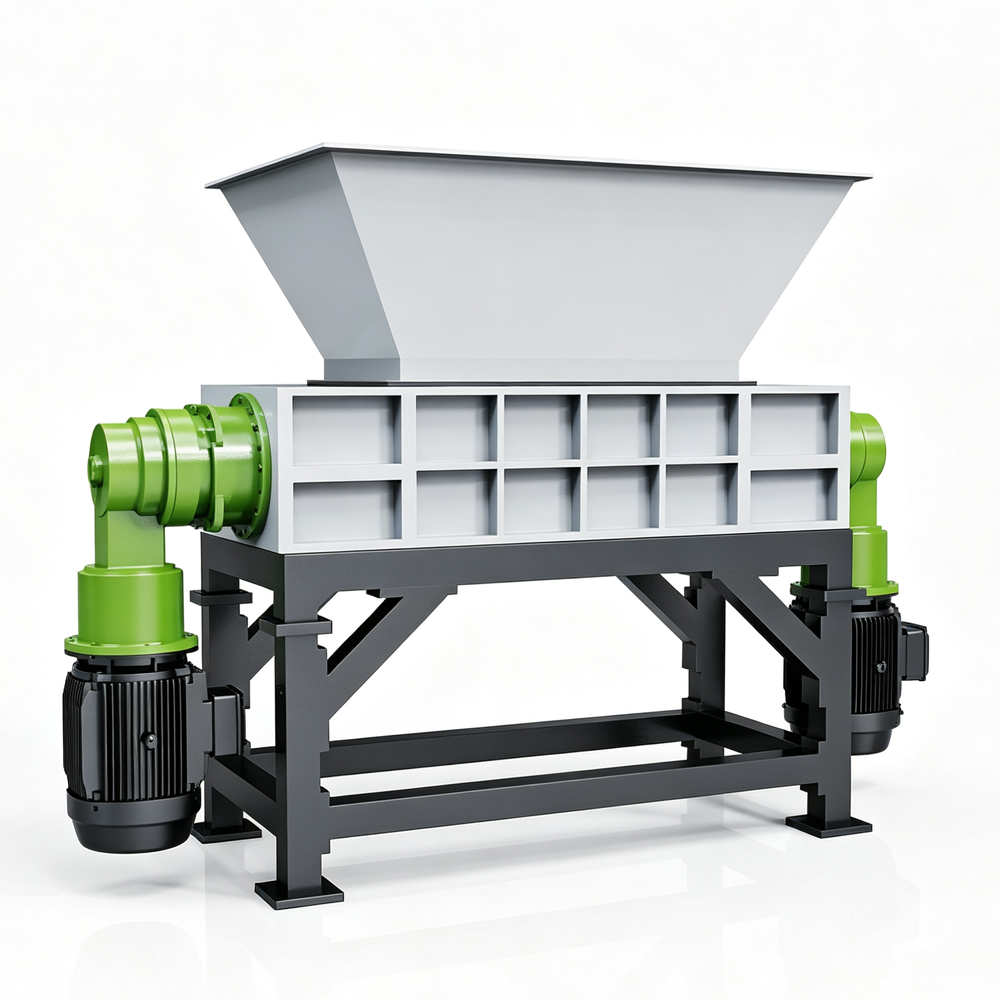
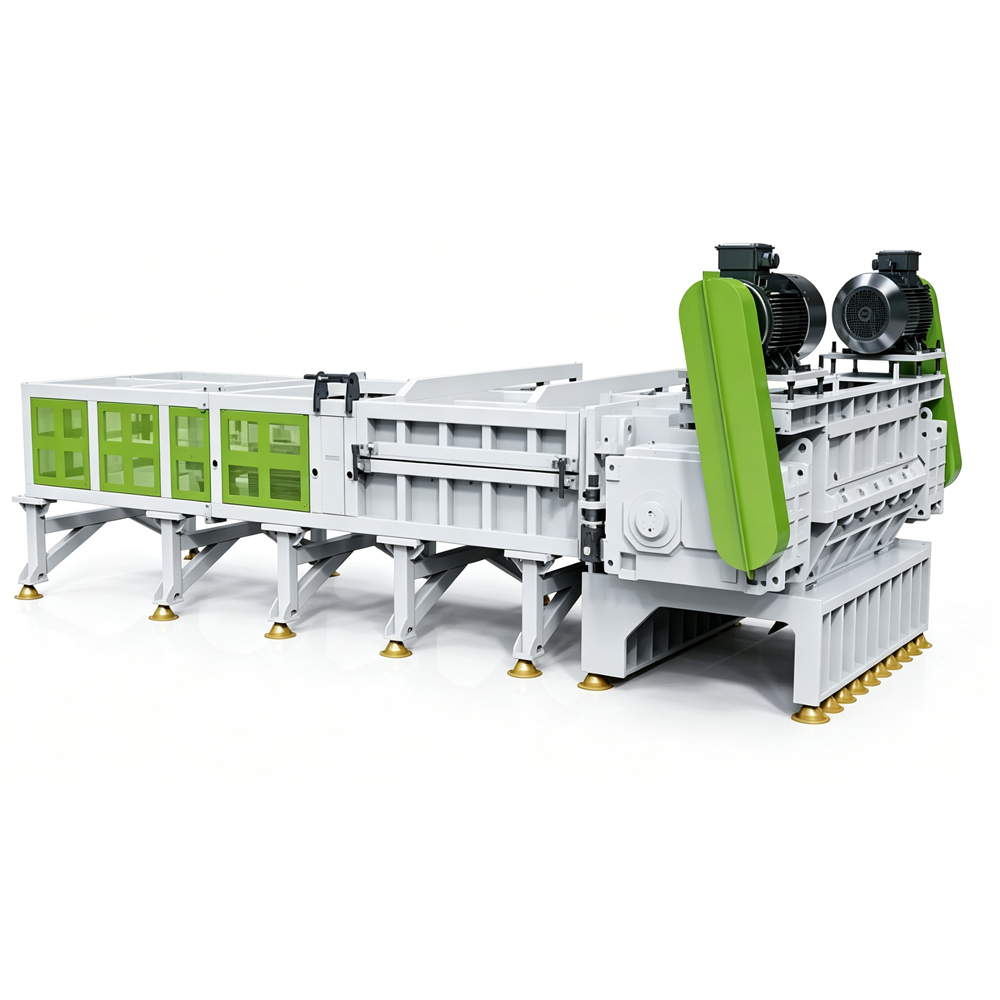
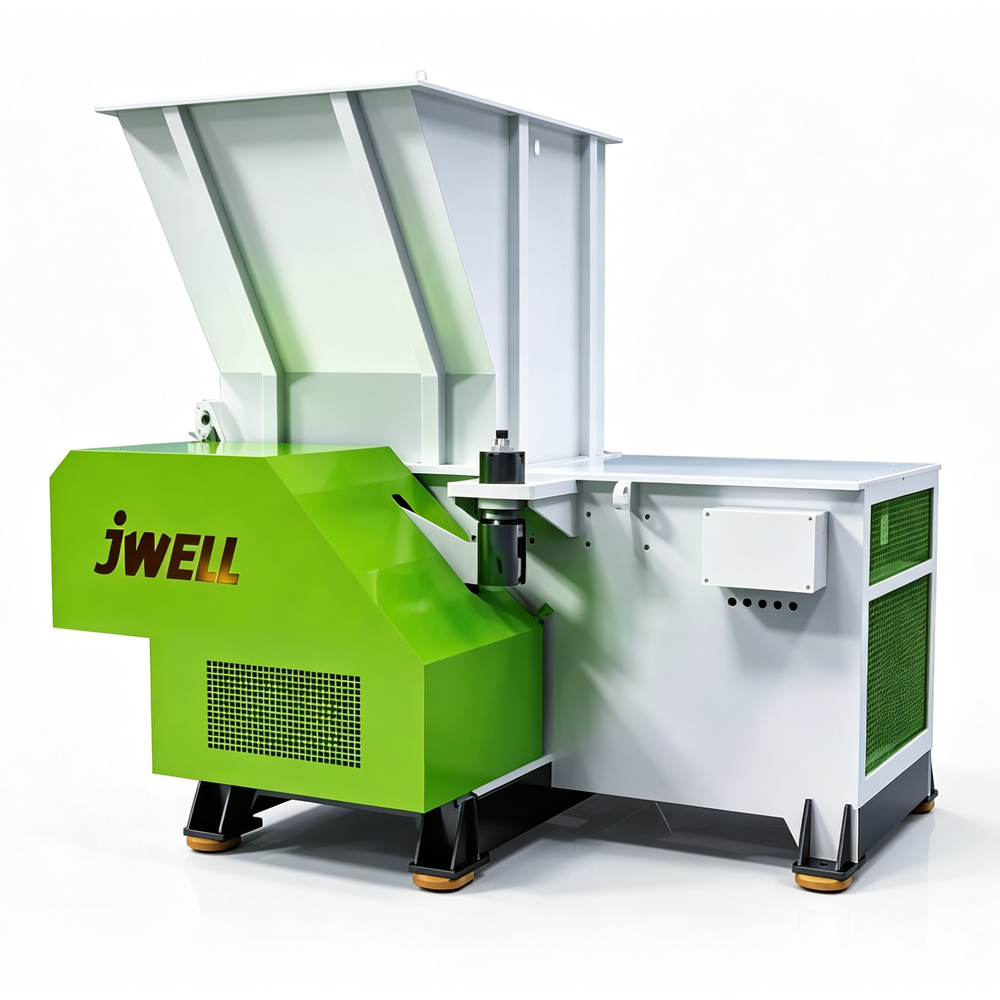
Plastic Shredder Crusher Machine

Tel: +86-19057068112

E-mail: [email protected]

Company Address
No. 128 Qingfeng Road, Xieqiao Town, Haining City, Jiaxing City, Zhejiang Province

19057068112

 English
 русский