
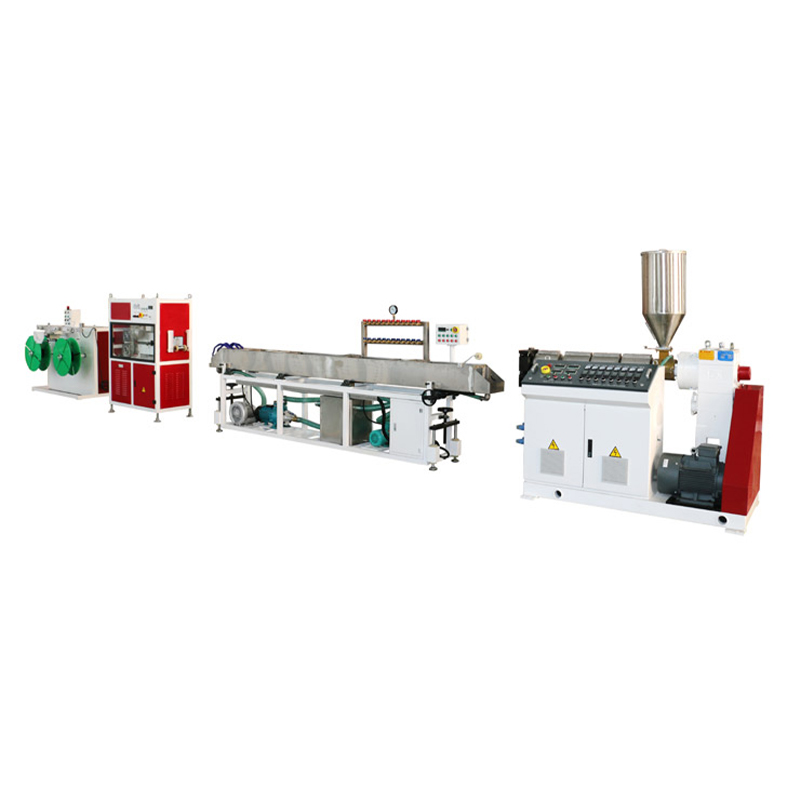
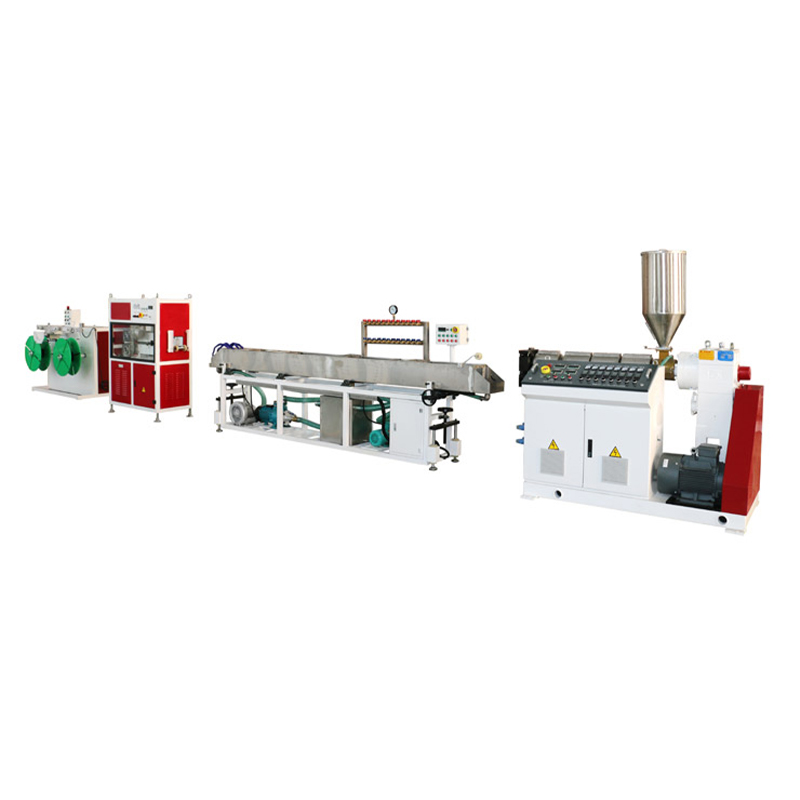
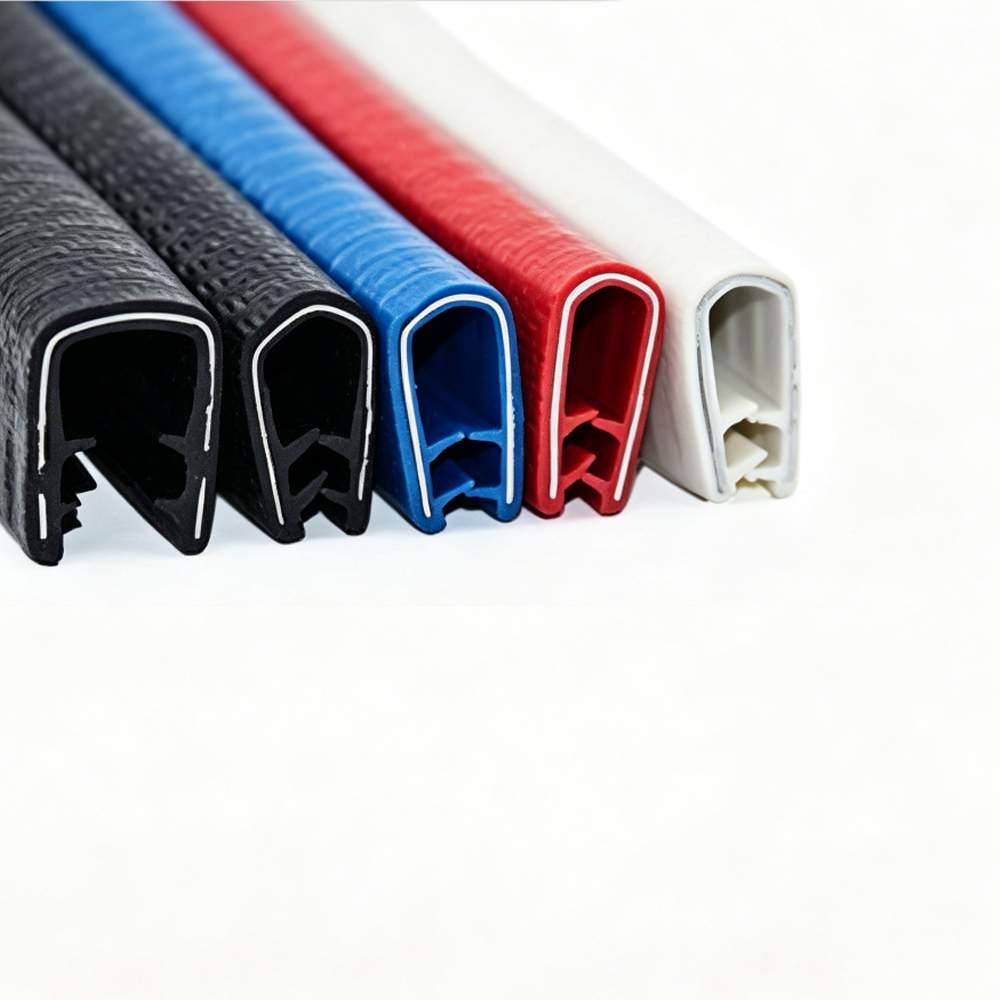
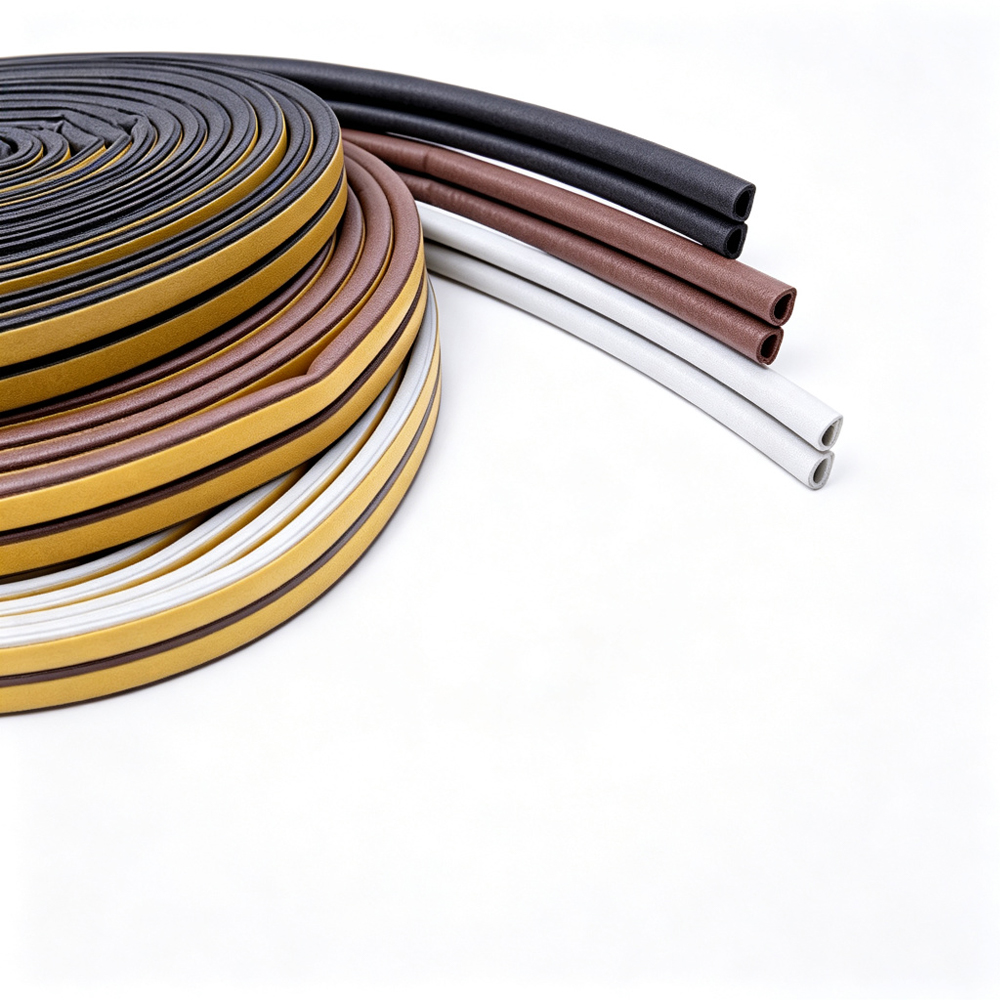
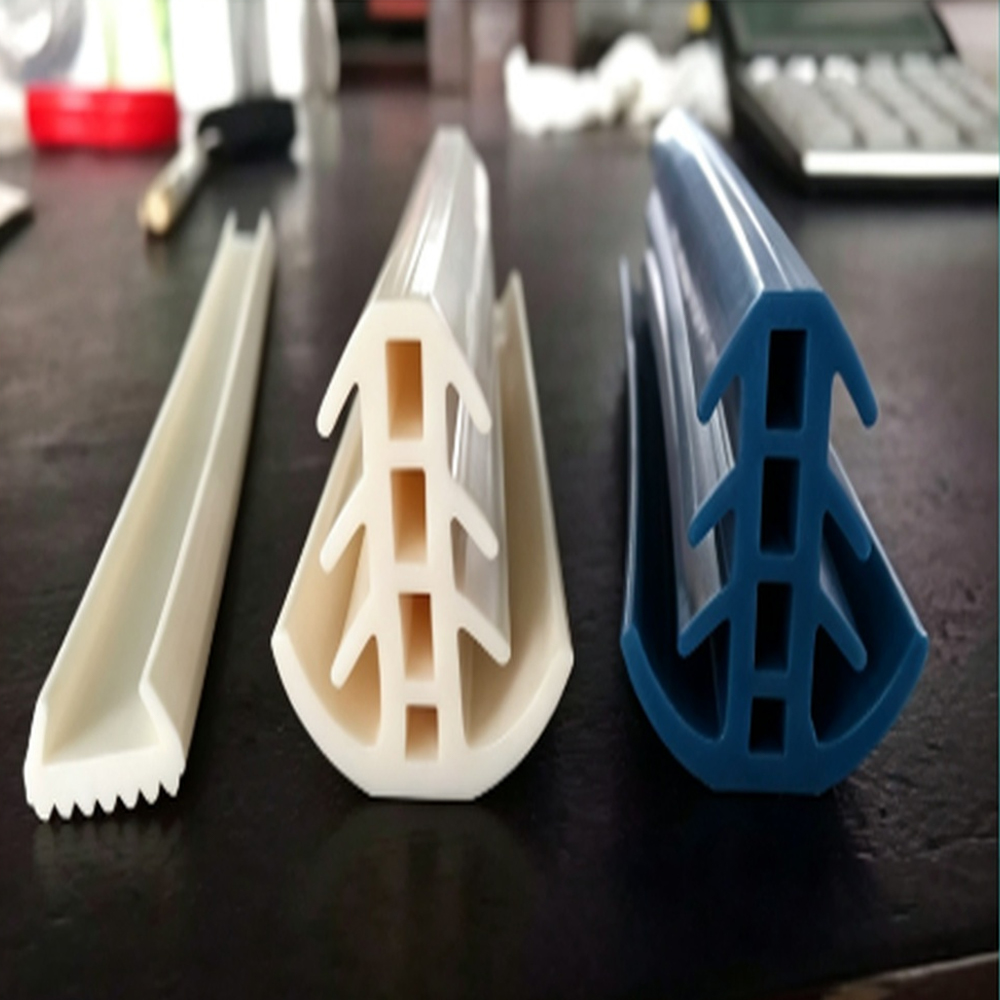
Jwell's PVC/TPU/TPV/TPE Sealing Profile Extrusion Line is specially designed for high-precision sealing profiles using PVC, TPU, TPV, and TPE materials. Whether producing automotive weatherstrips, building window/door seals, or refrigerator gaskets, these compact yet powerful extruders provide stable output with minimal material waste.
Automotive sealing systems – A German Tier 1 supplier uses two SJ65 lines to produce TPU door seals for electric vehicles (replacing EPDM). The lines run 22 hours/day with a scrap rate below 1.2%.
Building & construction – A Turkish window profile manufacturer switched from traditional PVC to TPV for better thermal stability. Their SJ45 line produces 2.5 million meters of seals per year with dimensional tolerance of ±0.1 mm.
Refrigeration & appliances – A Chinese white goods brand adopted the SJ65 extruder for TPU refrigerator door gaskets. The 18.5 kW motor ensures stable output even when processing high-viscosity TPU at 190°C.
Industrial profiles – An Italian company uses the SJ45 to produce flame-retardant PVC seals for electrical cabinets. The compact footprint (2.8 m length) allowed integration into their existing workshop without layout changes.
Efficient direct drive – 7.5 kW (SJ45) and 18.5 kW (SJ65) motors paired with high-efficiency gearboxes save 15–20% energy compared to traditional belt-driven systems. One Spanish customer reported annual savings of €3,200 on a single SJ65 line.
Fast material changeover – Thanks to optimized screw geometry (compression ratio 2.2:1 for PVC, 1.8:1 for TPE), switching from rigid PVC to soft TPU takes less than 40 minutes (including cleaning and stabilization). No screw replacement needed.
Uniform melt temperature – The 25/28 L/D screw with mixing section keeps temperature fluctuation within ±2°C, critical for degradation-sensitive TPU and TPV. An Austrian seal extruder eliminated yellowing defects after switching to the SJ45.
Low-maintenance design – Screw and barrel made of nitrided steel (HV 950–1000) provide over 8,000 hours of service life when processing glass-filled materials. Quick-open flanges reduce cleaning time by 60%.
Compact & modular – Both models have similar footprints (SJ45 approx. 3.0 × 1.2 m, SJ65 approx. 3.5 × 1.3 m). Downstream equipment (cooling tank, puller, winder) can be added without reprogramming the PLC.
We implement a four-stage quality control plan compliant with ISO 9001:2015 and automotive IATF 16949:
Stage 1 – Incoming material verification
Melt flow index test for TPU/TPV (ASTM D1238)
Apparent density and moisture content for PVC/TPE (<0.02%)
Stage 2 – In-line monitoring
Ultrasonic wall thickness gauge (accuracy ±0.02 mm) at cooling tank exit
Laser diameter gauge for outer width/height measurement – records data every 0.5 s
Melt pressure and temperature sensors – triggers alarm when deviation exceeds ±3%
Stage 3 – Off-line lab checks (every 2 hours)
Tensile strength and elongation at break (ISO 527) – ≥25 MPa for TPU seals; ≥12 MPa for TPV
Hardness (Shore A) – typical target 65±5 for automotive seals
Compression set (ASTM D395, 22 h at 70°C) – ≤25% for TPV, ≤35% for PVC
Fogging test (DIN 75201) – for automotive interior applications
Stage 4 – End-of-line functional testing
Air leakage simulation – 1 m profile sample pressed against glass plate with 5 N/cm force; allowable leakage <0.5 ml/min
UV aging resistance (optional for outdoor profiles) – 500 h QUV test, ΔE ≤ 2
Real case: A Polish customer rejected two batches of TPE seals due to inconsistent compression set (32–38%). We added a real-time viscosity monitoring system on their SJ65 line. After adjusting barrel temperature zones (reduced from 185°C to 175°C in the metering section), compression set stabilized at 21–24%.
Product Specifications:
|
Item
|
Specification
|
|
Place of origin
|
China
|
|
Brand name
|
JWELL
|
|
Model number
|
JWS45, JWS65
|
|
Certification
|
CE ISO
|
|
Minimum order quantity
|
1 SET
|
|
Packaging details
|
Wooden pallet packing
|
|
Delivery time
|
60days
|
|
Payment terms
|
TT. LC
|
|
Model
|
SJ45
|
SJ65
|
|
Extruder model
|
JWS45/25/28
|
SJZ65/25/28
|
|
Main motor power (kW)
|
7.5
|
18.5
|
|
Capacity (kg)
|
25-25
|
40-60
|
Q1: Can I process both rigid PVC and soft TPU on the same SJ45 extruder?
A: Yes. The screw is designed as “universal” with a compression ratio of 2.0. For rigid PVC, use the 28:1 L/D configuration (better plasticization). For soft TPU, switch to the 25:1 screw (shorter residence time to avoid degradation). Changeover including barrel cleaning takes about 50 minutes.
Q2: What is the actual maximum profile width that can be extruded?
A: With a standard 55 mm die, the SJ45 can produce profiles up to 80 mm wide (e.g., refrigerator gaskets). The SJ65, using a 75 mm die, can handle widths up to 140 mm – suitable for large building expansion joint seals. For wider profiles (e.g., 200 mm automotive door seals), we recommend a downstream calibration unit with vacuum sizing.
Q3: The output for SJ45 in the old table shows 25–25 – is that a mistake?
A: Good catch. The correct output range is 25–35 kg/h depending on material. For highly filled PVC (60% CaCO₃), output is about 28 kg/h; for neat TPU (lower bulk density), about 32 kg/h. The SJ65 delivers a stable 40–60 kg/h (55 kg/h for PVC, 45 kg/h for TPV). We have updated all technical data sheets.
Q4: How do I purge the screw when switching from black TPE to white TPE?
A: Use our “purge compound” (low-MFI polypropylene) at 200°C for 15 minutes, then follow with standard TPE purge compound. Never use abrasive cleaners – they will damage the nitrided surface. Most customers achieve color-free changeover within 30 minutes.
Q5: What is the typical energy consumption per kg of output?
A: For the SJ45, average specific energy consumption is 0.28–0.32 kWh/kg (PVC) and 0.35–0.40 kWh/kg (TPU). The SJ65 is slightly more efficient at 0.26–0.30 kWh/kg for PVC due to better power-to-output ratio from the larger motor.
Q6: Do you provide vacuum sizing tanks for hollow profiles?
A: Yes. Our optional downstream equipment includes a 4-meter vacuum cooling tank (two vacuum zones) with adjustable sizing dies. A French customer uses this on their SJ65 to produce hollow TPU automotive seals with 1.5 mm wall thickness.
Q7: How often should the screw and barrel be replaced?
A: For unfilled PVC/TPE, expect 12,000–15,000 operating hours. For filled materials with 30% glass fiber, service life drops to 6,000–8,000 hours. We stock replacement screws (€1,200 for SJ45, €2,100 for SJ65) and barrels (€1,800 / €3,200) available for next-day delivery from our EU warehouse.
Q8: Can this line integrate with robotic cutting and winding systems?
A: Absolutely. The PLC has two spare RS485 ports supporting Modbus RTU protocol. A Belgian profile manufacturer connected their SJ45 to a servo-driven winder that automatically adjusts speed based on extrusion rate – reducing manual labor by 70%.




Pipe Extrusion Production Line
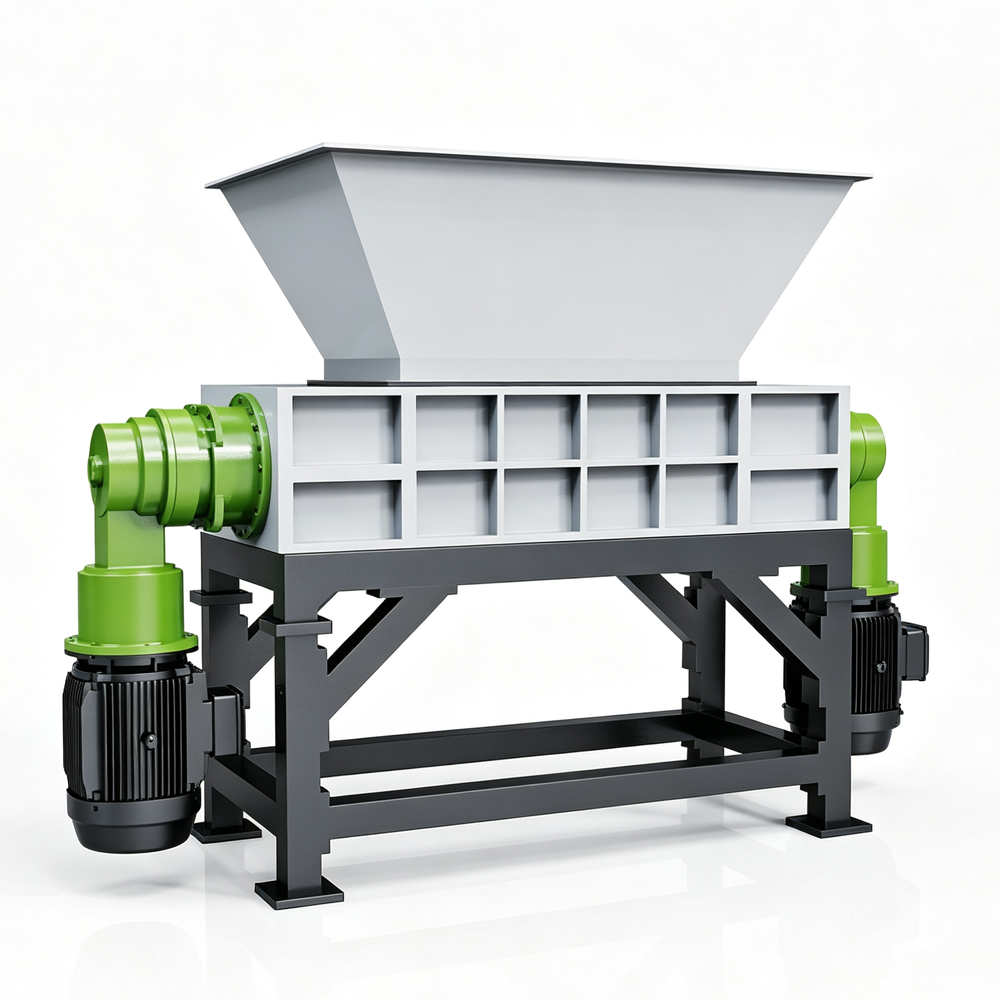
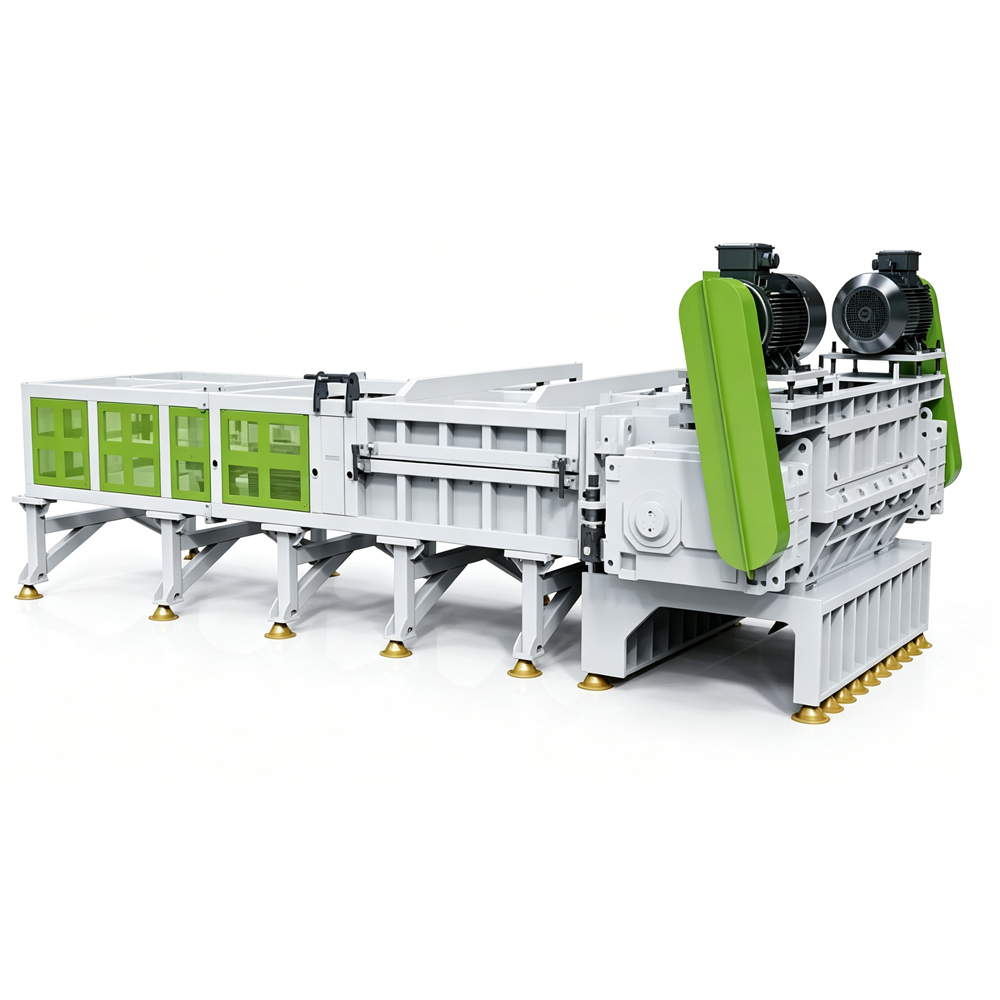
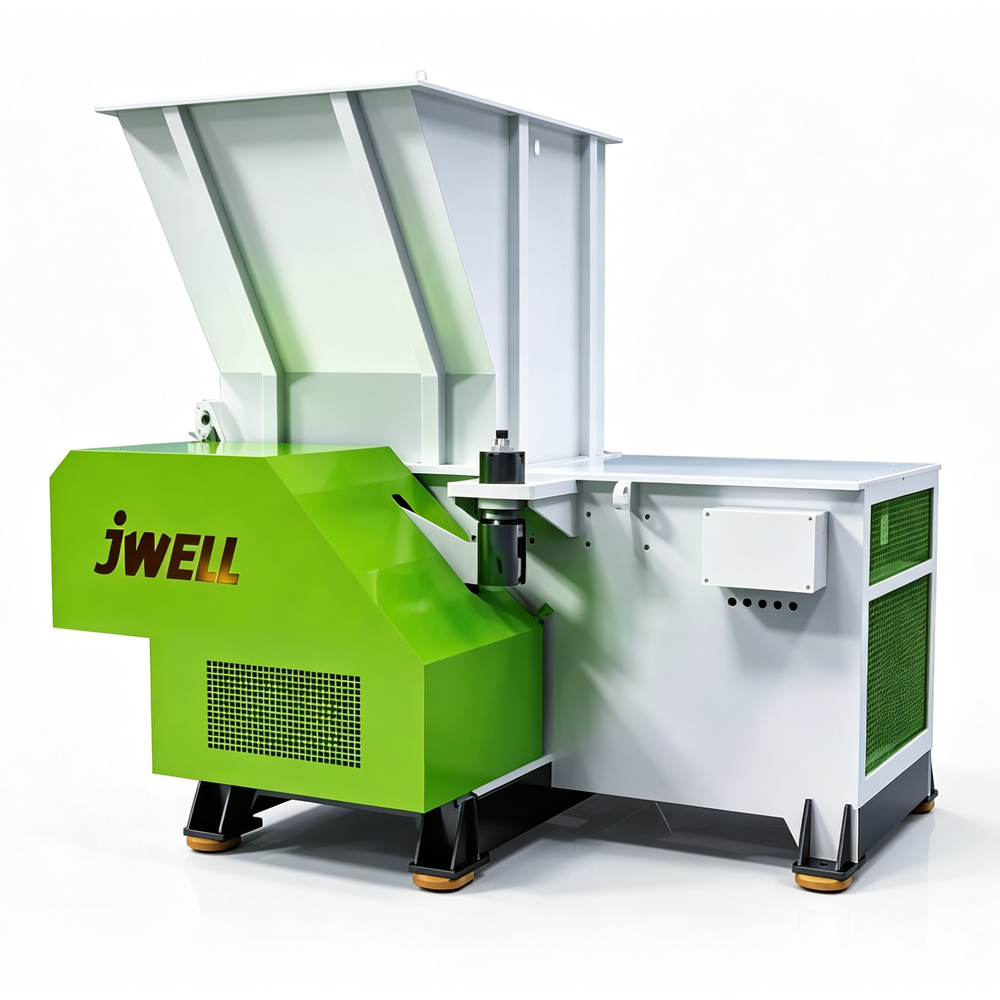
Plastic Shredder Crusher Machine

Tel: +86-19057068112

E-mail: [email protected]

Company Address
No. 128 Qingfeng Road, Xieqiao Town, Haining City, Jiaxing City, Zhejiang Province

19057068112

 English
 русский