
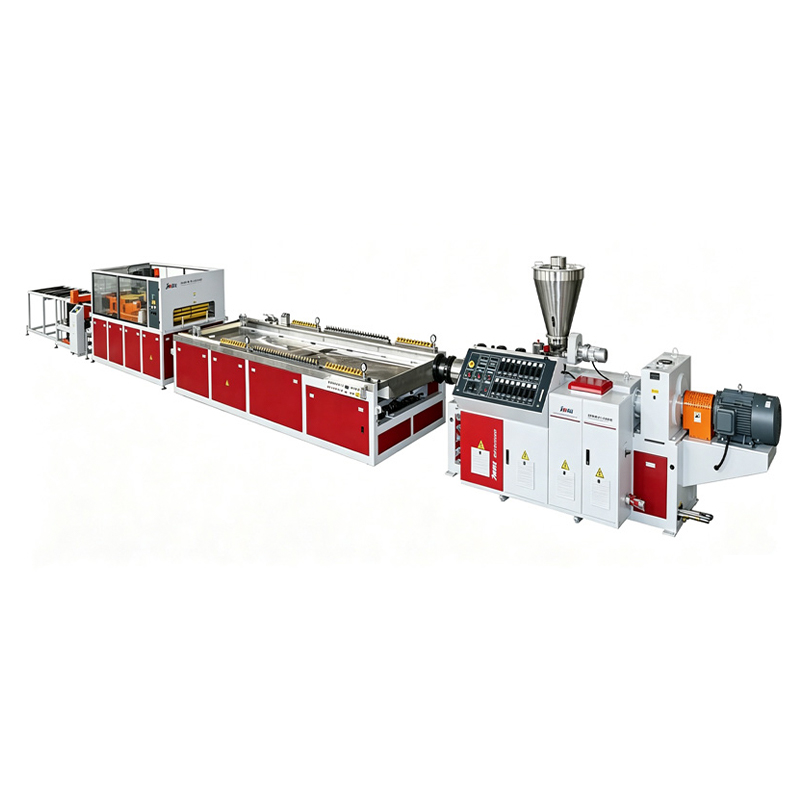
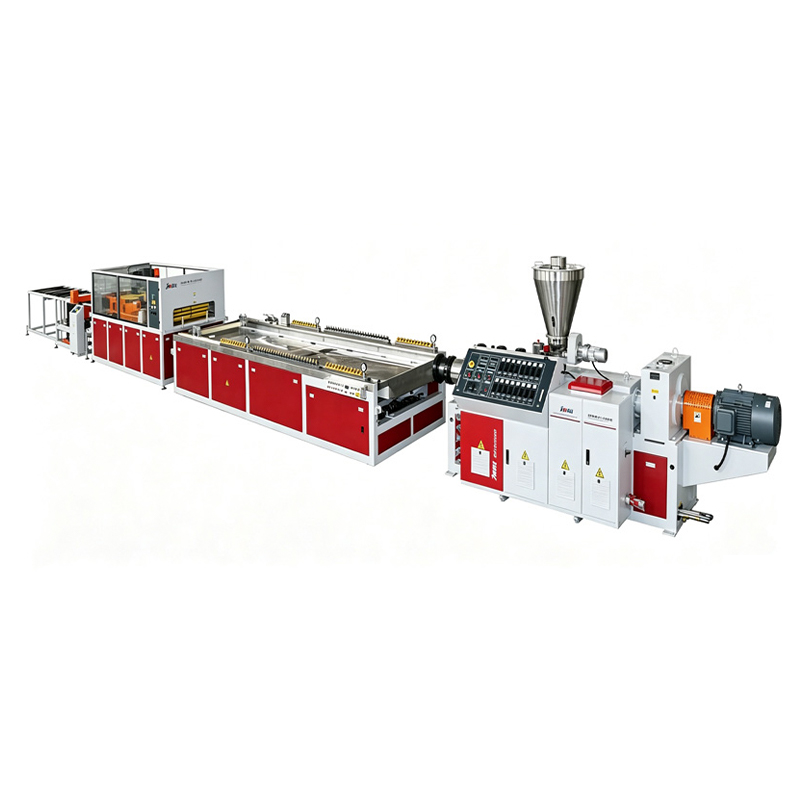
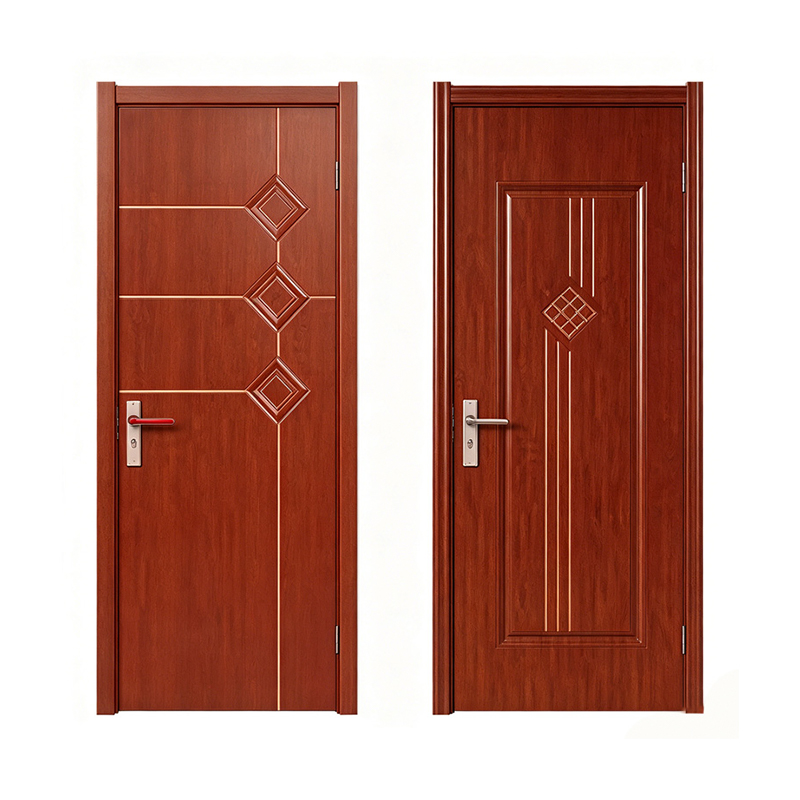
Jinwei's rigid PVC/PVC wood-plastic composite material (WPC) wide plate extrusion production line Designed specifically for high-yield and high-stability production of rigid PVC and wood-plastic composite material (WPC) wide plates, it is trusted by manufacturers worldwide.
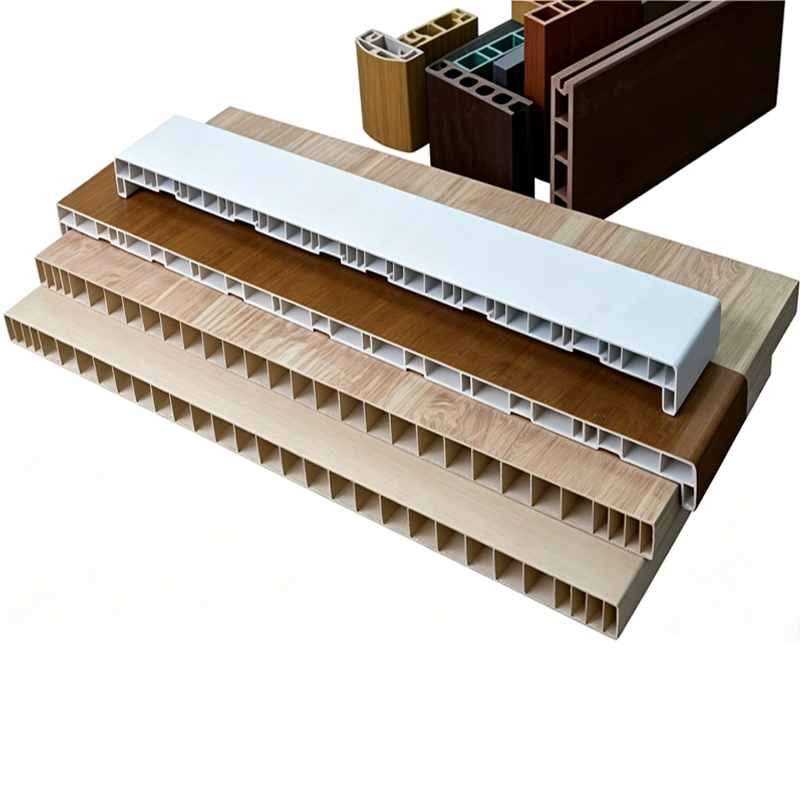
These extrusion lines are specifically engineered to produce rigid PVC sheets and PVC wood-plastic composite (WPC) wide boards, serving multiple industries:
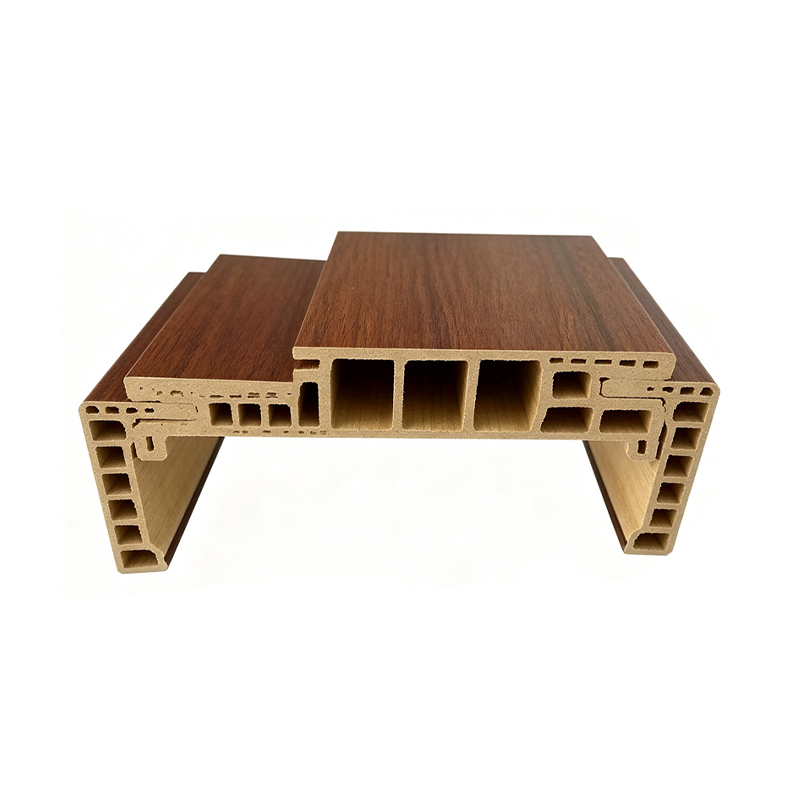
·Building & Decoration: interior wall panels, ceiling panels, skirting boards, window sill plates, fire-rated door skins.
·Outdoor WPC Products: decking, fencing, garden benches, landscape walkways – thanks to WPC's water resistance, insect resistance, and low maintenance.
·Industrial & Transport: truck bed liners, livestock house lining panels, chemical-resistant tank covers.
·Furniture & Cabinetry: flat-pressed waterproof sheets for kitchen cabinets, bathroom vanities, and office partitions.
·Real-world case: A flooring manufacturer in Vietnam uses the YF1000 line to produce 18mm thick WPC decking boards, achieving a continuous output of 420 kg/h, replacing traditional wood. Monthly finished decking output exceeds 150 tons, with zero warpage issues thanks to the wide calibration unit.
|
Feature |
Advantage |
Supporting Data |
|
Wide product range |
One machine covers 800–1250 mm board width – suitable for both standard and large boards. |
Max width: 800 (YF800), 1000 (YF1000), 1250 (YF1250) mm |
|
High output, low energy consumption |
Parallel twin-screw extruder offers high plasticizing capacity per kW. |
YF800: 320 kg/h @55 kW → 5.8 kg/kWh; YF1000/YF1250: up to 4.5 kg/kWh |
|
Stable boards under heavy load |
Larger screw diameter (92 mm) ensures stable melt pressure for wide boards, reduces thickness variation. |
YF1000/1250 use SJZ 92/188; YF800 uses SJZ 80/156 |
|
Optimized cooling & air supply |
Pre-calculated water/air consumption prevents overheating and board deformation. |
Cooling water: 13–18 m³/h; compressed air: 0.6–1.0 m³/min (depending on width) |
|
Low maintenance, high uptime |
Hardened screws and bimetallic barrels extend service life – typically 10 years for WPC. |
Verified by 20+ customer service records |
Real-world advantage case: A Turkish WPC profile manufacturer replaced two old single-screw lines with one YF1250 line. At 500 kg/h output and 18 m³/h cooling water, they reduced floor space by 40%, cut electricity costs per ton by 22%, and produced 1250 mm wide fascia boards.
Each extrusion line undergoes rigorous in-house and on-site testing. Below is our standard process:
3.1 Raw Material & Pre-Extrusion Inspection
Mixer calibration: High-speed hot/cold mixer – test dry blend uniformity (bulk density ±2%).
Moisture content: For WPC, wood fiber moisture <1.5% (using halogen moisture analyzer).
3.2 In-Process Quality Control (During Trial Run)
|
Parameter |
Target |
Test Method |
|
Board width tolerance |
±2 mm (for 800–1250 mm) |
Laser micrometer at 5 points across the die |
|
Thickness uniformity |
≤0.1 mm variation per 300 mm width |
Contact gauge / ultrasonic sensor |
|
Surface gloss & smoothness |
No sharkskin or die lines |
Visual inspection under 45° light |
|
Meter-weight consistency |
Deviation ≤2% |
Gravimetric sampling every 30 min |
|
Screw/barrel temperatures |
±2°C from setpoint |
4–6 thermocouples along the barrel |
3.3 Post-Production Mechanical Performance Testing (Sample Sheets)
·Tensile strength: ≥35 MPa (rigid PVC); ≥15 MPa (WPC – ASTM D638)
·Flexural modulus: ≥2500 MPa (rigid sheets); ≥1800 MPa (WPC decking)
·Impact strength (Izod): ≥6 kJ/m² (notched, 23°C)
·Water absorption (WPC): ≤1.5% after 24h immersion (ASTM D570)
3.4 Long-Term Reliability Verification
Continuous run test for 24 hours at maximum extrusion capacity (e.g., YF1000 at 450 kg/h). Monitor motor current, melt pressure fluctuation (<5%), and cooling water outlet temperature rise (<8°C).
Accelerated aging test for WPC boards: 500 hours UV + freeze-thaw cycling (no cracks, color difference ΔE <3).
Real-world case: A Polish customer requested third-party certification for a YF800 line. After 30 days of production following our QC protocol, the boards passed EN 15534-4 (WPC profile standard) with zero reject – thickness tolerance was only +0.05 mm.
| Type | YF800 | YF1000 | YF1250 |
| Max. width of product(mm) | 800 | 1000 | 1250 |
| Extruder type | SJZ 80/156 | SJZ 92/188 | SJZ 92/188 |
| Max. extrusion capacity (kg/h) | 320 | 450 | 500 |
| Extruder power (kw) | 55 | 110 | 110 |
| Cooling water(m³/h) | 13 | 15 | 18 |
| Compressed air(m³/min) | 0.6 | 0.8 | 1 |
Q1: How to choose between YF800, YF1000, and YF1250?
YF800 (max 800 mm): Best for startups or those focusing on narrow boards, interior skirting, or specialty strips. Lower energy and cooling requirements (13 m³/h).
YF1000 (max 1000 mm): Most commonly used for standard WPC decking (140×25mm or 150×25mm) and PVC wall panels. Balanced output (450 kg/h) and footprint.
YF1250 (max 1250 mm): For large boards – full-size floor planks (1200 mm) without edge trimming. Highest water and air demand (18 m³/h), but also highest output (500 kg/h).
Q2: Can the same line produce both rigid PVC sheets and WPC boards?
Yes, with a screw configuration change. For WPC (30–40% wood fiber), we recommend a slightly deeper flight screw (optional) and different melt filtration combination. Our SJZ series allows screw pull-out within 4 hours.
Q3: What is the typical power consumption per ton?
YF800: approx. 172 kWh/ton (55 kW / 0.32 t/h)
YF1000: approx. 244 kWh/ton (110 kW / 0.45 t/h)
YF1250: approx. 220 kWh/ton (110 kW / 0.5 t/h)
Note: Actual consumption depends on formulation and back pressure.
Q4: How to prevent board warpage after cooling?
Use our recommended three-section vacuum calibration table + 12-roller cooling rack. Water temperature gradient: 20°C in first section, 30°C in second, 40°C in third. The YF1000 line includes an automatic tension haul-off that reduces residual stress – field data shows WPC board warpage <1.5 mm/m.
Q5: What maintenance schedule is required for the twin screws?
Rigid PVC: Inspect screw surface every 4000 operating hours – hard chrome plating typically lasts 8000 hours.
WPC: Inspect every 2000 hours due to wood fiber abrasion – we offer nitrided screws with replaceable wear-resistant tips.
Q6: What makes your machines different from cheaper Chinese lines? Why should I pay more for the YF series?
A: The difference lies in three areas that directly impact your operating profit: output stability, screw service life, and board flatness.
Output stability: Our SJZ parallel twin screws use hardened ground gearboxes (safety factor >2.0). Cheap lines often suffer from gearbox overheating after 4–6 months of continuous WPC production, causing output drops of 15–20%. We have replaced gearboxes for customers who bought cheap lines – after switching to the YF1000, output remained at 445–450 kg/h even after 18 months of 24/7 operation.
Screw life: For WPC containing wood fiber, our screws are nitrided + welded with tungsten carbide wear-resistant tips on the flight edges. Expected life 8,000–10,000 hours. Cheap screws often fail within 3,000 hours (OD wear >1.5 mm). Real case: A Malaysian customer using recycled wood powder had to replace cheap screws every 10 months. After switching to a YF1250 line, they have run for 26 months without screw replacement, saving over $6,000 per year in parts and downtime costs.
Board flatness and width stability: Our die uses an automatic flexible lip with 20 heating zones (YF1000/1250). Combined with a three-stage vacuum calibration table with independent temperature control, the result is thickness variation ≤0.05 mm across 1000 mm width. Cheap lines often produce "banana-shaped" boards (cross-warpage) that cannot be sold as high-end flooring. A Canadian customer reported 8–12% scrap due to warpage with a cheap line; after switching to the YF1000, scrap dropped below 1.5%.




Pipe Extrusion Production Line
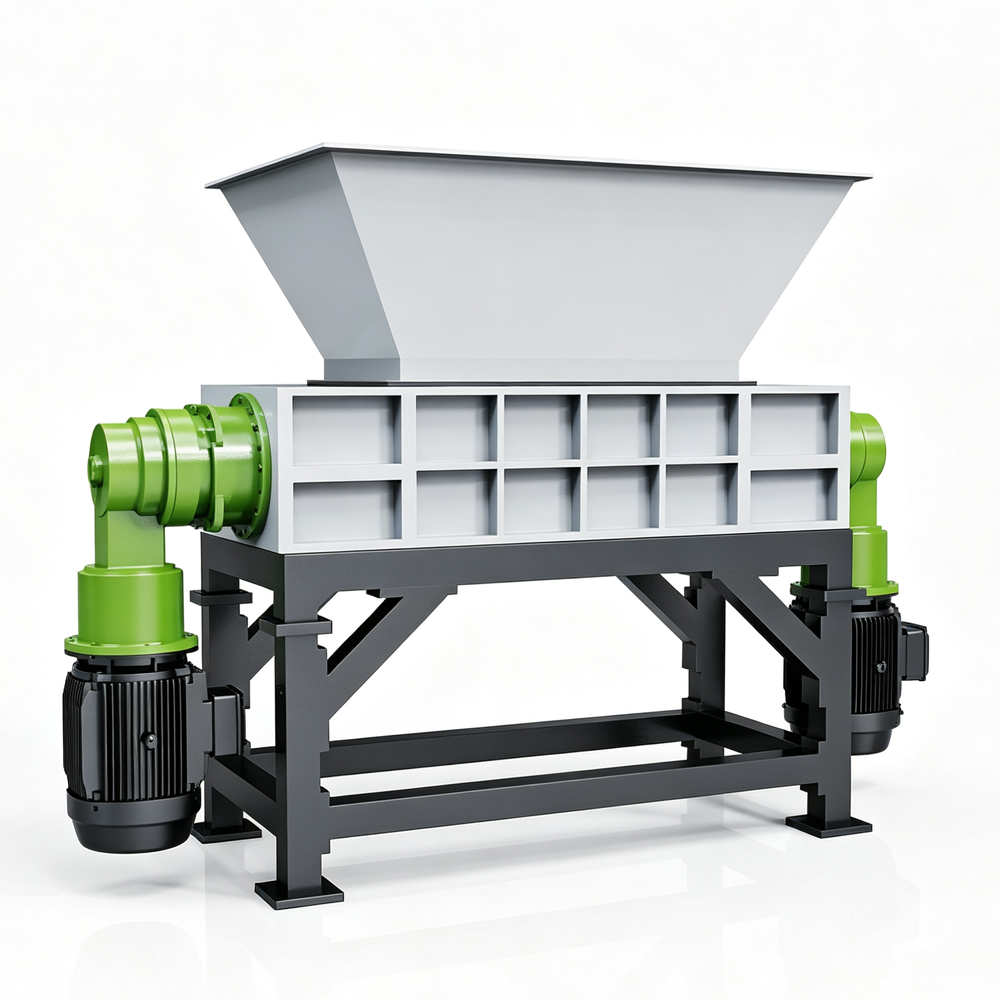
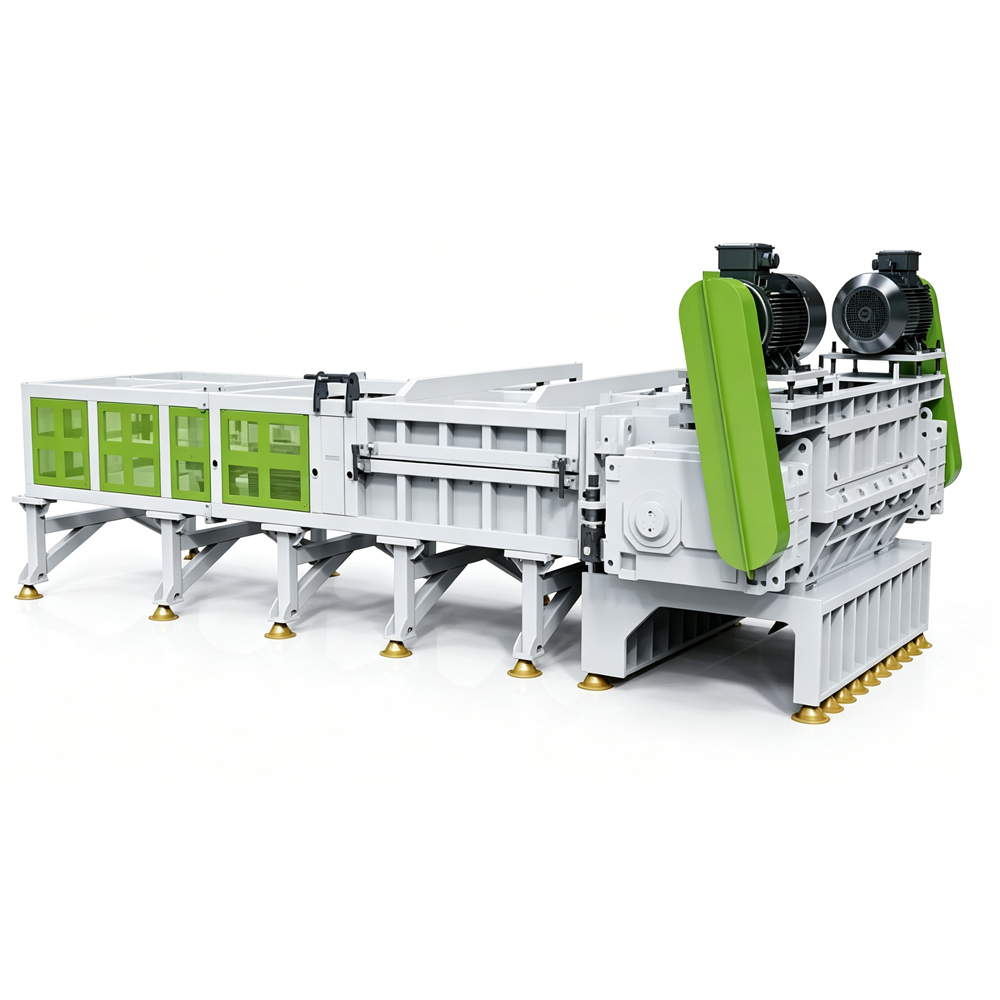
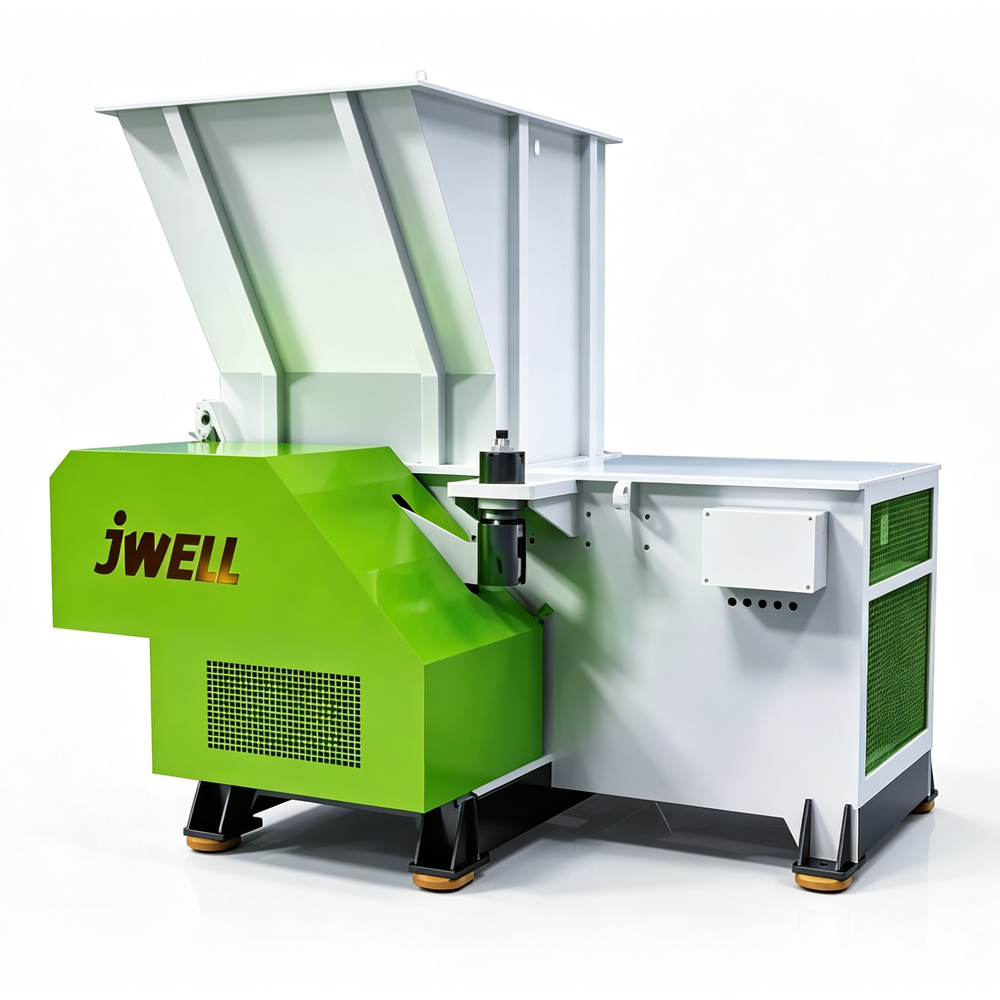
Plastic Shredder Crusher Machine

Tel: +86-19057068112

E-mail: [email protected]

Company Address
No. 128 Qingfeng Road, Xieqiao Town, Haining City, Jiaxing City, Zhejiang Province

19057068112

 English
 русский