
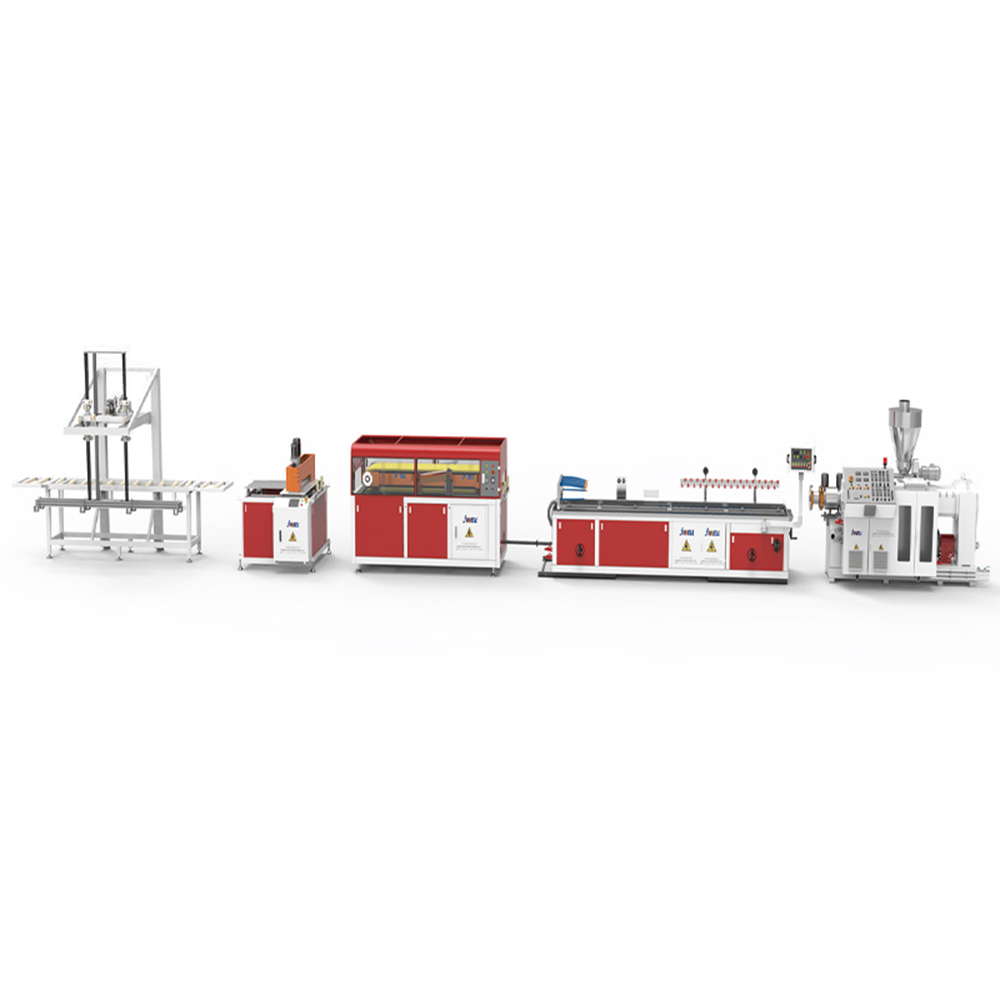
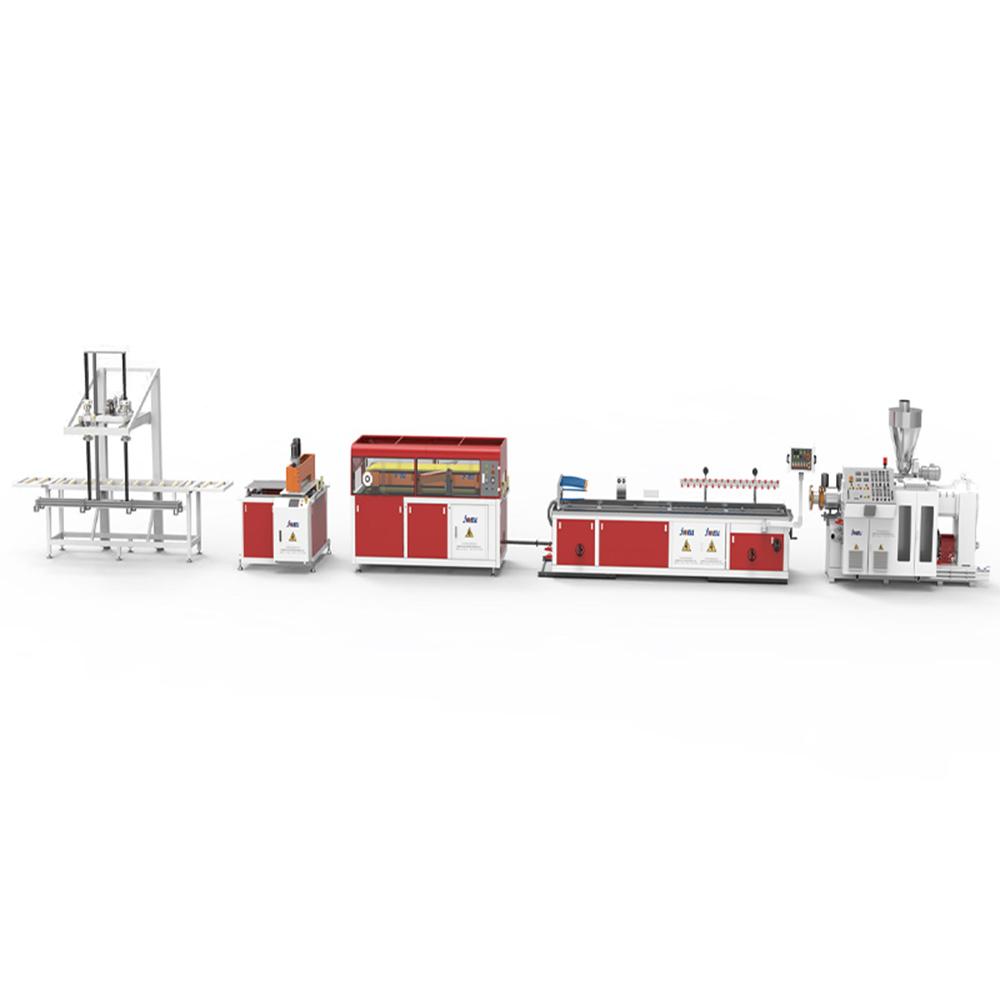
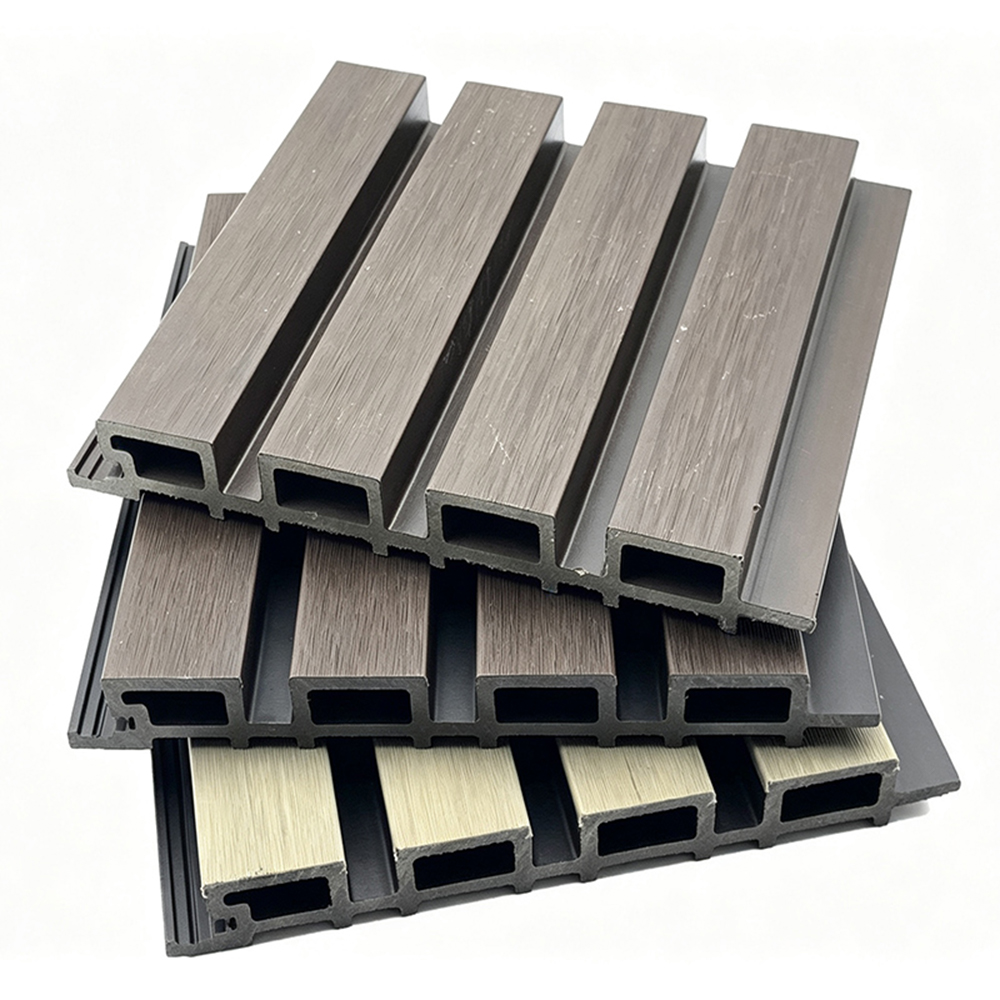
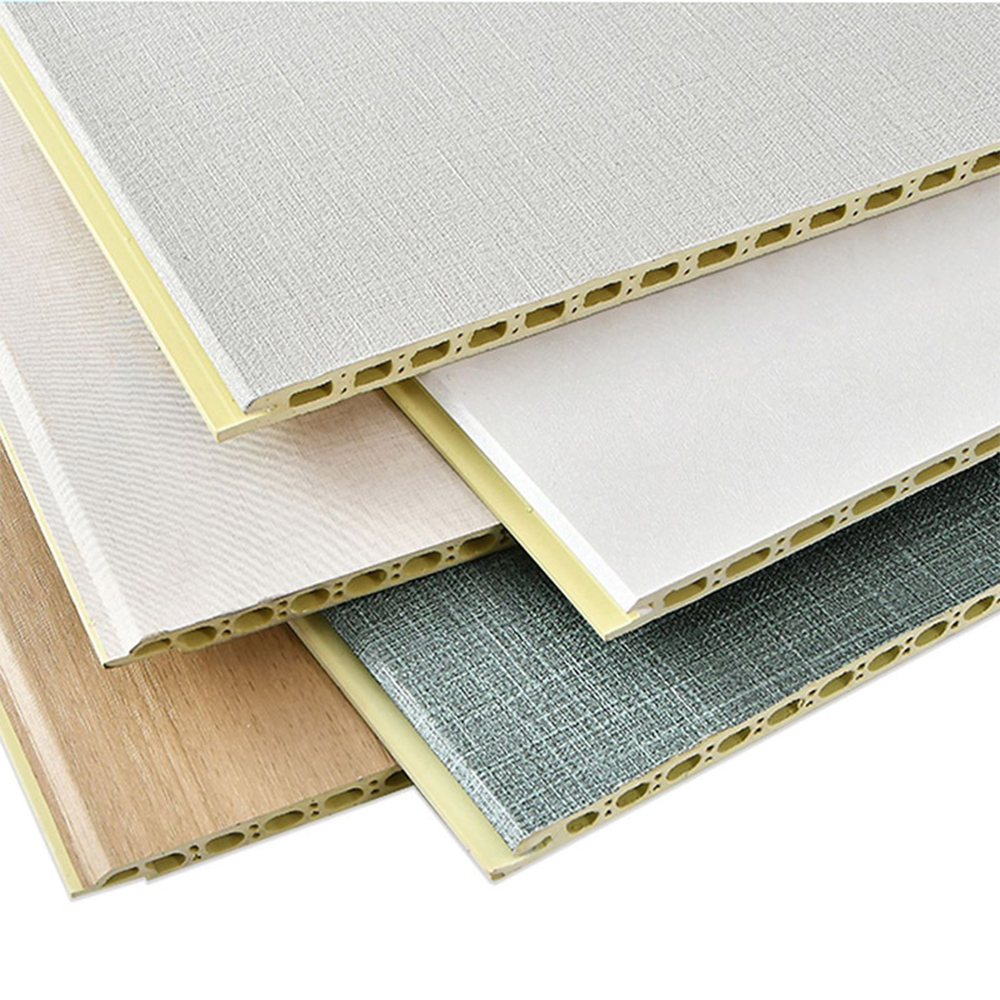
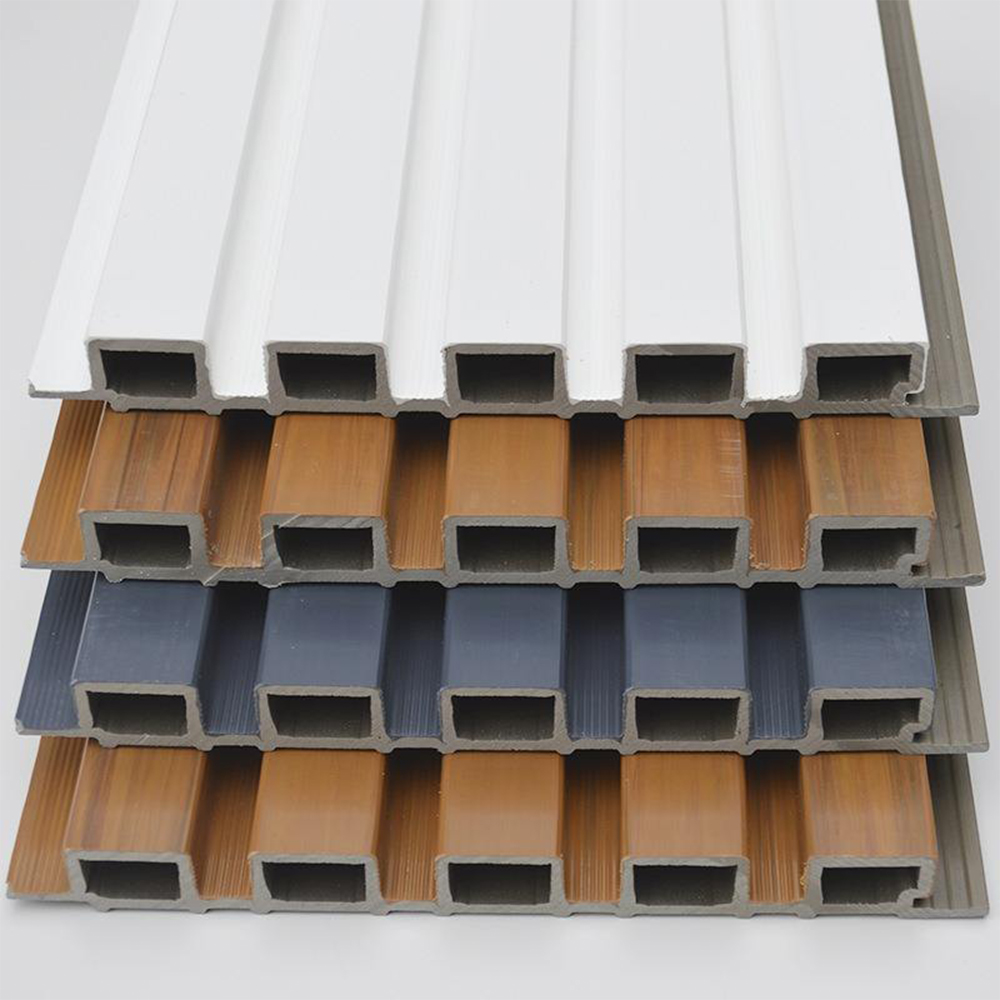
This PVC-WPC quick-install wallboard extrusion line is specially designed for producing waterproof, eco-friendly interior decorative wallboards. The SJZ series extruders (51/105 to 80/156) can produce wallboards with widths ranging from 180 mm to 600 mm, achieving a maximum output of 300–400 kg/h with low energy consumption and a compressed air requirement of only 0.6 m³/min. The line is equipped with YF downstream equipment to ensure stable and continuous production.
This production line manufactures PVC-WPC quick-install wallboards, widely used for:
Interior wall cladding in residential and commercial buildings (hotels, offices, kitchens, bathrooms)
Moisture-proof basement and bathroom wall systems
Quick-install modular homes and prefabricated buildings
Renovation projects requiring lightweight, easy-to-clean surfaces
Typical wallboard widths produced by each model:
|
Extruder Model |
Max. Wallboard Width |
Application |
|
SJZ51/105 |
180 mm |
Narrow decorative strips or small panels |
|
SJZ65/132 |
300–400 mm |
Standard interior wallboard sizes |
|
SJZ80/156 |
600 mm |
Wide panels, reducing installation seams |
|
Advantage |
Details & Real Cases |
|
High output, low energy consumption |
The SJZ80/156 achieves 300–400 kg/h with only 55 kW main motor. At a Turkish wallboard plant, this model produced 380 kg/h continuously for 600 mm panels, saving 20% energy compared to competitive twin-screw extruders. |
|
Flexible width range |
From 180 mm to 600 mm – one line meets diverse market demands. A Russian client using SJZ65/132 simply changed adapters to produce 300 mm (residential) and 400 mm (commercial) panels. |
|
Stable compressed air demand |
All models require only 0.6 m³/min – no need for oversized air compressors, reducing auxiliary investment. |
|
Moderate cooling water consumption |
Water usage of 6–8 m³/h, optimized for closed-loop cooling systems. A Vietnamese factory recycled 7 m³/h for SJZ65/132, saving 35% on water bills. |
|
Integrated downstream equipment |
Paired with YF180, YF300/400, YF600 calibrators, haul-offs, cutters, and stacking racks – ensures perfect synchronization and very low scrap rate. |
To guarantee wallboard flatness, density, and impact resistance, we implement the following process checks:
A. Raw Material Verification
Test moisture content (<0.5%) and filler dispersion for PVC resin, wood fiber (≤150 mesh), and coupling agents.
B. Extrusion Process Monitoring
Temperature profile: 5 heating zones from feed section to die – deviation <±2°C, auto-corrected by PID controller.
Melt pressure sensor: Alarm triggered if pressure exceeds 35 MPa to prevent die swell.
Vacuum calibration: First calibrator vacuum set to -0.06 to -0.08 MPa for bubble-free, dense surface.
C. Online Wallboard Inspection (every 30 minutes)
|
Parameter |
Test Method |
Acceptance Standard |
|
Width tolerance |
Laser micrometer |
±0.5 mm (for 600 mm panel) |
|
Thickness |
Dial gauge (5 points per meter) |
±0.2 mm |
|
Shore D hardness |
Durometer |
≥65 |
|
Weight per meter |
Weighing per meter |
±3% of target value |
D. Finished Product Inspection (once per shift)
Water absorption (ASTM D570): <1.5% after 24h immersion – critical for bathroom panels.
Screw holding force: ≥600 N at panel edge joints.
Flame retardancy (UL94): V-0 rating (with 8 phr ATH additive).
Real case: A Polish client using SJZ80/156 achieved 99.3% first-pass yield after adopting our recommended online thickness measurement closed-loop feedback system.
| Extruder type | SJZ51/105 | SJZ65/132 | SJZ80/156 |
| Production width(mm) | 180 | 300/400 | 600 |
| Motor power(Kw) | 22 | 37 | 55 |
| Type | YF180 | YF300/400 | YF600 |
| Output(Kg/h) | 80-100 | 150-200 | 300-400 |
| Cooling water(m³/h) | 6 | 7 | 8 |
| Compressor air(m³/min) | 0.6 | 0.6 | 0.6 |
Q1: What is the actual output of SJZ65/132 when producing 400 mm wallboards?
A: Under standard conditions (50% wood fiber, 35% PVC, 15% additives, melt temperature 170–180°C), actual output is 160–190 kg/h. By optimizing screw design and forced feeding, a Malaysian client reached 210 kg/h for 300 mm panels.
Q2: Can the same line produce both solid and hollow wallboards?
A: Yes, by changing the die (additional cost) and adjusting the cooling calibrator. SJZ51/105 is often used for hollow boards (2–4 cavities) up to 180 mm wide. SJZ80/156 can handle 600 mm wide solid boards (max thickness 10 mm) and hollow boards (max thickness 40 mm).
Q3: How often should the screw be maintained?
A: For PVC-WPC containing 30–40% wood fiber, we recommend screw inspection every 800–1000 operating hours. Our SJZ series conical twin-screw design allows easy screw extraction. A German client using low-abrasion rice husk filler ran for 1400 hours before needing re-chroming.
Q4: Why is compressed air consumption kept at 0.6 m³/min for all models?
A: Air is only used for calibrator vacuum breaking, wallboard marking, and cutter cylinder actuation – not for main conveying. Even the SJZ80/156 requires only momentary air pulses. A 2.2 kW air compressor (0.6 m³/min @ 0.6 MPa) is sufficient.
Q5: What cooling water quality is recommended?
A: Use softened water (pH 7–8, hardness <5°dH) to avoid scaling in the calibrating tank. SJZ65/132 requires 7 m³/h circulating water at 20–25°C. Scale deposits reduce cooling efficiency – an Italian user lost 15% output until installing a descaling filter.
Q6: Can I upgrade from SJZ51/105 to SJZ65/132 later?
A: The downstream YF180 cannot handle 300 mm panels. However, we offer a trade-in program – you keep the hauler, cutter, and only replace the extruder, die, and calibrator. A Brazilian company completed the upgrade in 3 days and recovered their investment within 6 months.
Q7: How to avoid warping of 600 mm wallboards?
A: Key factors: (a) Uniform cooling – set water temperature gradient: first calibrator 18°C, second calibrator 25°C; (b) Match panel exit speed with hauler (no tension); (c) 8-hour aging treatment before cutting. Our SJZ80/156 is equipped with a multi-zone cooling rack to eliminate residual stress.




Pipe Extrusion Production Line
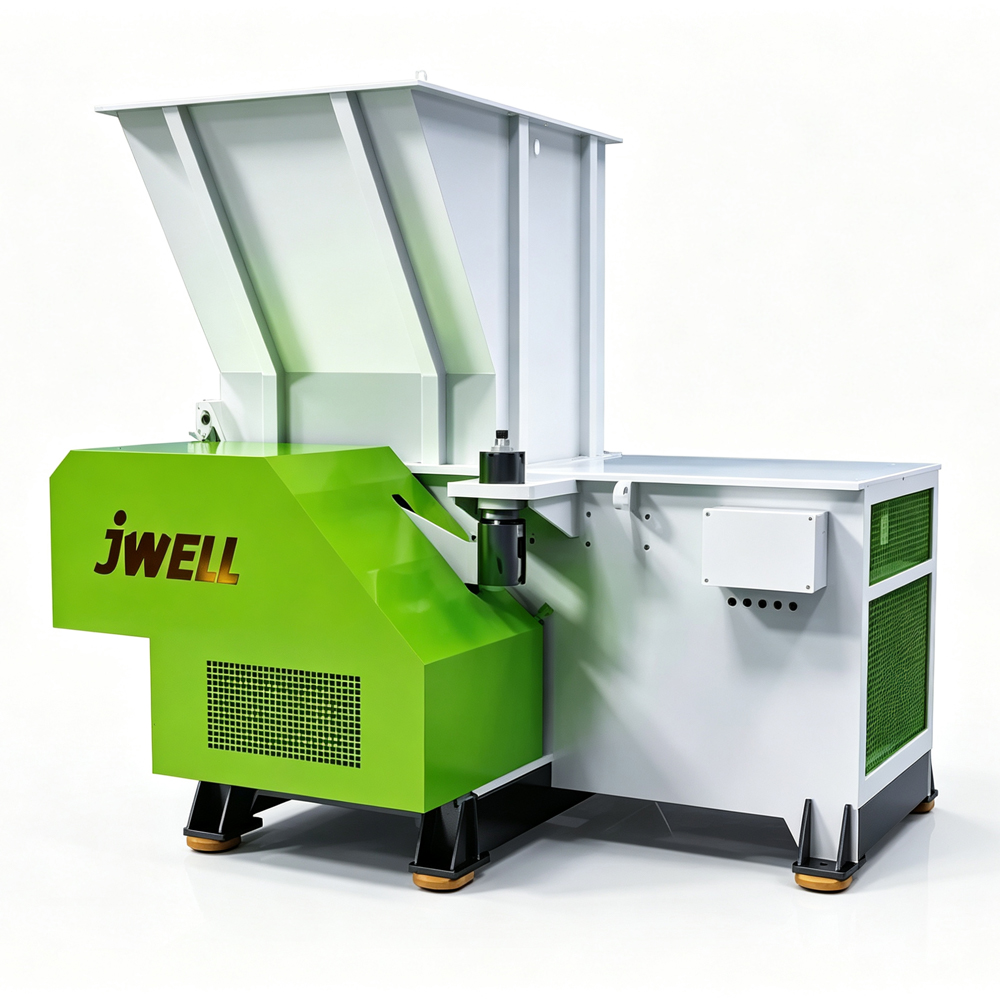
Plastic Shredder Crusher Machine

Tel: +86-19057068112

E-mail: [email protected]

Company Address
No. 128 Qingfeng Road, Xieqiao Town, Haining City, Jiaxing City, Zhejiang Province

19057068112

 English
 русский