
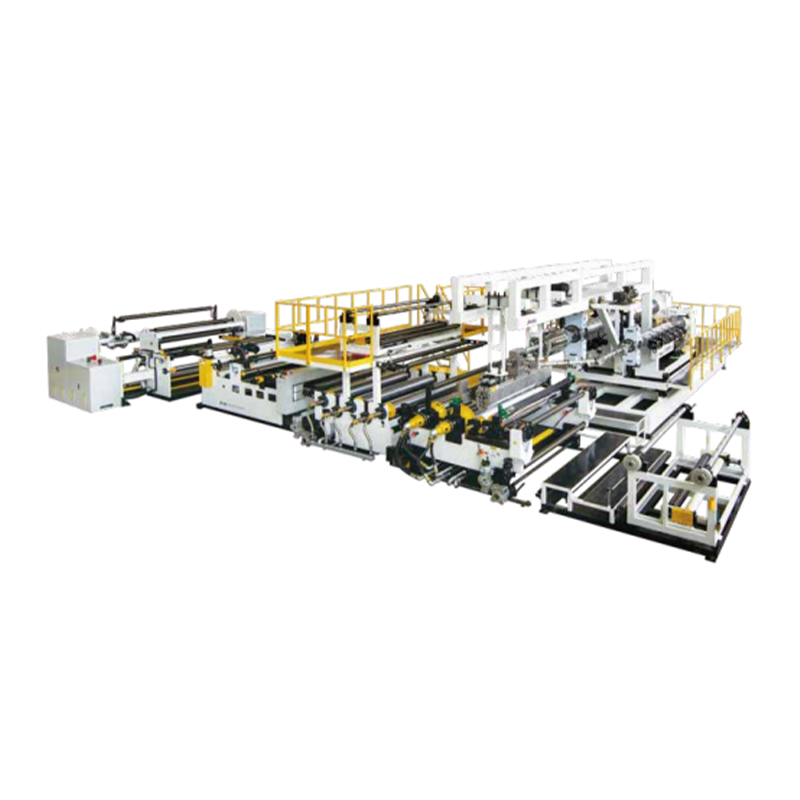
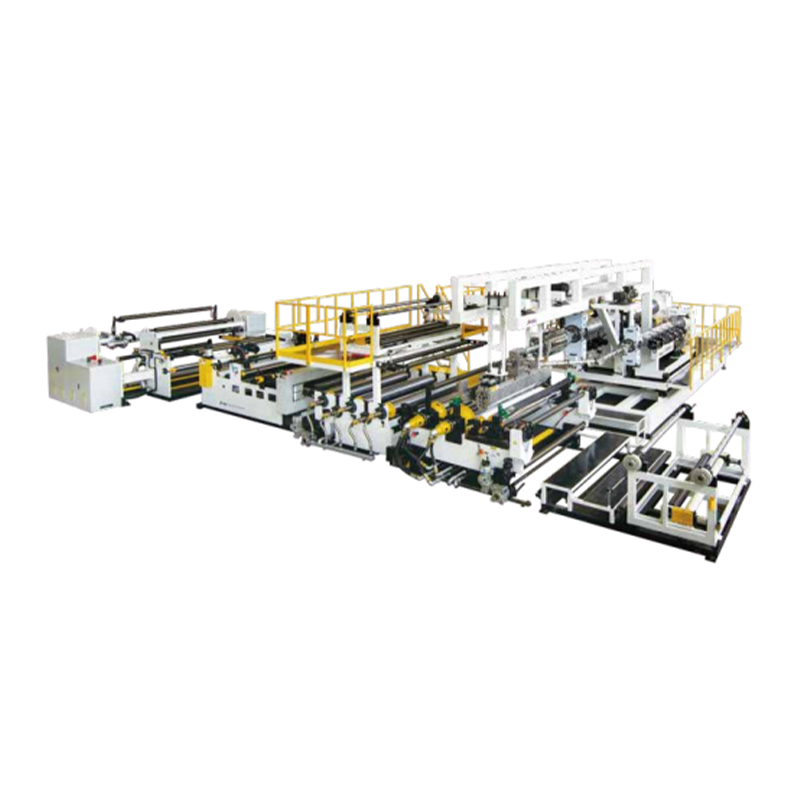
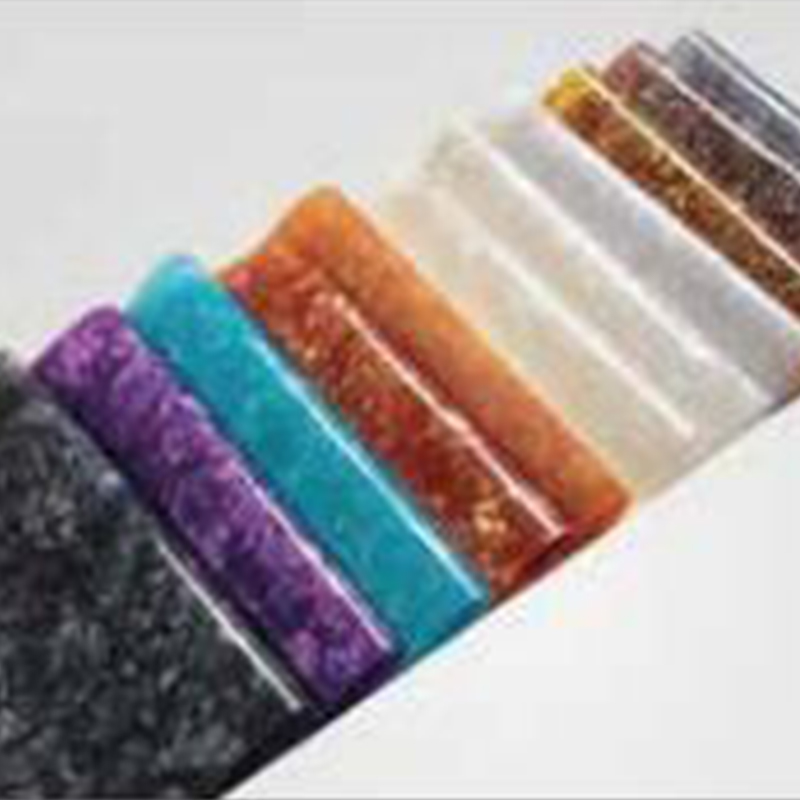
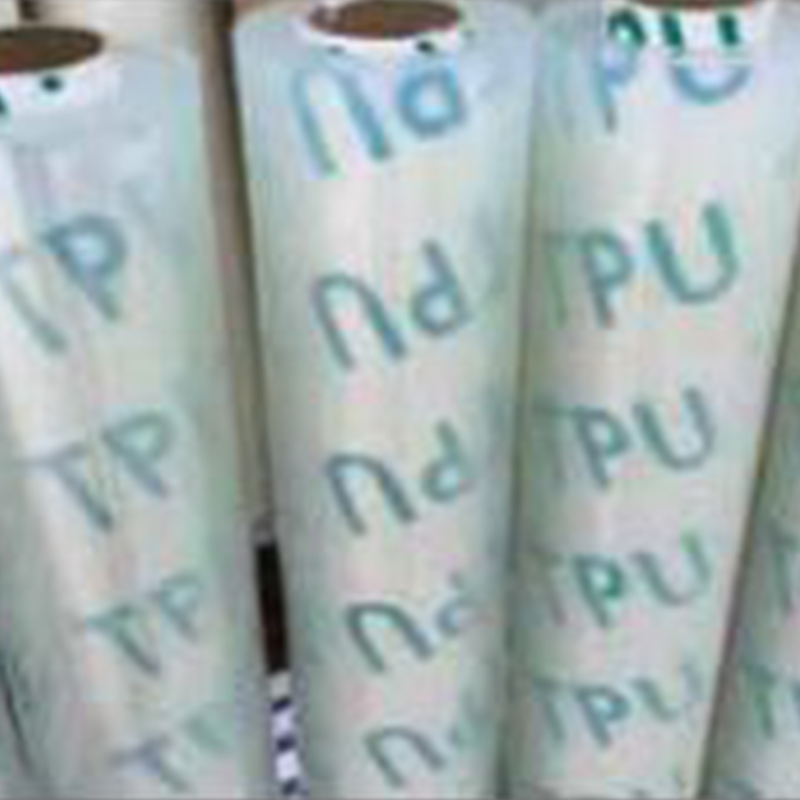
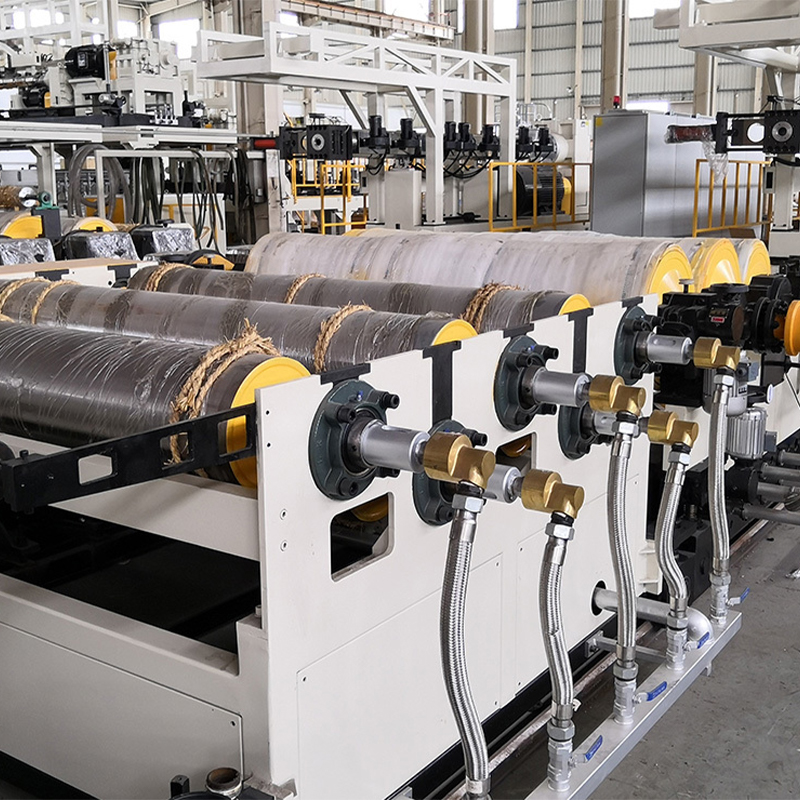
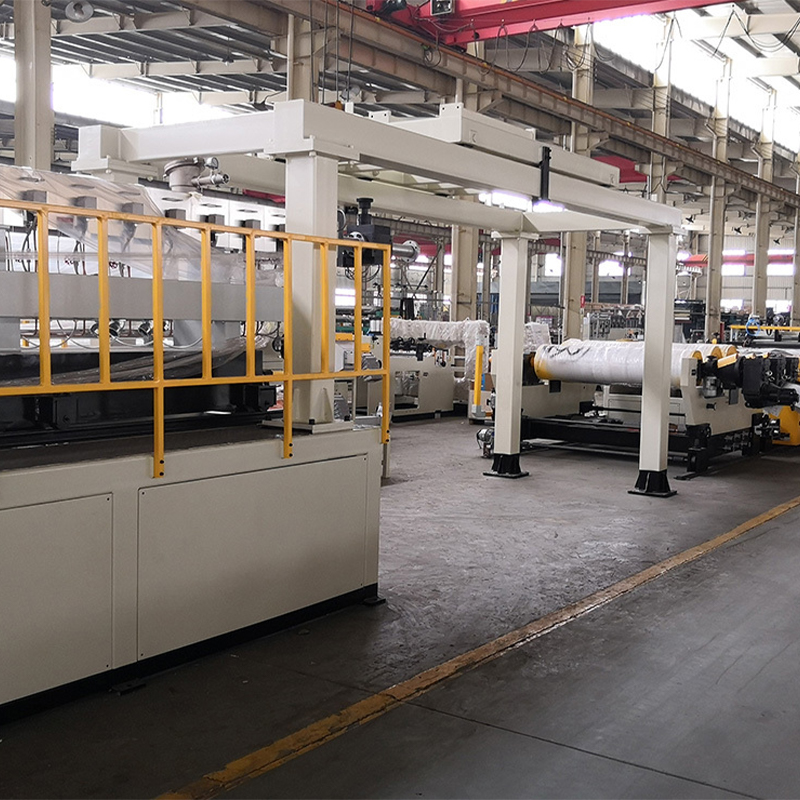
Our TPU co-extrusion lines (Models JWS90+JWS100 and JWS90+JWS90+JWS90) are designed for precision and versatility, delivering high-performance films for demanding industries. With product widths of 1000–2000 mm, thickness range of 0.02–0.5 mm, and output capacities of 200–300 kg/h, these lines are engineered for efficiency and reliability.
The ability to co-extrude TPUs with different temperature resistance and elasticity grades opens up diverse markets:
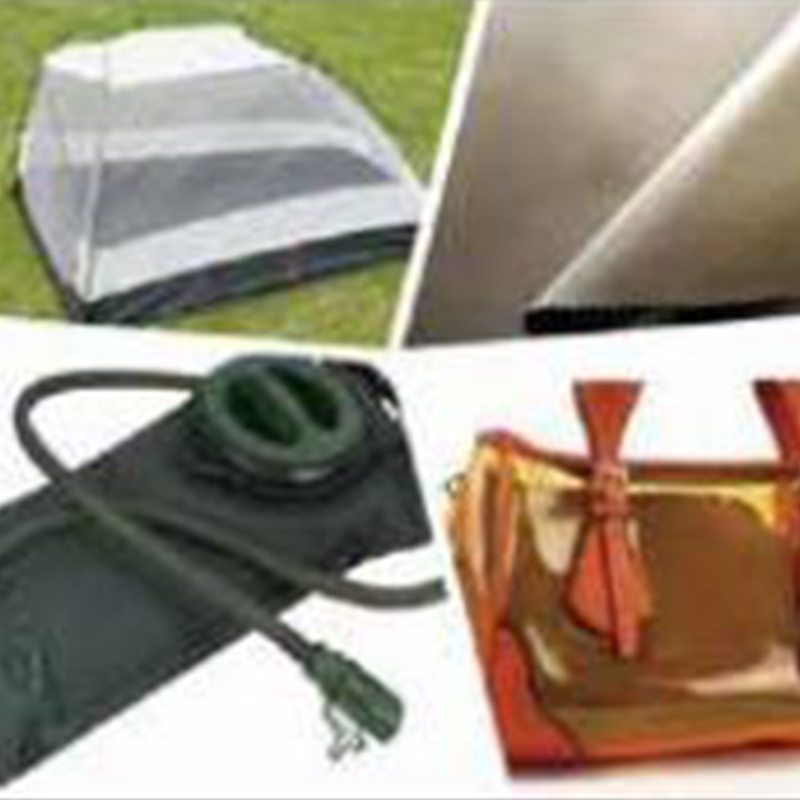
Outdoor & Sportswear (high-elasticity, breathable film): A leading outdoor brand uses our JWS90+JWS100 line to produce 0.02 mm ultra-thin, high-elasticity TPU film for waterproof and breathable jackets. The film remains intact without cracking or softening from -30°C to 80°C, replacing traditional PTFE.
Automotive Interior Film (low VOC, scratch-resistant): A Tier 1 automotive supplier adopted the three-extruder model (JWS90x3) to manufacture a 0.2 mm multi-layer film featuring a soft-touch, high-elasticity surface layer and a low-temperature-resistant base layer. This film is now used for EV dashboard wrapping, having passed 1000+ hours of heat aging at 105°C.
Medical & Hygiene (non-toxic, elastic bandages): A medical device manufacturer uses our line to produce 0.05 mm TPU film for transparent, high-elasticity wound dressings. The co-extrusion process ensures a bacterial barrier while allowing the skin to breathe.
Shoe Components (TPU uppers and support films): For toe caps and heel counters in sports shoes, the line produces 0.3–0.5 mm rigid-elastic TPU film that bonds seamlessly with EVA foam, improving durability by 40% in abrasion tests.
|
Parameter |
JWS90+JWS100 |
JWS90+JWS90+JWS90 |
Advantage |
|
Width range |
1000–2000 mm |
1000–2000 mm |
Flexible width – switch from narrow medical tape to wide automotive trim without retooling |
|
Thickness |
0.02–0.5 mm |
0.02–0.5 mm |
Ultra-thin capability (20 microns) for breathable films; up to 0.5 mm for structural films |
|
Output |
200–250 kg/h |
200–300 kg/h |
High throughput – up to 300 kg/h lowers unit cost for large orders |
Additional advantages:
True co-extrusion for high/low temperature resistance: Two/three extruders allow you to combine a high-temperature TPU layer (e.g., Vicat softening point >120°C) with a low-temperature flexible layer (brittleness temperature < -40°C). This prevents delamination under extreme environments.
High elastic uniformity: Precision screw design and die lip adjustment ensure elastic recovery variation of < ±5% across 2000 mm width – critical for elastic bandages and stretch fabrics.
Energy-efficient design: The JWS series uses grooved feed zones and barrier screws, reducing energy consumption by 15–20% compared to conventional TPU lines.
We implement a strict quality control protocol to ensure every roll meets global standards (ASTM, ISO). Here is the actual process:
Online monitoring (real-time):
Thickness gauge (X-ray or laser): Scans the 2000 mm width every 10 seconds. Tolerance is controlled at ±0.001 mm for thin films (0.02–0.1 mm) and ±0.005 mm for thicker grades.
Temperature control: PID control for each heating zone (barrel, flange, die) with deviation < ±1°C to prevent gel formation or degradation.
Offline testing (per batch):
|
Test |
Equipment/Standard |
Acceptance Criteria |
|
Tensile strength & elongation at break |
ASTM D882 |
MD/TD > 40 MPa, elongation > 450% |
|
Tear strength |
ASTM D1004 |
> 150 kN/m |
|
Low-temperature flexibility |
ASTM D1790 (mandrel bend at -40°C) |
No cracks after 180° bend |
|
High-temperature resistance |
Heat aging at 100°C for 168 h |
No discoloration, strength retention >90% |
|
Optical clarity (transparent films) |
ASTM D1003 (haze meter) |
Haze < 5% for 0.05 mm film |
|
Elastic recovery |
100% strain cycle test |
Recovery > 95% after 10 cycles |
Real case – customer quality yield rate:
A European film processor using our JWS90+JWS90+JWS90 line achieved a first-pass yield of 99.3% for 0.1 mm high-elasticity TPU film after implementing our recommended online thickness feedback system. Defects were mainly edge trimming (0.5%) and minor gels (<0.2%).
|
Model
|
Products width (mm)
|
Products thickness (mm)
|
Capacity (kg/h)
|
|
JWS90+JWS100
|
1000–2000
|
0.02–0.5
|
2000–2850
|
|
JWS90+JWS90+JWS90
|
1000–2000
|
0.02–0.5
|
2000–3000
|
Q1: Can your line produce both transparent and matte/opaque TPU films?
A: Yes. By changing the die lip surface finish and adjusting the screw speed for filler masterbatch (e.g., TiO₂ or CaCO₃), you can switch from high transparency (haze < 4%) to a matte surface within 30 minutes.
Q2: How do you control thickness variation when producing 0.02 mm ultra-thin film across 2000 mm width?
A: We use an automatic die lip adjustment system with 30 thermal bolts. An X-ray thickness gauge feeds signals back to each bolt every 2 seconds, controlling thickness across the full width within ±0.0015 mm. This has been verified at customer sites producing 0.02 mm film for drone parachutes.
Q3: What is the maximum output for high-elasticity TPU (Shore A 70–85)?
A: On the three-extruder model (JWS90x3), using a 70A TPU grade with MFI ~25 g/10min, we have consistently achieved 280 kg/h. For softer grades (Shore A 60), output may drop to 220–250 kg/h due to lower melt strength.
Q4: Is a separate dryer required for drying TPU?
A: Yes, TPU is hygroscopic. We recommend integrating a desiccant dryer with -40°C dew point upstream. Our line includes a hopper dryer with automatic moisture monitoring – drying at 80–100°C for 3–4 hours is sufficient for most TPU grades.
Q5: Can you co-extrude two different hardness TPUs?
A: Absolutely. The JWS90+JWS100 configuration is ideal for A/B two-layer films: e.g., a soft (Shore A 60) surface layer for touch feel and a rigid (Shore D 60) core layer for tear resistance. The three-extruder model allows A/B/A symmetrical structures for balanced performance.
Q6: What is the typical energy consumption per kg?
A: According to field data: approximately 0.65–0.80 kWh per kg of TPU film produced, including drying and extruder drive. This is 12% lower than single-screw lines without barrier screw design.
Q7: How long does it take to change from one width/thickness to another?
A: For width change (e.g., 1500 mm → 1800 mm) by manual die lip adjustment: 15 minutes. For thickness change (e.g., 0.1 mm → 0.3 mm) by adjusting line speed and screw speed: less than 5 minutes thanks to our recipe storage system.





Tel: +86-19579950928

E-mail: [email protected]

Company Address
No. 128 Qingfeng Road, Xieqiao Town, Haining City, Jiaxing City, Zhejiang Province

19579950928

 English